Photo credit: Arnaud Padallé/Unsplash.com
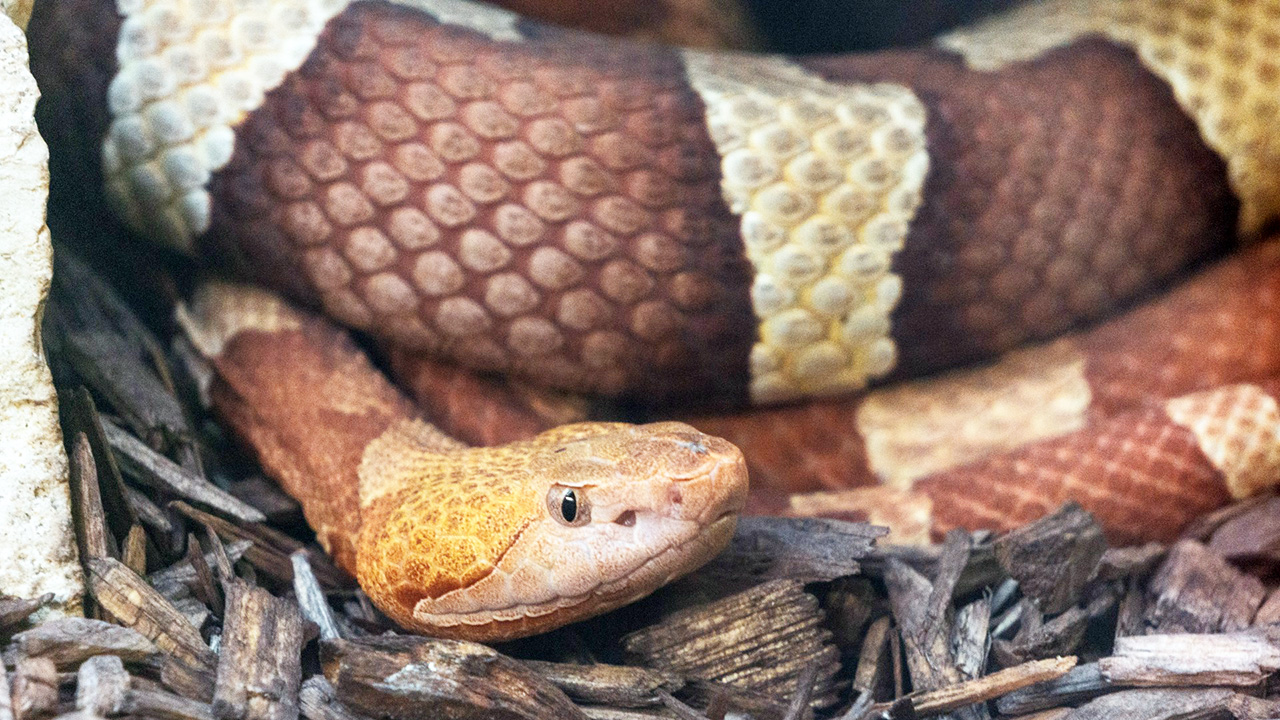
Copperheads are one of the snakes people are most likely to encounter without ever leaving their property. They thrive in edge habitat—woodlines meeting lawns, creek bottoms behind subdivisions, brush piles, stacked firewood, landscaping timbers, and overgrown fence lines. Unlike some snakes that avoid human activity, copperheads tolerate it extremely well. They don’t need wide-open wilderness, they don’t need deep forest, and they don’t rely on rattling or fleeing as a defense. That combination is exactly why they show up in yards so often. In the states below, copperheads aren’t just present—they’re routinely the snake people find near decks, sheds, patios, gardens, and play areas. If you live in one of these states, copperheads are often the default venomous snake around homes, not a rare surprise.
Tennessee

Tennessee is one of the strongest examples of copperheads becoming the most common yard snake. The state’s mix of wooded hills, creek systems, and expanding suburbs creates ideal copperhead habitat right next to homes. Copperheads here thrive in leaf litter, landscaping borders, woodpiles, and shaded yards that back up to trees or drainage areas. Many sightings happen in late spring through early fall, especially after rain when snakes move to hunt or thermoregulate. A big reason copperheads dominate yards in Tennessee is their camouflage—people often don’t see them until they’re already close. Timber rattlesnakes exist in parts of the state, but they’re far less likely to turn up near homes. Copperheads, by contrast, tolerate human presence and stay put, which leads to frequent backyard encounters.
North Carolina

In North Carolina, copperheads are widely considered the most common venomous snake found around homes. The state’s Piedmont and foothill regions are especially copperhead-friendly, with rolling terrain, mixed forest, and constant edge habitat created by development. Copperheads regularly show up in yards with rock borders, landscaping timbers, brush piles, and shaded lawn edges. Many bites in North Carolina happen around homes rather than deep woods, often when someone steps near a snake they never saw. Copperheads don’t need wetlands or large tracts of forest, which puts them right in suburban neighborhoods. While rattlesnakes exist in mountain regions, copperheads are far more likely to be the snake someone finds near a porch, shed, or garden bed.
Georgia

Georgia has one of the highest rates of copperhead encounters near homes in the Southeast. The state’s long warm season, heavy vegetation, and rapid suburban growth create prime conditions for copperheads to live close to people. Yards with pine straw, mulch, stacked firewood, or overgrown edges are especially attractive. Copperheads in Georgia often hunt rodents and frogs drawn to irrigation and outdoor lighting, which keeps them near houses. Unlike eastern diamondbacks, which prefer more remote or undisturbed habitat, copperheads adapt easily to neighborhood environments. Many Georgia residents report repeated sightings in the same yard year after year, which highlights how well copperheads settle into residential spaces.
Virginia

Virginia consistently reports copperheads as the most commonly encountered venomous snake around homes. The state’s mix of hardwood forest, suburban sprawl, and water features like creeks and drainage ditches creates ideal copperhead habitat in residential areas. Copperheads frequently turn up near patios, sheds, and woodpiles, especially in neighborhoods built near wooded tracts. One reason they’re so common is their tolerance for cooler temperatures compared to some other venomous snakes, which extends their active season. Timber rattlesnakes exist in parts of Virginia but are far less likely to show up in yards. Copperheads fill that niche almost everywhere people live near trees.
Kentucky

In Kentucky, copperheads are widely regarded as the snake most likely to be found in yards, especially in hilly and wooded regions. Residential areas built along creek bottoms or forest edges see frequent sightings. Copperheads in Kentucky take advantage of rock landscaping, stacked firewood, and shaded lawns that hold moisture. They’re also active at dusk and nighttime, which increases surprise encounters. While timber rattlesnakes are present in more remote areas, copperheads are far more adaptable and much more likely to live near homes. Many Kentucky residents don’t realize how common they are until one shows up near a walkway or porch.
South Carolina

South Carolina’s warm climate and dense vegetation make it prime copperhead territory, especially in residential and semi-rural areas. Copperheads frequently turn up in yards with heavy ground cover, pine straw, and overgrown edges. Suburban expansion into wooded areas has increased encounters dramatically. Copperheads here often remain motionless when approached, which makes accidental close contact more likely. Eastern diamondbacks exist in the state but are far less common around homes. Copperheads have effectively become the default venomous yard snake across much of South Carolina.
Alabama

Alabama sees copperheads regularly in residential areas, especially in wooded and semi-rural neighborhoods. Leaf litter, fallen branches, and shaded yards provide perfect cover. Copperheads often hunt rodents attracted to gardens, bird feeders, and outdoor pet food. One reason copperheads dominate yards in Alabama is their preference for edge habitat rather than deep forest. Rattlesnakes tend to stay farther from homes, while copperheads tolerate human disturbance. Many encounters happen during yard work or when moving debris, catching homeowners off guard.
Missouri

Missouri has a long history of copperhead encounters around homes, particularly in southern and central regions. Copperheads thrive in rocky terrain, wooded hillsides, and creek corridors that run straight through neighborhoods. Landscaping with stone borders and retaining walls provides ideal shelter. Copperheads are also active during evening hours when people are outside grilling or doing yard work. While timber rattlesnakes exist in parts of Missouri, copperheads are far more likely to be found near decks, sheds, and garages.
Arkansas

Arkansas is another state where copperheads are commonly considered the most frequent yard snake. Dense forest, rocky ground, and widespread rural housing create perfect conditions. Copperheads are often found near porches, crawl spaces, and woodpiles, especially in shaded areas that hold moisture. Many residents encounter copperheads during routine tasks like mowing or moving debris. Their ability to remain still and blend into leaf litter makes them particularly hard to spot. Compared to other venomous species in Arkansas, copperheads are by far the most likely to show up near homes.
West Virginia

In West Virginia, copperheads dominate residential snake encounters, especially in hilly and wooded regions. Homes built along ridges, hollows, and creek bottoms frequently see copperheads moving through yards. Leaf litter, rock piles, and stacked firewood provide excellent cover. Copperheads in West Virginia are active during warm months and often remain close to cover, which increases the risk of surprise encounters. Rattlesnakes exist in the state but are far less commonly encountered near homes.
Maryland

Maryland reports copperheads as the most commonly encountered venomous snake in residential settings, especially in central and western parts of the state. Suburban neighborhoods built near wooded areas see frequent sightings. Copperheads use drainage ditches, stone landscaping, and wooded edges as travel corridors. Their presence often surprises homeowners who don’t expect venomous snakes so close to populated areas. Compared to rattlesnakes, which are limited to more remote habitats, copperheads have adapted well to Maryland’s suburban landscape.
Pennsylvania

Pennsylvania might not seem like a snake hotspot, but copperheads are common in many residential areas, particularly in rocky and wooded regions. Homes near ridges, creeks, and forest edges see regular encounters. Copperheads in Pennsylvania are often active during warm evenings and hide well in leaf litter and stone features. Timber rattlesnakes exist but are far less likely to be found near homes. Copperheads fill that gap, making them the most common venomous yard snake in much of the state.
Ohio

In southern Ohio, copperheads are the venomous snake people are most likely to encounter around their homes. The state’s mix of wooded hills, river valleys, and suburban development creates ideal edge habitat. Copperheads frequently show up near rock gardens, woodpiles, and shaded yards. Many encounters happen during routine outdoor activities rather than wilderness recreation. Compared to rattlesnakes, which are limited and declining, copperheads are far more adaptable and common near residential areas.
Indiana

Southern Indiana sees regular copperhead sightings around homes, especially in wooded and hilly regions. Copperheads use creek corridors and forest edges that run directly through neighborhoods. They’re often found near landscaping features that provide cover and warmth. Indiana’s copperheads are active during warm months and tend to remain close to hiding spots, which increases the risk of surprise encounters. Rattlesnakes exist in very limited areas, making copperheads the primary venomous snake homeowners encounter.
Illinois

In southern Illinois, copperheads are the most commonly encountered venomous snake near homes. Forested terrain, river systems, and rural housing create ideal habitat. Copperheads frequently turn up near sheds, crawl spaces, and woodpiles. Many encounters happen during yard maintenance or when clearing brush. While rattlesnakes are present in isolated areas, copperheads are far more widespread and tolerant of human activity, making them the snake people most often find in their yards.
Like The Avid Outdoorsman’s content? Subscribe to our newsletter so you never miss an article.
Here’s more from us: