Photo credit: Imad Clicks/Pexels.com
Some dogs are friendly with everybody and happy to greet the whole world like an invited guest. This is not that list. These are the breeds that tend to attach deeply to their people, stay alert to what is happening around the house, and make it pretty obvious that they take family seriously. The American Kennel Club notes that guardian breeds are often loyal, fearless, strong, and watchful, and that naturally protective dogs need proper training and socialization because size, instinct, and confidence can become a problem fast in the wrong hands.
That is the real point here. A dog that bonds hard and guards hard is not a decoration and definitely not a casual impulse buy. A lot of these breeds are smart enough to decide for themselves, strong enough to create real trouble if handled poorly, and loyal enough to become deeply tied to one household or even one person. In the right setup, that can be an incredible thing. In the wrong one, it can be a mess. Here are 15 breeds that are especially known for that intense mix of attachment and protection.
German Shepherd
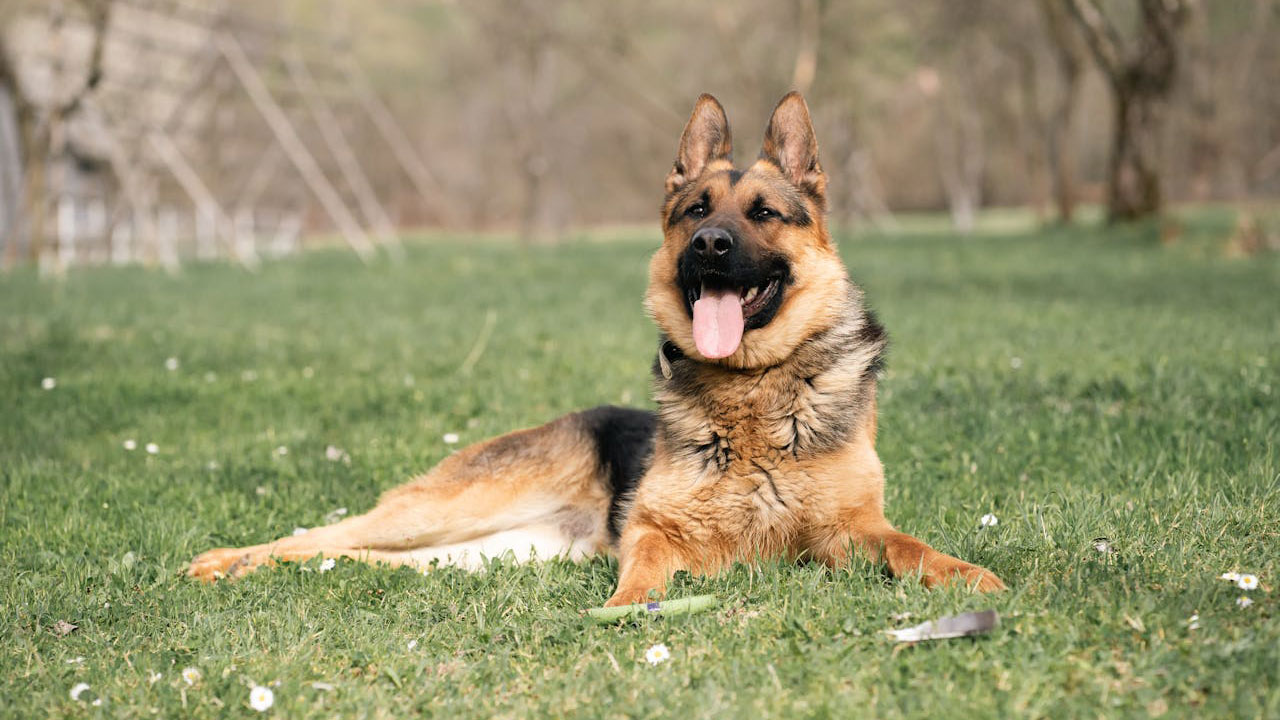
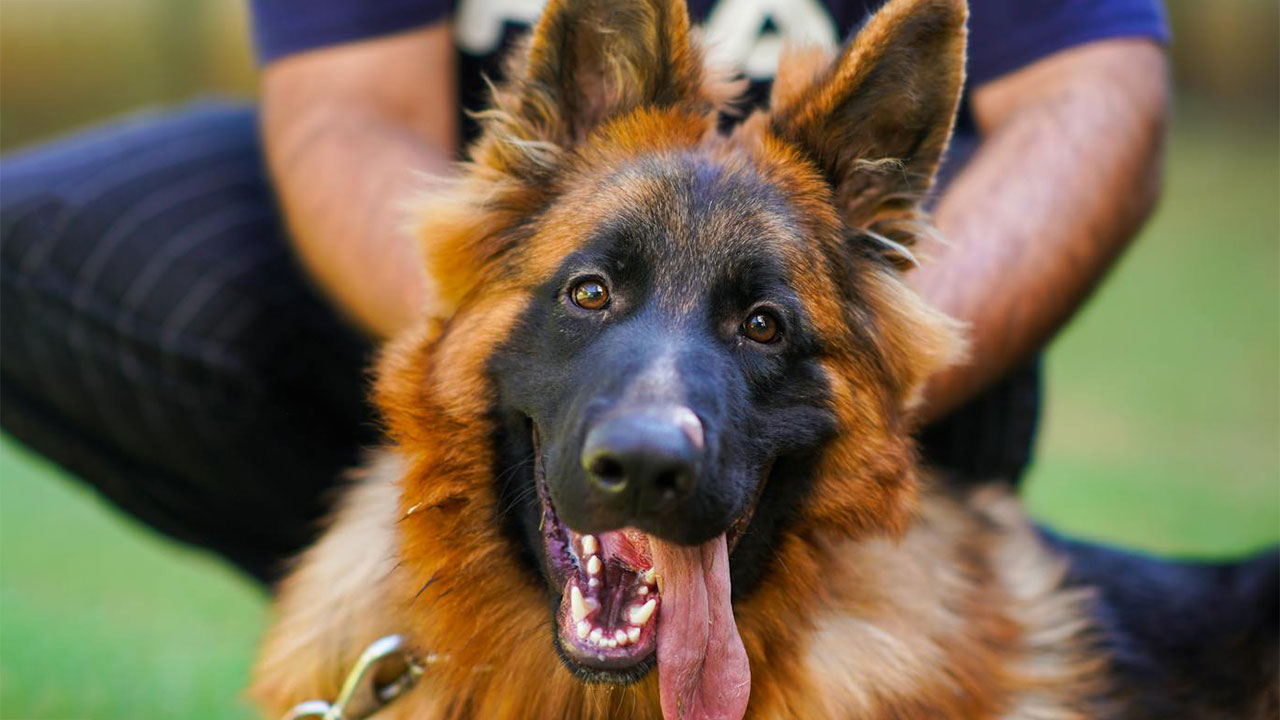
The German Shepherd belongs near the top of any list like this because the breed brings the full package: brains, nerve, loyalty, and a natural sense of duty. AKC describes the German Shepherd as loyal, confident, courageous, and steady, which lines up with why so many families, agencies, and working handlers trust them. These dogs usually do not just live with their people. They pay attention to them. They watch movement, changes in tone, who is approaching, and what feels off around the house.
That strong bond is exactly what makes them great in the right home and exhausting in the wrong one. A German Shepherd that gets structure, work, and clear expectations can be one of the most dependable dogs around. One that gets left bored in the yard will often make its own decisions, and that is when guarding instincts can start turning sloppy. They are not a breed for lazy ownership. But if somebody wants a dog that takes family seriously and shows it every day, the German Shepherd has earned its reputation.
Rottweiler
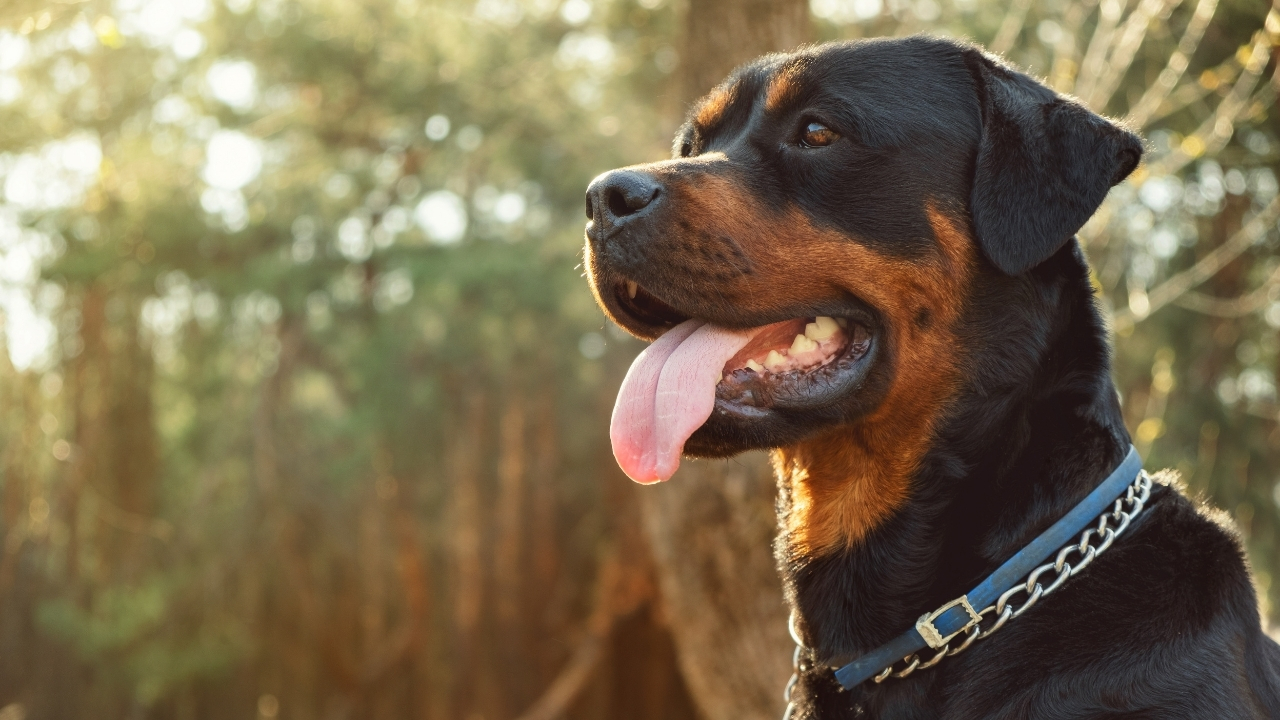
Rottweilers have that old-school kind of presence that makes people notice them before they even do anything. AKC describes the breed as a gentle playmate and protector within the family circle, while also noting that the Rottweiler meets the outside world with self-assured aloofness. That is a pretty accurate summary of why they fit this list so well. A good Rottweiler often looks calm and collected right up until it thinks something involving its family needs attention.
What makes the breed stand out is how loyalty and confidence come together. A Rottweiler is not usually frantic about guarding. It tends to look more deliberate than that. The dog notices, assesses, and stands its ground. That can be a huge asset in a stable home with real training, but it also means this is not a breed to leave under-socialized or poorly managed. When raised right, they are famously loving with their own people and very clear about where their loyalty sits.
Doberman Pinscher

Few breeds carry the protector label as naturally as the Doberman. AKC calls the breed fearless and vigilant and describes it as standing among the world’s finest protection dogs. That is not marketing fluff. Dobermans are built for awareness. They are quick, sharp, athletic, and highly tuned in to their people. When one bonds to a household, you can usually see it in how closely it tracks movement, routines, and mood. They are not half-paying attention dogs.
The flip side is that a Doberman needs both mental and physical work. AKC notes that they are a loyal and alert breed and can make excellent family dogs, but they are happiest with regular activity and stimulation. That matters because a smart, underworked protector is a bad combination. A well-bred, well-trained Doberman can be one of the cleanest examples of companion and guardian in the same package. But this is a serious breed for serious owners, not a shortcut to looking tough.
Cane Corso
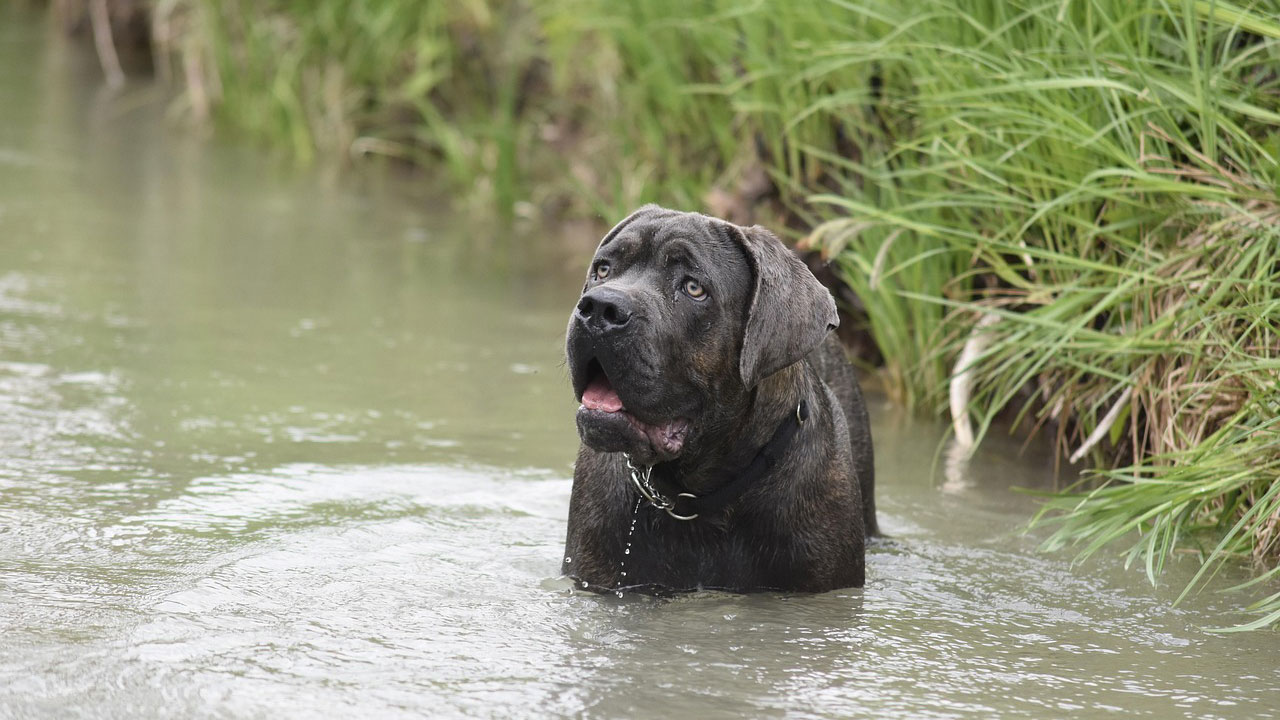
The Cane Corso does not really hide what it is. AKC describes the breed as smart, trainable, assertive, and confident, and calls it a peerless protector. The name itself is often translated roughly as “bodyguard dog,” which tells you a lot right away. These dogs tend to form deep loyalty toward their household and can become very watchful about who belongs and who does not. They are often steady with family and much more reserved with outsiders.
That loyalty can be impressive, but it comes with real responsibility. AKC also notes that Corsi can be willful and can end up “owning” an owner who does not establish firm leadership. That is the part too many people skip. This is not the dog to get because you like the look. It is the dog to get if you have the time, experience, and control to shape a powerful guardian the right way. In the right hands, few breeds make devotion and protection look more natural.
Belgian Malinois
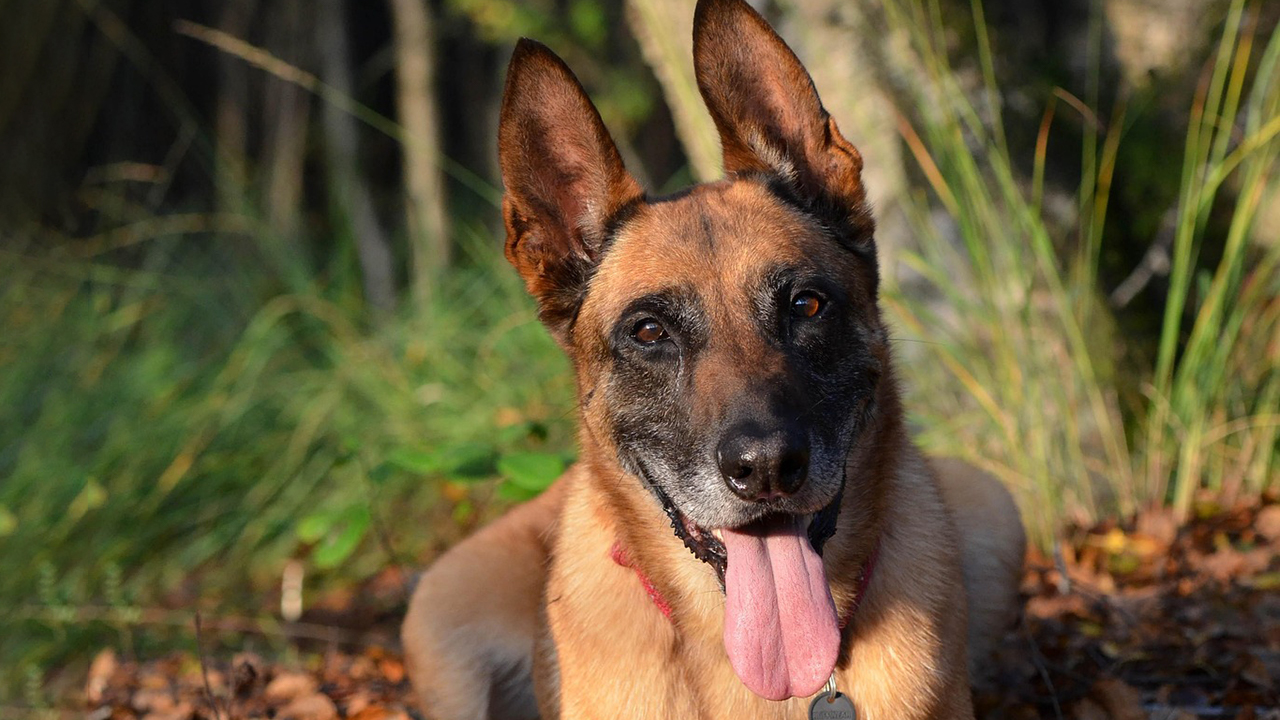
The Belgian Malinois is the kind of dog that bonds hard enough to make “velcro dog” feel too mild. AKC says the breed forges an unbreakable bond with its human partner, and that is a big reason it shows up so often in demanding work. This is not a dog that wants to casually hang around the house with no purpose. It wants to be with its person, work with its person, and read what its person needs next. That level of connection is a big part of what makes the breed so impressive.
It is also what makes the Malinois a terrible choice for the wrong household. This breed is smart, confident, versatile, and driven, and it does not do well being treated like a decorative backyard dog. A bored Malinois will find an outlet, and that outlet may not be one you enjoy. But with the right training and workload, the breed’s mix of loyalty, responsiveness, and protective instinct is hard to beat. They do not just love hard. They stay switched on hard too.
Akita

Akitas have a different style from some of the more openly demonstrative guardian breeds on this list. AKC describes them as famous for dignity, courage, and loyalty, and notes that in Japan they are regarded as family protectors. That checks out with how a lot of Akitas carry themselves. They are not usually frantic, needy, or trying to impress strangers. They tend to be composed, self-contained, and deeply committed to their own people.
That quiet loyalty is part of what makes them so respected and so misunderstood. People sometimes mistake calm reserve for easygoing softness. It is not the same thing. Akitas often bond tightly and can be very serious about home and family, which means they need thoughtful socialization and owners who understand what a naturally protective breed can become if raised carelessly. An Akita does not need to broadcast every emotion to make its loyalty obvious. Usually, its choices make that point plenty clear.
Bullmastiff

The Bullmastiff is a good reminder that a guarding dog does not have to be loud to be convincing. AKC describes the breed as fearless at work and docile at home, and also notes that Bullmastiffs were developed to pursue and hold poachers. That history still shows in the breed’s overall feel. These dogs often come across as steady and controlled rather than busy or twitchy. Around family, that can translate into a calm, deeply attached companion that still keeps track of everything.
That combination is why they appeal to people who want substance without constant chaos. They tend to rely more on size, confidence, and presence than needless noise. But calm does not mean effortless. Bullmastiffs are large, powerful dogs, and their loyalty can become possessive or poorly directed without proper training and early socialization. In a home that knows what it is doing, though, the breed offers a lot: affection with its own people, seriousness when it matters, and an instinct to guard that does not feel forced.
Giant Schnauzer

The Giant Schnauzer often gets overlooked in conversations dominated by shepherds, mastiffs, and protection dogs with bigger public reputations, but that is a mistake. AKC describes the breed as a bold and valiant figure of a dog and says that great intelligence and loyalty make it a stellar worker and companion. That fits the Giant pretty well. This breed tends to be sharp, strong-willed, and very tuned in to its people, with a work ethic that demands respect.
What makes the Giant Schnauzer stand out is that its loyalty is often paired with intensity. These dogs are not there to be background furniture. They want involvement, training, and a reason to engage. In return, they often become deeply devoted and highly reliable about watching over home and family. But they can absolutely overwhelm an owner who underestimates their intelligence and drive. A Giant Schnauzer in the right home is a serious teammate. In the wrong one, it is a constant argument with a very capable dog.
Anatolian Shepherd Dog
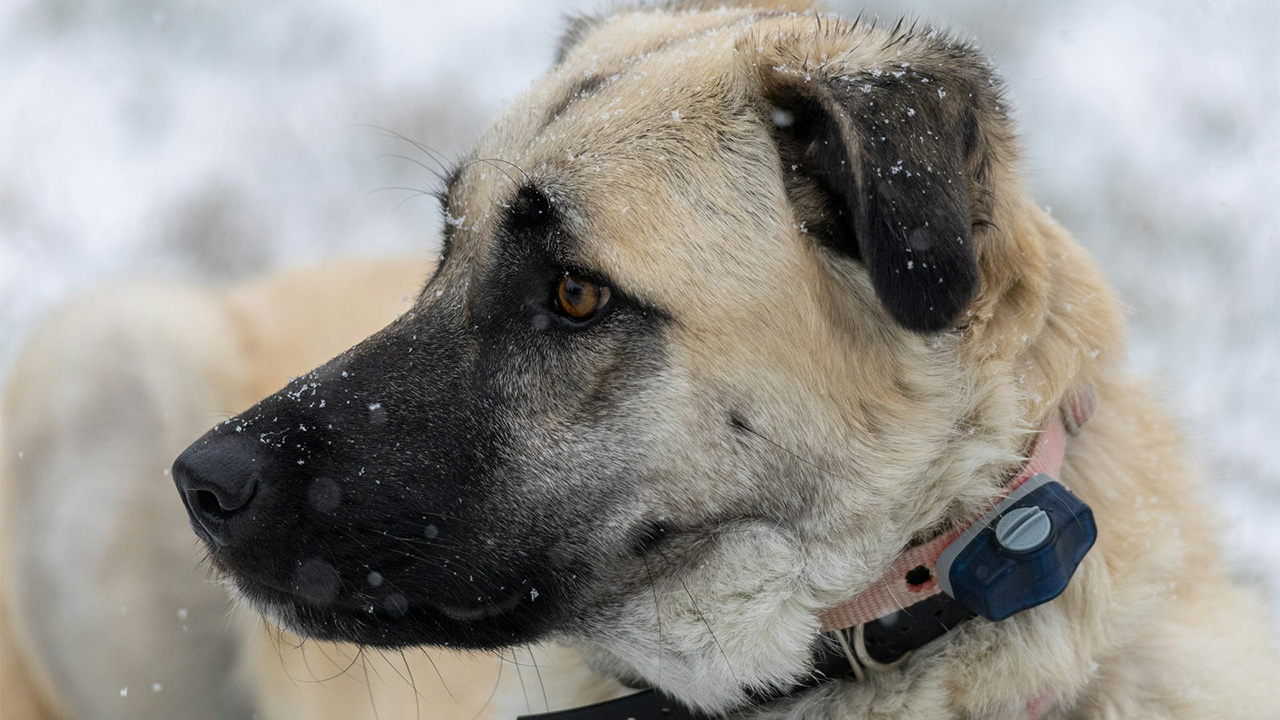
The Anatolian Shepherd was built for guarding from the start, and AKC is pretty direct about that. The breed is described as protective, territorial, intelligent, patient, and profoundly loyal, and as a natural guard. That is not a minor side trait. It is the core of what this dog is. Anatolians were developed to protect livestock, which means they tend to think in terms of territory, responsibility, and what belongs under their watch. That mindset carries over strongly into modern homes and properties.
Because of that, this is one of the clearest examples of a breed that can be incredible for the right owner and a bad mismatch for the wrong one. Anatolians are often independent, reserved with strangers, and not especially interested in taking every cue like a people-pleasing retriever would. Their loyalty runs deep, but it is not soft or clingy. It is more like a standing duty. For people on land or in homes where a real guardian makes sense, that can be valuable. For casual dog ownership, it can be far more dog than expected.
Great Pyrenees

The Great Pyrenees has a softer public image than some other guardian breeds because of the coat, the calm expression, and the generally mellow way it moves through the world. But AKC makes clear that this is a powerful working dog bred to deter predators and that modern Pyrs remain vigilant guardians of home and family. That matters because people sometimes expect a giant fluffy dog and forget they are also getting centuries of guardian instinct.
A well-kept Pyr often feels calm until there is a reason not to be. That is part of the breed’s appeal. It does not have to act hectic to be serious. AKC also notes that these dogs can quickly spring into action to meet a threat, and that tracks with why so many people on rural properties appreciate them. Their loyalty often shows up in patience with family and steadiness at home, but that same dog can become very decisive when something feels wrong. They are gentle guardians, not harmless ones.
Kuvasz
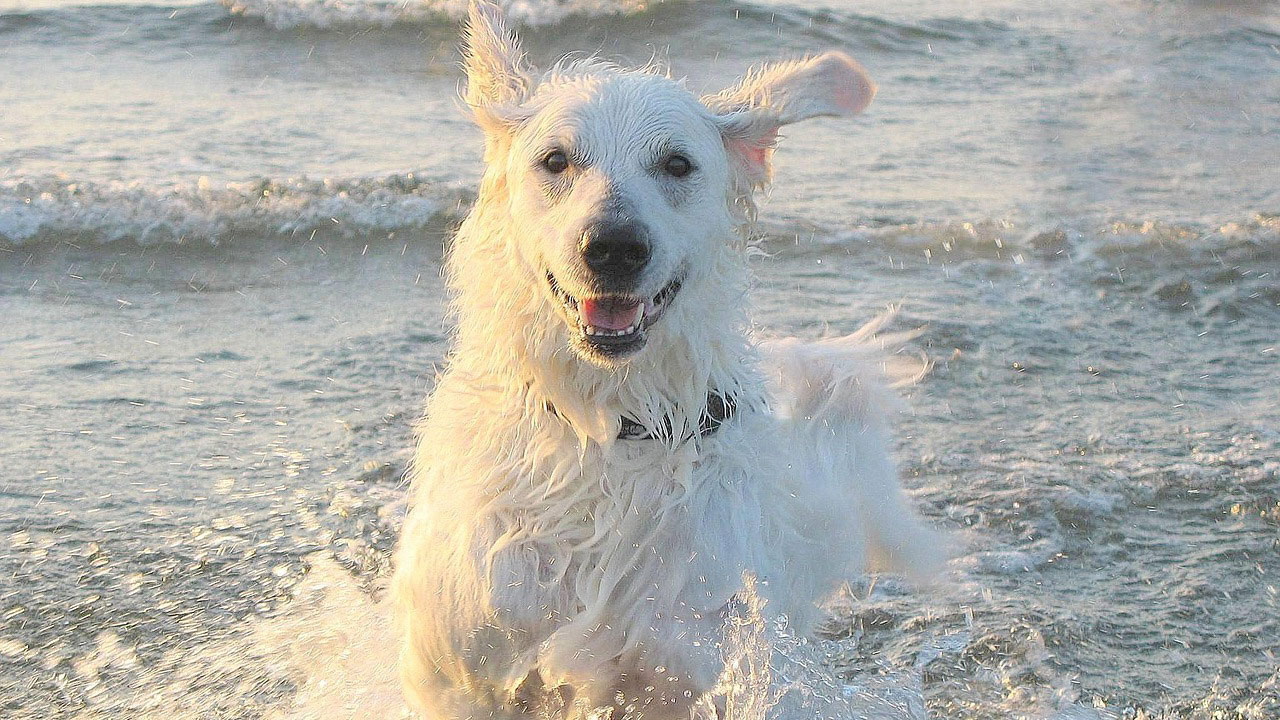
The Kuvasz is another livestock guardian breed that does not always get enough mainstream attention, but the loyalty in this breed is no joke. AKC describes the Kuvasz as intelligent, independent, and profoundly loyal. That independence matters because this is not a dog bred to wait for permission on every thought. Like other serious guardian breeds, the Kuvasz was developed to assess, respond, and protect. It tends to bond strongly with its people while keeping a more skeptical eye on strangers.
That makes the breed appealing to some owners and completely wrong for others. The Kuvasz can be magnificent in a home that understands guardian instincts and respects the need for training, management, and early exposure. But it is not ideal for somebody who wants easy compliance or a social butterfly with every guest. The deep attachment is real, and so is the instinctive protection. A Kuvasz often gives its loyalty in a serious, steady way that feels less like performance and more like commitment.
Boxer
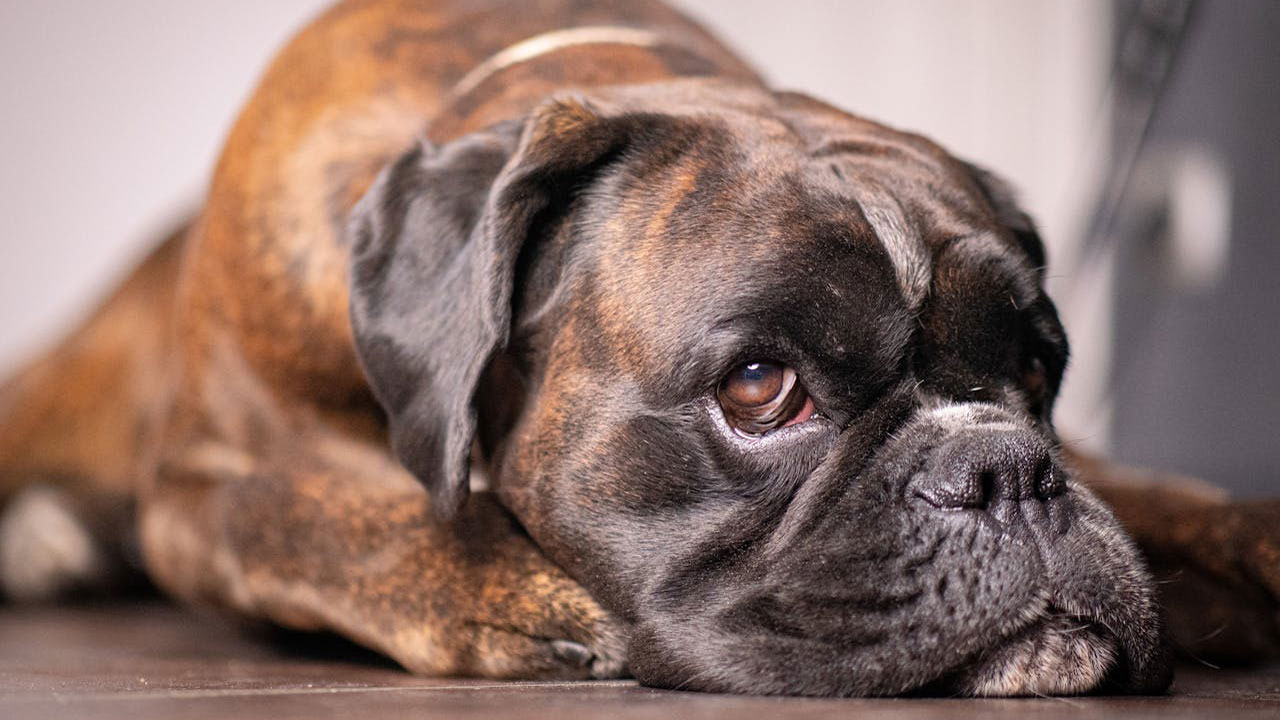
The Boxer earns its place here because it blends affection, family loyalty, and protective instinct in a way that a lot of people do not fully appreciate until they live with one. AKC describes the breed as bright, alert, courageous, and loyal, and notes that its patience and protective nature have earned it a reputation as a great dog with children. That is part of the Boxer’s charm. It can be goofy and fun-loving one minute and very aware of its people the next.
That does not mean every Boxer is some heavy guardian breed in the same mold as a Cane Corso or Anatolian. It means the protective instinct is there, and when a Boxer bonds hard, that loyalty can become very obvious. AKC also notes that Boxers are fiercely protective of their owners, which is why socialization matters so much. A well-raised Boxer can be a terrific family watchdog because it brings both heart and nerve. It is often one of the more balanced options for people who want devotion without the coldness some guardian breeds show.
Beauceron
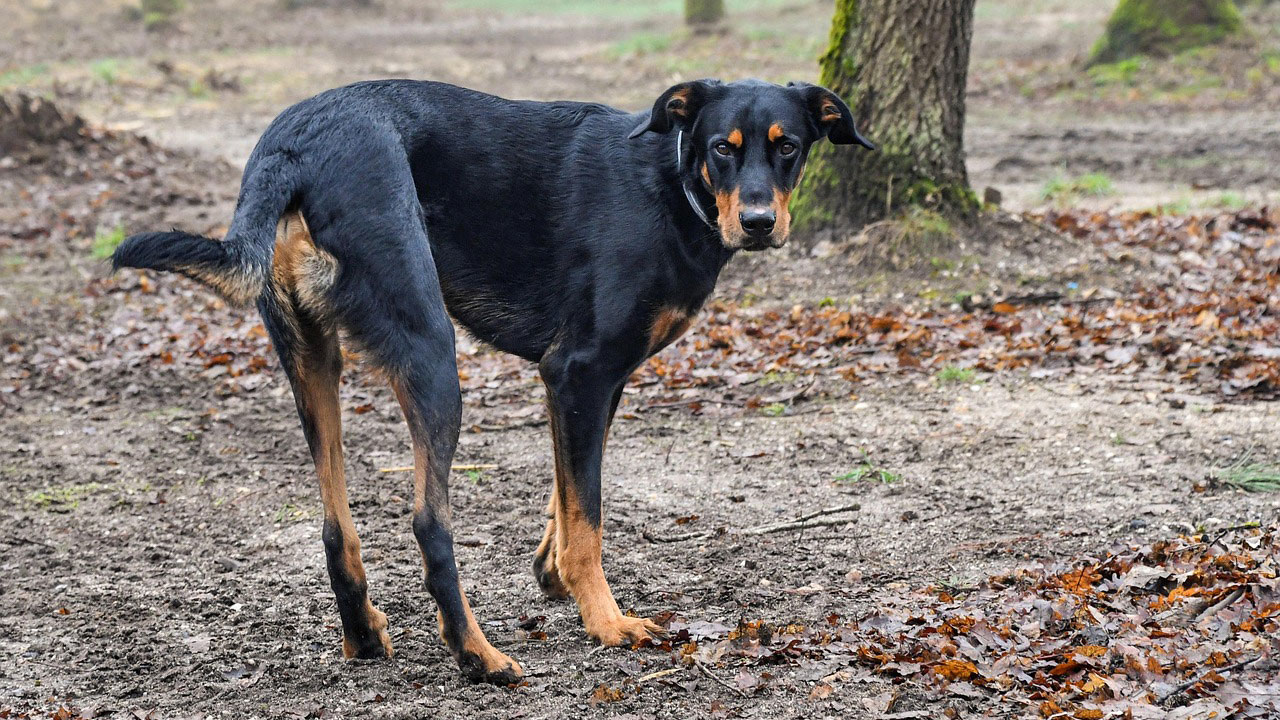
The Beauceron is one of those breeds that people tend to underestimate until they meet a good one. AKC describes it as imposing, powerful, smart, spirited, and a versatile protector, and the breed standard emphasizes confidence, intelligence, faithfulness, gentleness, and obedience. That is a strong combination. The Beauceron often bonds tightly with its people while still carrying enough seriousness and confidence to make strangers think twice before getting careless.
What makes the Beauceron especially interesting is that the breed can be both sensitive to its people and very capable in demanding roles. AKC notes that they are beloved as companions and protectors, and that tracks with their reputation for attachment and reliability. But this is still a large, athletic dog with real drive and a real brain. A lazy owner will not get the best version of a Beauceron. A committed one can end up with a dog that loves hard, learns fast, and takes its responsibility to home and family very seriously.
Tibetan Mastiff

The Tibetan Mastiff has one of the clearest guardian identities of any breed on this list. AKC calls it watchful, aloof, imposing, and intimidating, and says it is sweetly devoted to family while being territorial with strangers. That is about as direct as it gets. These dogs were developed to guard, and even in a modern home that instinct does not just disappear because somebody likes the giant coat and lion-like look.
This is also a breed that tends to guard on its own terms. Tibetan Mastiffs are known for independence, and that means owners cannot count on simple obedience alone to smooth everything out. The bond with family can be very deep, but the dog may still make independent judgments about territory and strangers. That is why they are best left to people who understand strong guardian breeds and do not need a dog that treats every visitor like a new best friend. The loyalty is there. So is the seriousness.
American Staffordshire Terrier

The American Staffordshire Terrier is not always mentioned first in big-guardian conversations, but loyalty is one of the breed’s strongest calling cards. AKC describes the AmStaff as smart, confident, good-natured, and says its courage is proverbial. It also notes that a responsibly bred, well-socialized AmStaff is a loyal, trustworthy friend to the end. That kind of language is why the breed belongs in this group. When an AmStaff attaches to its people, that attachment tends to run deep.
What makes the breed a little different from some others here is that the guarding often comes through sheer commitment and nerve more than through a livestock-guardian style of territorial seriousness. An AmStaff that is well-raised can be affectionate, steady, and very devoted, but still ready to stand up when something feels wrong. As always, the key is responsible breeding, socialization, and training. Done right, they are loving dogs with a lot of heart. Done wrong, any powerful breed can become trouble fast.
Like The Avid Outdoorsman’s content? Subscribe to our newsletter so you never miss an article.
Here’s more from us: