Photo credit: patrice schoefolt/Pexels.com
A lot of people think the biggest risk to a small pet is traffic, another dog, or getting out through the fence. Those are real problems, but wild predators deserve a lot more attention than some owners give them. Once a cat, toy-breed dog, rabbit, or backyard bird starts looking and moving like natural prey, a wild animal does not care that it sleeps on your couch or has a name on its collar. It just sees size, movement, and an easy opening.
The other mistake people make is assuming this only matters way out in the country. It does not. Wildlife agencies and city animal-control offices keep repeating the same warnings because plenty of these animals now work neighborhoods, greenbelts, porches, drainage corridors, barns, ponds, and yard edges. Some are common threats. Some are rare but still worth taking seriously if you live in the right place. Here are 15 predators and dangerous wild animals that are most likely to see a small pet as a manageable target.
Coyotes
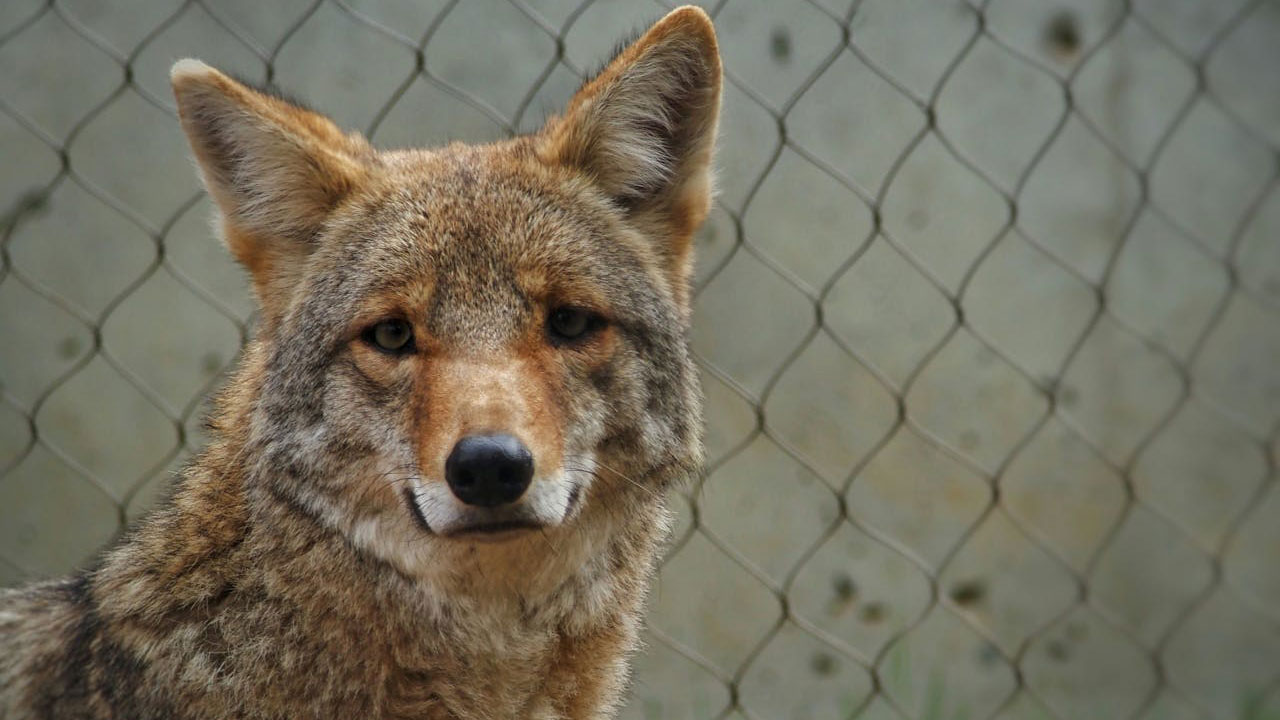
Coyotes belong at the top of this list because they are one of the most common real-world threats to small pets near homes. State and city guidance is blunt on this. Missouri says coyotes sometimes kill pets, and San Antonio notes that dogs most at risk are typically cat size or smaller. New York’s DEC also tells owners to supervise outdoor pets, especially at sunset and night, because coyotes and other wildlife are most active then.
What makes coyotes so troublesome is how well they work developed areas. They use fence lines, creek bottoms, golf courses, culverts, greenbelts, and vacant lots like highways. Once a coyote learns that free-roaming cats or unattended little dogs are easy targets, the problem can get serious fast. They do not need total wilderness to keep doing it either. A subdivision edge is often more than enough.
Bobcats
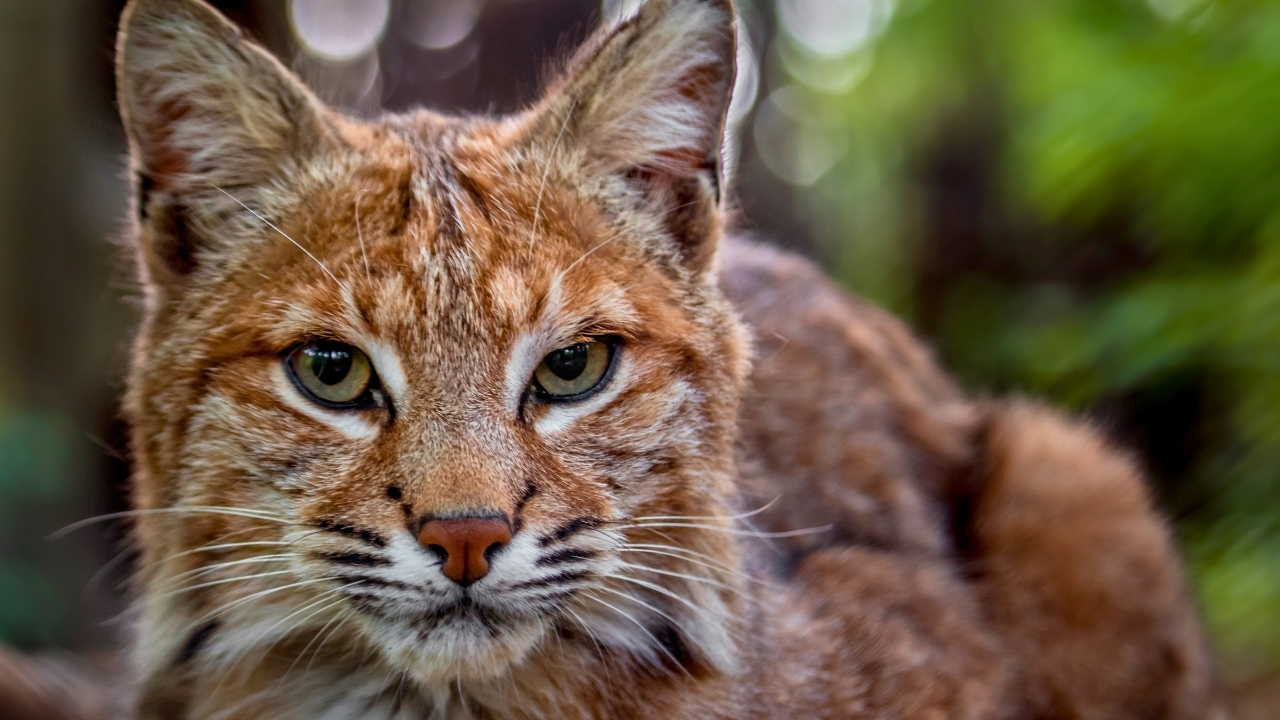
Bobcats are usually less bold around people than coyotes, but they absolutely belong in the conversation where small pets are concerned. The Colony, Texas says it is very unlikely but possible for free-roaming cats or small unattended dogs to be taken by bobcats, and Westport, Connecticut says bobcats could pose a threat to small unattended dogs, especially if the dog chases the cat.
That fits how bobcats hunt. They are quiet, patient, and built to close distance fast on smaller prey. Most of the time they are after rabbits, rodents, birds, and similar animals, which is exactly why a loose pet can fall into the wrong size range in a hurry. If you live near brush, timber edges, rocky cover, creek corridors, or undeveloped lots, a bobcat can move through without being noticed much at all.
Mountain lions
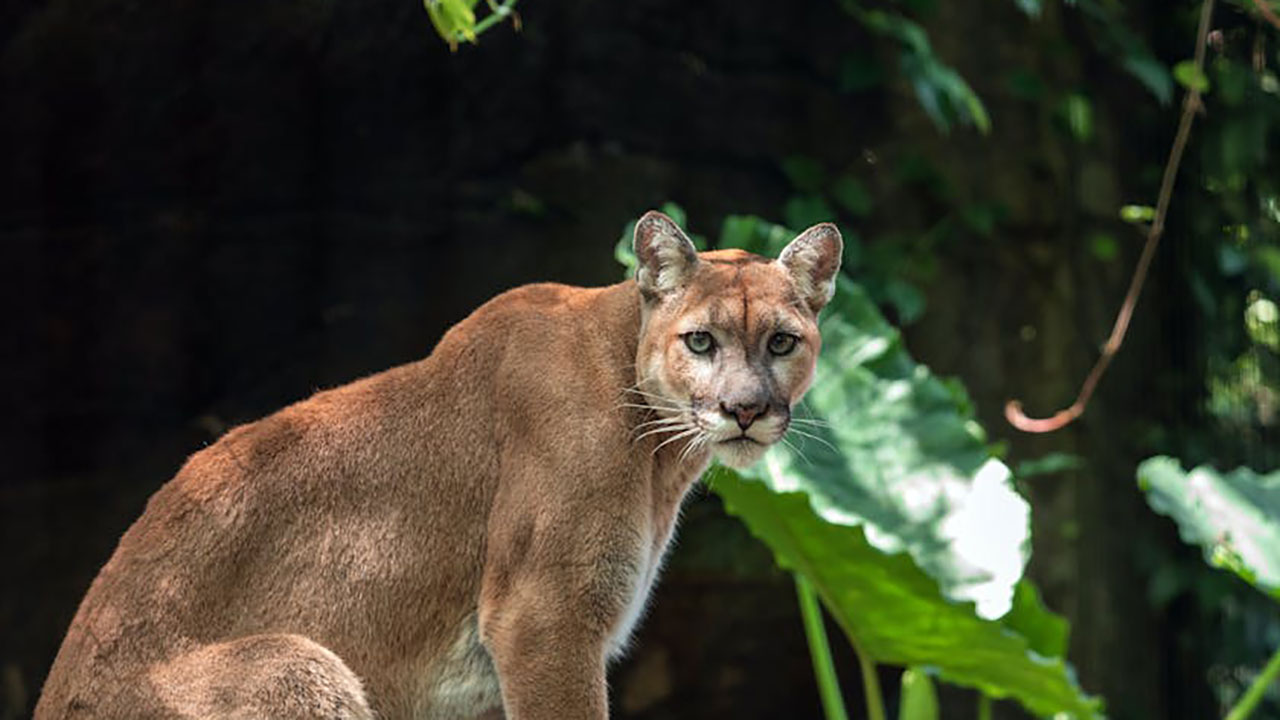
Mountain lions are a much less common neighborhood problem than coyotes, but where they exist, they are one of the most serious risks on the list. Federal and state guidance both stress that people should keep pets leashed and close in mountain-lion country. California tells people to keep pets leashed on trails, and Missouri’s regulations explicitly allow a mountain lion to be killed if it is attacking or killing domestic animals. That language exists for a reason.
What makes lions dangerous is not how often people see them. It is how fast a bad encounter can turn final. These cats are built to key in on movement, size, and vulnerability. The Forest Service warns that mountain lions may see small children as easier prey and advises not to run because that can trigger chase instincts. A toy dog, outdoor cat, or little pet on a twilight walk can fit into that same dangerous picture pretty quickly.
Foxes
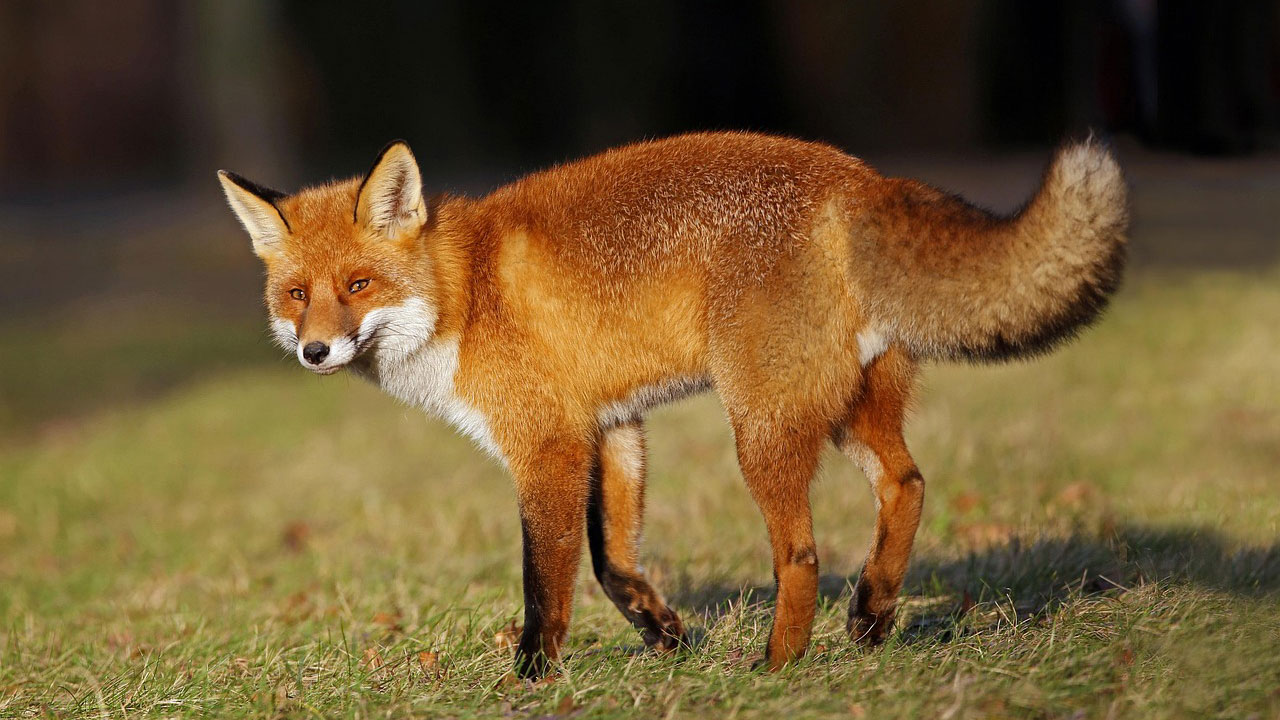
Foxes are not usually the first animal people blame when a pet disappears, but they can still be a real problem for cats, rabbits, young poultry, and other small animals. Connecticut’s wildlife guidance says foxes prey on small livestock and that cats may also be preyed on. North Carolina also notes that foxes are opportunistic and will take advantage of pet food, garbage, and small prey drawn close to homes.
Foxes are lighter and usually less confrontational than coyotes, so they are not the same level of threat to small dogs across the board. Still, that does not make them harmless. Around barns, feed piles, sheds, and suburban edges, a fox has no problem working easy food sources. If cats roam or rabbits and birds are kept in weak enclosures, a fox can take advantage of that pretty quickly, especially after dark.
Great horned owls
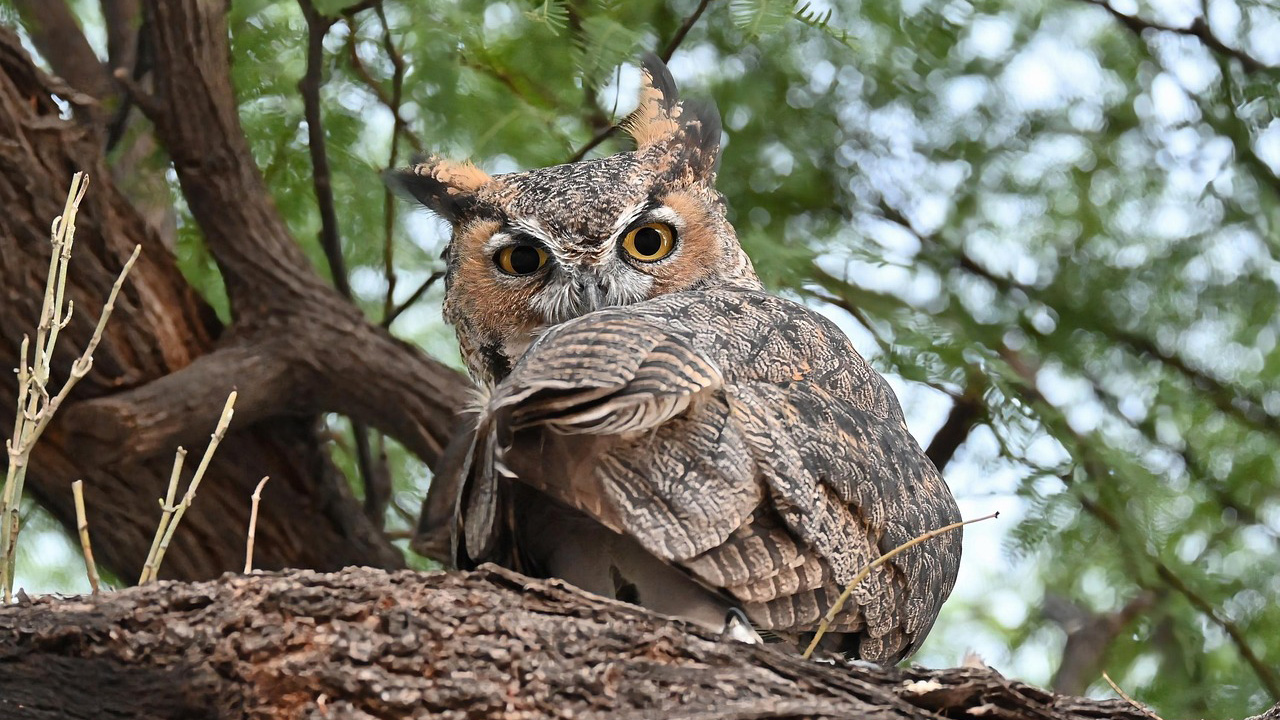
Great horned owls deserve more respect from pet owners than they usually get. North Carolina says an owl is unlikely to fly away with a pet, but on very rare occasions they may dive after small dogs or cats. APHIS also advises that companion animals such as small dogs and cats should be kept inside a fully enclosed pen or run if left unattended outdoors where hawks and owls are a concern.
That warning makes sense because great horned owls are strong nocturnal predators built to hit from above when small prey is exposed. They are not hauling off a medium dog, but a very small pet left outside at night can absolutely attract the wrong attention. Around wooded yards, farmsteads, and places with rabbit or rodent activity, they are more of a risk than many owners realize until they hear one overhead and start connecting the dots.
Red-tailed hawks and other large hawks
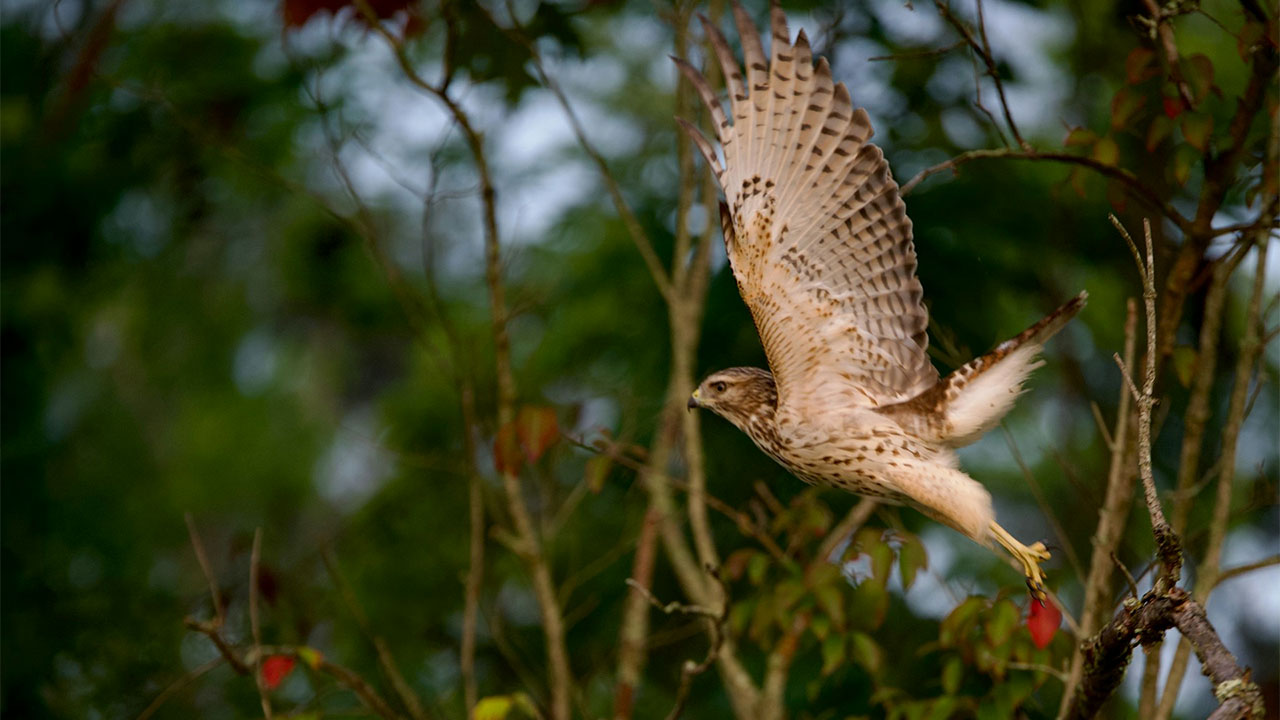
Hawks are lower on the list than coyotes and bobcats, but they are still worth mentioning if you have tiny dogs, free-roaming cats, rabbits, or backyard birds. North Carolina says hawks are unlikely to fly away with a pet, but on very rare occasions they may dive after small dogs or cats. APHIS also says not to leave small pets unattended outdoors where hawks and owls are active.
Most hawks are after rodents, rabbits, snakes, and birds, not house pets. Still, “rare” does not mean “never,” especially with very small animals in open yards. The risk goes up when pets are tiny, exposed, and moving alone in a place with good overhead perch cover. If a hawk can regularly hunt squirrels and rabbits in your neighborhood, it can at least take a hard look at something smaller and less alert.
Bald eagles and other large raptors
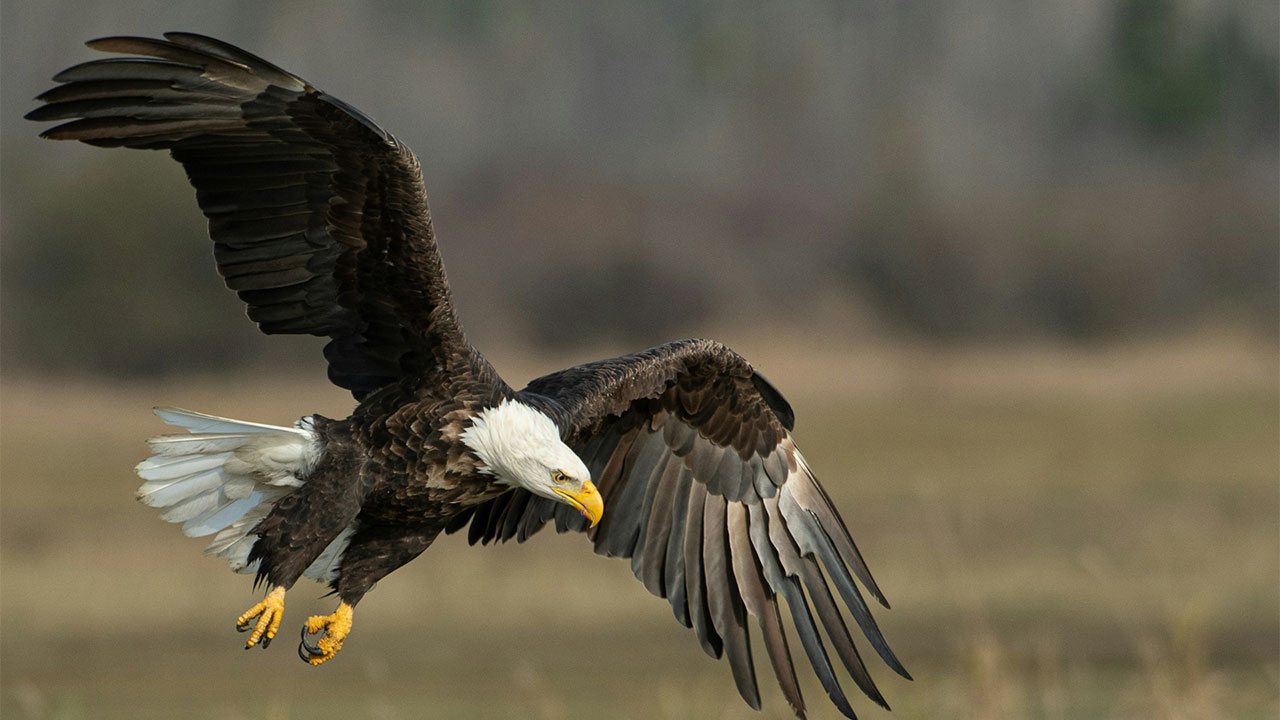
This is a rarer one, but it is not crazy to keep it in mind if you have very small pets in wide-open country. The U.S. Fish and Wildlife Service’s raptor guidance says not to leave small pets under 10 pounds exposed outside and recommends supervising them or keeping them in a protected area, especially at night. That advice is broad raptor guidance, not a guarantee of an attack, but it tells you the concern is real enough to mention.
For most people, eagles are not the biggest danger in day-to-day pet safety. But if you live near open water, cliffs, river bottoms, or country with strong raptor activity, a very small unattended pet can still be a bad idea. The point is not panic. It is perspective. Tiny pets outdoors by themselves draw attention from more species than a lot of owners think.
Alligators

Alligators are one of the clearest pet dangers in the South because they do not need to chase long or make much noise. South Carolina’s DNR says pets are easily mistaken for natural prey and stresses staying alert when walking pets near water. Missouri City, Texas says an alligator may see a pet as an easy food source and advises keeping pets leashed and under control.
This is one of those threats that gets underestimated because the animal is often not seen until the last second. A dog walking the pond edge or a curious cat hanging around a canal bank can look exactly like the kind of manageable target an alligator wants. In alligator country, the waterline is the problem. Once a pet gets too close, there may not be any time to fix the mistake.
Black bears

Black bears are not usually hunting little pets the way a coyote does, but they can still cause losses, and officials say so directly. California says black bears may cause concern because of property damage, loss of small livestock or pets, and public-safety issues as they search for food. North Carolina also advises bringing smaller animals inside at night in bear country and storing pet food securely so bears are not drawn in.
The bigger issue with bears is food-conditioning. Once they start associating a yard, barn, porch, or kennel area with pet food or easy calories, everything gets riskier. A little dog that runs toward a bear, a loose pet around feed, or a cat underfoot during a food-related bear visit can end badly. Bears are not your most likely predator for pets in most places, but they are absolutely not harmless around them.
Wolves
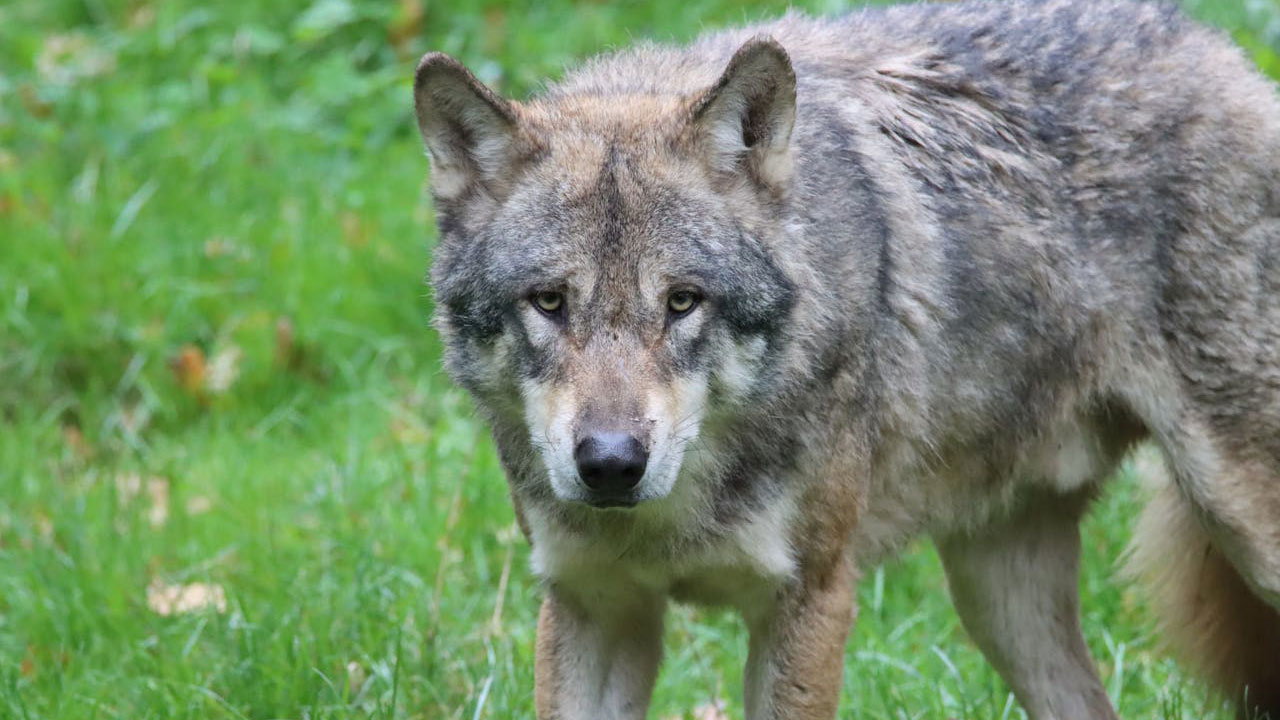
Wolves are much more situational than coyotes because they are limited to certain regions, but where they are established, dogs especially can be at risk. Wisconsin’s DNR guidance says wolves are territorial and specifically offers pet-owner and hunter guidance to reduce conflict between wolves and dogs. That is a different pattern than pure prey behavior in every case, but it still puts small pets and dogs in danger in wolf country.
A wolf is not usually working suburban porches the way a coyote does, but in rural and wildland-edge areas the risk changes. Small dogs on walks, unleashed dogs on trails, and pets near denning or rendezvous areas can trigger a response quickly. For most readers this is not the everyday threat coyotes are, but if you live where wolves are active, it is a mistake to treat them like oversized shy dogs that will always avoid a pet.
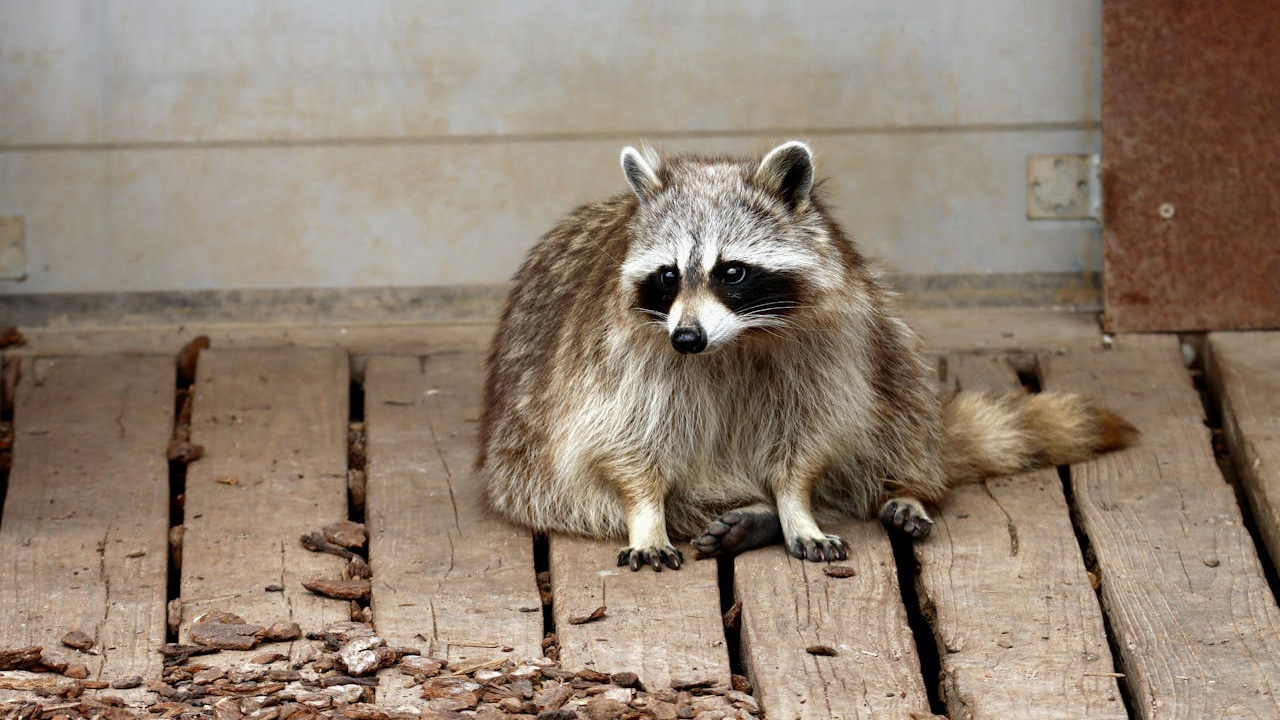
Raccoons
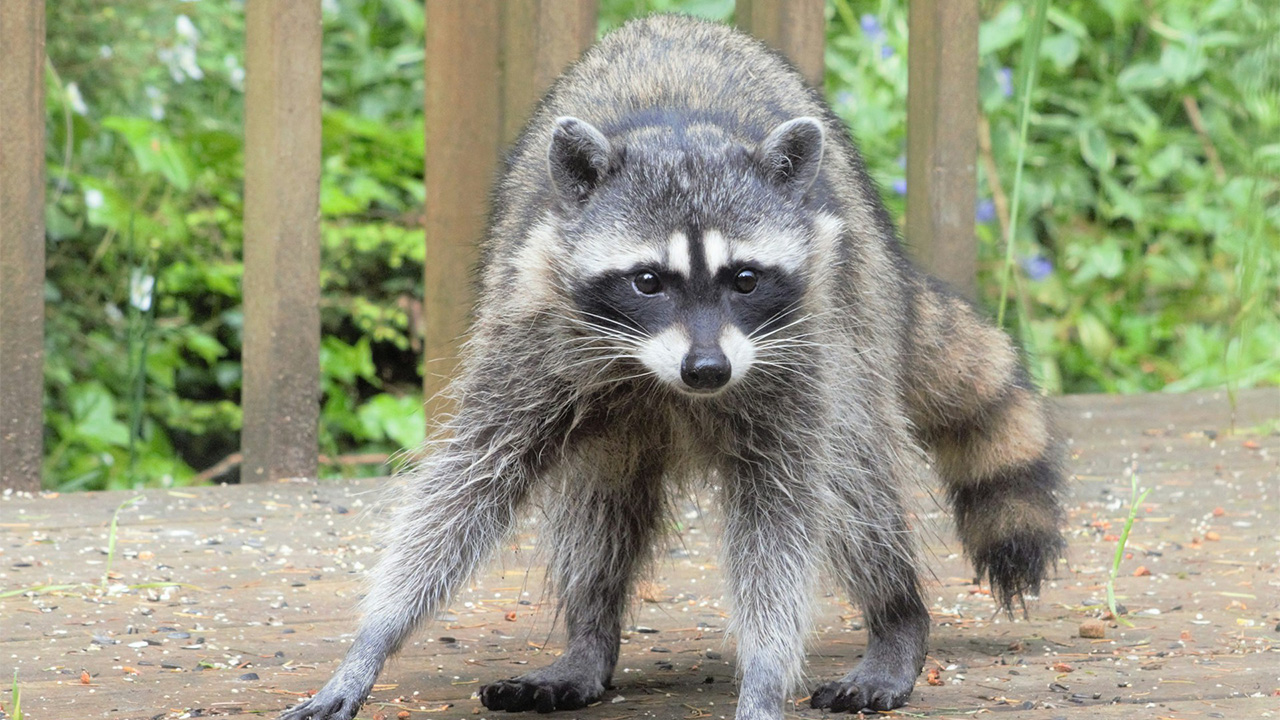
Raccoons are not classic “pet predators” in the same category as coyotes, but they are still a real danger to small pets because they are strong, aggressive when cornered, and common around homes. Wisconsin warns that raccoons carry diseases that can affect pet health, and Sioux Falls says pets bitten by raccoons need immediate veterinary attention because of rabies concerns. Glendora also notes that raccoons can be vicious when trapped or cornered.
For tiny pets, especially backyard rabbits, birds, or animals in weak hutches, raccoons are absolutely capable of causing serious damage. They are smart with latches, comfortable around people, and more powerful than they look. Even if they are not stalking a small dog as prey in the pure sense, they can still maul or kill smaller domestic animals and leave owners shocked at how much damage one masked little yard thief can do.
Feral hogs

Feral hogs are more of a brute-force danger than a stalking predator for pets, but they still belong on this list because they can be aggressive, unpredictable, and dangerous around domestic animals. Missouri says feral hogs spread disease to humans, pets, and livestock, and Texas notes they can be taken year-round on private property because of the damage and problems they cause.
A hog does not have to “hunt” like a cat or coyote to be a real threat to a small dog or other pet. Around feed, water, carcasses, rooting areas, or piglets, they can charge, slash, and create chaos fast. The pet risk here is less about disappearing prey and more about violent contact. If a small animal runs up on feral hogs, especially at night, there is a decent chance the ending is bad.
Large owls in general
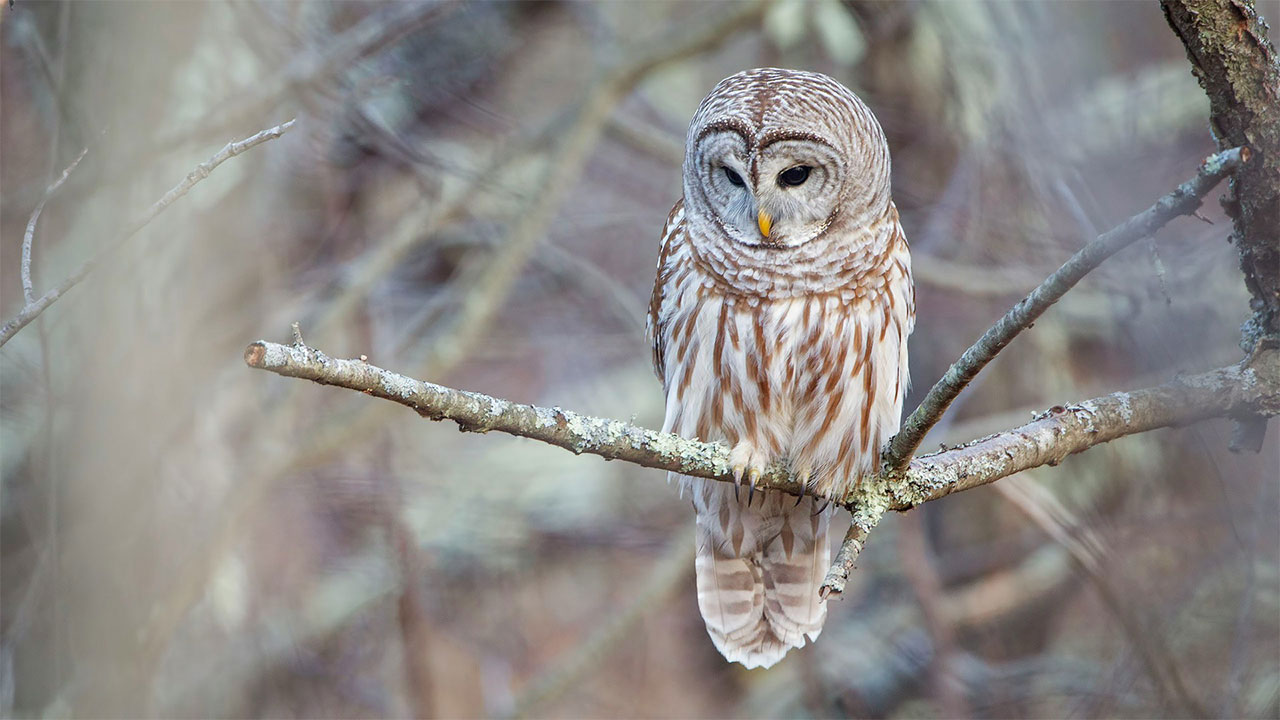
Even beyond great horned owls, large owls as a group are worth mentioning because they hunt silently and mostly when owners are paying the least attention. APHIS specifically includes hawks and owls together when advising owners not to leave small pets unattended and to use enclosed runs or pens. That kind of guidance exists because night-active raptors can and do target small exposed animals when the setup is easy.
This matters most with very small pets, not normal-sized dogs. But plenty of owners with toy breeds, pet rabbits, ducks, and outdoor cats do not think much about overhead threats after dark. A fenced yard without top cover is still open from above. That is the part people forget. An owl does not care that the fence looked secure from your angle.
Neighborhood coyotes that have been food-conditioned

This is still coyotes, but it is a different level of problem and it deserves its own slot because food-conditioned coyotes are often the ones that start seeing pets as almost routine prey. Albuquerque’s guidance says never leave small animals outside unattended, especially at night, and to feed animals inside. Missouri’s urban-coyote guidance also says some coyotes in developed areas learn that unattended small dogs and cats can be easy prey.
That is a big step up from a coyote just passing through. Once one starts hanging around porches, sheds, dumpsters, or yards because people are leaving food, fruit, garbage, or feral-cat feeding stations out, the fear barrier drops. The animal is no longer just moving through habitat. It is working a known buffet. That is when missing-pet stories start showing up more often in the same neighborhoods.
Bobcats working suburban edges

The same thing goes for bobcats that learn suburban edges hold rabbits, birds, rodents, and occasional loose pets. Local guidance in Colorado, Texas, and Connecticut keeps reminding residents that bobcats turn up around neighborhoods and that unattended small pets can be vulnerable in the wrong circumstances. The point is not that every bobcat near a yard is coming for a dog. It is that the habitat overlap is real now.
A bobcat using a creek corridor, drainage strip, brushy lot, or greenbelt can be in and out of a neighborhood without most people ever knowing. That makes them easy to underestimate. If you have free-roaming cats, tiny dogs, or pet birds and rabbits outside in weak setups, a bobcat does not need many mistakes from you to turn your yard into a hunting stop.
Like The Avid Outdoorsman’s content? Subscribe to our newsletter so you never miss an article.
Here’s more from us: