Photo credit: Steffi Wacker/Pexels.com
“Quietly improving” usually means one of two things: the wild bird numbers are trending up because winter/spring weather finally cooperated, or the opportunity is getting better because a state is putting real effort into habitat and release programs on public ground. Either way, the pattern is the same — more birds showing up in surveys, better cover going into fall, and hunters noticing that the “dead spots” aren’t as dead as they were a few years ago.
South Dakota

South Dakota’s not shy about pheasants, but the improvement is still real on paper, not just in camp stories. The state reported over 1.3 million roosters harvested in 2024, the highest in 13 years. The 2025 upland outlook also points to good production and excellent habitat conditions across most of the range, which is exactly what keeps the trend rolling. When South Dakota has back-to-back favorable years, it doesn’t just help numbers — it helps age structure and spreads birds out so you’re not only finding them in the obvious honey holes.
North Dakota
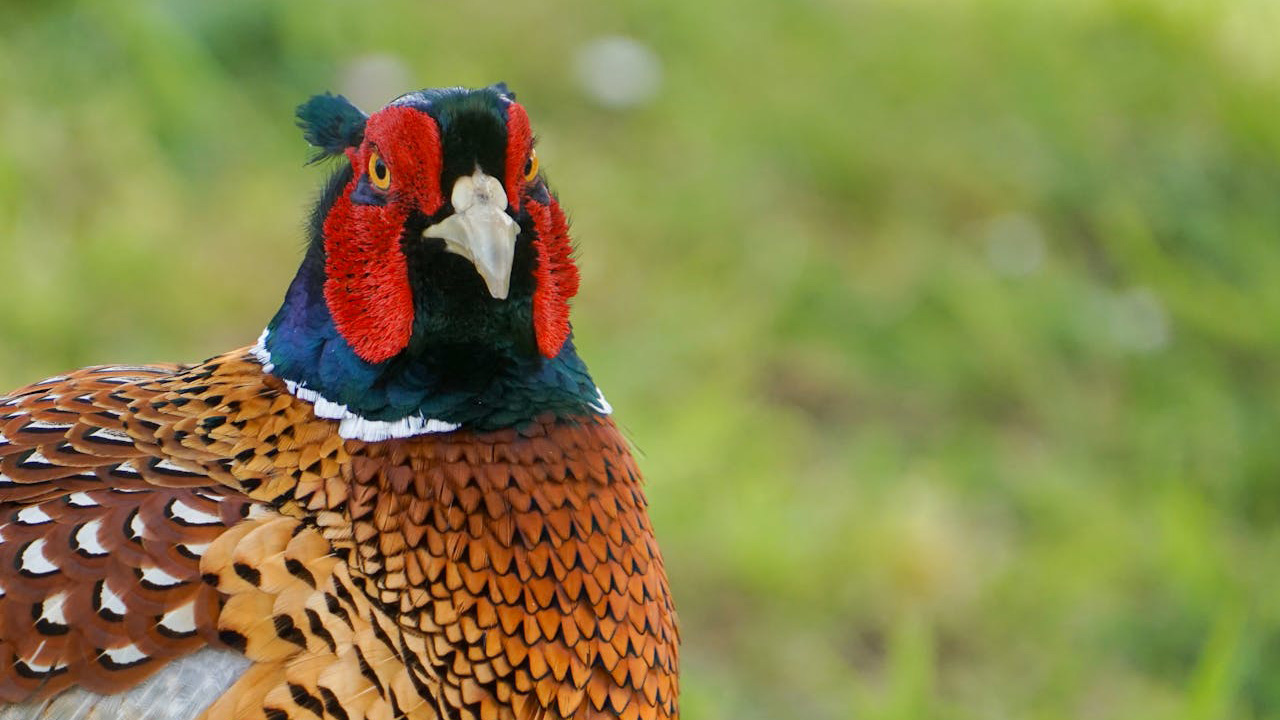
North Dakota has been on a steady “better than you’d expect” track lately, and the state’s own spring monitoring showed pheasant crowing counts up 6% statewide in 2025. The reason matters: the department tied it to two relatively easy winters for North Dakota standards. If you’ve hunted ND after a brutal winter, you know why that’s a big deal — fewer birds get wiped out, and you start fall with more carryover.
Nebraska
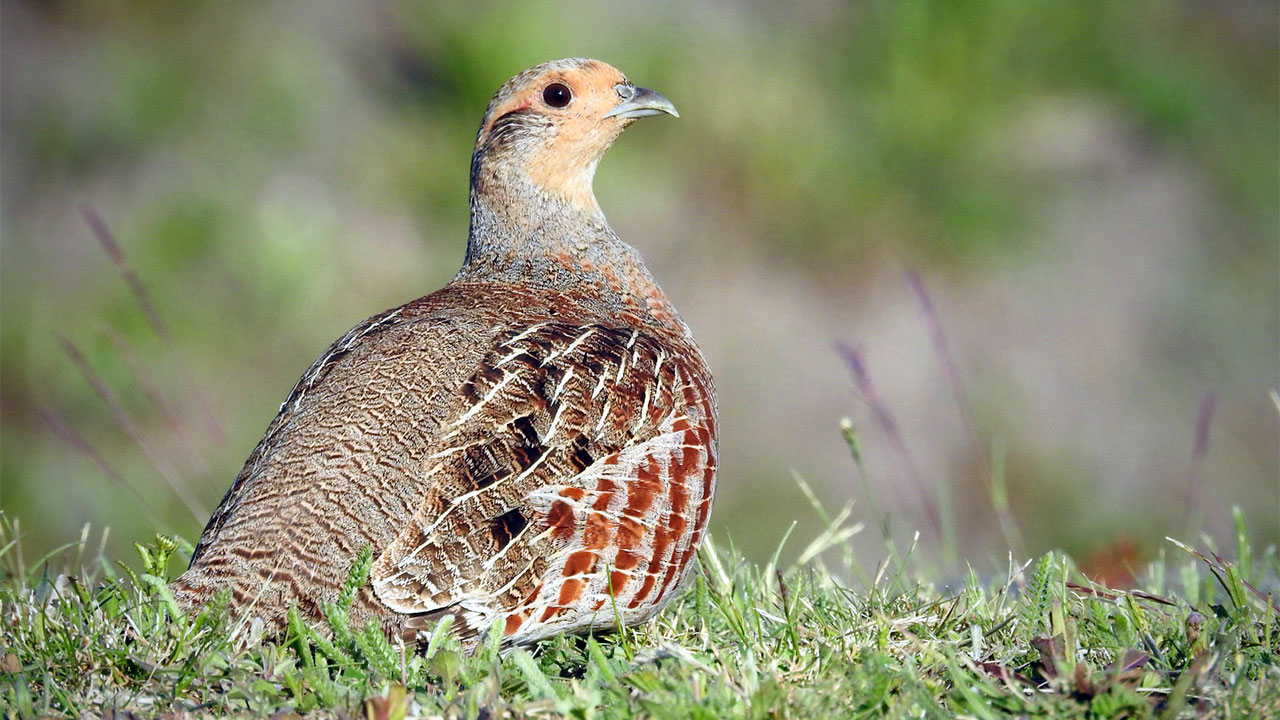
Nebraska’s been quietly bouncing back in a way that travelers should pay attention to. Nebraska Game and Parks reported the April rural mail carrier survey up 83% compared to 2024, with increases across all six pheasant management regions. They also noted the July survey was mixed and showed a statewide drop versus 2024, but the spring jump is still a big “directional” signal, especially after tough drought years. If you’re planning a trip, the smartest play is targeting areas that held habitat through summer and didn’t get hammered by localized weather.
Kansas
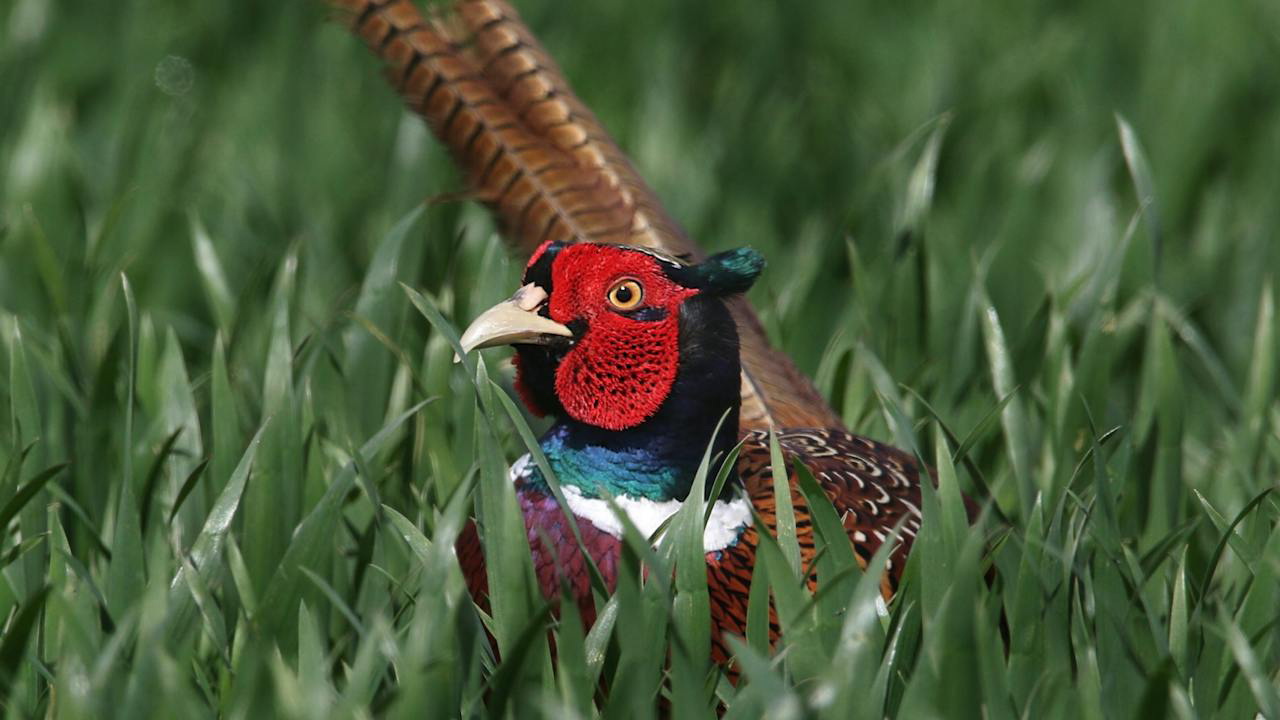
Kansas is one of those states where “slightly up” can mean a whole different hunt, because there’s so much country that can hold birds when conditions are right. Kansas’ upland forecast notes some regions maintained the improvements from last year, even with weather differences across the state. And their 2025 brood survey summary points to better habitat and improved production tied to strong rainfall and a long nesting season. Kansas is at its best when you hunt it like a map problem: walk-in ground + crop edges + grass that’s thick enough to hide birds, but open enough to actually move.
Iowa
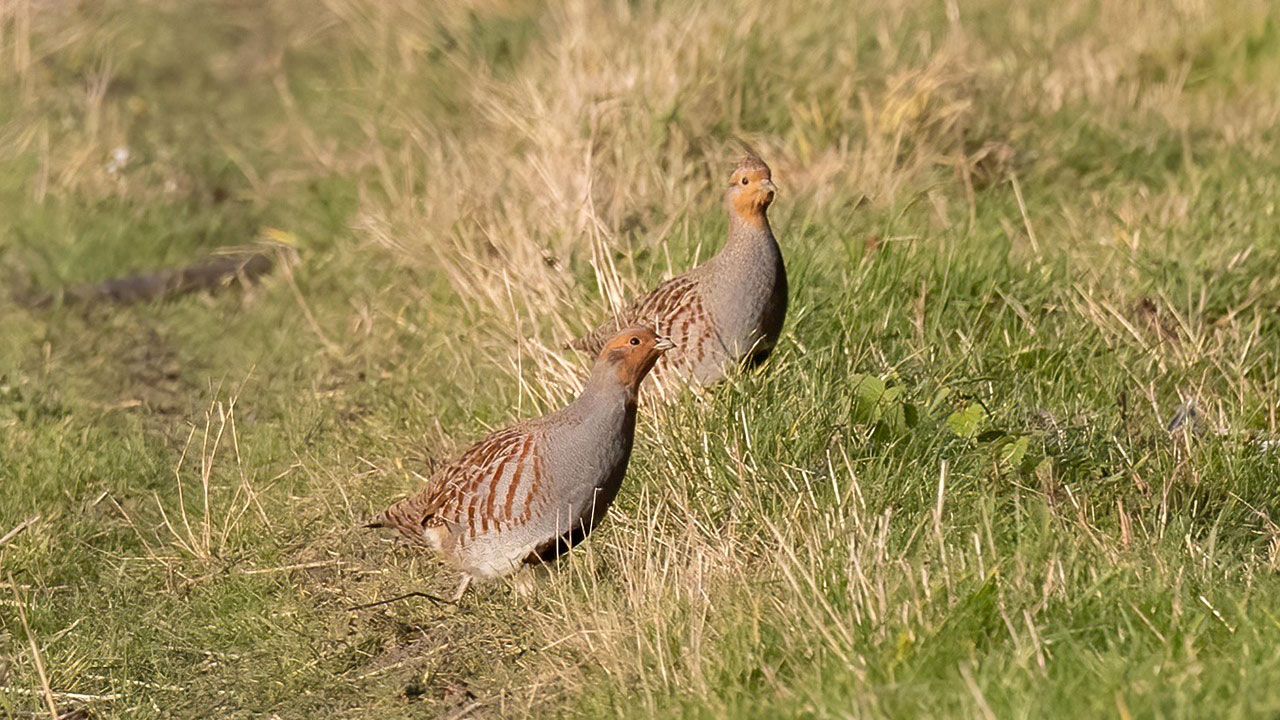
Iowa is one of the clearest “improving” states right now because the state DNR flat-out called the 2025 population a 20-year high in their annual survey news release. The detailed roadside survey writeup says Iowa’s 2025 count of 28 pheasants per route is the highest statewide count in the last two decades, with expectations of a strong harvest. When Iowa is up like that, it changes the whole day — more birds, more second chances, and a lot more roosters that actually sit for a dog instead of running like track stars all morning.
Minnesota
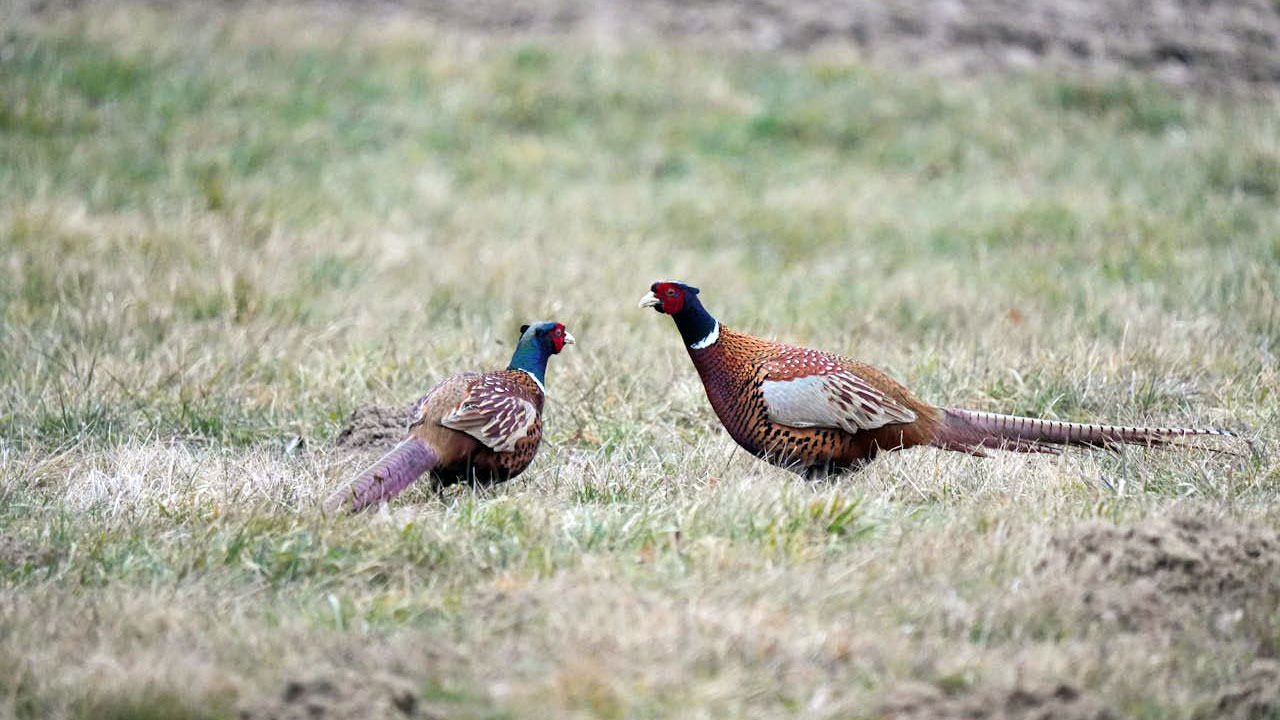
Minnesota is another big mover. Minnesota DNR reported pheasant numbers in the 2025 August roadside survey up nearly 50% from 2024 and 21% above the 10-year average. That’s the kind of jump that turns “maybe we’ll see a couple” into “bring enough shells.” The agency also pointed to mild winter survival and better spring nesting/brood conditions, which is the recipe you want if you’re hoping the trend holds.
Wisconsin
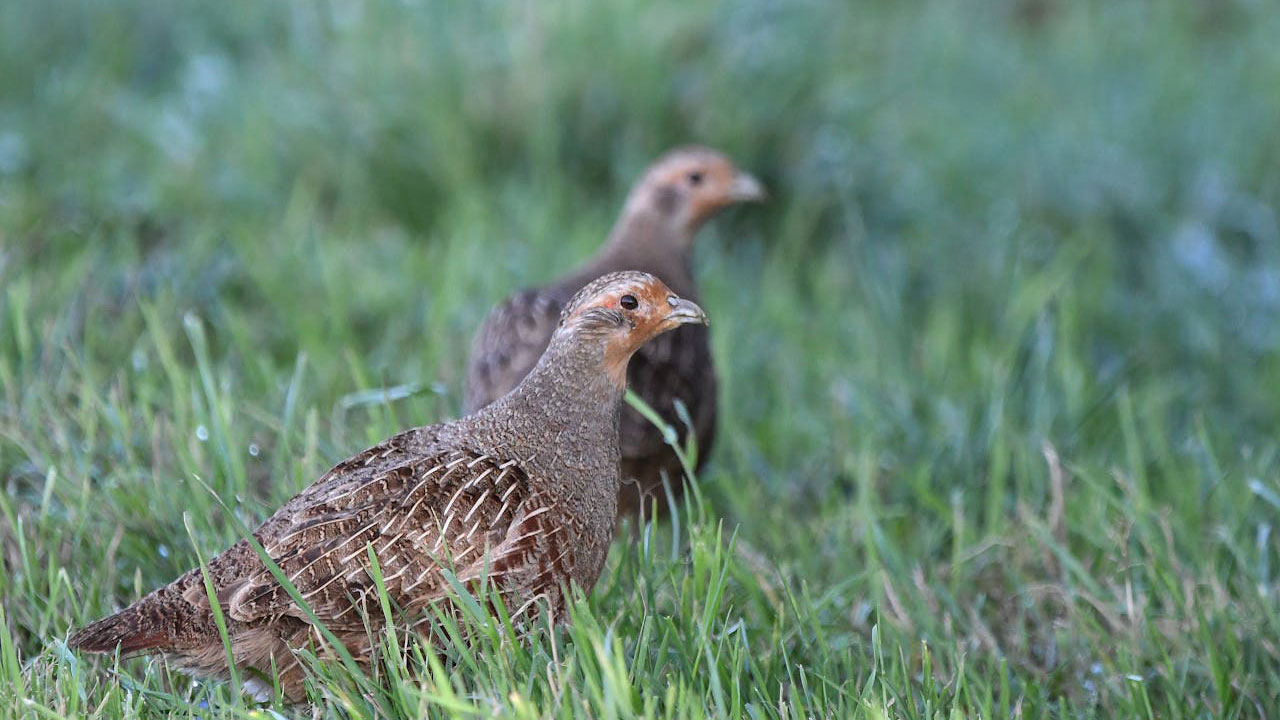
Wisconsin is the sleeper story a lot of hunters ignore until someone shows them the numbers. Wisconsin DNR’s 2025 spring pheasant survey averaged 0.81 pheasants per stop, up from 0.62 in 2024 and above the recent five-year average. That doesn’t magically turn WI into South Dakota, but it does mean certain regions are producing better hunts than they have in a while — especially if you’re willing to walk the kind of cover most guys don’t want to fight through.
Colorado
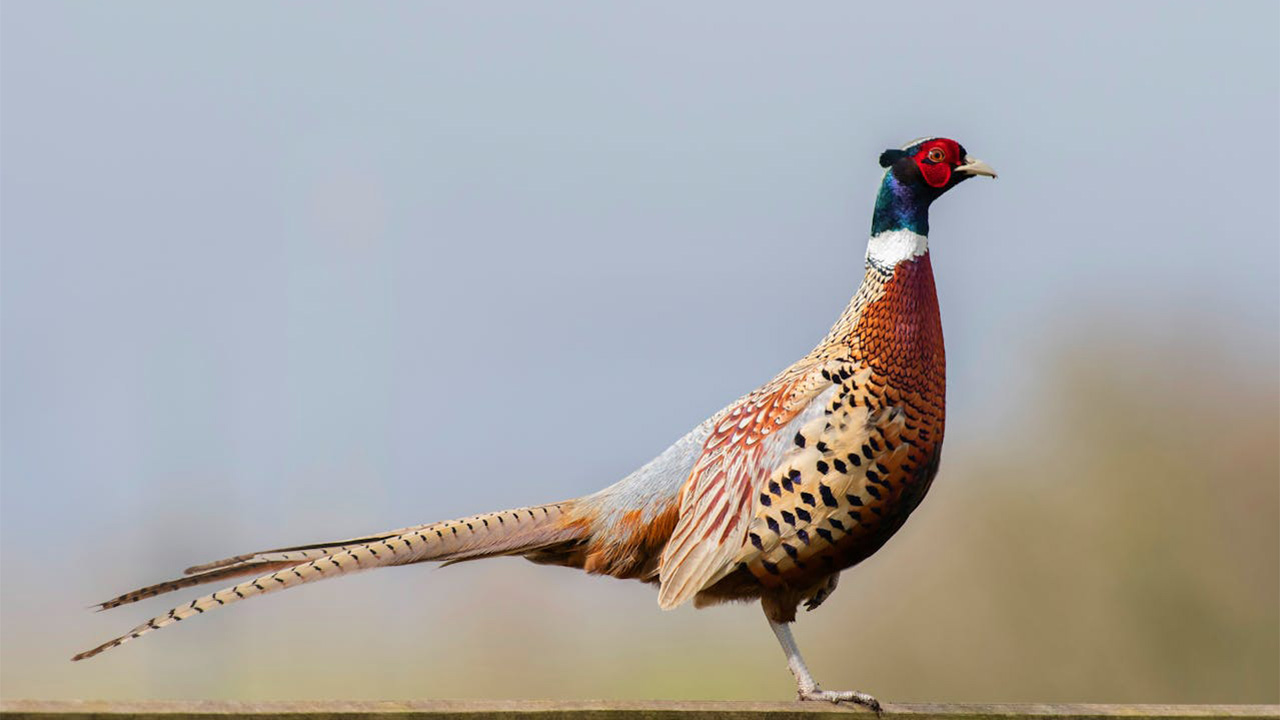
Colorado’s eastern plains have been climbing out of the ugly stretch from drought/winter impacts, and CPW’s 2025–26 forecast said it appears pheasants are up in southeast Colorado in 2025. Colorado’s a state where “up” often shows up as more birds in the right pockets — irrigated edges, shelterbelts, and the pieces of cover that survived the worst years. If you hunt it smart, it can feel like you found an old-school pheasant state hiding in plain sight.
Montana
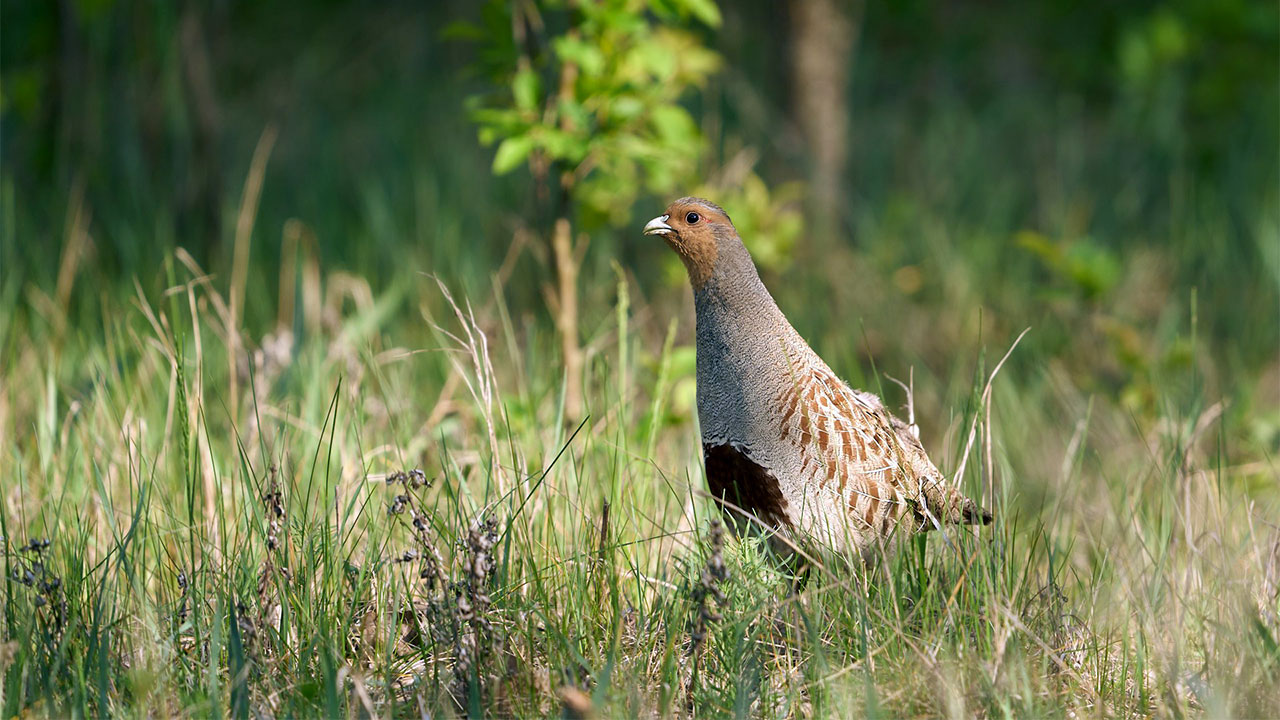
Montana’s not always the first name people say for pheasants, which is exactly why it fits “quietly improving.” Montana FWP’s upland outlook noted spring surveys showed pheasant crow counts above last year’s numbers in areas of good habitat (with poorer habitat areas lagging). On top of that, Montana has also expanded its Roosters for Recruitment release program, with nearly 18,000 birds planned for release in 2025 on select state lands. That combo — some wild improvement plus better public opportunity — is how a state sneaks into “worth a look” territory.
Missouri
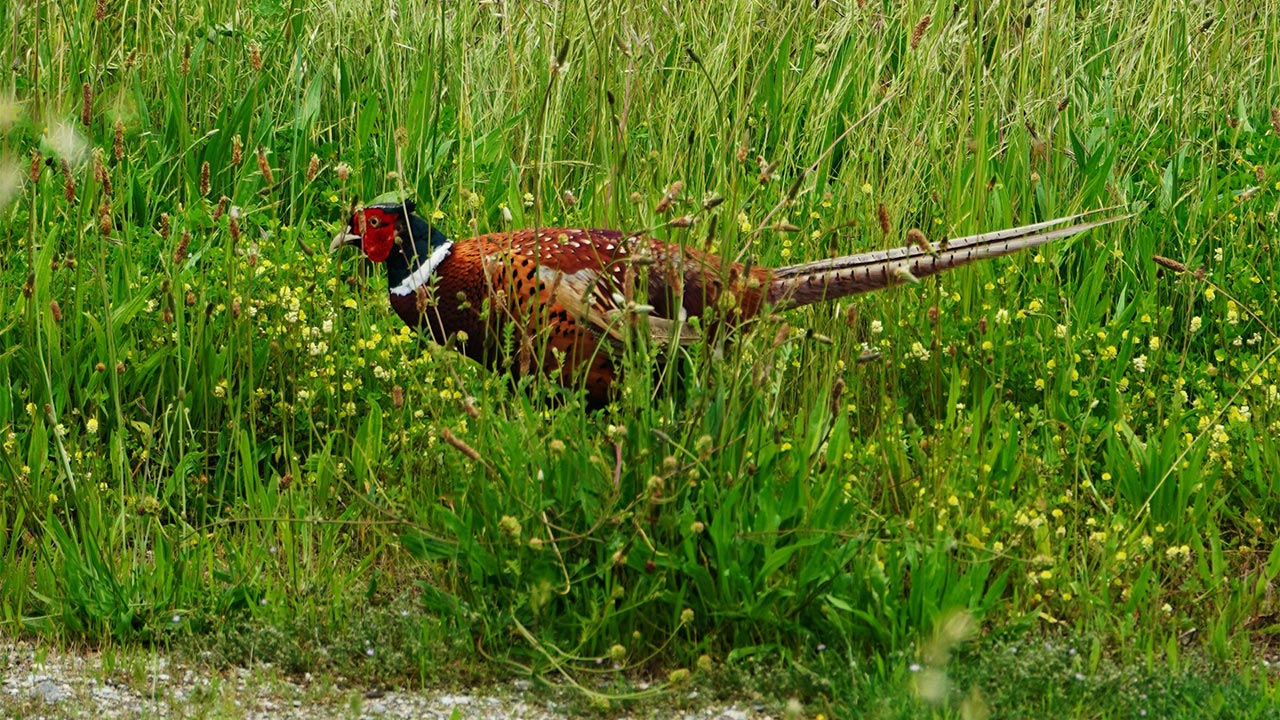
Missouri is another legit “numbers say it’s improving” state, but it’s regional. Missouri’s 2025 roadside survey showed a 14% statewide increase (0.25 pheasants per 30-mile route), and it notes the pheasant range is mostly the northern third of the state. Pheasants Forever’s 2025 forecast also described Missouri pheasant numbers as slightly increasing in the northern tiers where habitat exists. If you hunt Missouri like a statewide pheasant paradise, you’ll be disappointed. If you hunt the right counties and the right cover, you’ll be surprised.
Oregon
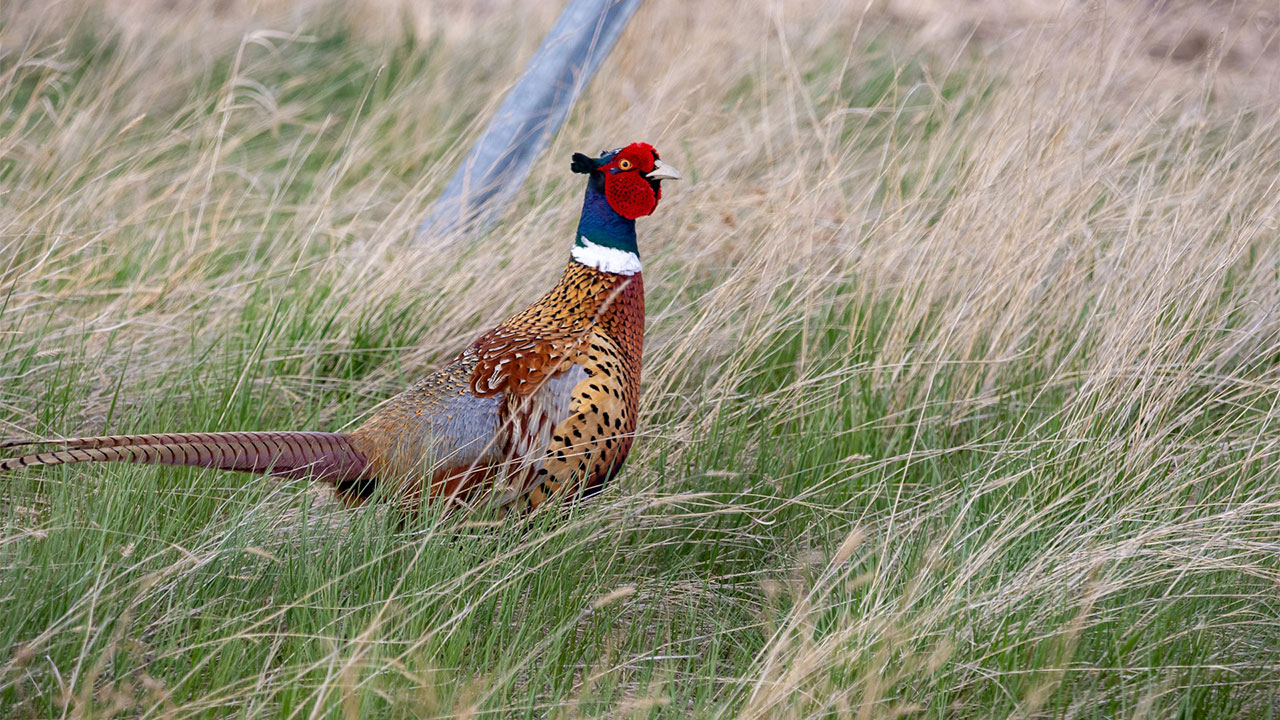
Oregon is a “pockets” state, but the agency wording matters: ODFW said eastern Oregon pheasants had a couple of improved years, while noting 2025 production looks down, and it specifically calls out districts where hunters can still find birds (including Malheur continuing on an improved track). That’s exactly the kind of quiet improvement hunters miss — it’s not statewide, it’s district-by-district, and it rewards people who don’t just show up and hope.
Washington
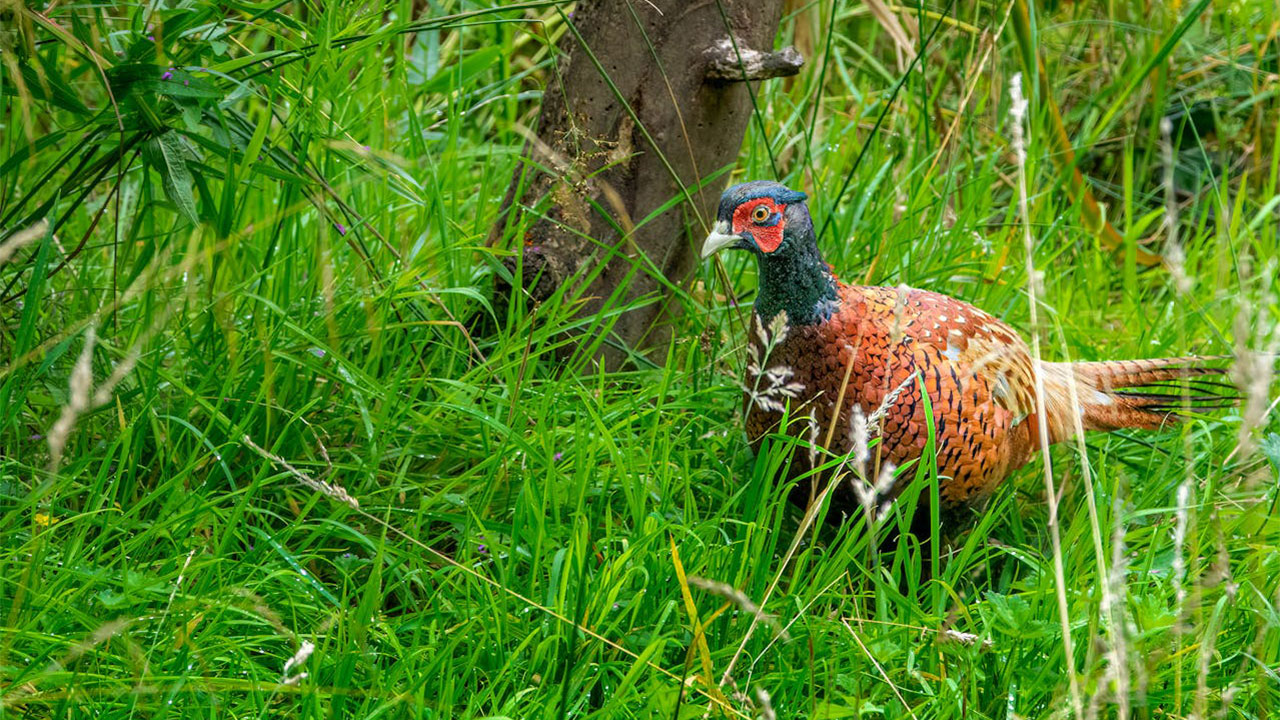
Washington’s more of a public-opportunity pheasant state than a wild-bird destination, and the improvement angle is tied to program work. WDFW’s pheasant release sites page notes the Eastern Washington program includes habitat projects intended to benefit wild pheasants while also releasing adult roosters for hunters on public lands. If you’re the kind of hunter who wants a reliable “take a buddy out” pheasant day on managed sites, Washington’s setup can be better than people give it credit for.
Utah
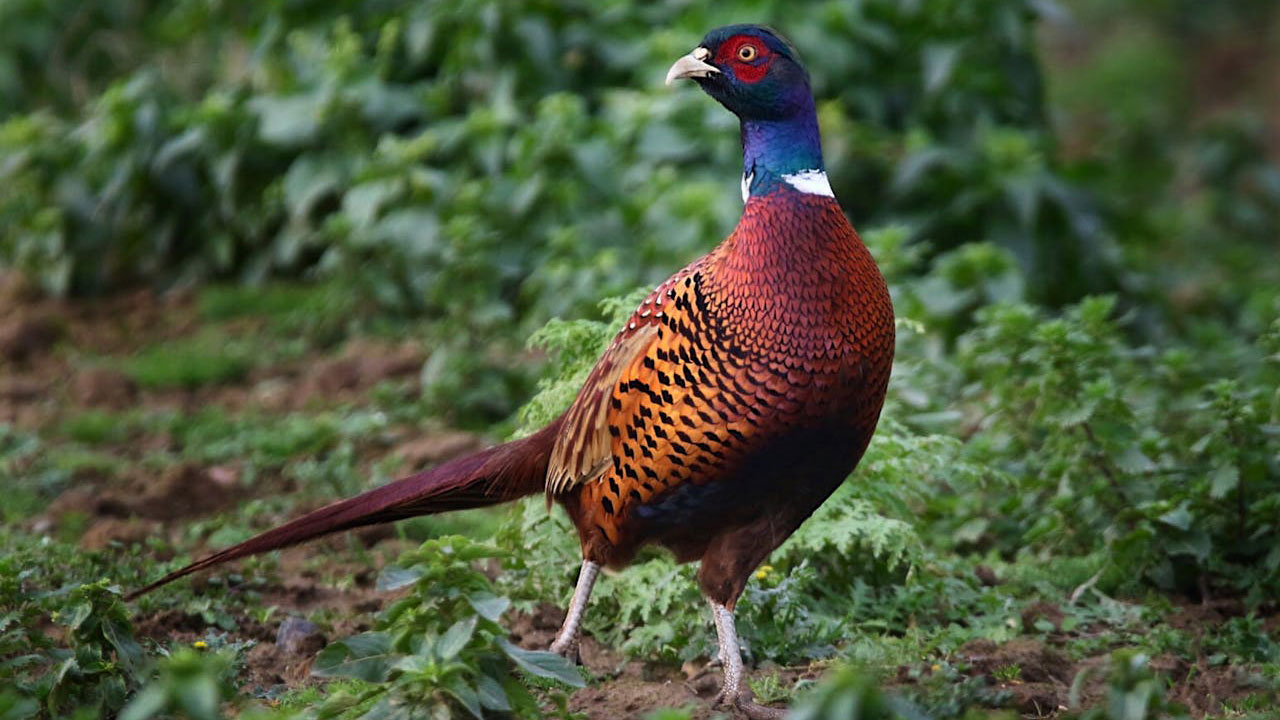
Utah is similar — it’s about opportunity, not pretending it’s the Dakotas. Utah DWR states they release pen-reared pheasants weekly during the general-season hunt on WMAs and Walk-in Access properties to provide additional opportunity, and they straight-up advise hunters to hike away from pressure to increase odds. If you want a state where you can plan a late-season hunt and still find birds being put out, Utah is a practical option.
Michigan
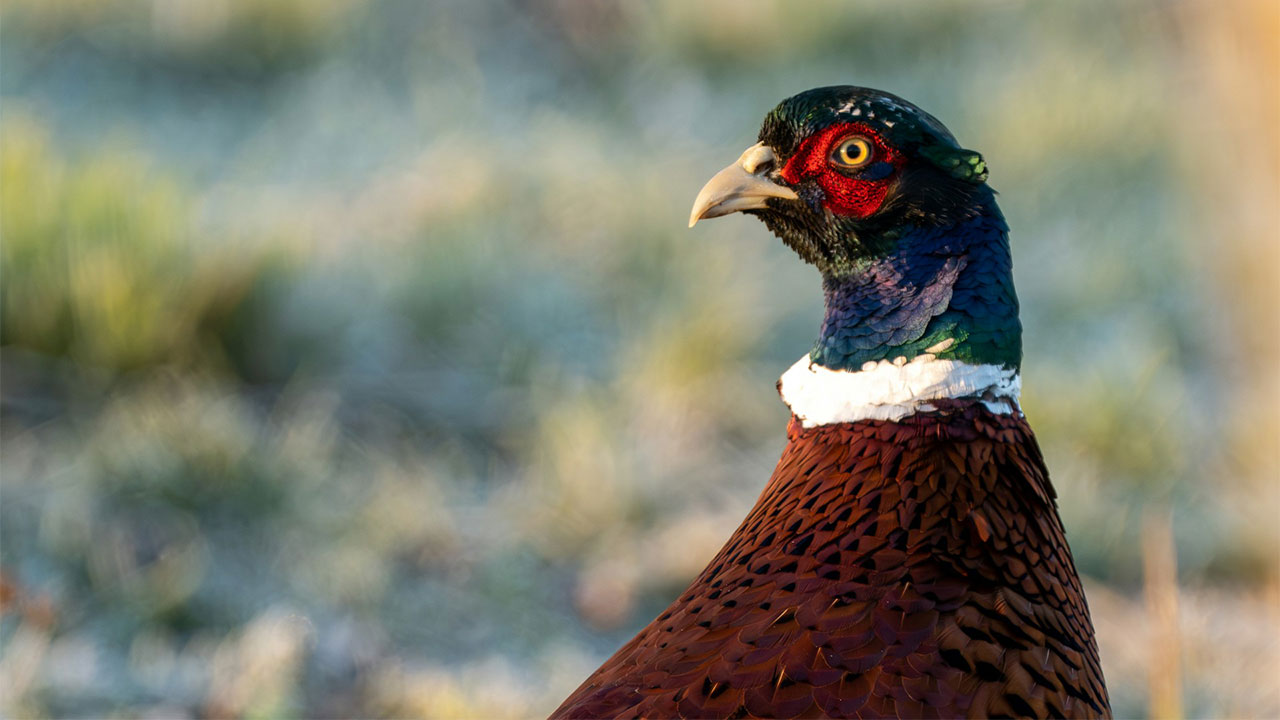
Michigan’s pheasant scene is trending in a more organized direction. Michigan DNR’s small game regs summary confirms pheasants will be released on 13 state game/wildlife areas (including releases for both the fall window and the December/January season). That’s not “wild populations are booming,” but it is an improvement in dependable public hunting opportunity, especially for guys trying to keep new hunters interested.
Pennsylvania
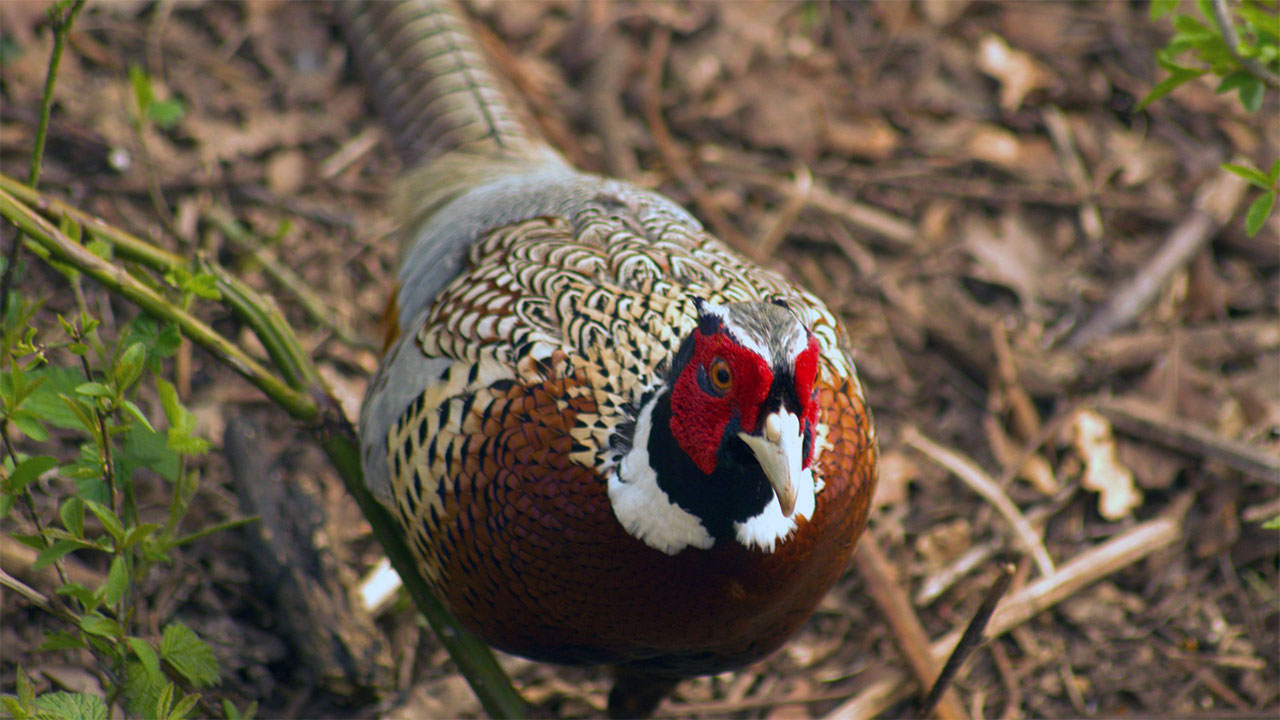
Pennsylvania is another “releases drive opportunity” state, and the scale is big. The Pennsylvania Game Commission announced a February 2026 stocking schedule across regions, which shows how active their program stays through the season. If you want a state where you can grab a vest, pick a stocked area, and reasonably expect birds, Pennsylvania can deliver that — and that consistent access is its own form of improvement.
Like The Avid Outdoorsman’s content? Subscribe to our newsletter so you never miss an article.
Here’s more from us: