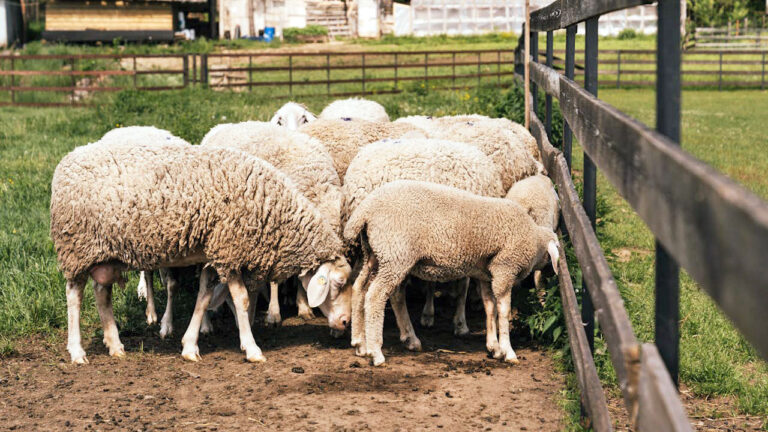
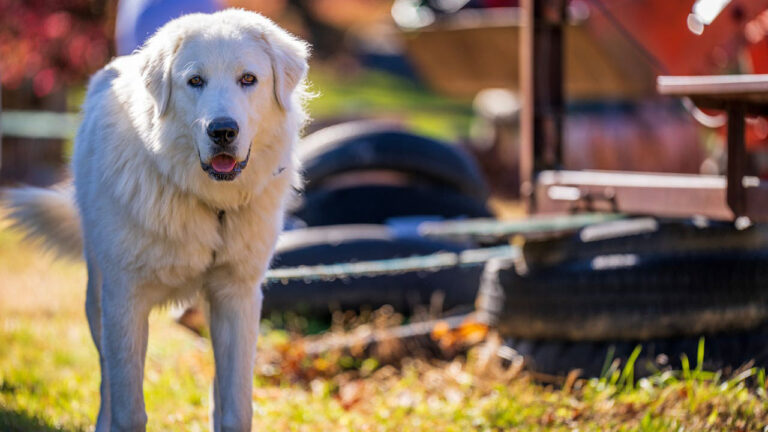
Photo credit: dianeklettke/Pixabay.com
A lot of hikers picture wildlife trouble happening deep in remote backcountry, far from parking lots, trailheads, boardwalks, overlooks, and easy day-hike loops. That is not how it always works. Park and wildlife agencies keep warning people that some of the most dangerous encounters happen in places that feel safe enough to let your guard down — near developed areas, around blind corners, beside water, under dense brush near trails, and even next to buildings and parked cars. Yellowstone says animals near trails, boardwalks, parking lots, roads, and other developed areas still need space, and the park has also noted that many hikers assume bears are not found close to roads or boardwalk trails when they absolutely can be.
That is usually what gets people in trouble. They do not treat the setting like real wildlife country because it looks familiar, busy, or easy. Then they round a corner, step off a boardwalk, reach into shade, let a child get too far ahead, or walk a dog into the wrong pocket of cover. These are the animals that keep showing up where hikers least expect a problem.
Grizzly bears

Grizzlies are still the animal most hikers think about in obvious bear country, but the surprise is how often risk builds in places people assume are too accessible to be a real problem. Yellowstone says hikers are more likely to be attacked by a bear when hiking off-trail, and the park specifically warns visitors to make noise, watch for fresh sign, and stay on maintained trails because close-range surprise encounters happen fast. That matters because people often loosen up on shorter day hikes, popular routes, and roadside trail systems where they think somebody else would have already seen the bear first.
Yellowstone has also found that boardwalk hikers often have low compliance with bear safety recommendations, partly because they assume bears are not found close to roads. That tells you a lot. The setting feels controlled, so people act like wildlife rules matter less. But a grizzly does not care that a trail starts near a gift shop or scenic pullout. If food, cover, or a travel corridor is there, the bear may be there too, and surprise distance is what turns a sighting into a bad day.
Black bears
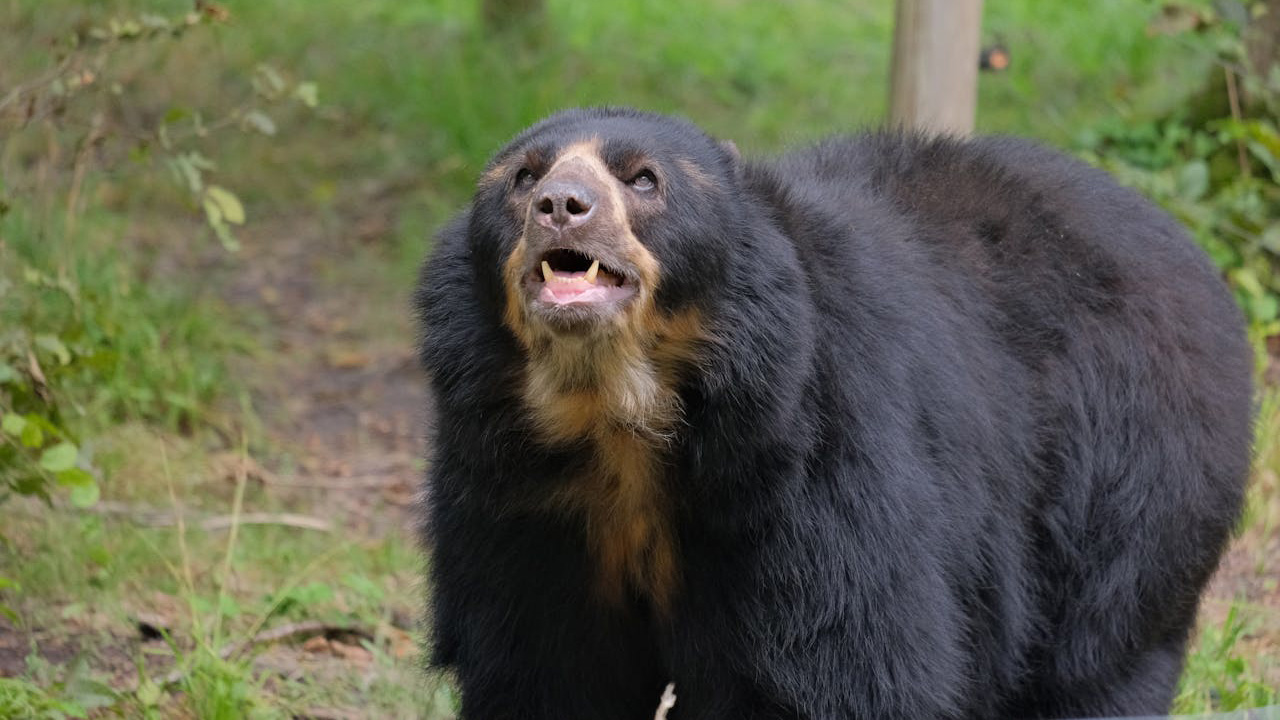
Black bears create the same trap in a slightly different way. They show up in places that do not feel dramatic enough to match people’s mental image of a dangerous wildlife encounter. A mellow forest loop, a creekside path, a green tunnel near town, or a trail close to cabins can all hold a bear, especially where food sources or heavy cover pull them close. Colorado Parks and Wildlife tells people not to approach bears, to stay calm, and to make sure the bear has an opening to leave. That is the kind of guidance you get when close encounters are not hypothetical.
The issue with black bears is that hikers often mistake familiarity for safety. If the trail is busy, short, or near development, they assume the wildlife pressure must be low. But black bears use edge habitat well, move quietly, and can be around long before anybody notices. A close surprise near berry patches, brushy drainages, or trail junctions can feel like it came out of nowhere, even though the bear was using the place exactly like a bear would.
Cow moose

Moose belong near the top of this list because they fool people constantly. Visitors worry about predators, but the National Park Service says more people in Alaska are injured by moose each year than by bears. NPS guidance also says moose are not inherently aggressive but will defend themselves if they feel threatened, and Denali warns they may charge unexpectedly and try to kick or trample a perceived threat. That alone should reset how people think about a “quiet” trail encounter.
What makes moose especially dangerous on hiking trails is how ordinary the setup can look. A willow edge, marshy opening, patch of brush near a trail, or bend near a parking area does not scream danger. Then a hiker comes through too fast, or a dog lights the animal up, and suddenly there is a thousand-plus pounds of bad attitude closing distance. Moose are one of the clearest examples of an animal that shows up where hikers do not expect trouble because the landscape around them looks calm right until it isn’t.
Cow elk
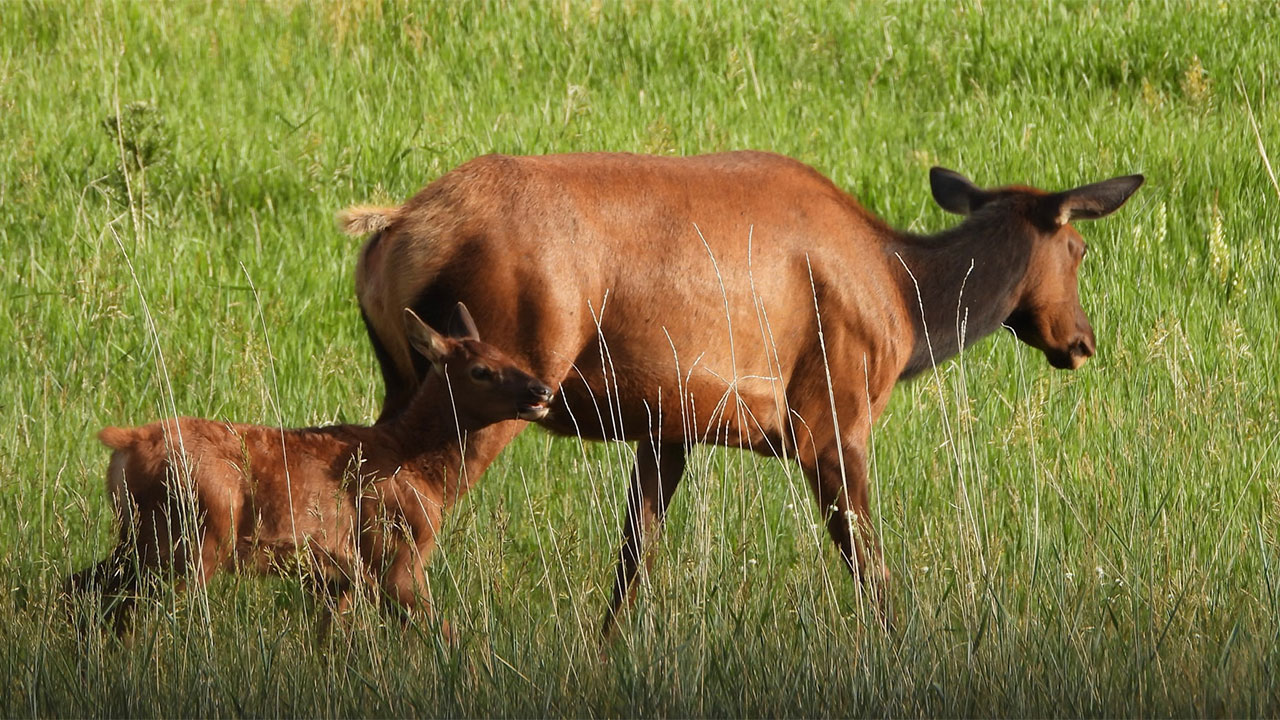
Elk get underestimated for the same basic reason: people see them often enough that they stop respecting the distance. Yellowstone says cow elk are especially fierce and protective around calves in spring and may run toward people or kick even if a person is more than 25 yards away. The park also warns that around Mammoth Hot Springs they often hide calves near cars or buildings, and people should look around corners and blind spots before walking out. That is about as direct as a warning gets.
That is exactly why elk make this list. Trouble is not always happening in some wild meadow miles from help. Sometimes it is right next to a path, a lodge area, a parking lot, or a trail connection where a calf is tucked into cover and the cow is already on edge. Grand Canyon and Rocky Mountain both warn that cows are extremely protective of calves. A hiker who assumes a developed area means reduced risk can walk straight into a defensive reaction without much warning at all.
Bison

Bison are another animal people keep misreading because they are so visible. Visibility makes people feel in control, and that is exactly where they go wrong. Yellowstone says visitors must stay at least 25 yards from bison and other large animals, and the park has repeatedly warned that when an animal is near a trail, boardwalk, parking lot, road, or other developed area, people still need to leave it alone and give it space. Yellowstone has also documented people getting gored after approaching too closely.
The least-expected-trouble part with bison is how often the setting feels almost casual. A boardwalk, thermal pullout, prairie trail, or open crossing looks exposed enough that folks think they can just slip by. But tallgrass preserves and national parks alike warn that bison can run fast, chase if movement excites them, and require serious distance. Just because you can see the animal clearly does not mean you are safe. A lot of bison trouble starts when a hiker treats an obvious animal like an easy animal.
Mountain lions

Mountain lions are built for the exact kind of surprise hikers hate most. They use cover well, move quietly, and show up in terrain people think of as scenic, not sketchy — river corridors, brushy draws, canyon trails, shady foothills, and edge habitat near neighborhoods. The National Park Service says hikers should not go alone in mountain lion habitat, should keep children close, and should never run if they encounter one. Those rules exist because people often do not realize how attractive seemingly calm trail systems are to a predator that likes ambush cover.
The least-expected trouble usually comes on trails that feel too close to town or too heavily used to host a lion. That is a mistake. NPS guidance from Guadalupe Mountains, Saguaro, and other parks makes clear that hikers need to watch children, stay grouped up, and avoid acting like they are alone in the food chain just because the trail is established. Mountain lions do not need backcountry drama. They need cover, prey, and a chance to stay unseen, and a lot of ordinary hiking routes offer all three.
Rattlesnakes
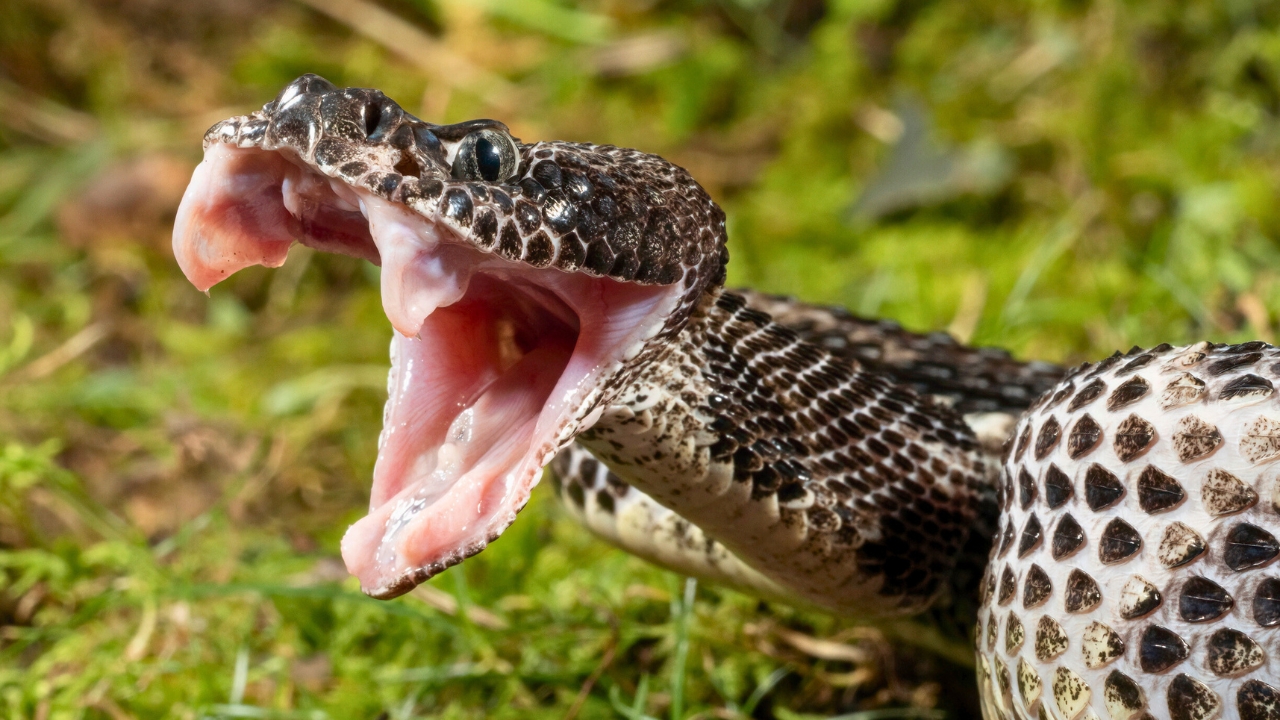
Rattlesnakes are the classic “I never even saw it” trail problem. Yosemite warns hikers not to rely on hearing a rattle because baby rattlesnakes do not have one and adult rattles can break off. The park also says hikers should walk where the ground is clear, wear protective clothing, and avoid reaching where they cannot see. John Day Fossil Beds says rattlesnakes usually remain hidden or crawl away unless surprised, and that hikers should keep hands and feet out of places they cannot see.
That is why snakes keep catching hikers off guard in places that do not feel especially dangerous. A shady rock edge, board step, brushy trail shoulder, creek crossing, or sunny warm patch near a pullout can hold one. Great Smoky Mountains even tells hikers to stay on the trail to avoid venomous snake bites. A lot of snake trouble is not about some dramatic desert scene. It is about one careless footstep, one hand on the wrong rock, or one little shortcut into cover.
Alligators
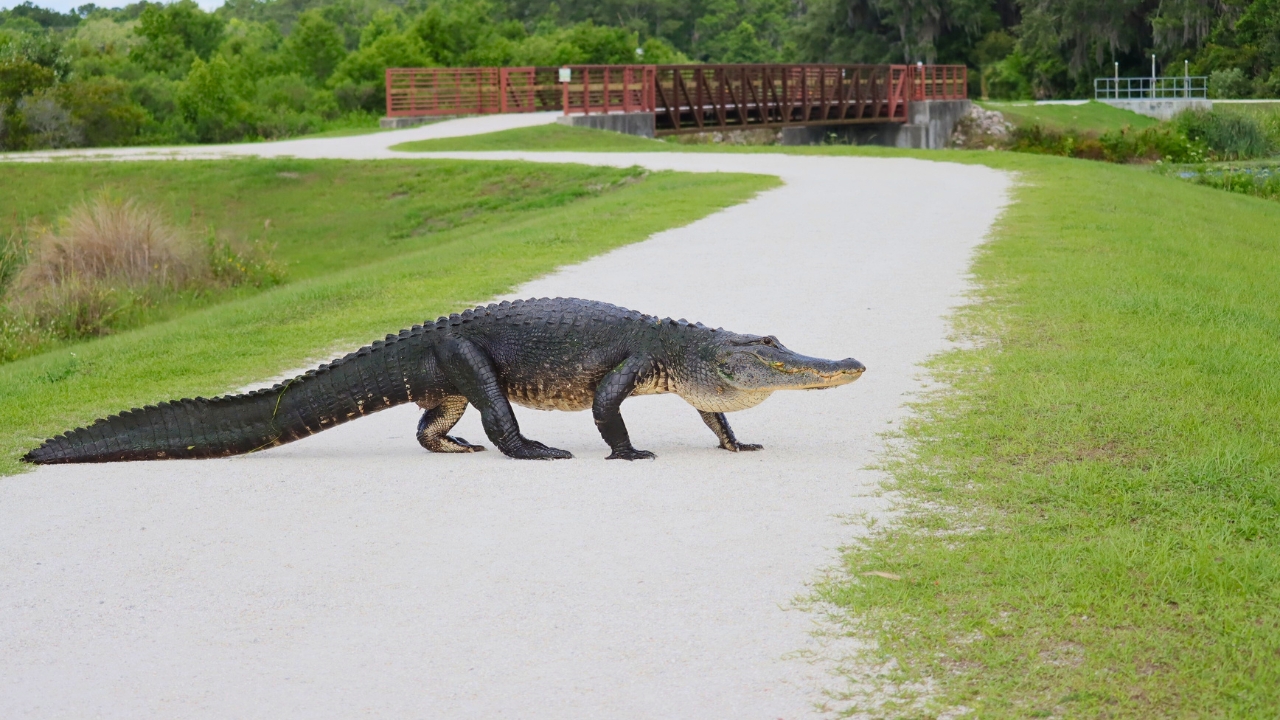
Alligators belong on this list because trail users keep thinking of them as boating or backyard pond problems instead of hiking hazards. Florida Fish and Wildlife says the potential for conflict always exists where people and alligators overlap and repeatedly advises people to stay alert near the water. That includes ponds, canals, marsh edges, retention water, and shoreline paths that may be part of parks, preserves, or flat walking trails rather than what somebody would call “serious wilderness.”
The surprise factor with alligators is that they often do not advertise themselves. The danger zone is usually the calm-looking bank beside a trail, not the middle of some swamp movie scene. If hikers step close to the edge, let kids range too near the water, or bring a dog into shoreline habitat, they are creating the exact kind of close encounter that goes bad fast. In gator country, the easy trail around a lake can be more deceptive than the remote one because people stop acting cautious near water they think looks managed or familiar.
Yellowjackets and ground-nesting wasps
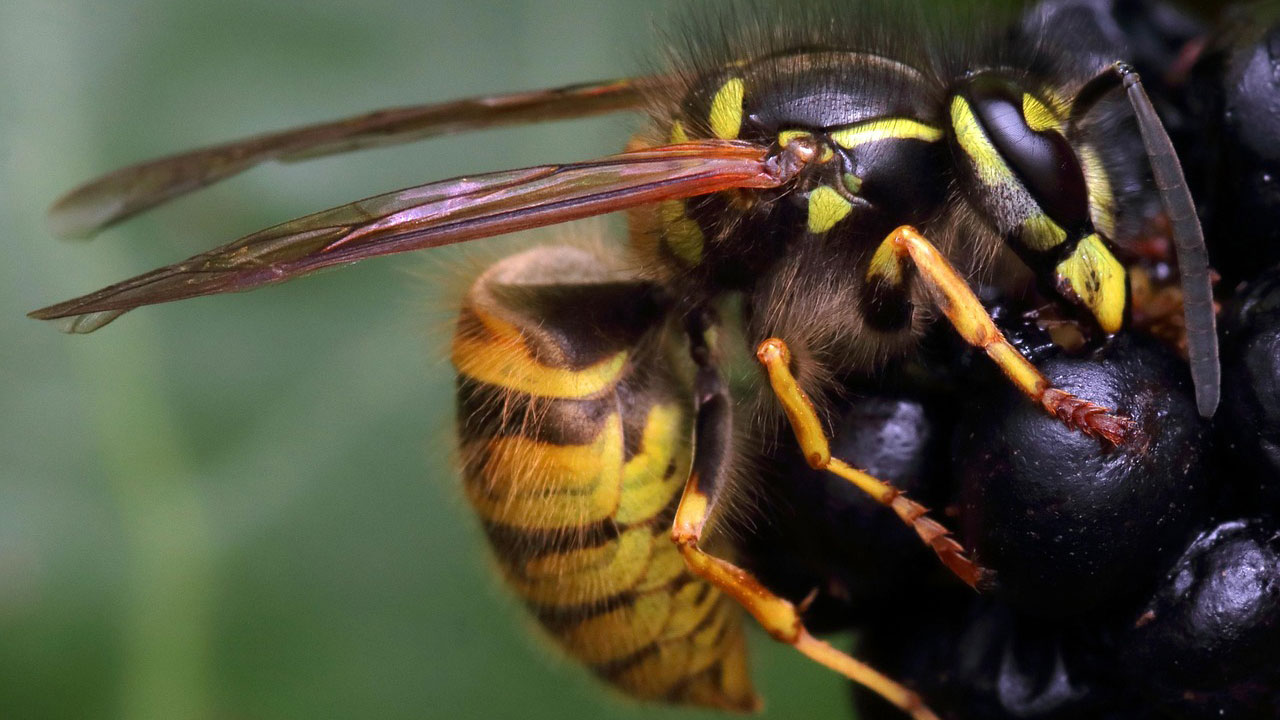
A lot of people think of dangerous wildlife as big, toothy, or famous. Then they step near a yellowjacket nest and find out that tiny does not mean minor. Great Smoky Mountains specifically warns that yellowjacket wasps are a concern because they build nests in the ground near trails and streams and can be aggressive if disturbed. The park also notes that stings can trigger severe allergic reactions and that people at risk should carry epinephrine.
This is one of the purest examples of trouble showing up where hikers least expect it. The nest may be in a grassy shoulder, beside a root, near a creek, or hidden in a bank right where somebody steps off trail for a second. There is no dramatic animal silhouette and no warning roar. Just instant chaos. Hikers who spend all their worry on large mammals sometimes forget that the fastest emergency on a trail can start from the ground at ankle level.
Wild hogs

Wild hogs do not need a lot of remote country to make life hard on hikers. Where they are established, they use creek bottoms, brush, palmetto edges, marsh transitions, and all kinds of rough side cover along trails and public land. Florida Fish and Wildlife notes that wild hogs travel alone or in groups and heavily use habitat while feeding and rooting. That may sound like property-damage language, but the same behavior puts a heavy, fast animal into exactly the kind of low-visibility cover hikers pass every day.
What makes hogs tricky is that people often notice the sign before they think about the animal. Torn-up ground, muddy edges, rooted trail shoulders, and fresh tracks mean something could still be nearby. On a brushy trail, especially at dawn or dusk, surprise distance can get short in a hurry. Most hogs would rather leave, but a cornered boar or sow with young is not a thing I’d ever dismiss just because the trail itself looks ordinary.
Wolves

Wolves do not create the same volume of direct hiker incidents as bears or elk, but they still deserve respect, especially because people often relax around them if they are seen from a trail in daylight. Yellowstone requires visitors to stay at least 100 yards from wolves, the same distance required for bears. That alone tells you park managers do not treat close proximity like a harmless photo opportunity.
The least-expected trouble with wolves is not usually an attack narrative. It is the false confidence hikers get when they see one in open country or near a developed viewing area and assume that because it is not charging, it is basically scenery. The rule with wolves is the same as with every other big wild animal worth respecting: distance matters, and a trail or boardwalk does not change that. When a park tells you a wolf near a developed area still needs 100 yards, that is your answer.
Deer bucks in rut
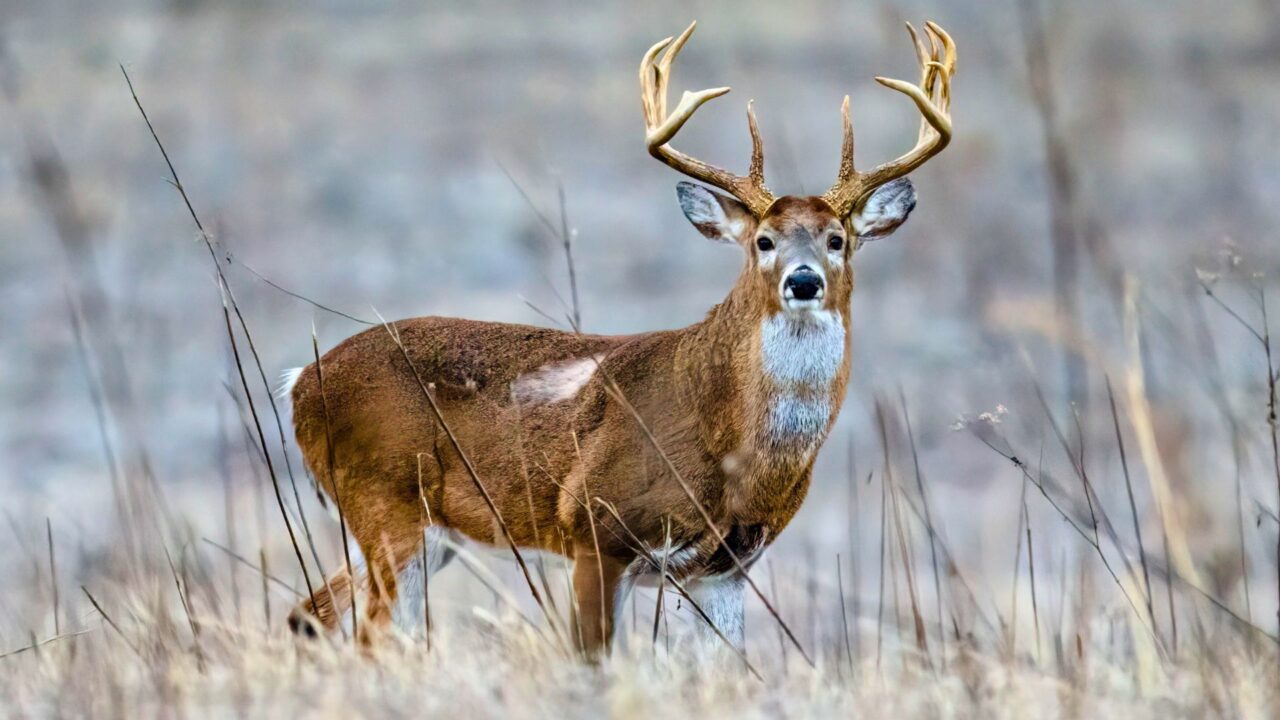
A lot of hikers only think of deer as traffic hazards or backyard browsers, but rutting bucks can get unpredictable in close quarters. Colorado Parks and Wildlife tells people to observe wildlife from a safe distance and not to chase or harass animals, while Yellowstone reminds visitors that even animals that appear calm can bite, kick, trample, or gore suddenly and unpredictably. That warning fits bucks better than people want to admit, especially when they are already hot, distracted, and more willing to posture.
This kind of trouble shows up in parks, greenbelts, preserve loops, and developed trail areas where deer are heavily habituated to people. That familiarity makes hikers read the animal wrong. Then rut energy, close spacing, or a dog changes the mood fast. A buck does not need to behave like a predator to hurt somebody badly. He just needs to decide he does not want to yield the path.
Goats and bighorn sheep
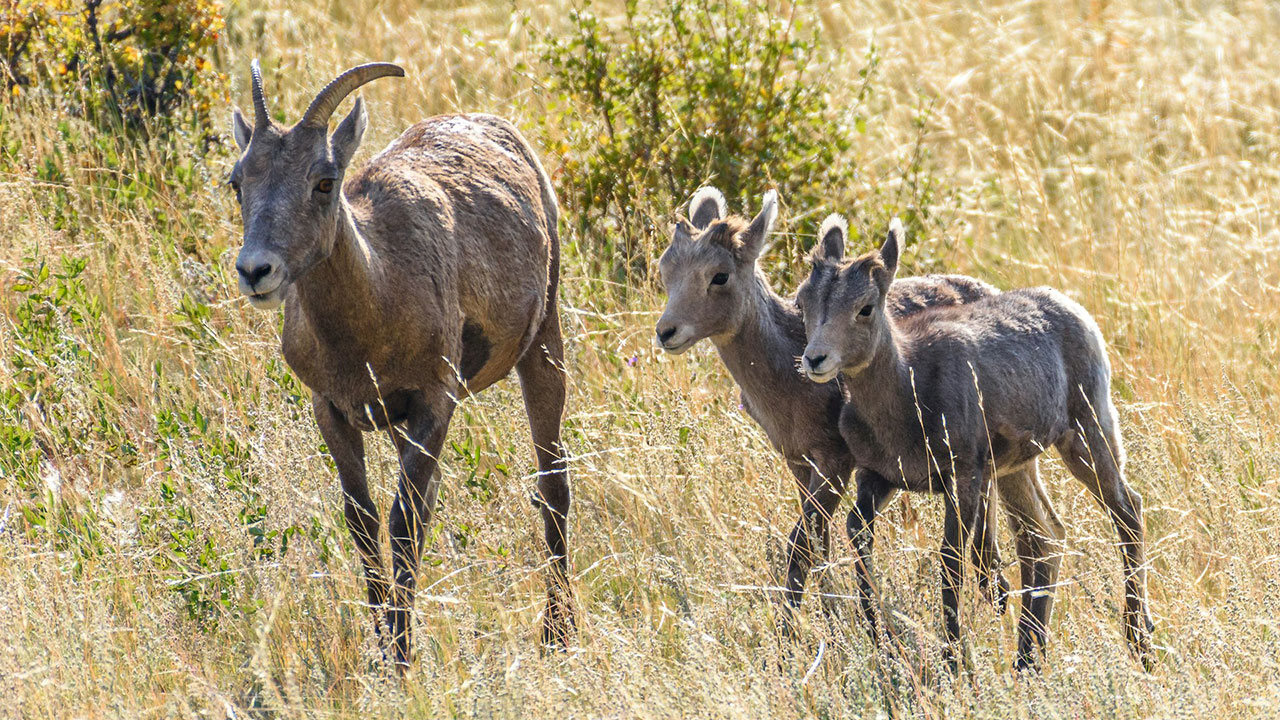
Mountain goats and bighorn sheep do not always make people’s danger list because they look so exposed and visible on open slopes. But parks still flag their presence on certain trails, and Yellowstone notes that hikers may encounter species like mountain goats, bighorn sheep, elk, and moose on routes where bear activity is already possible. The bigger point is that open country does not automatically mean harmless country.
With goats in particular, people sometimes get too casual because the animal seems calm and easy to photograph. That is the same mental mistake that causes problems with a lot of large wildlife. Anything with horns, steep-country balance, and no interest in being crowded can create a mess when hikers block its route or cut the distance too far. On narrow trails, exposed ledges, and overlook areas, that matters a lot more than folks think.
Coyotes
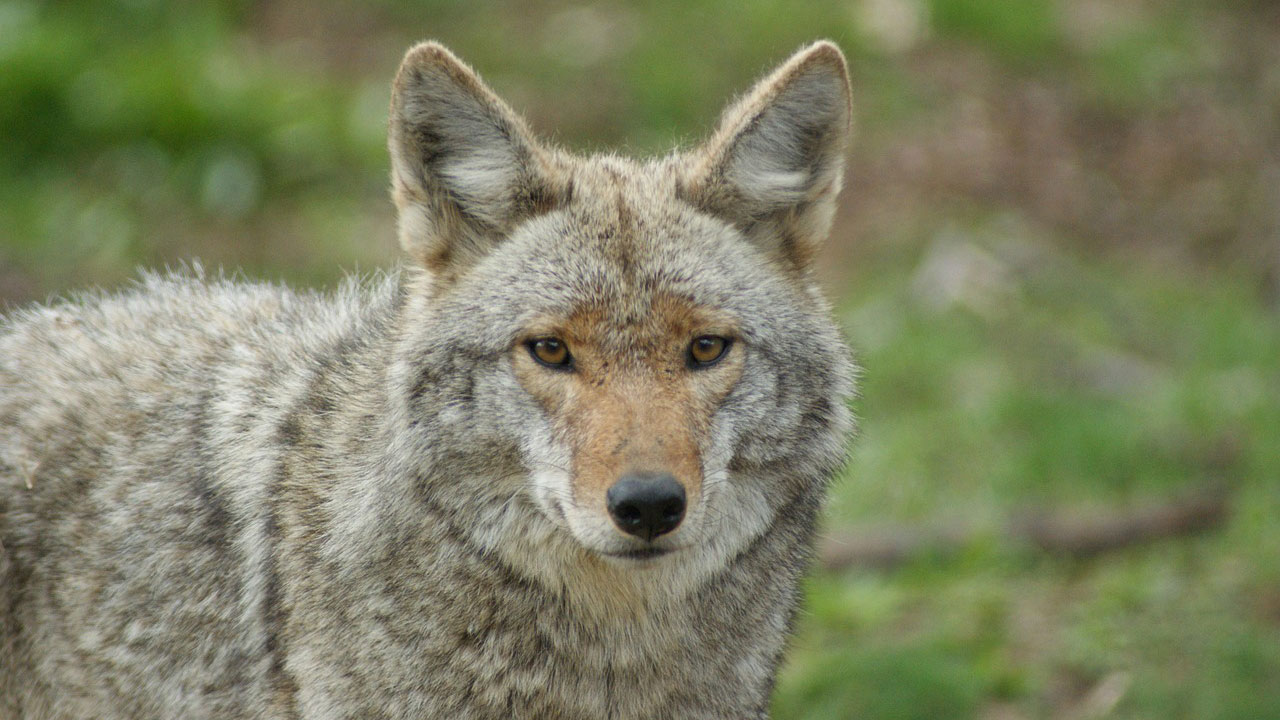
Coyotes are usually not the trail animal people obsess over, which is exactly why they fit this article. In a lot of places they use suburban edges, river corridors, brushy parks, and multi-use trails close to neighborhoods. New York DEC says coyotes become exceptionally territorial around den sites and that spring is a time when conflicts, especially involving dogs, become more likely. That matters because many of the trails people treat like safe exercise loops cut right through the kind of edge habitat coyotes like.
A coyote sighting on its own is not usually the emergency. The problem is when hikers misread what they are walking through. If pups are nearby, if a dog is present, or if people have been feeding wildlife in the area, the usual flight behavior can shrink. That is when an ordinary greenway or creek trail starts feeling a lot less ordinary. Coyotes do not need deep wilderness to create trouble. They just need cover, food, and people who forgot they are still wild.
River otters
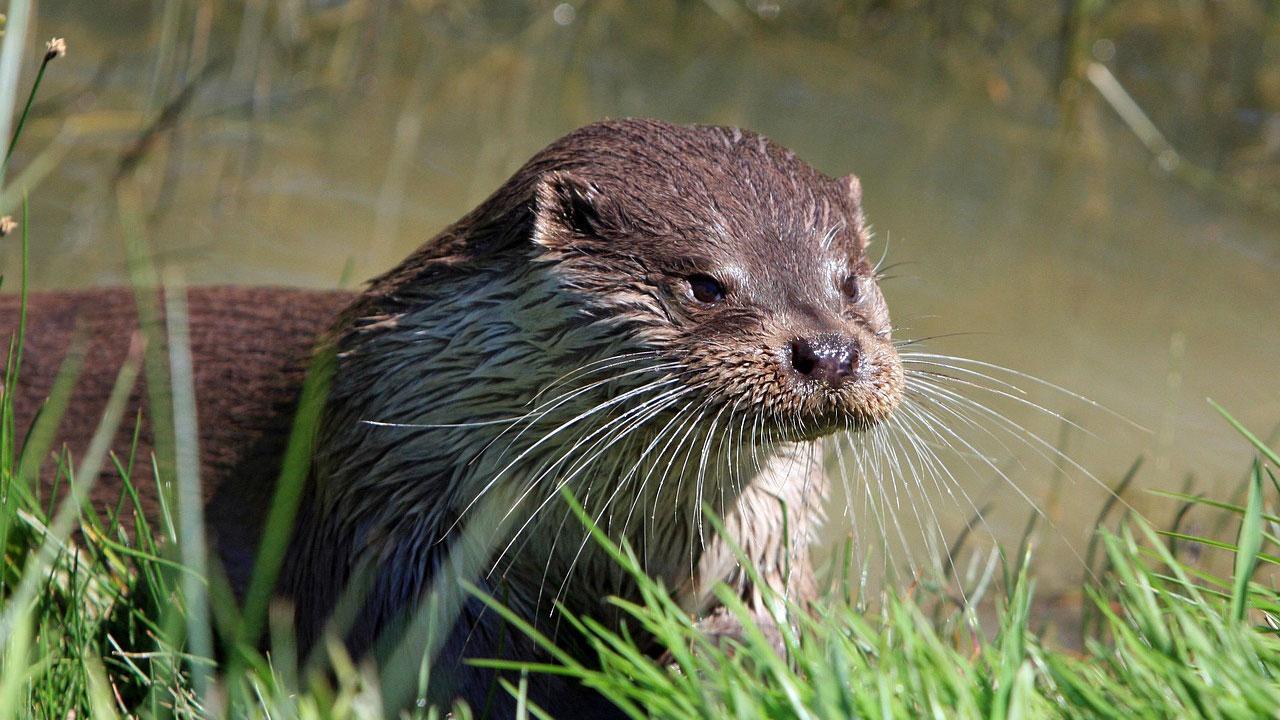
River otters are one of the most overlooked animals on a trail-safety list because people mostly think of them as playful, fun to watch, and tied to fishing stories more than hiker problems. But any wild predator with sharp teeth, strong jaws, and a denning area near shore can become a close-range issue if somebody crowds it. Florida’s pond-management guidance points out that otters are common around water and are often enjoyable to observe, which is true right up until a person or dog corners one near a bank, culvert, or waterside path.
The least-expected-trouble part here is simple: people drop their guard around water where they are looking for birds, scenery, or an easy family walk, not a predator encounter. But shore trails, dock paths, marsh edges, and stream crossings all tighten distance fast. Otters are not the most common dangerous trail animal, but they may be one of the most underestimated because they show up in places hikers read as relaxing instead of risky.
Like The Avid Outdoorsman’s content? Subscribe to our newsletter so you never miss an article.
Here’s more from us: