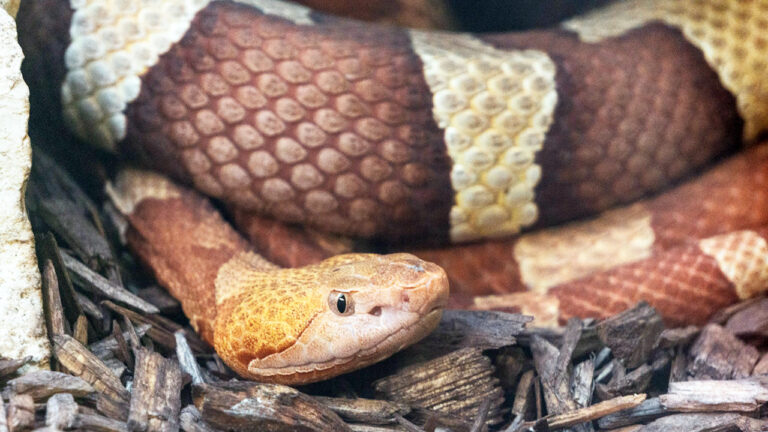
Photo credit: Lauren Bilboe/Shutterstock.com
Most wild animals want nothing to do with you. They hear you, smell you, and fade off like smoke. But a handful of species are wired differently. Some are territorial. Some are protecting young. Some have learned that bluffing works. And some are simply built to win short, violent arguments, so they don’t feel the need to run.
“Standing their ground” isn’t always aggression. A lot of the time it’s hesitation, posturing, or a refusal to give up a resource. The mistake people make is assuming the animal is being “brave” or “tame.” When something wild doesn’t leave, you treat it like a problem you didn’t ask for. Give it space, don’t corner it, and don’t force a decision that ends with teeth, hooves, or claws.
Moose

Moose look like they should be slow and reasonable, but they’re one of the most likely big animals to hold a line. A moose doesn’t need to run from much, and when it feels crowded—trail, shoreline, campground—it’ll often plant its feet and warn you with pinned ears, lip licking, and that stiff, loaded posture.
If you keep pushing, you’re not “shooing” a moose. You’re challenging it. Cows with calves are the worst for this, and bulls during the rut can be unpredictable. Your move is simple: back out the way you came and widen the gap fast. Don’t try to slip past it. Give it an exit lane and you’ll usually watch it turn back into a ghost.
Grizzly bear
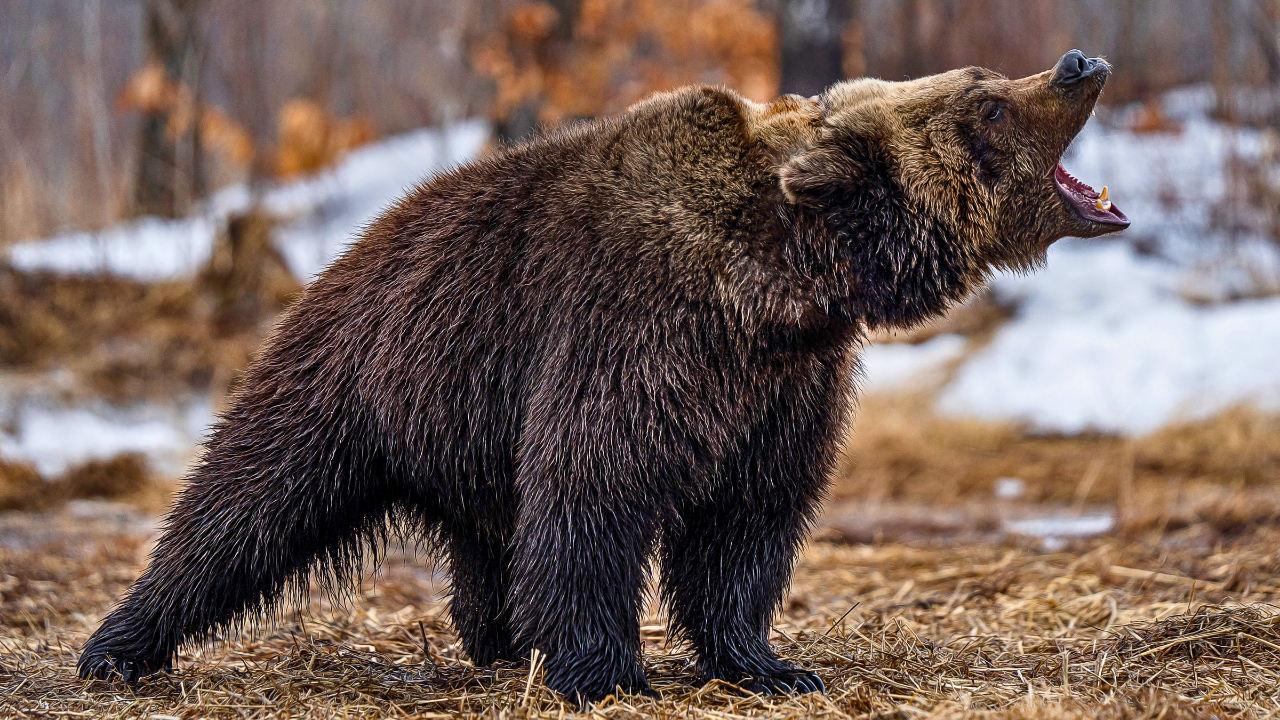
A grizzly doesn’t always bolt the way a black bear might. In thick cover or close terrain, a grizzly can stand and assess you, and that moment feels like forever. The bear isn’t necessarily hunting you—it’s deciding whether you’re a threat, whether it can leave safely, and whether it needs to defend space.
That’s why grizzlies can “hold ground” around carcasses, cubs, or tight travel corridors. You don’t win that argument by being loud and tough. You win by being calm, grouping up, talking in a steady voice, and giving distance. If you surprise one at bad range, a bluff charge is possible. The goal is to avoid forcing a choice. Back away slowly and let the bear keep its dignity.
Wild boar and feral hogs

Hogs are famous for not leaving when you think they should. A big boar, especially, can square up instead of running, because their first instinct is often to fight through a problem. In brush, they know you can’t move fast, and they trust their armor and attitude.
A sounder may scatter, but it can also bunch up, huff, and hesitate, which gives you that “they’re standing their ground” feeling. Sows with piglets are the real landmine. Don’t try to haze hogs at close range, and don’t get caught between them and cover. If you bump them, back out and give them room to peel off. The worst move is trying to run through their space like you’re late for work.
American bison

Bison don’t run because they don’t have to. They’re big, tough, and quick in short bursts, and they’ve got a hair-trigger for feeling crowded. People get hurt every year because they assume a bison is basically a shaggy cow that will wander off if you get close.
A bison holding its ground is usually giving you a chance to fix your mistake. You’ll see the head low, the stare, the tail position, and that heavy, deliberate shift of weight. If you keep approaching, you’re turning a warning into a charge. Back off early, give it a wide lane, and don’t try to “go around” at close range. The animal owns that space, and it knows it.
Musk ox
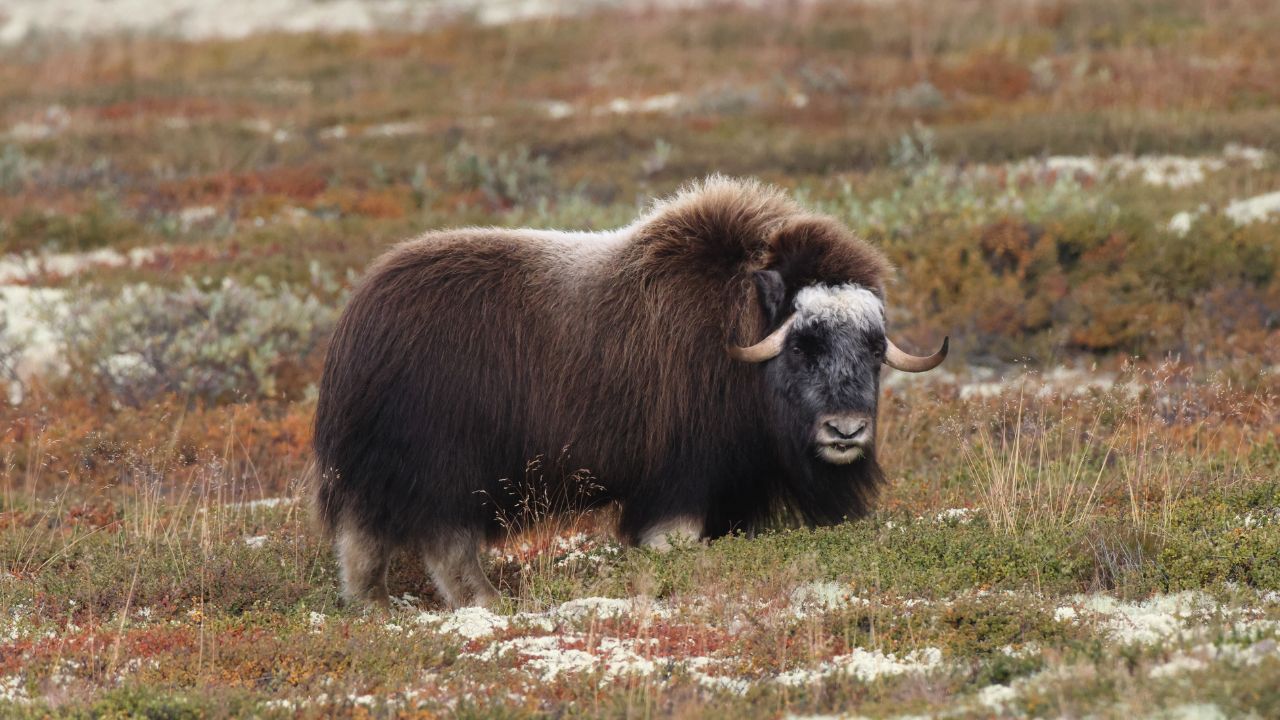
Musk ox are built around standing their ground. Their classic defense is to form up, face the threat, and dare it to come closer. That works against wolves, and it can work against people too, especially if you wander into their comfort zone on open tundra where there’s nowhere to “escape” to.
The mistake is assuming a stationary animal is calm. A musk ox can go from still to moving fast, and you won’t enjoy being on the receiving end of that decision. If you see them holding a tight posture or grouping up, you’re already too close. Back off and widen the distance. Give them time to relax and return to feeding. You’re not there to test a prehistoric attitude problem.
Mountain goats

Mountain goats are another animal that often refuses to yield. They live on ledges, cliffs, and steep bowls where running isn’t always an option. They’re also territorial and willing to posture hard, especially around minerals, trails, and places they feel pinned.
A goat that stands its ground can look almost tame—until you see the horns and how quickly they can jab. People get into trouble by trying to walk past a goat on a narrow trail. Don’t. If the animal won’t move, you’re the one who changes plans. Back up, wait it out, or find another line. Giving a goat a shove, yelling, or crowding it is a great way to learn how sharp those horns really are.
Mountain lions

A mountain lion doesn’t usually “stand its ground” like a bear or moose, but if a lion is seen and doesn’t leave, that’s a serious sign. Lions are built to stay hidden. When one holds position—watching, crouched, or pacing—it can be sizing you up or guarding something nearby.
The key is not giving it the one thing it wants: a fleeing target. Stay upright, keep your eyes on it, and make yourself look bigger. Move slowly and keep your group tight. If it follows, you respond with noise, rocks, and firm forward pressure without charging into cover. Most of the time, a lion that’s been spotted will peel off. The times it doesn’t are the ones you treat like an emergency.
American alligator

Alligators are the definition of standing their ground in water-adjacent spaces. They don’t spook and run the way people expect, because their whole hunting style is stillness. If you stumble onto one on a bank or trail edge at dusk, it may just sit there and stare, completely unbothered.
That’s not confidence—it’s design. The danger is people assuming it’s harmless because it isn’t moving. Don’t try to approach for a photo, and don’t try to “shoo” it with noise. Back off and give it room to slide away on its terms. If you’re with a dog, keep it close and away from the waterline. A gator doesn’t need a long warning sequence, and you won’t like how fast it can close short distance.
Hippos

If you’re in Africa, hippos are the animal that makes “standing their ground” feel like an understatement. They don’t back down. They defend water, trails, and space like they were issued a permit for it. On land they look clumsy, but they can move fast and they’re responsible for a lot of human injuries and deaths.
The big mistake is assuming water equals safety. Hippos own water, and they often travel at night between pools and grazing areas. If you encounter one, you don’t try to scare it off and you don’t try to slip past. You create distance and find cover that puts something solid between you and that animal. A hippo’s warning isn’t subtle. If it’s facing you and holding space, you’re already in the wrong spot.
Cape buffalo

Cape buffalo have a reputation for a reason. They’re not nervous prey animals that blow out and disappear. They’re tough, stubborn, and willing to face a threat head-on. A buffalo that decides to hold ground can stare you down, posture, and then commit without much drama.
The danger here is reading calm as safe. A buffalo can look relaxed right before it isn’t. Hunters talk about “dagga boys” for a reason—older bulls can be especially cranky and unpredictable. If you’re in buffalo country, you treat every close encounter with respect and distance. Don’t crowd them, don’t get between them and the herd, and don’t assume you can control the situation with shouting and arm waving.
Jaguar

Jaguars are stealth predators, and like mountain lions, they generally prefer to avoid being noticed. But when a jaguar holds position instead of leaving, it can be because it’s guarding a kill, protecting cubs, or deciding whether you’re a threat. In thick jungle, you might not get much warning beyond that locked-in stare.
The key is not feeding the predator’s advantage. Stay together, stay upright, and don’t run. Back away slowly while facing the animal, and don’t crowd it toward cover or water. Jaguars are powerful and confident around dense terrain. Most encounters end with the cat melting away. The ones that don’t are the reason you treat the situation like a serious problem and not a wildlife moment.
Wolverine

Wolverines are small compared to the big predators, but they’re famous for refusing to yield. They’re all muscle, attitude, and confidence, and they’ll hold ground over food, territory, or a denning area. If you bump one on a trapline or in deep snow, it might not run at all—it might square up and glare like it’s ready to fight a grizzly.
The “stand their ground” part is usually bluff, but bluff from a wolverine is still trouble. They bite hard, they don’t scare easy, and they can shred gear if they think it’s food. Don’t corner one, and don’t try to chase it off at close range. Give it space and let it leave. If you’re protecting meat or bait, secure it better. Wolverines are excellent at teaching painful lessons.
Badger

Badgers are another animal that often refuses to retreat. They’re built to dig and fight in tight spaces, and they treat threats like something to confront, not flee. If you surprise one near a den or it feels trapped, it may stand up, hiss, and come at you with more confidence than you’d expect from something that size.
A badger encounter is usually a “you’re too close” problem. Don’t crowd it, don’t try to handle it, and don’t let a dog run in and start a fight. Badgers can do serious damage in seconds. Give the animal room and step back the way you came. They’re not looking to stalk you—they’re looking to make sure you don’t think approaching them is a habit worth repeating.
Elk during the rut

Elk are usually flighty, but rutting bulls don’t always read the same script. A fired-up bull can hold ground, posture, and even advance, especially if it’s herding cows and you drift into that bubble. People get lulled because elk are “game animals,” but a mature bull is a big, heavy animal with sharp tines and a short temper in September.
The warning signs are there: stiff walk, head high, ears back, bugling with intent, and that sideways look like it’s measuring you. If you see it, you leave. Don’t try to “get one more photo” or slip closer for a better look. Back out, circle wide, and give the herd space. A bull that stands its ground isn’t being brave. It’s telling you to stop.
Wild turkeys

Turkeys don’t seem like they belong on this list until you meet one that’s been around people too long. A dominant tom can absolutely hold ground, puff up, and push toward you instead of running, especially in suburban edges or popular recreation areas where birds have learned humans don’t hurt them.
It’s not the most dangerous animal in the woods, but spurs and beaks can still make a mess of a bad decision. The bigger issue is behavior—turkeys that don’t fear people can become a nuisance fast. If a turkey postures and advances, you don’t square up and play the game. Back away, put an object between you and the bird, and keep moving. The goal is to break the interaction, not win it.
Like The Avid Outdoorsman’s content? Subscribe to our newsletter so you never miss an article.
Here’s more from us: