Photo credit: Channel City Camera Club, CC BY 2.0/Wiki Commons
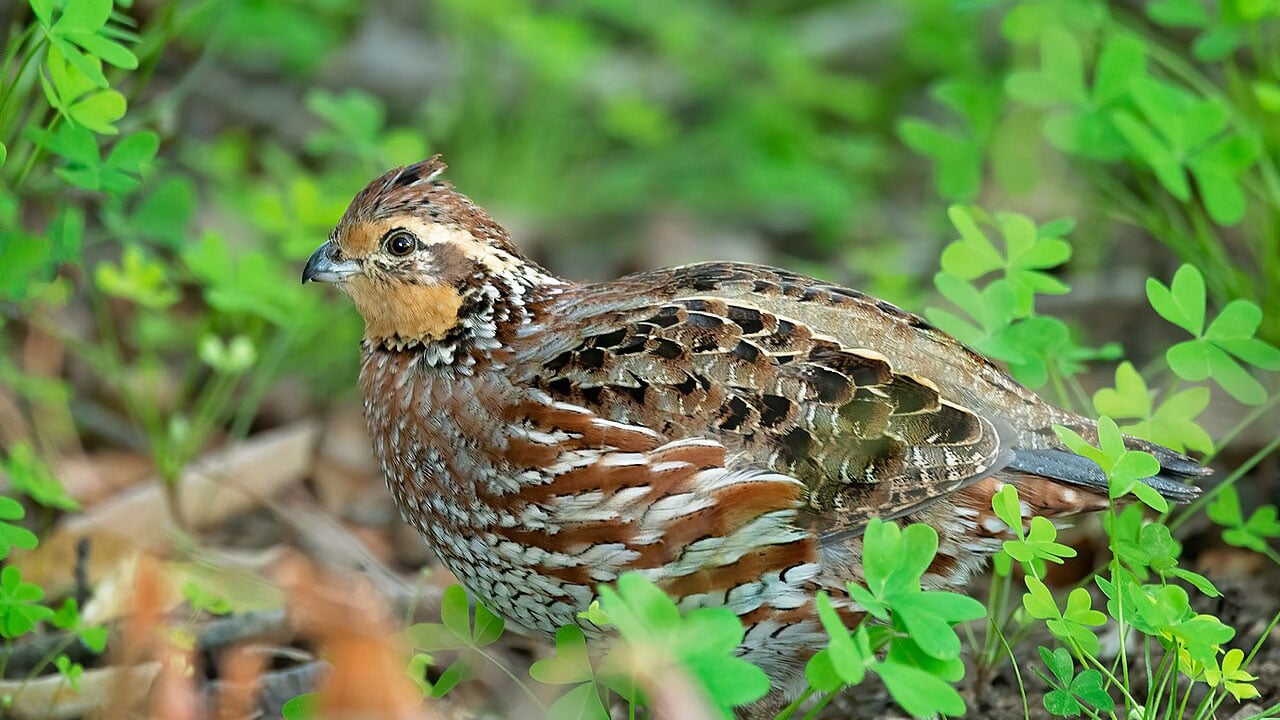
Quail hunting is one of those things that can feel “gone” if you only judge it by what’s happened close to home. But if you’re willing to travel, there are still states where wild birds, decent access, and real habitat overlap in a way that can give you a legit trip. Some of these are classic bobwhite destinations. Others are western states where Gambel’s, scaled, California quail, or Mearns’ can make for a totally different kind of hunt. The common thread is simple: you go where habitat and weather lined up, and you hunt it like quail country instead of hoping birds magically appear.
Texas

Texas is still the king of the “if you want quail, go there” conversation, because when it’s good, it’s really good. TPWD’s 2025–26 quail forecasts and roadside survey data keep pointing hunters toward the usual strongholds (Rolling Plains, South Texas, parts of West Texas), and those regions can hold enough coveys to make a trip feel worth the miles. The other advantage is variety—bobwhites plus scaled quail in the right country, and a culture that’s built around quail hunting. If you’re traveling, you want a place where the infrastructure exists: guides, leases, bird dogs, and people who know how to manage habitat on purpose, not by accident.
Kansas

Kansas is worth traveling for because you can realistically find wild bobwhites without needing a private plantation setup, especially in the right parts of the state and in the right year. Kansas’ own upland guidance points hunters toward where quail opportunities are best, and that kind of state-level honesty is helpful when you’re planning a trip and don’t want to guess. When Kansas is on, it’s a very “walk all day and keep bumping coveys” kind of hunt, especially if you’re willing to cover ground and hunt edges like you mean it.
Oklahoma

Oklahoma still belongs on the travel list because it’s one of the few places where you can chase relatively large numbers of wild quail without it being a niche experience. ODWC has been blunt that quail numbers are down in many areas (like much of the Southeast), but Oklahoma remains a top-tier quail state in terms of opportunity, and they publish a season outlook that’s actually useful for planning. The big thing in Oklahoma is hunting it smart—don’t just pick a random spot and hope. Target the regions and habitat types that held up that year and hunt transitions hard.
Nebraska

Nebraska is a sleeper travel pick because people think “pheasants” first, but the state still has quail in the right pockets and they put out upland outlook information that helps you plan where conditions look best. Nebraska can be a good “two birds with one trip” state too—if you’re already there for pheasants, you can work in quail where the habitat fits, especially around brushy edges and mixed cover.
Georgia

Georgia is tricky because wild bobwhite numbers have declined long-term, and the state agency is upfront about that. But Georgia still makes the travel list for one reason: managed properties. If you’re the type who wants the full traditional quail experience—good dogs, classic cover, and intentional habitat work—Georgia can still deliver, and places like Tall Timbers-linked country regularly document strong hatch/reproduction on well-managed ground. This is not the state you visit to wing it on random public ground. It’s the state you visit when you want a polished, proven style of quail trip.
Florida

Florida is similar to Georgia in the sense that you’re not traveling there expecting endless public-land coveys everywhere. You travel for specific habitat work and specific opportunities, and when management is right, Florida can still offer real quail hunting—especially in the north Florida / south Georgia style country where bobwhites still have a fighting chance. If you want mild-weather hunting and a classic Southern setup, Florida can still be worth the trip when you go in with the right expectations.
Alabama

Alabama won’t get the loud headlines, but it can be worth traveling for quail if you’re targeting land that’s managed for early successional habitat—native grasses, weedy structure, bug-rich brood cover, and enough edge that coveys can survive year after year. Alabama is a “do your homework” state: the trip pays off when you’re hunting the right kind of ground instead of assuming any pine plantation is automatically quail cover. If you’re bringing dogs and you like covering country, Alabama can give you a very honest hunt.
Tennessee

Tennessee isn’t the first state people name for quail trips, and that’s exactly why it can be a value move. The state has plenty of habitat types that can hold birds when conditions line up—cutovers, field edges, brushy fence lines, and the kind of “ugly cover” most hunters walk past. The travel angle here is for hunters who like to hunt hard and don’t need it to feel like a guided experience. If you’ve got a dog and you’re willing to keep moving until you hit the right cover, Tennessee can surprise you.
North Carolina

North Carolina is another under-the-radar option where the best quail hunting is tied to habitat work and the right regions, not random luck. If you’re traveling here, you’re traveling for targeted cover: places that still have early successional structure, bug-rich brood areas, and enough edge habitat that birds can make it. North Carolina can be a great “serious hunter” trip when you’re not chasing hype—just chasing ground that’s been managed correctly.
Virginia

Virginia makes the list for the same reason: it’s not a hype state, but it can still be worth the travel if you’re going where quail habitat exists on purpose. Brushy edges, managed cuts, and farm country transitions matter more than the state name. Virginia also tends to appeal to hunters who like a mixed trip—maybe quail as the target, but with the flexibility to work other upland opportunities depending on where you’re hunting.
Arizona

Arizona is a destination quail state in a totally different way because you’re not just hunting “quail,” you’re picking species: Gambel’s, scaled, and—if you do it right—Mearns’. Arizona Game & Fish has even framed recent seasons with drought context and expectations, and they publish clear season timing (Gambel’s/scaled/California in mid-October through early February, with Mearns’ opening later). If you’ve never watched a covey blow out of desert brush or hunted Mearns’ in that oak-grass country, it’s a different kind of trip that feels like real travel hunting.
New Mexico

New Mexico belongs on the travel list because it can give you that classic “big country, wild coveys” vibe without the crowds you see in some more famous spots. Depending on where you go, you’re looking at scaled quail and other western-style opportunities where water, cover, and weather dictate everything. This is a state where you travel with a plan: you pay attention to drought, you hunt near the right habitat seams, and you don’t waste time in dead-looking cover that doesn’t hold food and bugs.
California

California is a legit travel quail state if you’re the kind of hunter who likes steep ground, big walks, and wild birds that don’t play nice. California quail can make for great hunting where habitat is right, and the experience tends to feel more like “hunt hard and earn it” than “drive around and shoot coveys.” If you’re already traveling west for something else, California can absolutely be worth adding if you want a rugged, physical quail trip.
Idaho

Idaho is worth a look for travelers who want western quail flavor without the biggest crowds. You’re dealing with big public-land country and habitat that can be hit-or-miss depending on winter severity and moisture, but when it’s good, it’s a fun grind—cover ground, hunt edges, work draws, and keep your dog in the right cover. Idaho is a state where scouting and local intel matter, but it can reward hunters who like the process as much as the harvest.
Iowa

Iowa is a “pay attention to the year” state, because conditions swing and that can change how worth-it a trip feels. But when habitat and weather line up, Iowa can produce enough bobwhite opportunity to justify travel—especially for hunters who like mixing in other upland options and who don’t need every day to be a limit day. Forecast-style reporting from conservation groups has pointed to meaningful swings in Iowa quail harvest/outlook in recent seasons, which is the kind of info travelers should watch when picking a year to go.
Like The Avid Outdoorsman’s content? Subscribe to our newsletter so you never miss an article.
Here’s more from us: