Photo credit: Victor Miyata/Pexels.com
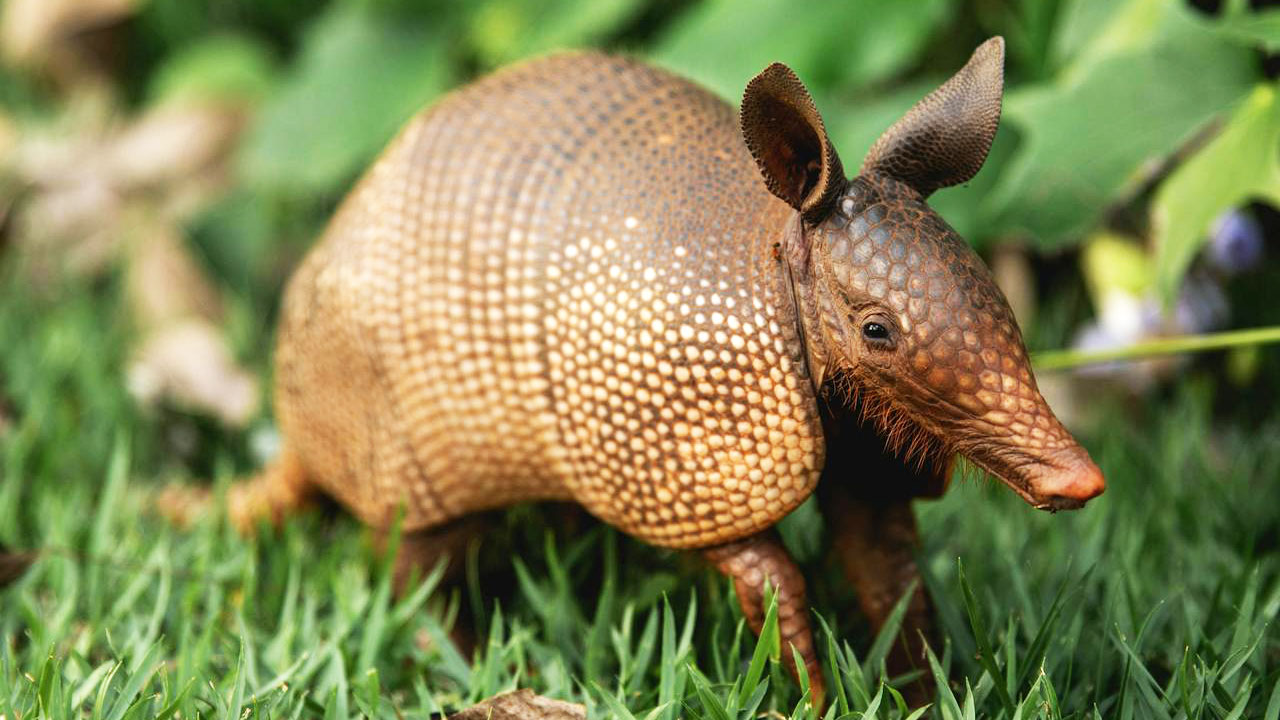
Armadillos look like little armored tanks, and most people think they’re just weird yard pests that dig holes. They’re actually one of the strangest mammals in North America—tough, adaptable, and full of quirks that make them way more interesting (and sometimes way more annoying) than people expect.
They’re still expanding their range
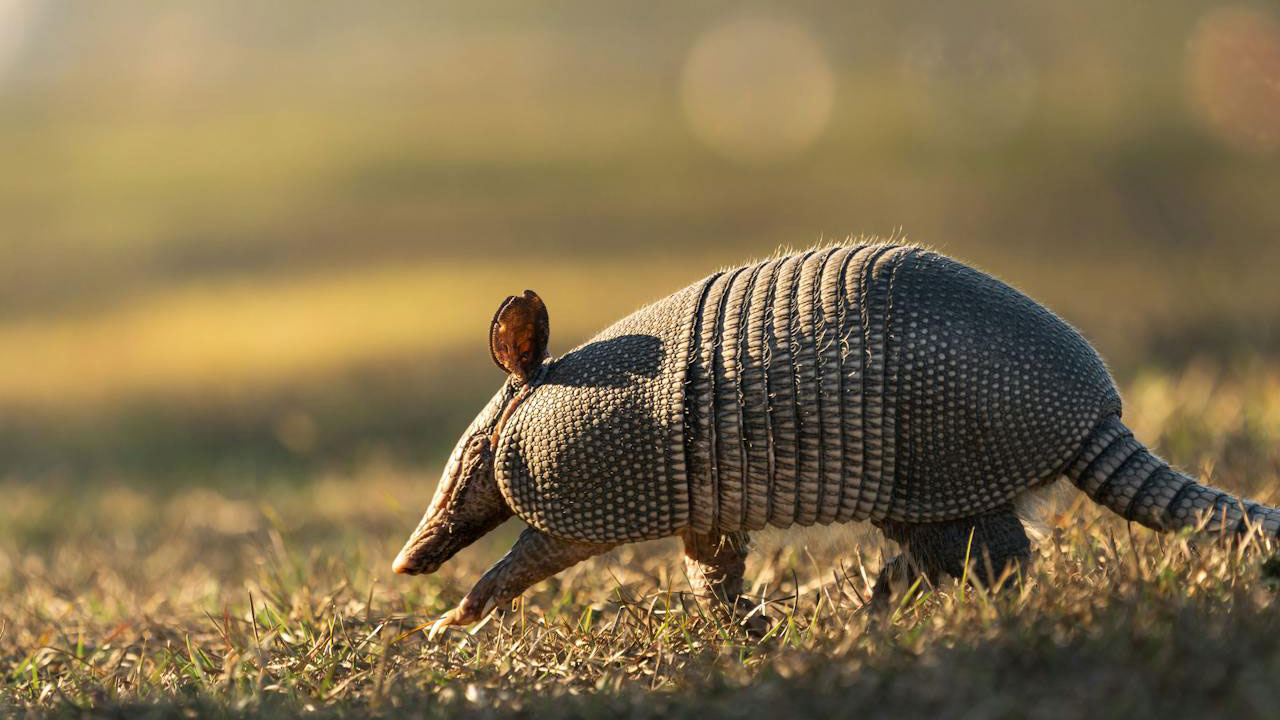
A lot of folks think armadillos have “always been here,” but in many states they’re a newer reality. Their range has expanded steadily over time, and you see them showing up in places that didn’t used to have them regularly.
That’s why you’ll hear people say, “I never saw armadillos growing up, now they’re everywhere.” In many areas, that’s literally true. As conditions allow it—milder winters, available habitat—they keep pushing outward.
They aren’t rodents
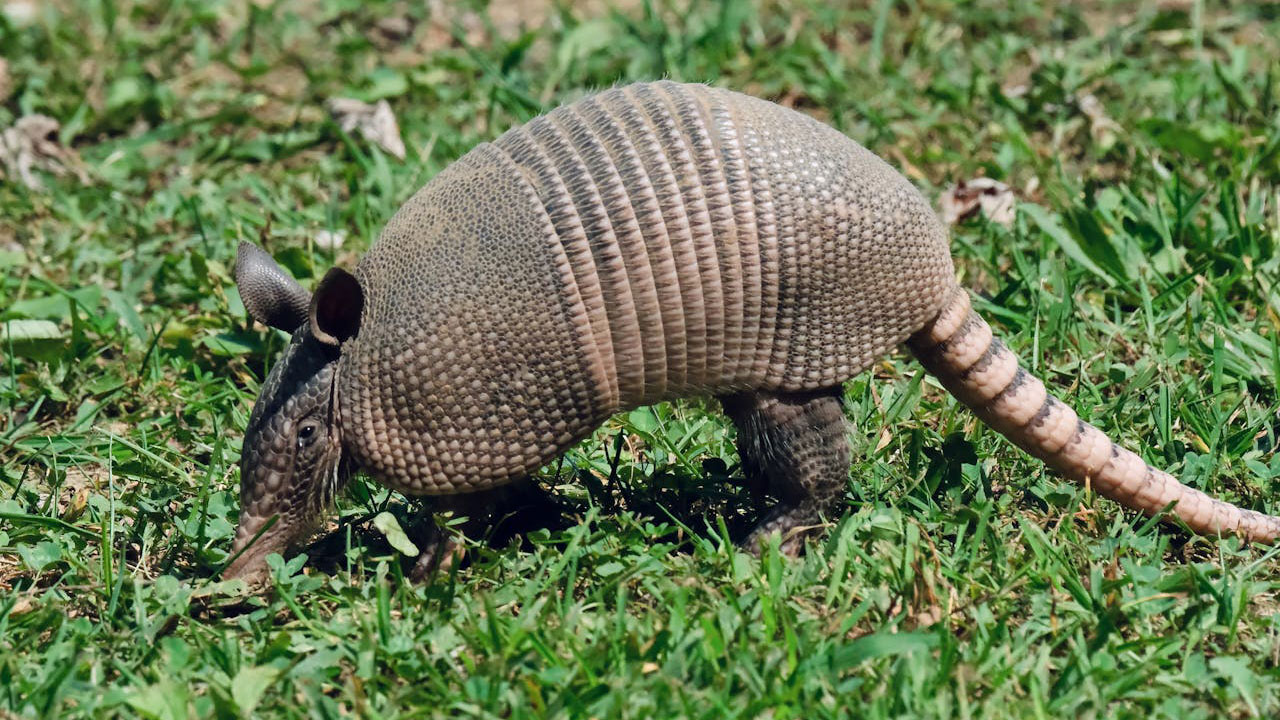
They dig like rodents, they act like rodents, and they drive people crazy like rodents, but armadillos aren’t rodents. They’re in a different group of mammals entirely, more closely related to sloths and anteaters.
This matters because their behavior is different. They’re not chewing your house wiring like rats. They’re mostly out there hunting insects and grubs, and their digging is tied to feeding, not nesting the way people assume.
Most of their “yard damage” is them hunting food
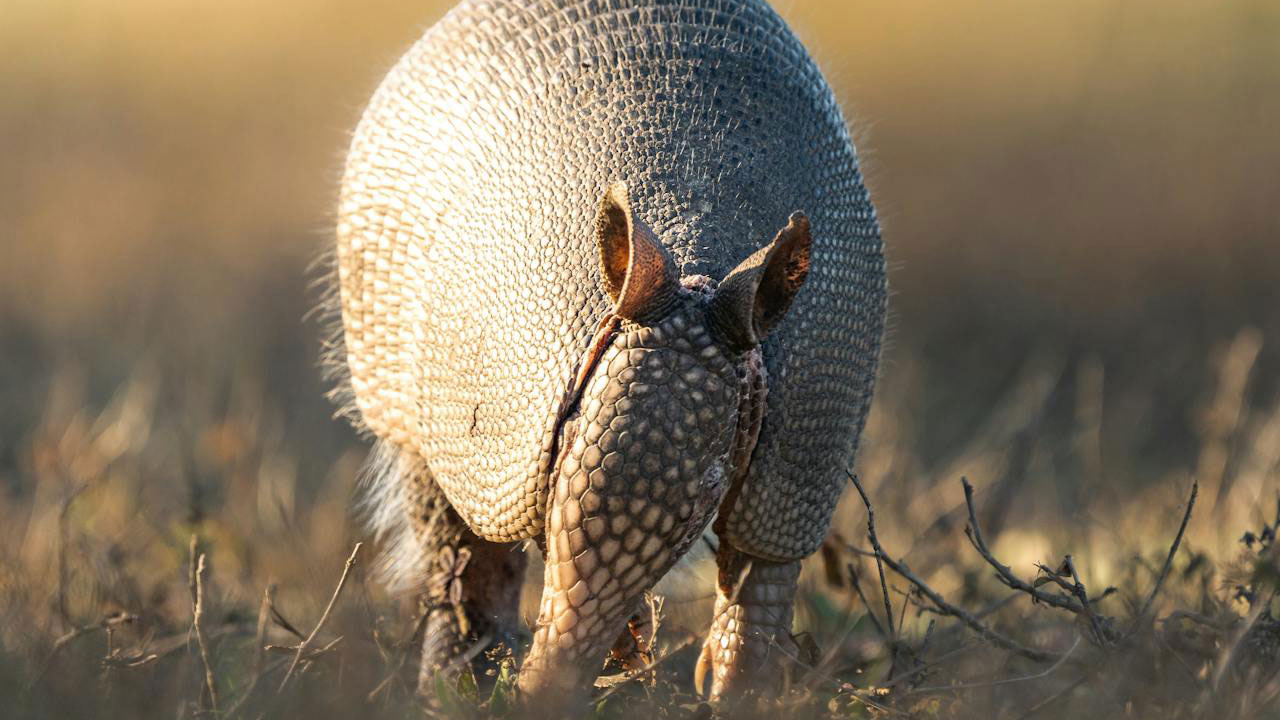
Those little cone-shaped holes and torn-up patches aren’t random. Armadillos have strong noses and they root around for grubs, beetles, worms, and other bugs. If your yard has a lot of insect activity, you’ve basically got a free buffet for them.
This is why some lawns get hammered and others don’t. Armadillos tend to work the areas with the best payoff. If you’re seeing consistent digging, it’s worth thinking about the insect side of the problem, not just the animal.
They don’t see well, but they smell extremely well
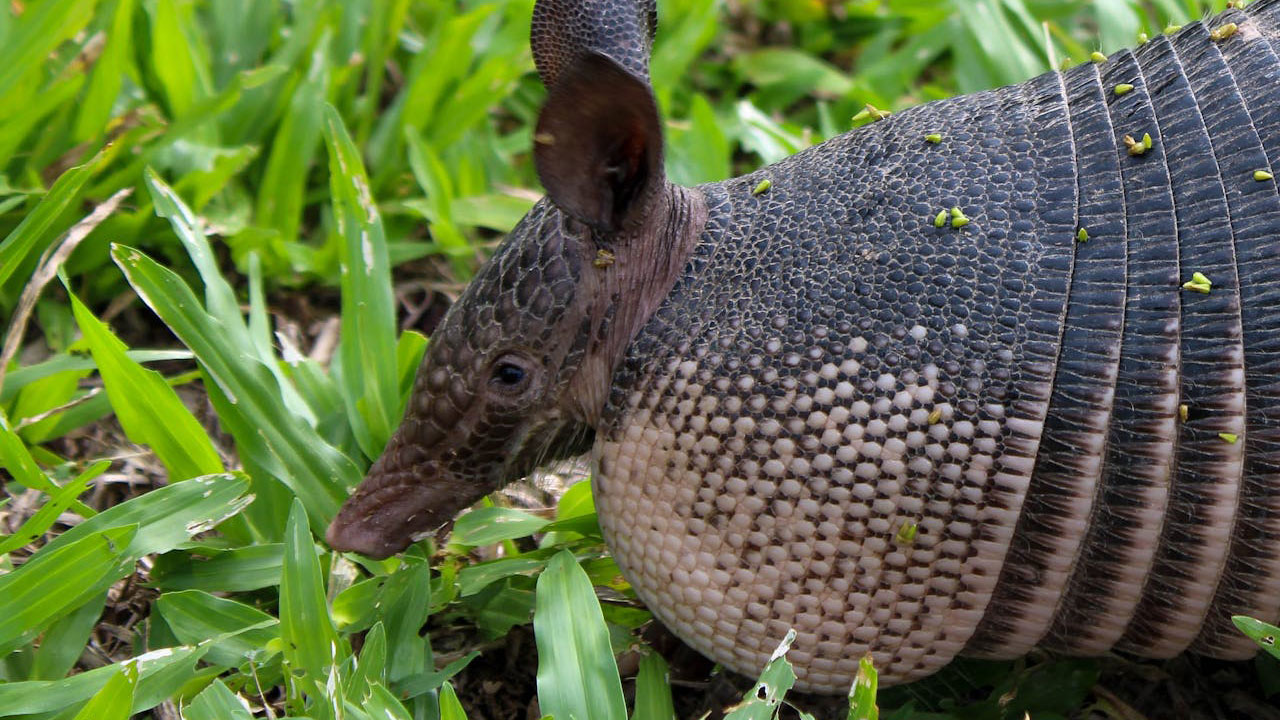
Armadillos have poor eyesight, which is why they look clueless and bump into things. But their sense of smell is strong, and they use it to locate food underground. That’s also why they can seem “locked in” on a spot and ignore everything else.
It also makes them tough to scare off with simple tricks. If they’ve caught a good scent trail in your yard, they’ll keep working it until the food is gone or the area becomes too stressful to use.
They can hold their breath longer than people expect
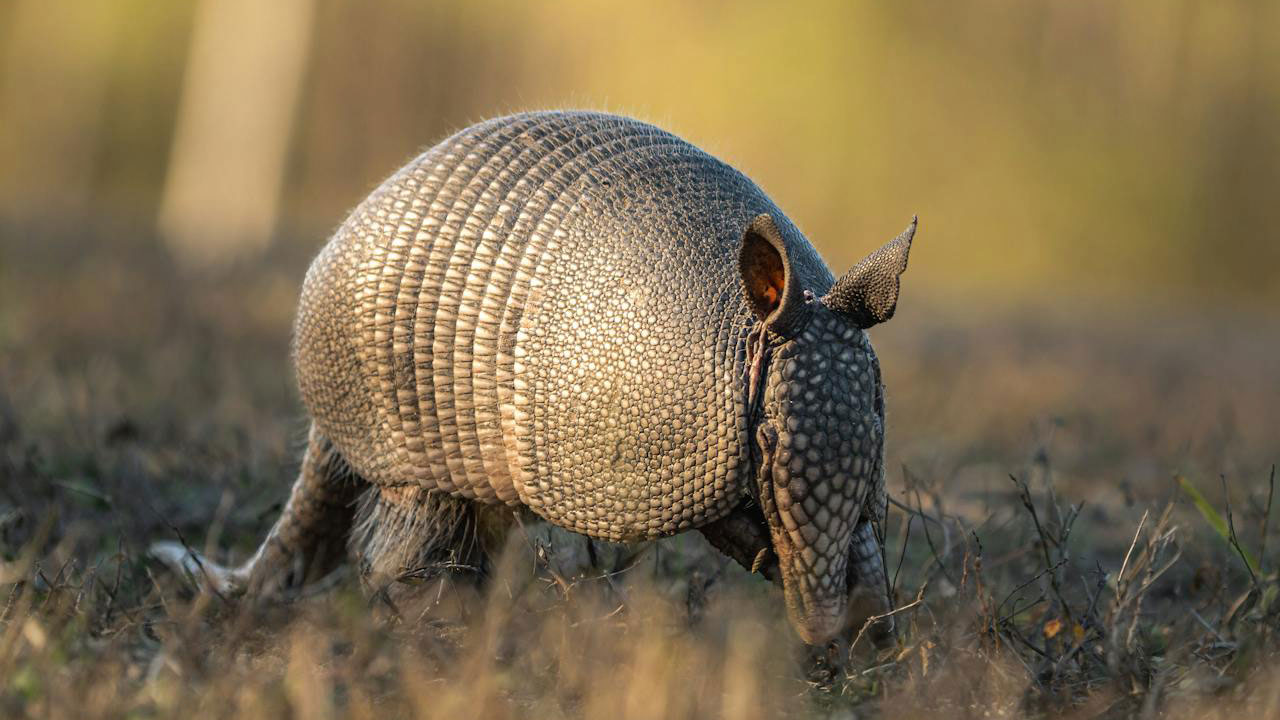
Armadillos can hold their breath long enough to cross small streams, ponds, or flooded ditches. They’re not graceful swimmers in the classic way, but they can handle water more than their awkward build suggests.
This surprises people who assume water is a barrier. In many areas, water doesn’t stop them—it’s just another obstacle they work around, especially in lowland areas with drainage and ditches.
They can “inflate” and walk underwater
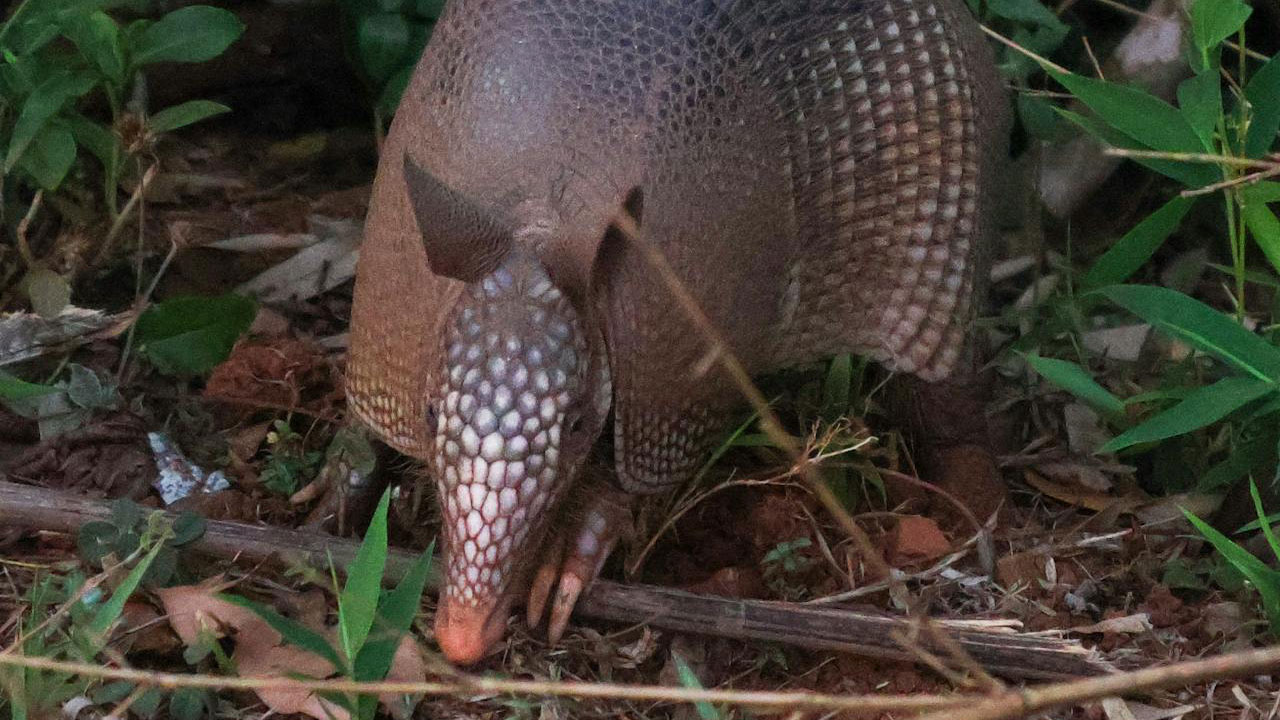
This one sounds fake until you see it explained. Armadillos can gulp air to increase buoyancy or use controlled movement to cross water. They can also walk along the bottom of shallow water in some situations.
That’s part of why they show up in places you wouldn’t expect, like across drainage areas and low crossings. They’re not helpless around water the way most people assume.
They’re mostly active at night and early morning
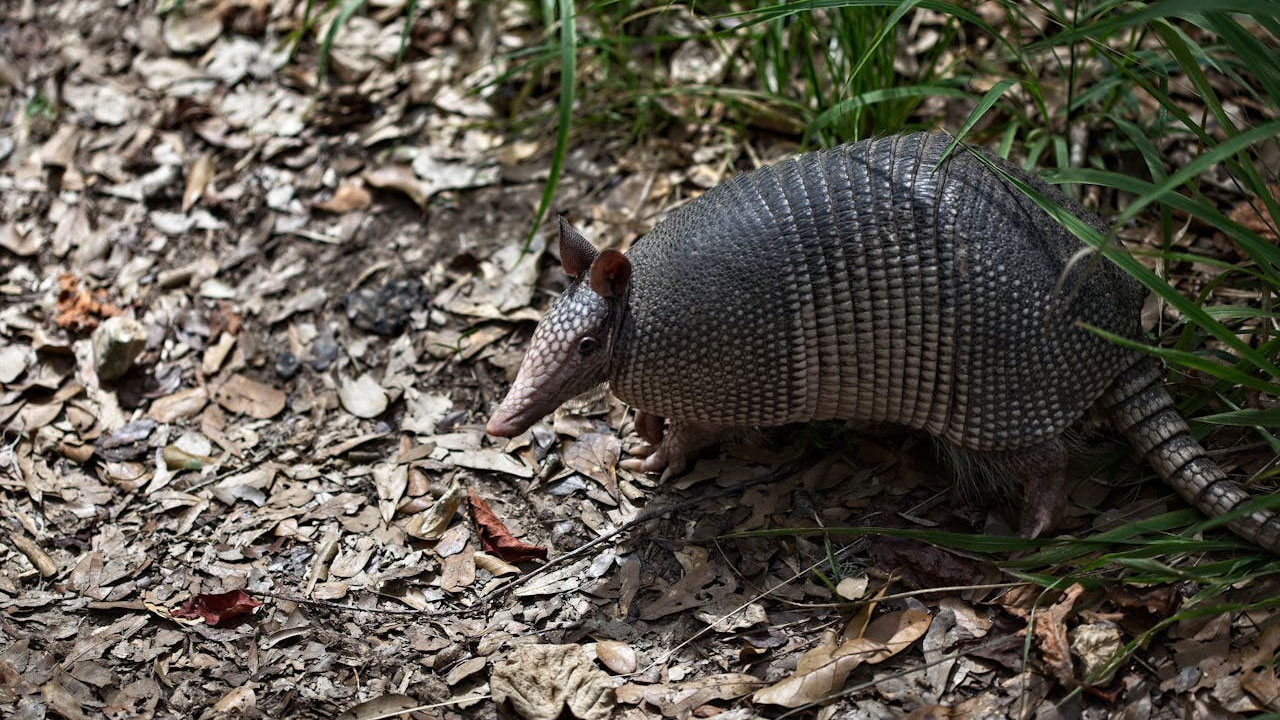
A lot of armadillo encounters happen at dusk, nighttime, or early morning. That’s why they often get hit by cars—people don’t see them until the last second, and the animals don’t move quickly out of the way.
It’s also why dogs run into them. Armadillos are out when people let dogs out for quick bathroom breaks. If you’ve got armadillos in your area, those low-light hours are when the trouble happens.
They’re fast diggers when they want to be
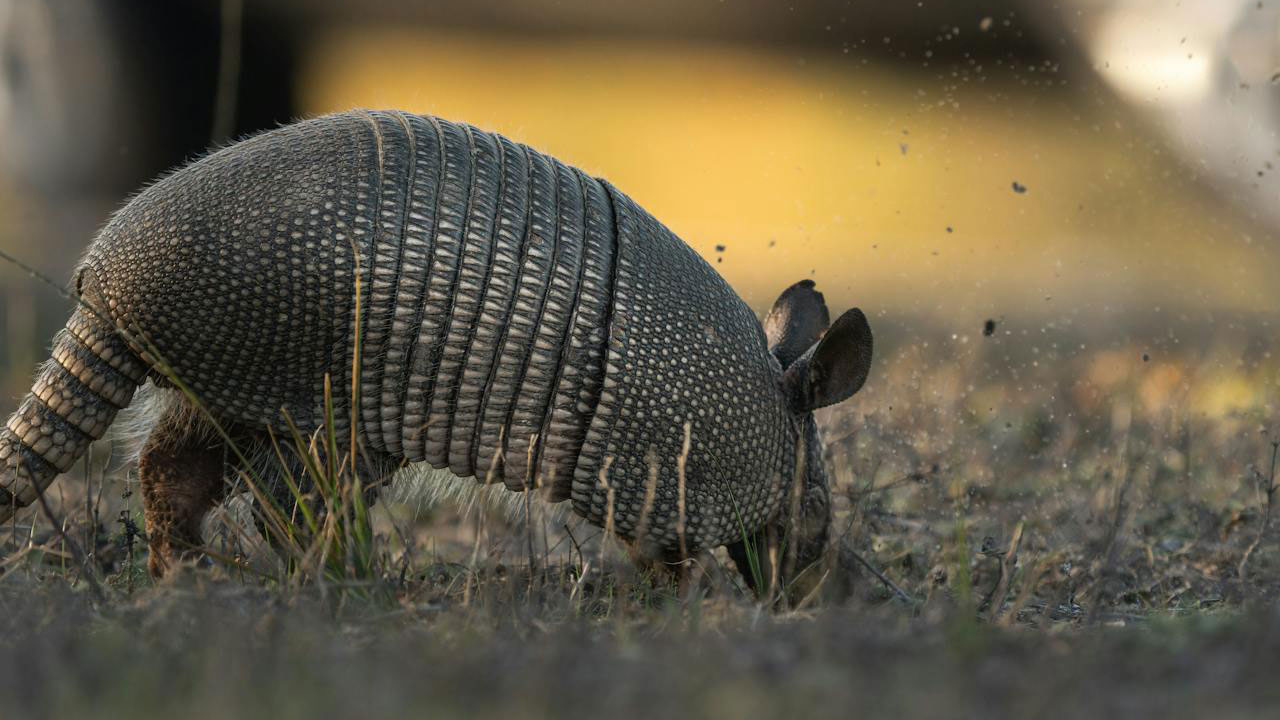
People think of armadillos as slow and clumsy, but they can dig quickly. If they feel threatened, they can disappear into a burrow or a fresh hole faster than you’d expect.
That’s why trying to “catch” one usually turns into a frustrating mess. By the time you get close, it’s either under something or halfway into the ground.
They can jump straight up when startled
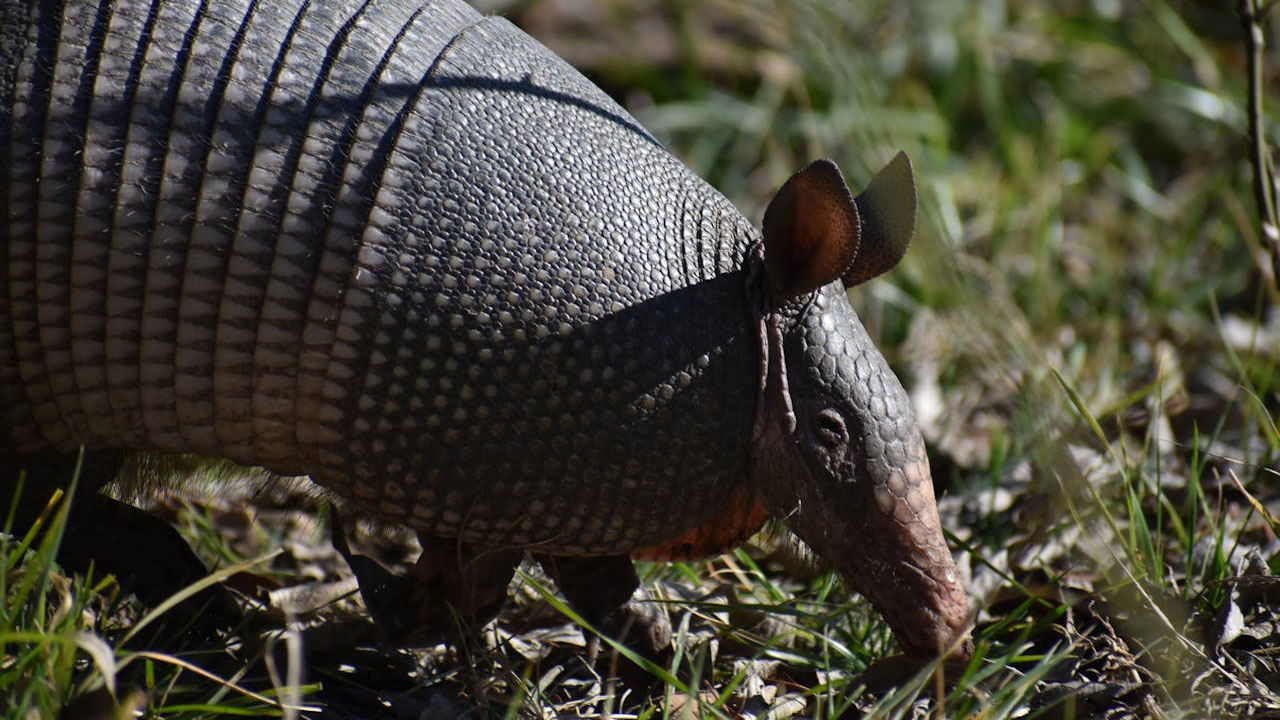
This is one of the strangest armadillo behaviors. When surprised, some armadillos jump straight up. That’s not a great defense against cars, which is why it gets mentioned a lot in roadkill conversations.
It’s also why people get startled by them in yards. You think you’re just walking out to the porch, then this armored thing jumps and it feels like something out of a cartoon.
Their burrows can be bigger than you’d guess
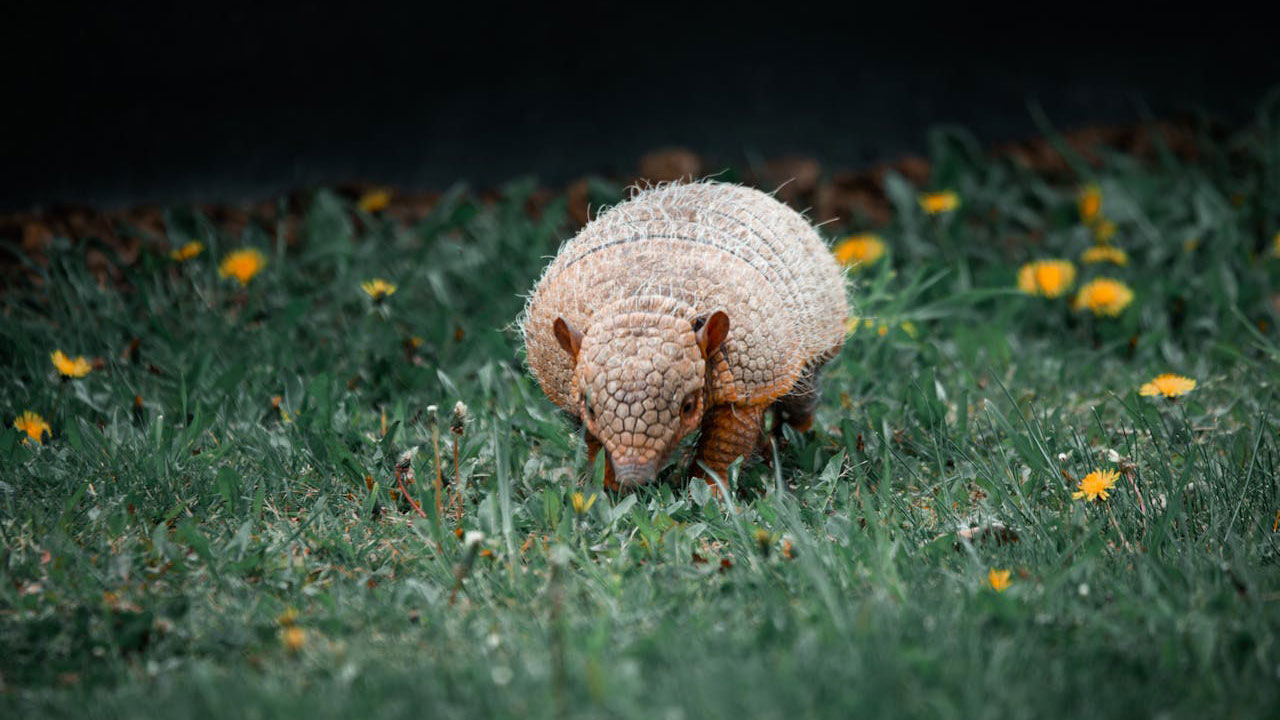
Armadillo burrows can be long and have multiple chambers. They’re not just shallow holes. Burrows provide shelter, temperature control, and protection from predators.
This matters because if you’ve got an armadillo living under a shed or deck edge, it’s not just passing through. It may be using a real den setup, and that can create ground settling issues or repeated digging around foundations.
They can carry diseases, but the risk is often misunderstood
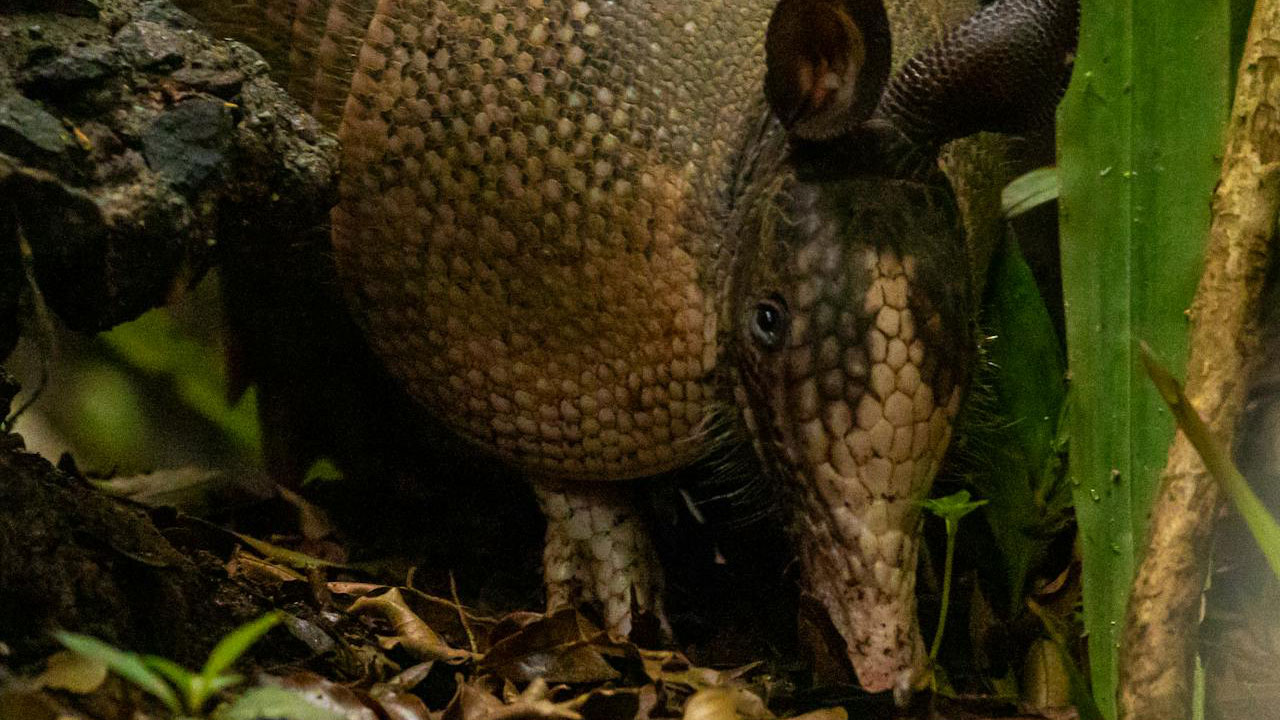
Armadillos are associated with leprosy (Hansen’s disease) in the U.S., which surprises most people. The risk to humans is still generally low, but it’s one of those facts that makes people view them differently.
The practical point is simple: don’t handle them bare-handed, don’t let dogs mouth them, and don’t mess with dead armadillos without gloves. Treat them like wildlife, not like a backyard pet.
They’re not aggressive, but dogs can get hurt
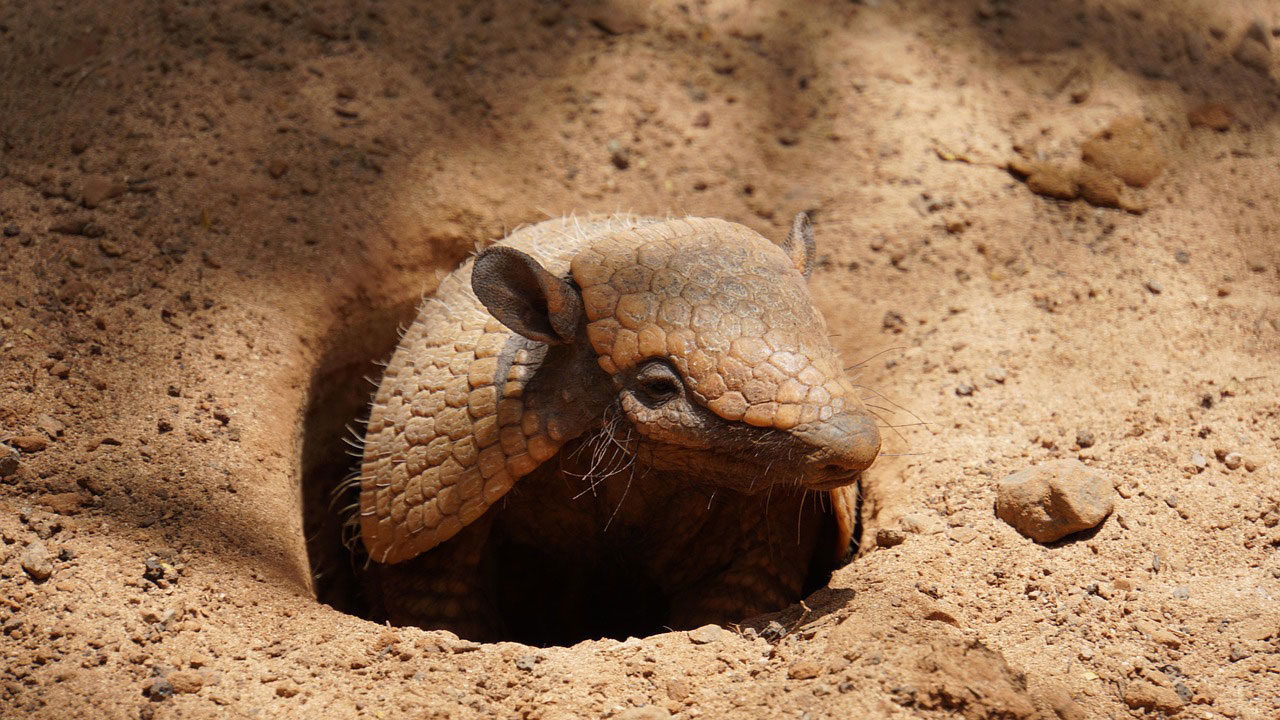
Armadillos usually just want to escape, but dogs chase them, bite them, and get into trouble. Dogs can get scratched or injured, and they can also end up with a mouth full of dirt or worse if they keep grabbing.
The bigger problem is the habit it creates. Dogs that get obsessed with armadillos will dig, run fences, and stay worked up at night. If you’ve got dogs, prevention is often more about controlling the dog than “stopping” the armadillo.
They’re one of the reasons you see sudden yard holes overnight
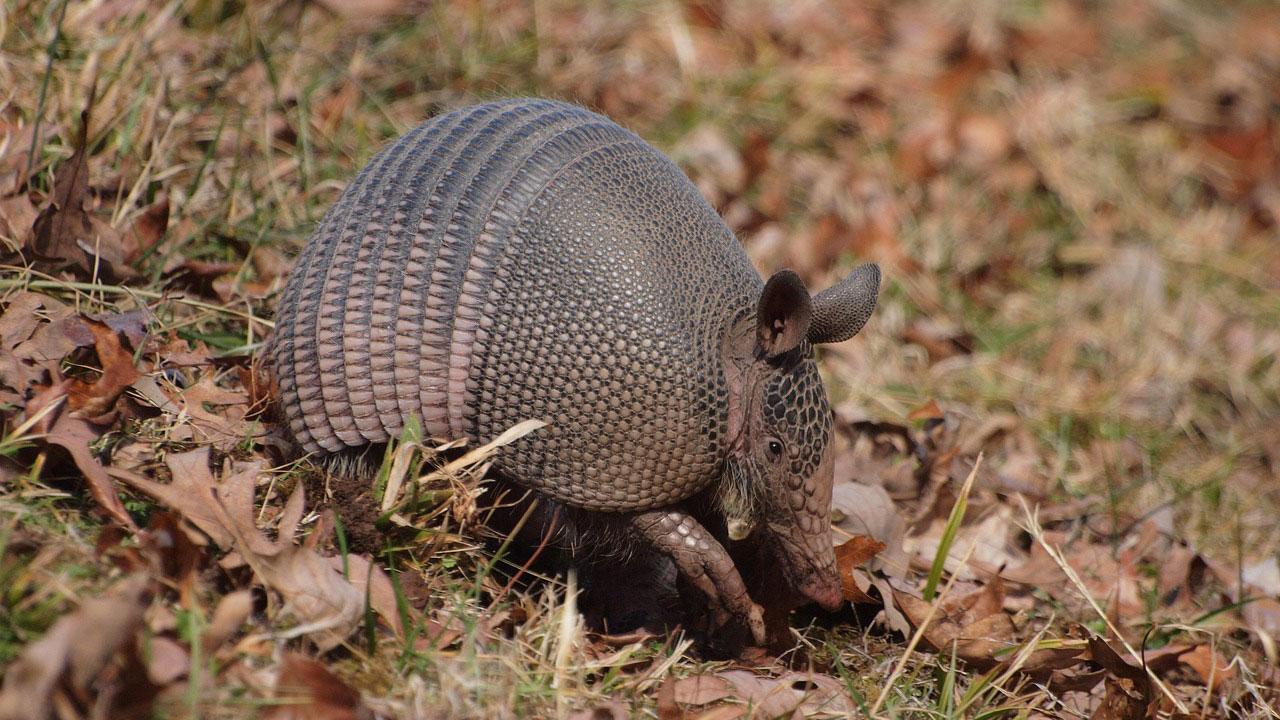
Armadillo digging can look like it happened in minutes because it often did. They work fast, they’re active at night, and they focus on one small area at a time.
So you go to bed with a normal lawn and wake up with a patch that looks like someone took a small shovel to it. That surprise factor is why homeowners get so frustrated with them.
They’re surprisingly tough animals
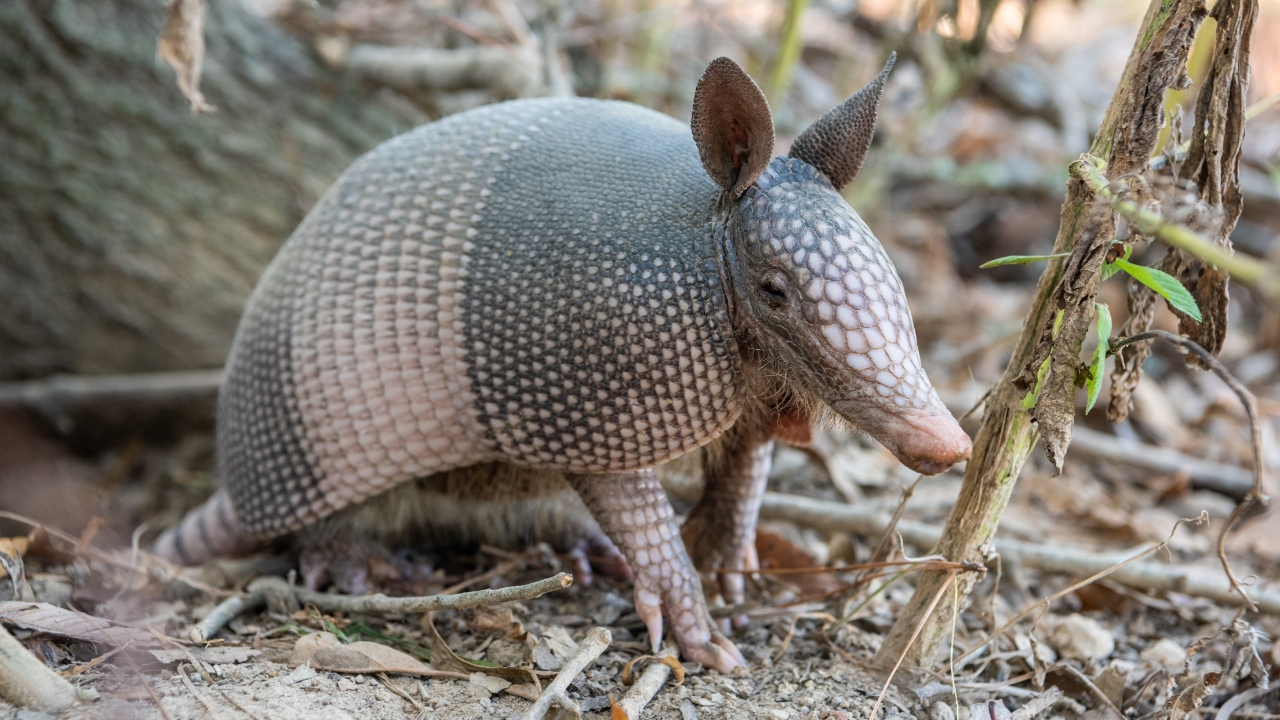
That armor isn’t just for show. It helps protect them from predators and rough terrain, and it contributes to their survival in environments where other small mammals get wiped out.
That toughness also makes them persistent. If your yard keeps feeding them, they’ll keep coming back. It’s not because they’re smart like raccoons—it’s because they’re built to keep moving and keep foraging.
“One armadillo” often means more nearby

Armadillos aren’t pack animals, but if habitat is good and food is abundant, you can have multiple individuals using the same area at different times. Seeing one regularly can mean your property is part of a broader armadillo travel zone.
That’s why some people feel like they “suddenly exploded.” The reality is usually that the habitat reached a point where armadillos can thrive, and now you’re noticing them more because they’re hitting your yard.
Like The Avid Outdoorsman’s content? Subscribe to our newsletter so you never miss an article.
Here’s more from us: