
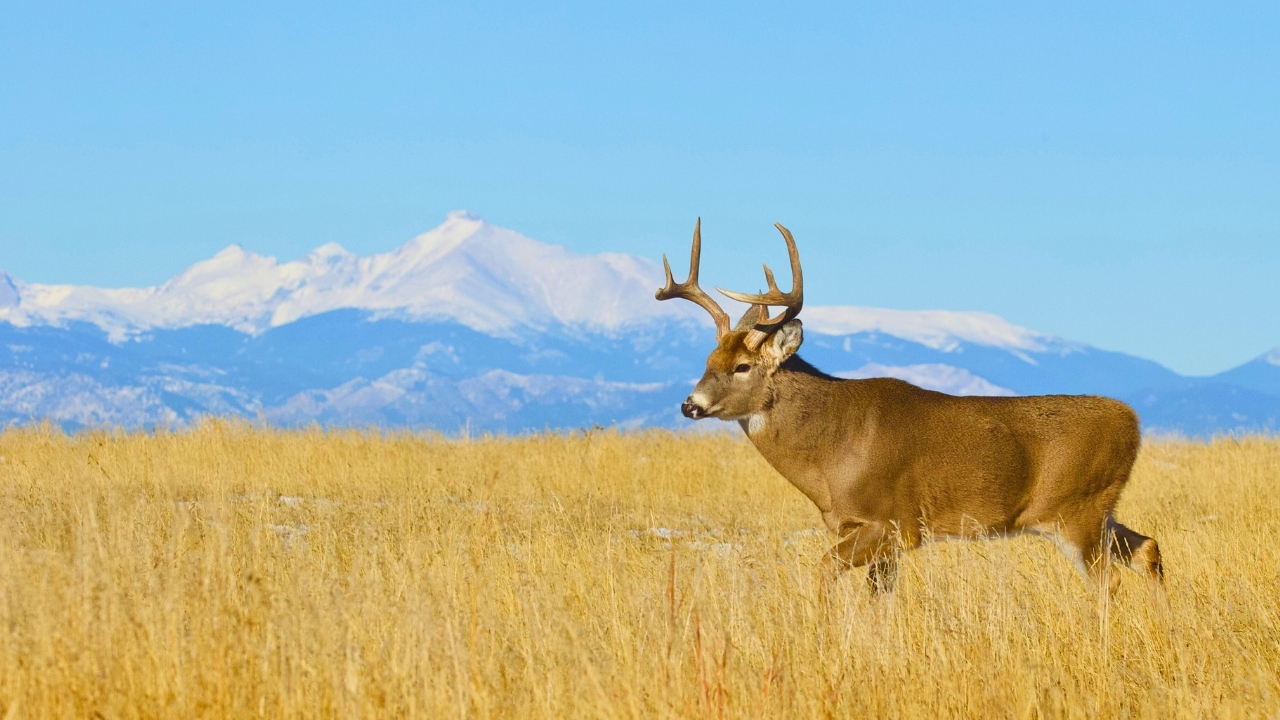
Photo credit: Tom Reichner/Shutterstock.com
A lot of people say they’re “moving for a better lifestyle,” but once you look at where the trucks are actually headed, you see a pattern: cheap(er) land, looser gun laws, and real hunting within a short drive. Migration data keeps showing the same southern and mountain states gaining people while coastal states bleed residents, and you don’t need a census table to notice the trucks loaded with safes, stands, and side-by-sides. When folks commit to dragging a family and a mortgage across the country, they usually want more than a prettier view. They want deer in the back pasture, hog sign in the creek bottom, and ducks dropping into a local WMA every fall.
1. Texas Hill Country – whitetails, hogs, and exotics
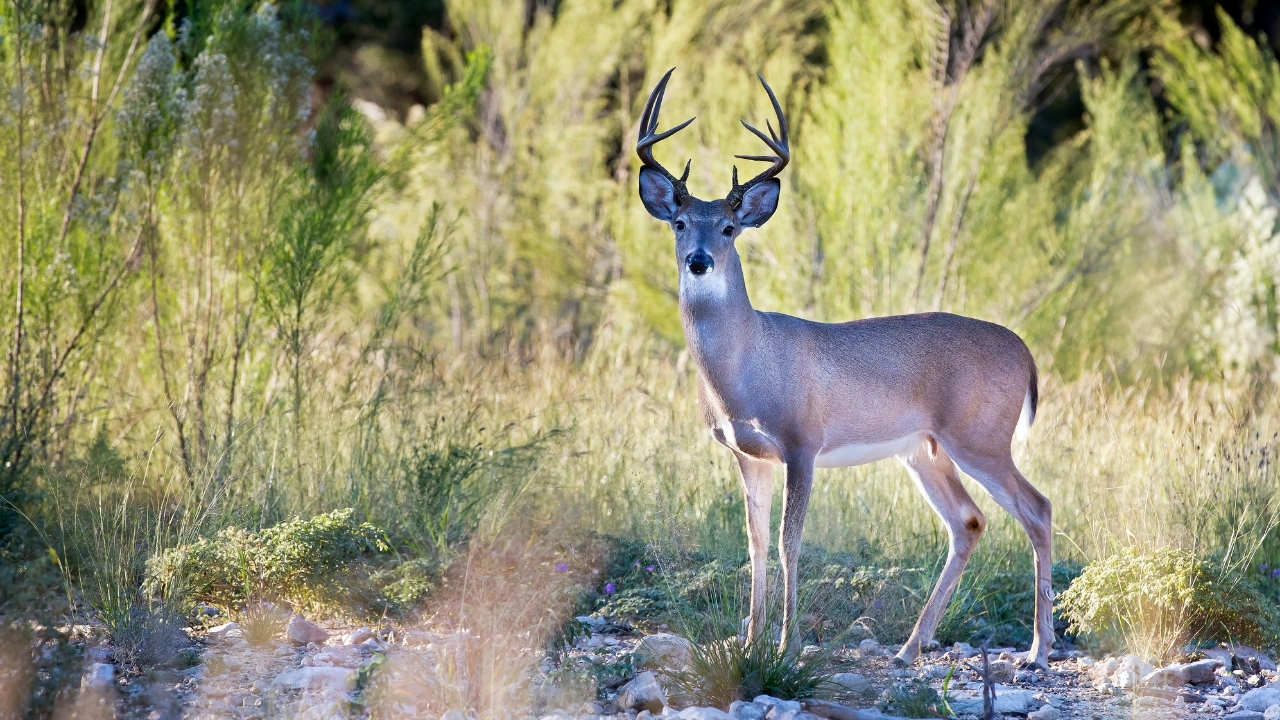
The Hill Country has turned into a magnet for people leaving high-cost states, and it’s not just about Austin job boards and no income tax. You get thick whitetail numbers, hogs that never seem to quit tearing up fields, and more axis, blackbuck, and other exotics than some “safari” ranches overseas. It’s a place where you can work in town, then be glassing a sendero or sitting over a feeder before dark most days of the week. If your idea of a good neighborhood is one where hearing shots in November means “somebody’s filling a freezer,” this part of Texas makes sense fast.
2. South Texas brush country – big racks and year-round critters
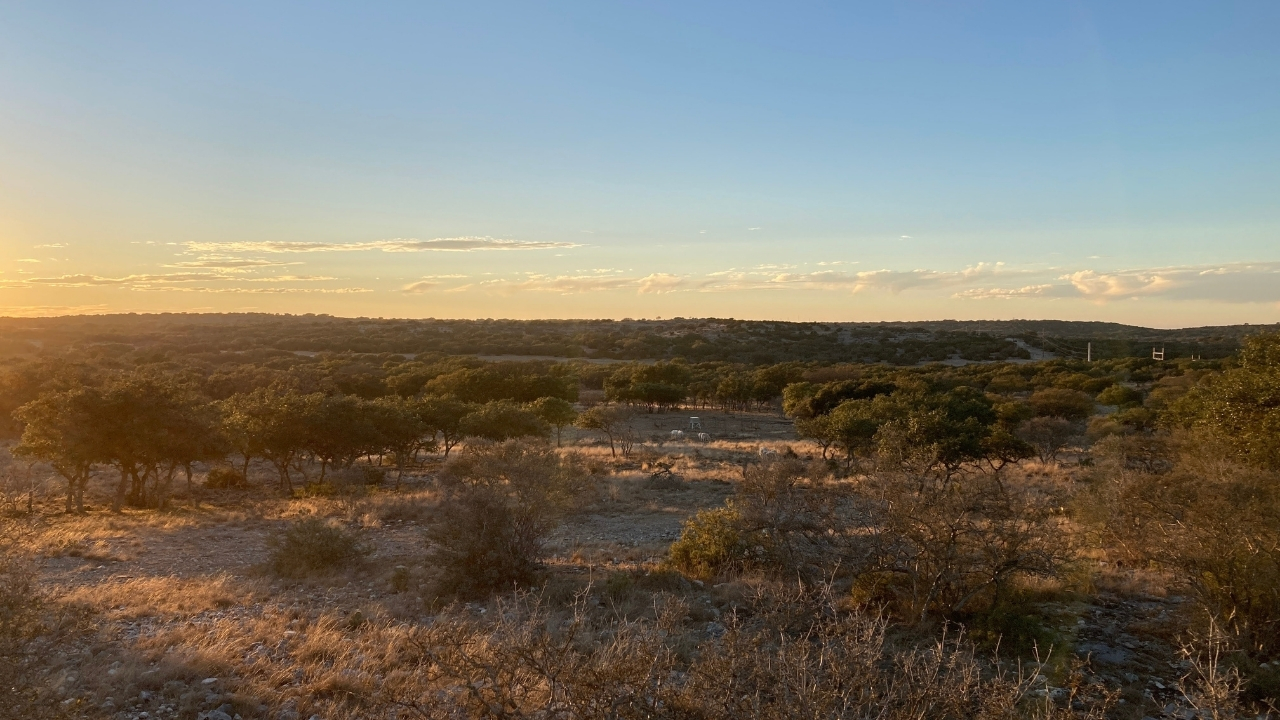
South Texas is where a lot of serious deer hunters go when they’re tired of hoping for a 130 back home. High-fence operations get the online attention, but there’s plenty of low-fence country where genetics, age, and groceries line up and heavy-horned whitetails are a realistic goal. Add in hogs, javelina, predators, and doves that make opening weekend feel like a war zone, and you suddenly understand why people trade a postage-stamp lot somewhere else for a rough, brushy place with a tank and a camp house.
3. Eastern Montana – elk, mule deer, and antelope
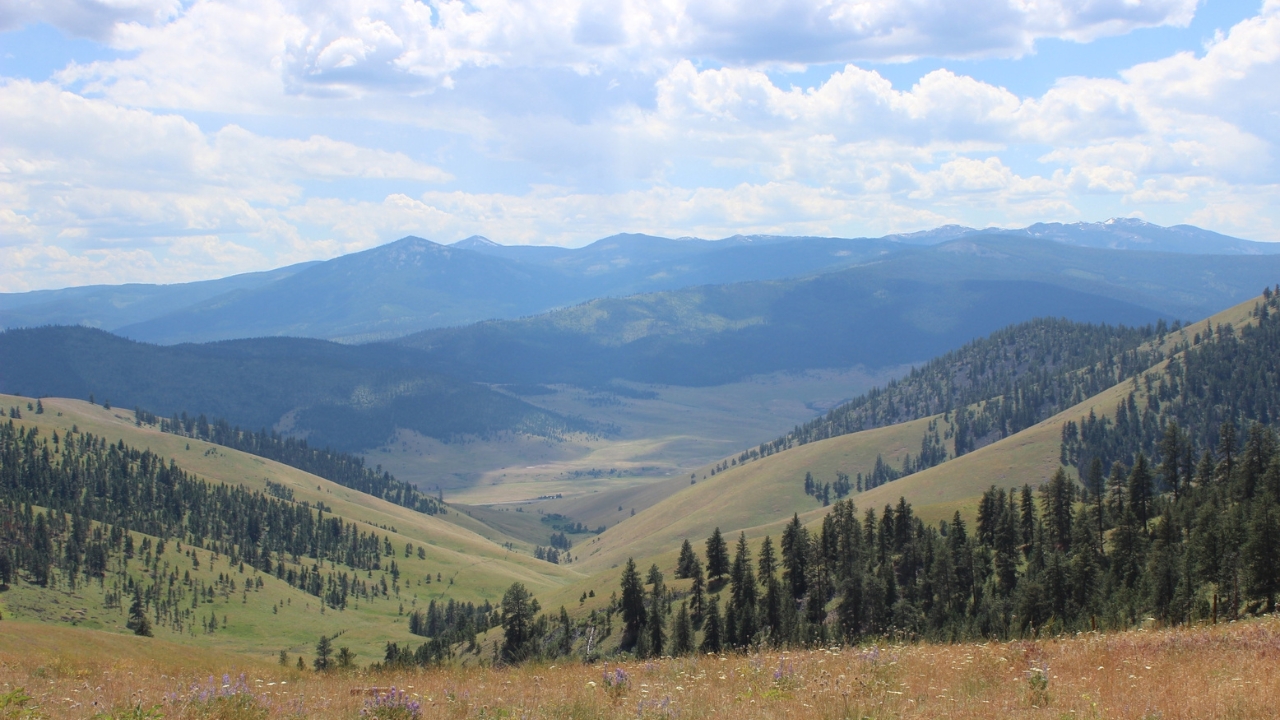
Western Montana gets the Instagram love, but a lot of transplant trucks are headed east where tags can be easier to draw and pressure thins with every mile of gravel. Out here you’re talking about elk in the breaks, mule deer drifting across hayfields, and antelope standing in the middle of section roads like they own it. Population growth in these rural counties isn’t huge on paper, but to the locals it’s noticeable: more non-resident plates at the co-op, more folks asking about grazing leases, and more new neighbors who moved specifically for the seasons, not the city life.
4. North Idaho and the Panhandle – elk, whitetails, and predators

North Idaho has been on every “fastest-growing” list for a while, and the common theme when you listen to new arrivals is simple: trees, guns, and room. Elk roam the big timber and brushy draws, whitetails use every clearcut edge, and black bears and wolves keep things interesting if you like predator seasons. Winters are real, so this isn’t for people who panic at a snow forecast, but if you want to work remote, run a chainsaw, and still have legit elk hunting within an hour or two, it’s easy to see the pull.
5. Wyoming high country and sage – elk and pronghorn
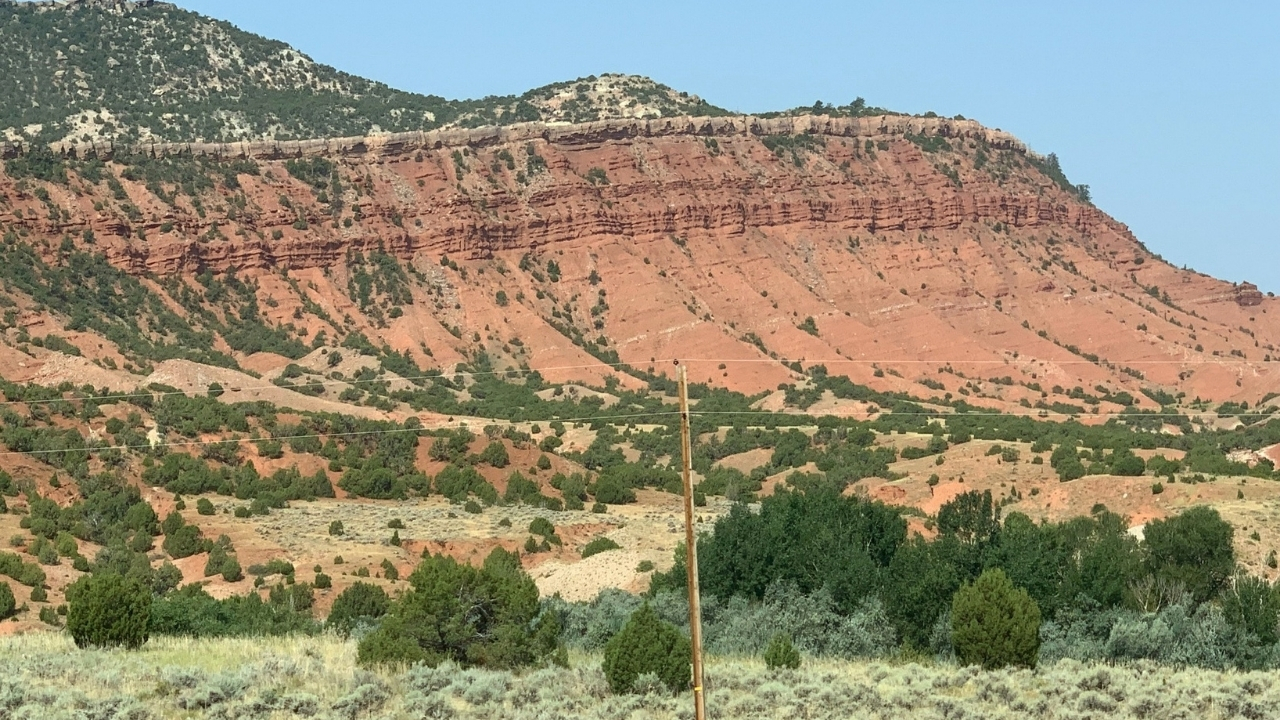
Wyoming shows up in a lot of “best elk states” lists for a reason: healthy herds, plenty of public, and pronghorn numbers that still feel ridiculous in the right basins. People who move here usually know exactly what they’re signing up for. The wind isn’t a rumor, winter can run long, and draw systems take homework, but the tradeoff is waking up in a place where elk bugles in September and antelope trips in October are normal, not bucket-list events. A lot of families are trading busy suburbs for small towns with rifle racks in the school parking lot.
6. Idaho’s Salmon and Clearwater country – steelhead and big-country elk
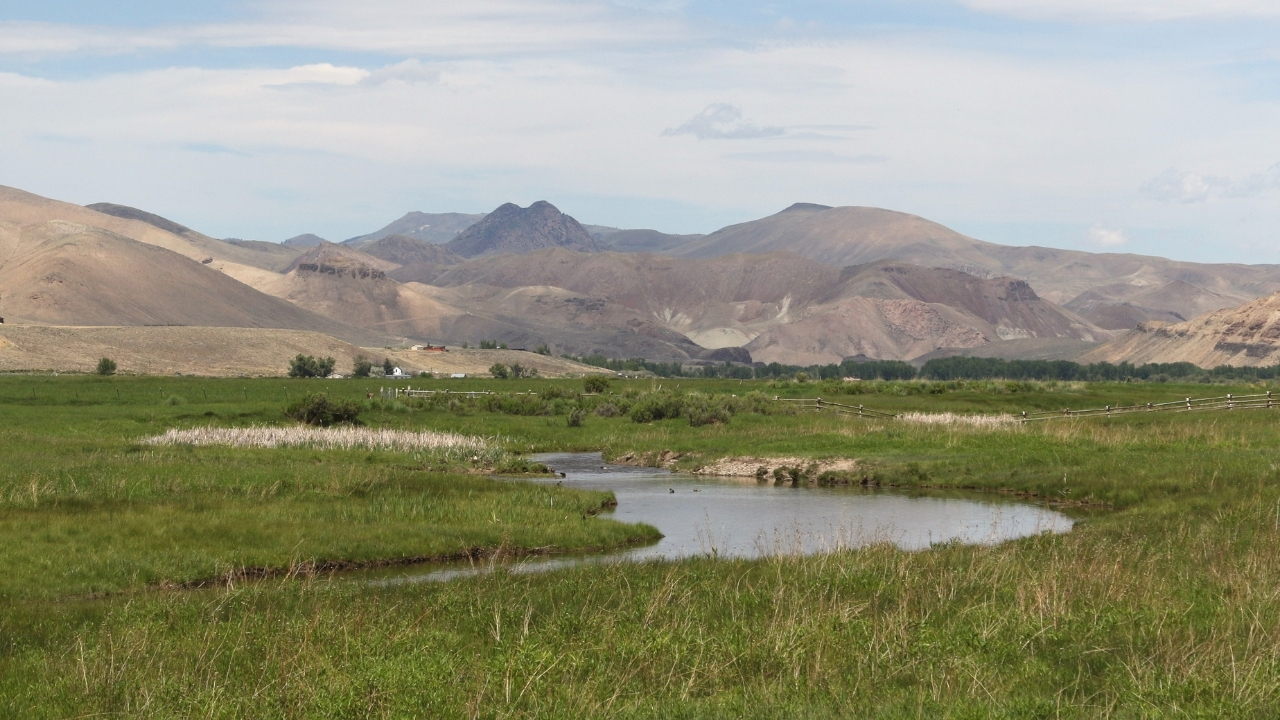
The river corridors and mountains around the Salmon and Clearwater systems pull a different kind of hunter: folks who want elk and deer, but also care about steelhead, salmon, and small-town life that still runs on the seasons. Tags take planning, and wolves complicated things, but elk numbers are still strong enough in the right units to make it worth learning the country. If you like the idea of hunting urs, bugling bulls, and then standing in a river with a centerpin, these little towns make a lot more sense than another year stuck in traffic.
7. Tennessee’s Cumberland Plateau – deer and long turkey seasons
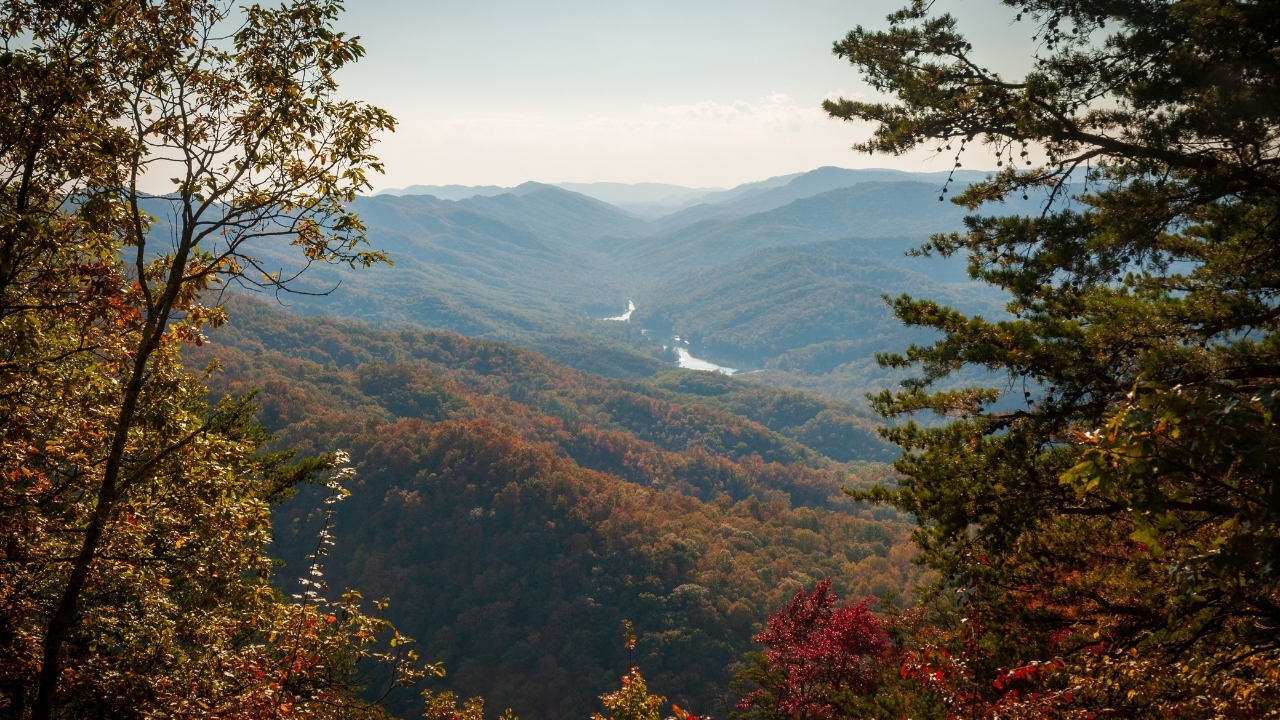
Tennessee keeps showing up on moving reports, and you hear the same thing from a lot of newcomers on the plateau: cheaper land, moderate winters, and solid whitetail and turkey seasons. The ridges and hollows here give deer plenty of cover, and the mix of ag and timber means you can build a life where shooting a doe for the freezer is a short walk, not a three-hour drive. Long spring gobbler seasons and a growing bear presence in some regions are gravy for people who want a full calendar, not a single two-week November sprint.
8. Kentucky elk and coal country – elk and heavy Eastern whitetails

Eastern Kentucky’s elk comeback turned a bunch of reclaimed strip mines and hardwood ridges into a legit draw, especially for hunters moving from states with choking regulations and tiny public parcels. Odds of drawing aren’t great, but just living where bugles are part of the fall soundscape is a selling point. Whitetails are no joke either—big-bodied, corn-fed deer that make for serious meat hunts. For a lot of families, the pitch is simple: buy more acres, pay fewer taxes, and raise kids where seeing elk tracks on a logging road isn’t a once-in-a-lifetime thing.
9. Missouri Ozarks – deer, turkeys, and small-acre homesteads
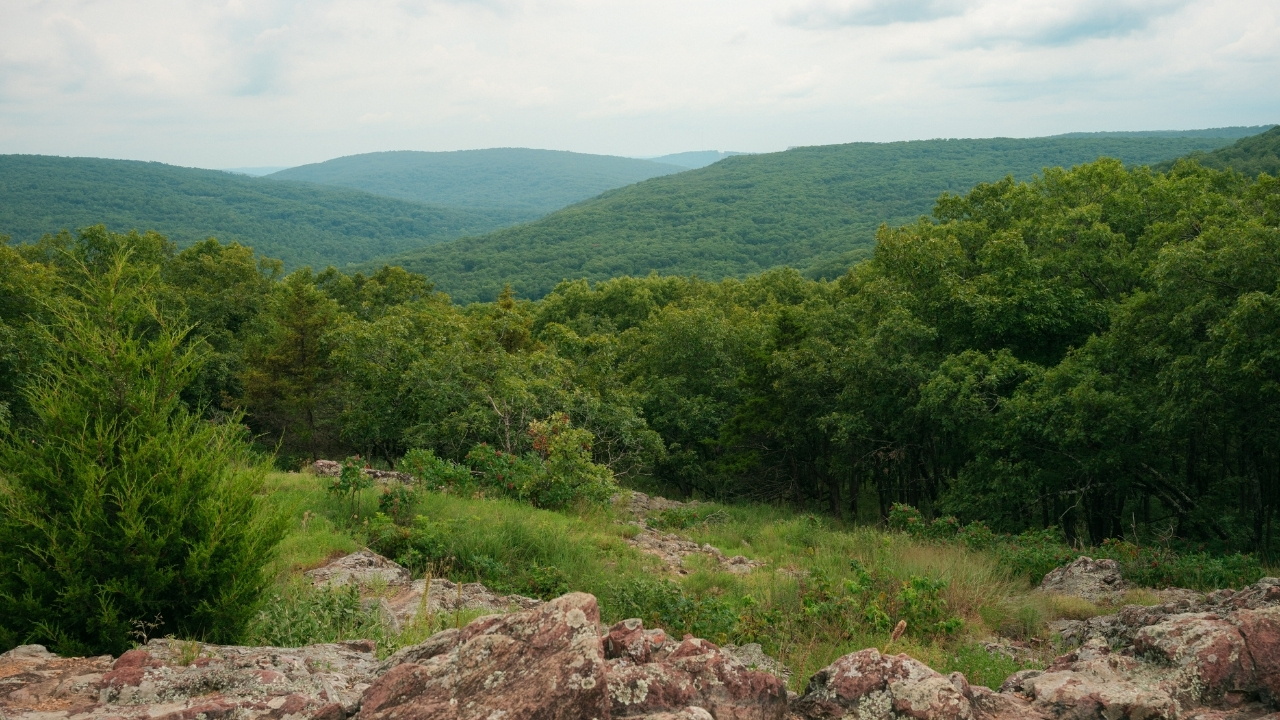
The Ozarks sit at the intersection of cheap-ish land, strong deer numbers, and a culture that still understands what a rifle opener means. The hills, hollows, and creek bottoms hold whitetails that use every oak ridge, and spring turkeys here can still make you forget how to breathe when they hammer back at 40 yards. Missouri keeps pulling in people looking for small homesteads, a garden, and the ability to walk out the back door and hunt without asking permission from a property manager every time they want to climb a ladder stand.
10. Arkansas and the Ouachitas – deer, bear, and hogs
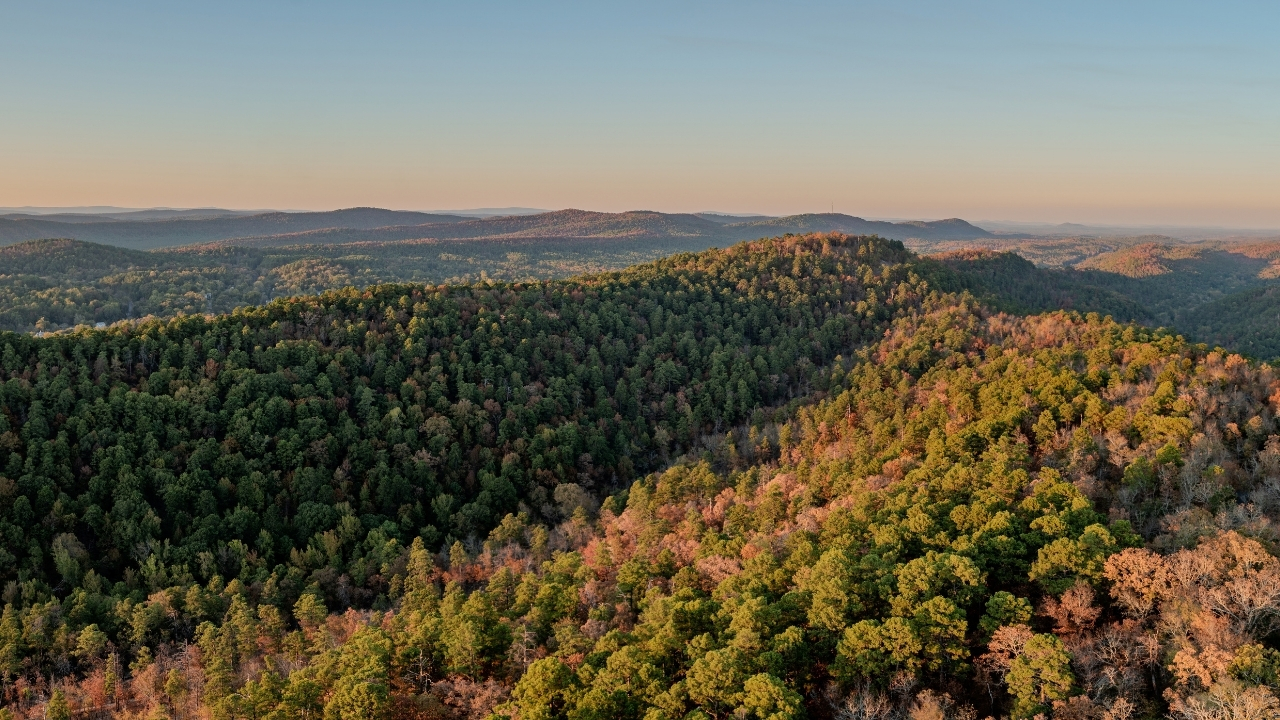
Arkansas has quietly become a landing spot, especially in the Ouachitas and Ozarks, for hunters who want deer, black bear, and hogs without million-dollar land prices. Feral hog damage surveys out of the western Gulf region show how thick the pigs are in parts of Arkansas, Louisiana, and east Texas, which is a nightmare for row-crop farmers but a selling point for people who want year-round targets and sausage. Toss in good deer numbers, a real bear resource, and decent public land, and it’s not shocking to see out-of-state plates at local feed stores.
11. Oklahoma cross-timbers – deer, hogs, and easy access

Oklahoma doesn’t get the same love as Texas, but the cross-timbers region offers that same oak-brush and pasture mix with fewer zeros on the land listings. Whitetails are solid, hogs are a constant problem for farmers, and rifle and muzzleloader seasons give you plenty of time to make something happen. The state’s location helps too—close enough for weekend trips back to see family in neighboring states, but far enough out that you can run a side-by-side down the road without getting side-eyed by every neighbor.
12. South Carolina and the coastal plain – whitetails and hogs
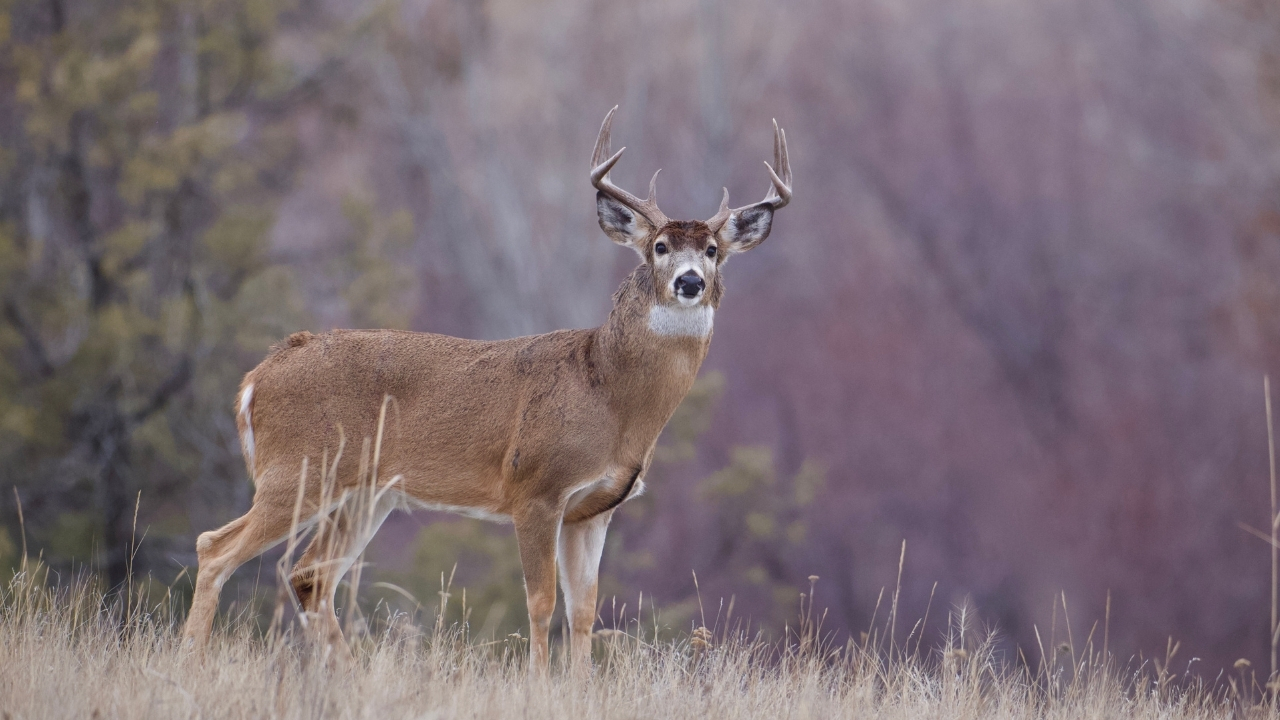
South Carolina has been near the top of migration lists lately, and hunters are a big part of that wave. The coastal plain and sandhills give you long seasons, generous bag limits, and a mix of whitetails and hogs that can turn a random weekday evening into a meat run. It’s hot and buggy at times, but if you like the idea of stands over cutovers, still-hunting creek bottoms, and running hogs with thermals, the Lowcountry offers more action in a year than some states do in five.
13. Florida Panhandle – deer, hogs, and waterfowl

Florida shows up on every “people are moving here” map, but hunters aren’t going for condos and mouse ears. The Panhandle offers pine plantations, swamp edges, and ag ground where whitetails, hogs, and a surprising amount of ducks all cross paths. Public WMAs can get busy, but if you’re willing to boat, walk, and sweat, there’s serious opportunity. For folks who want to fish the Gulf in the morning and still have a shot at shooting a deer or hog that evening, this part of Florida has real pull.
14. Alabama Black Belt – heavy whitetails and long rutting action

The Black Belt has been famous for big-bodied deer for a long time, and that reputation didn’t stay local. Rich soils translate into strong groceries, which grow heavier deer and better antlers, and a drawn-out rut gives you more chances to catch a mature buck on his feet in daylight. Combine that with low property costs compared to many northern states, and you get a slow but steady drip of hunters moving in, buying small farms, and building lives that revolve around planting fall plots and timing vacation around the best cold fronts.
15. North Carolina foothills and mountains – deer and bear
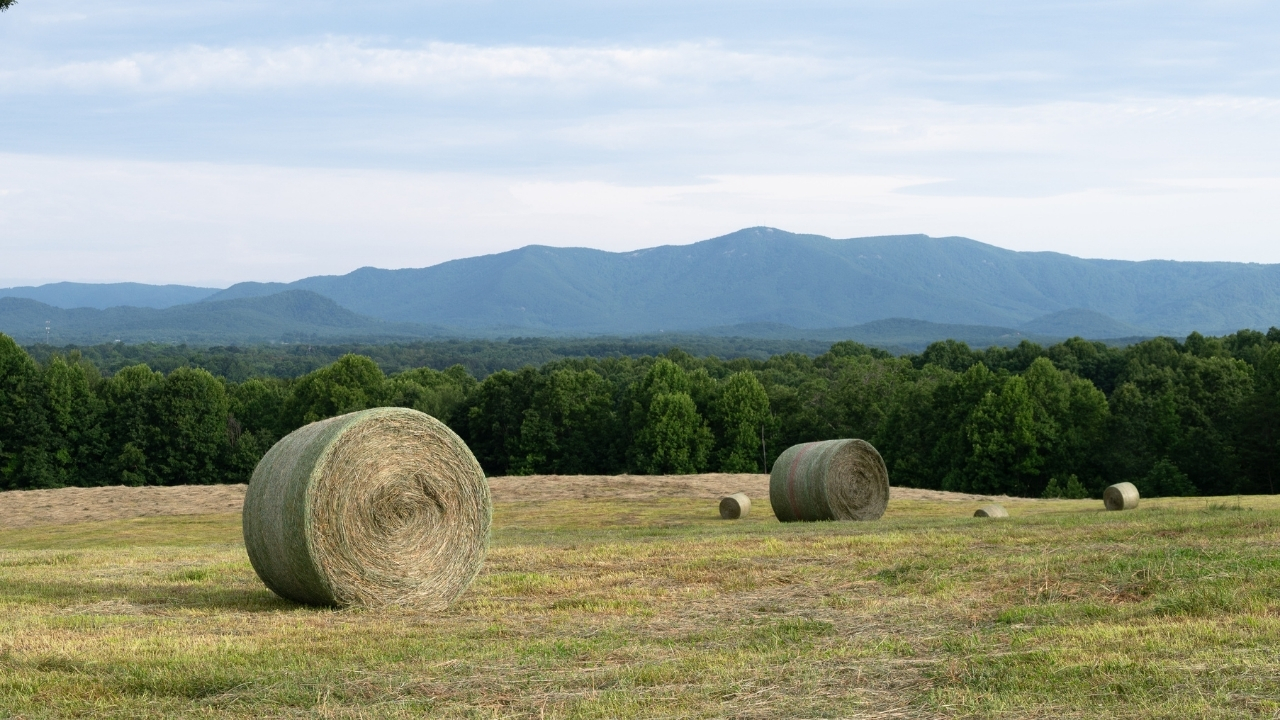
North Carolina’s western half is drawing people for the same reasons as Tennessee: cost, climate, and the ability to be in real woods in minutes instead of hours. The foothills and mountains give you whitetails that use old fields, clearcuts, and hardwood ridges, plus black bears that turn up in backyards often enough to keep things interesting. It’s a region where you can get a small piece of ground, cut your own firewood, and still have enough public land nearby to run dogs or still-hunt laurel thickets all fall.
16. Maine North Woods – big timber whitetails and moose
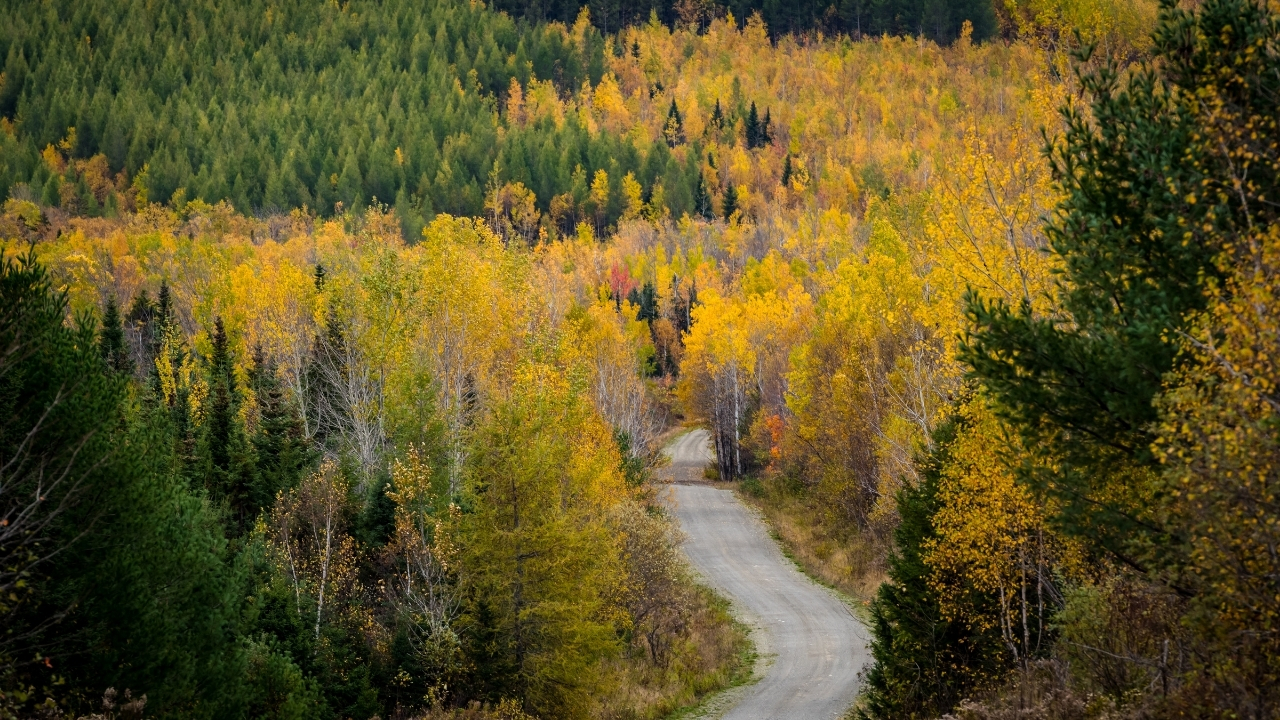
A different kind of hunter ends up in the North Woods. If you move here, you’re usually chasing space and quiet first, moose, bear, and deer second. The country is big, wet, and unforgiving, but that’s exactly what appeals to people fleeing crowded states. Whitetails may not be stacked like they are in the Midwest, yet the ones that make it through winters are tough and often older. Moose tags are a golden ticket, but just having them on the landscape matters. For the right family, logging roads and snowmobile trails beat cul-de-sacs and HOA rules every time.
Like The Avid Outdoorsman’s content? Subscribe to our newsletter so you never miss an article.
Here’s more from us:


