Photo credit: Liudmila Bohush/Shutterstock.com
A lot of “dangerous dog” talk is built on headlines, bad identification, and a few viral clips that get recycled forever. Real bite risk is usually less about the breed label and more about the situation: fear, pain, guarding behavior, lack of supervision, and owners who don’t read warning signals. A dog that’s trapped, startled, or pushed past its comfort zone is more likely to bite—no matter what the paperwork says.
You also have to be honest about what drives incidents. Under-socialized dogs, poor training, loose dogs roaming, resource guarding, and kids interacting without adult oversight are common threads. So is mislabeling: plenty of dogs get called “pit bulls” or “shepherd mixes” based on looks alone, and that muddies the numbers. If you want fewer bites, you focus on handling, management, and early education—not stereotypes.
American Staffordshire Terrier
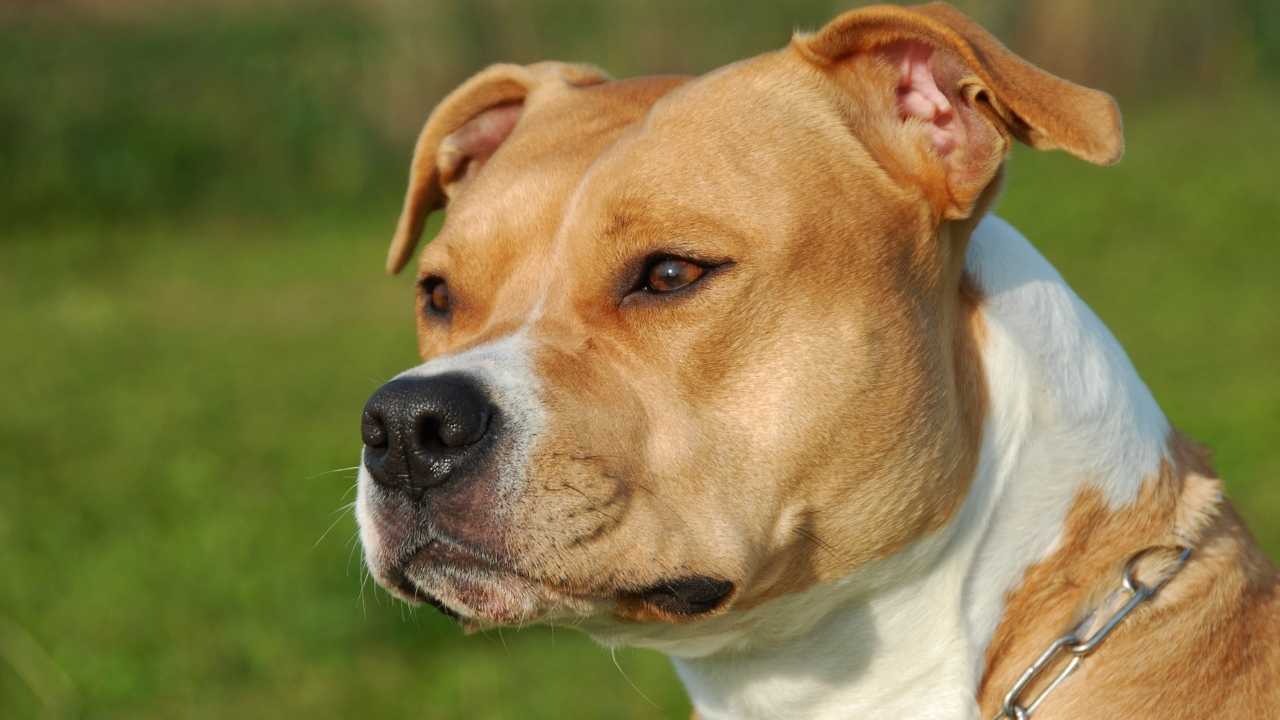
This breed gets swept into the “dangerous” bucket because people confuse it with any blocky-headed dog and because it shows up in the same conversations as “pit bull” in general. That label often ignores the reality that temperament is shaped heavily by breeding, socialization, and the owner’s choices.
What drives bites with dogs like this is usually poor management—off-leash freedom, lack of structure, and owners who encourage guarding or rough play without boundaries. A strong, athletic dog that’s never taught impulse control can make bad decisions fast. The fix isn’t fear. It’s responsible ownership: early socialization, clear rules, and preventing situations where any dog would feel cornered or overexcited. Most dogs don’t “snap.” They give signals. People ignore them, then blame the breed afterward.
American Pit Bull Terrier

A lot of dogs get called “pit bulls” whether they are or not, and that alone fuels the myth machine. The American Pit Bull Terrier has a history tied to irresponsible human behavior, which means the breed often gets judged for what people do with it, not for what it is.
Bites usually come down to the same drivers: poor supervision, letting dogs roam, ignoring stress signals, and raising a dog without basic manners and social exposure. Any powerful dog can do damage if it’s frightened, in pain, or pushed too far. What changes outcomes is management—secure fencing, a real training plan, and adults controlling interactions with strangers and kids. If you want to talk honestly about safety, you talk about owners who treat dogs like status symbols and then act shocked when the dog acts untrained.
Rottweiler
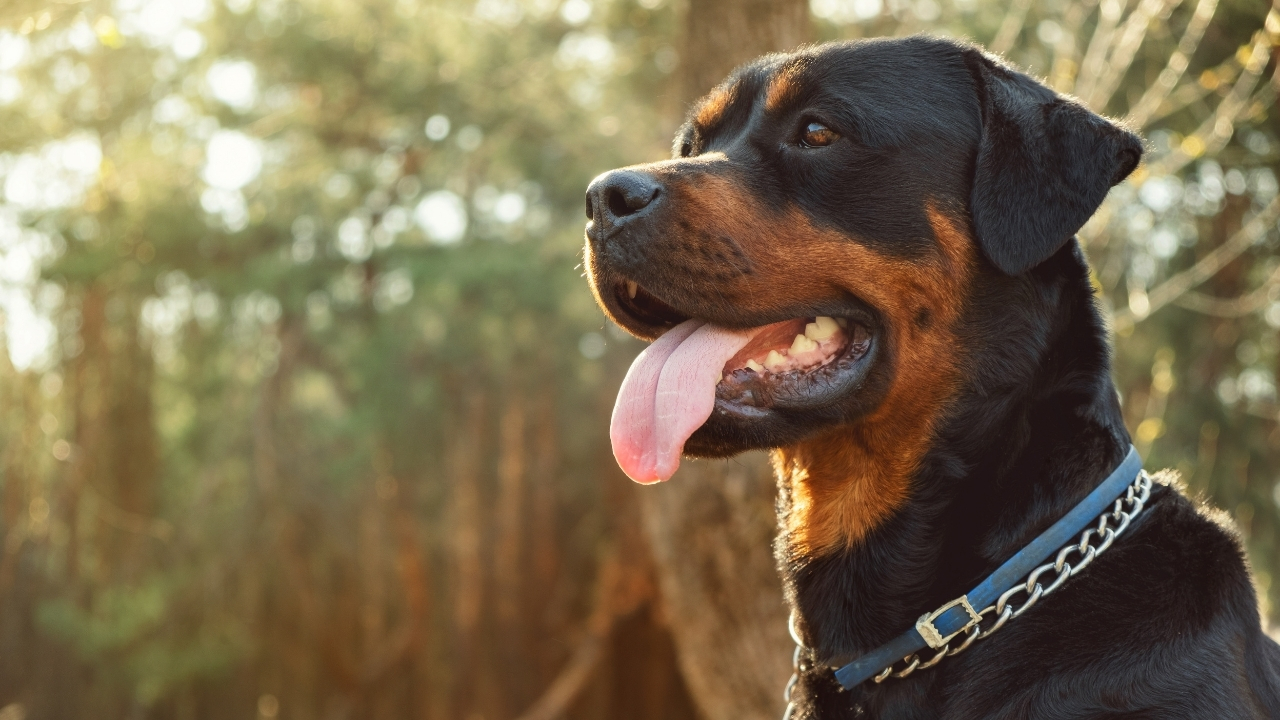
Rottweilers get branded as dangerous because they look imposing and because they’re naturally protective. That’s not automatically a problem. It becomes a problem when people buy a serious working breed and then don’t put in the work to create a stable, social dog.
A lot of bites tied to Rotties come from guarding behavior—protecting the house, the yard, food, toys, or even the owner. Guarding is normal dog behavior that needs structure, not encouragement. Add poor socialization and you get a dog that’s suspicious of strangers and quick to escalate. The other big driver is pain or surprise, especially in older dogs with joint issues. When you manage the environment, teach calm greetings, and keep the dog from “owning” the home, Rottweilers are often steady, loyal dogs. The danger label comes from neglecting basic training and boundaries.
German Shepherd Dog

German Shepherds get mislabeled because they’re the face of police and protection work. People assume that if a dog can be trained for K9 work, it must be naturally aggressive. In reality, they’re often sensitive, driven, and highly tuned to their environment.
Bites with shepherds commonly involve fear, overstimulation, or a lack of structure. A bored shepherd with too much freedom can turn into a reactive dog that barks, lunges, and escalates when it feels pressure. Another driver is resource guarding and territorial behavior, especially when the dog is allowed to patrol windows and fences all day. You prevent problems by giving the dog a job—training, exercise, mental work—and by teaching neutrality around people and dogs. A well-bred, well-trained shepherd is usually stable. A poorly handled one becomes a handful, and people blame the breed instead of the lifestyle.
Doberman Pinscher

Dobermans get their reputation from their silhouette and their history as personal protection dogs. People see a sleek, alert dog and assume it’s waiting to bite. Most Dobermans, in responsible hands, are intense but social, and they tend to bond hard with their people.
Bite risk shows up when the dog is anxious, under-socialized, or treated like a backyard alarm system. Dobermans are smart, and smart dogs don’t do well with chaos and mixed messages. If the only “training” they get is being encouraged to bark at everything, you build reactivity and suspicion. Another common driver is a fearful dog being forced into interactions, especially with strangers who reach over the head or crowd the dog. You reduce risk by building confidence early, teaching calm behaviors, and controlling greetings. A stable Doberman is usually more predictable than a nervous, untrained “friendly” dog with no boundaries.
Boxer

Boxers sometimes get labeled dangerous because they’re strong, muscular, and excitable. They can look like they’re “coming in hot,” and that scares people who don’t understand dog energy. Most Boxers are social clowns, but they’re also physical and mouthy when young.
Bites tied to Boxers are often misread play behavior that got out of hand or frustration when the dog hasn’t learned manners. Jumping, grabbing sleeves, and rough play can escalate if owners think it’s funny until it isn’t. Another driver is kids interacting without supervision, especially with a young Boxer that hasn’t learned to regulate itself. The fix is basic training and impulse control early—sit for greetings, no jumping, structured play, and enforced calm time. Most of the “danger” is speed and strength paired with sloppy handling, not a dog looking to hurt someone.
Labrador Retriever
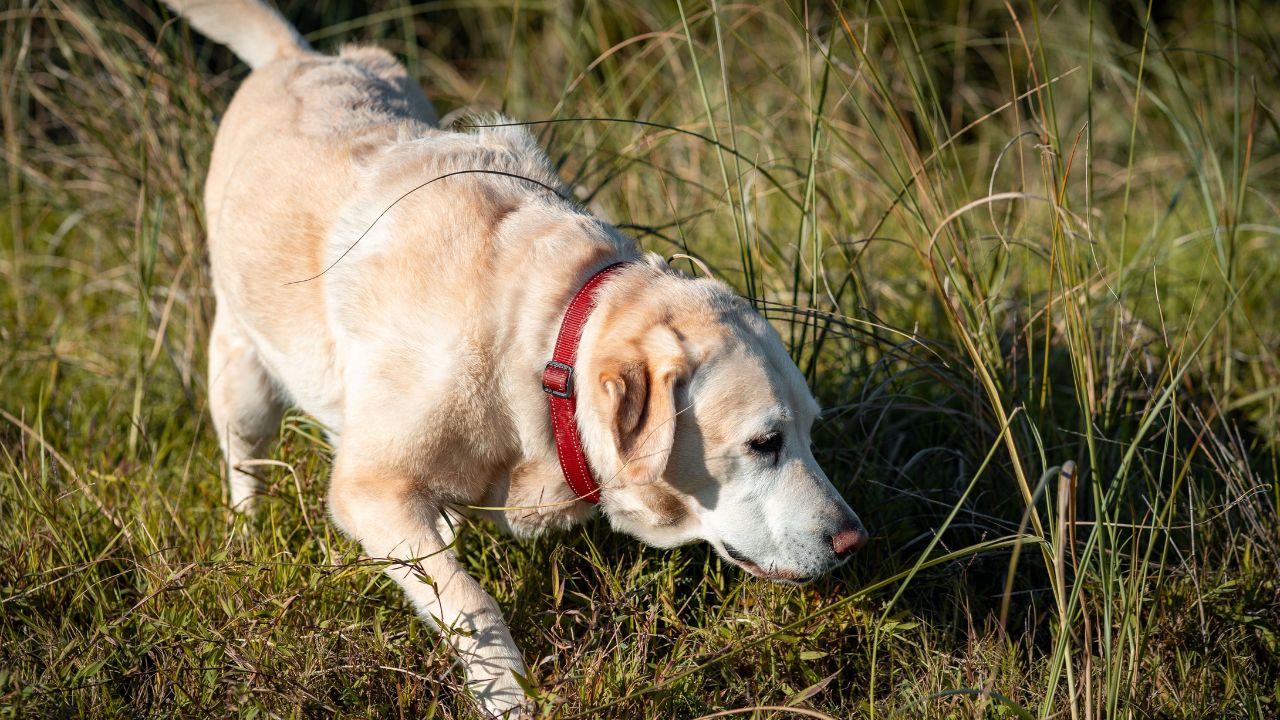
It surprises people, but Labradors show up in bite incidents because they’re everywhere. When a breed is wildly popular, you get the full spectrum: well-bred dogs, backyard-bred dogs, and dogs owned by people who assume “nice breed” means “no training needed.”
Many Lab bites are situational—resource guarding, pain, being startled while sleeping, or rough kid handling. Labs can also be mouthy young dogs, and if you don’t teach bite inhibition and calm behavior, that playful grabbing can become a real problem. Another common issue is a frustrated, under-exercised Lab that’s bouncing off the walls and reacting to pressure. The label gets skipped because it doesn’t fit the story people want. The truth is simple: the most common dogs are involved in more of everything. A Lab isn’t automatically safe. It’s safe when it’s trained, managed, and respected.
Golden Retriever

Golden Retrievers get treated like they can’t bite, which is exactly why they can end up in bite stories. People push them past comfort because they assume a Golden will tolerate anything. That’s not fair to the dog, and it’s not smart.
Bites often happen when a dog has pain (ear infections, arthritis, sore hips), or when kids climb on the dog, grab fur, or get in the dog’s face. Another driver is guarding: food bowls, treats, or stolen objects. A Golden that’s allowed to practice resource guarding without correction can absolutely bite. The bigger problem is that owners ignore early warning signs because they don’t match the “family dog” image. The fix is teaching kids safe interaction, giving the dog space, and handling training like it matters. A well-managed Golden is steady. A stressed Golden is still a dog with teeth.
Siberian Husky
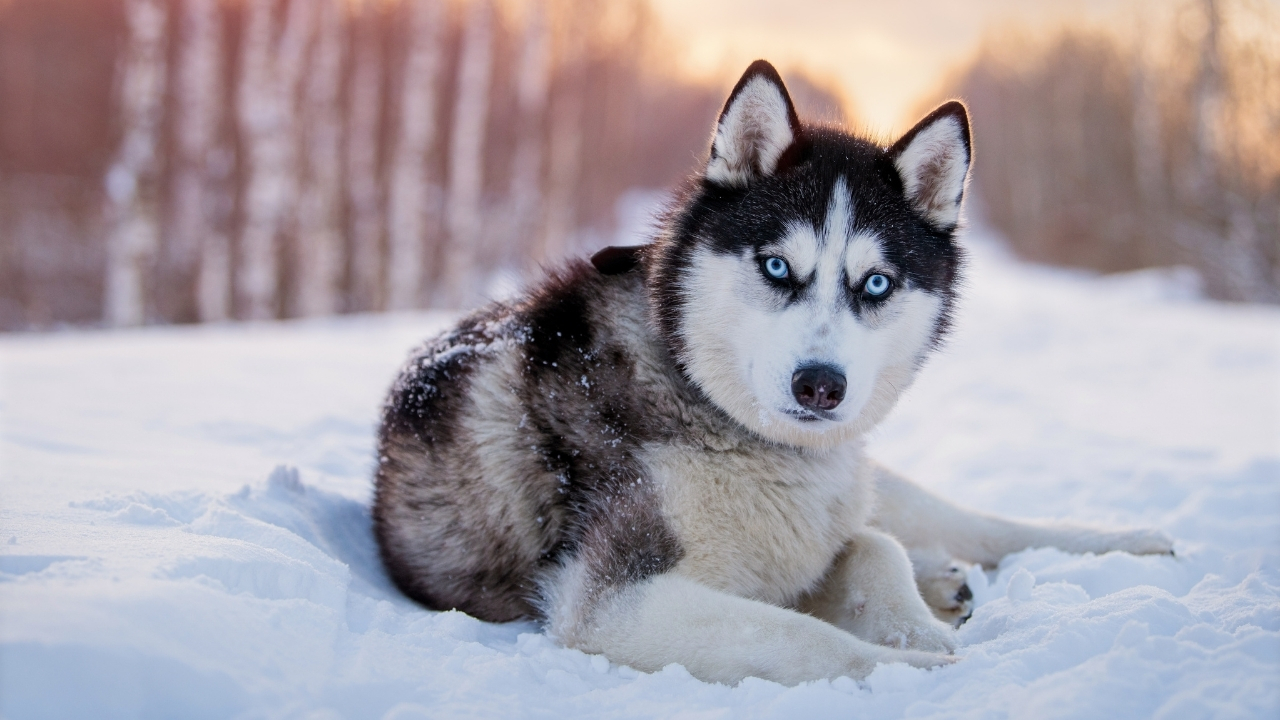
Huskies catch a dangerous label because they look wolfy and because they’re intense. They’re not typically human-aggressive by nature, but they are energetic, independent, and easily overstimulated when they’re under-exercised and confined.
Bites with Huskies usually come from frustration, rough handling, or a dog that’s being forced into situations it doesn’t like. They can also be mouthy and grabby in play, especially as young dogs. Another driver is prey drive and chaotic homes—lots of movement, squealing kids, running games—without boundaries. A Husky that has no outlet becomes a pressure cooker. You reduce risk by giving real exercise, teaching impulse control, and supervising interactions. The “wolf” look scares people, but the real issue is owners who want the aesthetic and aren’t ready for the workload.
Alaskan Malamute

Malamutes are big, powerful dogs with a strong independent streak, so people assume “big equals dangerous.” In reality, many Malamutes are friendly, but they’re not built for a chaotic household with no structure. They also don’t respond well to harsh handling.
Bites often trace back to resource guarding, frustration, or a dog being pushed into conflict. Because they’re strong, they can hold their ground when they don’t like something, and owners sometimes escalate the situation instead of backing off and training properly. Another driver is poor socialization with unfamiliar people and dogs, which can create a dog that’s tense and reactive. The fix is clear boundaries, calm leadership, and early training that teaches the dog how to disengage. When you respect their temperament and manage the environment, Malamutes are usually predictable. When you treat them like a generic family dog with no training, problems show up.
Great Dane

Great Danes get labeled dangerous mainly because of size. People picture a giant dog doing damage, so they assume threat. Most Danes are soft, social, and more likely to lean on you than bite you. The issue is that their size turns small mistakes into big ones.
Bites usually involve fear, surprise, or pain. A Dane that’s startled or cornered can react, and when a 140-pound dog reacts, it’s serious. Another driver is poor handling during adolescence—owners let a young Dane jump, push, and crowd people because it seems harmless early. Later, that same behavior causes fear responses in strangers and creates tense situations. The fix is early manners and giving the dog space to opt out. Teach kids not to hug or climb on the dog. Teach adults not to loom over it. Danes aren’t dangerous by default. They’re just too big for sloppy handling.
Staffordshire Bull Terrier

Staffies get lumped in with broader “pit bull” stereotypes, and that’s a big reason they’re mislabeled. Many are people-friendly, but they’re strong, driven dogs that need structure. When owners treat them like a tough accessory instead of a dog, trouble follows.
Bites often come from rough play, lack of impulse control, and owners who don’t set rules. Staffies can be intense about toys and play, and if you never teach “drop it,” “leave it,” and calm behavior, you build conflict. Another driver is stress: a dog being crowded, grabbed, or forced into interactions. The fix is normal, responsible training—socialization, leash manners, calm greetings, and supervised play. A well-raised Staffy is often a stable, affectionate dog. The dangerous label sticks because people remember the outliers and ignore the thousands of boring, well-managed ones.
Cane Corso
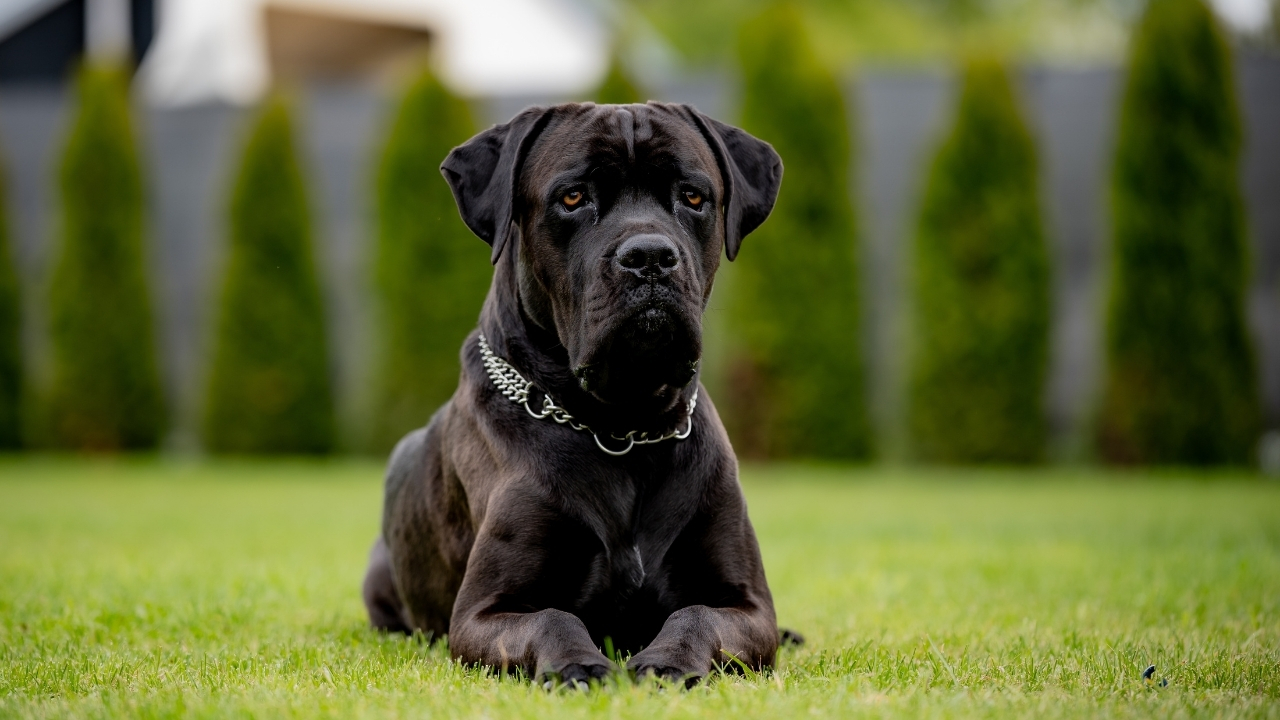
Cane Corsos get labeled dangerous because they’re large guardian breeds, and in a way, the label is pointing at something real: this is not a beginner dog. The breed is powerful, protective, and capable, which means bad ownership can create a serious problem.
Most bites with Corsos come from territorial behavior and poor socialization. If you let a Corso decide who belongs and who doesn’t, you’re setting the table for conflict. The dog isn’t being “mean.” It’s doing what it was bred to do without guidance. Another driver is owners encouraging guarding or intimidation behavior because it feels cool—until it isn’t. The fix is strict management, early neutral socialization, and training that teaches the dog to defer to you. With the right handler, they can be steady and controlled. With the wrong one, any guardian breed becomes risky fast.
American Bulldog

American Bulldogs get tagged as dangerous because they’re muscular and confident, and because people often confuse them with other bully-type dogs in bite reports. They can be friendly family dogs, but they’re still strong, driven animals that need real training and boundaries.
Bites usually trace to two things: poor socialization and unmanaged arousal. A dog that’s allowed to charge the fence, bark at everyone, and drag the owner on a leash is practicing bad behavior daily. Add resource guarding or rough play and you get a dog that can put teeth on someone. Another driver is pain—bulldog types can have joint issues, and a hurting dog is a defensive dog. The fix is boring and effective: obedience basics, calm leash work, clear household rules, and secure containment. The breed isn’t the problem. The gap between the dog’s strength and the owner’s control is.
Chow Chow
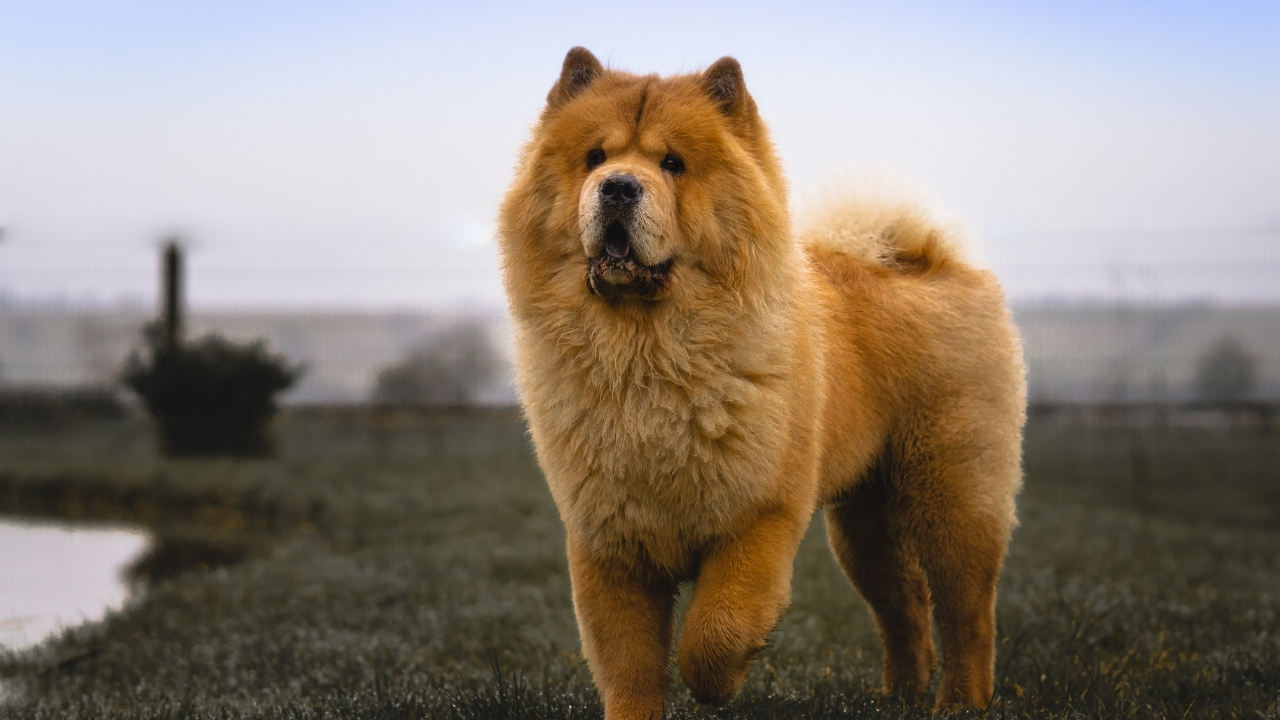
Chow Chows have a reputation for being “mean,” but what you’re often seeing is a dog that’s reserved, easily stressed, and not interested in forced social interaction. People mistake aloofness for aggression, then push the dog, and the dog eventually responds.
Bites with Chows are commonly driven by discomfort: strangers reaching in, kids hugging, people crowding the dog, or owners ignoring warning signs. Chows tend to be less tolerant of chaotic handling, and they do best with calm, consistent routines and respectful interaction. Poor early socialization can create a dog that’s suspicious and reactive, which makes the stereotype self-fulfilling. The fix is giving the dog space, teaching kids to leave it alone, and building confidence through controlled exposure. Many Chows are loyal, steady dogs in their own homes. The trouble starts when people expect a reserved breed to behave like a party-host Labrador.
Akita

Akitas get mislabeled because they’re big, stoic, and protective. They don’t broadcast emotions the way some breeds do, so inexperienced owners miss the early signs of stress. When an Akita has had enough, it may not give ten obvious warnings first.
Bites often come from territorial behavior, resource guarding, and forced interactions. Akitas can be less tolerant of strange dogs and chaotic environments, and they need strong management—secure containment, leash control, and structured training. Another driver is owner overconfidence: people buy an Akita for the look and presence, then skip the work that creates a stable adult dog. The fix is early socialization, calm leadership, and respecting boundaries. An Akita can be a solid companion in the right home. The danger label grows when people ignore what the breed is and then act surprised when it behaves like itself.
Like The Avid Outdoorsman’s content? Subscribe to our newsletter so you never miss an article.
Here’s more from us: