Photo credit: Pete Nuij/Unsplash.com
A lot of wildlife looks harmless right up until it decides you’re a threat, you’re too close, or your dog gets curious. The “cute” ones are the ones people crowd for a photo. The “small” ones are the ones folks try to handle. And the “slow” ones are the ones that surprise you when they suddenly aren’t slow at all.
This list is basically a reminder that tough isn’t always about size. Sometimes it’s attitude, sometimes it’s armor, sometimes it’s teeth, and sometimes it’s just an animal that’s fully committed to making you regret the decision you just made.
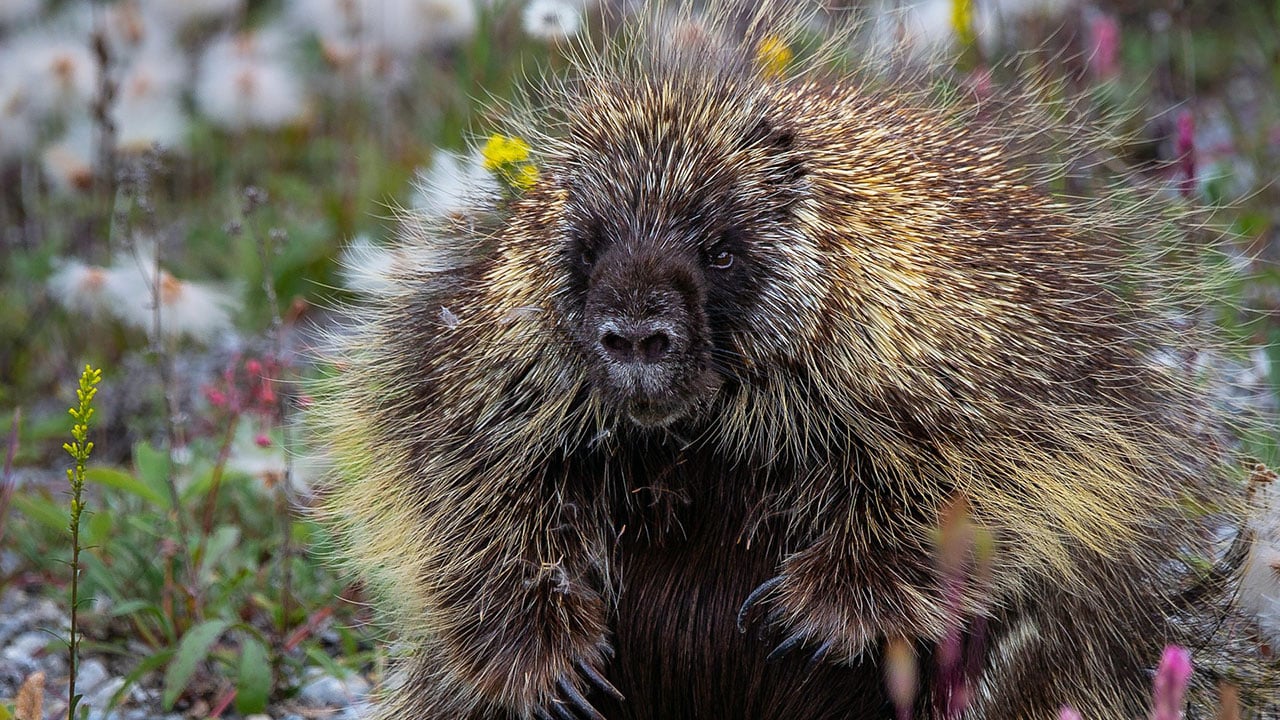
Porcupine

Porcupines look like they’d rather mind their business, and honestly they do. But if you let a dog rush one, or you get too close trying to “help” it off a road, you’ll see how tough they are without them even trying to fight. They don’t run because they don’t need to. They hold position, they present quills, and they let your bad decision do the rest.
The “tough” part is how effective that defense is. A porcupine can sit there calm while a predator (or a dog) gets a face full of quills and learns a painful lesson. People also get into trouble trying to pull quills barehanded while the dog is panicking. The smarter move is prevention—keep dogs controlled, give the porcupine space, and don’t turn it into a hands-on situation.
Badger

Badgers look like a chunky little fuzzball until you corner one. Then it turns into teeth, claws, and pure attitude. They don’t posture much, and they don’t bluff the way bigger animals sometimes do. If they feel trapped, they come up swinging, and they bite fast.
They’re tougher than they look because they’re built low and strong, and they don’t give you an easy angle. A badger can dig in, spin, and keep its face pointed at the threat. Most predators learn pretty quick that a badger isn’t a “free meal.” If you see one, don’t crowd it and definitely don’t let a dog make contact. That’s where people get bit trying to “break it up.”
Wolverine
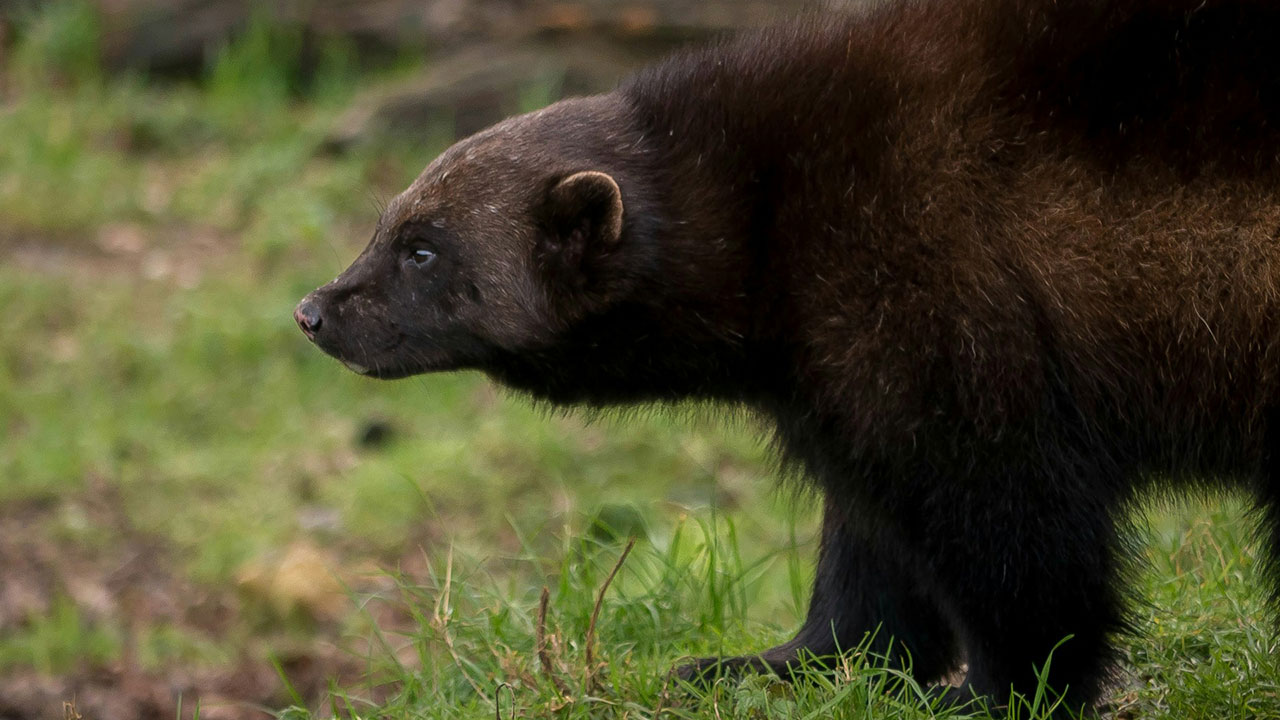
If you’ve never seen a wolverine in person, it’s easy to underestimate them because they’re not huge. Then you hear the stories—wolverines pushing predators off carcasses, fighting way above their weight, and acting like they own the place. They’re not built for elegance. They’re built for surviving by being mean and tough.
They act tougher than they look because they don’t quit and they don’t fight clean. They bite, clamp, and keep going while they’re getting thrown around. Their hide is tough for their size, and their mindset is worse. You don’t “shoo” a wolverine off a situation. You give it space and leave it alone, because getting close is how you end up bleeding over something you never needed to be near.
Canada goose

Geese look like a joke until one decides you’re too close to the nest. Then it’s wings, hissing, charging, and a full commitment to making you back up. They’re not trying to kill you, but they’re absolutely trying to run you off, and they’re weirdly good at it.
The toughness is the confidence. They’ll charge people, dogs, anything—because most threats hesitate when something attacks first. They also don’t need to “win” with damage; they win by making you uncomfortable enough to leave. If you’ve got kids or a dog and a goose is guarding a nest, don’t treat it like entertainment. Just go around. Geese don’t negotiate when they’re in that mode.
Swan

Swans look calm and “pretty” until they decide you’re in their space. A big swan will come at you with wings out and that long neck snapping, and they’re not shy about it. People love approaching them at ponds like they’re tame birds. That’s where the problems start.
They’re tougher than they look because they’re strong, territorial, and bold. Those wing beats can hit harder than people expect, and the aggression can surprise you if you’ve only seen them gliding around. The safe move is simple: don’t approach, don’t feed them from up close, and don’t let dogs swim near them in nesting season. A swan protecting a nest will absolutely pick the fight.
Raccoon

Raccoons look like little masked bandits… because they are. Cute face, clever hands, and a nasty bite when they feel cornered. If a raccoon gets boxed in—under a deck, in a shed, at the base of a tree—some of them won’t run. They’ll square up and come at whatever’s closest.
They act tougher than they look because they fight like they’ve done it before. They grab, bite, and keep going, and they’re perfectly happy fighting in tight spaces where you don’t have a clean angle to back out. People get hurt trying to pull a dog off one or trying to “shoo” it away with their feet. Also worth saying: a raccoon acting weird in daylight is not something you want close contact with. Distance and common sense matter here.
Opossum

Most possums play dead, and people assume that means they’re weak or harmless. Corner one, though, and you’ll see the other side: hissing, baring teeth, and a bite that’ll make you regret trying to pick it up. They don’t have to be “aggressive” to get you—just defensive and close enough.
They’re tougher than they look because they’re survivors. They live around people, deal with dogs, cars, and constant pressure, and they keep showing up anyway. A possum’s best defense is usually bluff and escape, but if you force the issue, it will defend itself. The move is to give it an exit and keep your hands off it. Wildlife handling is how “no big deal” turns into stitches.
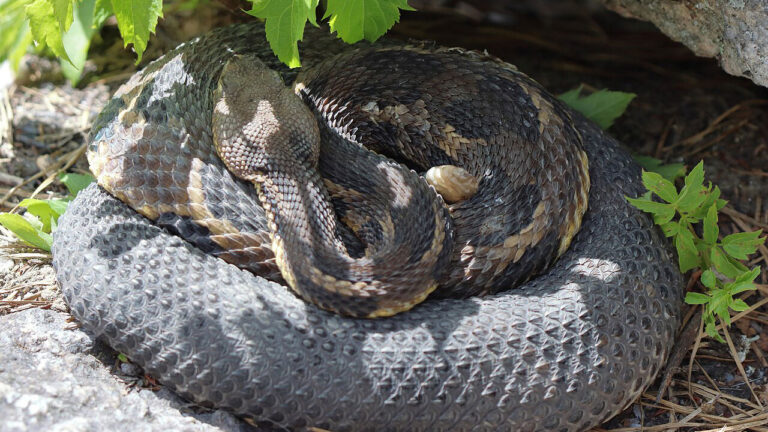
Snapping turtle
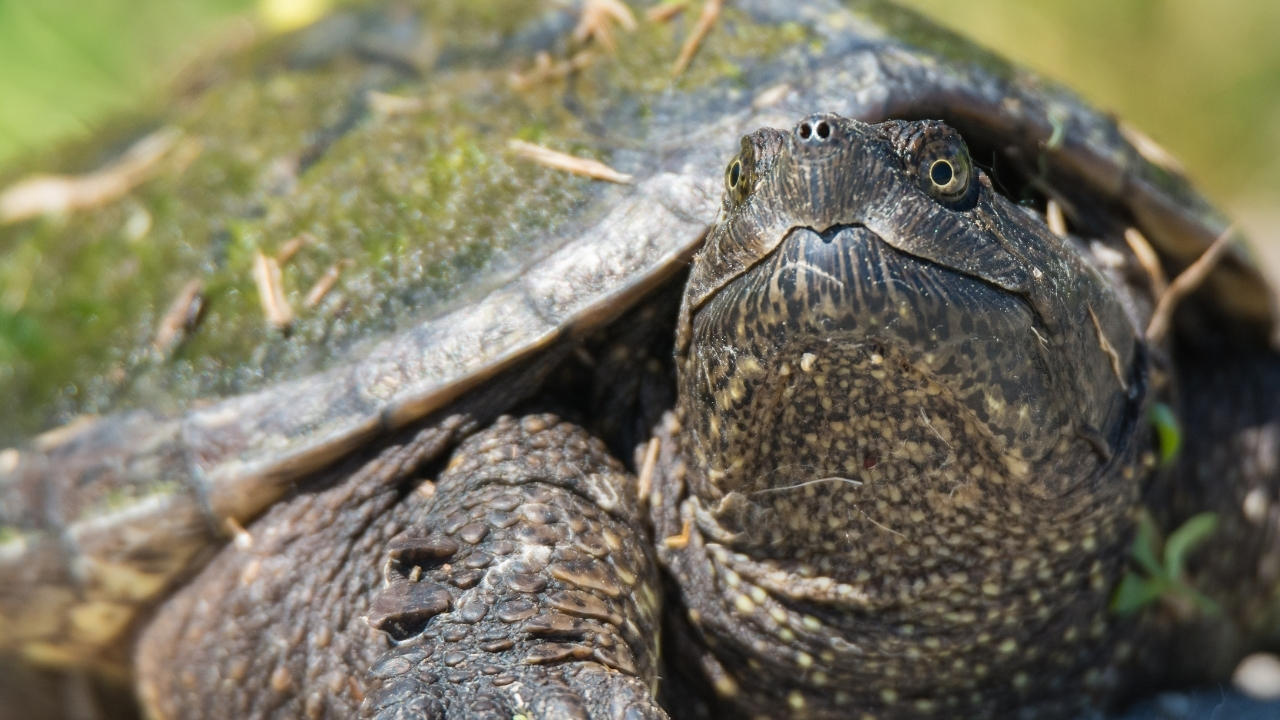
A snapping turtle looks like a slow rock with a shell until it decides to bite. Then it’s shockingly fast at close range. People see one crossing a road and try to “help” by grabbing it wrong, and that’s where the toughness shows up—those jaws don’t play, and they don’t let go quickly.
They act tougher than they look because they’re armored and they know it. They don’t need to run when they can clamp down and hold their ground. The mistake is thinking you can treat it like a little pet turtle. If you want to help one off a road, use distance tools and stay out of the bite zone. Hands and snapping turtles don’t mix, and the turtle doesn’t care what your intentions were.
Armadillo
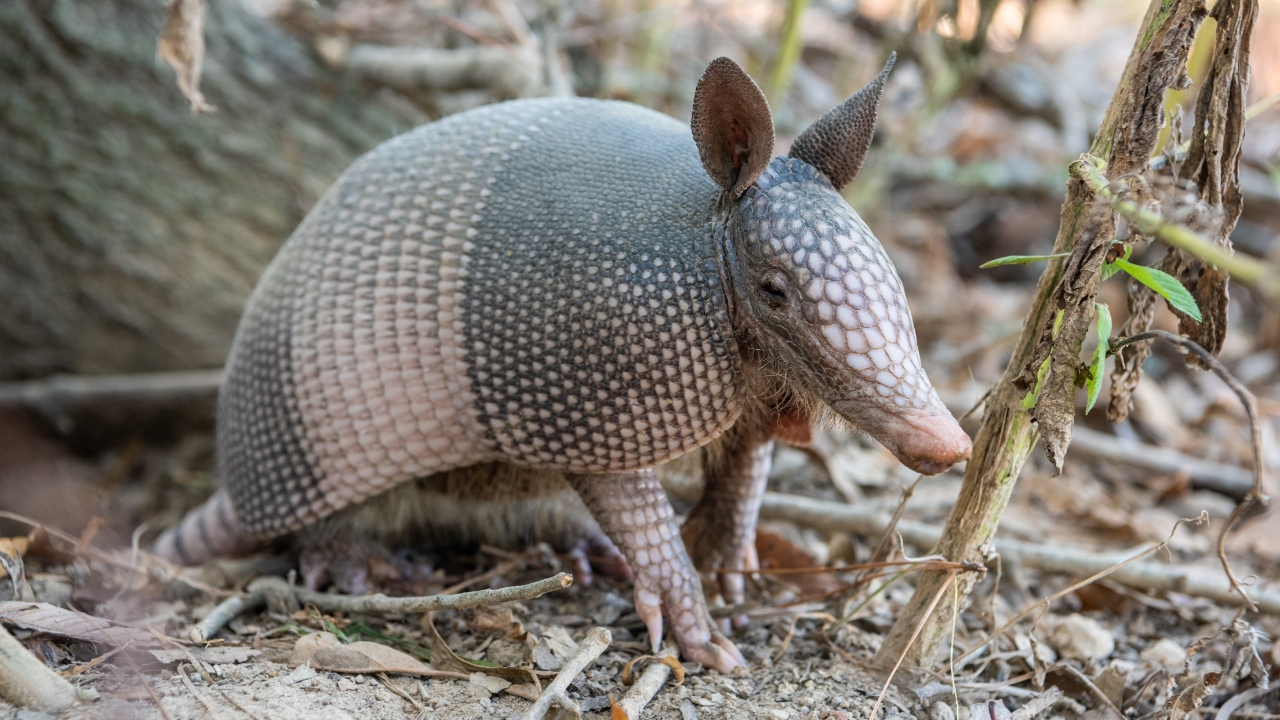
Armadillos look harmless and goofy until you realize they’re basically built-in armor with a digging machine attached. They don’t act “tough” in a fight-the-world way, but they sure act tough when it comes to taking hits, surviving rough conditions, and disappearing into the ground like it’s nothing.
They’re tougher than they look because they’re hard to discourage and hard to predict. People try to chase them off, and the armadillo just keeps doing armadillo things—digging, burrowing, wrecking lawns, and shrugging off most of what would bother other animals. If you corner one, it can scratch and bite, but the real lesson is that armor plus stubborn behavior makes it a pain to deal with. Give it room and don’t try to grab it.
Beaver

Beavers look like fat, slow rodents until you meet one at bad distance, especially near water. They’ve got big teeth designed for cutting wood, and they don’t always run when cornered. A threatened beaver can lunge, bite, and it’s surprisingly willing to defend itself if it can’t get away clean.
They act tougher than they look because they’re strong and they’re in their element near water. People get into trouble letting dogs harass them at pond edges, then trying to separate the mess. That bite is not a minor scrape. If you see a beaver, keep dogs back and don’t crowd it, especially during daylight when it might feel exposed. Beavers don’t want a fight, but they’re equipped if you force one.
Groundhog

Groundhogs look like a backyard nuisance until one gets cornered. Then it’s teeth, lunges, and a whole lot of attitude. Folks underestimate them because they’re common, and that familiarity makes people sloppy—trying to grab one, corner one in a shed, or let a dog pin it.
They act tougher than they look because they’re built to dig and defend. Strong claws, heavy body for their size, and a bite that’s quick and nasty. A groundhog doesn’t need to “win” a long fight. It needs one clean bite to make you let go, and then it’s gone. If you have one around your place, handle it the right way and don’t turn it into a wrestling match.
Skunk

Skunks don’t look tough because they don’t act tough—until they do. A skunk’s whole confidence comes from the fact that most predators learn the lesson once. When a skunk stands its ground, stamps, and lifts its tail, that’s not cute. That’s “back up right now.”
They act tougher than they look because their defense works, and they know it. Dogs especially love learning this lesson the hard way. People make it worse by running toward the scene and trying to grab the dog while the skunk is still engaged. If you see a skunk, control your dog, give it a wide path, and let it leave. The skunk’s “fight” is making you miserable without ever needing to bite.
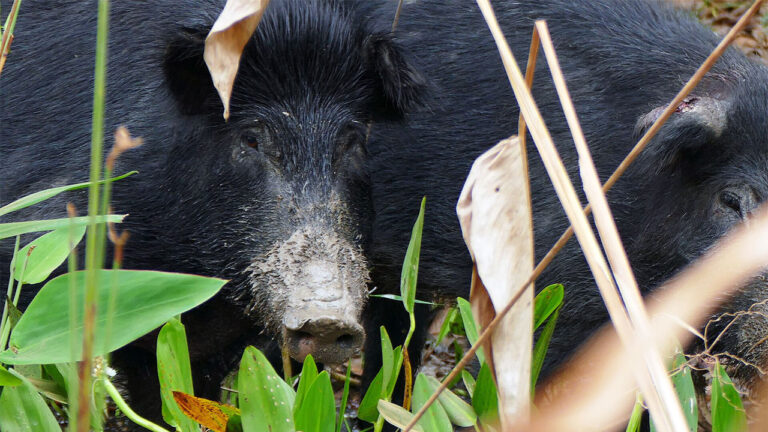
Javelina
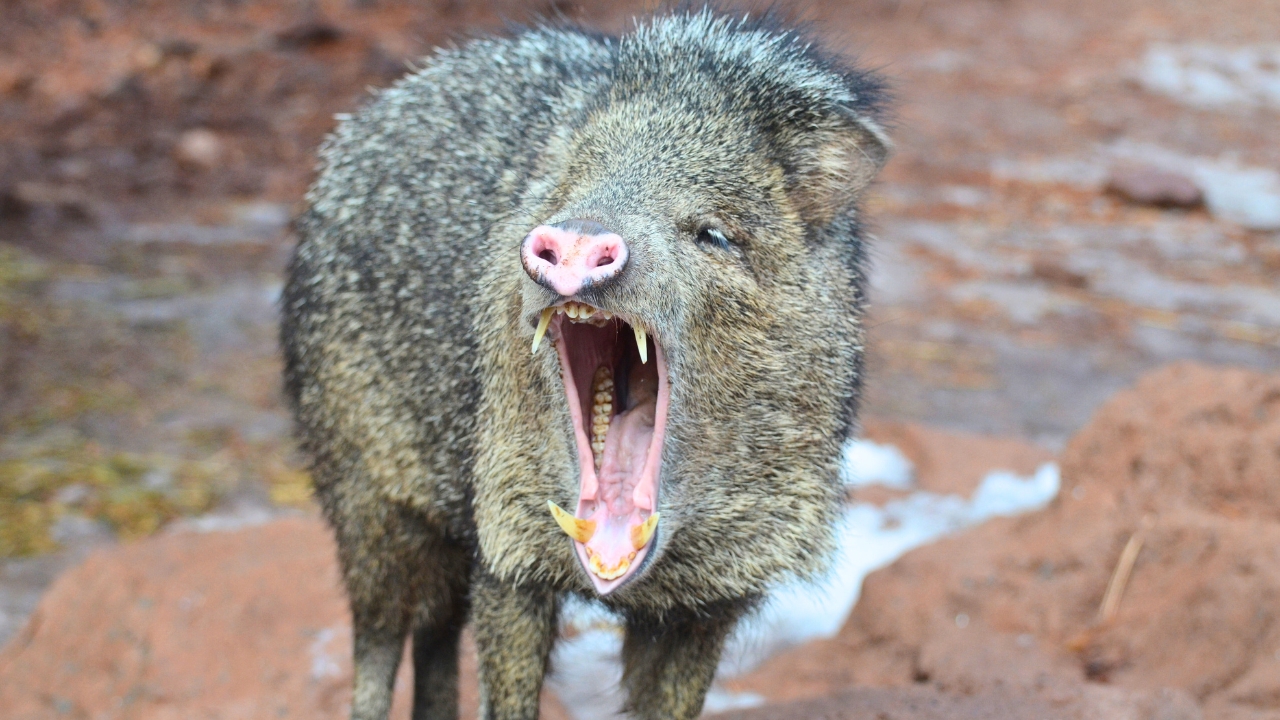
Javelina look like smaller pigs, and people assume they’ll run like deer. Not always. In tight cover, around a group, or when startled, they can charge with a lot more aggression than their size suggests. They’ll pop teeth, make that rough vocalizing, and come in fast when they feel boxed in.
They act tougher than they look because they’re built for close-range chaos—thick head, solid body, and cutters that can slice. People get in trouble walking dogs near brushy creek bottoms or desert scrub and suddenly the dog is engaged with a whole group. If you’re in javelina country, don’t treat them like a novelty animal. Give them room and don’t push into their space like they’re going to politely leave.
River otter

Otters look like playful water animals until you realize they’re mustelids. That means teeth, speed, and a willingness to fight if cornered. They can be aggressive around dens and food, and they’ll absolutely bite a dog that rushes them at the water’s edge. People step in trying to “separate” it and get tagged too.
They act tougher than they look because they don’t fight like a gentle animal. They clamp and thrash, and they’re strong in water in a way that can surprise you. If you see an otter, don’t let your dog treat it like a toy. Keep distance, keep control, and don’t wade into the bank zone trying to play referee.
Great horned owl

Owls don’t look tough until you get near a nest or a protected perch. Then you find out they can hit silently, fast, and with serious talons. People get “buzzed” and think it’s a joke, right up until an owl actually connects and you’ve got blood running and no clue what hit you.
They act tougher than they look because they’re hunters built for ambush and control. They don’t need size to be effective when they’ve got talons and accuracy. This is especially true around nesting season, when some owls get aggressive defending territory. If an owl is acting protective in an area, don’t linger, don’t bring dogs close, and don’t treat it like a cool photo moment. Move on and let it do its thing.
Bobcat

Bobcats look like a house cat’s tough cousin, and people underestimate them because they’re not huge. Corner a bobcat, though—especially a young one, or one that’s injured—and it can turn into a fast, nasty fight. They bite, claw, and move quick enough that you don’t get a clean reaction.
They act tougher than they look because cats fight smart. They go for faces and hands, and they don’t give you an easy grip. A lot of human injuries happen when someone tries to “help” a bobcat that’s trapped or tangled, or when a dog gets involved and the owner rushes in. The right move is distance and calling the right help. A bobcat isn’t a pet, even if it’s small enough to look like one.
Like The Avid Outdoorsman’s content? Subscribe to our newsletter so you never miss an article.
Here’s more from us: