Photo credit: Doğan Alpaslan Demir/Pexels.com
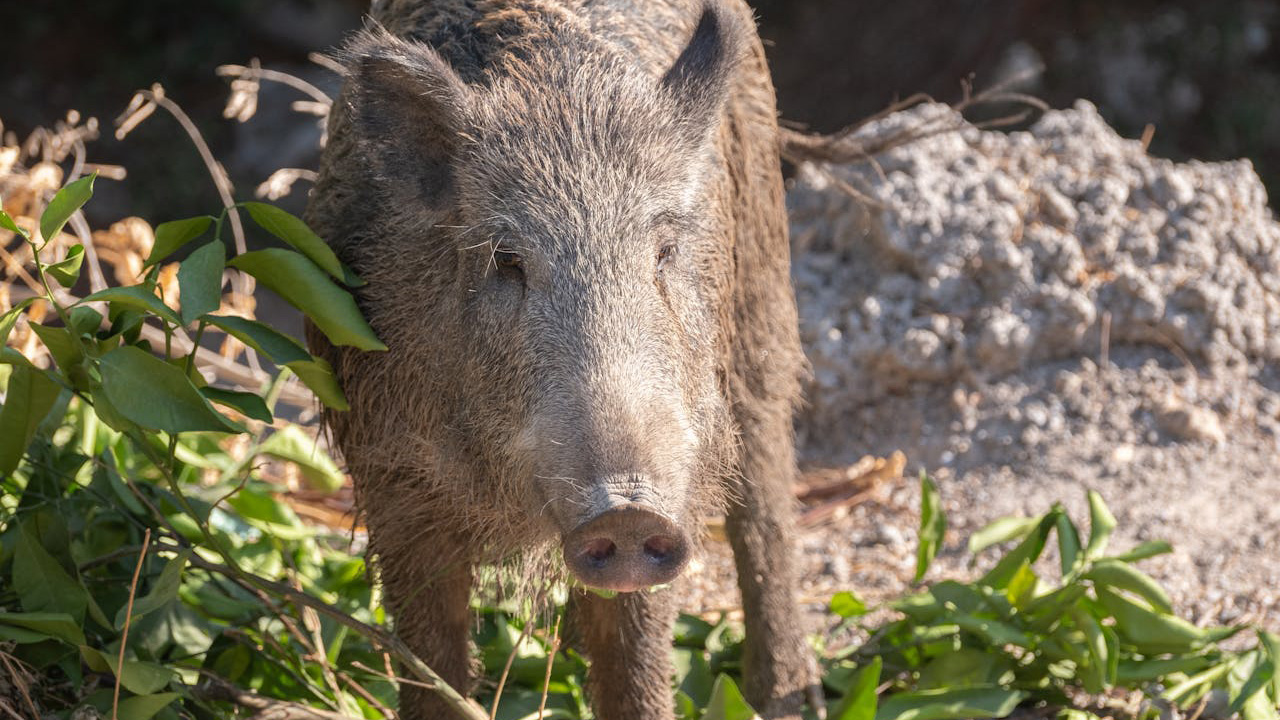
If you’ve ever walked into a food plot at daylight and thought, “Did someone bring a rototiller in here at 2 a.m.?”—that’s classic feral swine behavior. They feed by rooting with their snouts, and the end result looks like the ground got plowed, especially when they hit a plot hard in a single night.
And the frustrating part is how fast it happens. A sounder can roll in after dark, key on soft soil and fresh growth, and leave you with divots, flipped sod, muddy wallows, and torn seedlings before you’ve had your coffee. USDA APHIS tracks where feral swine are established and where they’re being actively managed because the damage is widespread and expensive.
1) Texas
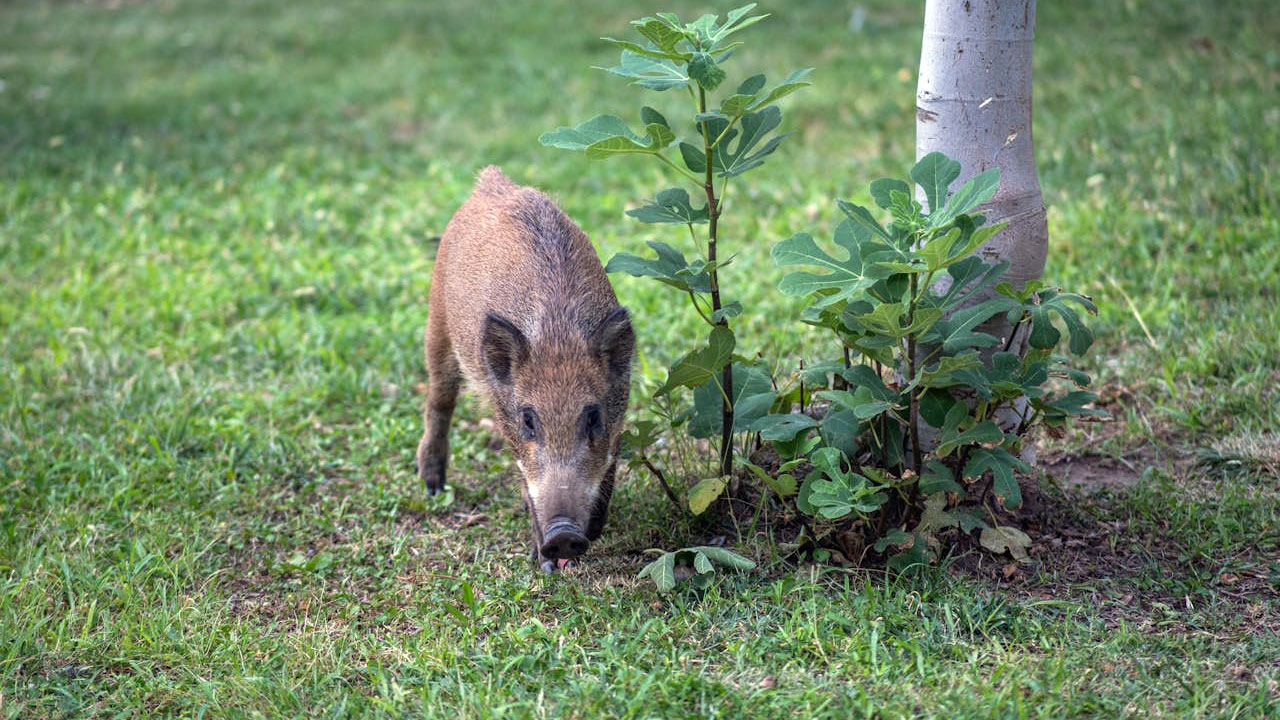
Texas is the poster child for “food plot turned into a crater field,” because hog numbers and distribution are massive and they’re hard on agriculture and habitat. TPWD notes major economic damage and cites estimates that put annual agricultural losses in Texas well into nine figures in more recent studies. If you’re planting corn, peas, oats, or any tender green that stays moist underneath, hogs can smell it, find it, and flip it like a rug. The worst nights are often right after a rain when the soil is easy to dig and the plots are holding scent. If you’re consistently getting hit, “shoot a couple” rarely changes the pattern—whole-sounder trapping and serious exclusion are what actually move the needle when hog pressure is high.
2) Florida
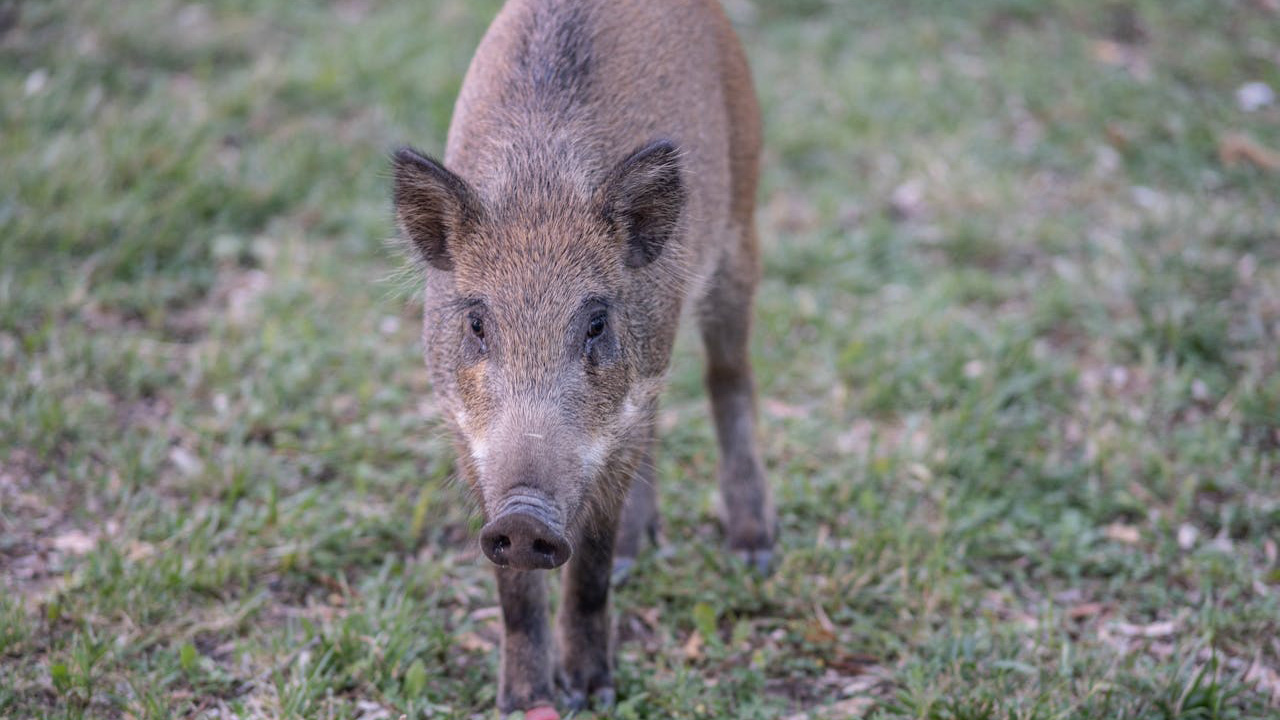
Florida’s wild hogs don’t politely stay in the swamp. FWC notes they feed by rooting and can leave areas looking like they’ve been plowed—which is exactly what a food plot looks like after a sounder visits. In a lot of Florida’s hunting country, plots sit near water, palmetto edges, or timber—perfect travel lanes and bedding cover. When acorns drop or when drought concentrates animals near water sources, hogs can stack up tight and hammer the same spots over and over. If your plots are getting destroyed, treat it like a property-wide problem: control attractants, protect the most expensive plantings, and don’t ignore wallows and trails that show you exactly how they’re accessing the plot.
3) Georgia
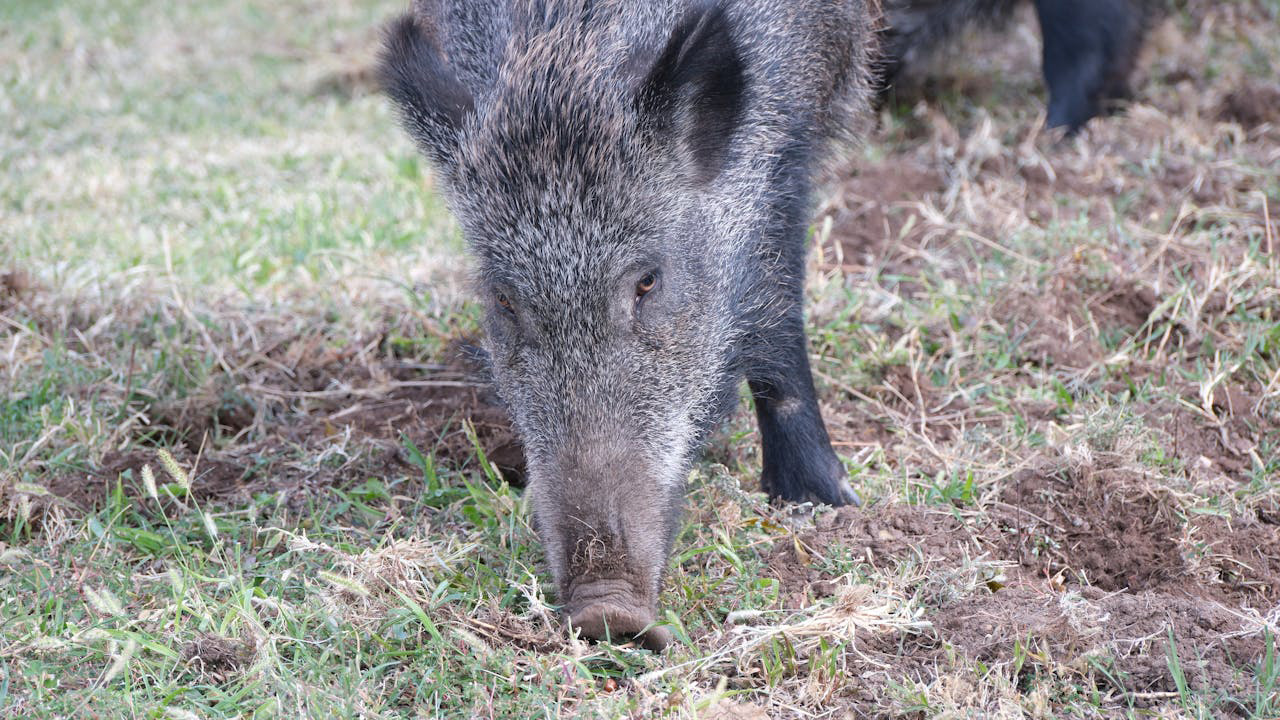
Georgia’s hog issue is big enough that it shows up repeatedly in multi-state tracking and management conversations, and the habitat is built for it—mixed timber, ag fields, creek bottoms, and thick cover. Food plots here get wrecked when hogs learn your planting schedule. Once they hit a plot at the “perfect” stage—fresh sprout, soft soil, and scent—they’ll come back until the easy calories are gone. The common mistake is thinking hogs are random. They’re not. If you’re seeing the same rooting patterns along edges and near wet low spots, that’s a predictable route and a predictable behavior. Your best defense is making access inconvenient (fencing in key areas, if feasible) while you work removal hard enough to keep sounders from camping on you.
4) Alabama
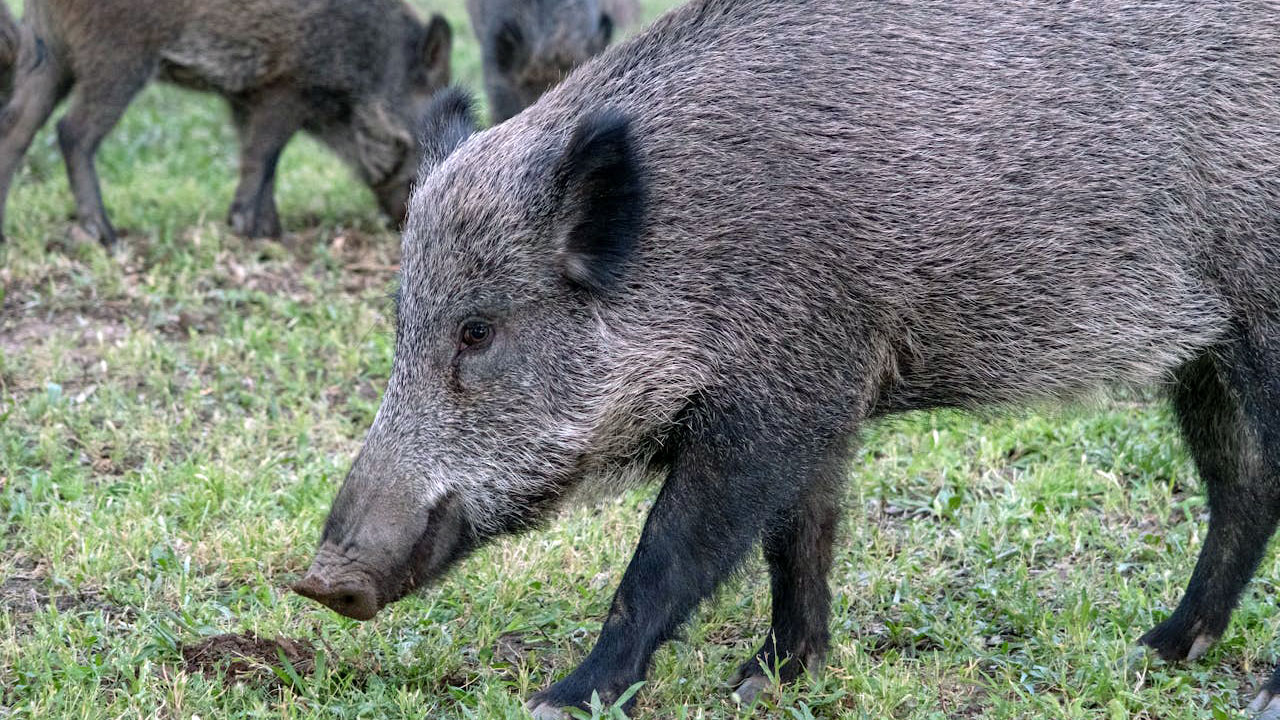
Alabama is prime hog country—tons of cover, plenty of water, and enough agriculture and planted plots to keep hogs fed year-round. Food plots in Alabama get hit especially hard in the early growth stages and again when grains are maturing and the ground stays damp underneath. Rooting doesn’t just “eat your plot.” It can destroy seedbed prep, expose roots, and create ruts that mess with mowing, UTVs, and even access after a rain. The tell is usually obvious: hoof tracks near wet spots, trails punched through thick vegetation, and areas where the soil looks rolled and flipped. If you see that pattern, assume the sounder is local and start addressing it like a repeat customer, not a one-time visitor.
5) Mississippi
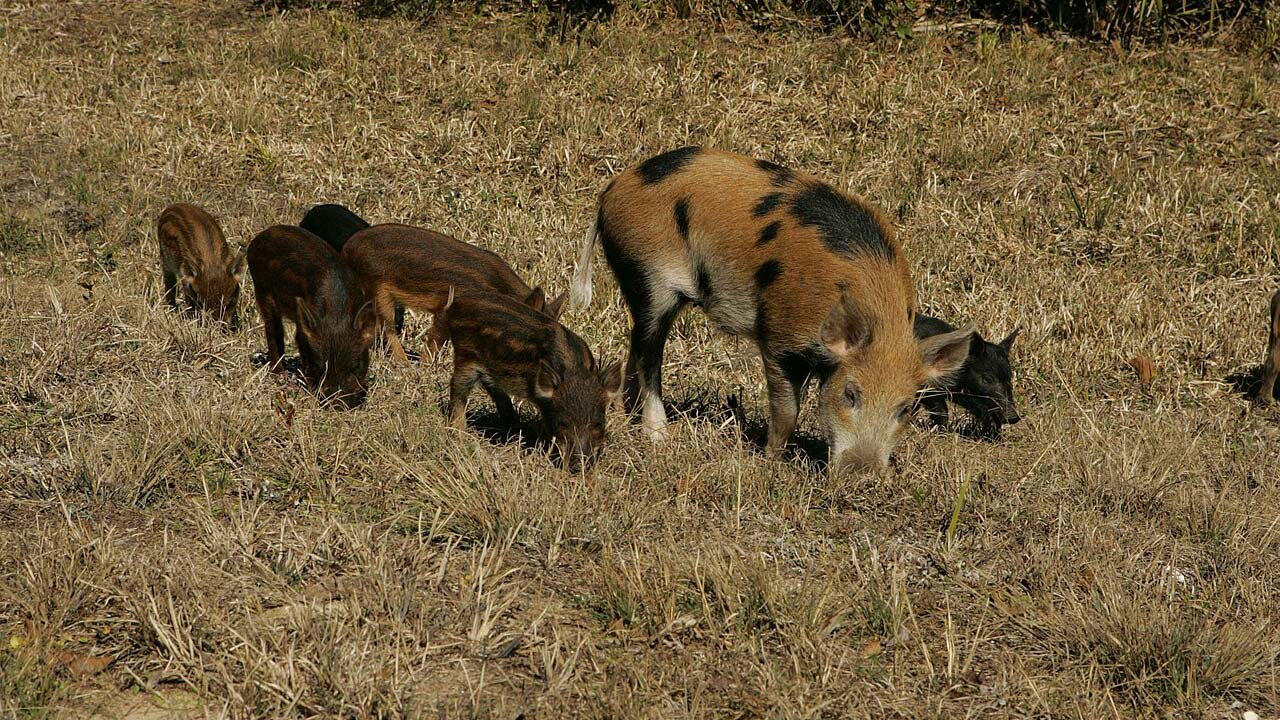
Mississippi has the swamp-to-timber mix that hogs love, plus plenty of private land plantings that become predictable food sources. In a lot of Mississippi plots, the “overnight crater” effect shows up after rain events and during cooler stretches when hogs move earlier and stay active longer. They’ll root for bulbs, grubs, and plant roots—not just what you planted on top—which is why your plot can look wrecked even when the greens are still there. When hogs are frequent, you’ll also see secondary damage: widened trails, torn-up edges, and wallows forming anywhere water lingers. If you’re trying to keep a plot productive, don’t just replant and hope—track entry points and hit the sounder with a plan, because hogs learn fast when a place is easy.
6) Louisiana
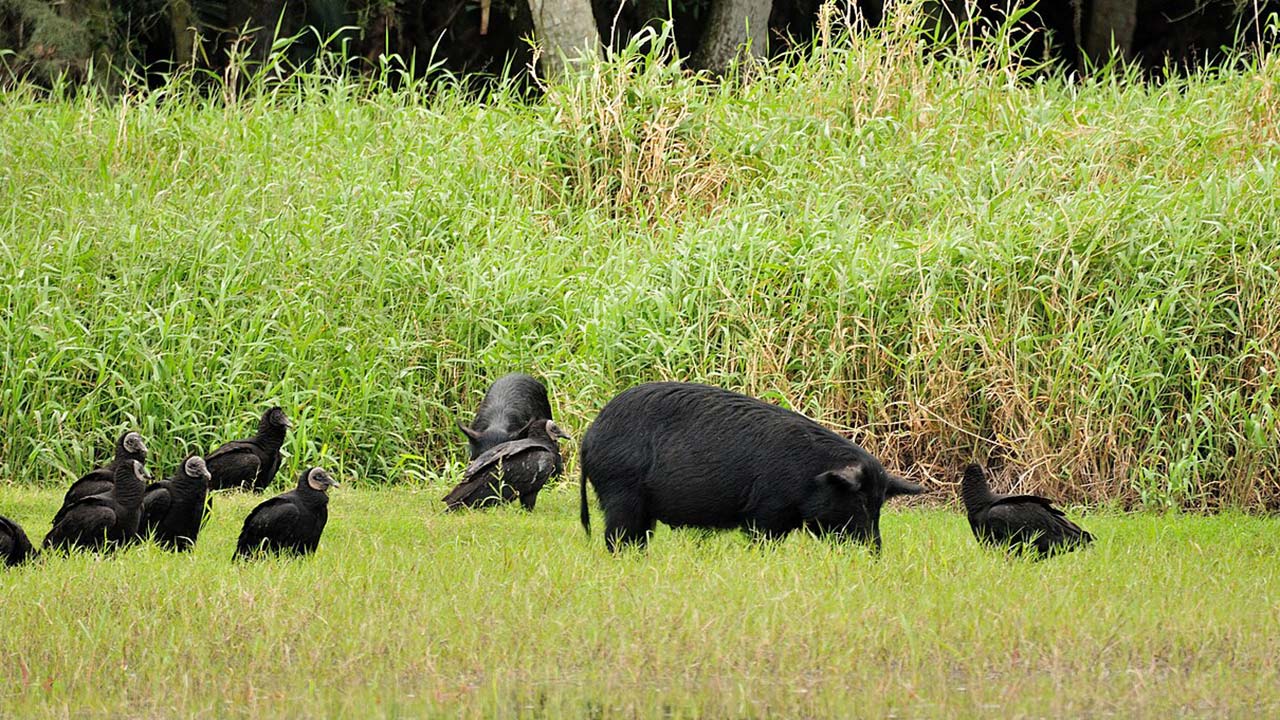
Louisiana’s wetlands and river corridors are basically hog highways, and that means food plots near bottoms and low ground can get smashed repeatedly. Rooting and wallowing aren’t “side behaviors” here—they’re central to how hogs live, especially because they struggle to cool themselves and often concentrate near water sources. That’s why plots near water can look like a demolition site overnight: the hogs are feeding and cooling off in the same area. If you’ve got repeated hits, watch for the pattern most hunters miss—hog damage often starts in the softest, wettest portion of the plot and creeps outward. That tells you where to focus cameras, traps, and pressure first.
7) Arkansas

Arkansas has hogs in enough places that hunters and land managers treat them as a constant background problem—especially in bottomland hardwoods and ag-adjacent areas. Food plots here get cratered when hogs start using them as a nightly routine: stage in cover, hit the plot after dark, then slide back into thick stuff before daylight. Once that routine forms, casual hunting pressure usually doesn’t stop it. The practical angle is that hogs are a “group problem.” If you don’t remove enough of the sounder, the survivors stay educated and keep doing damage. That’s why USDA APHIS and partners emphasize integrated approaches—trapping, targeted removal, and coordinated efforts—rather than single-method wishful thinking.
8) Oklahoma

Oklahoma’s hog problem is serious enough that it consistently shows up in national distribution tracking and management efforts. Food plots in Oklahoma can get hit hard on the edges of pasture country and creek systems where hogs can travel under cover. The “craters overnight” situation usually happens when a sounder finds a plot that’s easy to dig—soft soil, irrigated areas, or spots with natural moisture. The more your plot stays damp, the more it holds scent and the easier it is for hogs to root deep for tubers and invertebrates. If you’re planting for deer, it stings twice: you lose the planting, and you often lose the deer use because the plot turns into churned mud. If you’re seeing repeat hits, treat it like access control plus population control—not one or the other.
9) Tennessee

Tennessee is one of the states where hogs can show up as both established populations and emerging issues depending on region, and that uncertainty is exactly why the damage feels sudden in some counties. Food plots get targeted because they’re concentrated, predictable groceries. When hogs find one, they often hit it at night, and by morning it looks like someone dragged a rake through it—except the soil is flipped in chunks and the edges are torn up where they started. Tennessee is also a state where public lands, private lands, and mixed ownership can make consistent management tough, so a property can get hammered even if the neighbor isn’t doing anything about hogs. The fix usually starts with getting aggressive early—once hogs “own” a route, they’re harder to push off it.
10) North Carolina

North Carolina is on USDA APHIS’ radar in feral swine discussions, and the habitat—coastal plain, river bottoms, thick cover—makes it easy for hogs to stay hidden until you see the damage. Food plots in NC often get hit where there’s nearby water and cover, because hogs like to feed and then bed close. Rooting damage isn’t just ugly—it can change drainage in the plot, create low spots that hold water, and set you up for replant failures. If you’re getting cratered repeatedly, use the sign hogs leave behind: trails through briars, tracks in wet crossings, and fresh rubs after wallowing. That sign tells you the exact travel line the sounder is using, which is more useful than guessing and sitting over the plot hoping to “catch them once.”
11) South Carolina

South Carolina’s coastal and river systems are ideal for hog movement, and that’s why plot damage can show up even when you don’t “see hogs” often. Hogs are mostly nocturnal around pressure, so you tend to notice them by the wreckage, not by sightings. A sounder can turn a carefully planted plot into churned mud by focusing on the most nutrient-dense parts first—new growth, seed zones, and soft margins. If you’re trying to protect plots, the biggest lesson is that hogs are drawn to predictability. When you plant the same spot the same way every season, hogs can pattern you just like you try to pattern deer. Rotating planting timing, tightening access, and hitting them hard when sign is fresh can keep them from turning your plot into their nightly schedule.
12) Missouri

Missouri has been a major battleground state for feral hog management in recent years, and it’s the kind of place where plot damage can feel like it comes out of nowhere—then it becomes a regular nightmare if it isn’t addressed. Food plots near timber and creek lines are the classic targets, because hogs can move in cover and avoid roads and open ground in daylight. When they hit, they don’t just nibble—rooting behavior is a full-on digging operation that can wreck seed, uproot plants, and create ruts that last the whole season. The good news is that in states pushing hard on elimination and containment, reporting and rapid response matter more than people realize. The earlier a new group gets hit, the less likely it becomes a permanent problem on your farm.
13) Arkansas’ neighbor problem states (Kentucky)

Kentucky is one of those states where hog presence and impact can be very region-specific, which is exactly why food plot damage catches people off guard. If you’ve got a property that sits near a river corridor, thick creek bottom, or big timber that connects multiple parcels, hogs can appear, feed hard, and vanish back into cover—making it feel like they “teleported in” overnight. Food plots are concentrated calories, and hogs don’t waste time once they locate them. If you’re seeing rooting, focus on movement corridors first: crossings, low spots, and fence gaps. When hogs are new to an area, the biggest win you can get is fast action—because once they start reproducing locally, the damage becomes a yearly expectation instead of a one-off headache.
14) California

California isn’t “hog-free West.” Wild pigs are established in parts of the state, and the mix of oak country (acorns), brush, and ag edges makes it easy for them to cause real damage where they overlap with planted plots and small farms. When hogs key on a plot, they’ll often hit it hardest after a rain when rooting is easiest and scent is strongest. The crater look comes from them digging for roots, bulbs, grubs, and anything edible in the soil—not just grazing on greens. If you’re running plots in California pig country, assume you’re competing with an animal that’s smart, tough, and quick to learn patterns. That means cameras on entry routes and a willingness to shift tactics instead of repeating what “should” work in theory.
15) Hawaii

Hawaii is a different world, but the same hog behavior applies: rooting and wallowing can wreck vegetation and sensitive habitat, and it absolutely translates into torn-up plantings where pigs are active. In fact, the National Park Service has treated feral swine as a serious invasive issue, and recent reporting around new management frameworks underscores how destructive pigs can be in protected areas—now scale that down to a food plot or garden-style planting and you get the same “destroyed overnight” story. If you’re planting anything in pig country in Hawaii, exclusion fencing (done right) tends to be the only thing that consistently protects an area, because pigs will keep returning once they’ve learned a spot is an easy meal. The sign is usually unmistakable: torn soil, muddy wallows, and trails punched through thick cover leading right to the damage.
Like The Avid Outdoorsman’s content? Subscribe to our newsletter so you never miss an article.
Here’s more from us: