Photo credit: USFWS Mountain-Prairie, Public Domain/Wiki Commo
Crappie are one of those fish a lot of hunters and anglers grow up around, which is probably why people underestimate them. They get treated like simple panfish, easy spring fun, something you catch around brush piles with kids or fill a cooler with when the timing is right. But the more you look at them, the more you realize crappie are weird in all the ways that make a fish interesting. They are moody, highly pattern-driven, prone to boom-and-bust year classes, and a whole lot less predictable than people act like they are.
They also are not just one thing. Black crappie and white crappie overlap in plenty of places, but they do not always use the same water the same way. Spawning, schooling, growth, and even how a lake’s crappie population looks from year to year can surprise people who think they already know the species. If you have only thought of them as fish fry material, there is a lot more going on under the surface than most folks realize.
Crappie are actually two different species, not just two color phases

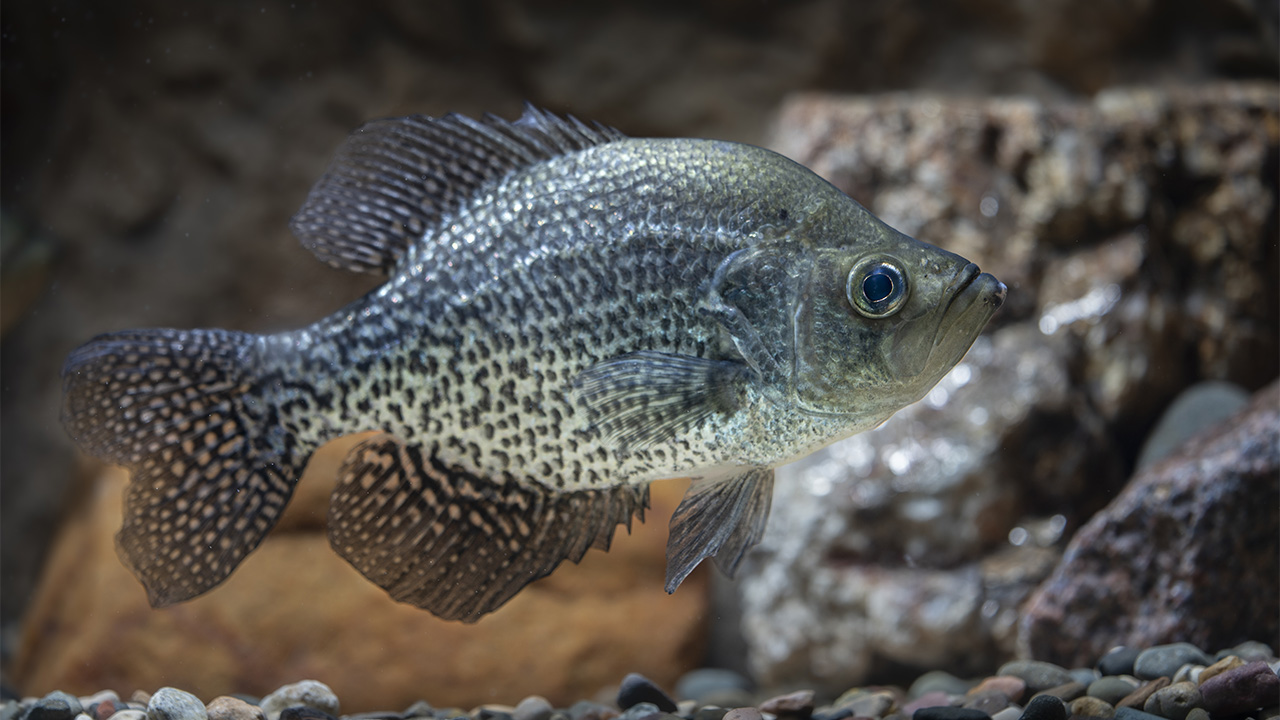
A lot of people talk about black crappie and white crappie like one is just a darker version of the other. That is not how it works. They are two separate species: black crappie, Pomoxis nigromaculatus, and white crappie, Pomoxis annularis. You can usually tell them apart by the markings and fin spines. Black crappie tend to have a scattered speckled pattern, while white crappie usually show more vertical barring. Black crappie also usually have more dorsal spines than white crappie.
That matters because the two species do not always behave the same way. In a mixed fishery, you may catch both in the same general area, but not necessarily in the same exact cover or water clarity. A lot of anglers assume they are dealing with one population that just looks a little different from fish to fish. In reality, the lake may be holding two closely related fish that respond to habitat and conditions in noticeably different ways. That helps explain why a “crappie pattern” sometimes falls apart when one species dominates the water you are on.
White crappie usually handle dirtier water better than black crappie
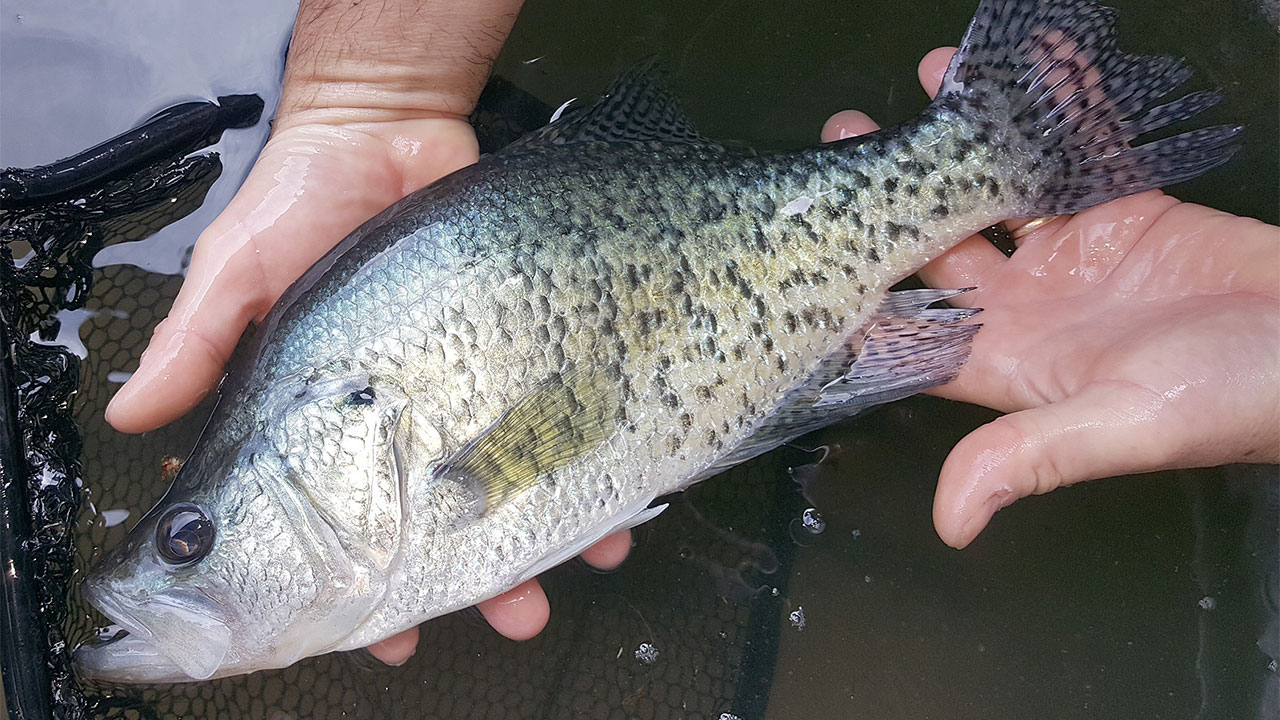
This one surprises people who mostly fish clear reservoirs and farm ponds. White crappie are generally more associated with warm, turbid water, river backwaters, and low-velocity areas, while black crappie tend to do better in clearer water with more vegetation. That does not mean white crappie cannot thrive in clear water or black crappie never show up in stained water, but as a broad rule, that split is real.
That habitat difference explains a lot of what anglers see without always realizing it. The muddy lake that keeps turning out white crappie is not doing that by accident, and the cleaner lake with more black crappie is not either. People sometimes blame bait choice or timing when the bigger issue is that they are fishing a body of water that naturally favors one species over the other. Once you understand that, a lot of “mystery crappie behavior” starts to make a whole lot more sense.
Male crappie build and guard the nests
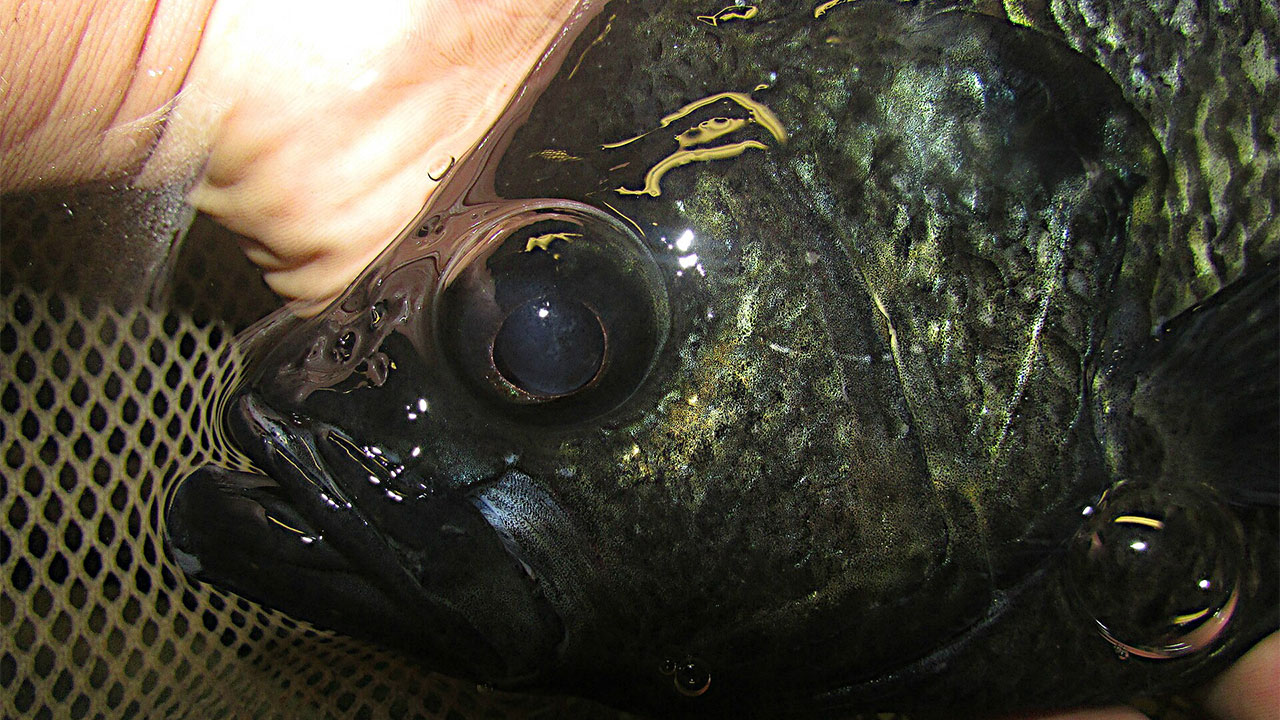
Crappie spawning is not just a random egg dump in the shallows. Males build nests, often in colonies, and then guard those nests once the eggs are laid. Minnesota’s DNR says crappie spawn in water up to about 6 feet deep, with males building and guarding nests in colonies. Missouri’s black crappie profile also notes that females may spawn with several males and can produce eggs multiple times during the spawning period.
That is one reason spring crappie can get so locked into very specific cover, bank angles, and water temperatures. You are not just looking for fish that happen to be shallow. You are looking at a whole spawning system with males doing real work to protect a site. It also explains why one little stretch of shoreline can suddenly light up while another area that looks good stays dead. Nesting fish get location-specific in a hurry, and when they lock in, they can make a spot seem way better than the rest of the lake.
Big female crappie can produce a huge number of eggs
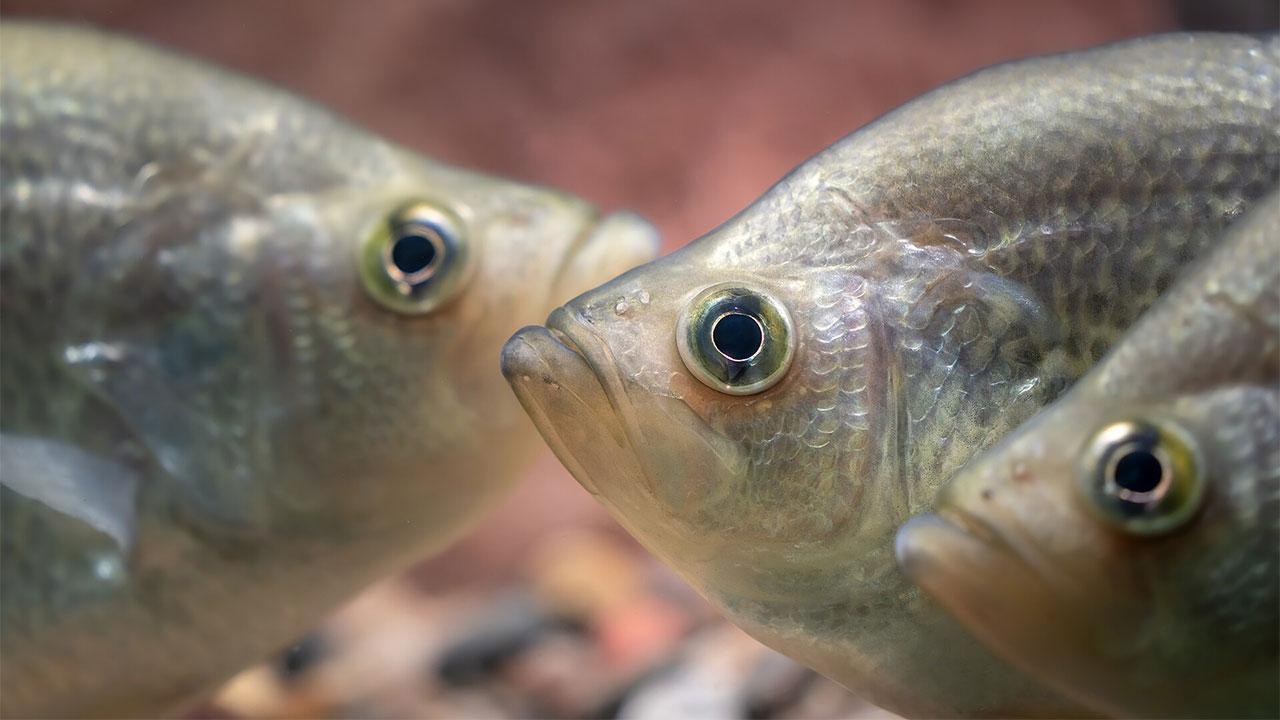
Crappie may not look like much compared to a giant catfish or striper, but they make up for it in sheer reproductive output. Minnesota says a large female may produce well over 100,000 eggs. That is a big reason crappie populations can swing so hard when conditions line up for a strong year class.
The flip side is that those huge hatches do not always lead to a bunch of quality fish. In fact, heavy recruitment can create crowding and stunting if too many fish survive in a system that cannot support strong growth across the board. So when anglers talk about a lake being “loaded with little crappie,” that is not always a sign of healthy balance. Sometimes it is the result of crappie doing exactly what they are built to do—reproduce like crazy—without the lake having enough room or groceries to let many of them grow into slabs.
Crappie are famous for stunting
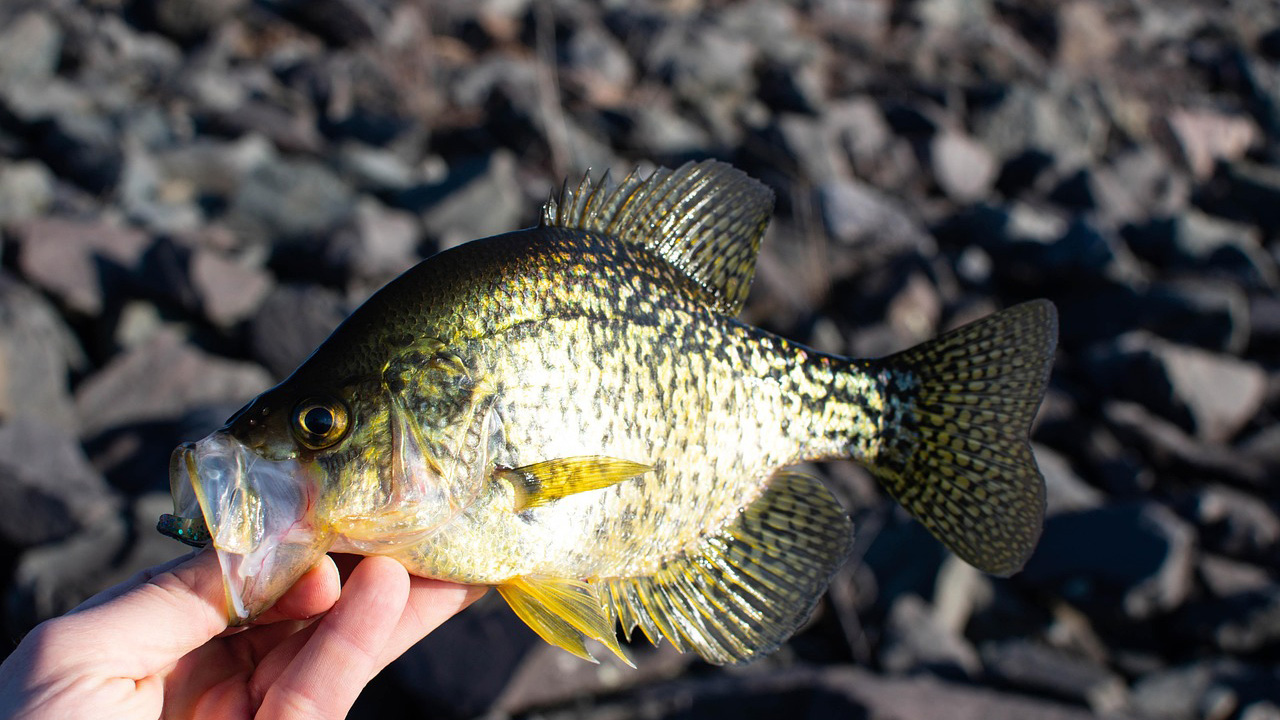
A lot of fish can run small in a poor system, but crappie are especially known for it. Minnesota’s DNR plainly says crappie are prone to stunting and that a strong year class often dominates a lake, making the fish seem like they are all about the same size. That is why some lakes produce piles of 7- to 9-inch fish and never seem to kick out many truly good ones.
That can be frustrating for anglers who assume more bites should eventually mean more big fish. With crappie, it often means the opposite. A waterbody can be full of them and still not fish “big.” This is part of why good crappie lakes earn their reputation and keep it. When you find a place consistently producing thick, older fish, that lake is doing something right in terms of balance, forage, harvest, or habitat. Plenty of lakes have crappie. Fewer have the ingredients to keep them from getting stuck in that undersized rut.
Black crappie are often heavier than white crappie at the same length
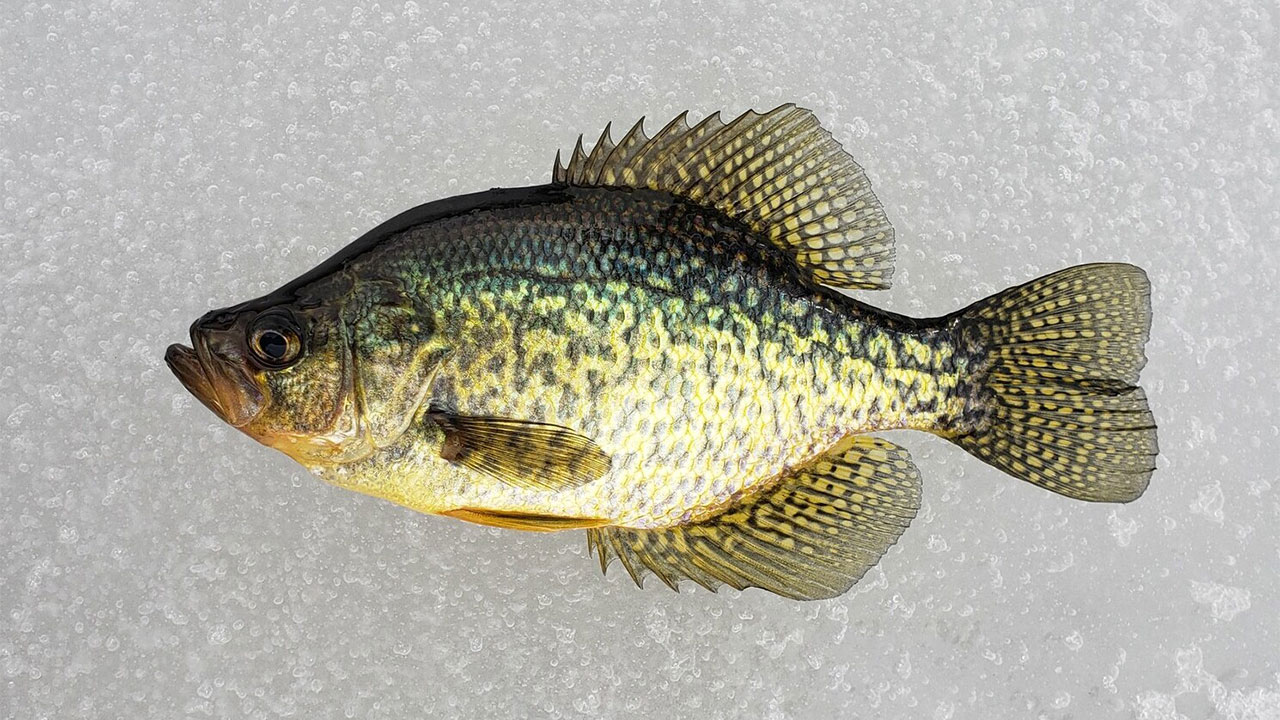
This is one of those little facts that matters more than people think. Missouri’s black crappie profile notes that black crappie grow more slowly in length than white crappie but are generally heavier at a given length. That helps explain why some black crappie look especially thick and slabby even when they are not obviously longer than the white crappie you catch elsewhere.
It also explains why anglers sometimes overestimate a fish on the water and underestimate it on the measuring board. A shorter black crappie can feel and look like a better fish because it is built thicker through the body. That body shape is part of what gives crappie their “paper mouth, slab side” reputation in the first place. You are not imagining it when one species seems to have a little more heft in the hand. In many cases, it actually does.
Crappie often school, and they can feed especially well early in the day
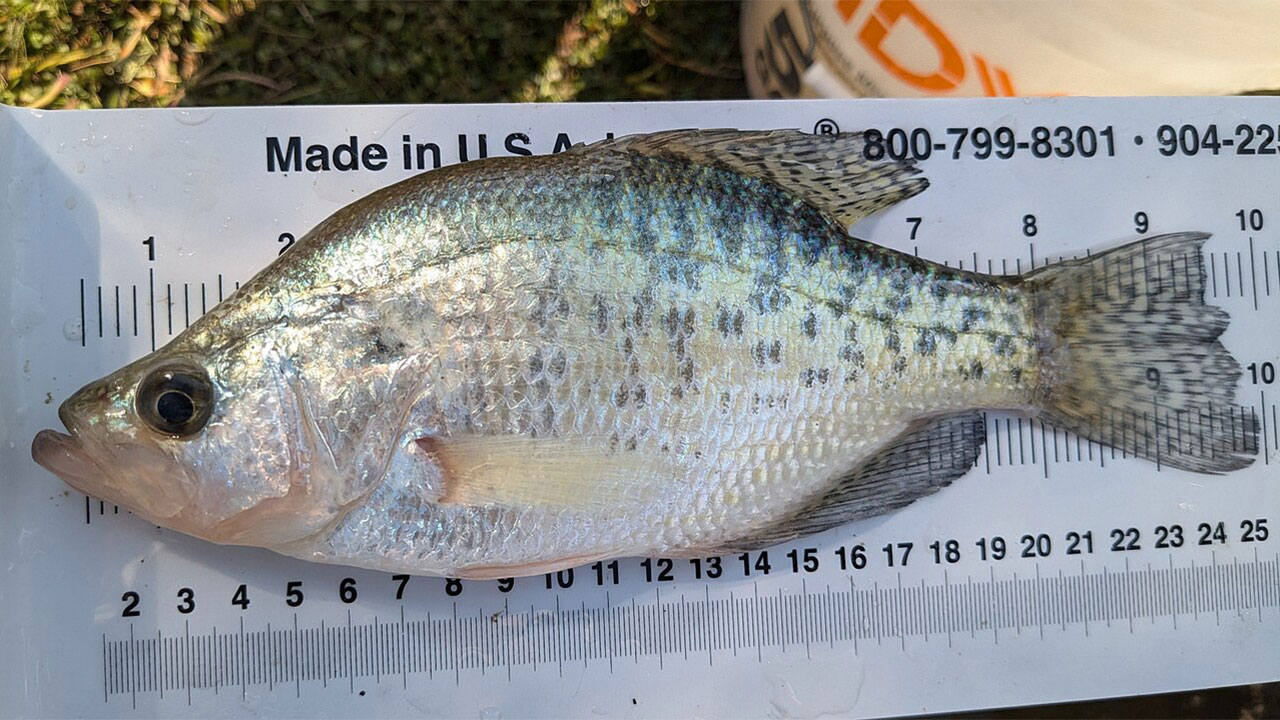
Crappie are not always lone fish tucked into one piece of cover. The U.S. Fish and Wildlife Service notes that black crappie often form schools and feed early in the morning. That lines up with what a lot of anglers already know from experience: when you find one good crappie, you had better keep working the area carefully, because there may be a whole pile of fish using the same general space.
This schooling habit is one reason crappie fishing can swing from dead to excellent in a matter of minutes. You may look bad for an hour and then suddenly land on the fish. It is also why crappie fishing teaches patience in a different way than bass fishing does. You are often hunting for a group, not trying to trigger one fish. Once you hit the right depth band, brush, dock line, or break, the whole deal can change fast. That is part of what keeps people hooked on them.
Crappie do not always live very long
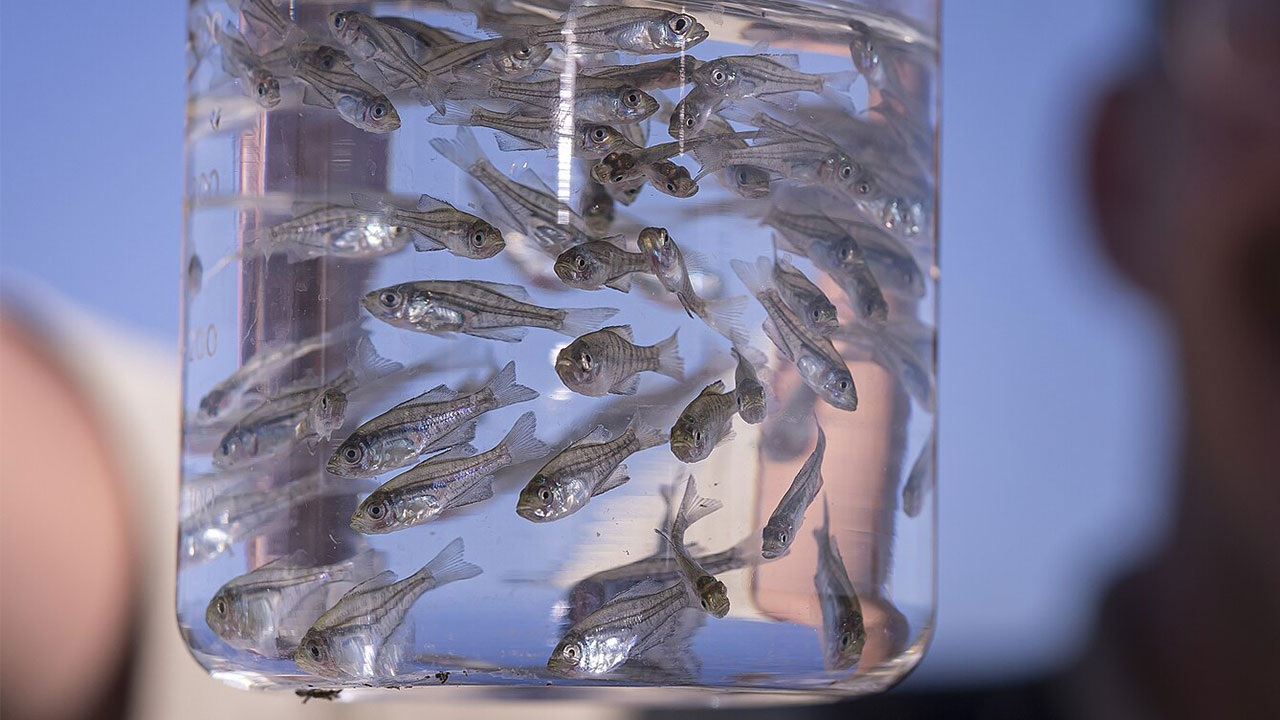
People sometimes assume panfish live a long time because they seem so common. But crappie life spans are not especially impressive. Missouri says black crappie usually live about 4 years, though they can occasionally reach 8 years or more. Older fisheries references and angling summaries also note that truly old crappie are not the norm.
That short life helps explain why crappie populations can feel so year-class driven. One or two good spawns can shape a fishery fast, and a few poor ones can change it just as fast. It also means a genuinely big crappie is not just a fish that ate well. It is often a fish that threaded the needle through predation, harvest, and fluctuating conditions long enough to get there. That is one reason serious crappie anglers appreciate large fish so much. A good one has already beaten the odds more than a lot of people realize.
A crappie lake can look loaded and still fish inconsistently
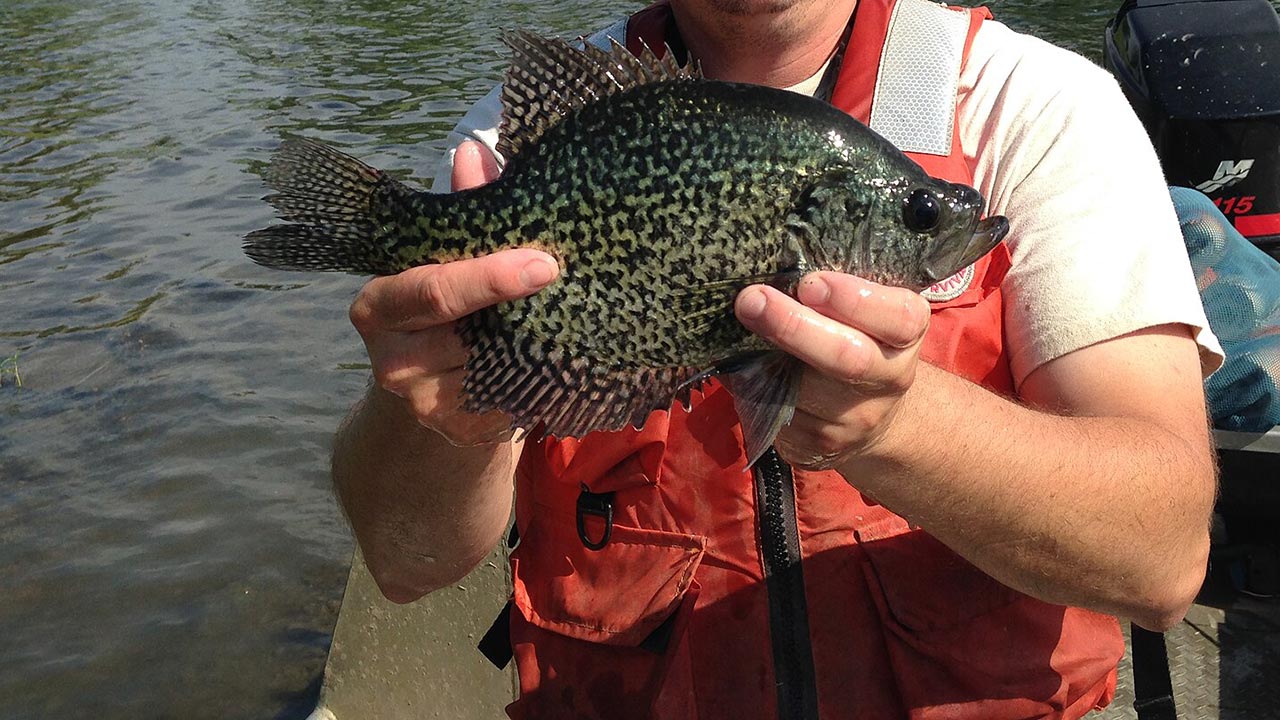
This goes back to schooling, year classes, and how crappie relate to cover. Because a strong year class can dominate a lake, anglers may mark or catch plenty of fish but still struggle for size, consistency, or a clean pattern. Minnesota’s DNR specifically points out that strong year classes can make crappie populations appear very uniform in size.
That means the lake that looks amazing on a graph or seems full of fish around docks is not automatically a high-quality fishery. Crappie can pile into a place visually and still leave anglers disappointed if most of those fish are from the same crowded class. This is one reason old-school local knowledge matters so much in crappie fishing. The guy who knows which reservoir has numbers and which one actually grows better fish is working from years of watching those swings play out, not just one hot spring bite.
Crappie are native in big areas of the U.S., but they have also been widely introduced
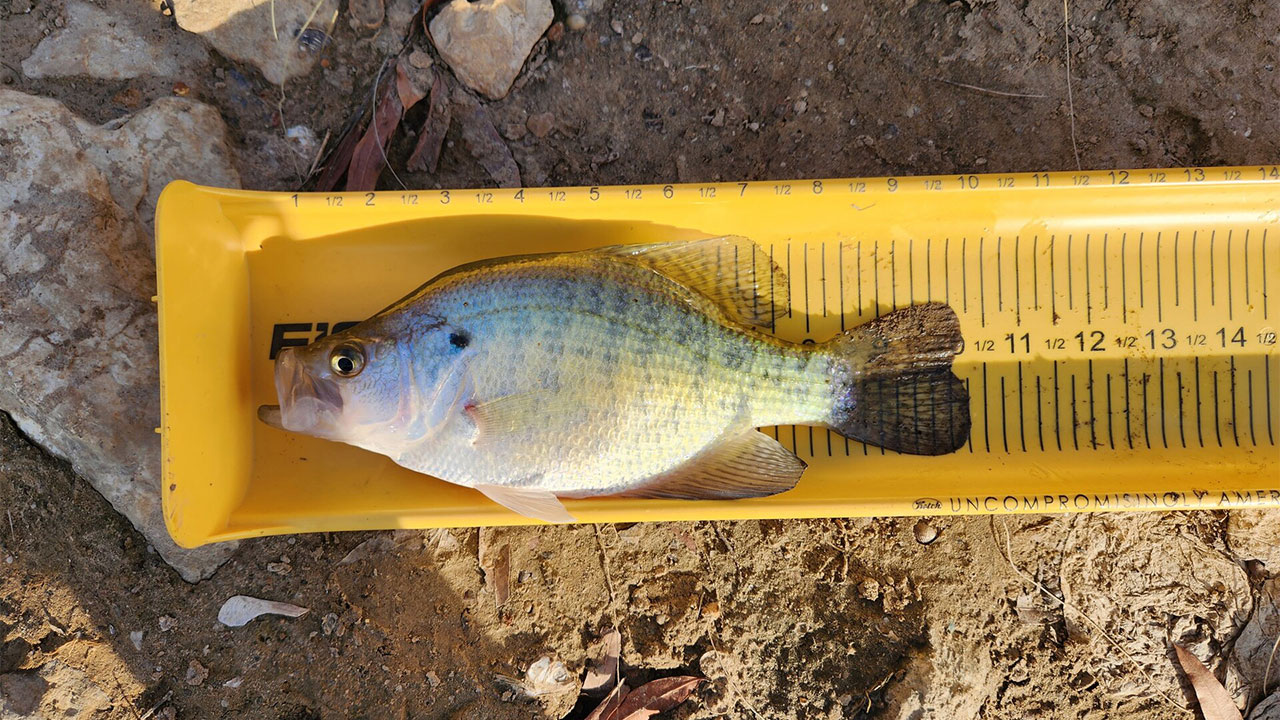
A lot of anglers think of crappie as simply “American panfish,” full stop. That is true in a broad sense, but both species have also been moved around a lot. Texas Parks and Wildlife says black crappie populations can now be found in all 48 contiguous states, and white crappie have been spread widely as well. The Florida Museum also notes that black crappie have had their original range expanded through stocking.
That is part of why crappie show up in so many conversations across regions that fish very differently. A guy in Texas, Missouri, or North Carolina may all be talking about “crappie,” but the habitat, species mix, and fishery history behind that conversation may be very different. It also means crappie are not always neutral additions. In places where they are outside their native range, they can affect native fish communities and prey on young fish in systems that did not evolve around them.
Crappie can become a real problem outside their native setup
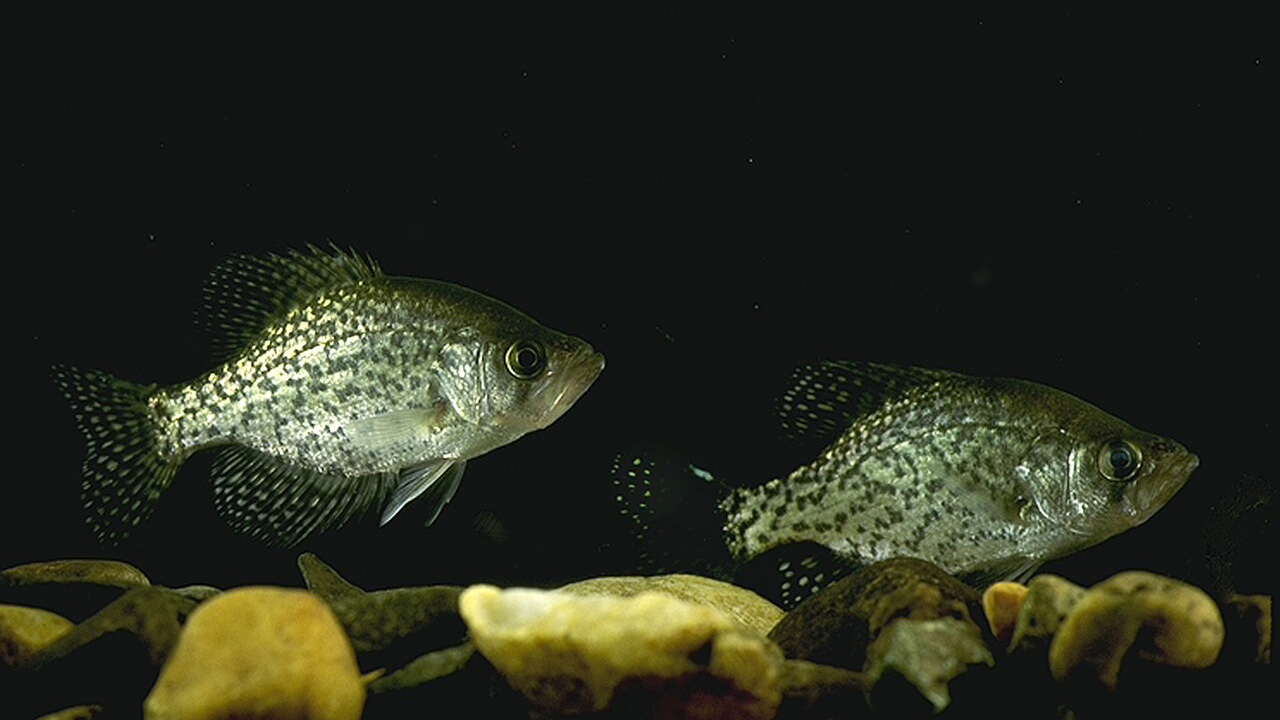
Because they are such popular sport fish, people sometimes forget that introduced crappie are not automatically harmless. The USGS species profile for black crappie says they prey on threatened and endangered juvenile salmon in parts of the Northwest and may contribute to native prey declines in some systems.
That does not mean crappie are villains everywhere they swim, but it does remind people that a favorite game fish can still be a management headache in the wrong place. Hunters understand this idea with feral hogs, exotic deer, and predator shifts all the time. Fish are no different. A species that is fun to catch and excellent on the table can still create real biological trouble if it gets stocked or spreads into water where it does not belong. That is one reason fish managers do not just look at popularity. They have to look at impact.
The spring bite is not the whole story
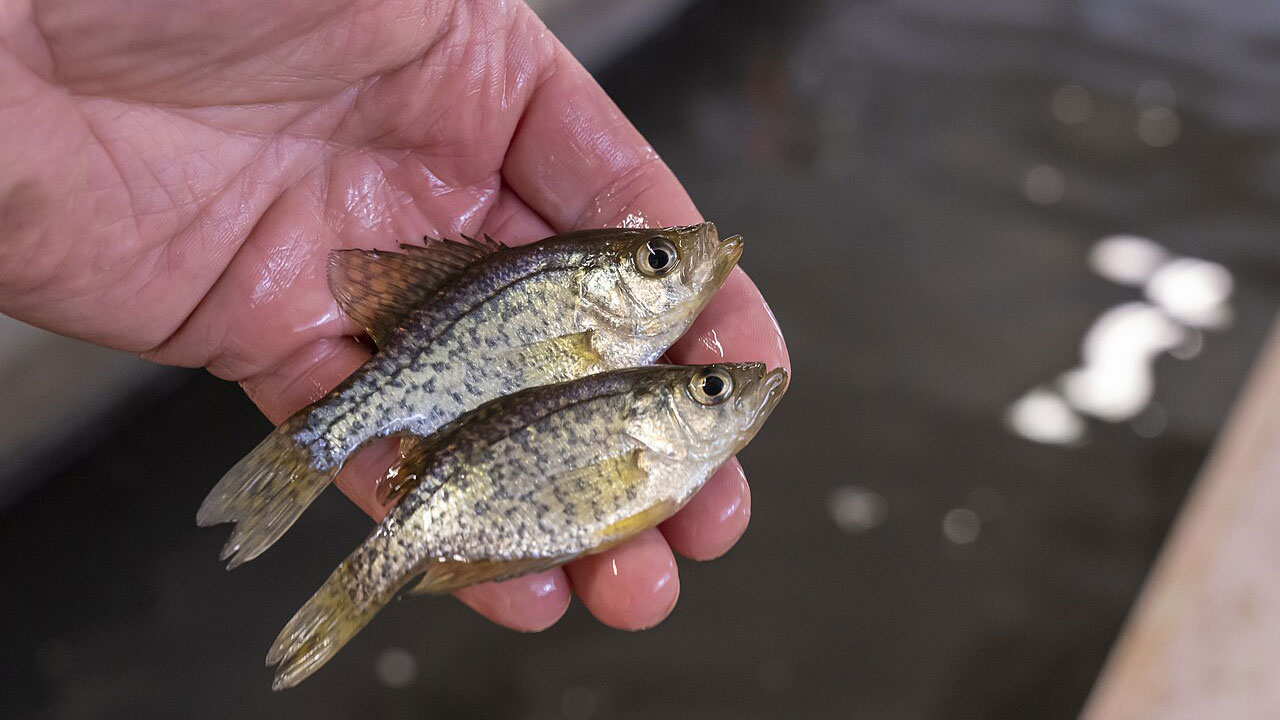
Crappie get linked so hard to the spawn that people sometimes act like they only matter when they are shallow. The spawn absolutely matters, but crappie behavior shifts a lot before and after it. Research and agency summaries note that crappie use deeper water outside the spawn, and even black and white crappie can differ in how they move away from spawning areas.
That is why the best crappie anglers are usually not just “spring guys.” They understand seasonal movement, depth changes, and what happens once fish leave those obvious shoreline zones. A lot of folks quit paying attention after the bank bite fades and miss some of the better opportunities to catch quality fish later. Crappie may be easiest for casual anglers in spring, but they are not only interesting then. In a lot of waters, the post-spawn and deeper patterns separate serious anglers from the folks who only show up when everybody can see them shallow.
Crappie maturity comes early
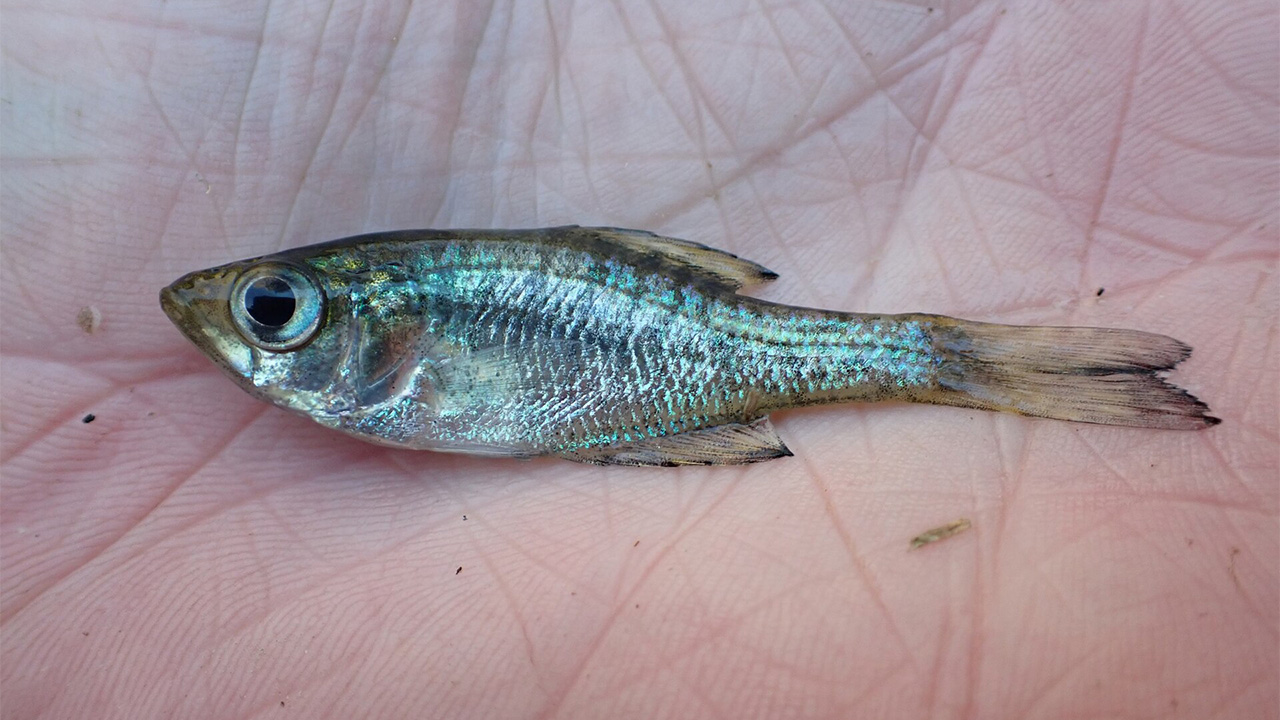
Minnesota’s DNR says crappie mature early, which is part of why they can build strong year classes quickly when conditions favor them. Early maturity is one of those traits that helps make them resilient in some lakes and frustrating in others. They do not need a long runway to start replenishing the population.
That sounds like a good thing, and sometimes it is. But early maturity paired with high egg production is also what can lead to crowding. In a fertile lake with enough survival, crappie can load the system up on themselves in a hurry. That is part of why management can be tricky. A species that replenishes fast gives anglers opportunity, but it can also tip into overabundance and mediocre size structure faster than people expect. That is a pretty crappie-specific headache, and it is why some waters stay exciting while others become factories for small fish.
Crappie are more cover-oriented than a lot of people realize
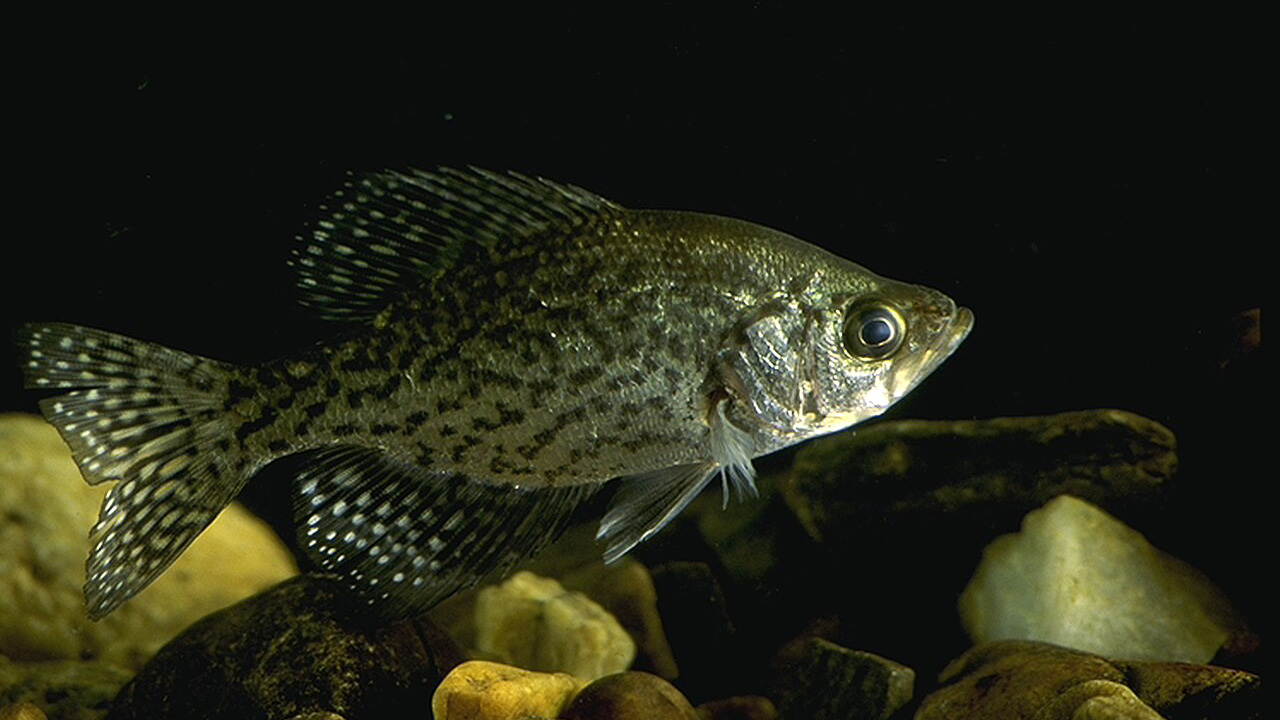
Everybody knows brush piles are good, but crappie are not just random structure fish. Black crappie in particular are commonly associated with aquatic vegetation, quiet water, and soft-bottom habitat, while broader crappie habitat descriptions repeatedly mention brush, vegetation, and similar cover.
This matters because people sometimes fish “for crappie” too generally. They work open water banks, broad flats, or featureless shoreline and then wonder why the fish seem absent. Crappie can be roamers at times, but a lot of their best holding behavior still revolves around something—wood, weeds, docks, standing timber, a channel edge, a pile of brush, or a protected spawning pocket. Once you stop thinking of them as generic panfish and start thinking of them as cover-driven fish with strong seasonal habits, they get a lot less random.
Crappie are common, but a truly big one is still a special fish
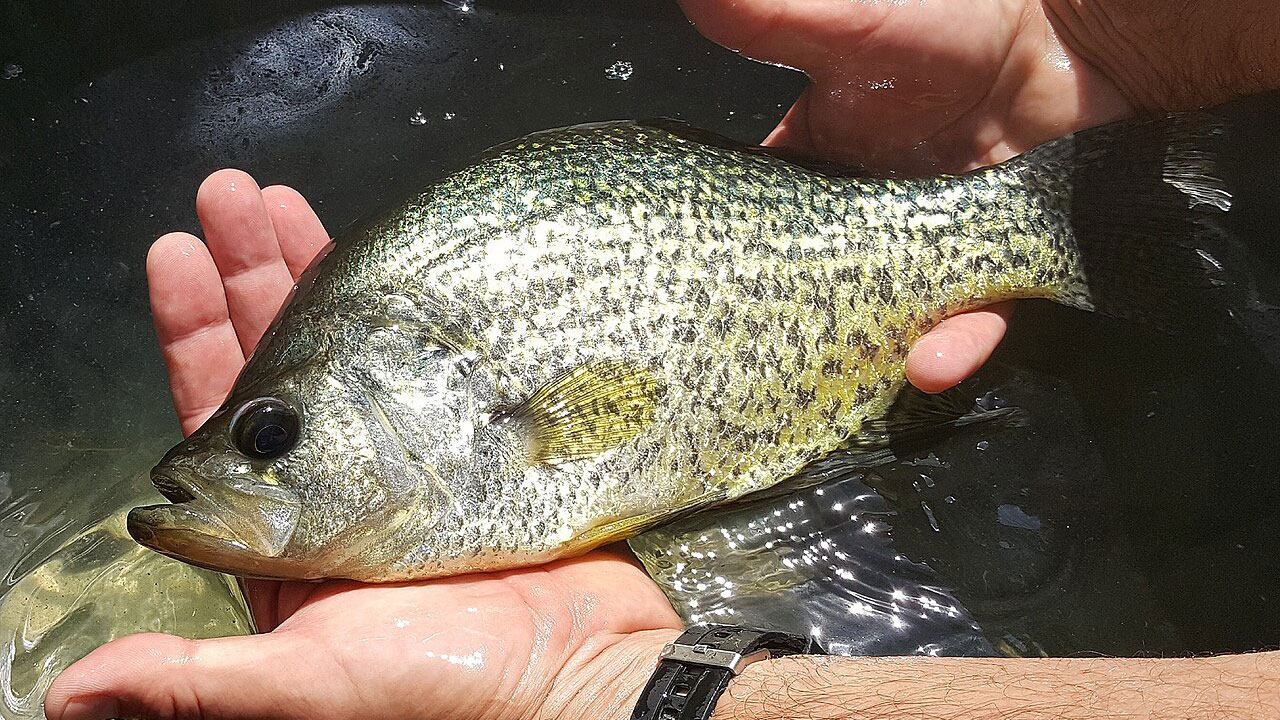
Because crappie are widespread and popular, people sometimes lump them into that “easy fish” category. But a genuinely big crappie is still a standout fish. Growth, short life span, harvest pressure, and year-class competition all work against fish reaching that upper end. Even older angler references that summarize long-lived or record-class fish make clear those outliers are unusual, not normal.
That is why serious crappie fishermen get so fired up over a true slab. It is not just that the fish looks impressive in a photo. It represents a system that let it grow, a fish that survived, and usually an angler who was paying attention to more than surface-level patterns. Crappie may be one of the most approachable freshwater fish in the country, but the upper end of the species still deserves some respect. There are plenty of lakes with crappie. There are a whole lot fewer with fish that make grown men grin like kids at the cleaning table.
Like The Avid Outdoorsman’s content? Subscribe to our newsletter so you never miss an article.
Here’s more from us: