Photo credit: Ortrun_Lenz/Pixabay.com
A lot of the stuff that hurts hunters isn’t a giant predator crashing through timber. It’s the “normal” critter you don’t take seriously. The one you step around, try to shoo off, grab the wrong way, or let your dog mess with because it “can’t be that bad.” The woods are full of animals that look small, slow, or harmless… right up until they get cornered, feel threatened, or decide you’re in their space. Most of these problems happen at close range, when you’re tired, distracted, or trying to do something quickly.
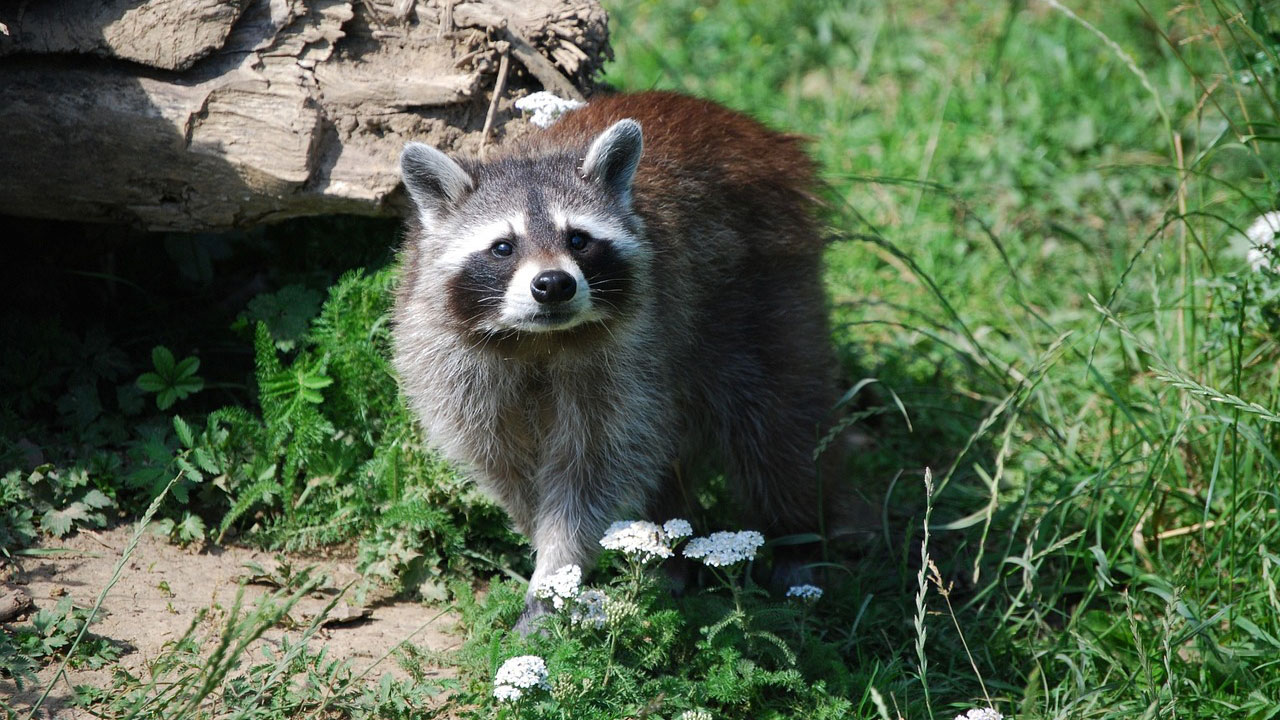
Raccoon

Raccoons look like mischievous trash pandas until they act wrong. A healthy raccoon usually wants out, but a cornered raccoon or a sick raccoon can turn aggressive fast. Hunters run into them around feeders, barns, creek crossings, and nighttime setups, and the danger is simple: teeth at close range, usually aimed at hands and face because that’s what’s closest when you try to handle or shoo one.
The “harmless” illusion breaks when one latches on. Raccoons have strong jaws for their size, and they don’t always let go quickly. Even if the bite itself isn’t catastrophic, the bigger problem is infection and disease risk, plus how quickly a fight with a small animal can turn into a messy scramble.
Opossum

Opossums get treated like goofy little road critters, and most of the time they’re not trying to fight you. But if you corner one under a porch, in a trap, or inside a shed, it can bite and it can bite hard. Hunters and landowners get tagged when they try to grab one, move one, or let a dog “play” with one like it’s harmless.
The danger isn’t just the bite. It’s the lack of control. Opossums thrash, hiss, and clamp down unpredictably, and the injury usually ends up on hands and fingers. And like any wildlife bite, you’re instantly dealing with infection risk and the “what do I do now” headache when you’re far from a clinic.
Armadillo
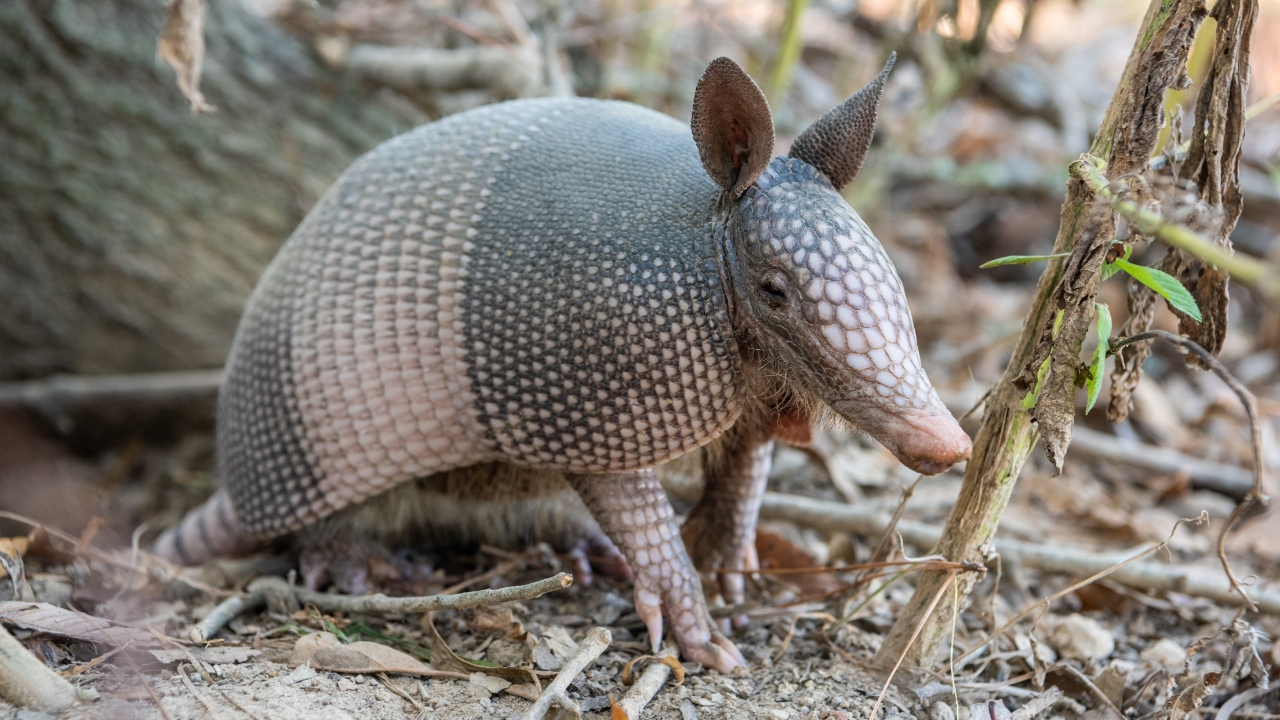
Armadillos look like they’re wearing a helmet and moving in slow motion, so people assume they’re no big deal. The problem is they startle and jump, and that can turn into a face-first fall or a weird injury just from you reacting wrong. Hunters also find them in the same places they walk—edge habitat, brushy trails, ditch lines—so surprise encounters are common.
The bigger issue is handling them. People try to pick them up, move them, or mess with them around property, and that’s where scratches and bites can happen. They’re not a “predator,” but they’re still a wild animal with sharp claws and an unpredictable response when stressed.
Beaver

Beavers look like fat, chill rodents until you realize they have big teeth and a defensive streak when they’re cornered. They can bite with serious force, and they show up in exactly the kind of spots where hunters and anglers end up—creek edges, shallow water, culvert areas. If you stumble on one in tight water or try to push it away, it can come at you fast.
The other issue is they’re heavy and awkward, and people underestimate how quickly a “harmless beaver” situation turns into a waterline scramble. A bite isn’t just painful—it’s deep, and deep bites near water can become infection problems quickly. Hunters remember beaver bites because they don’t feel like something you should even have to worry about.
Porcupine

Porcupines move slow and look like an easy “just shoo it” animal. Then your dog hits it, or you try to move it off a trail, and suddenly you’ve got quills in places quills shouldn’t be. Porcupine problems don’t always look deadly in the moment, but they can become serious fast depending on where the quills end up.
The “harmless” part is the slow movement. People get too close. Dogs get too confident. Quills in the mouth, throat, chest, or eyes can turn into a nightmare. Even after you pull quills, you can still deal with infection and complications if you don’t handle it right. That’s why hunters treat porcupines like a “don’t mess with it” animal.
Skunk

Skunks don’t look like a real threat because they’re not trying to bite you—until a skunk does bite you. Most skunks would rather spray and leave, but a cornered skunk or one acting sick can attack, and the bigger concern with skunks is disease risk. Hunters run into skunks at night near feeders, around camps, and along trails where skunks roam looking for food.
The other danger is what happens after the encounter. A skunk spray incident can ruin gear, ruin a dog, and ruin a camp for days. And if a skunk is behaving strangely, you’re immediately thinking about rabies and exposure protocols. Skunks look “cute” until they force you into a very un-fun set of decisions.
Groundhog

Groundhogs look like chunky, slow yard animals. But a cornered groundhog has teeth, and it can bite hard enough to do real damage. Hunters and landowners get bit when they try to pull one out of a hole, handle one in a trap, or let a dog tangle with one near a den. At close range, those incisors are no joke.
The other issue is how quick they are in a short burst. They can lunge and bite before you even process the movement. A groundhog bite to the hand is the kind of thing that will swell, hurt, and make you regret touching it for a week. They’re harmless if you leave them alone. They’re not harmless if you don’t.
Rabbit

Rabbits look like the definition of harmless, but they can still bite and scratch if you handle them wrong. The bigger “until it isn’t” part, though, is how rabbits tie into other problems hunters run into—ticks, fleas, and disease concerns depending on region and season. A rabbit can look perfectly normal and still carry issues you’d rather not bring home.
Hunters often handle rabbits in the field, clean them, and toss them in game bags. If you’ve got cuts on your hands or you’re not paying attention, “harmless rabbit” can turn into a skin irritation or infection situation fast. It’s not panic talk—it’s just a reminder that wildlife handling has consequences if you get sloppy.
Turtle
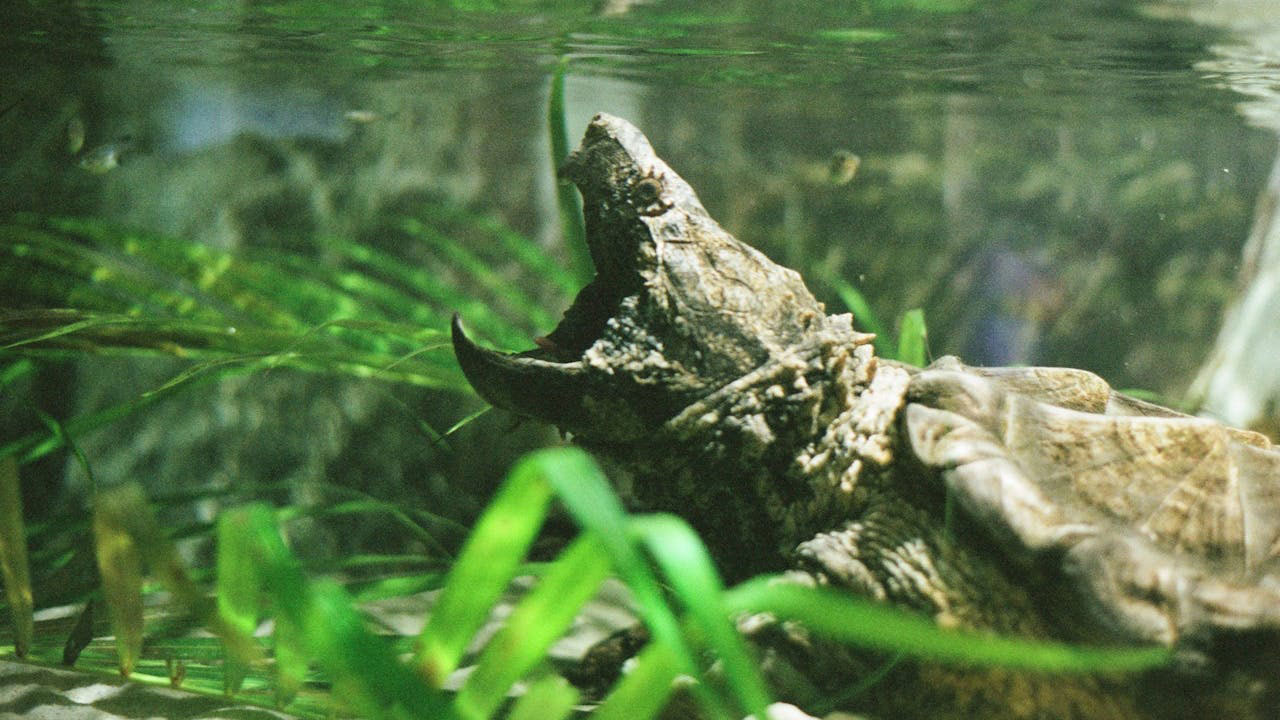
Turtles look slow and safe, and most are. But snapping turtles are a different deal, and even smaller turtles can bite if you pick them up wrong. Hunters run into them in creeks, ponds, marsh edges, and sometimes right on trails. People try to “help” by moving them, then find out real quick that a turtle can reach farther than expected.
A snapping turtle bite isn’t just painful. It can be a real injury, especially to fingers. The harmless illusion comes from the slow movement. But when a turtle decides to defend itself, the speed of that head strike surprises people, and the result is usually a hand injury that makes everything harder for the rest of the day.
Owl
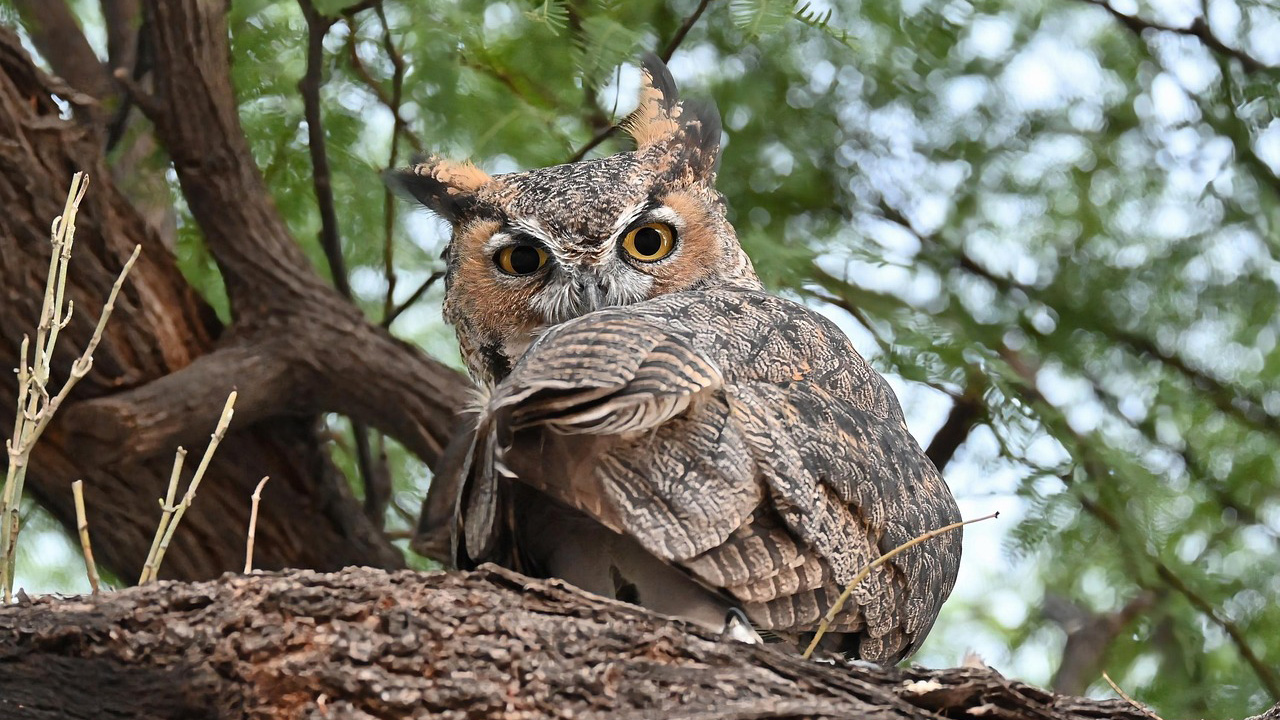
Owls look like nothing more than a cool sighting until they’re defending a nest or seeing your small dog as prey. A big owl can hit your head silently and leave you bleeding before you even know what happened. Hunters walking pre-dawn trails, sitting near trees, or moving through nesting areas can get surprised in a way that feels unreal.
The “harmless” part is that you don’t think of birds as a threat. The “until they aren’t” part is talons. Eyes are a real concern when something strikes from above. Even if it’s not common, it’s common enough that hunters who’ve had it happen talk about it for years, because it felt like an ambush from a direction they weren’t watching.
Goose
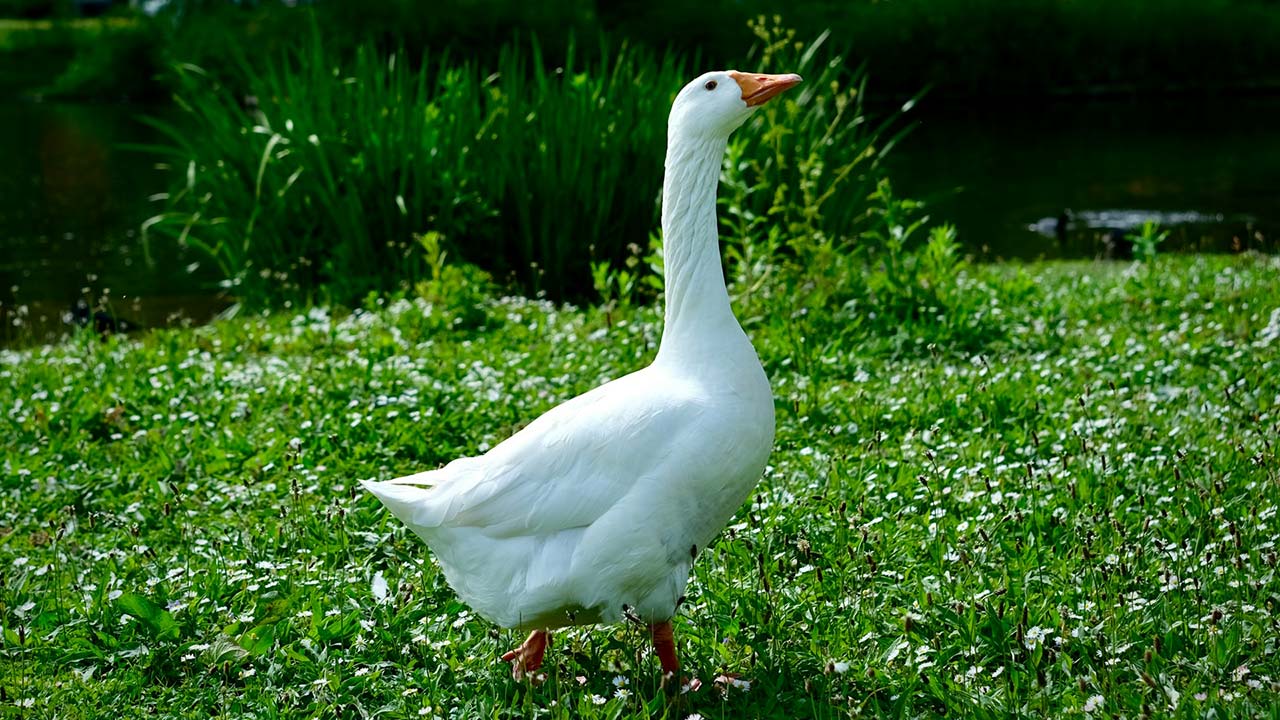
Geese look like barnyard birds until you meet one that’s guarding a nest or a mate. A territorial goose can chase, bite, and wing-slap hard enough to bruise, knock you off balance, or make you trip into something worse. Hunters run into this around ponds, fields, and marsh edges, especially in spring.
The danger isn’t that a goose will kill you. It’s that it can cause you to fall at a bad moment—down a bank, into water, onto rocks, or into a mess of gear. Add a dog into the situation and it can get chaotic fast. That’s when “harmless” turns into “why is this happening to me?”
Deer

Deer look harmless because we see them as prey animals. But a deer at close range can hurt you badly if it panics, especially if it’s a buck with antlers or a doe that thinks it’s trapped. Hunters get hit when they walk up on a deer that isn’t fully down, or they try to drag one in a way that puts them in the wrong position.
The other danger is in the follow-up scramble. A deer can explode out of cover and take you out at knee level or run you over when you’re not expecting it. Most hunters have seen a deer do something wild when it’s scared. That’s the reminder: “prey” doesn’t mean “safe,” especially at bad distance.
Bobcat

Bobcats look like small cats and they often try to avoid people. But a cornered bobcat, a bobcat in a trap, or a bobcat tangled with a dog can be a real fight. They’re fast, they claw hard, and face injuries happen because cats lead with claws and teeth. Hunters who’ve worked cat situations know how quickly “cute cat” becomes “keep your hands away.”
The harmless illusion comes from size. The reality is claws and teeth don’t need a lot of weight behind them to do damage. If you’re dealing with one in close cover, you’re in scratch-and-bite range immediately. That’s why experienced guys treat small cats with respect—because close range is where they can do the most damage.
Badger

Badgers look like small, grumpy ground animals, and that’s exactly what they are—grumpy and willing to fight. A badger will bite hard, and it tends to go for whatever is in front of it, which often means hands and face if a dog is involved or someone tries to handle it. Hunters run into badgers when dogs dig, when traps are set, or when a badger gets cornered near a den.
The “harmless” part is size. The “until it isn’t” part is how committed they are once they decide to fight. Badgers don’t bluff much. They clamp down, they thrash, and they don’t make it easy to end the encounter. You come out of it with a new respect for animals that don’t know they’re supposed to back down.
Stingray
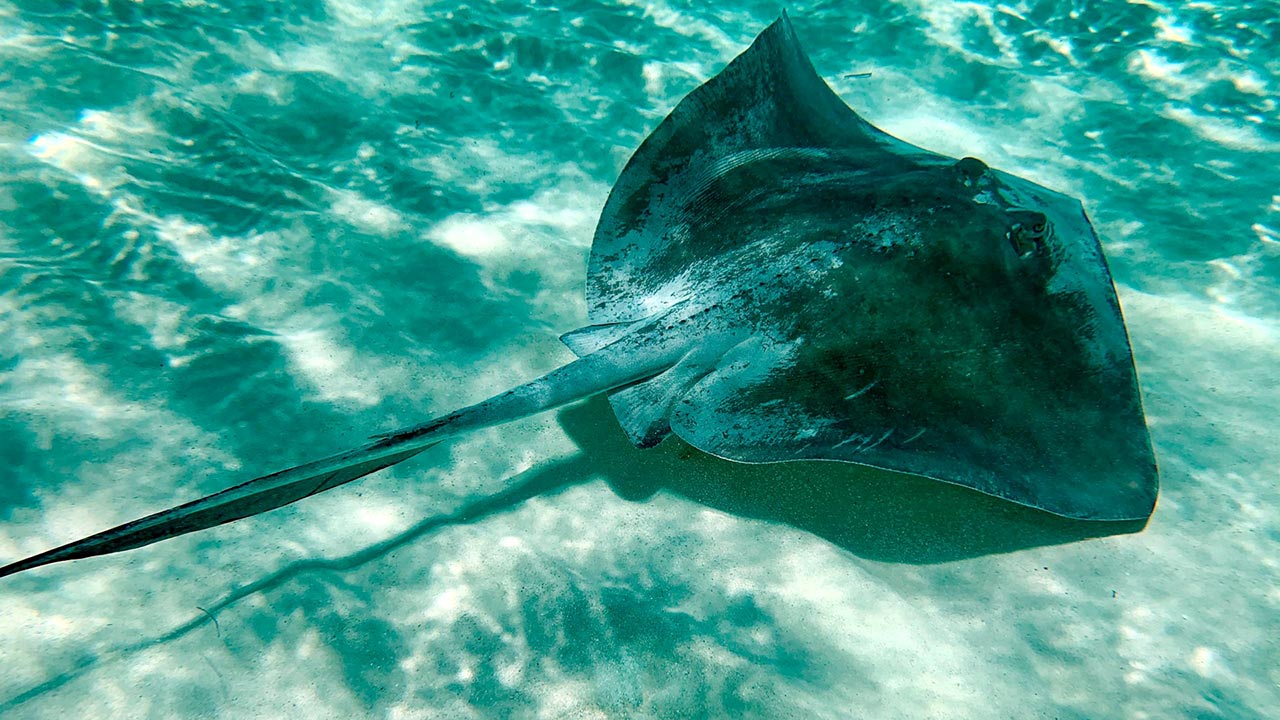
Most hunters don’t think about stingrays as a hunting hazard until they’re wading for ducks or scouting a marshy shoreline. Stingrays blend in, sit tight, and then you step near one and get hit. The pain is immediate and intense, and the puncture can be serious—especially if it’s deep or you can’t get it cleaned quickly.
The harmless illusion is that the water looks calm and empty. The reality is that some of the nastiest “small animal” injuries happen in shallow water where you can’t see your footing. A stingray doesn’t need to be aggressive to hurt you. It just needs you to step in the wrong spot.
Like The Avid Outdoorsman’s content? Subscribe to our newsletter so you never miss an article.
Here’s more from us: