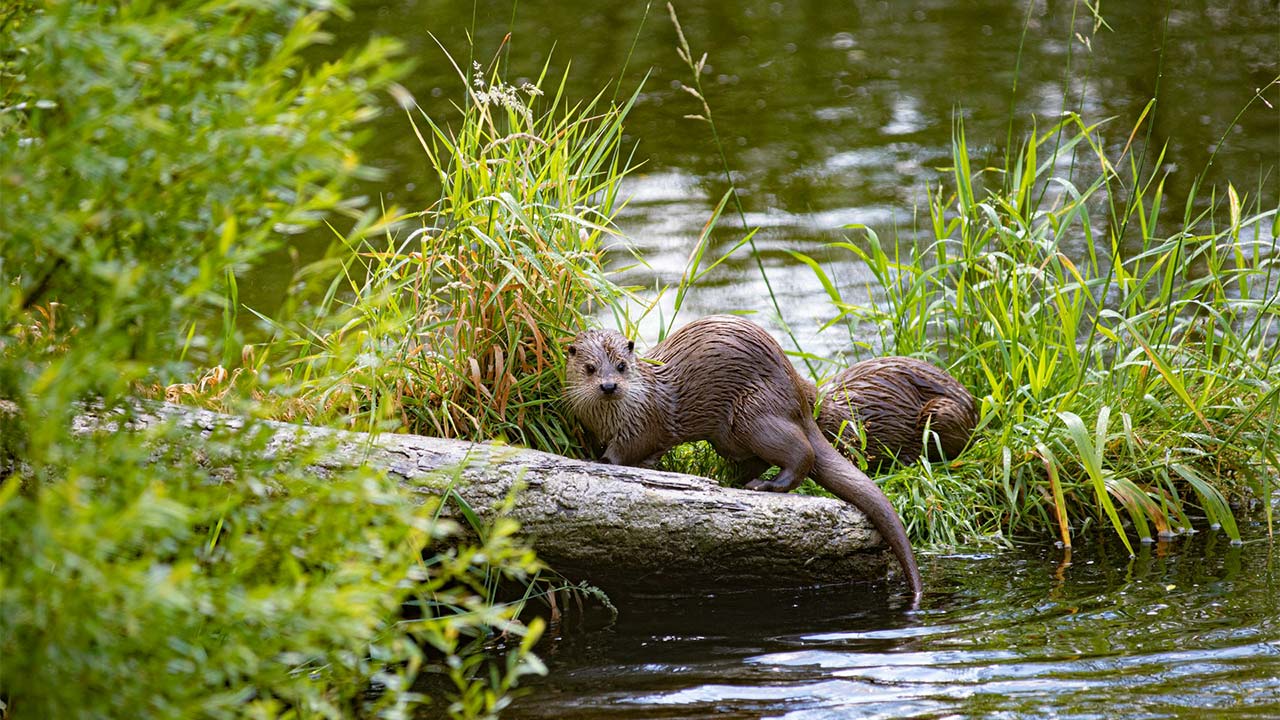
Photo credit: Andreas Schantl/Unsplash.com
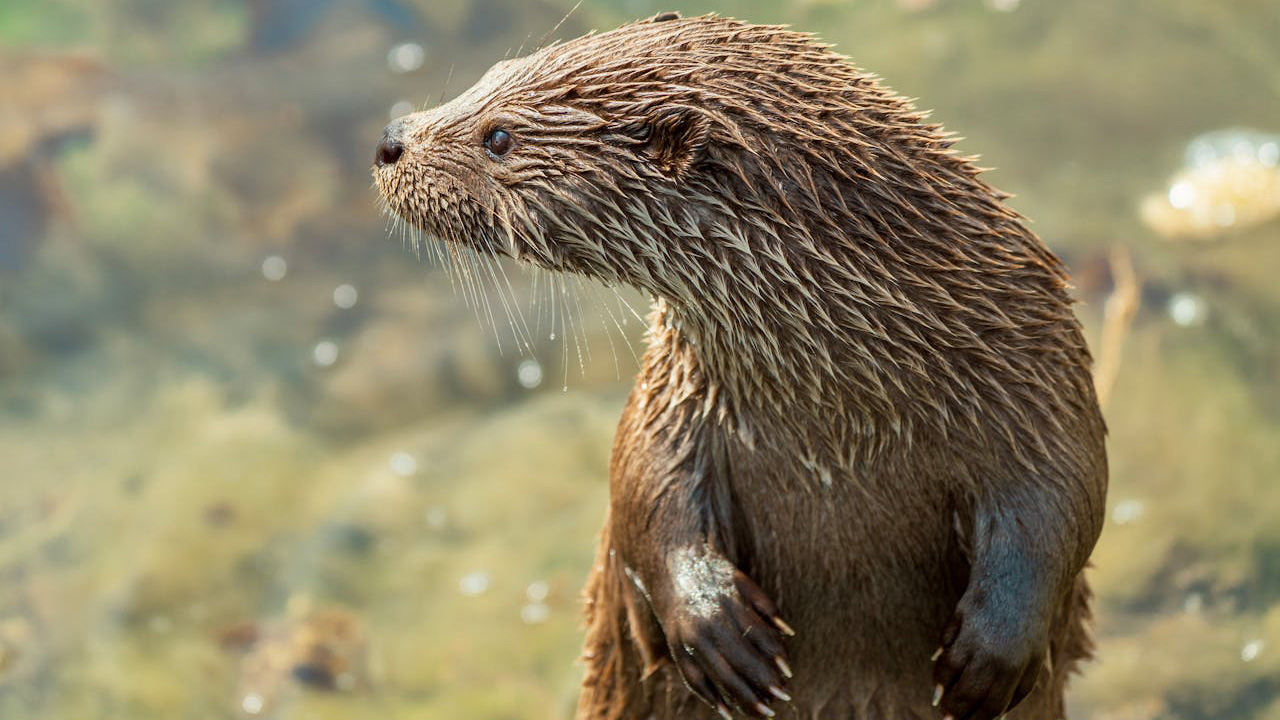
River otters are one of those animals that look like pure fun on the surface… until you realize they’re also tough, efficient predators that live a rough life in cold water. If you’ve ever seen one sliding a bank or popping up with a fish, you’ve already seen the “playful” side. The rest of the story is what makes them so good at surviving and expanding into places people didn’t expect.
1) They can literally seal themselves up underwater
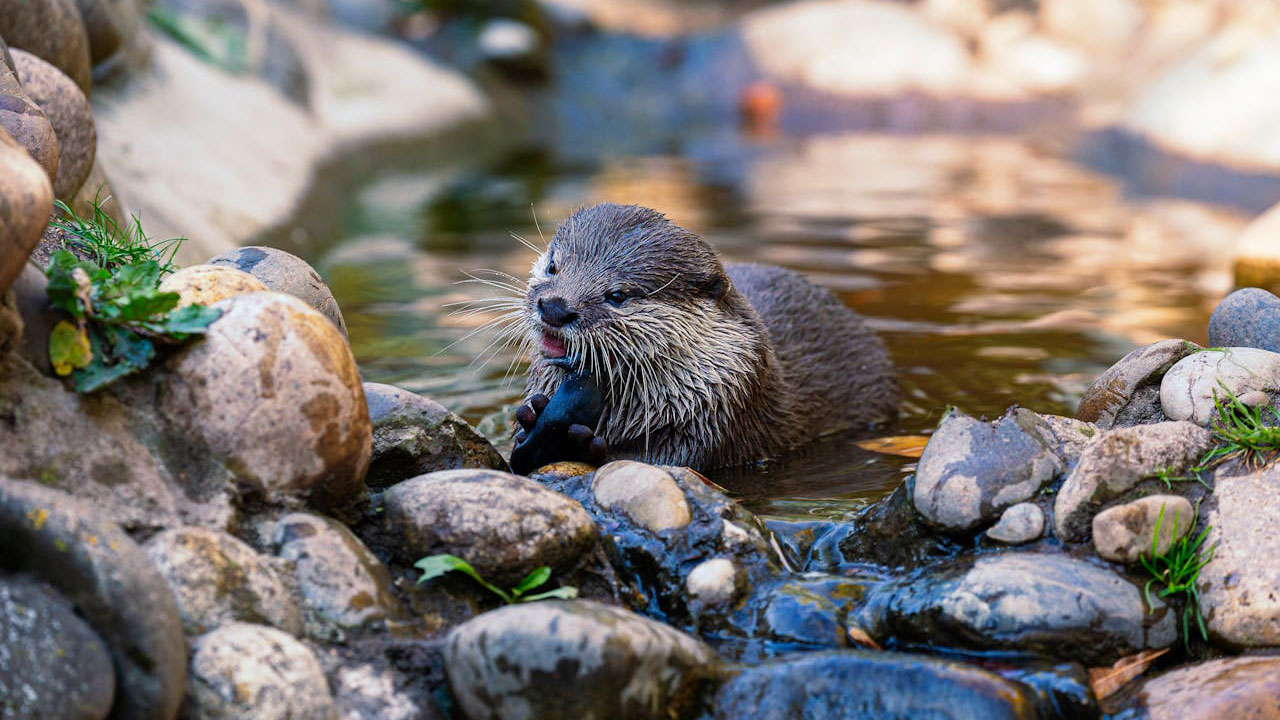
A river otter isn’t holding its breath while water rushes into everything. The National Park Service notes their ears and nostrils close when underwater, and their whiskers help them locate prey. That’s a big reason they hunt so well in murky rivers and cold lakes. They can commit to staying submerged, moving fast, and working structure without constantly surfacing or getting water where it doesn’t belong.
2) They’re not “fish-only” animals — they’ll eat a lot more than that
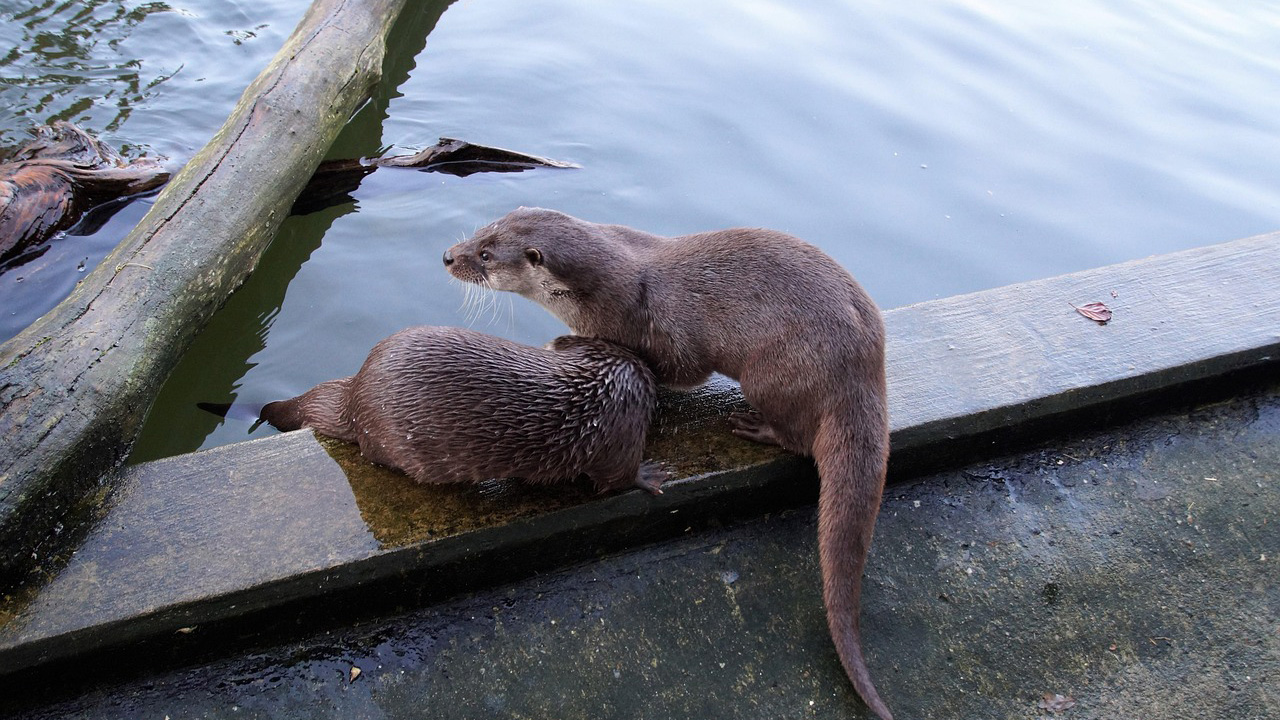
Fish is a mainstay, but otters are opportunistic. NPS lists prey that includes crayfish and fish, and also frogs, turtles, and even young muskrats or beavers at times. In plain terms: otters don’t need one perfect food source. If a river is full of crayfish, they’ll hammer them. If spring frogs are everywhere, they’ll take advantage. That flexibility is part of why otters can thrive in different kinds of water, and why they can show up in places where people assume there “isn’t enough fish” to support them.
3) They can stay under longer than most people think
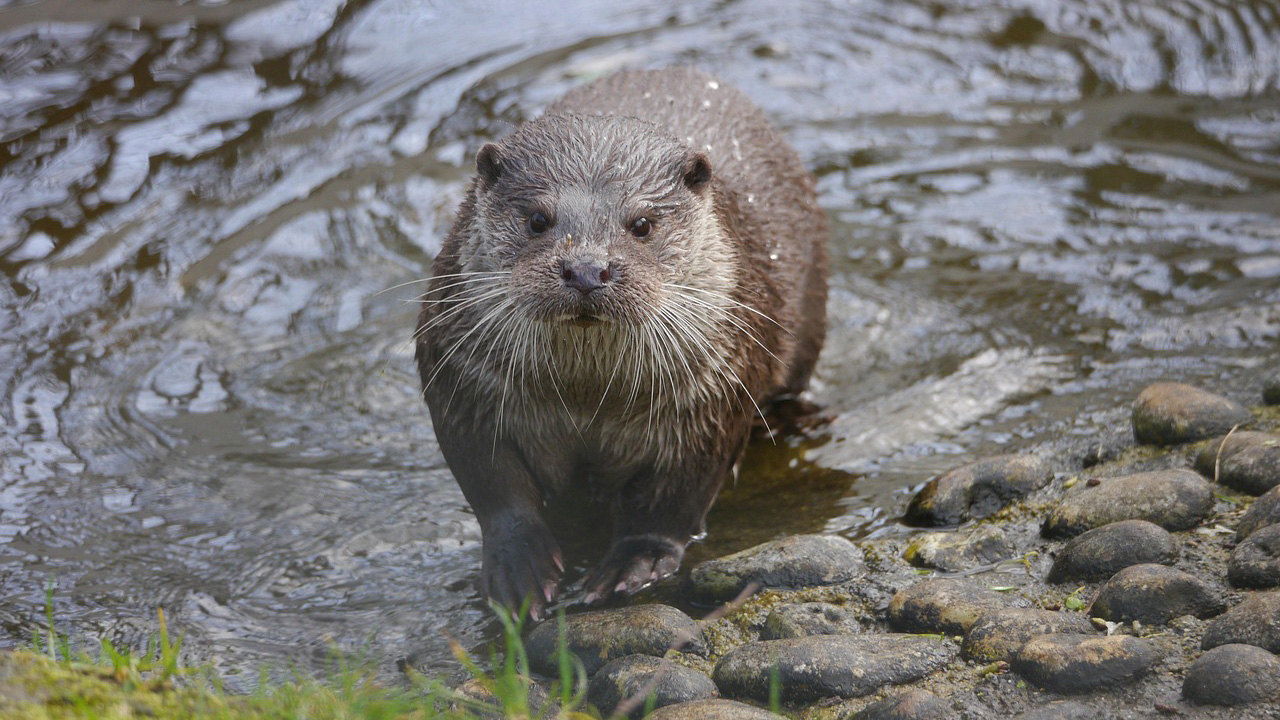
Otters are built for underwater work. National Geographic Kids notes river otters can stay underwater up to about four minutes. NPS adds they can swim underwater at about 6 mph and hold their breath for 2–3 minutes in that Yellowstone-focused summary. Either way, the point is the same: they can cover distance underwater, chase prey, and come up where you don’t expect. That’s why you’ll watch a river, see an otter vanish, then suddenly it’s 40 yards away like it teleported.
4) They’re crepuscular, but “daytime otter” sightings aren’t weird
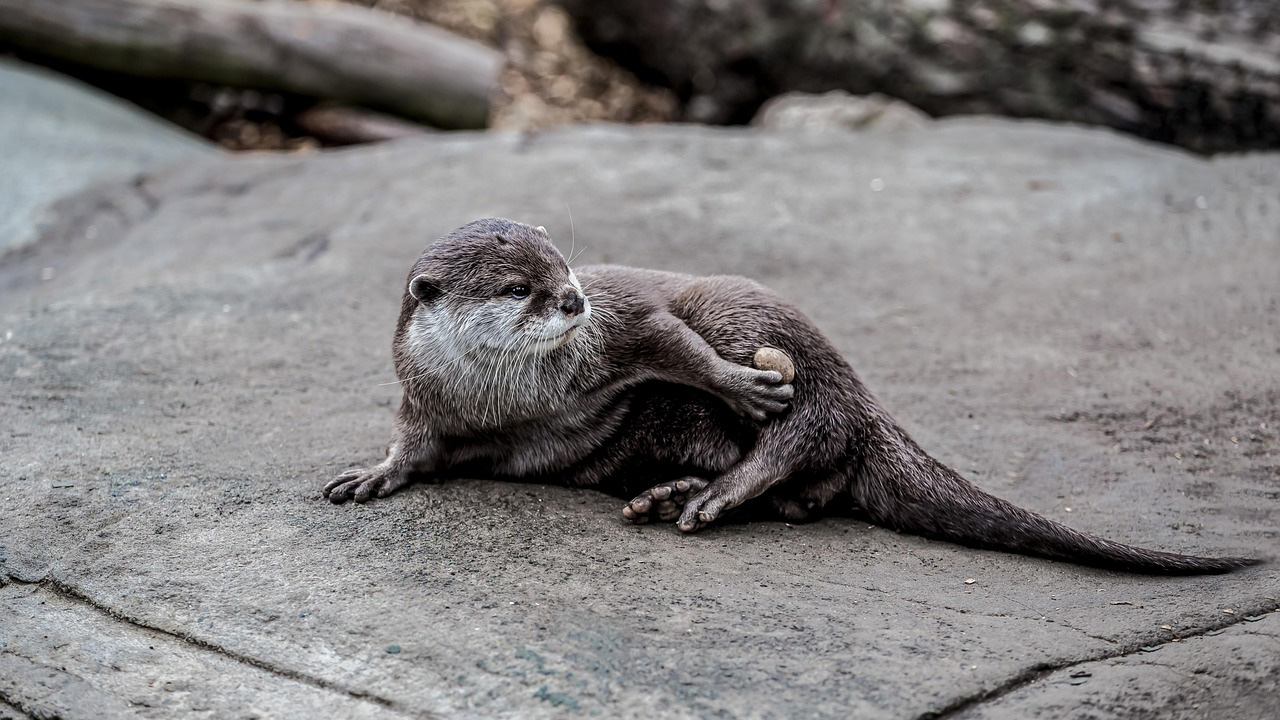
People assume otters are strictly night animals. NPS describes them as mostly crepuscular, but also notes they’ve been seen at all times of day. That lines up with what outdoors folks notice: you’re most likely to catch them active early and late, but if food is moving and pressure is low, they’ll run daylight too. A lot of otter sightings happen mid-morning because that’s when people are on the water—so it feels like “they’re active all day,” when the truth is they’re active when it makes sense.
5) Their “play” is also energy-smart travel
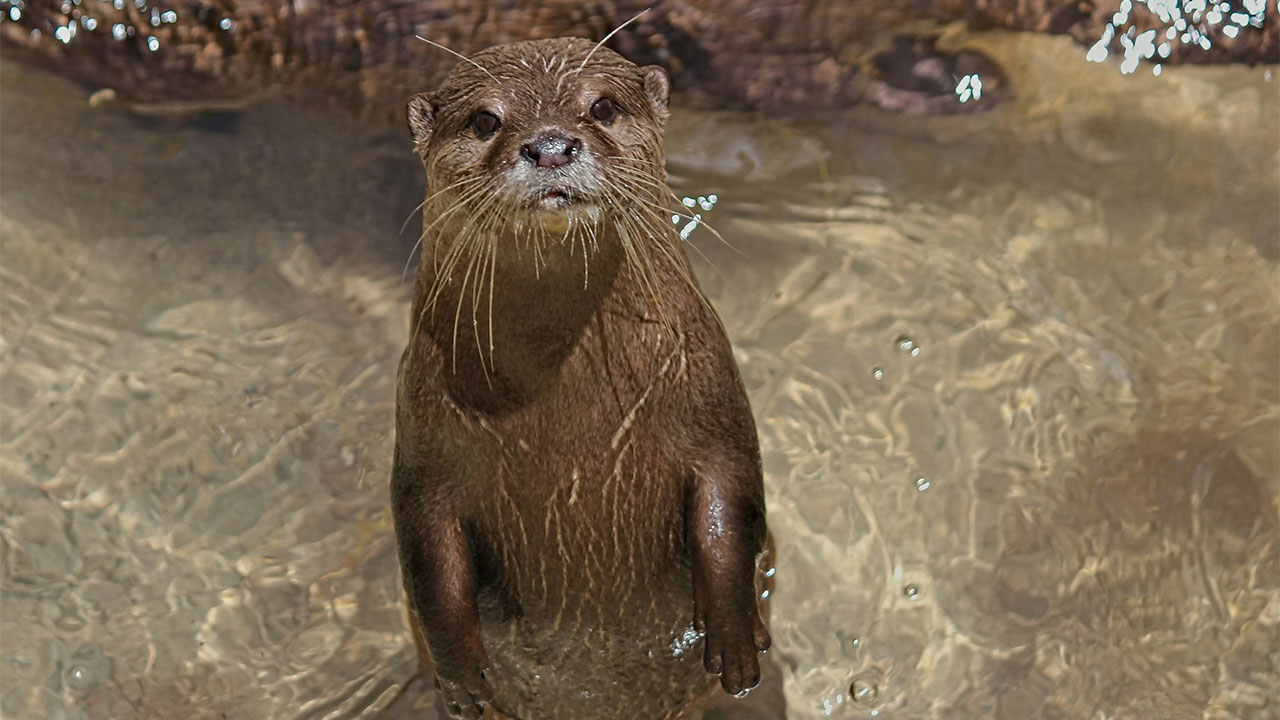
That famous bank-sliding isn’t just goofing off. It’s an efficient way to move over snow and ice without burning as much energy as walking in deep snow. NPS points out that on land they aren’t super fast unless they find snow or ice, then they can move rapidly by alternating hops and slides, and can hit speeds around 15 mph. So yes—they look like they’re having the time of their life. But a big part of it is also practicality: winter travel is easier when you can slide.
6) They can roam farther over land than you’d expect from a “river” animal
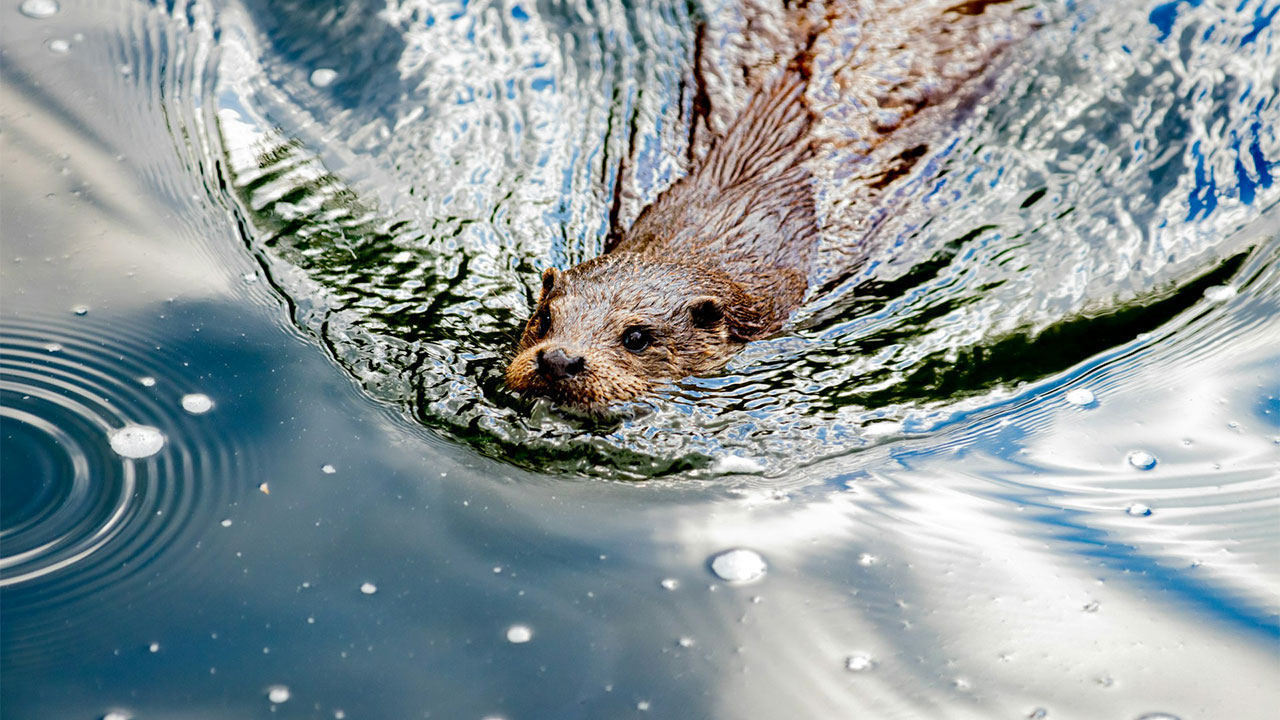
The name messes people up. They aren’t glued to one stream. An NPS page for the Missouri National Recreational River says otters can travel up to 18 miles to hunt for food. That’s why otters can show up on a pond that “doesn’t connect to anything” (at least not obviously). They’ll cross land, follow drainages, use wetlands as stepping stones, and work a whole network of water instead of one little stretch.
7) Otters are a sign of decent water and habitat — but they’re not fragile
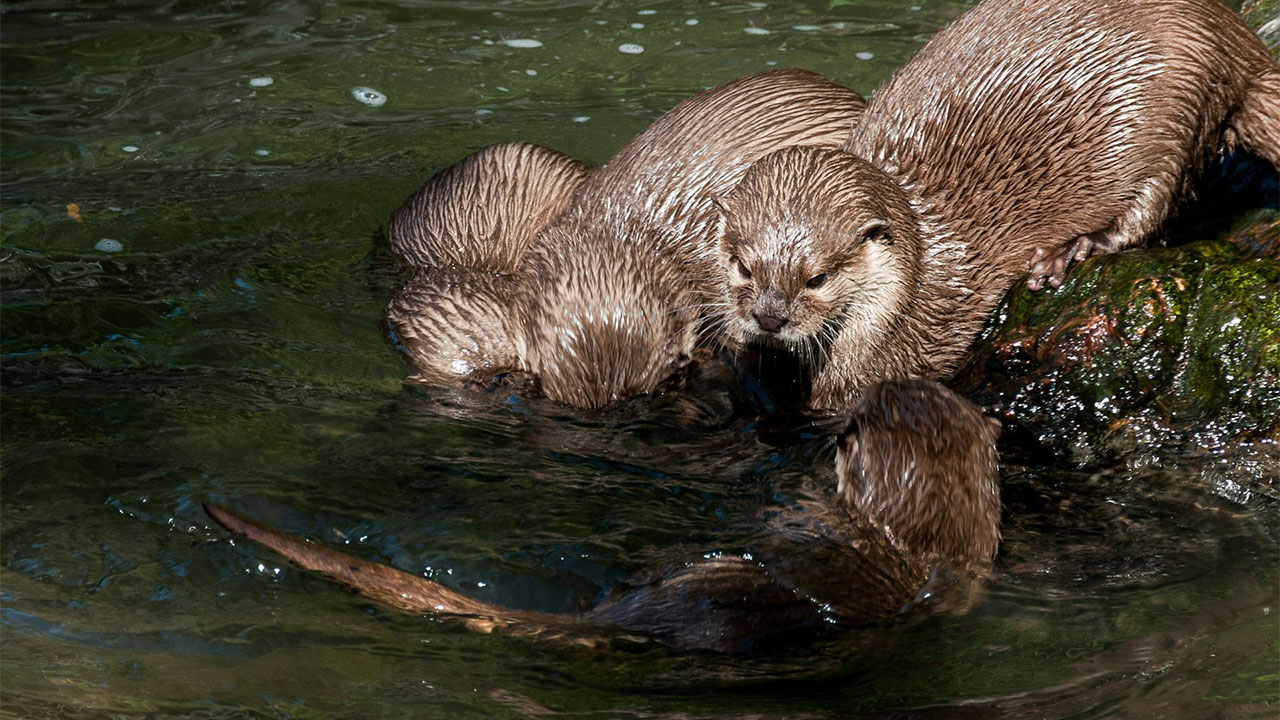
River otters generally need water, food, and cover. State wildlife pages describe them using a variety of aquatic habitats—rivers, streams, sloughs, wetlands, lakes, ponds—and note food availability and year-round water as key factors. But here’s what surprises people: otters can still do well in places that aren’t “pristine wilderness” as long as the basics are there. That’s why you’ll see them near developed areas with healthy waterways, not just in remote backcountry.
8) Their size isn’t huge, but they’re all muscle and attitude

People picture otters as small, cute animals until they see one up close. NPS lists adults around 10–30 pounds and about 40–54 inches long. The National Wildlife Federation gives similar size ranges (roughly 3–4 feet including tail, 11–30 pounds). That’s not massive, but it’s plenty big when it’s a strong swimmer with sharp teeth, fast reflexes, and a full predator mindset. If you’ve got dogs that swim, this is why you don’t let them run wild around an otter sighting—otters can defend themselves and can get rough when cornered.
9) They don’t “stay paired” like people assume — breeding is short, and moms do the work
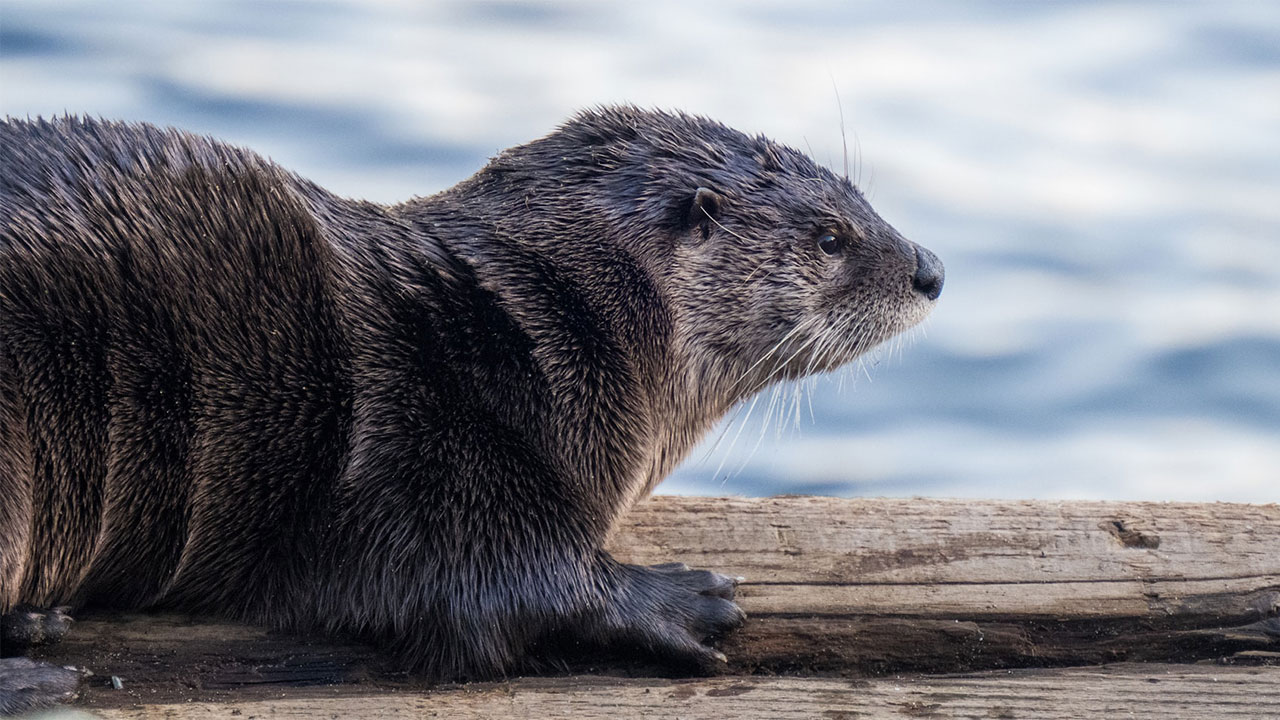
River otters aren’t like some mammals where you’ve got a long-term pair raising young together. Breeding can happen over a broad window depending on location, but after that, females handle the den and kits largely on their own. New York’s DEC notes the breeding season can span December to May depending on geography, and describes the young being born fully furred but blind and toothless, with litters commonly 1–3 (sometimes more). In real life, this is why you’ll sometimes see a female traveling with multiple juveniles later on — that’s the “family group” phase — but you won’t necessarily see a consistent adult pair running together year-round.
10) They have delayed implantation — so “pregnancy” looks way longer than it really is
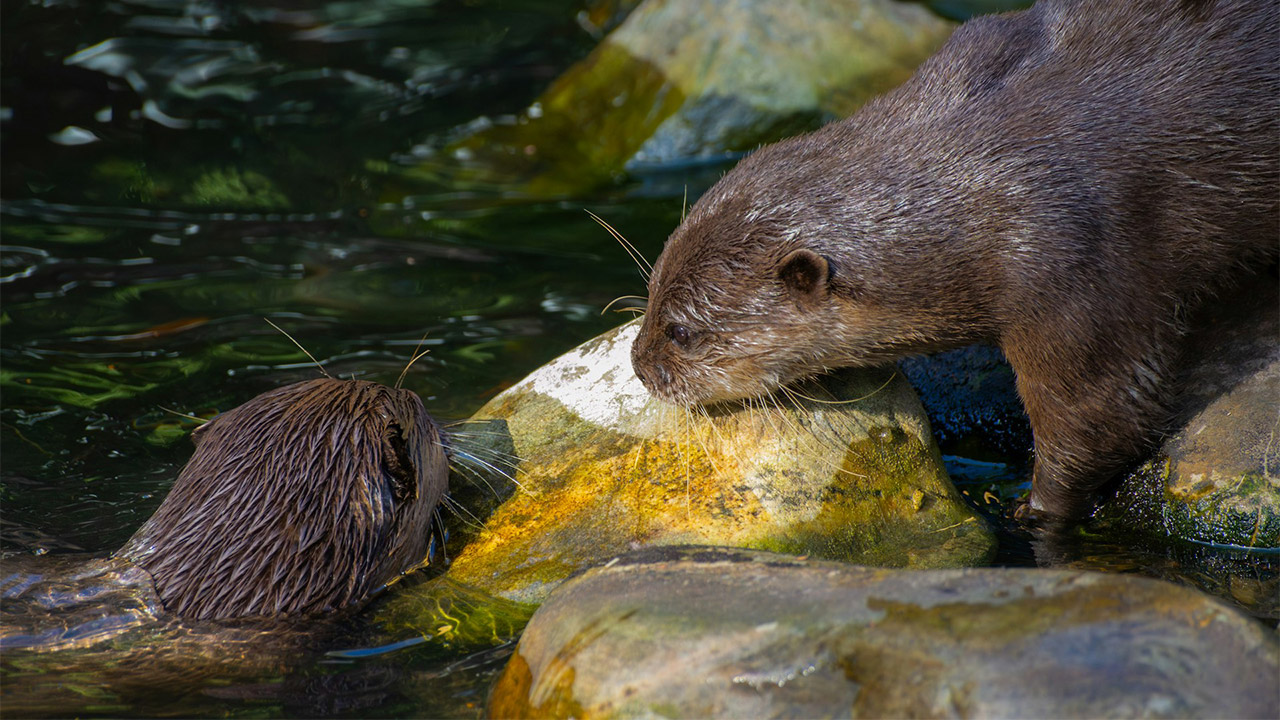
This is one of the strangest mammal tricks in North America. River otters can mate, then the embryo basically hits pause before development really kicks in. The Smithsonian’s National Zoo explains delayed implantation of roughly 9–11 months, while actual fetal development is about 60 days. Wildlife damage-management references describe the same concept and timing: embryos can remain in a free-floating state before implantation, with the final development period still around two months. That’s why you’ll see “gestation” listed as close to a year in some sources even though the active growth phase isn’t.
11) Their fur does the job blubber does for other animals
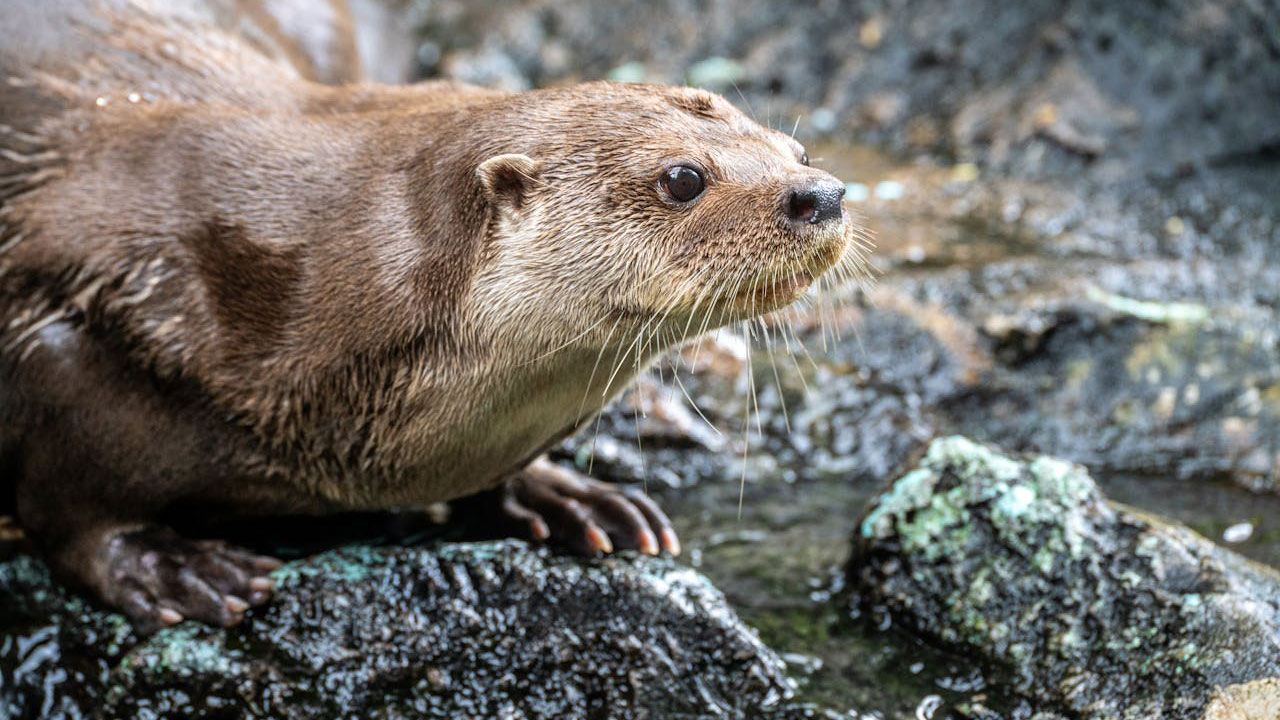
Otters don’t lean on a thick fat layer the way a lot of cold-water mammals do. Insulation comes from dense, water-resistant fur that traps air next to the skin. While a lot of the well-known “fur instead of blubber” talk centers on sea otters, the same basic concept applies to otters generally: dense fur + grooming + trapped air = staying warm in cold water. This is why an otter can be cruising icy water looking perfectly fine — and also why wet, damaged, or dirty fur can be a real problem for them in harsh conditions.
12) They use “latrines” — and it’s basically their message board
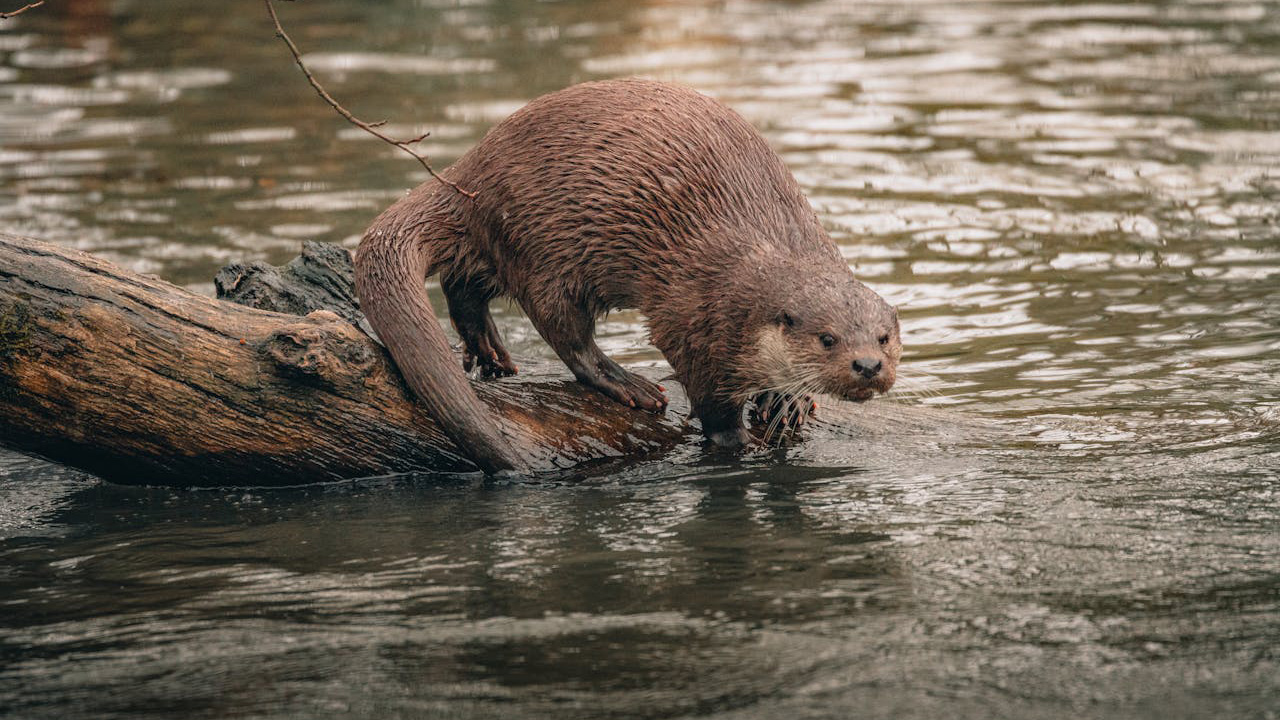
River otters don’t just drop scat randomly. They often use specific sites near water repeatedly, called latrines, where they leave scat, urine, and scent secretions. Researchers have described these sites as communication stations — a way to pass information between otters without having to be face-to-face. The Smithsonian even breaks it down in plain language: otters poop in piles at these sites and they function like social hubs. If you’re trying to confirm otters are using a stretch of water, finding a latrine site (and tracks leading in/out) is often a stronger clue than hoping to spot an otter in the open.
13) Their “slides” aren’t random — they’re repeated travel routes
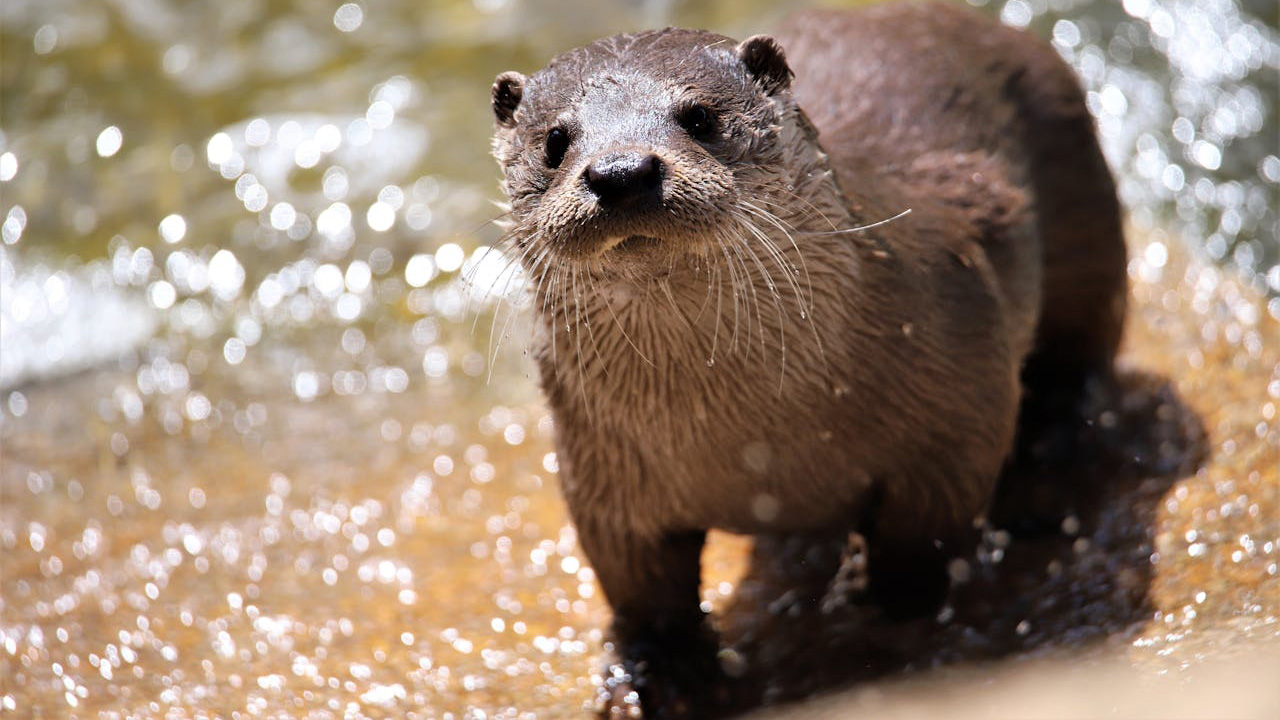
That smooth, worn chute down a muddy bank isn’t always a one-time party trick. Otters will use certain banks and access points over and over because it’s the easiest way to get from water to cover, especially where the shoreline is steep, rocky, or tangled. That’s why you’ll sometimes find the same slide polished and obvious all season. Pair that with latrine sites nearby and you’ve basically found an otter intersection — a spot they repeatedly move through. NPS notes how quickly they can travel over snow/ice using hops and slides, which helps explain why those routes get used and re-used when conditions allow it.
14) Otter diets can be tightly tied to one key prey in some ecosystems
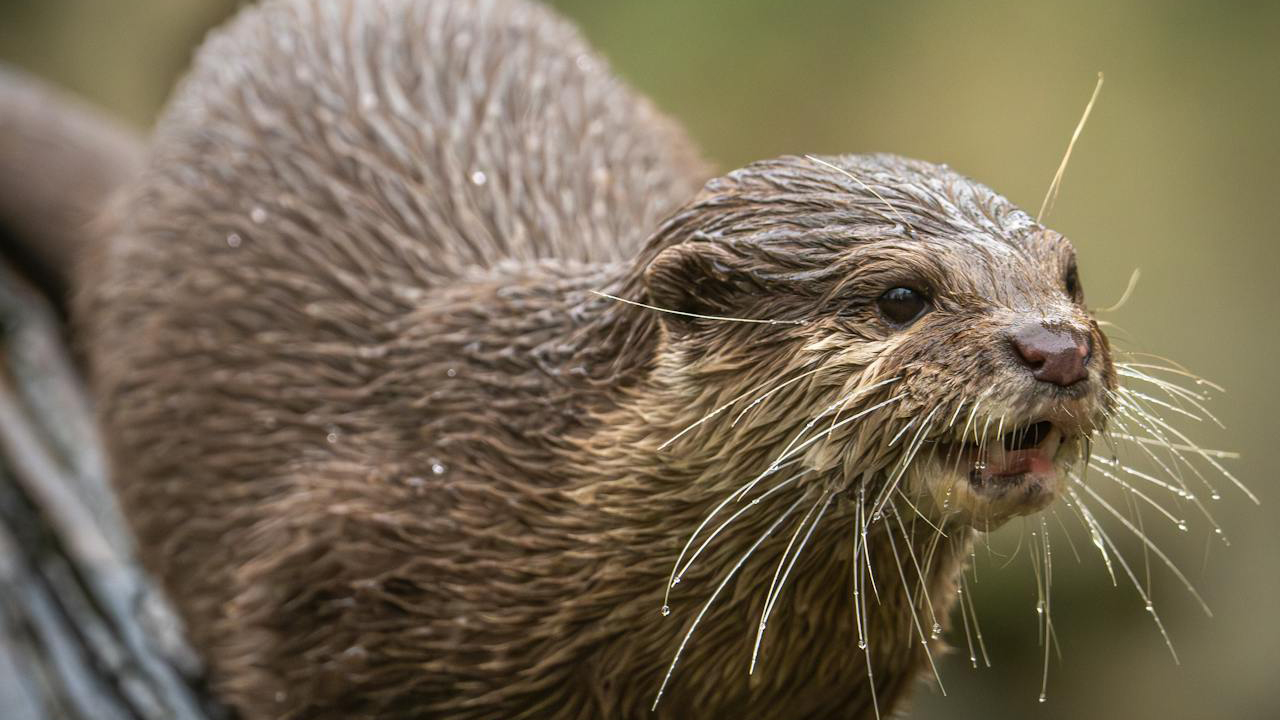
People think “otters eat anything,” and they can be flexible — but in certain places they depend heavily on specific prey runs. Yellowstone research has shown river otters there were strongly tied to cutthroat trout availability and that introduced lake trout were largely inaccessible to otters because they live deep, showing up in less than 5% of otter scat in that study context. The big takeaway for outdoors folks: otters can act like a living indicator of what’s happening with fish populations and spawning runs. When prey shifts, otter behavior and where you see sign can shift with it.
15) They’ve been successfully reintroduced in places they disappeared — and they spread when habitat fits
River otters were historically lost from parts of their range due to trapping pressure, habitat loss, and water quality issues, and a number of states have done restoration/reintroduction work. When water quality improves and there’s consistent habitat and prey, otters can expand into new watersheds surprisingly well — especially because they can travel long distances overland between water bodies. That’s why people will suddenly start seeing otters again on rivers that “never had them” in living memory: sometimes it’s not new habitat at all — it’s a comeback.
Like The Avid Outdoorsman’s content? Subscribe to our newsletter so you never miss an article.
Here’s more from us: