Photo credit: Wirestock Creators/Shutterstock.com
Some animals throw warnings. Some posture. Some run. And then there are the ones that just go straight to teeth. It’s not “evil,” it’s wiring: they’re defensive by default, they live in tight spaces, or they’ve learned that the fastest way to end a problem is to bite and be done with it.
Most bites happen for the same boring reasons: people get too close, stick hands where they can’t see, mess with a trapped animal, or let a dog start the drama. These are 15 creatures that are quick to use their mouth when they feel threatened.
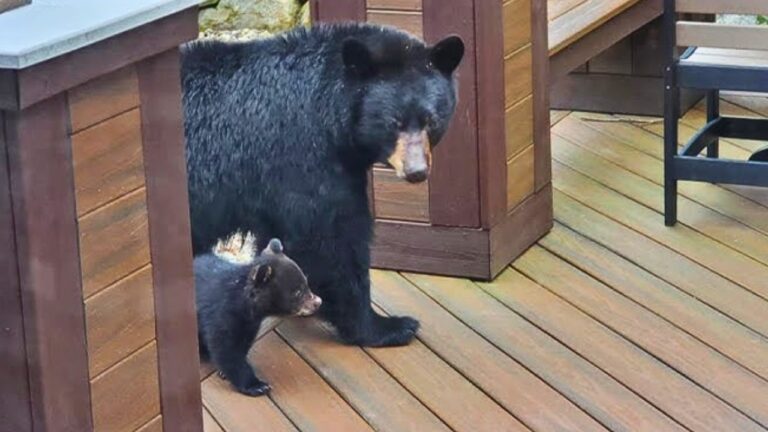
Raccoon

Raccoons look cute until they feel cornered, then they turn into a fast, dirty biter. They don’t need a long warning sequence. If you get too close under a deck, at the base of a tree, in a trash area, or in a shed, they’ll square up and bite if they think you’re about to grab them.
This is where people get hurt trying to “save” a dog or trying to handle a raccoon like it’s a stray cat. Add in the fact that raccoons can carry serious diseases, and it’s just not worth close contact. If one is acting bold, odd, or aggressive—especially in daylight—distance is the move, and you call the right help instead of playing hero.
Opossum

Possums are famous for playing dead, so people assume they’re harmless. But when they can’t escape—or they’re being harassed by a dog—they can absolutely bite. Their mouth is full of sharp teeth and they’ll use them if they feel like their only option is defense.
Most bites happen when someone tries to pick one up, corner one in a garage, or grab one by the tail like they’ve seen in a video. Don’t do that. Give it an exit route and it’ll usually take it. If you’ve got a dog involved, separate the dog first and don’t put your hands into a panicked animal situation where everything is teeth and chaos.
Badger

Badgers don’t “warn” much. They snap. If a badger feels trapped, it bites quickly and keeps biting. They’re low to the ground, strong for their size, and they can spin fast, which makes them hard to handle even if you think you’ve got control.
This one is a common dog problem too—dogs rush a badger, the badger doesn’t run, and then the owner runs in. That’s the worst move because the badger will tag hands and legs without hesitation. If you see a badger, keep distance, keep dogs close, and let it do its thing. It’s not a creature you separate with your body.
Wolverine

Wolverines have a reputation for being nasty because they are. If one feels threatened, it’s not doing a long bluff routine. It’s going straight to teeth. They’re wired to fight hard, and they bite with intent—clamp, tear, and keep pressure on.
The scary part is how little they care about size differences. A wolverine will bite a bigger animal and keep coming if it thinks it needs to. If you ever run into one, you don’t crowd it and you don’t let dogs rush it. A wolverine bite is not a “band-aid” situation, and you don’t want that lesson in the backcountry.
Feral hog / wild boar

Hogs don’t just bite—they cut. But the first contact is often teeth. If you corner a hog, surprise it in brush, or get too close to a wounded one, it may spin and come straight in low, biting and slashing as it drives forward. There’s no “warning growl.” It’s a fast, ugly decision.
People get hurt because they assume hogs will run like deer. Sometimes they do. Sometimes they don’t. In thick cover, a hog’s defensive move can be “attack the threat to make space.” If you’re dealing with hogs, you respect their attitude and you don’t push into brush without thinking through what happens if something comes out at knee level.
Bobcat

Bobcats look like a house cat with better PR, and that makes people do dumb stuff around them. Corner a bobcat—especially a young one, an injured one, or one trapped in a fence—and it can bite quick. Cats fight with teeth and claws, and even a small wild cat can put a lot of damage into a hand in seconds.
The most common human bites happen when someone tries to “help” by grabbing or pinning the animal. Don’t. Wildlife rescue is not a bare-hands activity. If a bobcat is trapped, give it space and call animal control or a wildlife professional. If a bobcat is acting oddly bold, treat it seriously and keep distance.
River otter

Otters look playful until you remember they’re mustelids. If an otter feels cornered or threatened—especially near a den—it will bite fast and it will bite hard. They don’t bluff much. They grab and thrash, and their teeth are built to hold slippery prey, which means they hold skin just fine too.
Most otter problems happen with dogs at the water’s edge. A dog rushes, the otter defends, and then a person tries to separate it with hands. That’s how you get bitten. Keep dogs controlled near shorelines, and if you see an otter, don’t treat it like a photo op. Give it room and move on.
Mink

Mink are small, but they fight like they’re five times bigger. They’ll bite fast, clamp down, and twist, and they tend to go for hands if you try to grab them. People get bitten when they try to handle a mink caught in a trap situation, tangled in netting, or cornered around a coop.
They’re “bite first” animals because their defense is aggression. They don’t have size, so they make up for it with commitment and teeth. If you’ve got mink around chickens or ducks, handle it like a predator issue, not a “grab it and toss it” situation. Bare hands and mink don’t mix.
Rat

Rats bite quickly when cornered, and they’re common enough around people that bites happen in the dumbest ways—reaching into clutter, grabbing a box in a shed, moving junk piles, cleaning out feed storage, or trying to catch one alive in tight space. A rat’s first move is often teeth, because it knows it’s small and vulnerable.
The problem with rat bites isn’t just the pain. It’s the infection risk. Folks get tagged and shrug it off, then deal with swelling and complications later. Gloves, awareness, and not sticking hands into blind spaces goes a long way. If you corner a rat, assume it’ll defend itself and plan your moves accordingly.
Muskrat

Muskrats look like chill little water rodents until you corner one. Then they bite. They’re territorial, defensive in tight spots, and they don’t like being handled. People get bitten trying to pick one up, move one off a road, or deal with one that’s tangled in something around a pond.
They also have big teeth for their size, and they use them. If you’ve got muskrats around property, don’t treat it like a “pet rescue” situation. Use distance tools and handle it safely, because a muskrat will absolutely bite first if it thinks you’re grabbing it.
Beaver

Beavers don’t want a fight, but if you corner one, it will bite fast, and that bite can be brutal. Those teeth are designed for cutting wood, and they do not care if the material is pine or your hand. Beavers get aggressive mostly when they’re trapped away from water or defending space, and people underestimate them because they look slow and round.
The most common setup is a dog harassing a beaver near shore, then a person stepping in. That’s a recipe for a bite. If you see a beaver, keep distance and keep dogs away. If one is on land and looks stressed, don’t approach. Let it find water or call a professional if it’s in a dangerous spot.
Snapping turtle
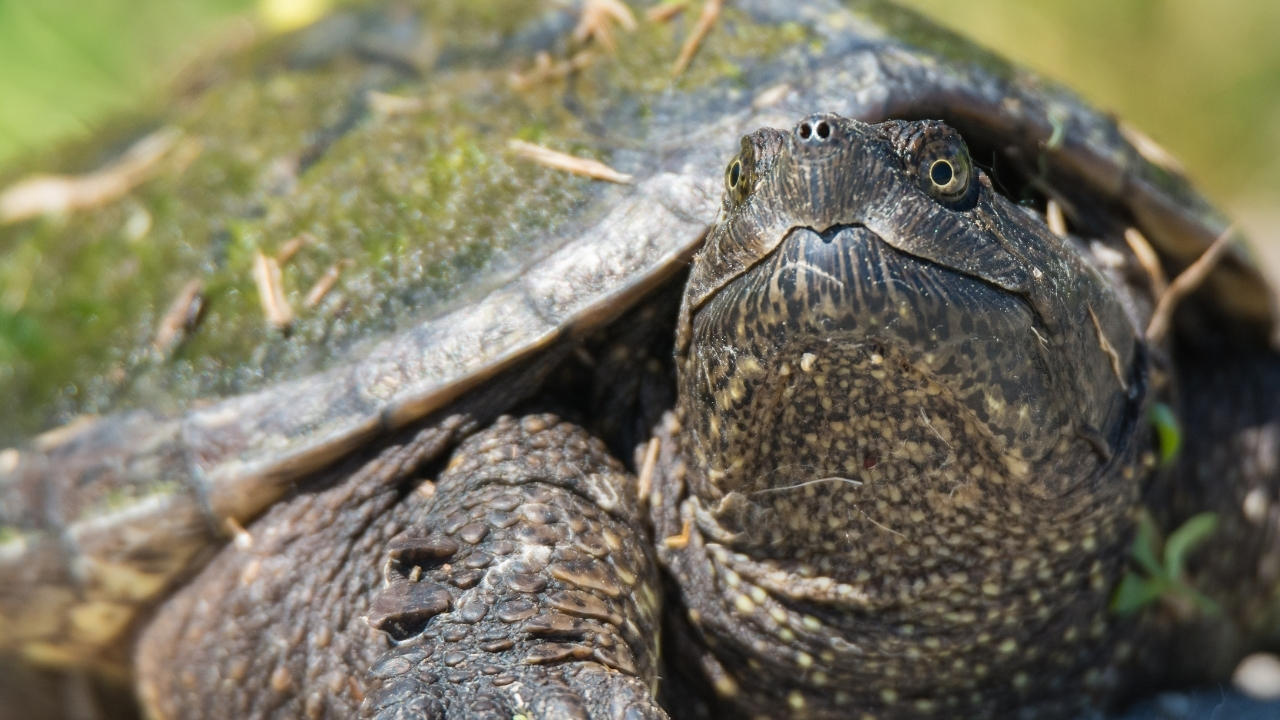
Snapping turtles don’t give a lot of warning. They sit still, then lunge and bite faster than most people think possible. People get bitten because they try to “help” one off the road by grabbing it wrong, or they stick fingers near the mouth thinking it’s like a pet turtle.
A snapper’s bite is serious, and it holds on. That’s what makes it “bite first” in real terms—once it decides to bite, you don’t get an easy release. If you need to move one, use a shovel, a board, or a proper method that keeps your hands far away. The turtle doesn’t know you’re helping, and it doesn’t care.
Alligator snapping turtle
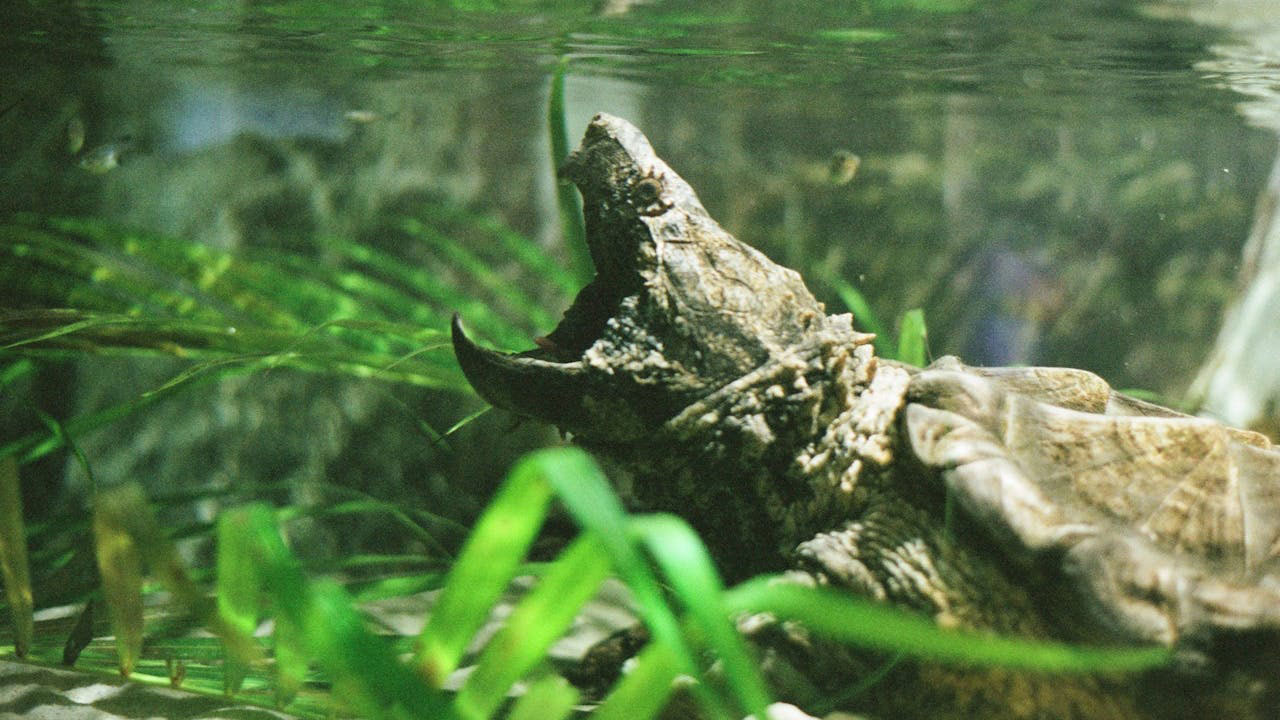
This is the snapping turtle’s meaner cousin. Bigger head, stronger bite, heavier build, and even less patience for close contact. If you corner one, it’ll bite. And because it can be huge, the bite consequences are far worse than people expect from “a turtle.”
These bites usually happen because someone tries to handle one like it’s a regular turtle, or they mess with one caught in a line or trap situation. Don’t. If you see one, admire from a distance. If you absolutely have to deal with it, do it with proper tools and help—not bare hands and confidence.
Piranha

Piranhas get hyped in movies, but the “bite first” idea has a real basis: they’re opportunistic, and in the right conditions they will bite quickly. Most piranha issues are about feeding behavior, stress, and water conditions that stack fish tightly. They don’t need to “hunt” you like a shark; they need the situation to be chaotic.
The practical takeaway is that in waters where piranhas exist, you don’t jump into feeding activity, you don’t wade around wounded or bleeding, and you don’t treat it like a novelty. Fish that feed with teeth and group behavior don’t always give you the gentle warning animals do. They do what works.
Barracuda

Barracuda are visual predators with sharp teeth, and they can bite quickly when they misidentify something as prey. Shiny objects, fast movement, and low visibility can trigger that “snap first” response. Divers get in trouble with reflective jewelry or fish on a stringer, and swimmers can have close calls in murky water.
The bite is fast because their whole hunting style is fast. They don’t “test” the way some animals do. They strike. If you’re in barracuda water, avoid shiny items, don’t carry bleeding fish on you, and don’t assume a curious fish won’t turn into a quick bite if you give it the right cue.
Like The Avid Outdoorsman’s content? Subscribe to our newsletter so you never miss an article.
Here’s more from us: