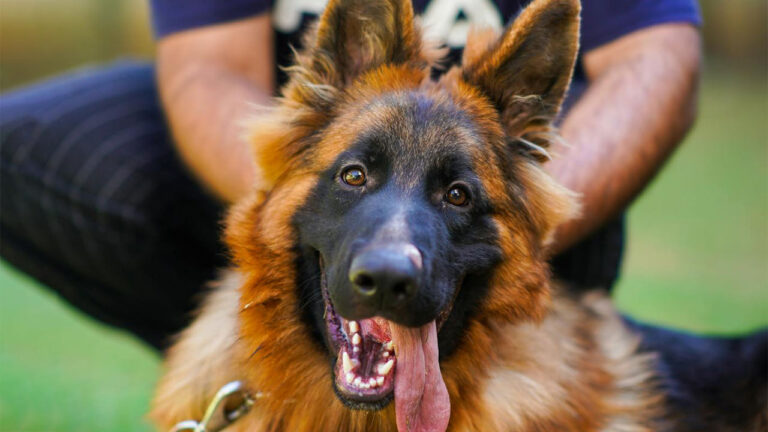
Photo credit: Hananeko_Studio/Shutterstock.com
Losing a dog is one of the hardest things you’ll ever walk through, and the night before can be especially hard because a lot of dogs show changes that feel small at first and then suddenly seem very clear in hindsight. The important thing to keep in mind is that there is no single final-night script. Some dogs decline over days or weeks, while others change fast. Veterinary sources also note that many of these signs can overlap with serious but sometimes treatable illness, so you should never treat them as a sure countdown by themselves. If your dog is struggling to breathe, cannot get comfortable, collapses, or seems distressed, that is the time to call your veterinarian or an emergency clinic right away.
They lose interest in food and water
One of the clearest changes many owners notice is that a dog who normally perks up at the sound of a bowl or treat suddenly stops caring. Near the end of life, appetite often drops as the body starts shutting down, and water intake may fall off too. You may see your dog sniff food, turn away, or take a small bite and quit. Some dogs will still accept a favorite treat while refusing a full meal, which can make the change feel confusing at first.
If you see this the night before, it is often part of a bigger picture rather than a stand-alone sign. A dog who is weak, nauseated, painful, or mentally checked out may not have the energy or desire to eat. It does not always mean death is hours away, but if it comes alongside weakness, labored breathing, or confusion, it can signal that your dog is in a serious decline and needs comfort-focused care fast.
They become extremely tired and weak
A dog near the end often looks worn down in a way that goes beyond a normal slow day. You may notice that your dog sleeps more, lifts their head less, or seems drained after doing something as minor as standing up, walking to the water bowl, or changing positions. Veterinary hospice sources describe fatigue and weakness as common end-of-life changes, especially when illness, muscle loss, pain, or organ failure have been building in the background.
The night before death, that fatigue can become hard to miss. Your dog may seem too tired to follow you around, too weak to climb stairs, or unwilling to leave a resting spot they would normally move away from. Sometimes owners read this as their dog “wanting to sleep,” and sometimes that is partly true, but it can also mean the body no longer has much reserve left. When weakness gets this pronounced, comfort, warmth, soft bedding, and veterinary guidance matter more than trying to force normal routines.
Their breathing changes
Changes in breathing are one of the most serious signs to watch. A dog nearing death may breathe faster, pant while resting, take shallow breaths, seem to work harder to pull air in, or develop an irregular pattern that feels off the moment you see it. Hospice and veterinary sources are especially clear here: labored, shallow, or abnormal breathing can happen near the end, and it can also be painful and distressing.
If this shows up the night before, do not shrug it off as normal aging. A dog who is wheezing, gasping, stretching their neck to breathe, or unable to settle because breathing feels hard may be in real trouble. This is one of the clearest times to contact a vet immediately, because even when death is near, the goal should still be to reduce fear and suffering. Breathing distress is not something you want your dog to push through without help.
They pull away and seek quiet
A lot of dogs get quieter when the end is close. Some stop following family members, stop greeting you at the door, and start choosing corners, closets, under beds, or other tucked-away spots where they can be left alone. Hospice veterinarians note that social withdrawal is common, and for many dogs it seems tied to fatigue, discomfort, or an instinct to separate themselves when they feel vulnerable.
That can be hard to watch because it feels personal, but most of the time it is not rejection. Your dog may be trying to find stillness and relief in a quieter place. On the final night, this can look like turning away from activity, ignoring normal household noise, or no longer showing interest in affection they usually welcome. The best move is often to stay nearby, keep things calm, and let your dog set the pace instead of pulling them back into the middle of the room or forcing interaction.
They become clingier than usual
Not every dog withdraws. Some do the opposite and suddenly do not want to be alone. Veterinary sources note that end-of-life behavior can swing toward clinginess, anxiety, and increased attachment. A dog who has always been independent may start following you from room to room, pressing against you, or getting upset when you step away. That kind of change can happen when a dog feels weak, confused, painful, or unsure about what is happening in their own body.
The night before death, clinginess can feel especially intense because it may come with restlessness, whining, or an inability to settle unless you are close. Owners often sense that their dog wants reassurance, and many times that is exactly what it looks like. If that happens, staying calm, sitting with your dog, and keeping the room quiet can help. You are not fixing the decline, but your presence can lower stress and make a hard stretch feel less frightening for them.
They seem confused, restless, or disoriented
Mental changes are common near the end, and they can show up in ways that make a dog seem unlike themselves. PetMD notes that dogs in decline may become confused, agitated, anxious, restless, detached, or disoriented. You might see pacing, staring into space, wandering without purpose, seeming not to recognize familiar routines, or getting stuck in corners or beside furniture. In older dogs, some of this can overlap with cognitive decline, but in a dog who is failing physically, it can also signal the body is struggling badly.
On the final night, that confusion can be one of the most unsettling things for an owner to witness. Your dog may look tired but unable to rest, or they may repeatedly try to lie down and then get back up. That often points to discomfort, anxiety, breathing trouble, or neurologic decline rather than stubbornness. If your dog cannot settle and seems distressed, that is a strong sign to call your vet, because keeping them comfortable matters more than waiting and hoping it passes.
They struggle to stand, walk, or change position
Loss of mobility is another common sign that the end may be close. A dog who could still get around a day earlier may suddenly have a much harder time standing, balancing, or walking across the room. Veterinary sources point to pain, weakness, neurologic problems, lethargy, and muscle loss as common reasons. You may also notice slipping, falling, hesitation, or a dog who tries to rise and gives up halfway through.
The night before death, mobility loss often shows up in simple moments that hit hard: they cannot make it outside, they cannot get onto their bed, or they stand with a wide, shaky stance and look spent. Sometimes the change comes so fast that it surprises you. If your dog can no longer move comfortably or safely, focus on keeping them supported and clean, and avoid forcing them to walk farther than they can manage. At that point, the body may be running out of strength in a very real way.
They have accidents indoors
A dog nearing the end may lose control of their bladder or bowels, even if they have been reliably house-trained for years. Hospice and veterinary sources describe incontinence as a common late-stage sign, often tied to weakness, reduced mobility, neurologic decline, or loss of normal sphincter control. In some cases, the dog still knows they need to go but cannot get up or make it outside in time. In others, they may not seem aware that it happened at all.
The night before death, this can be one of the clearest signs that your dog’s body is no longer handling basic functions well. It can also add to their discomfort if they are too weak to move away from the mess. This is where gentle cleanup, dry bedding, and patience matter. Your dog is not “giving up” or being careless. It is usually a sign of physical decline, and handling it calmly can spare them stress during a time when they already feel vulnerable.
They show more obvious signs of pain or discomfort
Dogs often hide pain longer than people expect, which is why a visible shift late in the process matters. End-of-life and quality-of-life sources point to signs such as panting, trembling, flinching, limping, body tension, hunching, reluctance to be touched, or reacting differently when you handle them. Sometimes the pain is from the disease itself. Sometimes it is from weakness, pressure on joints, breathing distress, or not being able to settle into a comfortable position.
The night before death, that discomfort may show up as repeated repositioning, pacing, whining, staring, or a dog who cannot seem to find a place where they can truly rest. This is one of the biggest moments to be honest with yourself about quality of life. If pain is no longer controlled, or your dog seems frightened and physically miserable, that is not something to tough out. It is a sign to get veterinary help so your dog’s final hours are as calm and humane as possible.
They stop caring about the things they always cared about
One of the quieter but deeply telling changes is when your dog stops engaging with the world they used to care about. PetMD and hospice sources note that dogs in decline may lose interest in social interaction, daily routines, toys, affection, or the usual sounds and movements of home. A dog who always watched you cook, followed you outside, or perked up for a leash may suddenly seem detached. That emotional flatness can be every bit as meaningful as physical symptoms.
The night before death, this often feels like your dog has turned inward. They may still know you are there, but the spark to respond is reduced or gone. That does not mean they no longer love you. More often, it means they do not have much left to spend on the outside world. When that loss of interest lines up with weakness, appetite loss, or breathing changes, it often signals that your dog is nearing the end and needs comfort more than stimulation.
Their body language tells you something is off
Owners often notice a change they struggle to describe before they can name a symptom. BluePearl’s quality-of-life guidance points to subtle shifts in breathing, eyes, posture, activity, appetite, attitude, and response to touch as meaningful signs that a pet is uncomfortable or declining. Sometimes your dog’s eyes look dull or tired. Sometimes their posture is tucked, hunched, or stiff. Sometimes they seem present physically but not fully engaged the way they were even a day or two earlier.
The night before death, those quiet signals can add up into a feeling that your dog is not themselves anymore. That instinct is worth taking seriously, especially if it comes with several other changes at once. No single look or posture confirms what is coming, but a clear shift in the way your dog carries themselves can be part of the final decline. When you see that, the best thing you can do is stay observant, stay gentle, and get veterinary guidance if there is any sign your dog is suffering.
Like The Avid Outdoorsman’s content? Subscribe to our newsletter so you never miss an article.
Here’s more from us: