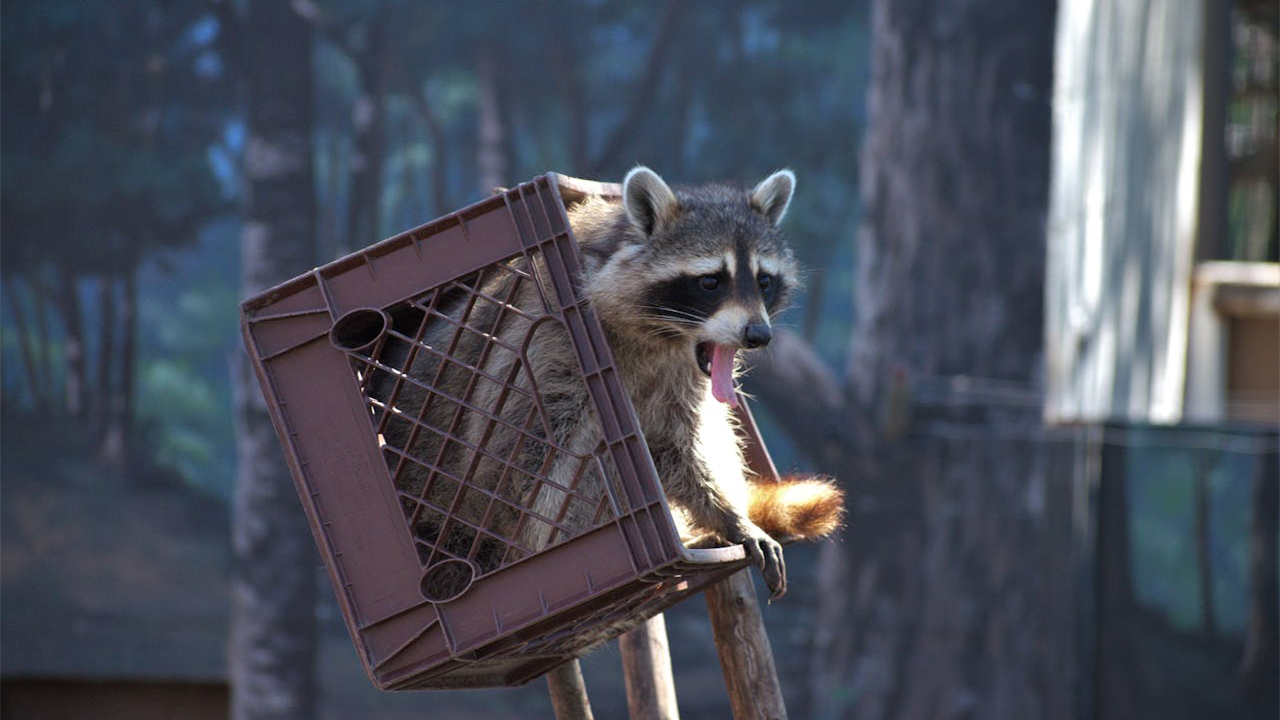
Photo credit: Thomas Shockey/Pexels.com
Raccoons are one of the most “common” animals in America—and also one of the most misunderstood. People think they’re just trash raiders, but they’re adaptable predators/foragers with hands, brains, and a nose for opportunity. If you spend time outdoors, you’ve probably crossed paths with them more than you realize… and a few of these facts explain why they keep showing up everywhere from creek bottoms to city alleys.
1) Raccoons live basically everywhere in North America

They aren’t picky. The National Park Service lists their distribution as common across North America and notes they den in tree cavities or burrows. That “tree cavities or burrows” part matters because it explains why you’ll find raccoons in hardwood bottoms, pine edges, culverts, barns, abandoned buildings, and suburban attics. If there’s cover plus food, they’ll make it work. Outdoors-wise, it’s why raccoon sign (tracks, scat, torn logs) is normal near water and edge habitat almost anywhere you hunt, fish, or camp.
2) They’re omnivores with an “eat whatever works” menu
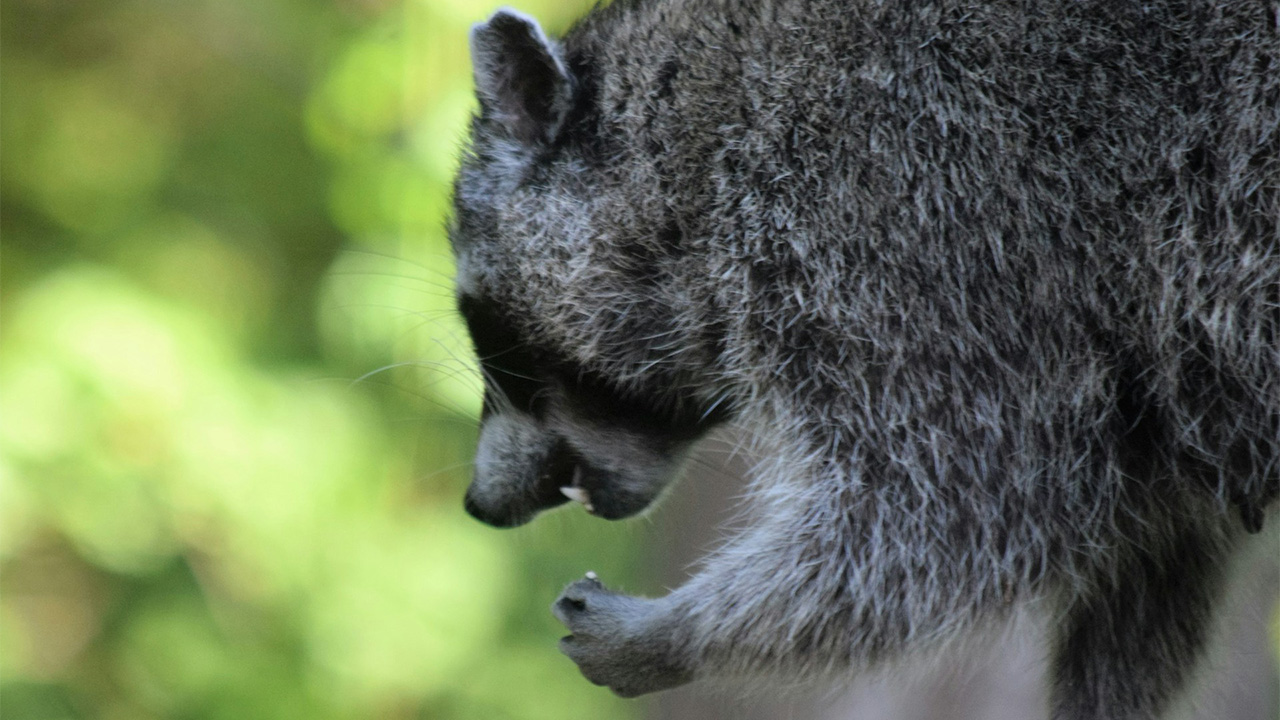
Raccoons don’t survive by being picky. NPS lists them as omnivores that eat things like berries, insects, rats, fish, and snakes. Texas Parks & Wildlife adds that their diet can include fruits and nuts, insects, aquatic invertebrates, fish, small rodents, frogs, bird eggs, carrion, and human garbage. That’s why they’re so hard to “starve out.” If one food source dries up, they pivot. And that’s why they show up in weird places—if a creek has crayfish, a corn field has spilled grain, or a neighborhood has pet food left out, raccoons will figure it out fast.
3) They’re mostly nocturnal—but daytime raccoons aren’t automatically “rabid”
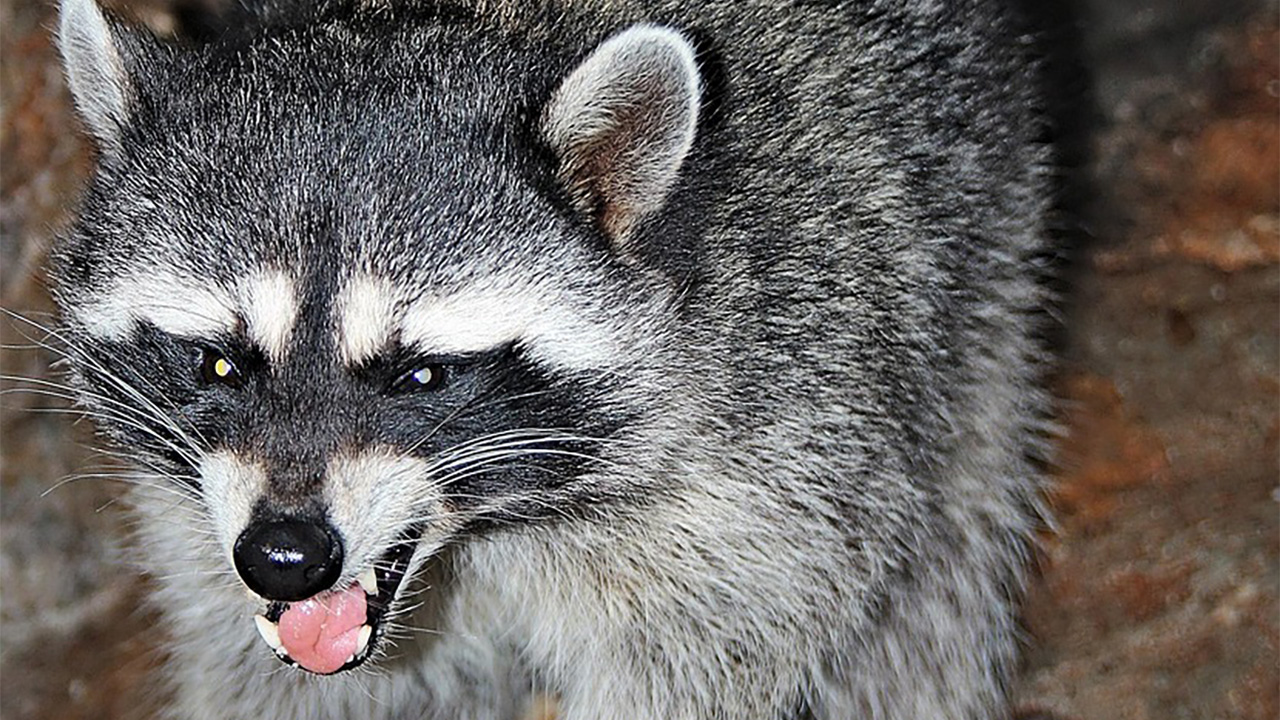
Most raccoons move at night, but plenty get active at dawn/dusk and sometimes in full daylight when food is available. Massachusetts’ guidance says raccoons are mostly crepuscular and nocturnal, but they may be active during the day if food is available. That’s important because people panic the second they see one at 2 p.m. Daytime movement can be normal—especially in spring when moms are feeding, or in areas where humans have trained them that daytime food exists. The better “red flag” is behavior: stumbling, aggression, confusion, paralysis, or approaching people with no fear.
4) In the eastern U.S., raccoons are one of the highest rabies-risk wildlife animals

This one is not optional to know if you’ve got kids, pets, or you trap/hunt. The CDC notes raccoons are a rabies reservoir in the eastern U.S., and that within those areas, about 10% of raccoons that expose people or pets have rabies—making them one of the highest rabies risks. That doesn’t mean “10% of all raccoons,” but it does mean: if a raccoon is acting weird, gets into a fight with a dog, or bites/scratches, you treat it seriously and call your local health department/animal control. Rabies is fatal once symptoms start, but preventable if treated in time.
5) “Urban raccoons” aren’t a myth—they’re built for city survival
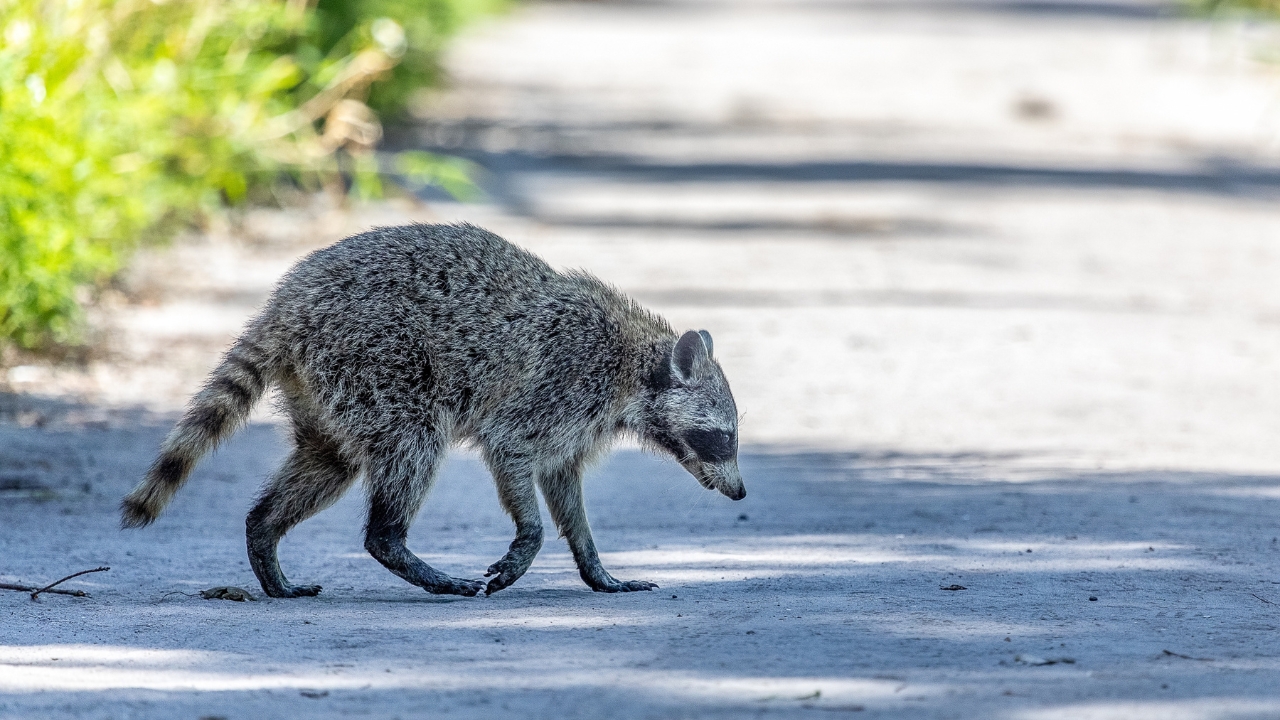
Raccoons aren’t just tolerating cities; in many places, they thrive. National Geographic points out raccoons have qualities suited to city life like being nocturnal (helping them avoid people) and having a wide-ranging diet. Add smart hands, climbing ability, and a willingness to investigate containers, and you get the classic “trash can ninja” story. For outdoors folks, this matters because raccoons in high-density areas can reach high numbers and create more conflicts—raided feeders, stolen bait, trashed campsites, and more pressure on ground-nesting birds.
6) Their “hands” are the real weapon
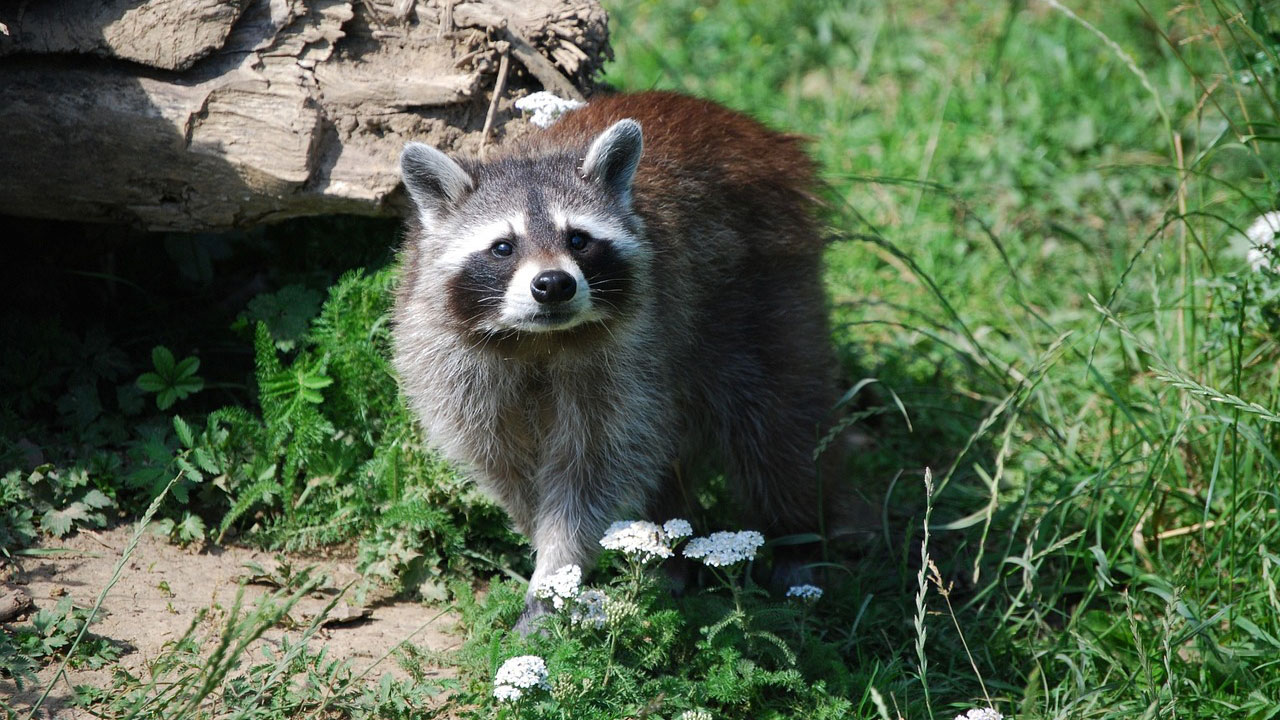
That nimble-finger thing is not a cute cartoon detail. Texas Parks & Wildlife calls out their nimble fingers for feeling stream bottoms for food and opening containers/garbage cans. In the field, it means raccoons can open latches you thought were “good enough,” peel lids, manipulate coolers, and wreck a camp setup that’s left unattended. If you trap them, you already know they can work a mess of problems with those paws. If you’re camping, it means you don’t leave food out, you don’t trust a flimsy latch, and you don’t underestimate their persistence.
7) They get a lot of food from water—and they’re comfortable in it
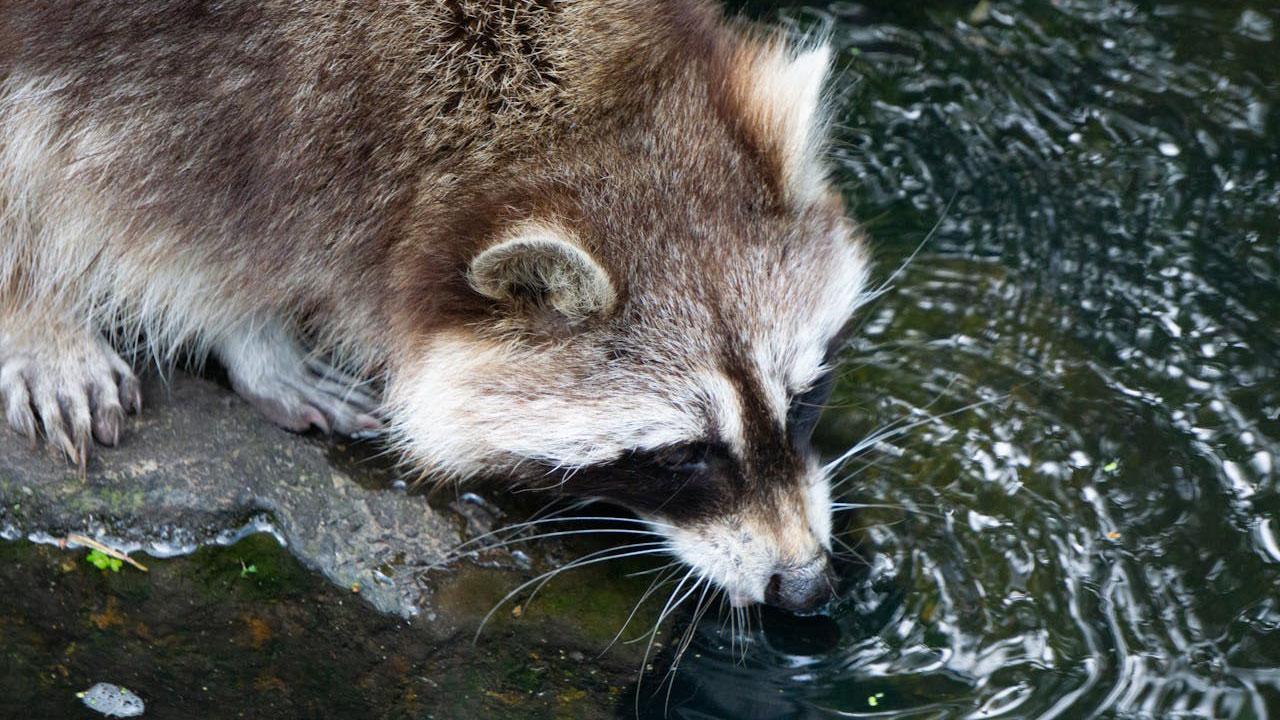
Raccoons aren’t just creekside; they actively forage in water. Texas Parks & Wildlife notes they use their fingers to feel stream bottoms for food and are strong swimmers. New Hampshire Fish & Game describes them swimming in small streams looking for aquatic foods like crayfish, frogs, worms, fish, clams, turtles, and more. That’s why you find them at culverts, shallow riffles, mud flats, and pond edges. Outdoors takeaway: if you’re looking for raccoon sign, check water first. If you’re trying to keep them out of a camp, don’t assume “we’re near water so they’ll stay in the creek.” Water is the buffet.
8) A group of raccoons has a name—and it’s actually fitting

NPS notes a group of raccoons is called a nursery. That’s not just trivia—it matches how you often encounter them. You might see a sow with multiple young, or multiple raccoons working the same food source at night. When you’ve got a “nursery” situation near a barn, attic, or chimney, it’s also why people suddenly feel like they’re being invaded. It’s not one raccoon; it’s a family unit that found shelter and a predictable food route.
9) They can reach high densities in developed areas
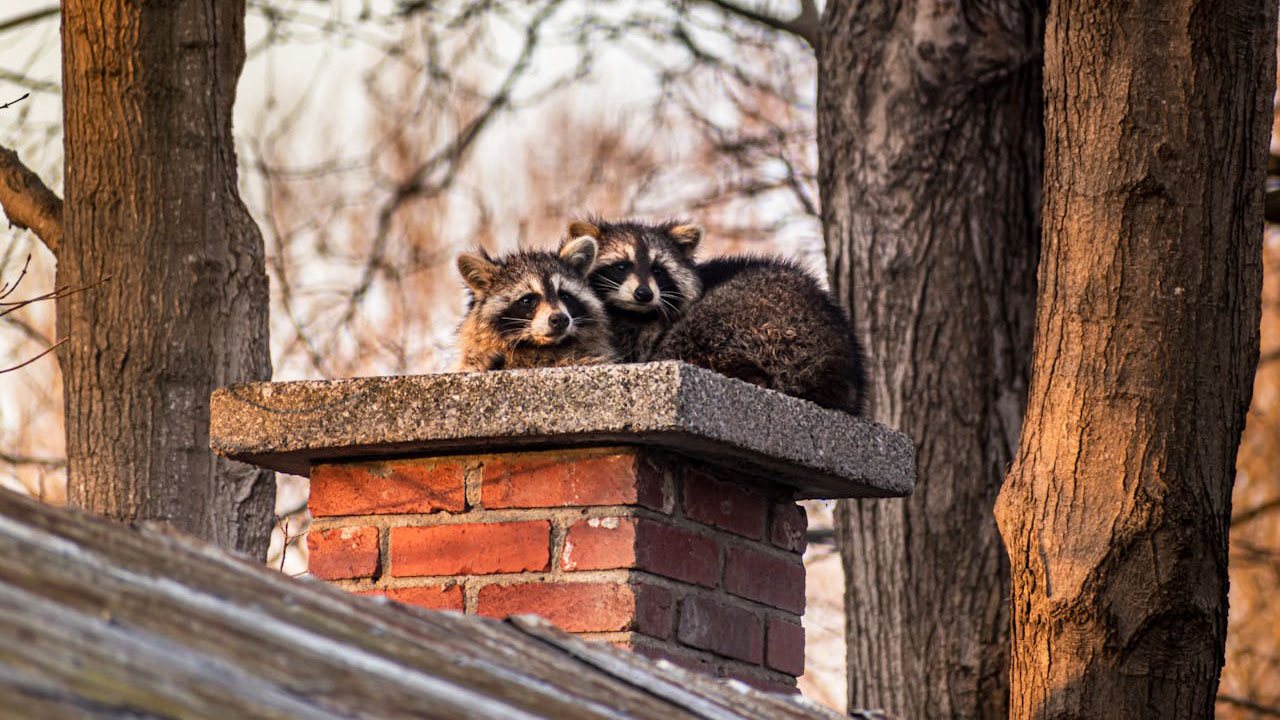
This is a big reason raccoon issues feel worse around towns and subdivisions. Research summaries note raccoons are common generalists and can reach high densities in developed areas, increasing contact with humans and pets. More raccoons packed into a smaller space means more fights, more disease risk, more trash conflicts, and more pets getting tangled up in it. If you’re outdoors a lot near developed edges, assume raccoon pressure is higher than deep backcountry—especially around dumpsters, campgrounds, and neighborhoods bordering creeks.
10) A “weird acting raccoon” should always be treated as a safety problem
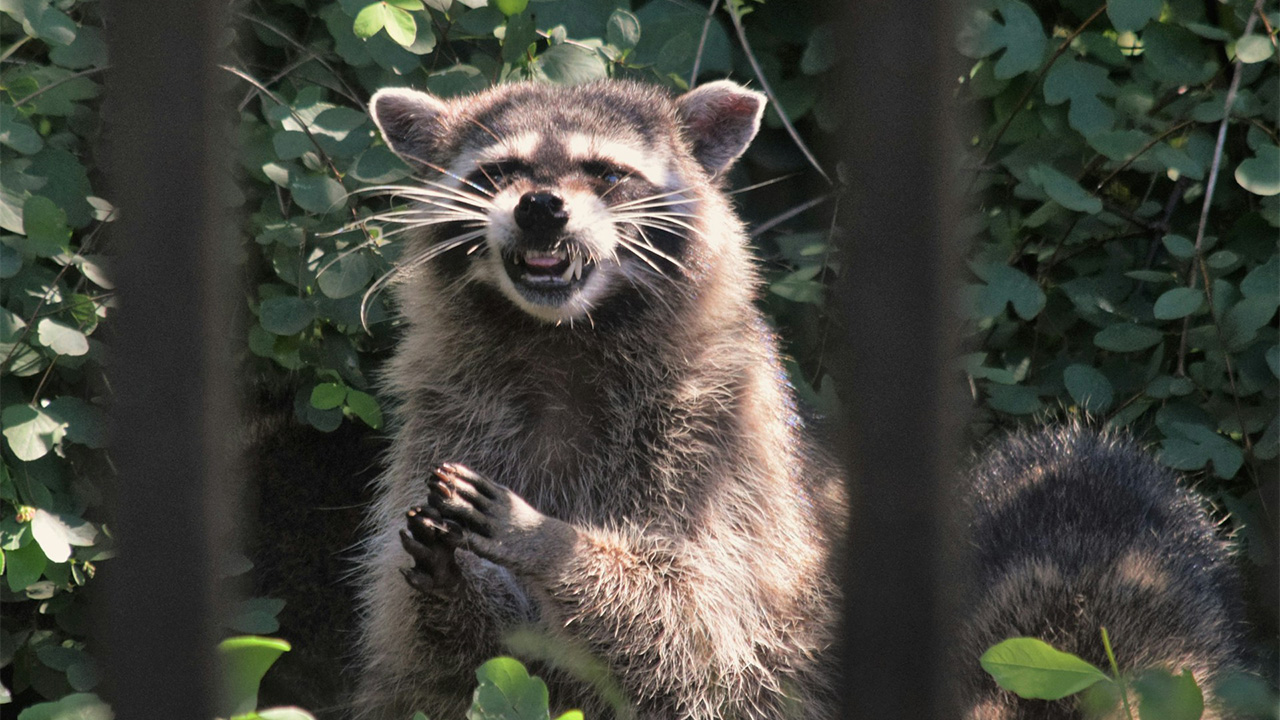
Because of rabies risk, you don’t play guessing games. The CDC emphasizes rabies is fatal but preventable, spread through bites/scratches of infected animals, and treatment must happen before symptoms begin. In rabies reservoir areas, the CDC specifically calls out raccoons as a major concern. If a raccoon is unusually aggressive, staggering, vocalizing oddly, or approaching people, that’s not a “cool wildlife moment.” That’s a call-an-expert moment—especially if there’s been contact with a dog or cat.
11) Raccoons aren’t just pests—they’re a real part of the food chain

They prey on eggs, small animals, and raid nests, and they also get preyed on themselves. Their role in ecosystems is one reason they show up in so many hunting conversations: they can impact turkeys, ducks, and other ground nesters when numbers get high. Their “eat anything” menu (eggs included) is documented by state wildlife sources. So when you hear old-timers talk about controlling raccoons for turkey numbers, it’s not just talk—it’s tied to what raccoons actually do.
12) They’re smarter than people give them credit for
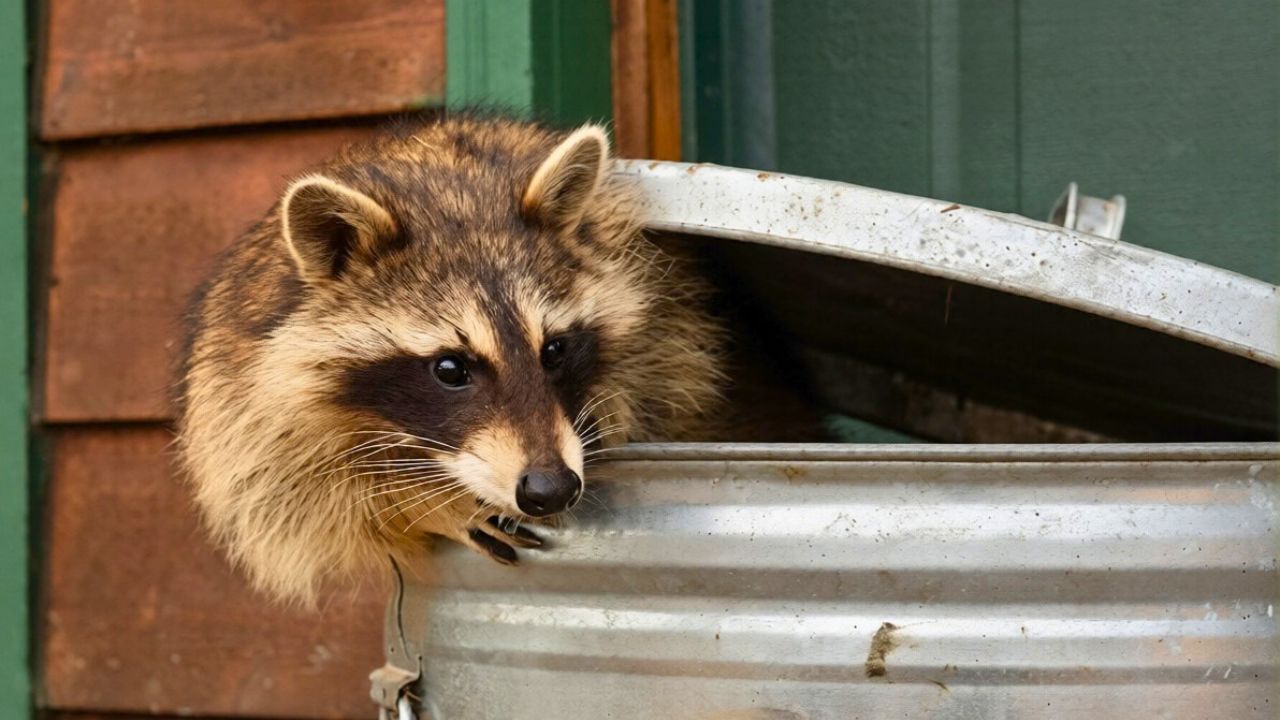
You don’t become one of North America’s most successful mammals without some brainpower. The “urban survivor” story is a clue—problem solving, memory, and adapting to human patterns is how raccoons keep winning. If you’ve ever had one beat your “animal-proof” trash setup, you’ve seen this firsthand. Outdoors takeaway: if you’re trying to keep raccoons out, you don’t win with one trick. You win by removing the reward and making access consistently annoying.
13) They don’t only den in “the woods”—they’ll use human structures fast

NPS notes they use tree cavities or burrows. In developed areas, that translates into attics, chimneys, crawl spaces, abandoned sheds, and under decks—anything that mimics a cavity and stays dry. That’s why raccoon problems often spike after storms or cold snaps: animals look for better shelter, and houses are warm, dry, and full of hiding spots. If you’re dealing with them, the fix usually isn’t “chase them off once.” It’s exclusion—sealing entry points and not leaving food sources that keep pulling them back.
14) Their tracks can look “hand-like” for a reason
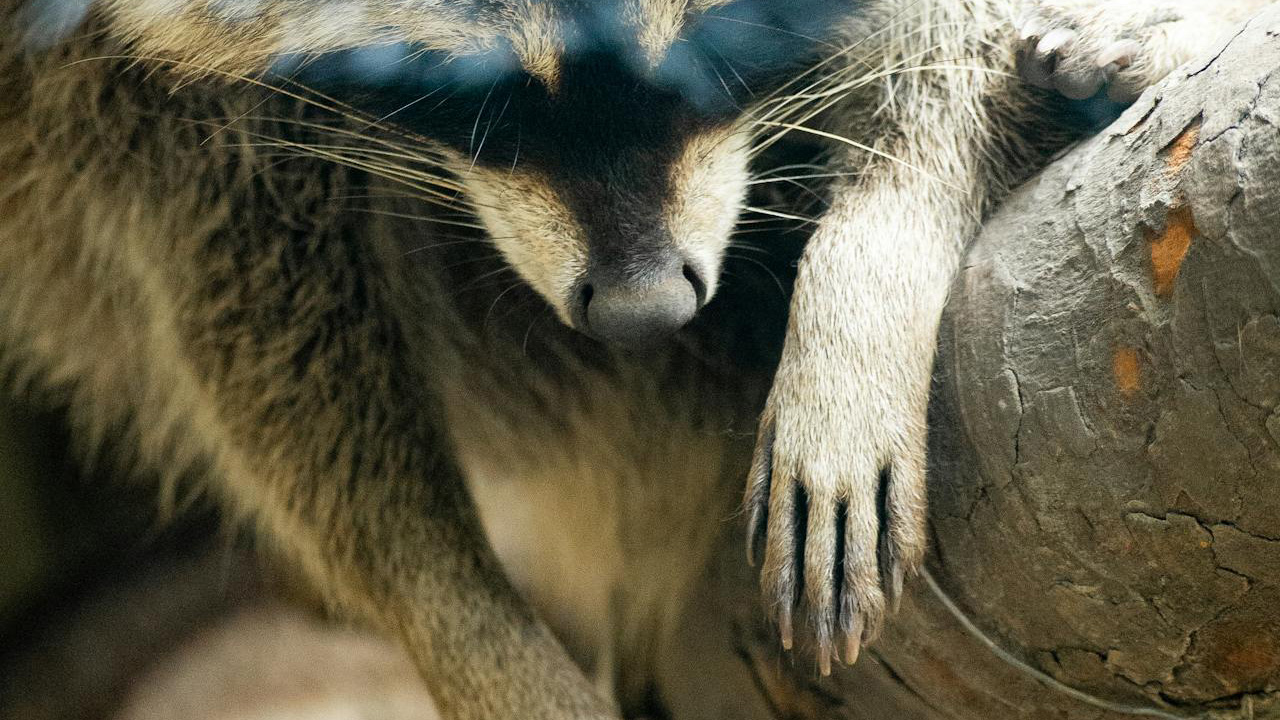
Raccoon tracks freak people out because they look like tiny hands. That’s because raccoons have long, dexterous digits. It’s also why you often see their prints in mud around creek edges, pond banks, and wet sand where they’re actively foraging. If you’re a hunter, raccoon tracks are also a pressure indicator: if you’re seeing heavy raccoon activity in a creek bottom, you’re also seeing a food-rich corridor that other animals will use. It’s not that raccoons “mean deer,” but they do mean the area supports life.
15) The most common mistakes people make with raccoons are all preventable
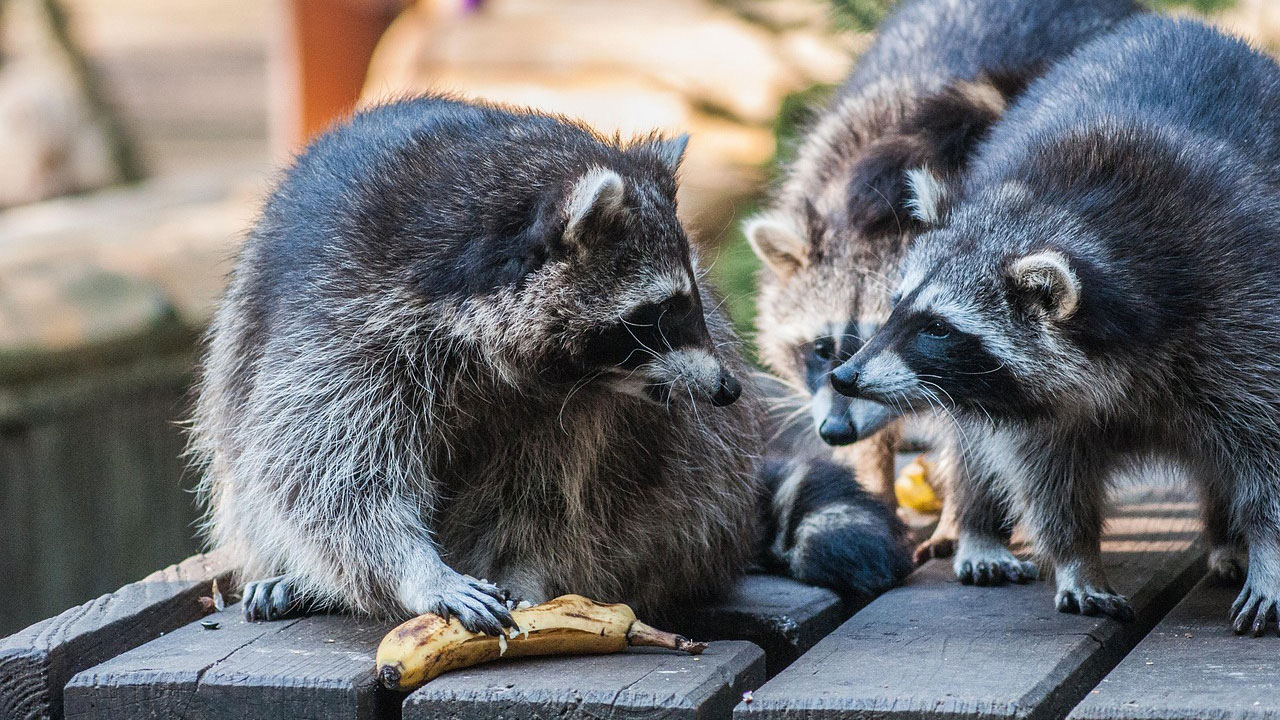
Leaving pet food outside, not securing trash, letting cats roam, and assuming “it’ll go away” are the biggest self-inflicted problems. Raccoons’ diet and adaptability are well documented, and they’ll keep using whatever you make easy. If you want fewer raccoon encounters around home or camp, the play is boring but effective: lock down attractants, secure feed, use real latches, keep pets supervised at night, and don’t create a daily buffet. If you do that, most raccoon issues shrink fast because you’re not rewarding the behavior.
Like The Avid Outdoorsman’s content? Subscribe to our newsletter so you never miss an article.
Here’s more from us: