Photo credit: Maineiacguy/YouTube.
The Henry Golden Boy is one of those rifles people think they already understand because the look is so obvious. Brass-colored receiver, octagon barrel, lever action, rimfire, old-school style. But the rifle’s real story is more interesting than “pretty cowboy .22.” Henry Repeating Arms launched the Golden Boy in 1999, and both Henry and American Rifleman describe it as the company’s flagship rimfire platform.
What makes the Golden Boy worth talking about is that it was never meant to be a strict replica of the original 1860 Henry rifle. It was built as a modern rimfire lever gun that borrowed the old brass-and-octagon visual language while using a more practical modern layout for today’s shooters. That mix of nostalgia and usability is a big reason it took off the way it did.
1. The Golden Boy did not appear until 1999

A lot of people see the rifle and assume it has been around forever. It has not. American Rifleman’s 25th-anniversary coverage says Henry brought out the Golden Boy in 1999, and Henry’s own company history says the same thing.
That matters because it puts the Golden Boy in a very different category from the original 19th-century Henry rifle it visually nods to. The Golden Boy is a modern rifle wearing classic clothes, not an antique design that just kept rolling forward unchanged.
2. It became Henry Repeating Arms’ flagship model
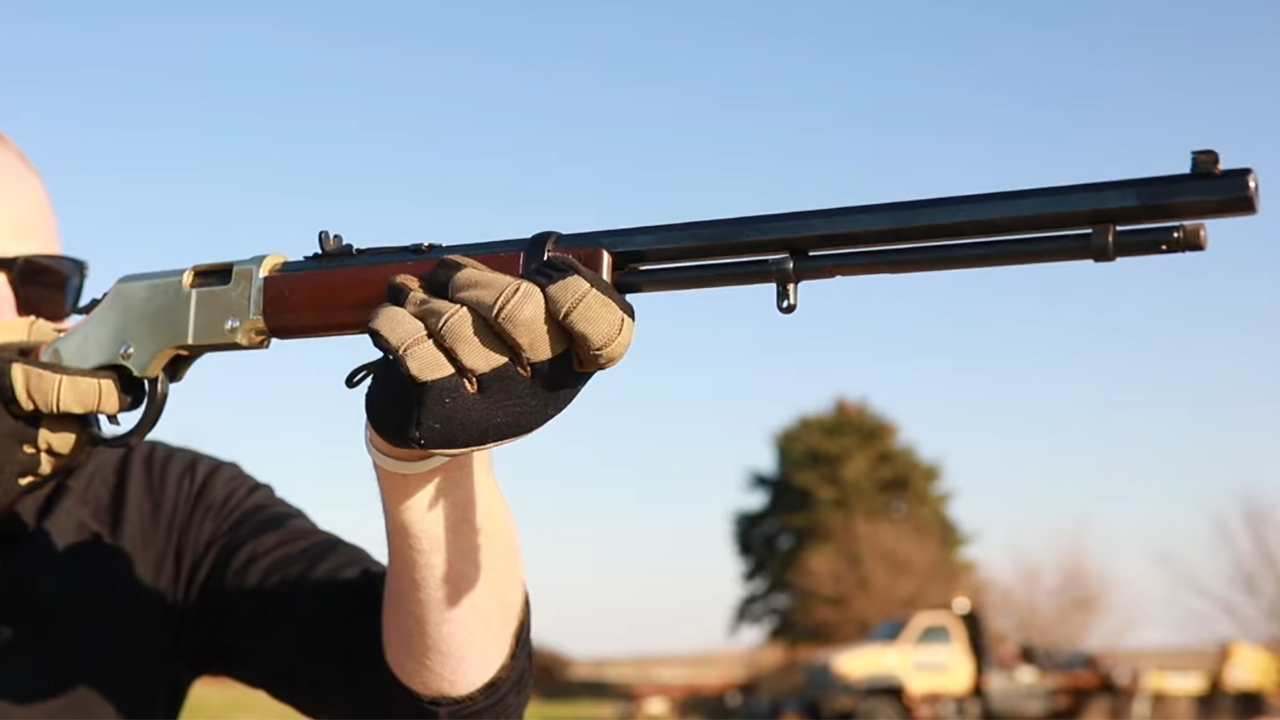
The Golden Boy is not just one successful rifle in the Henry catalog. American Rifleman says it became the company’s flagship model, and Shooting Illustrated’s 2024 Golden Boy revolver piece refers to the Golden Boy lever gun as the company’s flagship rimfire rifle.
That tells you how central the model became to Henry’s identity. When people think “modern Henry,” the Golden Boy is often the image they are actually picturing, even if the company now makes a much wider range of rifles and shotguns.
3. It is based on the H001 rimfire action, not the original 1860 Henry action
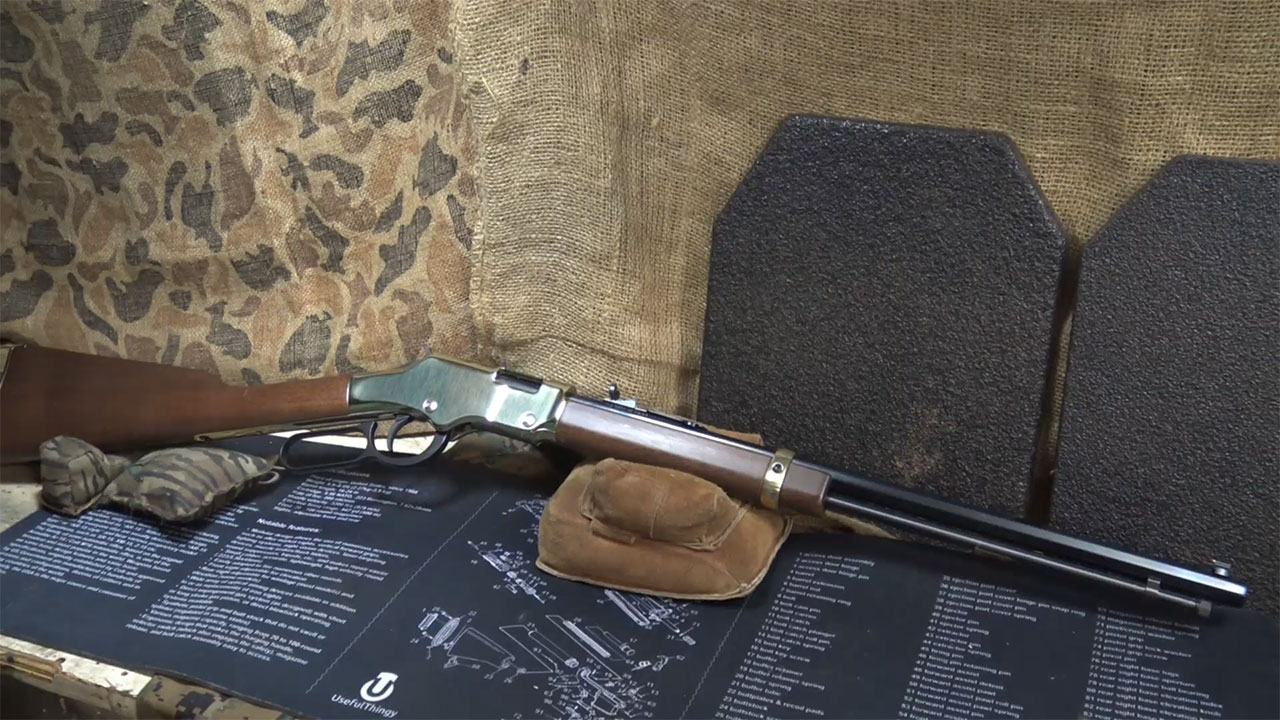
This is one of the biggest things casual shooters miss. American Rifleman says the Golden Boy was a hardened Brasslite alloy-frame version of the H001, and its 2014 review says modern Henry rifles should be seen as look-alikes rather than true replicas of the original Henry design.
That matters because the Golden Boy’s real genius is not that it copied the old gun exactly. It is that Henry took a proven modern .22 lever-action platform and gave it a classic visual identity that appealed to a huge number of shooters.
4. The “brass” receiver is not solid brass

A lot of people assume the Golden Boy uses a true brass receiver. American Rifleman says the model features a hardened “Brasslite” alloy frame, and Henry’s 1999/2000-era history coverage ties the Golden Boy specifically to that Brasslite concept.
That is an important distinction because it explains how Henry could deliver the visual effect of a classic brass-framed lever gun at a price and weight that made sense for the modern rimfire market. The rifle looks old-school, but the material choice is very much a modern manufacturing decision.
5. The Golden Boy helped push Henry from “new company” into major-brand status

Henry Repeating Arms made its first shipments in March 1997, according to the company’s 25-year retrospective. Then just two years later, it launched the Golden Boy. That means the rifle arrived very early in Henry’s corporate life and helped define what the company would become.
That is one reason the Golden Boy matters so much. It was not just another addition to a mature catalog. It was one of the guns that helped turn Henry Repeating Arms into a nationally recognized name.
6. It was named Gun of the Year in 2001
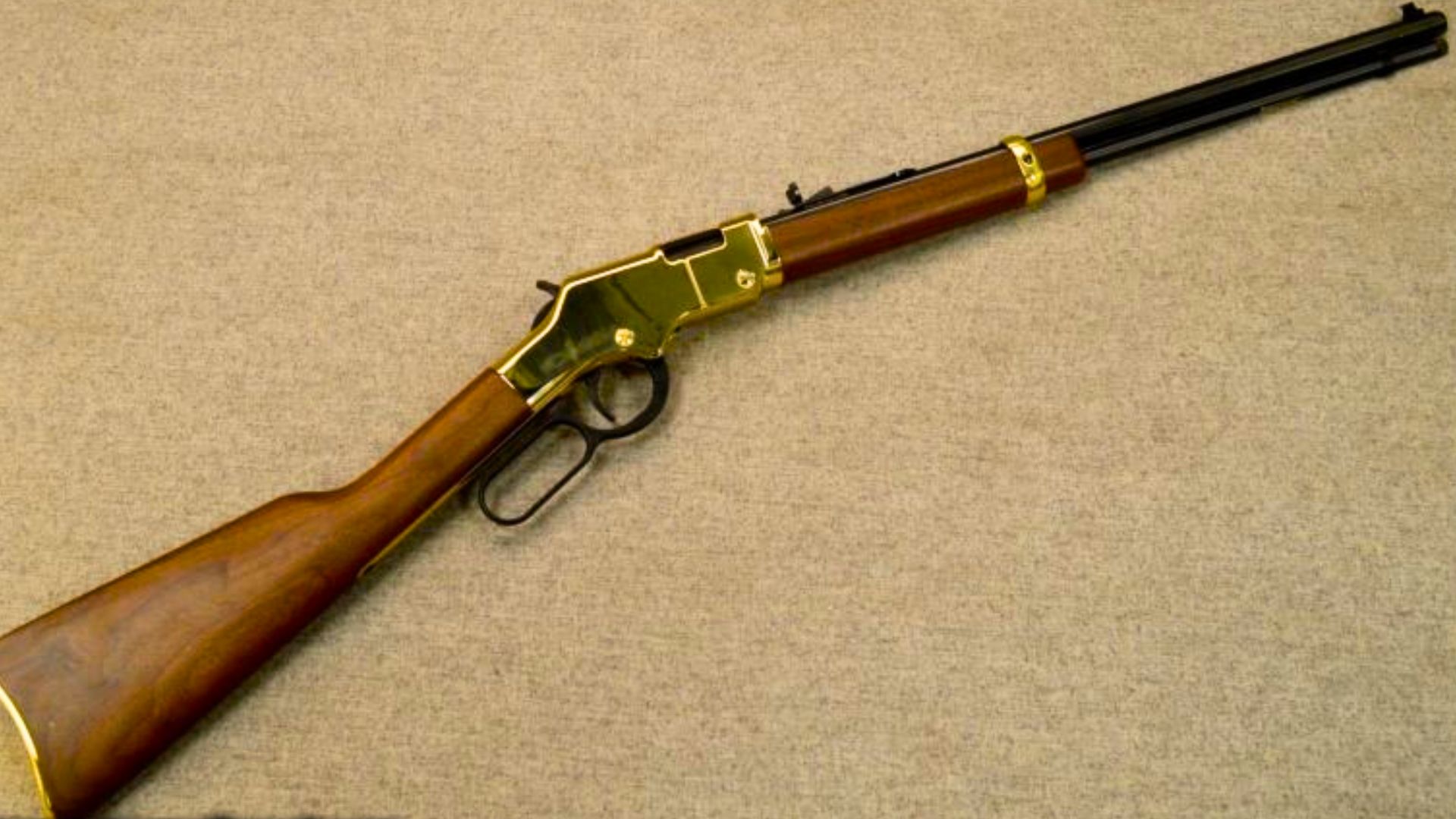
Henry’s own anniversary history says the Golden Boy was named Gun of the Year in 2001 by Guns & Ammo.
That is worth knowing because it shows how fast the rifle connected with the market. It did not spend a decade quietly building a following before people noticed it. The Golden Boy made a strong impression early, which helped cement its flagship status.
7. It was offered in more than just .22 LR from early on
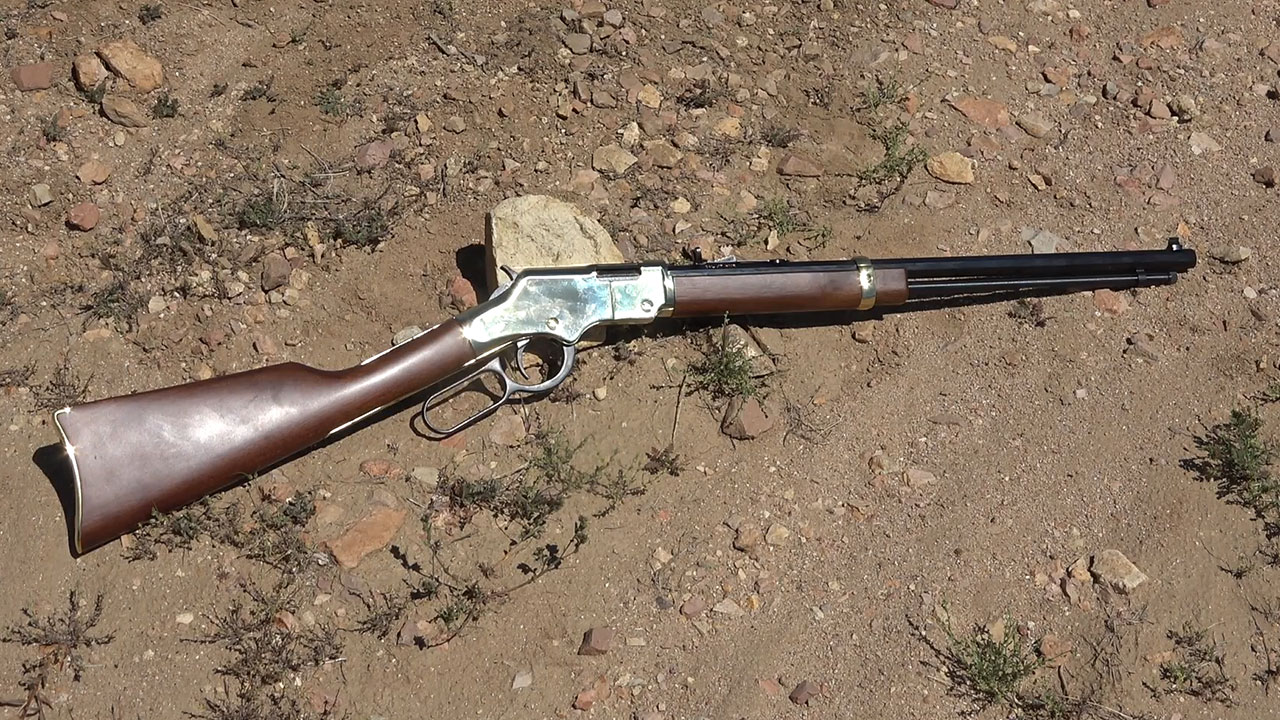
A lot of shooters think of the Golden Boy as simply “the brass Henry .22,” but American Rifleman’s 25-year piece says the rifle was offered in .22 S/L/LR, .22 WMR, and .17 HMR. Its 2014 review specifically covered the .22 Mag. version.
That broader chambering lineup mattered because it let the platform serve more than one rimfire niche. The Golden Boy was not locked into basic plinking duty only. It could stretch toward small-game and varmint use too.
8. It visually nods to both the 1860 Henry and the Winchester 1866

American Rifleman’s 2024 Golden Boy revolver piece says the rifle’s Brasslite receiver cover hearkens back to the original Henry rifle and the Winchester 1866.
That is a nice little historical detail because it shows the Golden Boy is not trying to be a museum-correct reproduction of one single old firearm. Its styling pulls from the broader brass-framed lever-gun tradition that shooters associate with classic American repeating rifles.
9. It is one of Henry’s biggest platforms for tribute and commemorative rifles
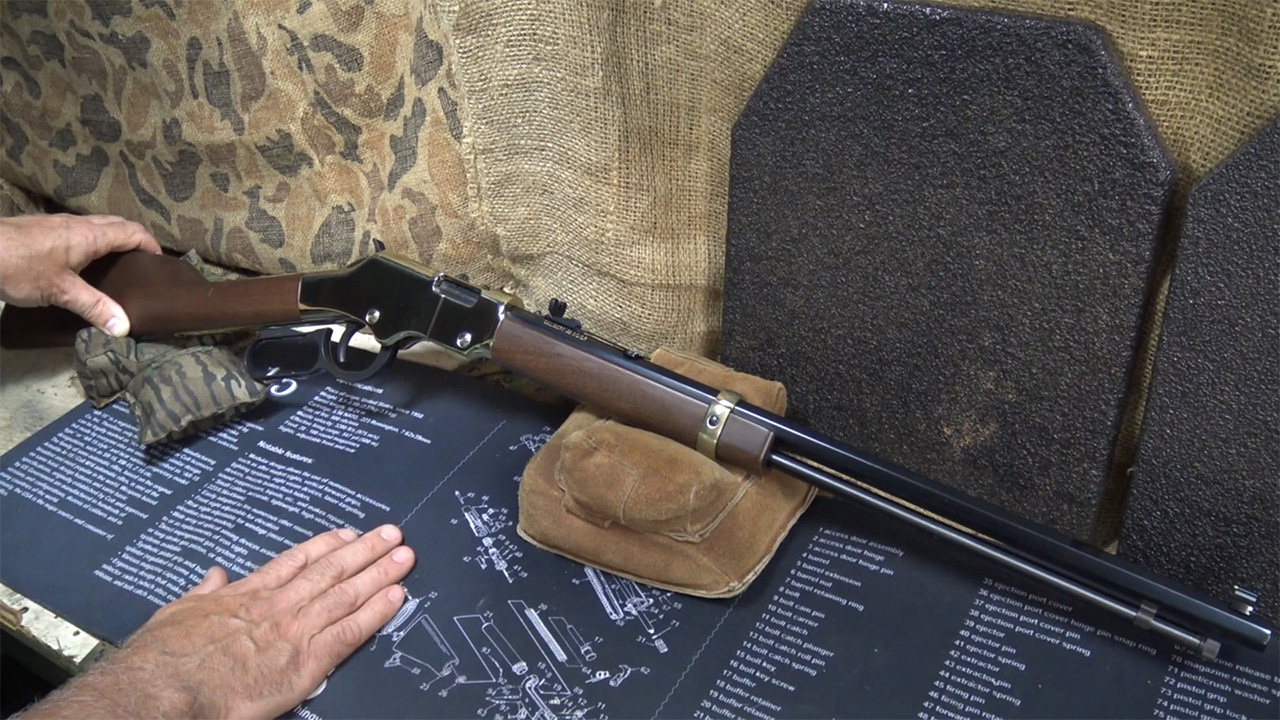
The Golden Boy is not just a standard catalog rifle. Henry and shooting publications repeatedly show it being used as the base for tribute and collector editions, from the Cody Firearms Museum Collectors Series to charity editions and anniversary guns.
That makes sense because the Golden Boy’s polished, classic look lends itself perfectly to engraving and commemorative treatments. It became one of Henry’s best canvases for that kind of work.
10. Henry used the Golden Boy heavily in its 25th-anniversary celebration
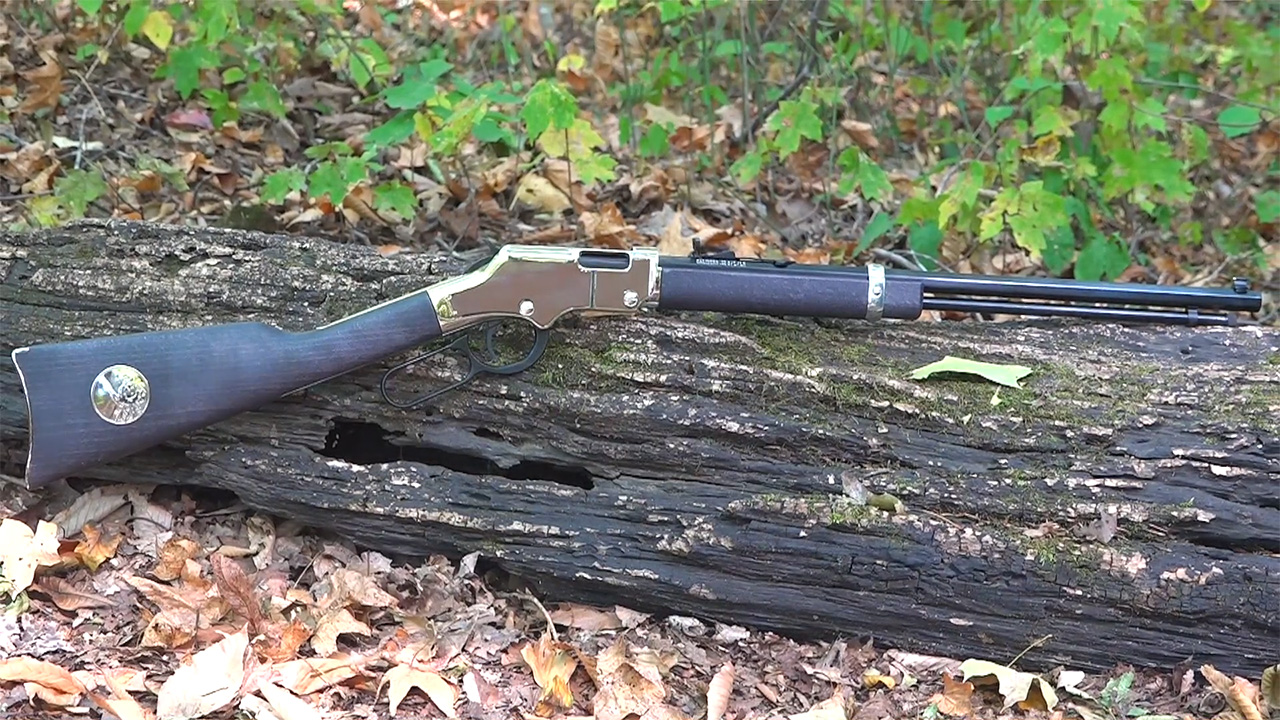
When Henry marked 25 years of production, the Golden Boy was right at the center of the celebration. Henry’s 2022 company release and American Rifleman’s anniversary piece both mention Golden Boy “Silver Anniversary” Limited Edition rifles as part of the milestone.
That is another clue to the rifle’s status inside the company. When Henry wanted to celebrate itself, it used the Golden Boy as one of the main symbols of the brand.
11. The Golden Boy helped inspire a handgun offshoot
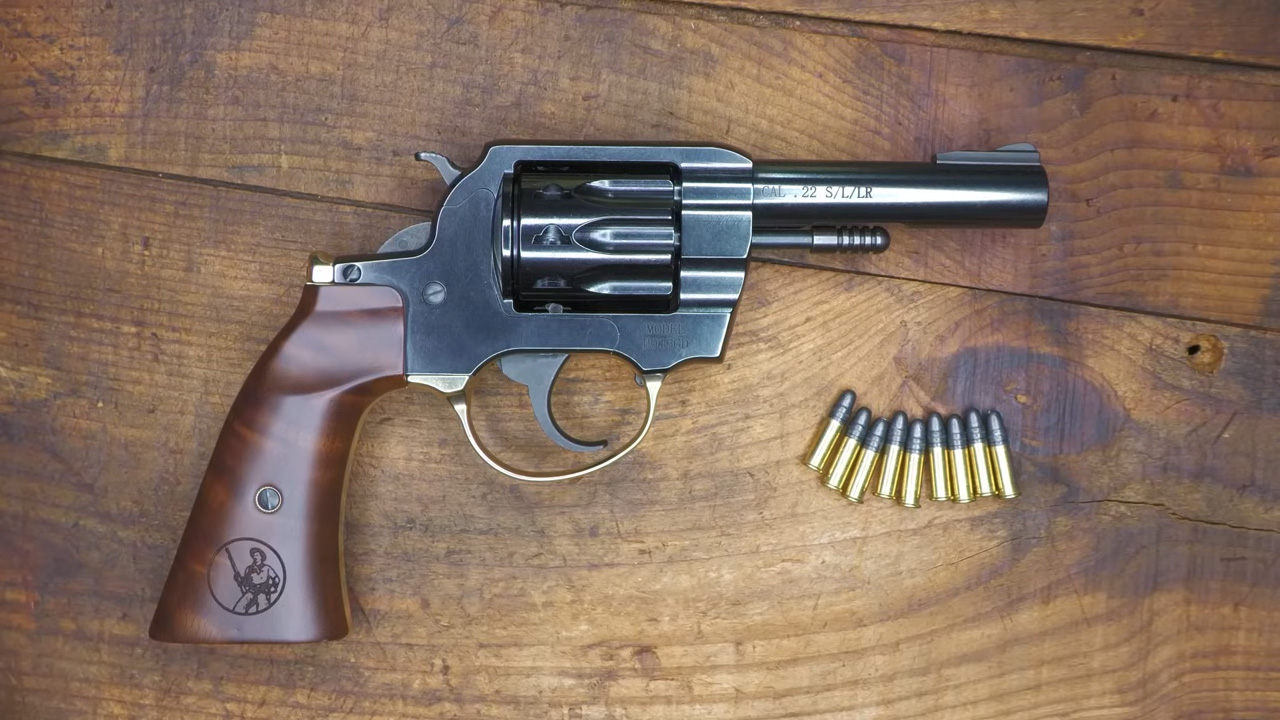
One of the more surprising modern developments is that the Golden Boy name spread beyond rifles. Shooting Illustrated and American Rifleman both covered the Golden Boy rimfire revolver in 2024, explicitly tying it to the Golden Boy lever-action rifle’s identity.
That is a pretty strong sign of brand power. A rifle has really made it when the manufacturer feels comfortable turning the model name into a broader family concept rather than just one long gun.
12. It is part of a company that is much younger than the “Henry” name makes people think

American Rifleman’s 2014 review says very plainly that the modern company is not the original maker of Henry rifles, and Henry’s own 25-year history says first shipments only began in 1997.
That is one of the most common misunderstandings around the Golden Boy and Henry Repeating Arms generally. The company name honors Benjamin Tyler Henry’s invention, but the business itself is a modern manufacturer, not a 19th-century firm that simply kept running.
13. The Golden Boy’s success helped pave the way for the Big Boy
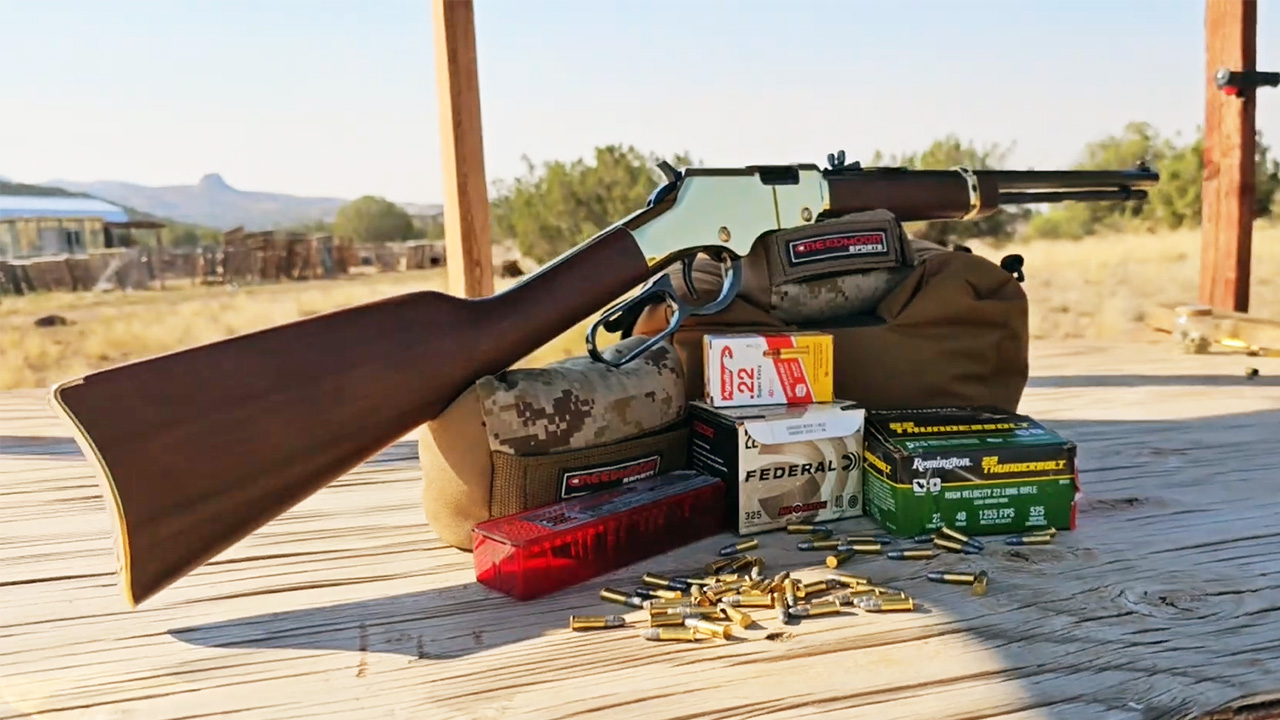
Henry’s own history says that after the Golden Boy took off, customer demand pushed the company to introduce the Big Boy in 2003 as its first centerfire rifle.
That is a major part of the Golden Boy’s legacy. It was not just a hit by itself. It helped create the momentum for Henry to move deeper into centerfire rifles and broaden the whole brand.
14. The Golden Boy is famous partly because it made lever guns feel fun again
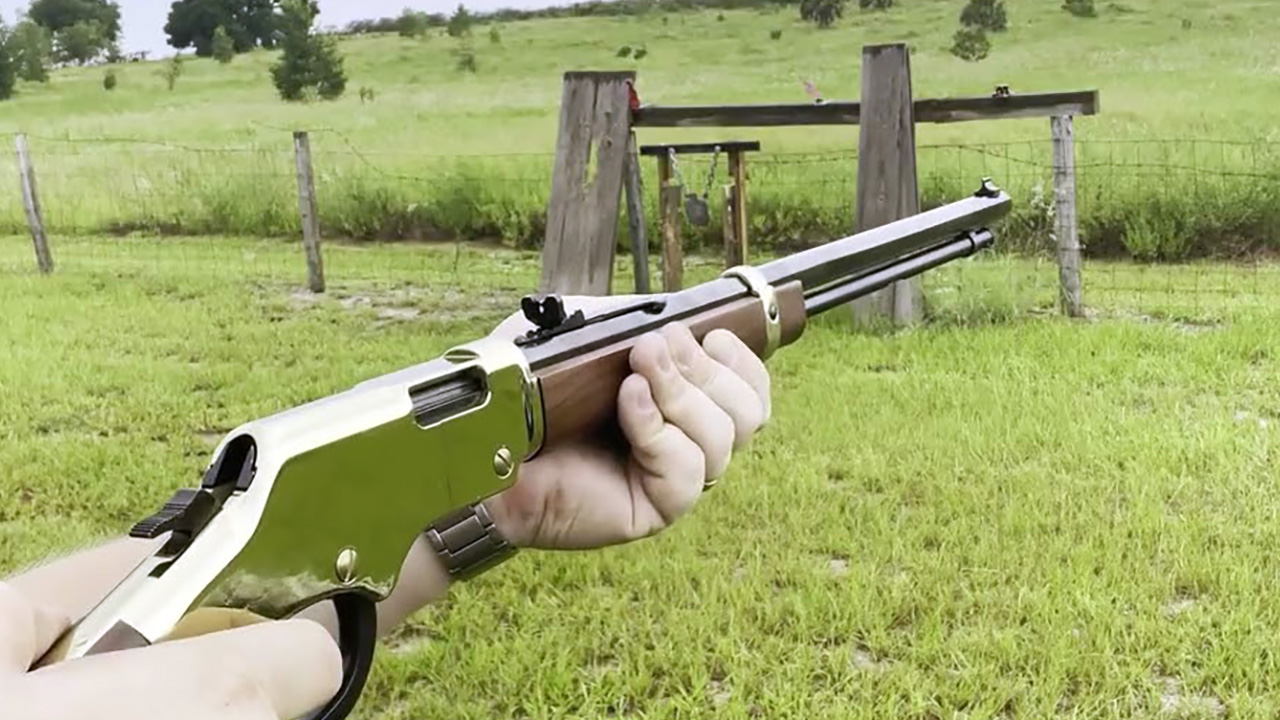
Shooting Illustrated’s 2025 lever-action feature talks about the broad return of lever guns, while Henry’s own “America’s Rifle” piece ties the company strongly to keeping lever-action culture alive in the modern U.S. market. The Golden Boy played a big part in that by offering a lever gun that was approachable, visually striking, and easy to enjoy as a rimfire.
That matters because the Golden Boy was not just selling nostalgia to old lever-gun fans. It also brought newer shooters into the lever-action world by making the format feel attractive and accessible.
15. Its biggest surprise may be that it became iconic without being a true replica
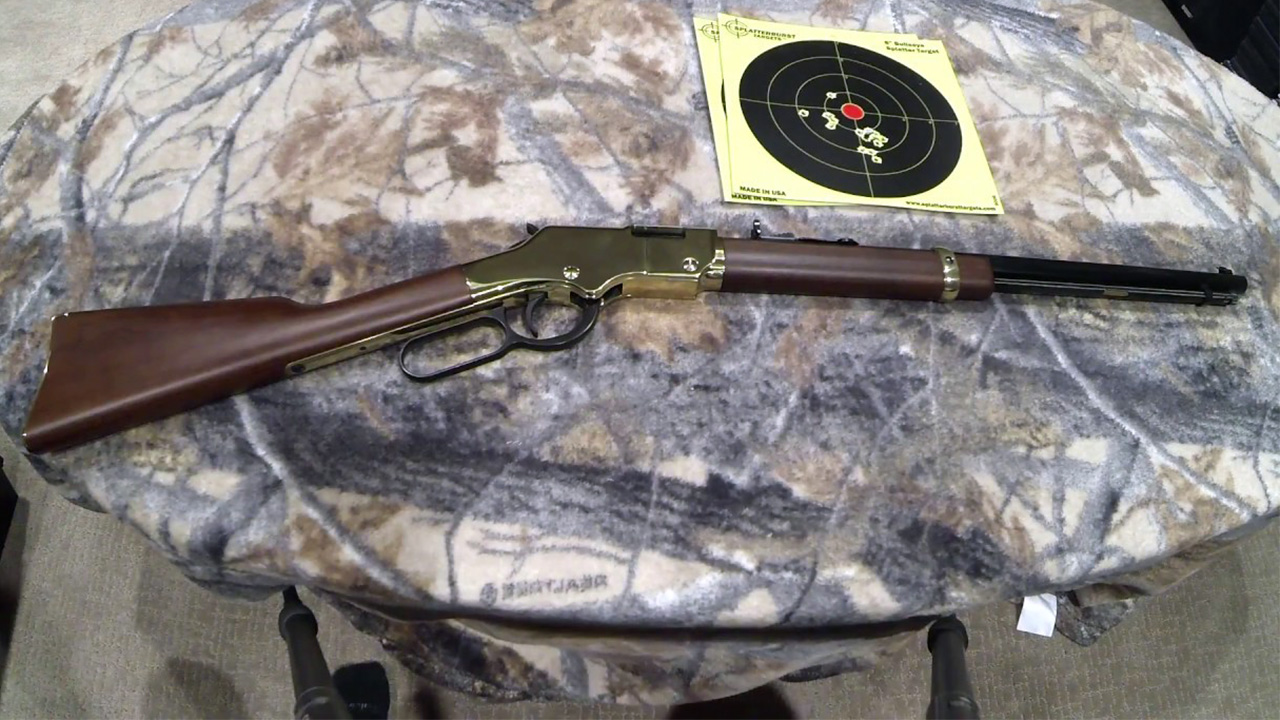
This is really the heart of the Golden Boy story. American Rifleman says clearly that Henry’s modern rifles should be thought of as look-alikes rather than replicas of the original Henry. Yet the Golden Boy still became one of the most recognizable lever guns in the country.
That is what makes the rifle so interesting. It did not become iconic by being historically exact. It became iconic by capturing the idea of the classic brass-framed American lever gun and turning it into a practical, modern rimfire that a huge number of shooters actually wanted to own.
Like The Avid Outdoorsman’s content? Subscribe to our newsletter so you never miss an article.
Here’s more from us: