Photo credit: RangerDave/YouTube
The M1 Garand is one of the few rifles that almost everybody has heard of, even if they do not know much about guns. Most people know it as the American semi-auto service rifle from World War II, maybe know the famous “ping,” and maybe know Gen. George S. Patton called it a great battle implement. But the real story is bigger than that. The M1 was the first semi-automatic rifle standardized by a major military power, it replaced the bolt-action M1903 in U.S. service, and it ended up shaping how the U.S. Army thought about infantry firepower going into World War II and beyond. The U.S. Army Center of Military History says the M1 was the first semi-automatic shoulder weapon generally issued to the infantry of any nation, and the National Museum of the U.S. Army says it was standardized in 1936.
What makes the Garand so interesting is that it was not just a successful rifle. It was a rifle that changed expectations. It gave ordinary U.S. infantrymen a faster-firing standard rifle at a time when many armies were still centered on bolt guns, and it stayed important long enough to serve in World War II and Korea before being replaced by the M14 in 1957. Here are 15 surprising facts about the M1 Garand that most people either never learned or do not think about enough.
1. It was the first semi-automatic service rifle generally issued by any major military
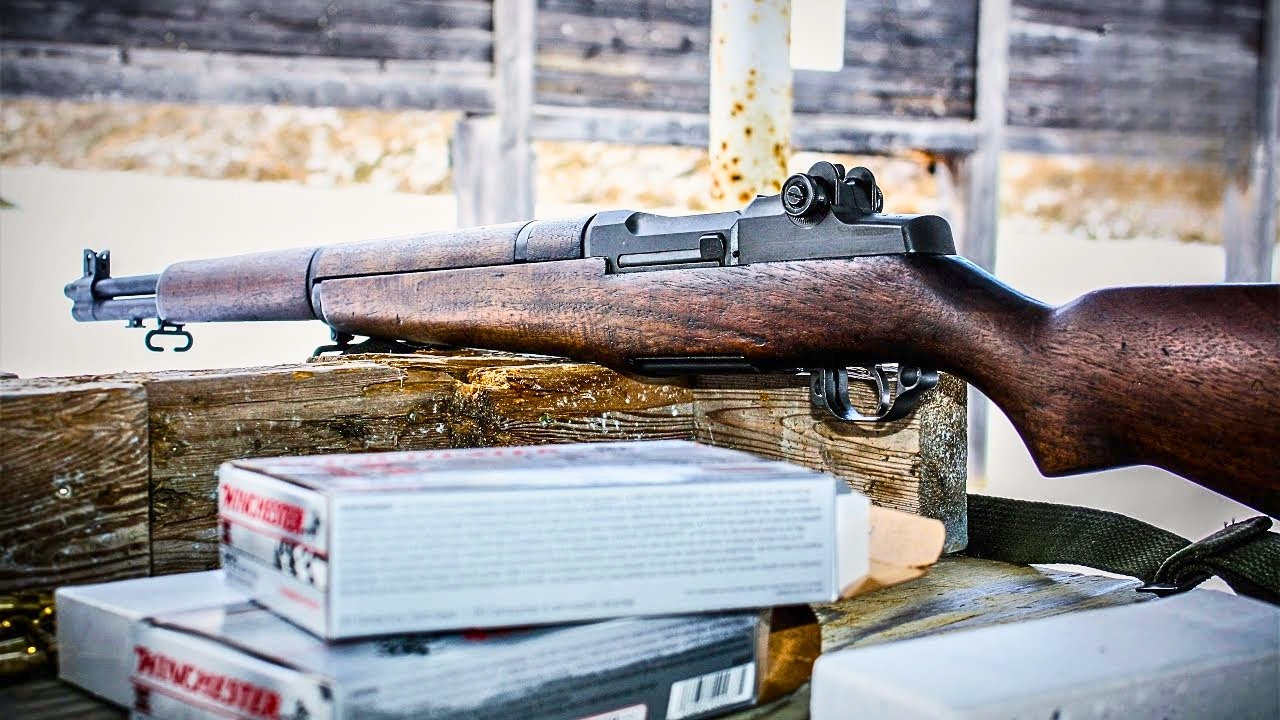
This is the biggest Garand fact, and it still surprises people who assume several countries were already doing the same thing. The U.S. Army Center of Military History says the M1 was the first semi-automatic shoulder weapon generally issued to the infantry of any nation. The National Museum of the U.S. Army makes the same point.
That matters because it tells you the Garand was not just a good American rifle. It was a major leap in standard infantry armament at the world level.
2. It was standardized in 1936, but full production took time
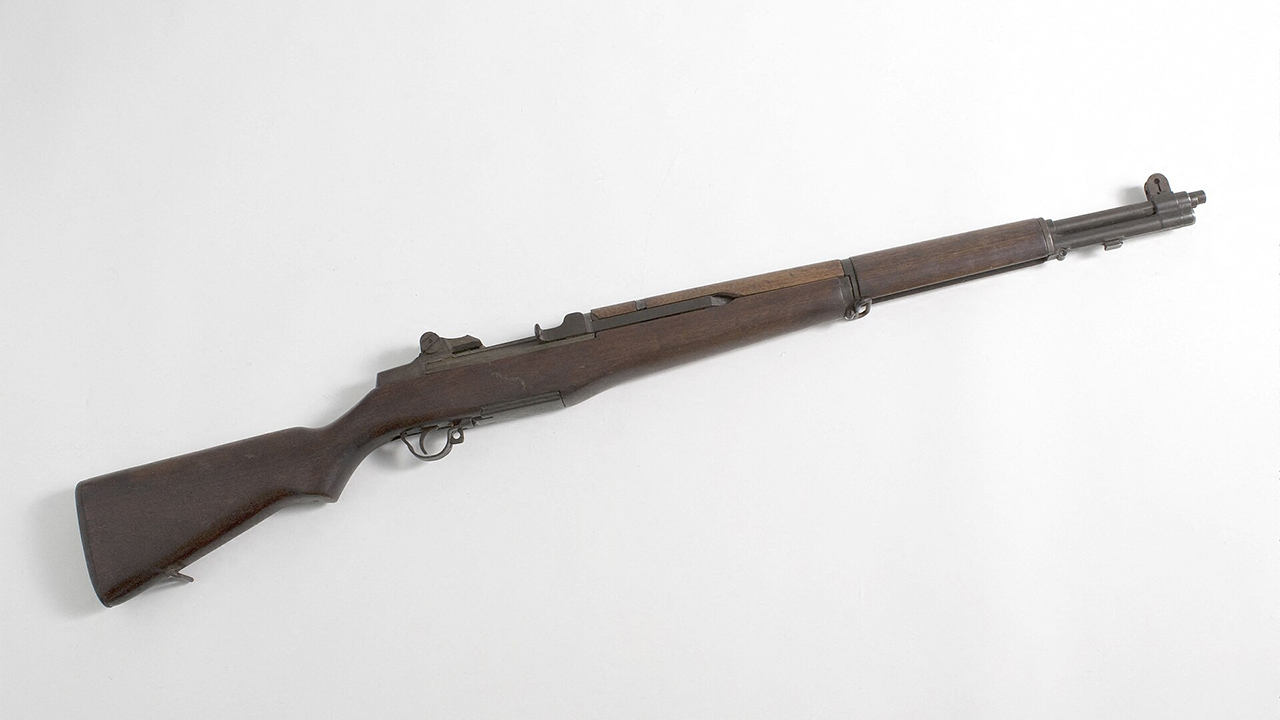
People often hear “adopted in 1936” and imagine the rifle immediately flooding the ranks. The National Museum of the U.S. Army says the M1 was standardized in 1936, while American Rifleman notes that although adoption happened then, production and refinement continued before the rifle was truly widespread in the force.
That is a useful detail because it reminds you adoption and actual large-scale field presence are not the same thing. The Garand was officially in, but getting it into enough hands was another challenge.
3. John C. Garand was Canadian-born
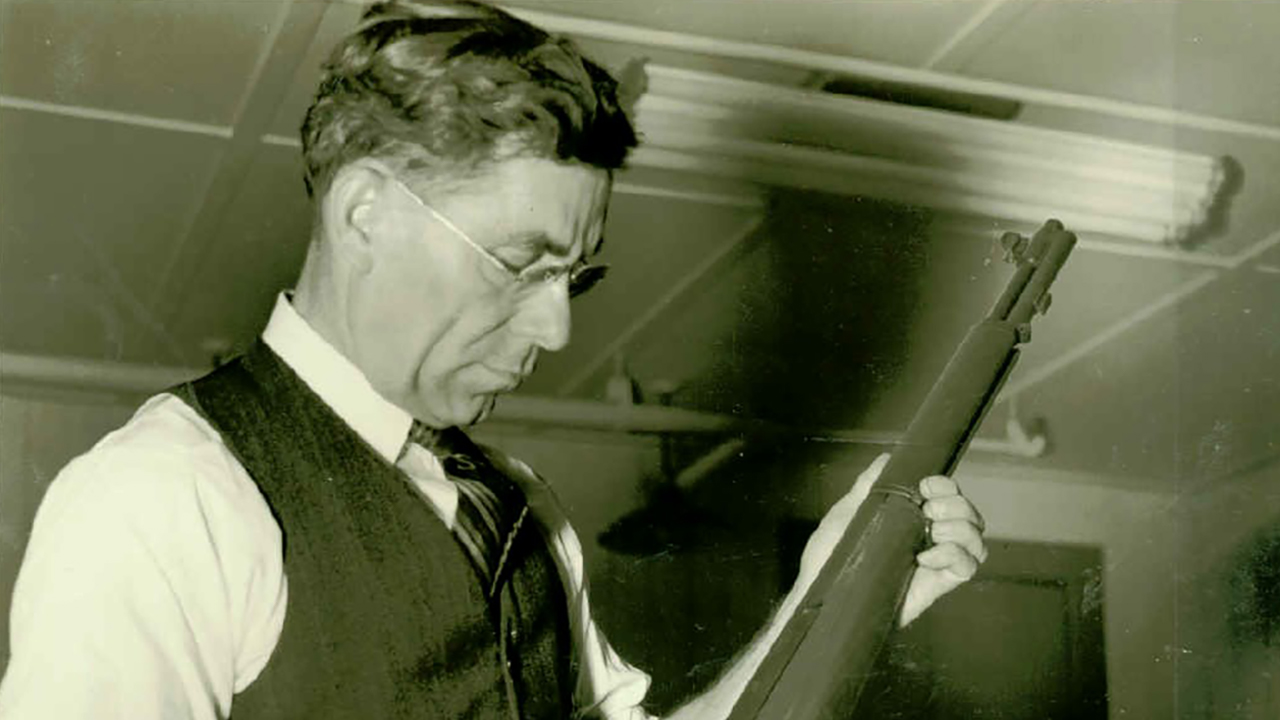
A lot of people assume the rifle’s designer was simply an American ordnance figure through and through. The Smithsonian says John C. Garand was born in St. Rémi, Quebec, Canada, before later moving to the United States.
That is one of those fun little facts that tends to catch people off guard, especially because the rifle became such a strong symbol of American military power.
4. The rifle began as a .276 concept before ending up in .30-06

A lot of people think the Garand was always destined to be a .30-06 rifle. It was not that simple. The U.S. Army Center of Military History says Garand first designed a semi-automatic rifle in .276 caliber, but Army Chief of Staff Gen. Douglas MacArthur directed that the new rifle use standard .30-06 ammunition instead, largely to avoid replacing huge existing stockpiles.
That is a major fork in the rifle’s history. The Garand people know was not the only Garand that might have existed.
5. Its eight-round en bloc clip is one of its defining features
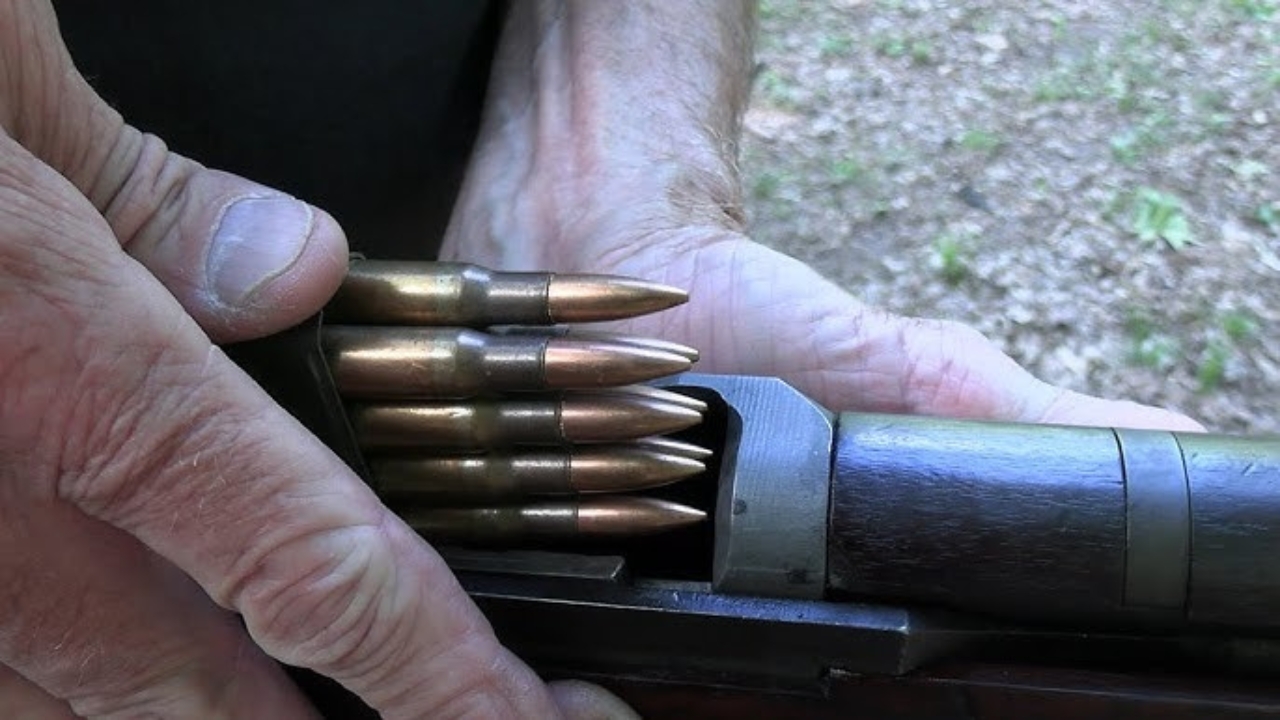
The Garand does not use a detachable box magazine like later U.S. service rifles. The U.S. Army says it uses an eight-round en bloc clip inserted into an internal magazine, and that clip is automatically ejected after the last round is fired.
That loading system became one of the rifle’s most recognizable traits. It is a huge part of why the rifle feels mechanically distinct even today.
6. The famous “ping” is real, but its battlefield importance is often exaggerated

Yes, the clip really does eject with a noticeable metallic sound. But the idea that enemy soldiers were constantly using that sound to time attacks is much shakier as a universal truth than popular lore suggests. The National Museum of the U.S. Army notes the signature “ping” when the clip ejects, but broad historical treatments of the rifle focus far more on its firepower and reliability than on that sound as some decisive battlefield flaw.
So the ping is real. The legend built around it is bigger than the evidence most serious histories emphasize.
7. It replaced the M1903 Springfield, but not overnight

The Garand is often treated like it instantly swept the old bolt gun away. The U.S. Army Center of Military History says the M1 replaced the M1903 Springfield, but that transition took time as production ramped and existing rifles remained in use.
That matters because it helps explain why early-war and prewar images can still show both rifles in the broader force. The Army did not flip a switch overnight.
8. Patton’s famous quote was real
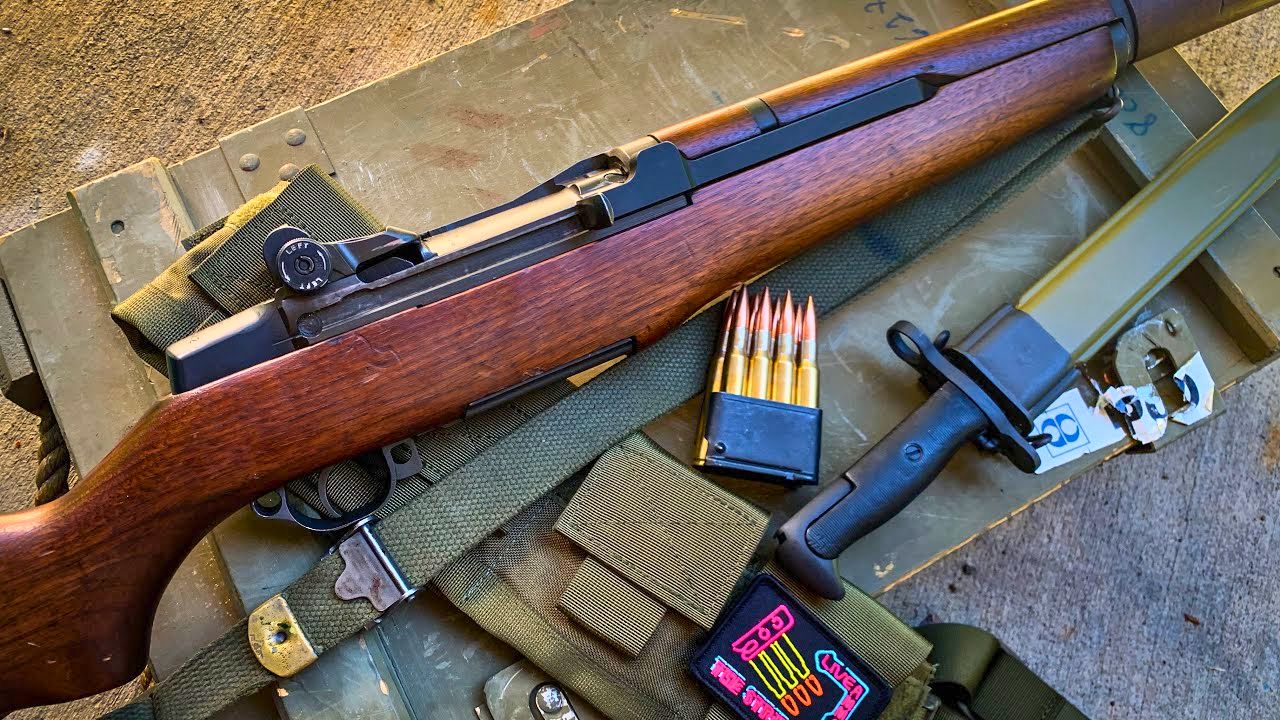
The quote gets repeated so often that some people assume it is internet embroidery. The National Museum of the U.S. Army says Gen. George S. Patton called the M1 “the greatest battle implement ever devised.”
That line stuck because it captured how revolutionary the rifle felt compared with the bolt-action norm of the era.
9. It gave U.S. infantry a real rate-of-fire advantage over many bolt-action opponents
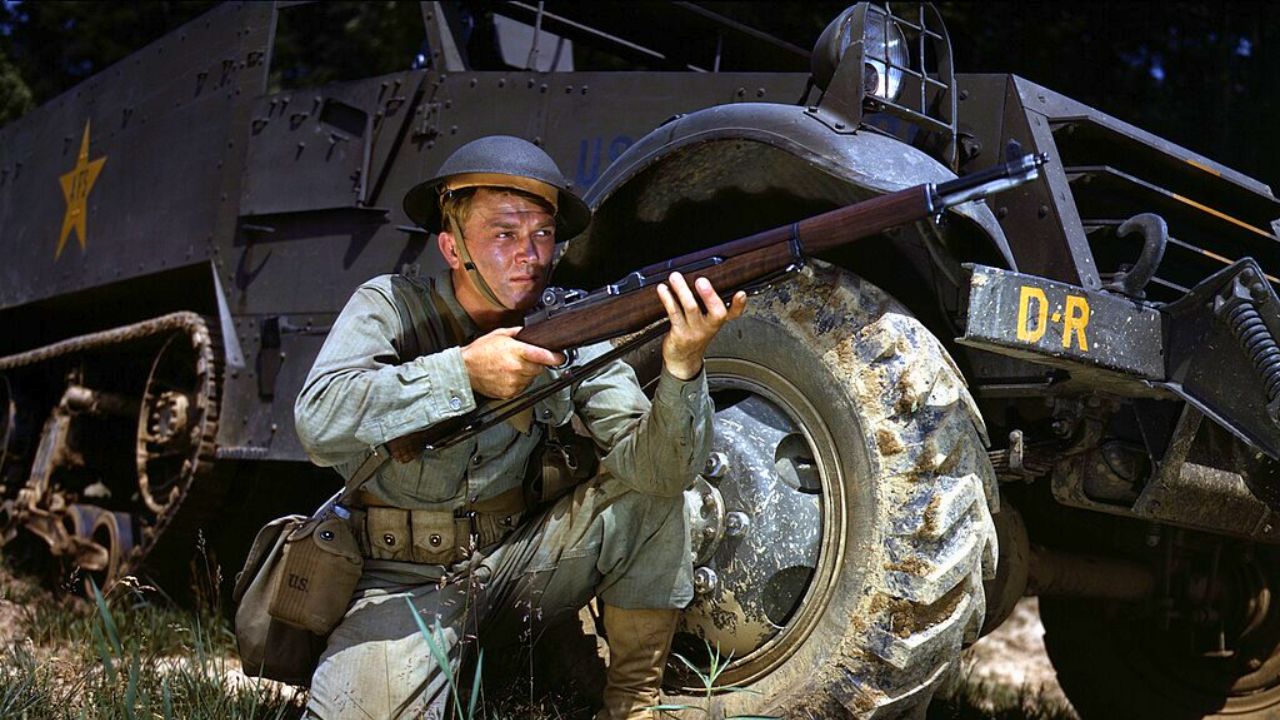
The Army’s historical coverage explicitly ties the Garand to increased infantry firepower because it was semi-automatic and standard issue. In an era when many opposing forces still centered their riflemen around bolt guns, that was a real advantage.
That does not mean the rifle won wars by itself. It means the average American rifleman had faster repeat-fire capability in his standard shoulder arm than many of his counterparts.
10. It served in both World War II and Korea

A lot of people mentally trap the Garand inside World War II only. The National Museum of the U.S. Army says the rifle served in World War II and the Korean War.
That longer service life matters because it shows the rifle was not a one-war wonder. It remained good enough and important enough to stay in frontline U.S. service well into the 1950s.
11. It was replaced by the M14 in 1957

The U.S. Army Center of Military History says the M1 Garand was replaced by the M14 in 1957.
That date is useful because it shows just how long the Garand remained central after its 1936 standardization. It had a long and serious service life before the next standard U.S. rifle finally took over.
12. Springfield Armory was central to production, but it was not the only maker

A lot of people associate the rifle entirely with Springfield Armory because the government armory was crucial to development and production. But wartime demand also brought in additional producers. American Rifleman’s historical treatments discuss wartime production expansion beyond the original government-armory setting as demand surged.
That is a useful reminder that rifles this important usually become bigger than one shop or one production line once war pressures arrive.
13. The Garand’s influence ran straight into later U.S. rifles

The M1 did not just matter in its own era. The M14 was a direct evolutionary descendant in broad service-rifle terms, and the Garand’s success changed what the U.S. expected from an infantry rifle. The Army’s history makes that sequence clear by linking the M1 to its eventual replacement in the M14.
That means the Garand was not just a famous rifle. It was a pivot point in U.S. rifle development.
14. It remains one of the strongest collector and shooter military-rifle communities in America

The Civilian Marksmanship Program still sells M1 Garands and provides grading, history, and support around them, which says a lot about the rifle’s continuing civilian life. CMP’s sales pages and program materials show the Garand remains a central collectible and shootable U.S. military rifle in the modern market.
That is a huge part of why the rifle stays culturally alive. The Garand is not only a museum piece. It is still a rifle many Americans actively buy, shoot, and study.
15. Its biggest surprise may be that it changed infantry expectations more than its simple appearance suggests

At a glance, the Garand can just look like a long walnut-and-steel old rifle. But the U.S. Army’s own history makes clear that it represented a major shift in standard infantry armament by giving ordinary soldiers a semi-auto rifle as standard issue.
That is probably the most surprising fact of all. The M1 Garand is not just a beloved old service rifle. It is one of the guns that changed what a standard infantry rifle could be.
Like The Avid Outdoorsman’s content? Subscribe to our newsletter so you never miss an article.
Here’s more from us: