Photo credit: OrnaW/Pixabay.com
Bears don’t “target” campsites because they’re hunting people. They target your stuff—coolers, trash, dog food, grease, toothpaste, baby wipes, even that empty beef-jerky bag in the side pocket. Once a bear gets an easy meal in a campground, it starts treating camps like a vending machine, and that’s when trouble shows up fast. The common thread across the worst states for campsite problems is simple: lots of bears + lots of campers + easy access to smells.
If you camp in any of the states below, act like a bear already knows your schedule. Food and scented items stay out of the tent. Use lockers if they exist. If canisters are required, don’t argue with the rule—pack it and move on. And keep a clean camp the whole time, not just before bed.
Alaska
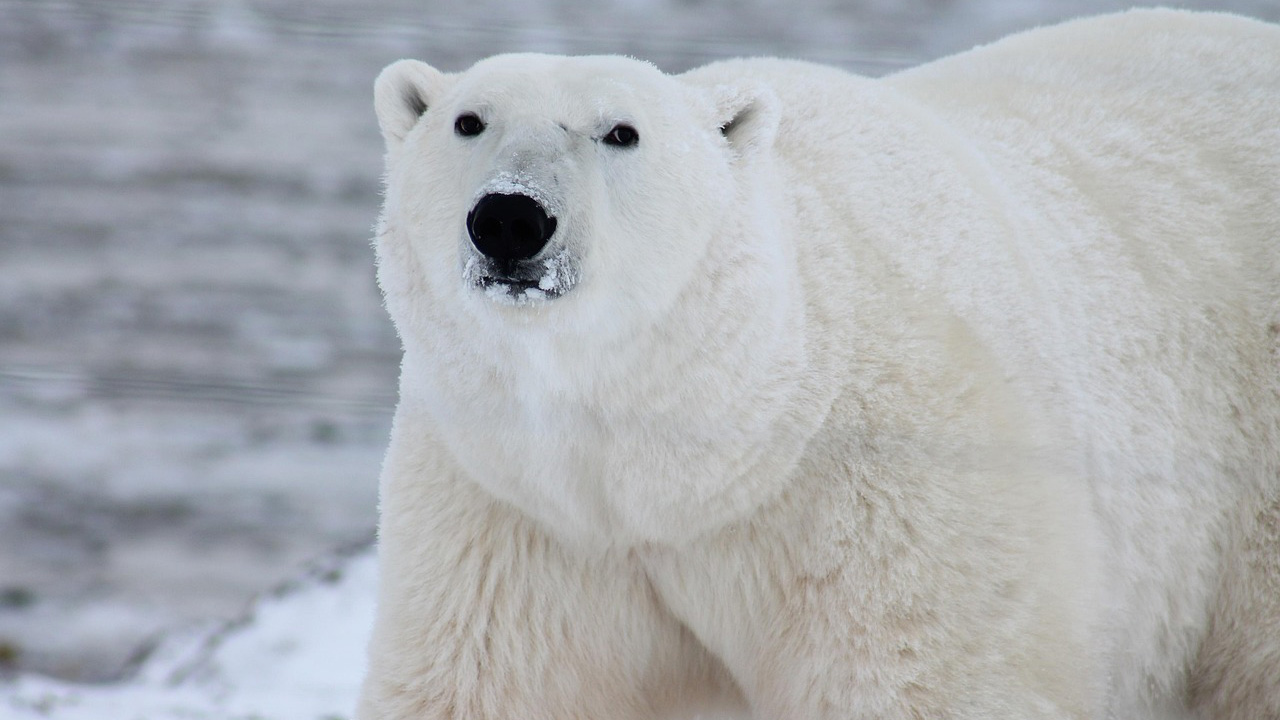
Alaska is the definition of “bear country,” and it’s one of the few places where you’ve got black bears, brown/grizzlies, and polar bears on the map. That matters because the overlap is huge, and the camping is often remote enough that a bear that learns bad habits doesn’t get “trained” quickly by staff or infrastructure the way it might in a busy front-country campground. Alaska’s fish-and-game guidance flat-out says brown bears are found nearly everywhere and black bears cover most forests—so the odds of sharing space are simply higher than in most states. Add salmon streams, berry seasons, and long daylight hours, and you’ve got a recipe for bears cruising camp areas looking for anything that smells like calories.
Montana

Montana gives you a heavy mix of backcountry camping, busy trailheads, and both black bears and grizzlies depending on the zone. The common failure point is the same one every time: food and scented items ending up in tents, left on picnic tables, or tossed in a truck bed “for a minute.” Montana FWP’s camping guidance is blunt—keep anything with a scent out of tents and use bear-resistant bins when they’re provided. That’s not generic advice; it’s the reality of a state where a bear that gets rewarded in a campground can turn into a repeating problem quickly. If you’re camping anywhere near Glacier country, the Bob Marshall region, or big river corridors, assume bears are working the area nightly.
Wyoming
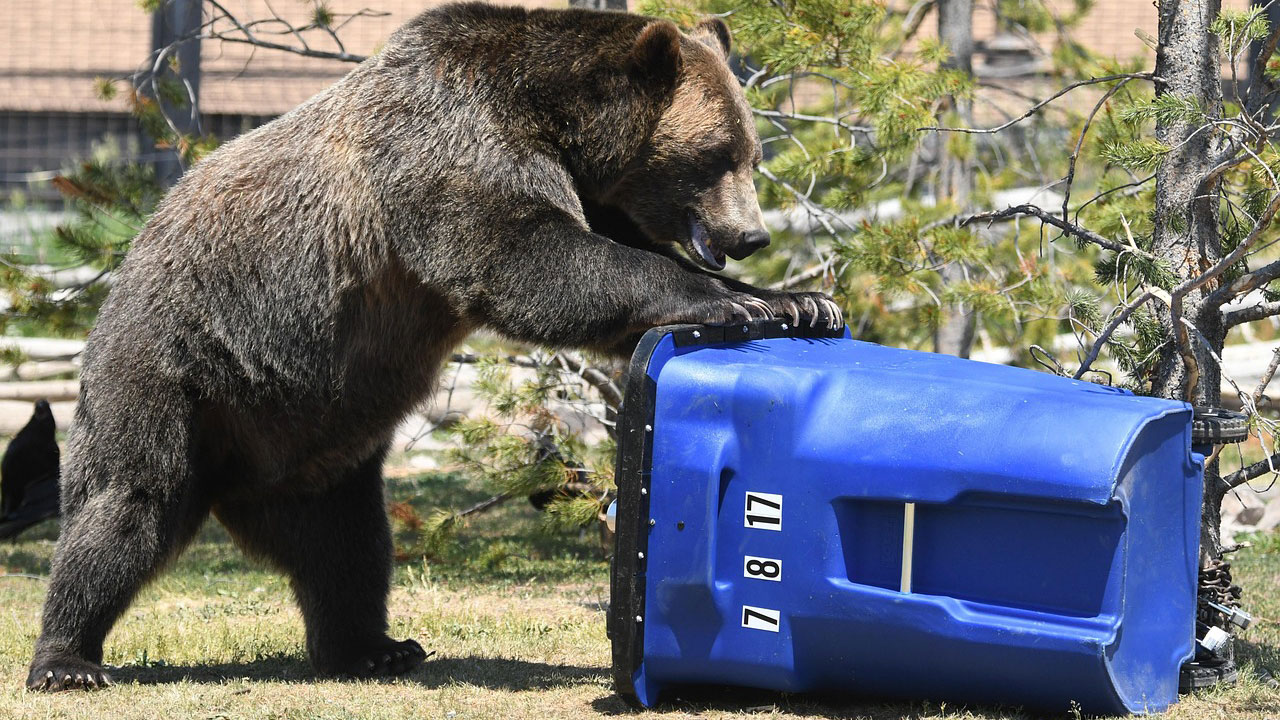
Wyoming camping and bears go together like rain and wet boots—especially anywhere tied into the Yellowstone/GTNP ecosystem or big national forest blocks. Wyoming Game & Fish stresses storing food, garbage, and odorous items so bears can’t access them, and that’s aimed directly at camp behavior. In a lot of Wyoming, you’re not dealing with a “random” bear encounter; you’re dealing with bears that already know where people recreate and what people tend to leave out. Campgrounds, trailhead overnights, and dispersed sites near water are where folks get sloppy, and that’s where bears start pushing. If you’re camping out of a truck, don’t treat the bed like a storage locker—lock it down like you mean it.
Idaho

Idaho has a ton of wild country with serious camping pressure—Salmon-Challis areas, the Panhandle, the Clearwater region, and big swaths of national forest where people do long weekends and multi-day hunts. Black bears are widespread, and in the right pockets you’re also in grizzly country along the northern edge. What makes Idaho a “campsite issue” state is how many people camp dispersed with zero infrastructure—no lockers, no managed trash, no regular staff patrols. That means your system has to be solid: cook away from where you sleep, pack trash tight, and don’t “burn it in the fire ring” and call it handled. Bears don’t care that it’s ash—if it smells like food ever did, they’ll dig. When in doubt, follow the same bear-country food rules the Forest Service pushes everywhere.
Washington

Washington is loaded with black bears, and the state’s own info points at the real driver of conflict: human-provided attractants, including improper food storage while camping. WDFW notes that the majority of conflict calls come back to things like trash, pet food, bird feeders, and bad camping storage habits—and they’ve logged thousands of conflict calls in recent years. That’s the big clue: this isn’t rare or hypothetical. It’s common enough that the system is tracking it at scale. Washington’s mix of thick cover, strong berry seasons, and high recreation use (especially around the Cascades) puts bears and camps close together all the time. You can do everything right and still see a bear, but doing it wrong is how bears start visiting camps on purpose.
Oregon

Oregon has plenty of black bears and a lot of campers spread across the Cascades, Coast Range, and big timber country where visibility is limited and food smells travel. The pattern here looks like the rest of the Pacific Northwest: bears that get rewarded near campgrounds start running the same loops—dumps, picnic areas, camp loops, then back into cover. Oregon also has a strong culture of dispersed camping, and that’s where people cut corners because nobody is watching. If you bring a cooler, treat it like a bear magnet. If you cook, clean like you’re trying to pass an inspection. And don’t get cute with food inside the tent because “it’s raining.” That’s how camps become a repeat stop for the local bear.
California
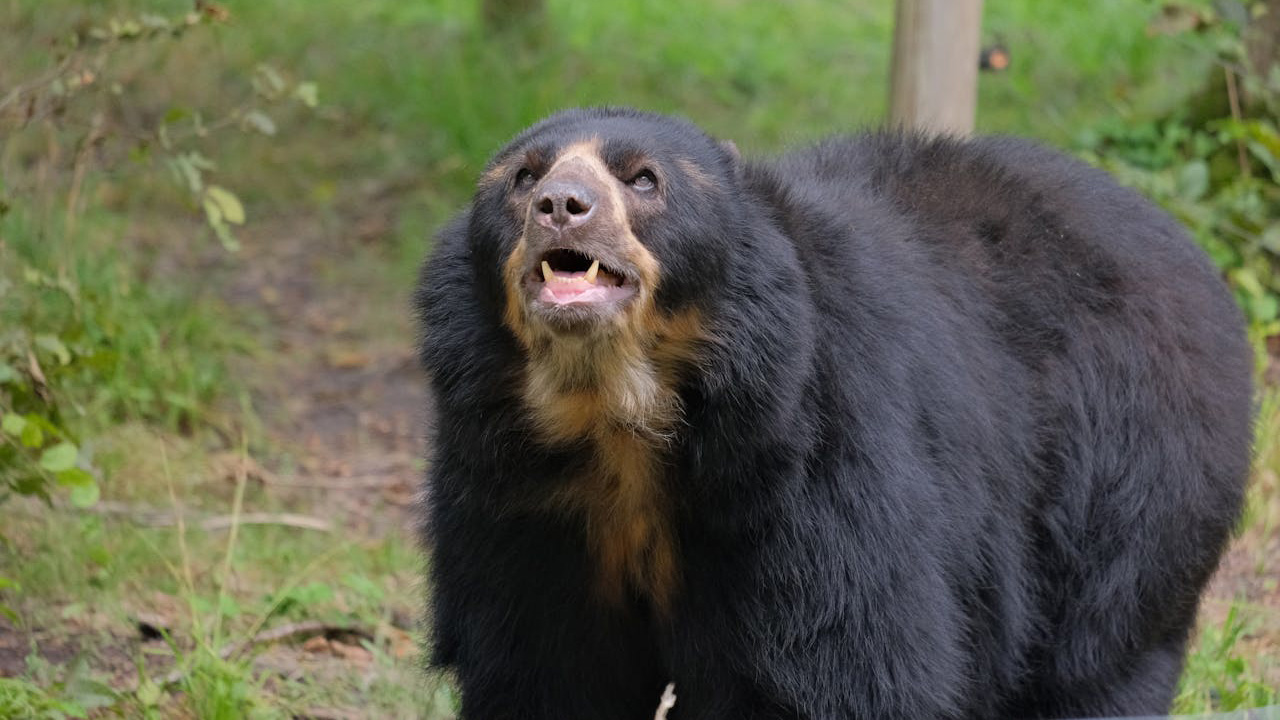
California is a bear-and-camping collision course because you’ve got massive recreation traffic and a strong black bear population in mountain and forest country. CDFW has documented serious conflict situations tied to camp areas, including bears threatening campers and breaking into vehicles in places like the Tahoe Basin. Yosemite also requires bear canisters for wilderness overnights because food storage is the whole ballgame there—once bears get human food, the behavior problems don’t stay contained. The “California bear problem” in campgrounds usually looks like this: people assume a bear is basically a big raccoon, leave food accessible, and the bear learns fast. Then it escalates into ripped doors, smashed windows, trashed camps, and eventually a bear that has to be removed.
Colorado

Colorado is one of the clearest “high-conflict” states on paper. Colorado Parks & Wildlife reported thousands of bear-related sightings/conflict reports in 2024, and they point straight at trash and other attractants as the biggest driver. That matters for campers because campgrounds concentrate exactly what bears want—food smells, trash, and people who get casual after day one. Colorado also has a lot of front-range-to-mountains weekend camping, meaning tons of newer campers who haven’t been burned by a bear yet. When food is scarce in natural cycles, bears get pushier, and that’s when camp areas see more visits. If you camp Colorado, don’t rely on “it’ll be fine.” Build your routine like you expect a bear to test it.
Tennessee
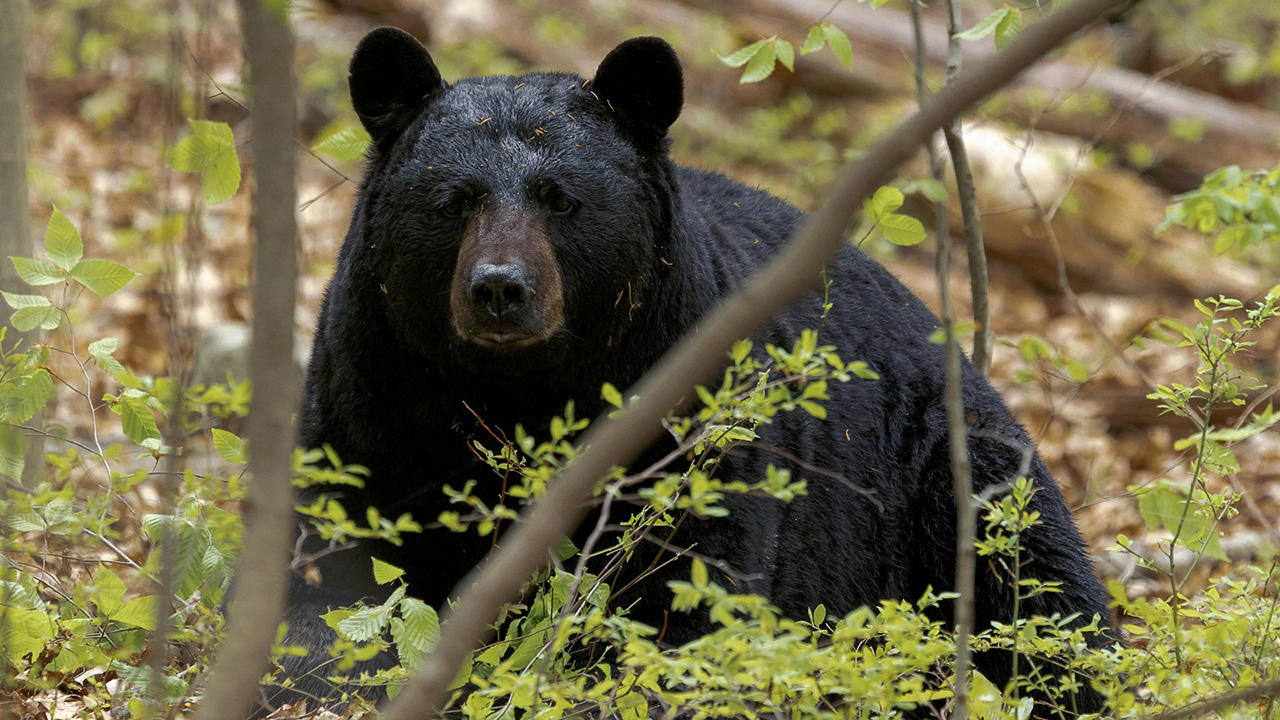
Tennessee lands on this list largely because of the Great Smoky Mountains footprint and the sheer number of people camping and visiting bear habitat. The National Park Service has warned about increased incidents tied to people feeding bears and reminds visitors to store food and scented items properly—hard-sided vehicles in front-country, bear cables in backcountry. When you combine a healthy bear population with constant human pressure, bears learn the patterns: where people cook, where people stash food, where trash builds up. That doesn’t mean every campsite is a bear incident waiting to happen. It means your odds of seeing a bear near camp go up, and sloppy food habits get punished fast.
North Carolina
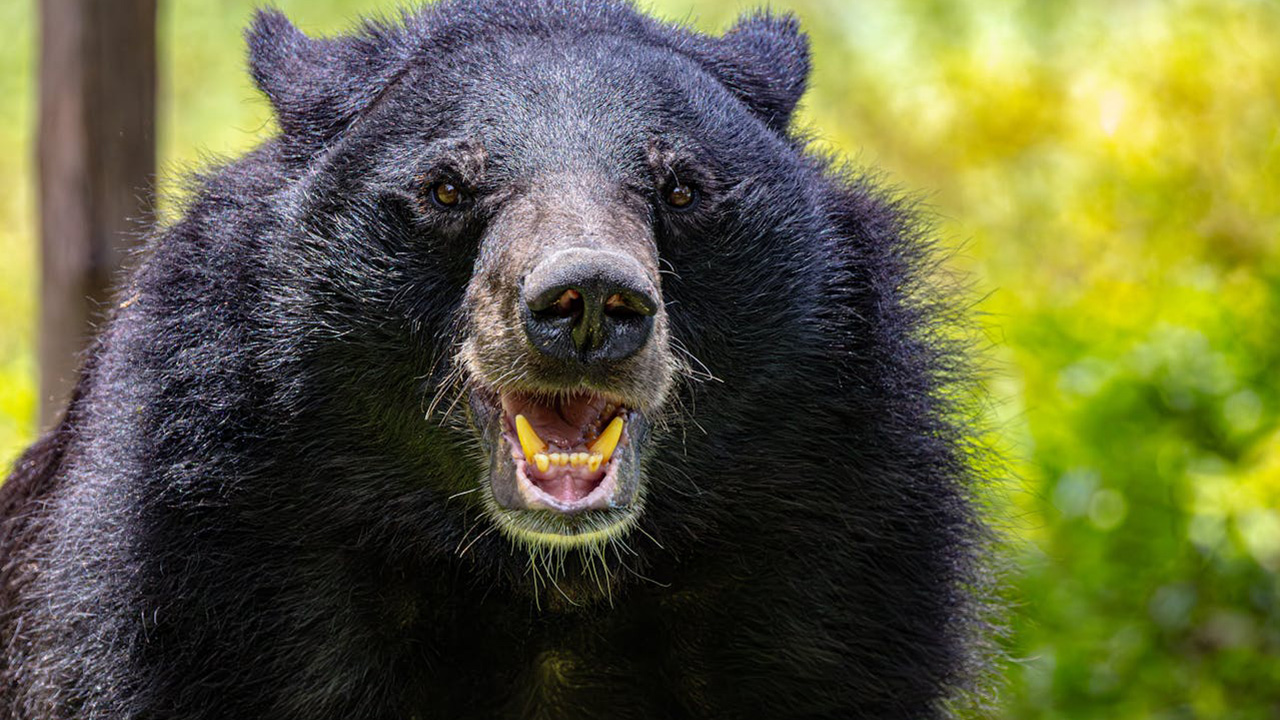
North Carolina has serious black bear country in the mountains, plus heavy camping use along the Blue Ridge Parkway corridor and adjacent forests. The Blue Ridge Parkway has mandatory food storage rules for campgrounds and backcountry sites—store food and food-related items in a closed vehicle or a bear-proof locker. That kind of regulation usually shows up when bears have a history of checking camps and picnic areas. In the national forest zones, guidance stays consistent: hang or store food properly, keep scented items locked down, and don’t leave coolers and garbage sitting out. In real life, the “problem camps” are the ones near popular trail systems and water where people cook big and clean small.
New York

New York’s Adirondacks—especially the High Peaks region—are a classic example of high-use camping meeting bears that have learned the game. NYSDEC requires bear-resistant canisters for overnight campers in the Eastern High Peaks Wilderness during a big chunk of the year, and that rule exists because bears have repeatedly figured out how to get food from people. When a state makes canisters mandatory in a specific zone, it’s not a suggestion; it’s a response to bears that already treat camps as an opportunity. Add the density of backcountry sites and the number of inexperienced visitors every season, and you’ve got steady pressure on bears to keep trying. If you want your food to still be yours in the morning, follow the canister rule like it’s law—because it is.
New Jersey

A lot of folks don’t think “bear state” when they think New Jersey, and that’s exactly why campers get caught flat-footed. NJDEP’s bear guidance for outdoor users hits the big points: store food properly, use bear-resistant containers when possible, don’t cook or eat near your tent, and never store food in the tent. Those aren’t random bullets—those are campground and trailhead problems in a state where bears overlap people hard, especially in the north and northwest. The bear issue in NJ tends to be close-range: bears used to neighborhoods and parks, then the same behavior shows up at campgrounds. If you camp NJ, lock it up like you’re in big country, not like you’re car camping in “safe” woods.
Pennsylvania

Pennsylvania has a serious black bear presence, and the Pennsylvania Game Commission straight-up notes that bears can get into trouble by raiding campers’ food stores. That’s the phrase to pay attention to—camp food is a known conflict point, not an edge case. PA also has a lot of mixed-use public land where campsites sit near natural travel corridors: creek bottoms, saddle crossings, berry patches, oak ridges in fall. The camping pressure is steady, and so are the opportunities for bears to get rewarded. The “PA campground bear” is often a bear that has learned the routine of weekend crowds—Friday night cooking, Saturday afternoon coolers, Sunday morning trash. If you break that pattern by storing food right every time, you dodge most of the problems.
Michigan
Michigan’s bear situation is concentrated heavily in the Upper Peninsula and northern zones, and it’s exactly the kind of place where people camp for long weekends and assume they’re alone enough to get lazy. Michigan DNR materials stress the basics: keep a clean camp, never keep food and toiletries in tents, and store food properly—either secured in a vehicle or hung correctly if that’s your only option. That guidance exists because campsite mistakes are a repeat conflict trigger. In thick timber country, a bear can be in and out of a camp fast, and you might never see it happen—just wake up to a shredded cooler and a trashed cooking area. If you’re camping Michigan bear country, the win is boring: clean, locked, and consistent.
Florida

Florida surprises people, but black bears and camping conflicts are very real there—especially in and around forest systems where campers and bears overlap regularly. The U.S. Forest Service has noted that interactions between campers and Florida black bears are rising, and Florida’s wildlife guidance points out something every experienced camper knows: bears learn to associate coolers with food fast. That’s a campground behavior problem, not a wilderness-only issue. Heat also plays a role—people keep more food and drinks on hand, more trash builds up, and folks leave items sitting out because it’s humid and miserable to “pack it up” every time. If you camp Florida, don’t leave coolers visible, don’t leave trash staged, and don’t treat a screened area like it’s “secured.” A bear that’s learned camp habits will test it.
Like The Avid Outdoorsman’s content? Subscribe to our newsletter so you never miss an article.
Here’s more from us: