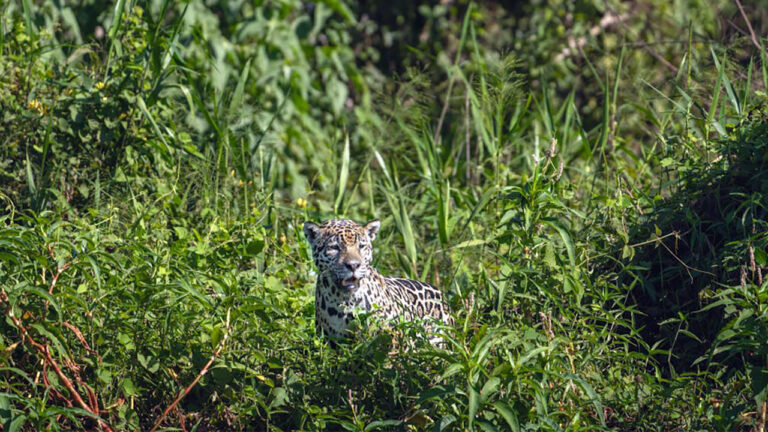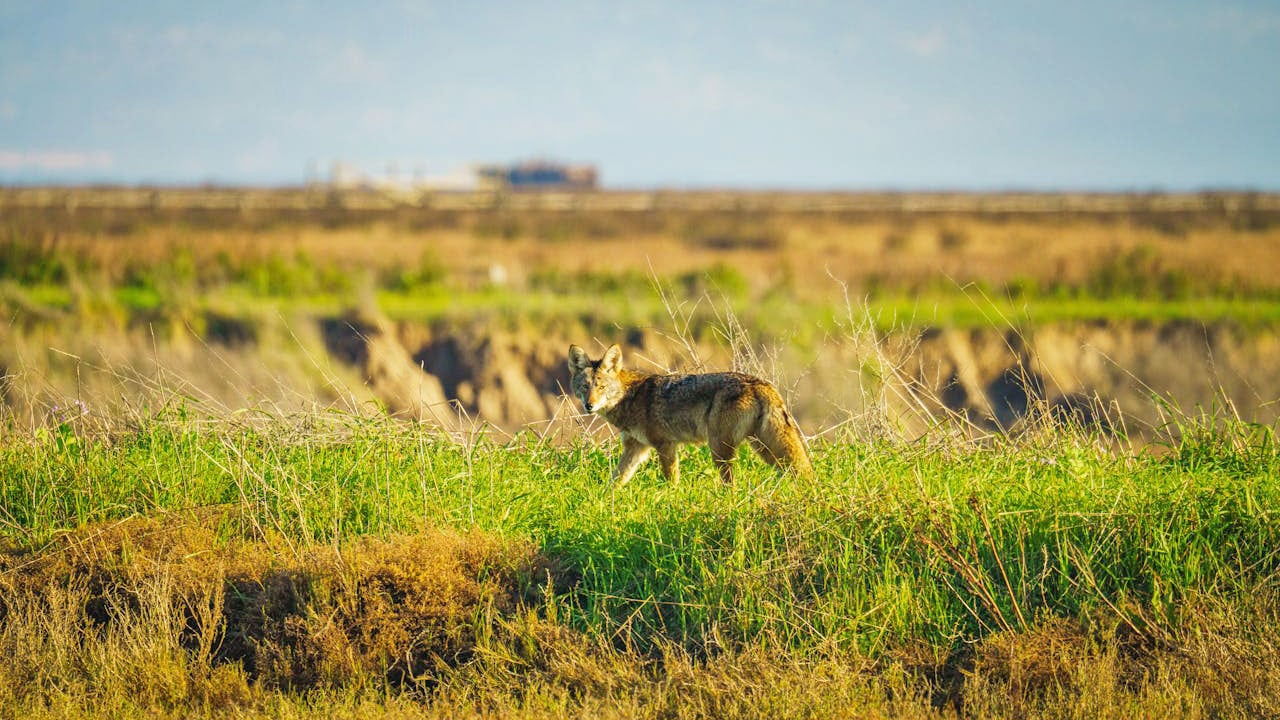
Photo credit: Robert So/Pexels.com
Coyotes used to get talked about like a winter problem, a lambing problem, or a “hear-them-howling-at-night” kind of problem. That does not really fit anymore. State wildlife agencies and agriculture offices keep pointing to the same reality: coyotes are active all year, they adapt fast, and they are just as comfortable around subdivisions, feed lots, calving ground, chicken coops, and edge habitat as they are in wide-open country. USDA APHIS still lists coyotes among the major predators that create ongoing challenges for ranching operations, and Colorado Parks and Wildlife says coyotes are active year-round and now live everywhere from plains and forests to towns and urban areas.
That is a big part of why more states are treating coyote pressure like a twelve-month issue instead of a short seasonal nuisance. In a lot of places, the laws tell the story by themselves: open seasons, no bag limits, nuisance-control language, and special depredation rules do not happen by accident. They usually mean wildlife managers know coyotes are not going away, not staying put, and not limiting themselves to one time of year. These 15 states stand out because official rules or agency guidance show coyotes are creating enough ongoing pressure that people are dealing with them year-round, not just when fur is prime.
Texas
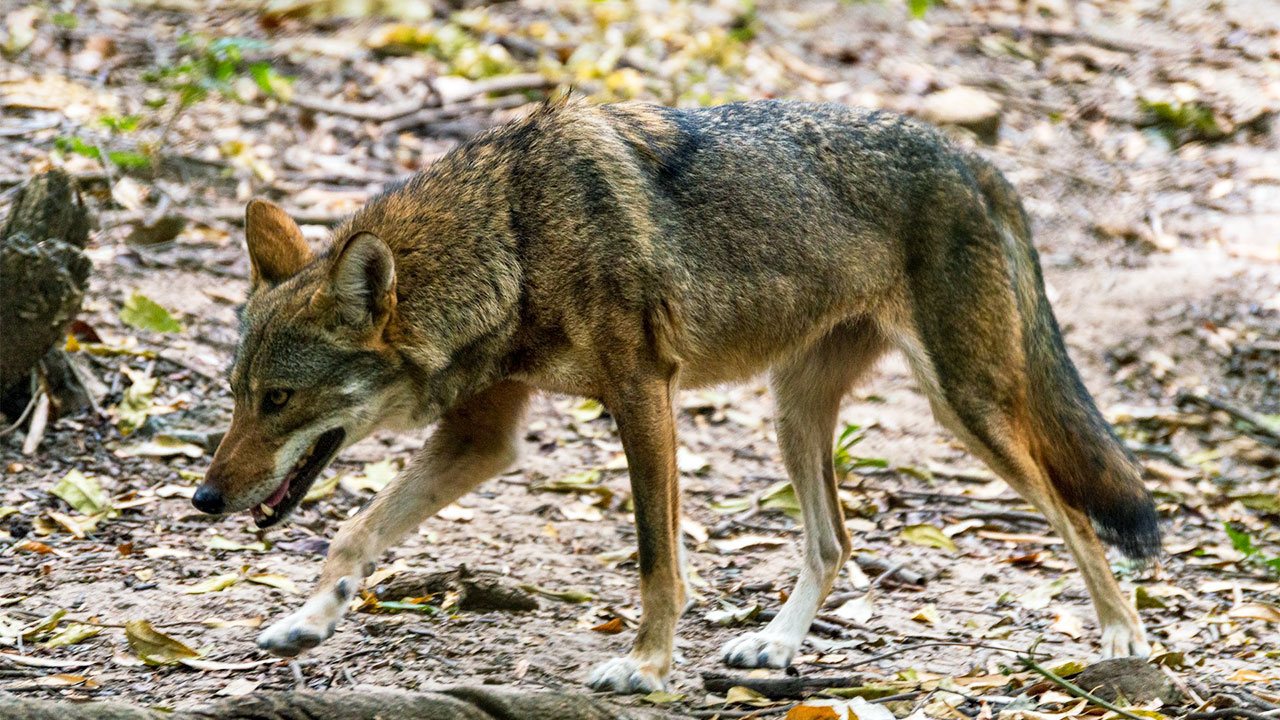
Texas belongs near the top of this list because the state treats coyotes like a permanent reality, not a short-term nuisance. Texas Parks and Wildlife says coyotes are non-game animals with no closed season, and they may be hunted at any time by lawful means on private property. That alone tells you how deeply baked into the landscape they are. TPWD also keeps a dedicated urban coyote page because this is not just a ranch-country issue anymore. Cities and suburbs are dealing with them too.
What makes Texas especially rough is the range of places coyotes can create trouble. In some areas it is calves, lambs, goats, or poultry. In others it is small pets, garbage, and coyotes getting too comfortable around neighborhoods. Texas Wildlife Services has also described sheep and goats as vulnerable to predation year-round, which is exactly the kind of wording that makes this more than a seasonal predator story. In Texas, coyotes are not something most landowners “wait for.” They are something they plan around.
California
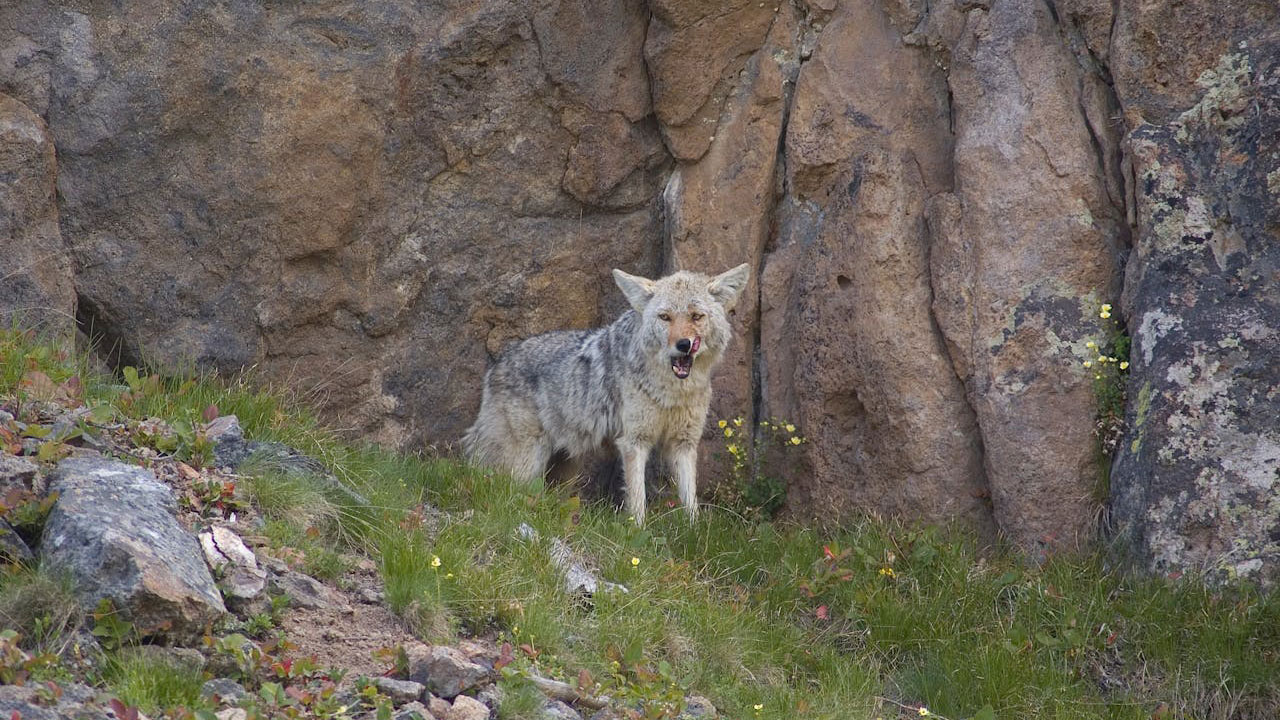
California is one of those states where the coyote problem hits both ends of the map at once. The state allows coyotes to be taken at any time of year and in any number, which is about as clear a sign as you can get that managers do not view them as a tightly boxed-in seasonal species. At the same time, California wildlife regulators were still hearing public concern in 2025 about depredation and how coyote control should work, which shows the issue is active enough to keep drawing formal attention.
The practical problem in California is that coyotes are not limited to remote country. They are part of urban, suburban, agricultural, and wildland life all at once. That means the state is dealing with pet conflicts, livestock concerns, and general nuisance issues in the same broad picture. When a state has both year-round take rules and ongoing management debate around depredation, that is a pretty good sign coyotes are not just showing up for a short stretch of the calendar.
Colorado
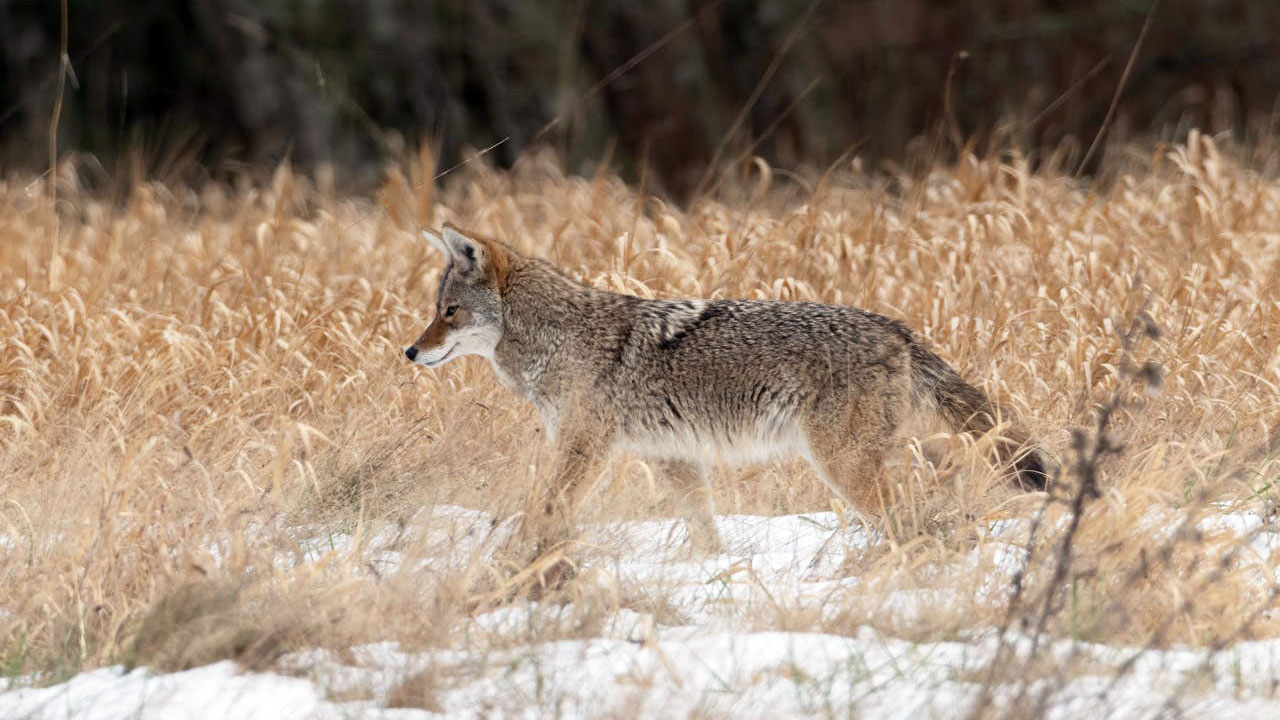
Colorado Parks and Wildlife says coyotes are active year-round and become more visible during breeding season, and it also says coyotes live statewide and are common in many areas. More importantly, CPW notes they thrive despite widespread attempts to control or eradicate them, which is one of the clearest descriptions of a year-round problem you will find on any state wildlife page.
Colorado is also a good example of how the coyote issue spreads beyond open ranch land. CPW says coyotes live in towns and urban areas, and its nuisance-wildlife page includes coyotes among species landowners may remove when they are damaging crops, livestock, or property. When a species is common statewide, active all year, and formally recognized as a nuisance option for landowners, that is not a winter-only headache. That is a full-time management problem.
Arizona
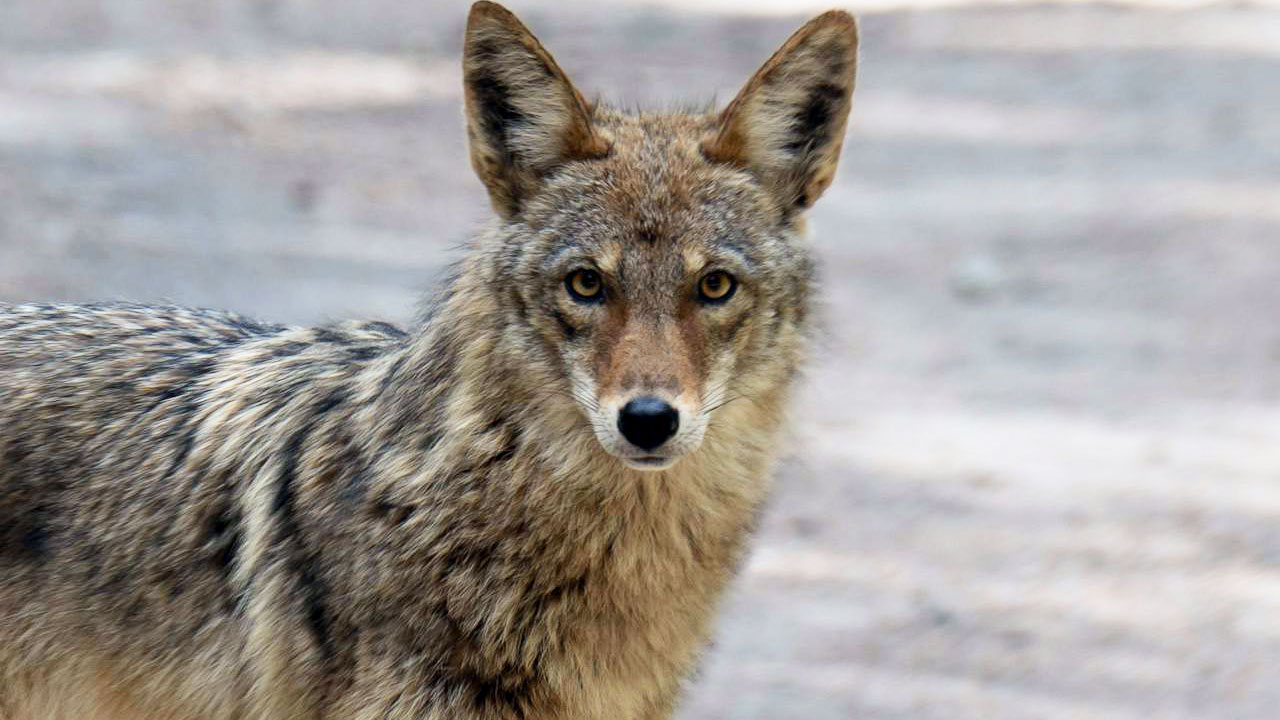
Arizona Game and Fish says coyotes are common in rural and suburban areas across Arizona, and it adds that interactions may be increasing because of urbanization, coyote range expansion, and changing human behavior. That is a loaded sentence in a good way. It tells you the state is not just talking about old-fashioned predator pressure in remote country. It is dealing with broader overlap between coyotes and people.
Arizona also classifies coyotes as predators with a year-round hunting season. That fits the rest of the picture. Coyotes are found in virtually every habitat and part of the state, from desert scrub and forests to cities and suburbs, according to AZGFD. When a state says a species is common nearly everywhere, active in human-shaped landscapes, and legal to hunt year-round, it is pretty safe to say the problem is not tied to one little slice of the year.
Nevada

Nevada wildlife officials say coyotes are a common sight throughout Nevada and that even the state’s biggest cities have coyotes living inside neighborhoods. NDOW also says some species, including coyotes, can be hunted year-round in Nevada without a hunting license. That is an unusually liberal posture, and it usually reflects a species that is abundant, adaptable, and not expected to stay in the backcountry.
What stands out in Nevada is the overlap between legal flexibility and conflict messaging. Clark County materials tied to wildlife outreach say more human-coyote encounters are occurring, which lines up with NDOW’s broader message about coyotes using neighborhoods where food, water, and shelter are easy to find. In a state where coyotes are common in both desert country and metro edges, the year-round problem is not hard to see.
Oklahoma

Oklahoma is another state that treats coyotes like a standing issue rather than a special-case predator season. The current Oklahoma regulations publication shows coyote season is statewide and open year-round with no daily, season, or possession limit. Even a local Oklahoma government nuisance-wildlife page puts it plainly: there is no closed season for coyotes in the state.
That matters because Oklahoma has the kind of ground where coyotes stay relevant all the time: cattle country, mixed farms, brush, creek systems, and plenty of smaller rural properties. When a state keeps the door open all year for taking coyotes, it usually means managers know the animal is not a brief problem tied to one event. In Oklahoma, the rules themselves make that pretty obvious.
Kansas

Kansas keeps things simple. The state’s coyote season is statewide, all year, with no limit, and Kansas officials say there is no closed season for trapping or hunting coyotes. That is one of the clearest regulatory signals on this whole list. Then you add the livestock side: Kansas State says coyotes are the main predators of livestock in the state. That is not vague language. That is straight-up priority-predator language.
Kansas is exactly the sort of place where coyotes can stay relevant in every season. Calving, lambing, poultry losses, scavenging around feed, working field edges, and running creek bottoms all keep them in play. When the top livestock predator also has no closed season statewide, it does not take much guesswork to call it a year-round problem.
Iowa

Iowa DNR says coyote hunting is open year-round statewide, and one of its own releases adds that the season never closes. The same release calls coyotes the state’s top predator and says they are distributed fairly well across Iowa. That is a pretty complete case in just a few lines: top predator, spread broadly, season always open.
Iowa may not get the same predator-country reputation as Texas or Arizona, but that does not mean coyotes are a side issue there. The state points to habitat generalist behavior, which matters because it means coyotes are comfortable shifting between grass, brush, timber, and agricultural edges. In a farm-heavy state where predator pressure can show up around livestock, pheasants, fawns, and smaller rural properties, “year-round problem” fits better than a lot of people think.
Illinois

Illinois wildlife officials say coyotes may be hunted year-round except during firearm deer season, and there is no limit in rural areas. That is another strong hint that the state sees coyotes as a constantly present species rather than one needing a narrow harvest window. Illinois also notes coyotes are widespread and live in rural, suburban, and urban parts of the state, which helps explain why the issue is not confined to one user group.
That mix matters. In Illinois, one landowner may be thinking about chickens or calves while somebody in a suburb is thinking about pets, denning sites, or bold behavior near homes. Wildlife Illinois also says a liberal hunting season helps landowners remove problem animals without needing a special permit. That is about as practical as wildlife language gets, and it reinforces the idea that coyotes are an ongoing management concern.
Missouri

Missouri’s coyote season framework is a little more complicated than some of the fully open states, but it still points in the same direction. Missouri lists coyote hunting from Jan. 1 through Dec. 31, with large stretches where hunters can even use night vision, infrared, or thermal imagery. The daylight spring turkey overlap creates a carveout, but the overall message is still pretty liberal compared with tightly managed species.
That kind of access usually reflects a species the state expects people to be dealing with regularly. Missouri is a mix of timber, pasture, row crop, and rural homesteads, which is exactly the kind of landscape coyotes exploit well. When the season structure is this broad and technology allowances are built into the rules for much of the year, it is hard to argue the state sees coyotes as only a brief seasonal issue.
Tennessee

Tennessee Wildlife Resources Agency is extremely plain on this one: coyotes may be hunted year-round in Tennessee, and there is no bag limit. The state’s season summary also lists a defined coyote night season layered on top of that, which tells you managers know plenty of coyote activity happens outside easy daylight windows too.
Tennessee’s setup makes sense if you know the kind of country coyotes move through there. Big woods, small farms, rolling pasture, creek drainages, and expanding development all give them room to keep pressure on the landscape across the calendar. A state does not usually build both year-round opportunity and added night-season structure around a species unless it expects hunters and landowners to be dealing with it more or less continuously.
North Carolina

North Carolina allows year-round coyote hunting on private lands during legal daylight hours, with no bag limit, and it also uses coyote hunting and depredation permits. The state’s species page is even more direct, saying coyotes can be hunted year-round with firearms and archery equipment. That is a strong sign the state sees coyotes as a constant presence on private ground.
North Carolina matters here because the state mixes agriculture, pine country, mountain habitat, suburban sprawl, and dense edge cover extremely well. Coyotes do fine in all of that. When a wildlife agency has both open-ended year-round language and a depredation-permit structure, it usually means the issue is not just “there are coyotes.” It means coyotes are creating enough recurring pressure that the state wants standing tools for dealing with them.
Georgia

Georgia’s coyote rules are another big clue. The state’s coyote fact sheet says coyotes are a non-native species in Georgia and can be harvested year-round on private property. Georgia also says there is no closed season for trapping coyotes on private lands. That is about as open as it gets on the private-land side.
What makes Georgia interesting is that the state also carves out specific WMA coyote opportunities, including a feral hog and coyote season on WMAs in May. That suggests managers are trying to fit coyote pressure into multiple hunting frameworks, not just treating it as something that matters a couple weeks in winter. In a state with poultry country, deer country, farm country, and lots of human edge habitat, coyotes stay relevant nearly everywhere.
South Dakota

South Dakota law itself says the fox and coyote season is open year-round west of the Missouri River and open year-round on coyote east of the river. You do not need much extra interpretation when a state statute is that blunt. South Dakota may be famous for pheasants in the public imagination, but the legal treatment of coyotes makes clear they are a permanent part of the predator picture.
That is not surprising when you think about the ground. South Dakota gives coyotes exactly what they want: prairie, shelterbelts, river bottoms, pasture, calving ground, and bird-rich habitat. Even though the state’s public-facing coyote page highlights Custer State Park season specifics, the broader law makes it clear coyotes are not boxed into a narrow management window statewide. That is a year-round predator setup by definition.
Michigan

Michigan is a good example of a state where the rules changed but the year-round pressure did not really disappear. Michigan’s current nuisance-coyote FAQ says the open hunting and trapping season runs Oct. 15 through Mar. 1, but it also says the coyote management season runs March 2 through Oct. 14 statewide, with some public-land restrictions, and coyotes can still be taken year-round on private land if they are doing damage or physically present where they could imminently cause damage.
That matters because it shows the state still feels a need to keep year-round tools on the table when coyotes are creating real damage concerns. Michigan also tells landowners to contact DNR if depredation becomes a problem, especially on livestock. In other words, even though the standard season is not just a flat 365-day free-for-all anymore, the management structure still treats coyotes like an all-year issue when conflict shows up.
Like The Avid Outdoorsman’s content? Subscribe to our newsletter so you never miss an article.
Here’s more from us: