Photo credit: Jerson Martins/Pexels.com
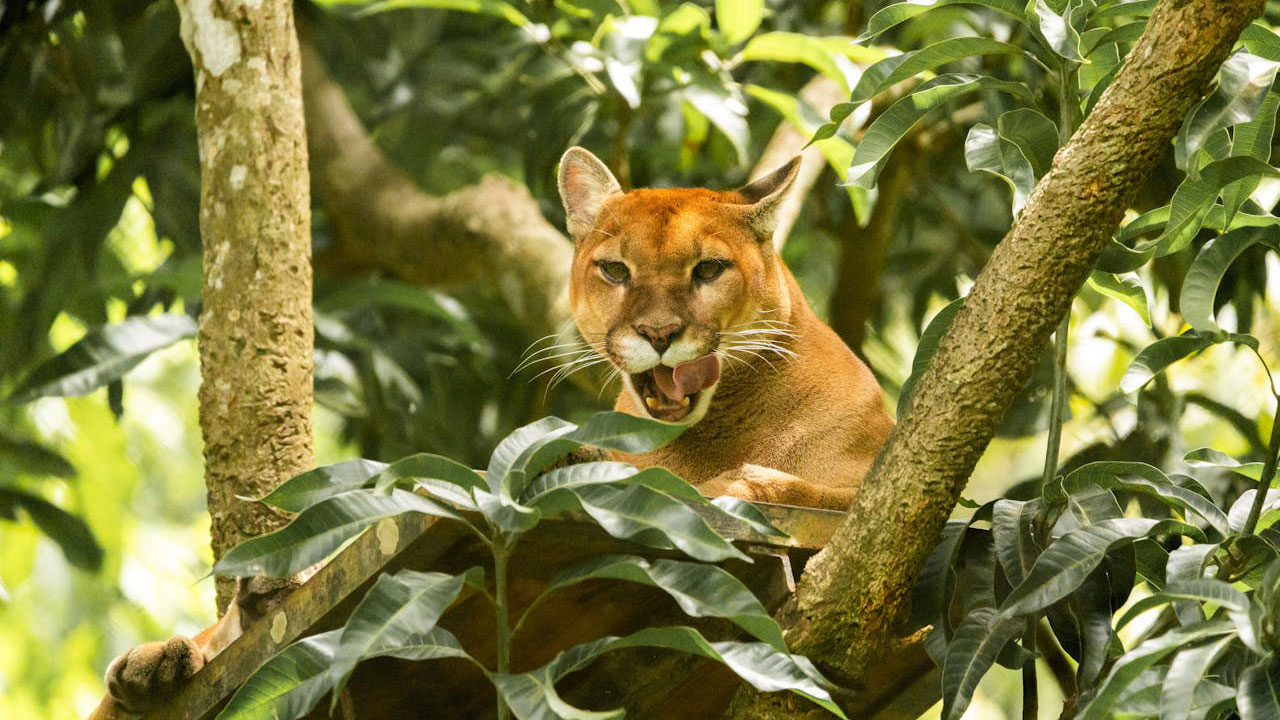
Mountain lions are one of those animals a lot of people talk about like they are either everywhere or nowhere, and the truth usually sits somewhere in the middle. In some states, sightings are still rare enough that people can go years without seeing one. In others, they remain a very real part of the landscape, especially for hunters, ranchers, hikers, and anyone living on the edge of rough country. The danger is not always about attacks on people either. A lot of the concern comes from livestock losses, pets disappearing, trail camera captures, and the simple fact that a big predator is still working the same ground people use every day.
What makes mountain lions different is how little they need from us to stay out of sight. They can live close to people without being seen often, and that makes them easy to underestimate. When deer populations are good, cover is thick, and development keeps pushing farther into wild ground, the chances of encounters go up. These are 15 states where mountain lions are still very much worth taking seriously, whether you are working land, hunting, or just spending time in country where they still belong.
California

California is still one of the first states that comes to mind when people talk about mountain lions, and for good reason. The state has a long-established lion population spread across a wide range of habitats, from coastal mountains to brush country to the edges of suburban development. That overlap is part of what keeps concern high. Lions do not just stay in some far-off backcountry corner where nobody goes. In parts of California, they live closer to neighborhoods, horse property, hiking trails, and small ranches than a lot of folks are comfortable admitting.
That creates a different kind of problem than in more remote western states. In California, concern is not just about the occasional hunter or packer running into a cat deep in the hills. It is also about livestock, pets, and regular people sharing space with a predator that is highly adaptable and hard to spot. The cat may not want anything to do with people, but when sightings pile up around homes, schools, parks, and trail systems, it is pretty clear mountain lions are still a real issue there.
Colorado

Colorado has plenty of lion country, and the state still deserves to be taken seriously by anybody spending time in the foothills, canyons, timber, or broken mountain ground. Deer and elk populations help support lions in a lot of areas, and the mix of wild habitat with growing development keeps bringing people into the same spaces cats have used for a long time. That means hikers, hunters, and rural landowners all have reasons to stay aware, especially where cover is thick and prey is plentiful.
Colorado also has the kind of terrain mountain lions use well. Steep draws, rock ledges, timber pockets, and transition zones give them room to move and hunt without being seen much. That keeps them from feeling as visible as bears or coyotes, but it does not make them less real. Folks who spend enough time outdoors in Colorado know lion sign still shows up, sightings still happen, and livestock producers in the wrong area can still have real trouble when a cat settles in nearby.
Montana
Montana has all the ingredients mountain lions need, including rough country, big prey populations, and enough open space for them to operate without drawing constant attention. In the western and central parts of the state especially, lions are still very much part of the predator picture. People who hunt deer and elk, run stock, or spend time in the breaks and timber know that a lion is not some once-in-a-lifetime idea there. It is an animal you keep in mind.
What makes Montana especially worth mentioning is how many different kinds of country can hold lions. They are not limited to one neat mountain zone where people can avoid them. From timbered ridges to river breaks to rocky foothills, they have room to move in a lot of places where people also recreate and work. A lion may stay hidden most of the time, but hidden is not the same thing as absent. In Montana, they are still very much around, and in the right area, they can become a serious livestock and wildlife issue.
Idaho

Idaho remains strong lion country, plain and simple. The state has enough rugged habitat, prey, and low-density human areas to support a real mountain lion presence, and a lot of hunters, trappers, and rural landowners know that firsthand. Between the canyons, timber, drainages, and foothill country, lions have no shortage of places to bed, hunt, and travel. If you spend enough time in the right parts of Idaho, it is not hard to understand why the animal still gets taken seriously.
There is also a practical side to lion concern in Idaho that goes beyond just seeing tracks or hearing stories. Lions can pressure deer herds, kill calves or smaller livestock, and start showing up close enough to homes and barns to make people uneasy. In a state with a lot of working land and outdoor use, that matters. Idaho is not one of those places where mountain lions feel theoretical. They remain a real predator on the landscape, and people who live in the rougher country tend to treat them that way.
Utah

Utah has plenty of mountain lion habitat, and the combination of steep country, rocky terrain, mule deer, and expanding human development keeps lions relevant in a lot of areas. From the Wasatch foothills to southern canyon country to remote central ranges, the state has a lot of ground where cats can stay active without being seen much. That creates the kind of situation where sightings may seem scattered, but the actual presence is stronger than casual observers realize.
Utah also has a lot of people moving into lion country without always thinking of it that way. Homes on the edge of open ground, backyard deer activity, hobby livestock, and heavy recreational use all raise the odds of conflict. A mountain lion does not need much excuse to work the same travel corridors and ambush cover it has always used. In Utah, those places increasingly sit close to roads, homes, and trails, which is one reason lions are still a real concern instead of just a backcountry talking point.
Arizona

Arizona absolutely belongs on this list. The state has large stretches of rough, dry, broken country that mountain lions use well, and the prey base in many of those areas is more than enough to keep them around. Deer, javelina, and other game animals help support lion populations across a wide range of terrain, from mountain ranges and desert foothills to canyon country and rim country. Anybody spending time in that kind of ground ought to know lions are still part of the deal.
Arizona also stands out because the terrain gives lions a big advantage. A lot of that country is full of ambush cover, rocks, shadows, and travel routes that let a cat move without much notice. Ranchers, hunters, and people living on the edge of open country can go a long time without seeing one and still have lions working the area. That is why the concern stays real. In Arizona, mountain lions are not some leftover ghost of the old West. They are still there, and in the wrong place they can absolutely create problems.
New Mexico

New Mexico still has plenty of mountain lion country, especially where rough terrain, cover, and prey overlap. The state’s mix of mountains, mesas, canyons, and brush country gives lions room to live the way they like, and that keeps them relevant for hunters, ranchers, and landowners. In many parts of the state, lions are not the sort of predator people dismiss. They may not be seen every day, but they are part of how people think about calves, deer, pets, and time spent in remote country.
The thing about New Mexico is that it has a lot of country where a lion can stay hidden and still operate close to people. Rural homes, small livestock setups, and wildlife-heavy edges create the kind of overlap that brings concern up fast. A few tracks in a wash, a game camera picture near a water source, or repeated deer kills close to a property line will get people’s attention in a hurry. That is why mountain lions still matter there. They do not have to be everywhere to be a real concern in the places they still hold.
Wyoming

Wyoming has no shortage of country that suits mountain lions, especially in the western half of the state and in areas with rough breaks, timber, and solid deer populations. The state is big, wild, and varied enough that lions still have room to operate as a serious predator rather than just a fringe animal hanging on. Hunters know that, stock growers know that, and people living in isolated country definitely know it when lions start showing up around wintering game or vulnerable livestock.
There is also a seasonal side to lion concern in Wyoming that makes the problem feel more real. Winter conditions can concentrate prey and change how predators move, bringing lions into more predictable areas or closer to ranch ground. That is when sightings, losses, and trail camera captures can climb. A lot of people think of Wyoming as open country, but much of the state also has the kind of broken ground cats use extremely well. Mountain lions are still a real concern there because the habitat still fits them and the prey is still there.
Oregon

Oregon remains very solid lion country, especially in the eastern part of the state and in forested or brushy regions where prey and cover line up well. Deer populations, mountain terrain, timber edges, and remote stretches of land all help support lions across a lot of Oregon. That makes them a continuing concern for ranchers, hunters, and rural residents who know a cat does not have to be highly visible to be working the same country.
Oregon also has the kind of mix that creates repeated tension between predators and people. There is plenty of public land, plenty of recreation, and also plenty of agricultural and ranch ground near lion habitat. That means cats are not just a wildlife management question. They can become a direct issue for people trying to protect stock, manage deer numbers on private land, or simply live with fewer surprises near home. In Oregon, mountain lions are still very much part of the predator conversation, and for good reason.
Washington

Washington surprises some people on this topic, but it should not. The state still has plenty of mountain lion habitat, especially on the east side and in forested mountain regions where prey numbers and cover stay strong. Deer, elk, timber, steep terrain, and expanding human use all combine to keep lions relevant. In some areas, the concern is less about one dramatic attack story and more about repeated sightings, livestock pressure, and the fact that people are sharing more space with lions than they used to.
Western Washington can also create a misleading picture because the state has such a dense human footprint in some places. Folks assume that pushes lions out more than it really does. In truth, mountain lions can move through surprisingly close country if the habitat still offers enough cover and prey. That is part of what keeps them a real issue. A cat does not need to live in the middle of nowhere to make itself a concern. In Washington, they are still around enough that people in the right regions keep them in mind.
Nevada

Nevada may look too dry and open in people’s minds to hold many mountain lions, but that misses how much broken, rugged country the state actually has. The mountain ranges, canyons, and basin-and-range terrain create a lot of lion habitat, especially where mule deer use the same country. Lions do not need lush forest to stick around. They need prey, cover, and travel routes, and plenty of Nevada offers exactly that.
For ranchers and outdoorsmen, the concern in Nevada is usually practical. Lions can pressure deer, work rough range country, and show up around livestock in ways that are easy to miss until losses begin. Because so much of the state feels big and empty, people sometimes assume the risk is lower than it is. But empty country often suits lions just fine, especially when it gives them room to stay out of sight. Nevada still deserves a spot on this list because mountain lions there are quiet, effective, and very much still in the game.
South Dakota

South Dakota is not always the first state people bring up, but it has real lion concern in the right areas, especially in and around the Black Hills region. That country gives mountain lions cover, prey, and the kind of terrain they use well. Deer populations, rough ground, and a mix of public and private land all help keep lions relevant there. For people living, hunting, or ranching in that part of the state, the issue is not imaginary.
The Black Hills area in particular creates the kind of habitat where lions can stay established and still come into conflict with people. Pets, small livestock, and deer activity close to homes can all draw attention to a lion presence quickly. South Dakota may not have the same widespread lion footprint as some western states, but where lions do hold, they are taken seriously. That is enough to make the state matter in this conversation, because a regional problem is still a real problem for the people living in it.
Nebraska

Nebraska catches some folks off guard on mountain lions, but there are parts of the state where concern is real, especially in the Pine Ridge region and other rougher areas with enough cover and prey to support cats. Lions are not spread evenly across Nebraska, but they do not need to be for the issue to matter. In the areas where habitat lines up right, people know they are around, and sightings can cause plenty of attention for good reason.
What makes Nebraska interesting is that it sits outside the image many people have of classic lion country. That sometimes leads folks to assume a sighting must be a fluke or a one-off traveler. Sometimes that happens, but not always. In the right corners of the state, mountain lions remain a legitimate concern for landowners, hunters, and rural residents. When a predator that size starts showing up in country people think of as lighter-cover ground, it gets noticed fast and taken seriously.
Texas

Texas is big enough and varied enough that mountain lion concern depends heavily on where you are, but in the right parts of the state, the issue is absolutely real. West Texas especially still has the kind of rough country, remoteness, and prey base that allow lions to hang on. Canyons, mountains, brush country, and huge stretches of lightly populated land make it possible for cats to stay present without being commonly seen.
Texas also has a lot of working land, and that changes how lion concern gets measured. It is not always about public sightings or trailhead warnings. A lot of the concern comes through ranch life, missing stock, camera images, and local word getting around that a cat is working a certain area. Because the state is so large, people outside lion country may never think about them much. But in the rougher western parts of Texas, mountain lions are still very much a real concern and not just an old story.
Florida

Florida is a different case than the western lion states, but it belongs here because the Florida panther remains a real concern in its range. The habitat is different, the population story is different, and the geography is different, but for people in the parts of Florida where big cats still hold on, this is not just academic. These cats still move through wild and semi-developed country, and that creates real concern for people with livestock, pets, or land on the edge of habitat.
Florida’s situation also shows how predator concern is not just about sheer numbers. Even a limited population matters when the animal is powerful, elusive, and moving through country people also use. In south Florida especially, panther country overlaps with roads, ranches, and expanding human activity. That does not mean panic is warranted, but it does mean respect is. Florida belongs on this list because big-cat concern there may look different than it does in Colorado or Arizona, but it is still very real where those cats remain.
Like The Avid Outdoorsman’s content? Subscribe to our newsletter so you never miss an article.
Here’s more from us: