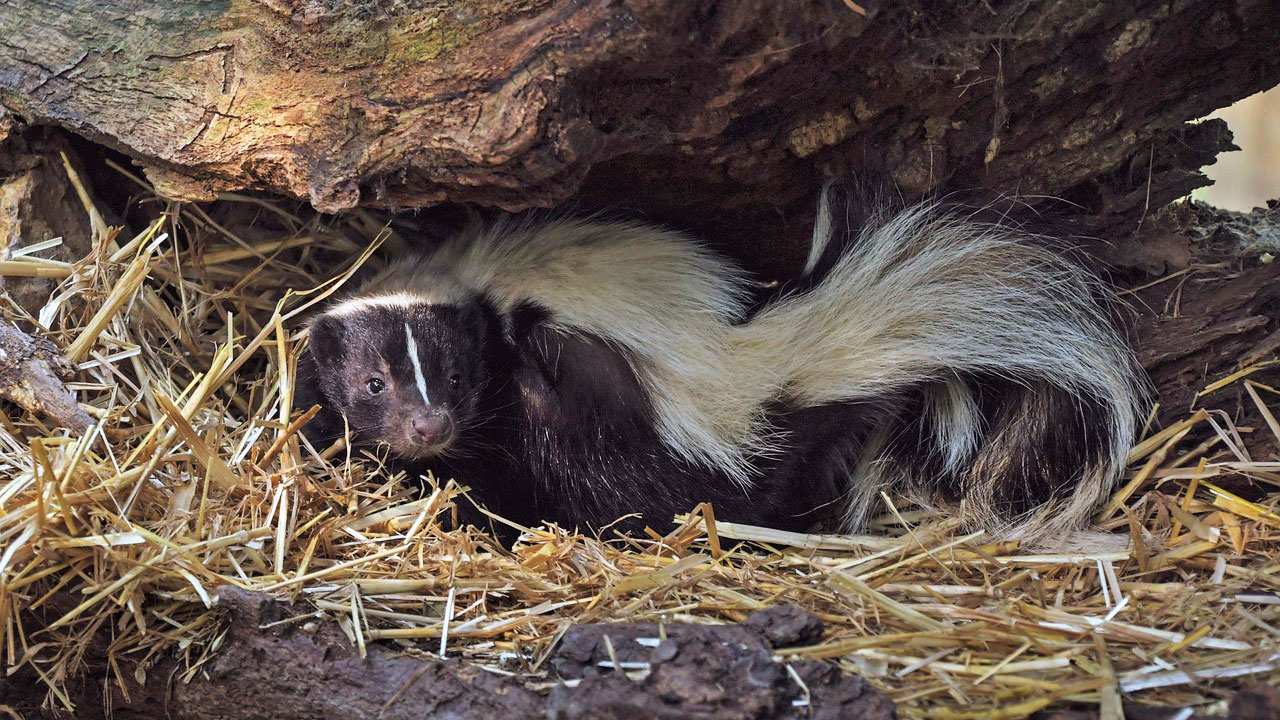
Photo credit: christels/Pixabay.com
Skunks are one of the most misunderstood animals in the yard. People think they’re just “stink animals” that wander around at night. In reality, they’re tougher than they look, they’re incredibly routine-driven, and a lot of skunk problems start with human habits you wouldn’t even think about. Here are 15 facts that catch a lot of folks off guard.
They don’t want to spray you
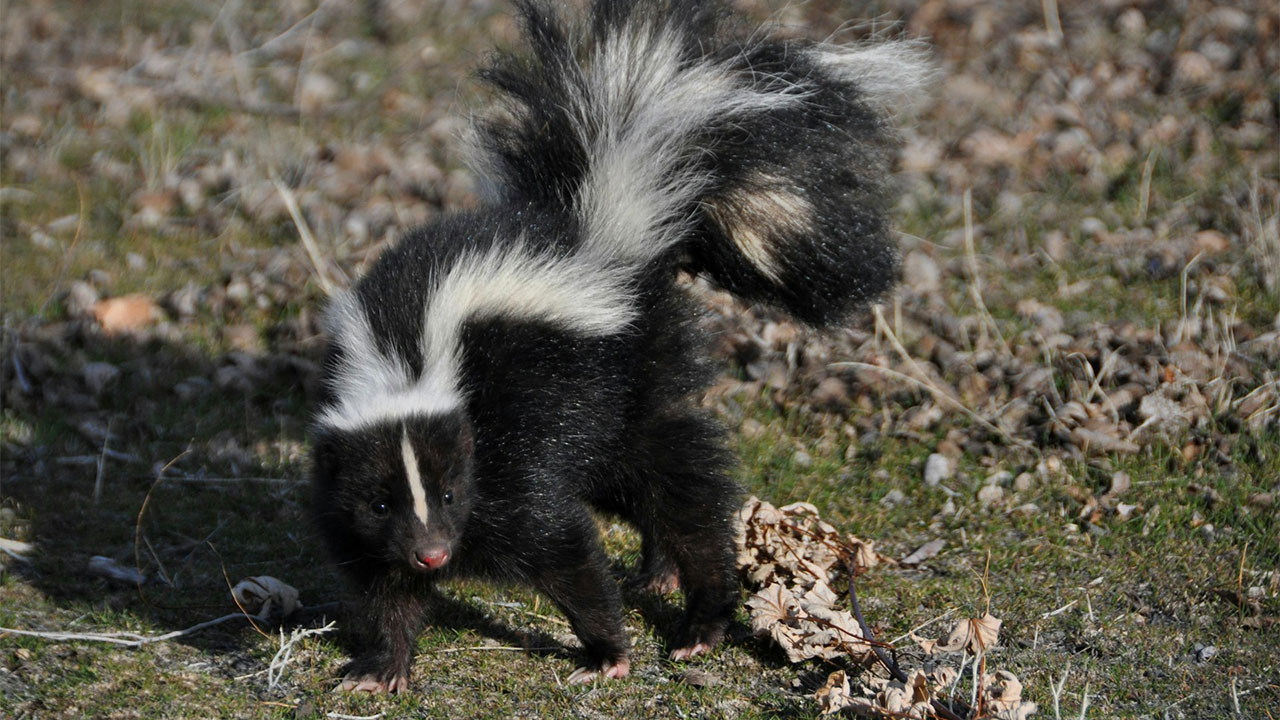
Spraying is their last move, not their first. Skunks would rather avoid a fight entirely because making spray costs them and leaves them vulnerable for a while afterward. Most of the time they try warning you before they ever fire: stomping, turning sideways, raising the tail, and doing that stiff-legged “back up” posture.
That’s why a lot of people get sprayed even though the skunk “gave warnings.” They didn’t recognize the warnings and kept approaching. If you see a skunk stiffen up and start foot-stomping, that’s the animal saying, “You’re too close.”
They can spray with scary accuracy
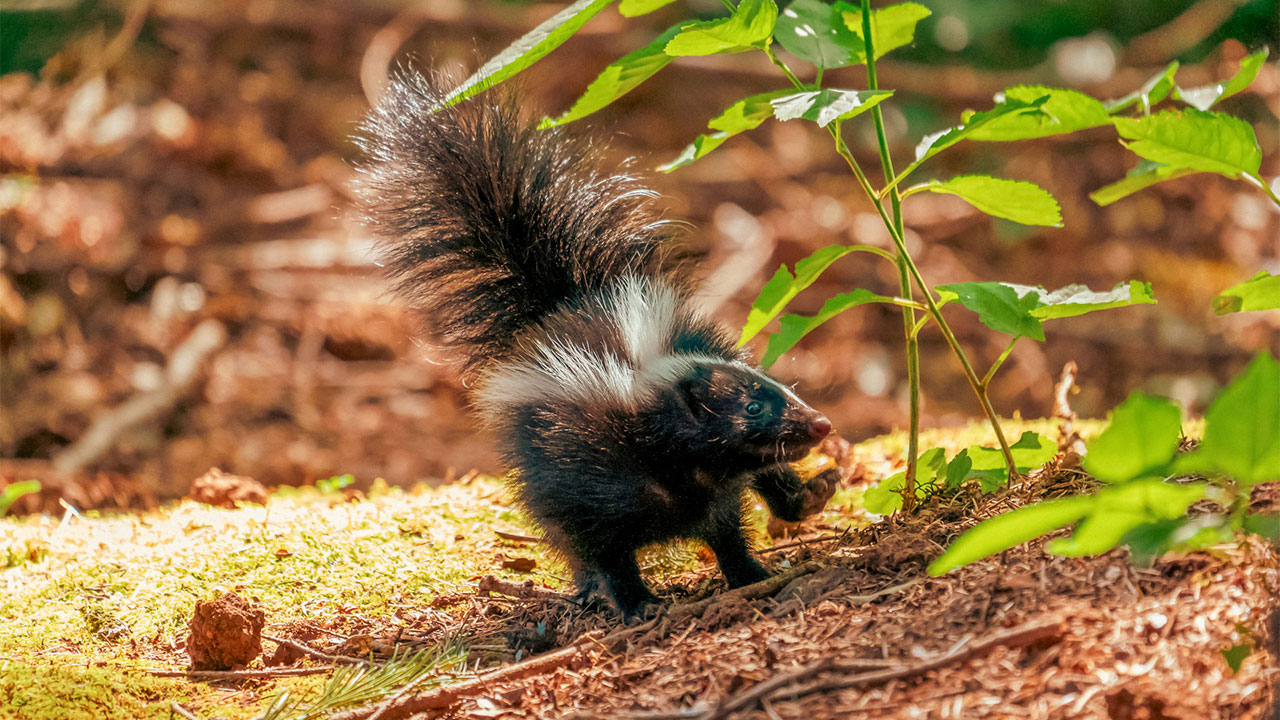
Skunks aren’t just blasting a cloud and hoping for the best. They can aim. They can hit eyes and faces, and that’s what makes the spray so miserable. The range people quote varies, but the real point is this: close encounters are a bad idea, because the skunk is more accurate than you think.
It’s also why dogs get hit so often. Dogs rush in fast and end up right in the danger zone. The skunk doesn’t have to chase. It just has to aim and fire.
Their spray is an oil, not a normal “smell”
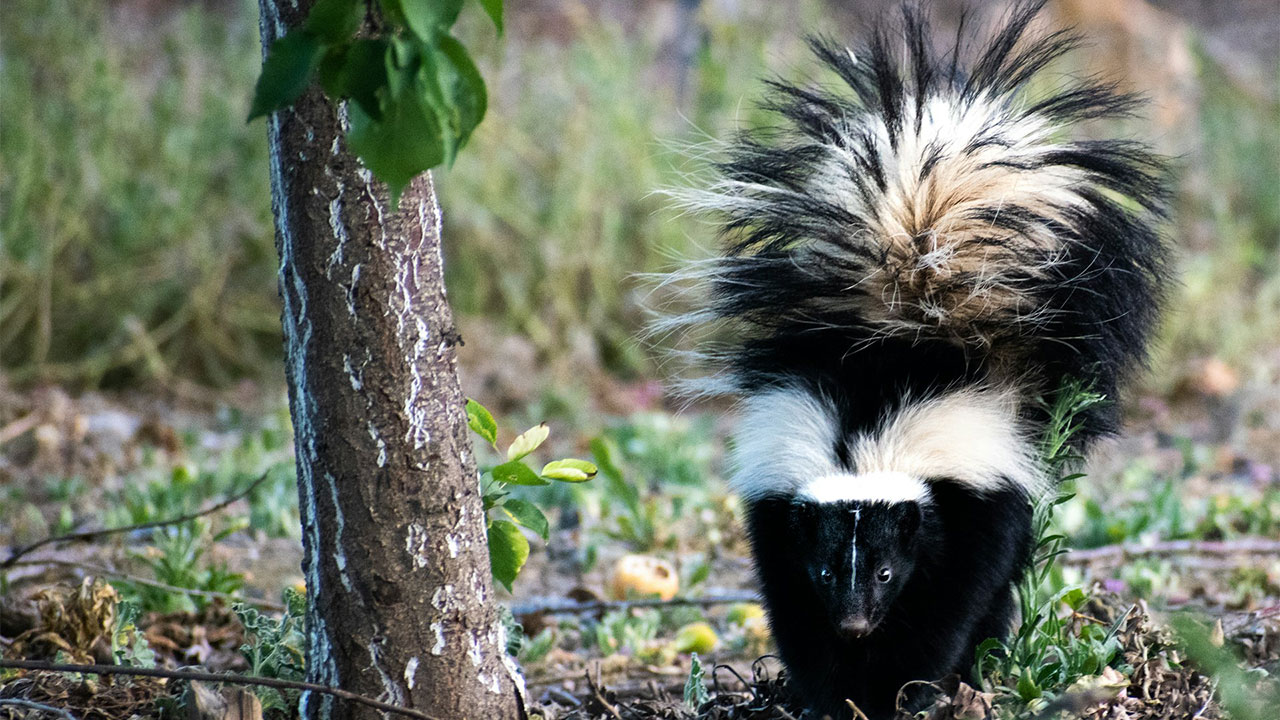
Skunk spray isn’t like a fart smell that fades. It’s oily, sticky, and it bonds to hair, fabric, and skin. That’s why people wash something three times and still smell it, especially in humid weather or when the sun warms it up.
This also explains why “just water” doesn’t work. Water spreads it around. You need something that breaks down the oils, or you’re basically rubbing stink deeper into whatever you’re cleaning.
They can spray more than once

A lot of people think a skunk sprays one time and it’s done. Skunks can spray multiple times, but they don’t have unlimited ammo. Once they empty out, it takes time to build back up, which is another reason they try hard not to waste it.
For your yard life, that means something important: if a skunk sprays around your house, it might not leave immediately. It may stay nearby, because it’s now more vulnerable and wants cover. That’s why people sometimes see one “hanging around” after a spray incident.
Skunks are surprisingly strong diggers
Skunks can dig, and they dig more than people expect. They’re not building huge dens like groundhogs, but they’ll dig for grubs and insects and they’ll dig under structures if they decide a spot is a good home.
If you see small cone-shaped holes in a lawn, that’s often skunk foraging. It’s not random damage. It’s a skunk working the yard like a buffet, usually in the same areas that hold insects.
They love grubs, and that’s why your lawn is part of the story
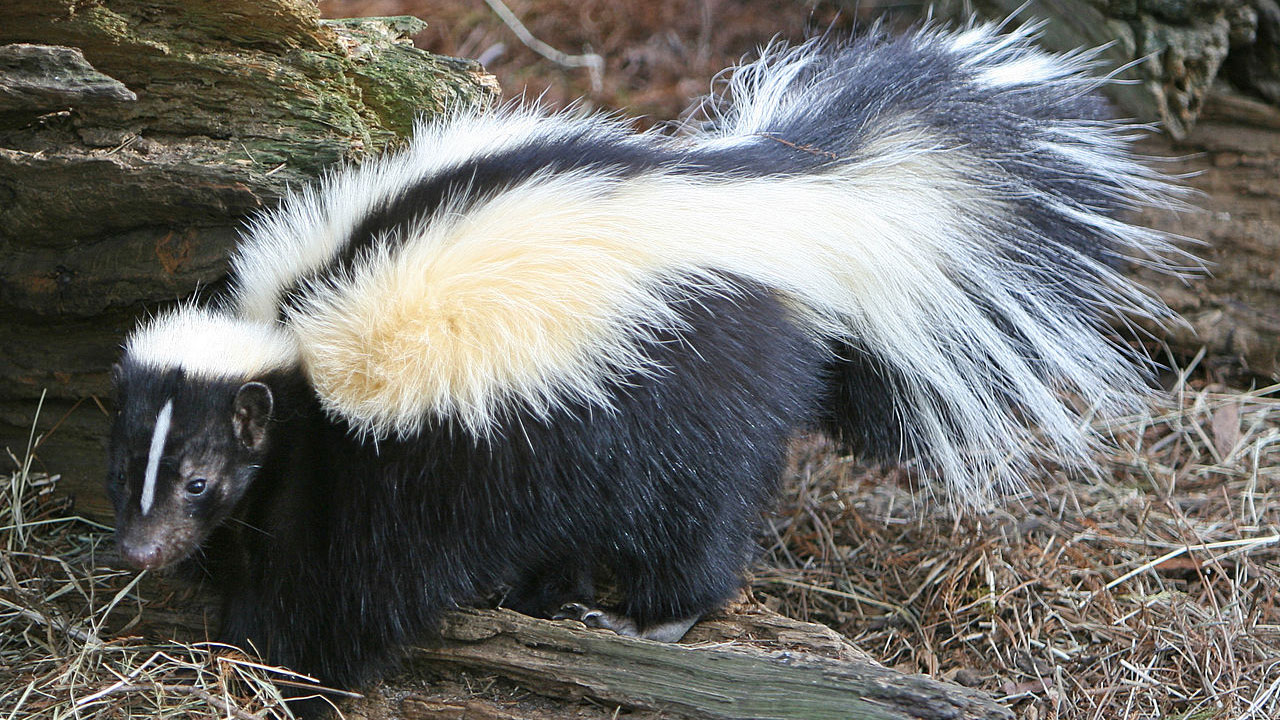
Skunks are basically lawn pest control with a downside. They eat grubs, beetles, and insects, which is why they’re constantly sniffing and digging. If your yard has a grub problem, skunks can show up more often because it’s easy food.
That’s why skunk activity can be a warning sign. If they’re digging nightly, you may have a bigger insect issue in your turf than you realized. Fixing the food source is often part of fixing the skunk visits.
They’re most active at dawn and dusk, not always deep night
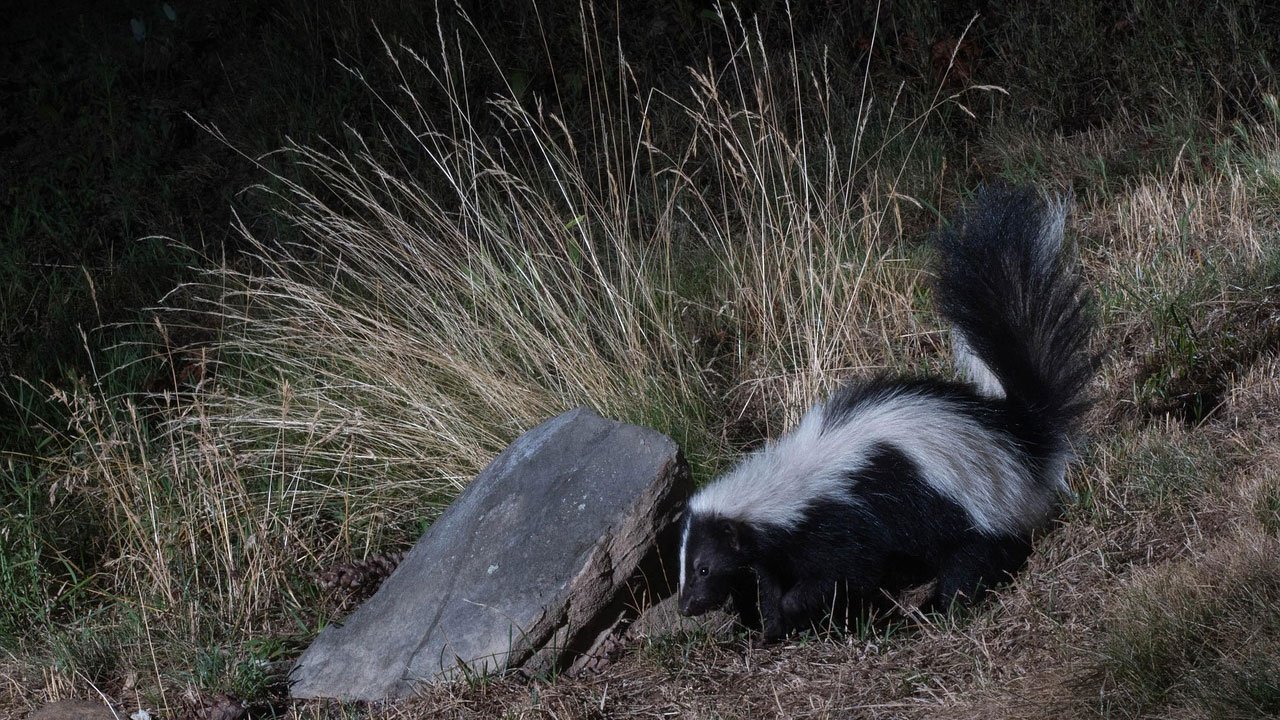
Skunks are often labeled nocturnal, but in a lot of places they move heavily at dusk and early morning. That’s when people let dogs out for a quick bathroom break, which is exactly why so many skunk-dog encounters happen.
If you only change one habit, it’s this: don’t let a dog roam the yard unsupervised at dusk. That’s skunk business hours in many neighborhoods.
A skunk in your yard doesn’t automatically mean rabies
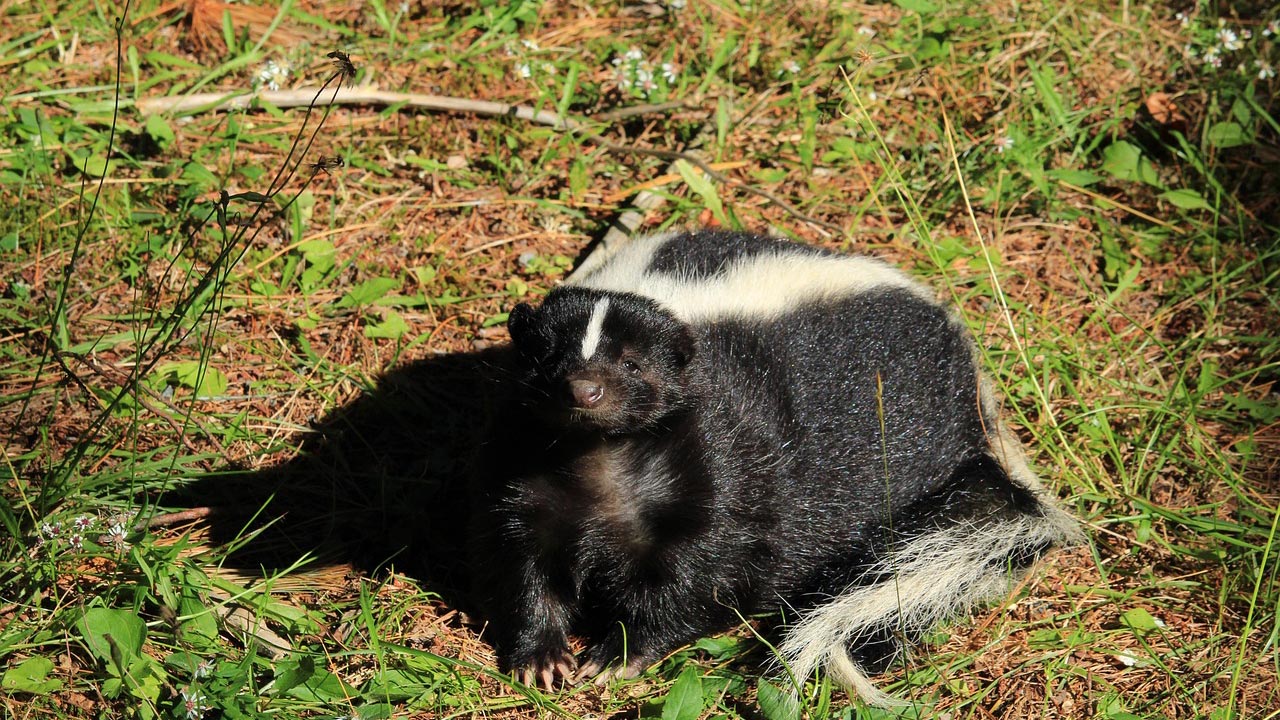
Skunks can carry rabies, so you should take odd behavior seriously. But a skunk simply being in your yard isn’t a rabies sign by itself. Skunks are common, especially near neighborhoods with food sources.
The real red flags are behavior issues: stumbling, circling, showing no fear, being out in broad daylight acting disoriented, or appearing sick. Most skunks you see at night are just skunks doing skunk things.
They can squeeze into shockingly small openings
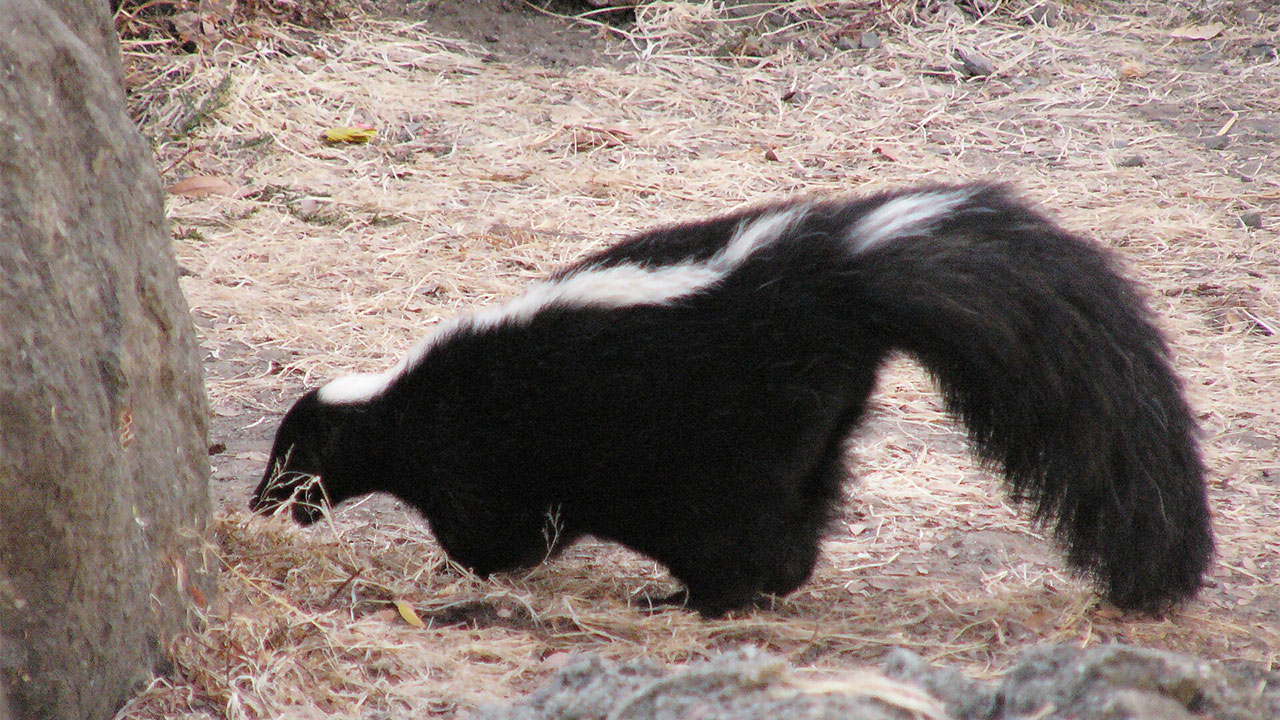
Skunks aren’t huge animals, and they can fit under decks, sheds, porches, and crawl spaces through gaps you’d swear were too small. If there’s a dark, dry space, and they can reach it, they’ll check it out.
That’s why skunk prevention often comes down to simple exclusion. If you don’t block the easy access points, you’re basically offering them free housing with predator protection.
They’re routine animals
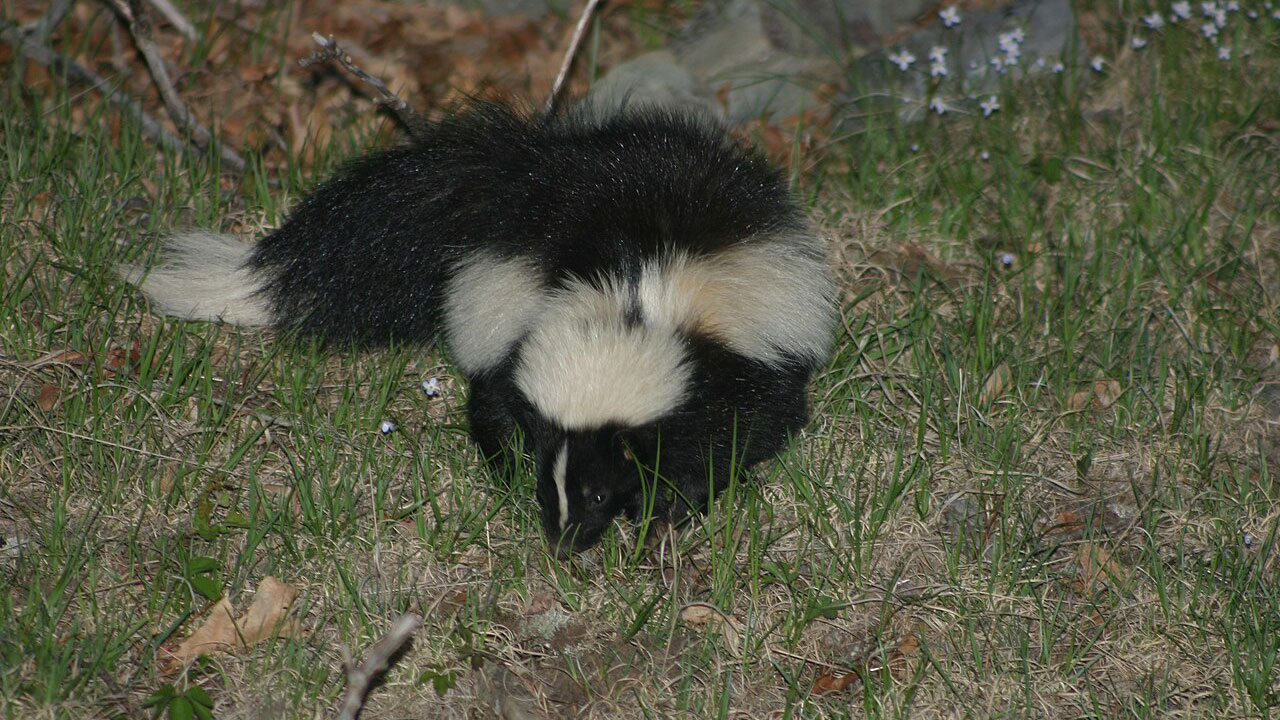
Skunks tend to travel the same paths and check the same food sources. If your yard has something they like—pet food, birdseed, compost, grubs, fallen fruit—you’ll often see them repeatedly, not just once.
That routine is why skunk problems become “a thing.” People assume it’s random, but the animal is patterning your yard. If you remove the attractant and block access, they usually move on.
They can climb better than you’d expect
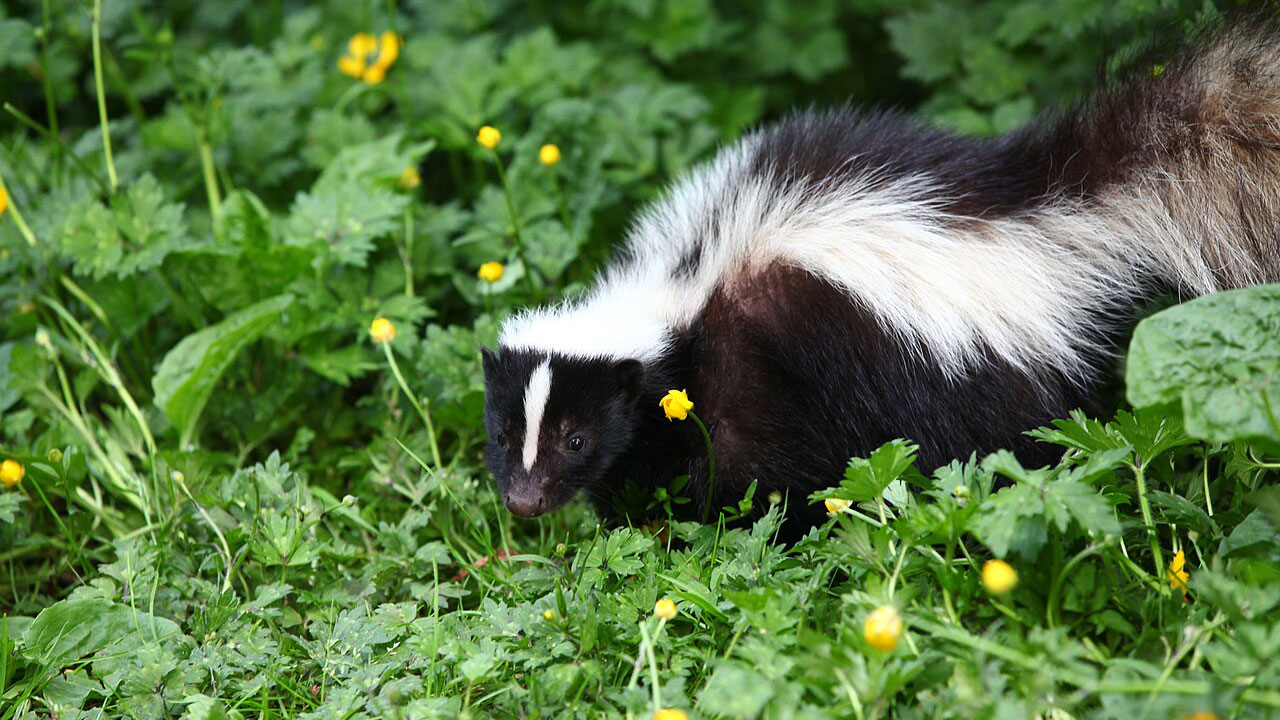
Skunks aren’t squirrels, but they can climb well enough to get into trouble. They can climb low fences, rough surfaces, and sometimes even get onto low roofs or into areas people think are safe.
This matters if you’re trying to keep them out with a simple fence. A fence helps, but it’s not a guarantee if the yard is attractive enough. The bigger win is removing food sources and blocking dens.
Skunk babies are adorable and that’s dangerous

Baby skunks are cute, and people get tempted to “let them be” near the house. The problem is that if a mother is denning under your deck or shed, you’re about to have weeks of skunk activity in the exact place you don’t want it.
If you wait too long, you can’t ethically exclude them until the babies are old enough to leave. The earlier you address a den situation, the cleaner the solution tends to be.
They’re one of the biggest reasons small dogs learn bad habits

A dog that gets sprayed once often becomes obsessed with skunks, or it becomes reckless around them. Some dogs learn nothing and keep charging. That’s why skunks are a repeated problem for many dog owners—because the dog thinks it’s a game.
If you’ve got a skunk-prone yard, leash walks and supervised potty breaks matter. Otherwise you’re gambling every evening.
They can carry other diseases and parasites too

Rabies gets the headlines, but skunks can carry other issues like distemper (in some regions) and can host ticks and fleas like any other wild mammal. They’re not “dirty” animals, but they’re still wildlife that shares space with pets.
That’s another reason you don’t want skunks living under your home. Even if you never get sprayed, having wildlife denning under your deck is a long-term risk you don’t need.
“Skunk smell means skunk” isn’t always true

Sometimes you smell skunk and don’t see a skunk because a skunk sprayed something else—another animal, a dog, or even a predator encounter you didn’t witness. The smell can linger and drift, especially on humid nights or after rain.
That’s why people swear “there’s a skunk living in my yard” when the smell was actually a single spray event nearby. If you smell it repeatedly at the same time each night, that’s more likely a resident skunk. If it’s random and drifting, it may have happened down the street.
Like The Avid Outdoorsman’s content? Subscribe to our newsletter so you never miss an article.
Here’s more from us: