Photo credit: Mateus Rauber/Pexels.com
Most people picture predators as animals that either attack immediately or run away the moment they see a human. In reality, a lot of predators do something in between. They watch. They track. They move along the same route behind you or parallel to you without making a big show of it. Sometimes they are curious. Sometimes they are protecting territory or young. Other times they are simply trying to figure out what you are and whether you’re worth the trouble. The unsettling part is that you may never know it’s happening.
Experienced hunters and backcountry folks talk about this feeling all the time. The woods suddenly feel different. Birds stop moving. You notice tracks that weren’t there earlier or catch a quick glimpse of movement that disappears again. Most of the time nothing comes of it, but predators are built to observe first and act second. That means they may trail a person for longer than anyone would guess. These are some of the predators most known for following people longer than they realize.
Mountain lions

Mountain lions are probably the best-known example of a predator that can trail a person without being detected. They are built for silent movement and observation, which means they can move through brush, rocks, and timber without much noise at all. In areas where lions live, people often hike, hunt, or walk trails completely unaware that one may be watching them from a distance. The animal might not be planning to attack. It could simply be curious or keeping an eye on something moving through its territory.
The unsettling part is how long that observation can last. Lions sometimes shadow hikers or runners along trails for hundreds of yards or more before slipping off into cover. Their eyesight and patience give them a huge advantage in thick country. Even experienced outdoorsmen occasionally report realizing later that they were being watched when they spot fresh tracks following their own. Most of the time the lion eventually decides a human is not worth the risk, but the idea that it may have been studying you for a while before leaving is enough to make the woods feel different.
Coyotes

Coyotes are extremely curious animals, and that curiosity sometimes leads them to trail people or pets from a distance. A coyote may follow a person walking along a fence line, trail, or field edge simply to see what happens next. In suburban areas this happens more often than people realize because coyotes are used to seeing humans but still want to keep tabs on anything moving through their territory. Trail cameras have even captured coyotes pacing behind hikers or dog walkers long after the people passed.
Most of the time the coyote is simply gathering information. They are smart enough to keep a safe distance while watching. But if someone is walking a small dog, carrying food, or moving quietly through an area where coyotes hunt, that curiosity can last longer than expected. They may travel along brush lines or stay downwind where they can watch without being seen. By the time someone realizes a coyote has been following them, it may have already been doing so for quite a while.
Wolves
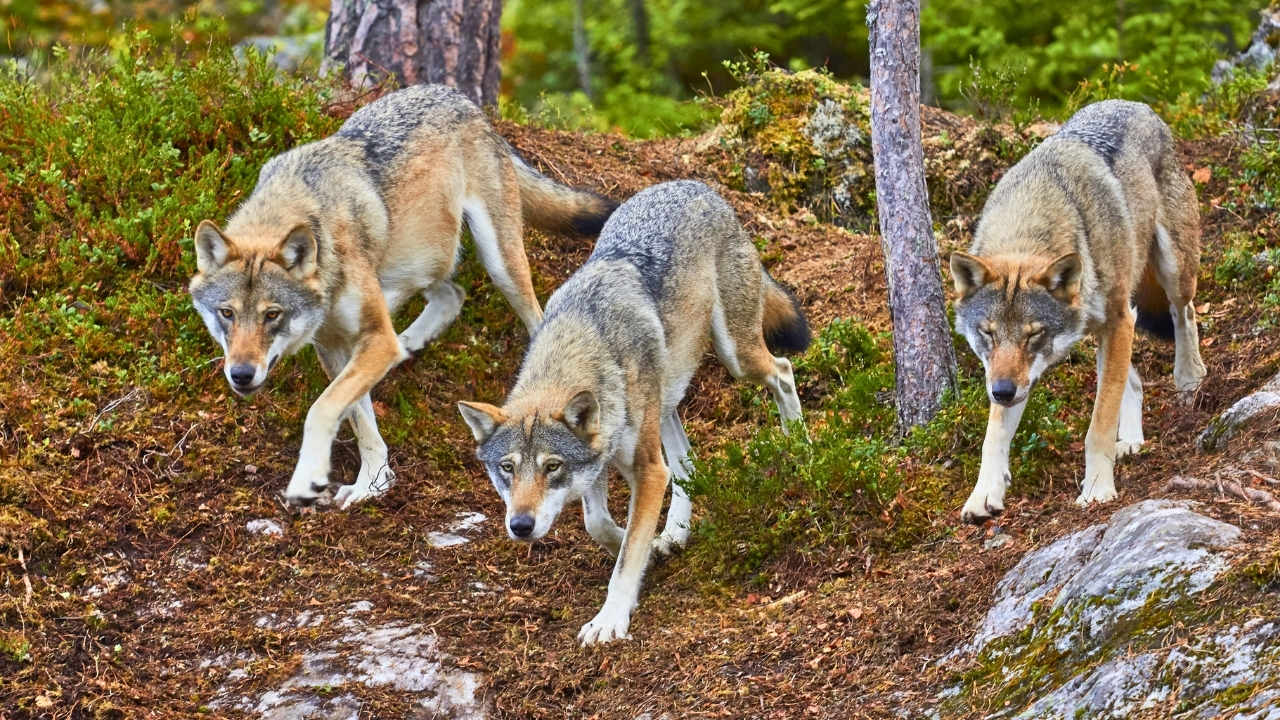
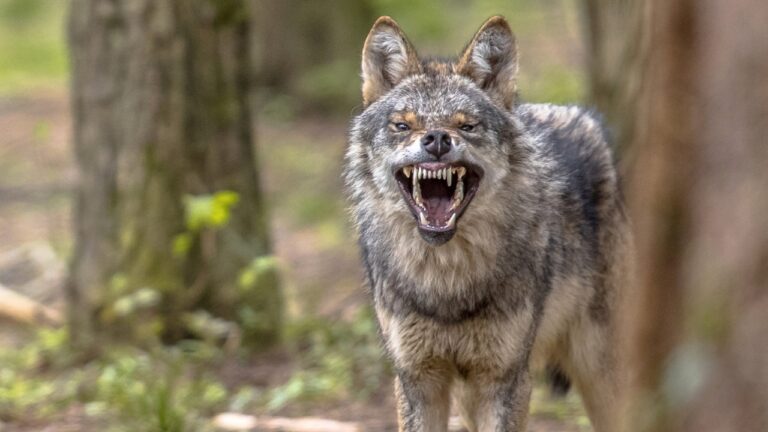
Wolves are highly intelligent pack animals, and part of their survival strategy involves watching potential threats or prey before acting. In remote wolf country, people occasionally report the feeling of being observed without immediately seeing anything. Later they discover wolf tracks paralleling their route for a stretch of trail. This doesn’t necessarily mean wolves are planning an attack. Often the pack is simply assessing whether the human poses a threat to their territory or whether they should move elsewhere.
Because wolves communicate and hunt as a group, their curiosity can extend across larger distances. One wolf may observe from a distance while others remain farther back. If a person is traveling through wolf territory during denning season or near a fresh kill, wolves may quietly track the movement for a while before deciding what to do. In most cases they eventually fade away into the timber once they decide the situation isn’t worth engaging.
Black bears

Black bears are more observant than many people realize. While they usually avoid humans when possible, they sometimes keep track of people moving through their area. This is especially true if the bear smells food or notices someone moving near a berry patch, campsite, or carcass. A bear might quietly circle or trail a person from a distance while trying to figure out what they’re doing and whether they pose a threat.
Because bears move surprisingly quietly for their size, someone might never notice the animal until it breaks off and leaves. Hunters sometimes discover bear tracks following the same trail they walked earlier that day. In other cases, a bear may simply be using the same route through the woods and end up behind someone for a stretch. Either way, their curiosity and strong sense of smell mean they sometimes stay interested in a person’s movements longer than expected.
Bobcats
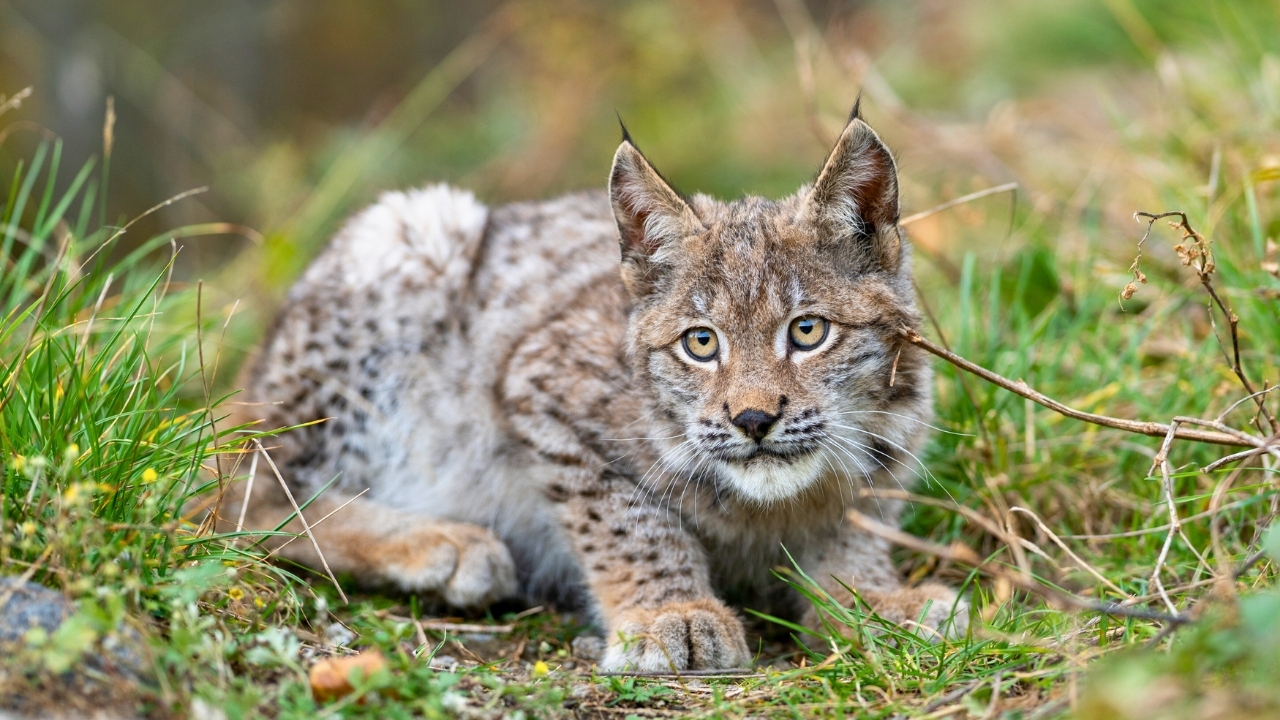
Bobcats are extremely stealthy and curious predators. They often watch people without ever revealing themselves. In areas where bobcats live close to towns or hiking trails, it’s not unusual for them to quietly observe someone moving through their territory. Unlike coyotes, bobcats rarely make noise or show themselves openly, which makes their presence even harder to detect.
Sometimes a bobcat may follow a person simply because they are moving along a game trail the cat already uses. Other times it may be investigating the sound or movement of a human passing through. Because bobcats are so quiet and quick to slip into cover, most people never realize one has been nearby. But trail cameras and track observations have shown that bobcats occasionally travel behind hikers or hunters for longer distances than people might expect.
Feral dogs

Feral or roaming dogs can behave very differently from household pets. Once dogs begin living outdoors and hunting for food, their instincts can shift dramatically. In rural areas, these dogs may follow people or vehicles along roads or trails while trying to decide if the situation offers food or a potential threat. Sometimes they are simply curious about someone moving through territory they consider theirs.
The danger comes when a group of dogs begins to act more like a pack. A single dog trailing someone may not seem threatening, but multiple dogs quietly pacing behind a person can become a serious problem if they grow bold. Most feral dogs will break off if a person turns to face them or makes noise, but the fact that they sometimes follow first before deciding what to do is something many people don’t expect.
Alligators

In parts of the South, alligators sometimes trail animals or people moving along shorelines without being obvious about it. An alligator in the water may quietly follow the movement of something walking along the bank for a surprising distance. They are incredibly patient hunters and will often observe prey behavior before deciding whether to strike.
Most of the time the alligator is just keeping track of potential food. But if a person repeatedly walks close to the same body of water, especially with a pet, the gator may begin associating that movement with an opportunity. Because they remain mostly submerged and move slowly, someone might never realize the animal has been following them along the shoreline until it slips away or surfaces later.
Crocodiles
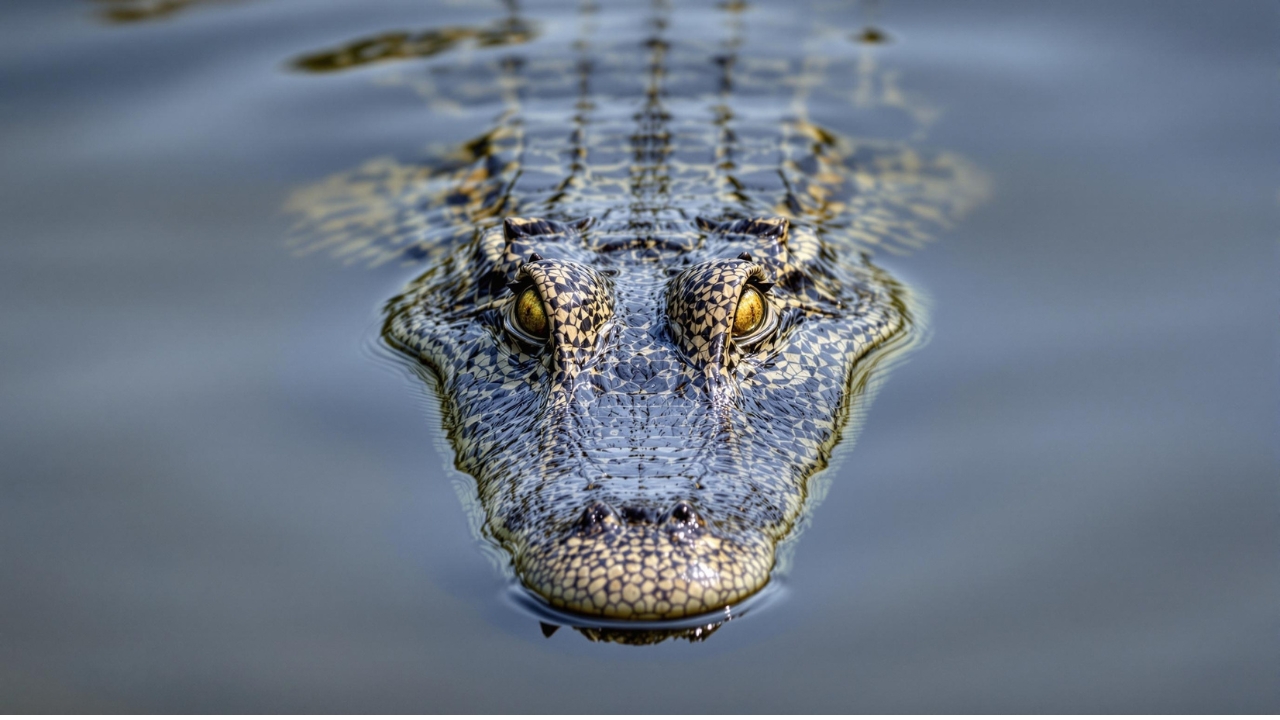
Crocodiles share many of the same stalking behaviors as alligators. They are known for quietly observing prey from the water and sometimes following movement along shorelines or riverbanks. Their eyes and nostrils sit high on the head, allowing them to watch almost entirely submerged. That means a crocodile can trail something along the edge of the water without creating much disturbance.
In areas where crocodiles live, people sometimes report the uneasy feeling of being watched near rivers or lakes. In many cases, a crocodile may indeed be observing quietly from the water. Most of the time the animal eventually loses interest once it realizes the target isn’t vulnerable prey. Still, the fact that they sometimes monitor movement from a distance for a while before acting is part of what makes them such effective ambush predators.
Sharks
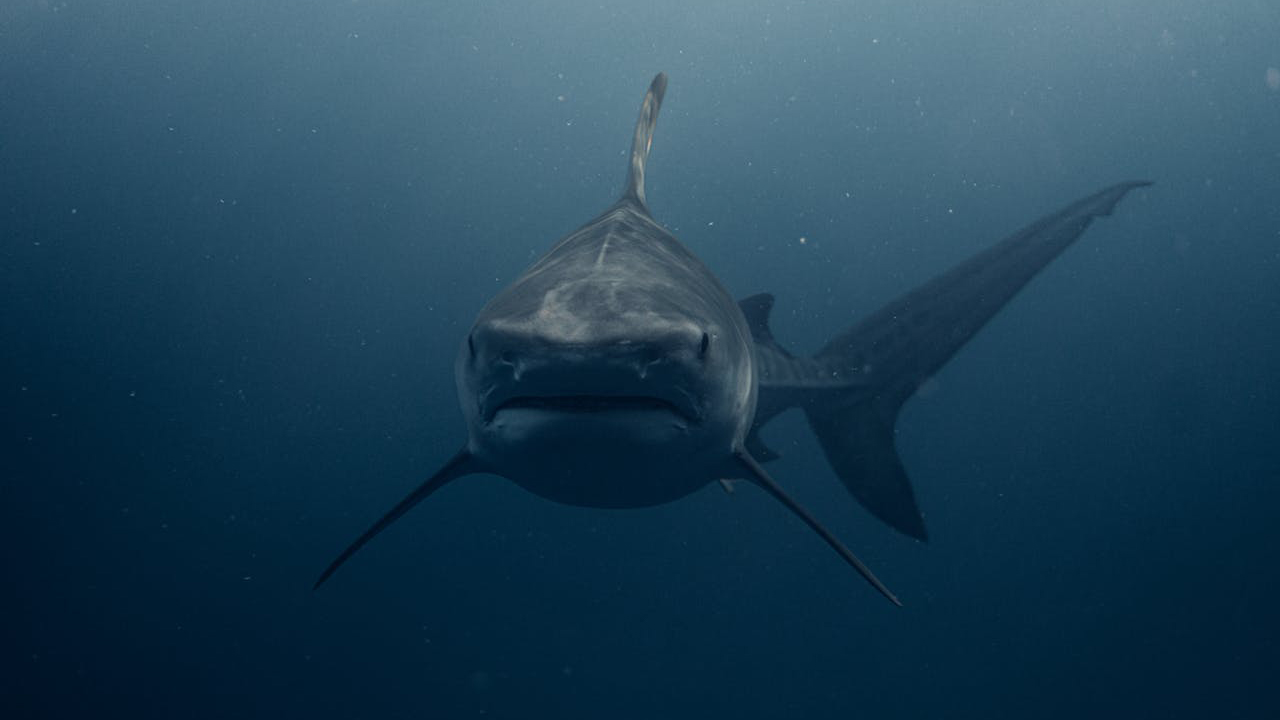
Sharks sometimes follow swimmers, surfers, or boats for short distances while trying to identify what they are seeing. This doesn’t always mean the shark intends to attack. Sharks rely heavily on sensing movement and vibrations in the water, so when something unusual appears, they often investigate by swimming nearby or behind it.
In many cases a shark simply circles or follows briefly before swimming away once it realizes the object isn’t typical prey. However, those moments of quiet observation can feel unsettling when people later learn the shark had been nearby longer than they thought. This investigative behavior is a normal part of how sharks interact with unfamiliar movement in the water.
Cougars near suburban edges

In areas where cougar populations overlap with suburbs or small towns, these cats sometimes observe people walking dogs or jogging along wooded edges. Cougars are extremely cautious animals and usually avoid contact with humans. But they may still follow someone briefly through the brush while assessing what they are seeing.
Because suburban greenbelts and wooded trails often provide cover, cougars can move quietly without being noticed. Trail cameras occasionally capture cougars walking along paths shortly after hikers pass through. Most of the time the cat simply continues on its way after satisfying its curiosity, but it’s a reminder that predators sometimes spend time watching before deciding to move on.
Hyenas
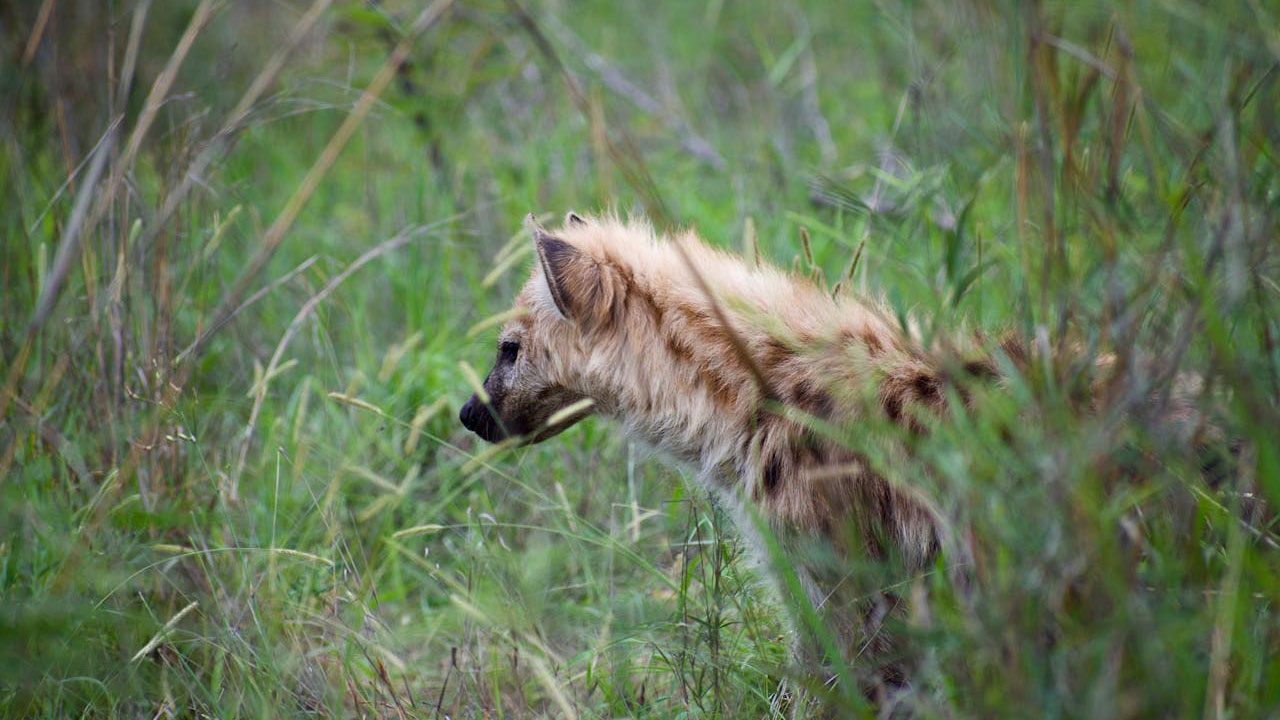
Hyenas are well known for their intelligence and curiosity. In parts of Africa where people and wildlife share space, hyenas sometimes trail human movement from a distance at night. They may follow quietly while trying to determine if food scraps or other opportunities are present. Hyenas are opportunistic and often investigate unfamiliar activity.
While attacks on people are rare in most situations, the animals’ curiosity and persistence can lead them to track movement longer than someone might expect. Their excellent hearing and night vision allow them to keep tabs on people moving through the dark even when the people themselves have no idea the animals are nearby.
Jaguars

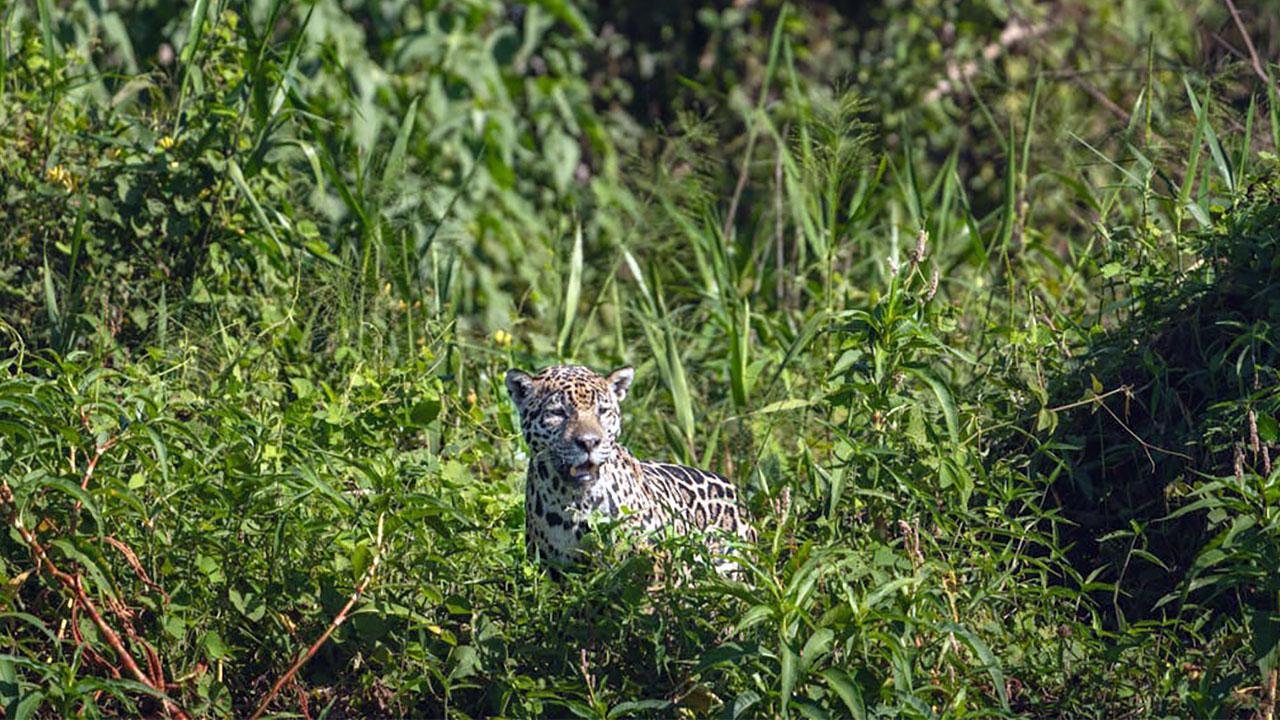
Jaguars are another predator capable of observing humans without being noticed. In dense jungle environments, they often watch movement from thick cover before deciding how to react. Like mountain lions, jaguars rely on stealth and patience. That means they sometimes study an unfamiliar presence before slipping away quietly.
Researchers studying jaguars with camera traps have found evidence that these cats occasionally follow the same trails used by people, sometimes arriving shortly after a human has passed through. In most cases the jaguar simply continues along its route rather than approaching the person directly.
Leopards
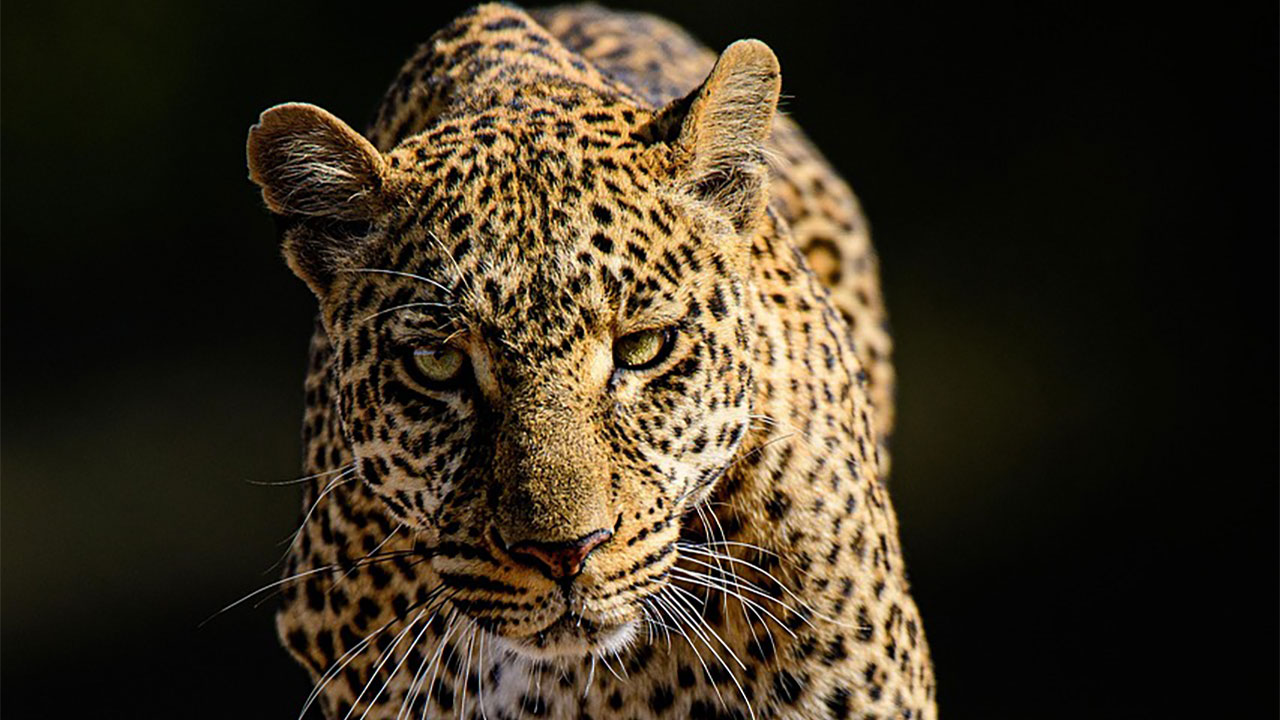
Leopards are among the most adaptable big cats in the world and often live surprisingly close to human settlements in parts of Africa and Asia. Because they are so comfortable moving through human landscapes, they sometimes observe people quietly before disappearing back into cover. Leopards are extremely stealthy, which makes it easy for them to trail movement without being noticed.
Their behavior is usually driven by curiosity or territorial awareness rather than aggression. Still, wildlife researchers have documented many cases where leopards followed people through brush or along paths for short distances while staying hidden. Their ability to move silently and blend into vegetation means the person being observed may never realize it happened.
Dingoes
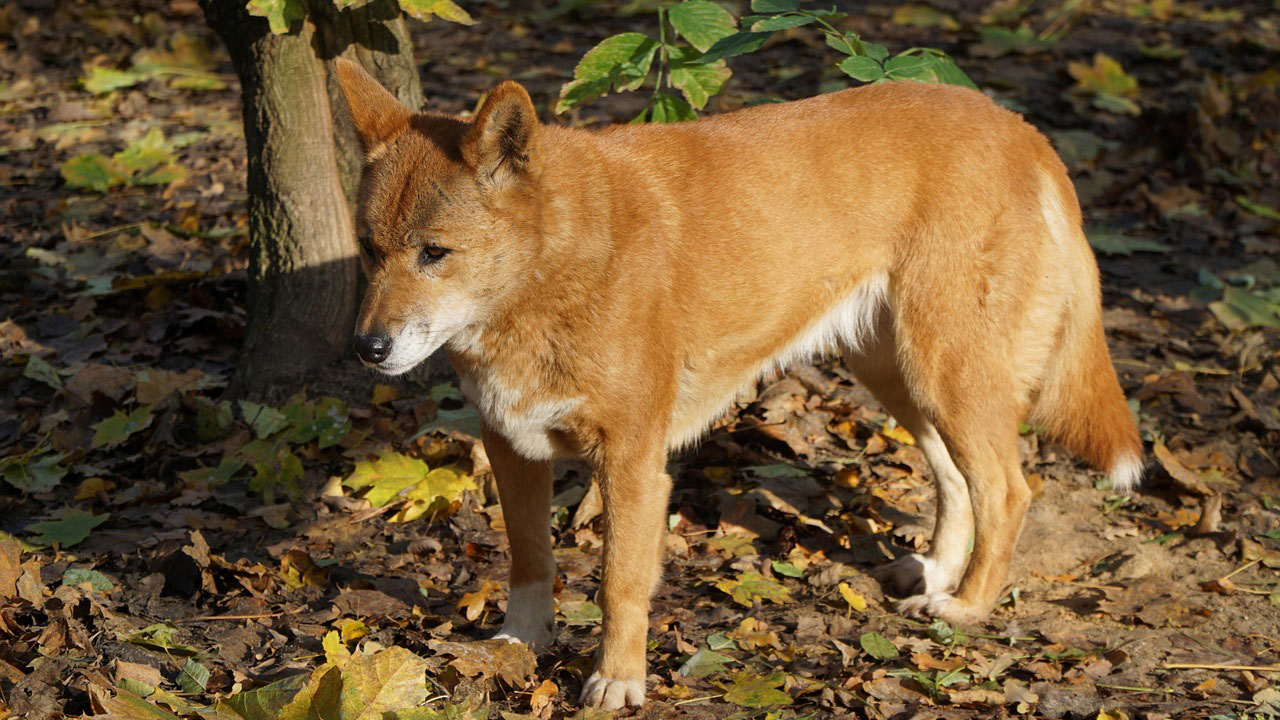
In Australia, dingoes occasionally follow hikers, campers, or travelers moving through remote areas. This behavior is usually tied to curiosity or the possibility of food. Dingoes are intelligent and opportunistic animals that pay attention to anything new entering their territory.
Most of the time they maintain a cautious distance and eventually wander off. However, in places where dingoes have become used to human activity, they may linger longer while watching someone move through an area. Park rangers often remind visitors not to feed or approach them because repeated human contact can make the animals more comfortable trailing people.
Komodo dragons

Komodo dragons are powerful predators with an incredible sense of smell. They can detect scents from miles away and sometimes follow the trail of animals moving through their environment. On islands where they live, park guides warn visitors to stay alert because a dragon may quietly track movement while deciding whether it’s worth investigating.
Most of the time the dragons eventually lose interest if they determine the target is too large or not worth the effort. Still, their ability to quietly trail something using scent is part of what makes them such formidable hunters in their natural habitat.
Like The Avid Outdoorsman’s content? Subscribe to our newsletter so you never miss an article.
Here’s more from us: