Photo credit: FotoEmotions/Pixabay.com
A lot of people relax once they get through dinner, lock the door, and let the dog out one last time. That is usually the wrong time to stop paying attention. Plenty of predators and nuisance wildlife are far more active after sunset, and some of the biggest problems around homes start when people assume the porch light, fence, or barn wall is enough to keep trouble from moving in. State wildlife agencies keep warning about the same pattern over and over: pets left out at night, food left accessible, sheds and crawl spaces left open, and animal movement most homeowners never notice until something gets killed, scattered, or dragged off.
That does not mean every noise outside is a crisis. But it does mean a lot of the wildlife that causes real damage near homes is doing it while most people are half-asleep, not paying attention, or assuming the yard is safe because it is familiar. Here are 15 predators and dangerous nighttime troublemakers that create more problems after dark than many owners realize.
Coyotes

Coyotes are one of the biggest nighttime problems around homes because they do not need much cover to work the edges of a neighborhood. They use creek lines, field borders, drainage ditches, greenbelts, and fence lines like travel routes, and they are especially good at showing up when people let small pets out after dark and assume the yard is secure. New York’s DEC specifically says outdoor pets should be supervised, especially at dusk and night, because small dogs and cats are particularly vulnerable.
What makes coyotes such a steady headache is how quickly they learn routines. If a dog gets let out at the same time every evening, if pet food stays on the porch, or if trash and fallen fruit are easy to reach, coyotes start treating that property like a predictable stop. Kentucky tells residents not to let small pets out alone at night if a coyote is in the neighborhood, and the National Park Service tells people to bring pets in at night. That is not overreaction. That is experience talking.
Raccoons

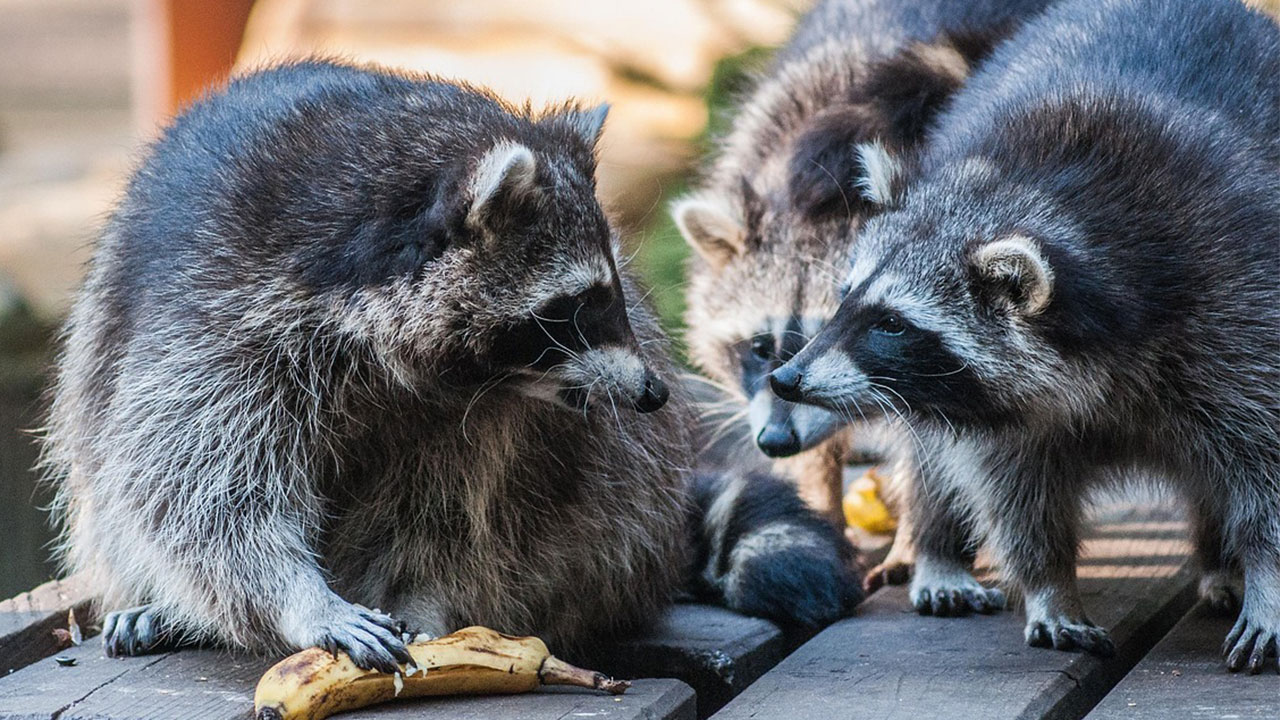
Raccoons cause a different kind of nighttime trouble, but it is trouble all the same. Missouri says raccoons are mostly active at night and can be found in urban and suburban areas, and its nuisance guidance says they frequently enter buildings, attics, and chimneys. That is why raccoon problems often show up as torn soffits, noisy ceilings, raided feed, scattered trash, and poultry losses discovered the next morning.
A lot of homeowners still underestimate raccoons because they are not large predators in the classic sense. But they are strong, clever, and comfortable around houses. Wisconsin tells residents to remove pet food bowls and other food sources, and Glendora warns that raccoons are powerful and can be vicious when trapped or cornered. If one decides your attic, coop, or feed area is worth working after dark, you may have a recurring problem fast.
Foxes
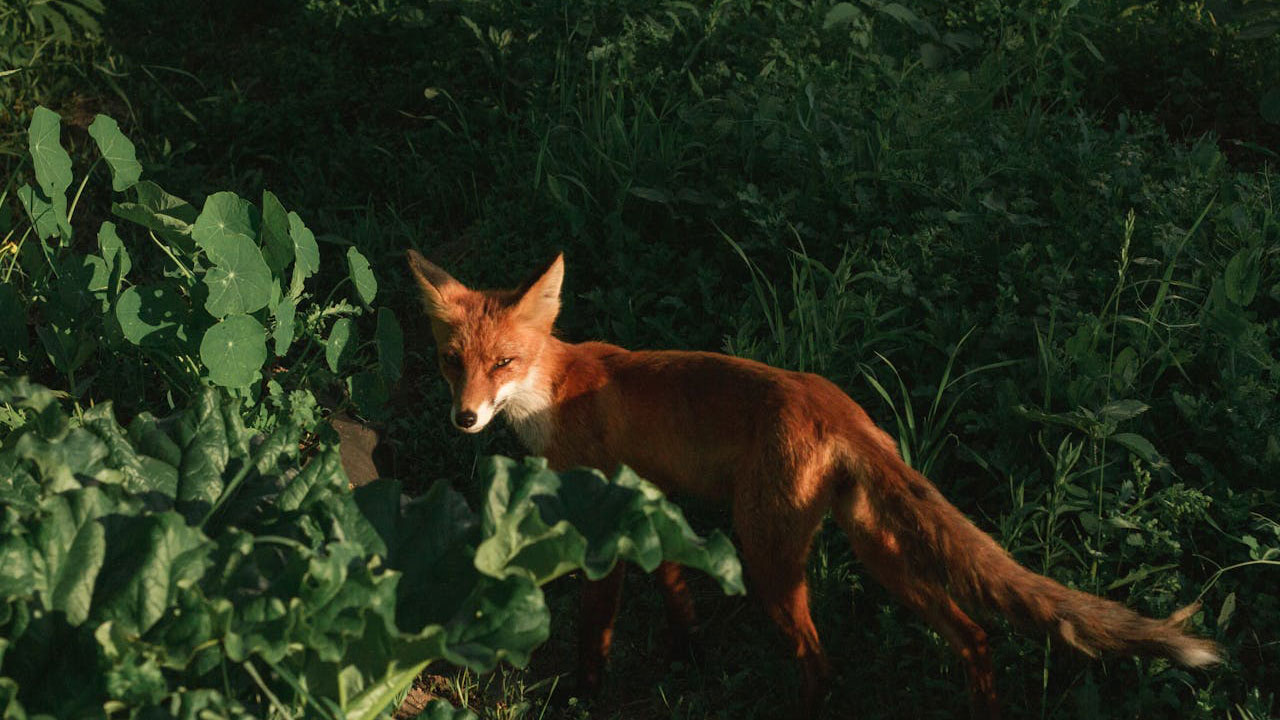
Foxes are quieter and usually less destructive than coyotes or raccoons, but they still make more nighttime trouble around homes than many people expect. Connecticut says pets are easier to protect because they can be kept indoors at night and supervised outdoors, which tells you right away that fox activity near yards is a real enough issue to need clear advice. Massachusetts also notes that foxes can view cats as potential food.
The bigger issue with foxes is how easy it is to accidentally encourage them. Outdoor pet food, weak enclosures, feed spills, compost, and unsecured birds can all pull foxes closer to homes. Once they start passing through a yard regularly at night, they often keep doing it as long as the setup stays easy. They are not usually the loudest problem on the property, but they are one of the more consistent ones.
Bobcats

Bobcats are not usually noisy or obvious, which is part of what makes them more troublesome than many owners realize. The Colony, Texas says people often encourage bobcats and other wild animals to live near homes by leaving pet food out, allowing pets to roam unattended, and leaving dense cover in place. That kind of quiet overlap becomes a bigger problem at night, when bobcats are more likely to move unnoticed and when small pets are more exposed.
A bobcat does not need to make a lot of noise or tear things up to create a serious problem. It just needs access to rabbits, pet birds, free-roaming cats, or very small dogs in the wrong place at the wrong time. Because they stay out of sight so well, a lot of people do not think of them until after a pet disappears or trail cameras start showing movement along fences and brush edges that nobody noticed before.
Great horned owls
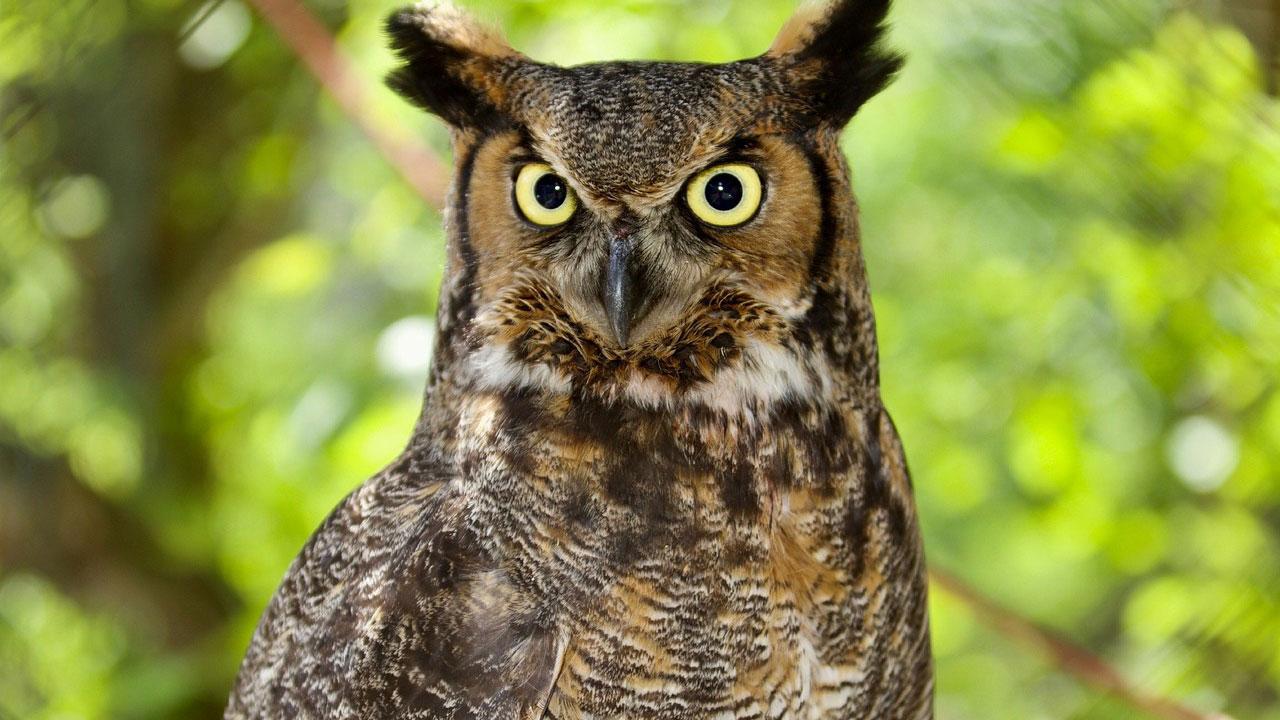
Great horned owls are easy to overlook because they are not moving through the yard like a four-legged predator, but they can absolutely create trouble after dark. Wildlife guidance in North Carolina says owls may, on rare occasions, dive after small dogs or cats, and federal APHIS guidance says small companion animals should not be left unattended outdoors where hawks and owls are a concern.
The people most likely to get caught off guard are owners of toy breeds, backyard rabbits, ducks, and free-roaming cats. A fence that looks secure from your angle is still open from above. Around wooded lots, rural homes, barns, and outer-edge subdivisions, a large owl can turn a nighttime pet routine into a bad surprise without much warning at all. That is why “just for a minute” outside after dark is not always as harmless as people think.
Large hawks and other raptors
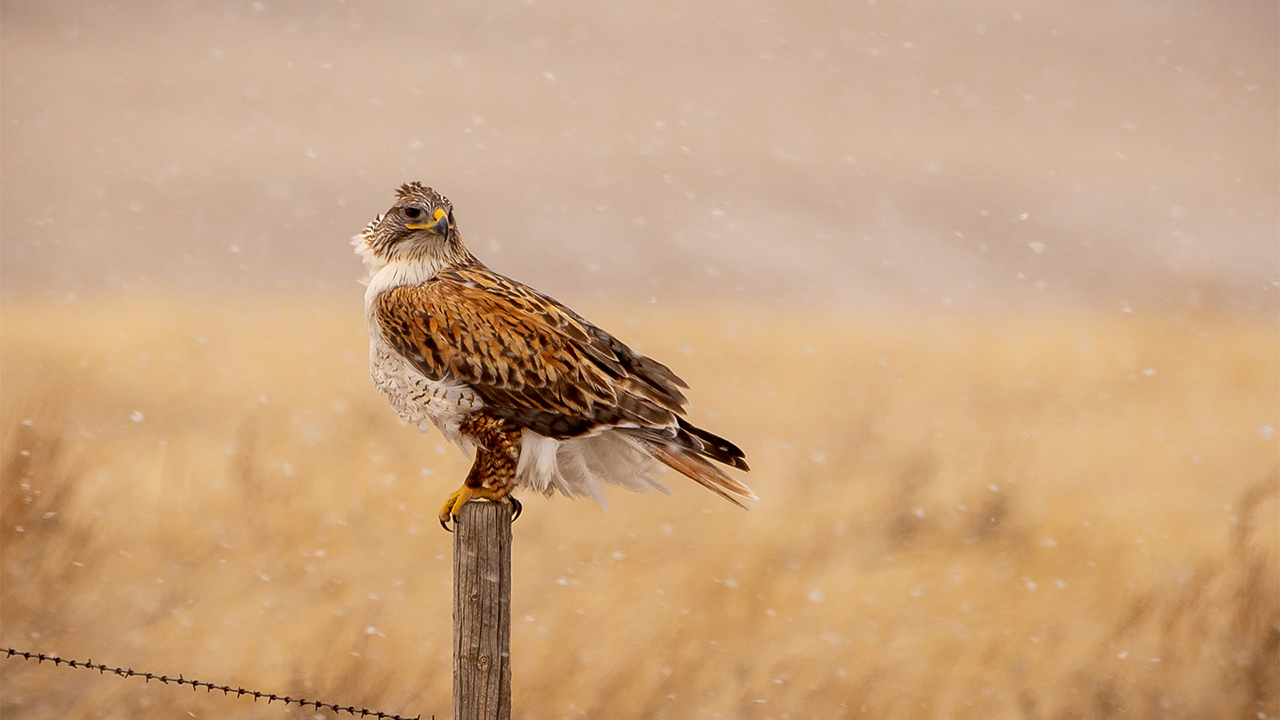
Most hawk trouble happens in daylight, but large raptors in general still deserve a spot here because pet-risk guidance from wildlife agencies does not stop at sunset. The U.S. Fish and Wildlife Service warns against leaving pets under 10 pounds exposed outside and recommends supervision or protected outdoor setups. That advice is broad because very small animals can draw the wrong kind of attention whenever they are left vulnerable.
For most homeowners, this is not the biggest nighttime threat on the property. Still, people with tiny pets, small backyard animals, or exposed runs need to think about overhead risk as part of the whole picture. A lot of owners only think about what might come through the fence. That is not enough. If your setup is open above, some predators do not care about the fence at all.
Black bears

Black bears are not strictly nocturnal everywhere, but around homes they often become a nighttime problem because that is when they can work trash, pet food, bird feeders, and outbuildings with less human pressure. The National Park Service warns people to keep trash sealed, feed pets indoors, and bring pets in at night in places where coyotes and other wildlife are active, and similar food-conditioning advice applies just as much to bears.
The bear issue near homes is usually less about predation and more about dangerous food-driven behavior. Once bears learn that a porch, garage, shed, barn, or feed room produces calories, they can return again and again, often doing damage on the way in. If pets are nearby when that happens, the situation gets more dangerous fast. A food-conditioned nighttime visitor is always worse than a passing daytime sighting.
Mountain lions

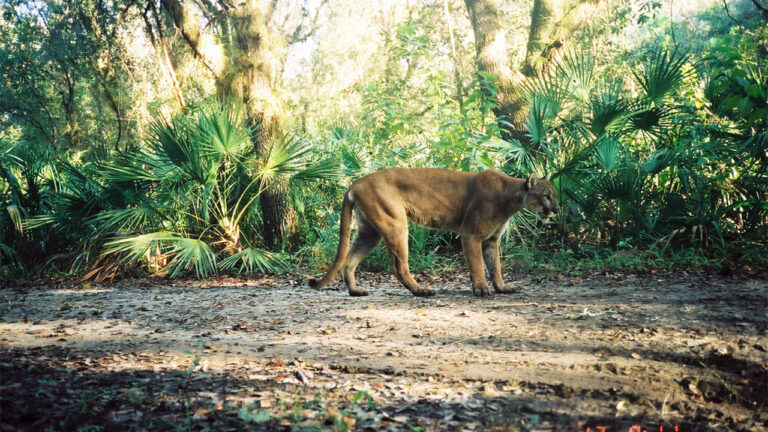
Mountain lions are a lower-probability problem than coyotes in most places, but where they exist, nighttime is when homeowners should be paying close attention. Large cats are built to move quietly and use darkness well, and they do not need many openings to work close to developed areas. Washington’s cougar coexistence guidance says the risk of depredation is low but real enough that domestic animals should be protected.
The main mistake people make is assuming “rare” means “not worth planning around.” That is not how this works. A lion does not need to visit often to create a serious loss around livestock pens, outdoor kennels, or small-pet routines. In cougar country, letting pets wander after dark or leaving animals unsecured near brushy edges is a gamble that feels fine until the one night it does not.
Feral hogs
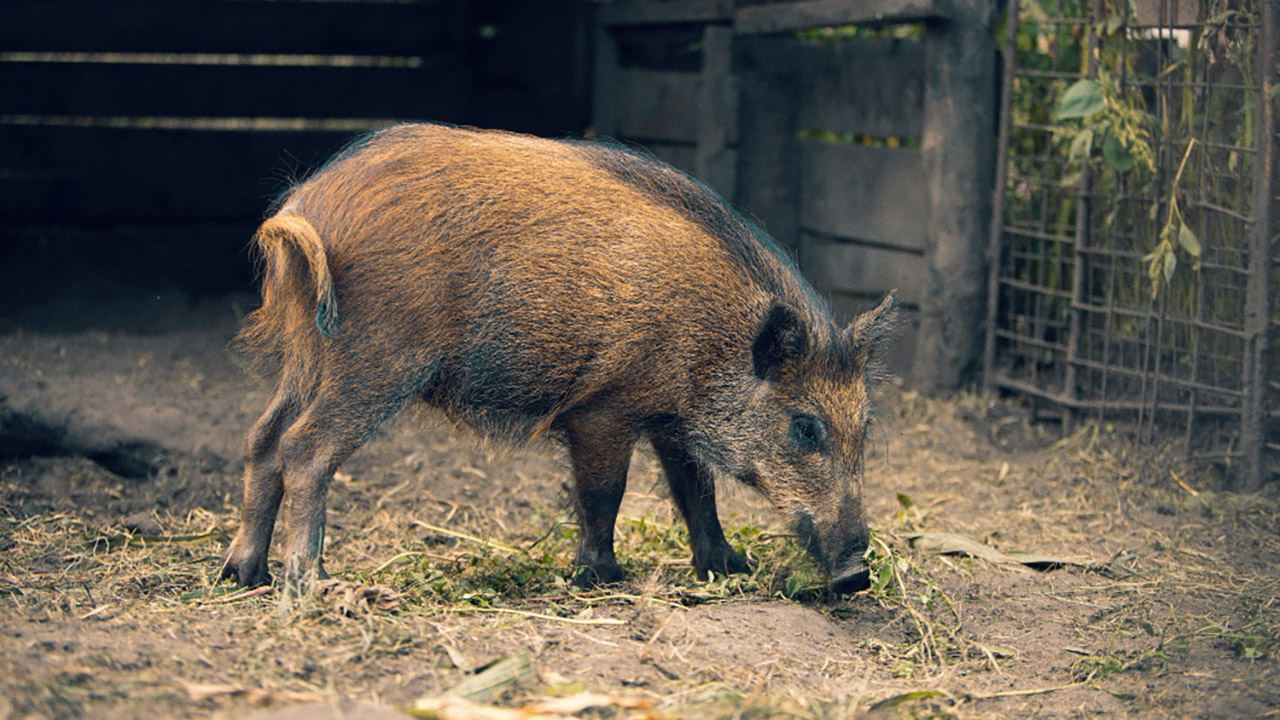
Feral hogs are more often thought of as farm, field, and timber problems, but they can create serious trouble around homes and rural yards after dark too. They do much of their feeding and movement at night in developed areas, and that is when feed, gardens, lawns, and pet areas get rooted up or damaged. They are not stealthy in the way a cat is, but they are dangerous in a more blunt way.
The risk around homes goes up where people keep livestock feed, have weak fencing, or let dogs roam at night. A small dog charging into hogs after dark can get cut up badly, and even homeowners checking a noise outside can put themselves in a stupid spot fast. If hogs are active in the area, nighttime yard confidence should drop a whole lot.
Alligators
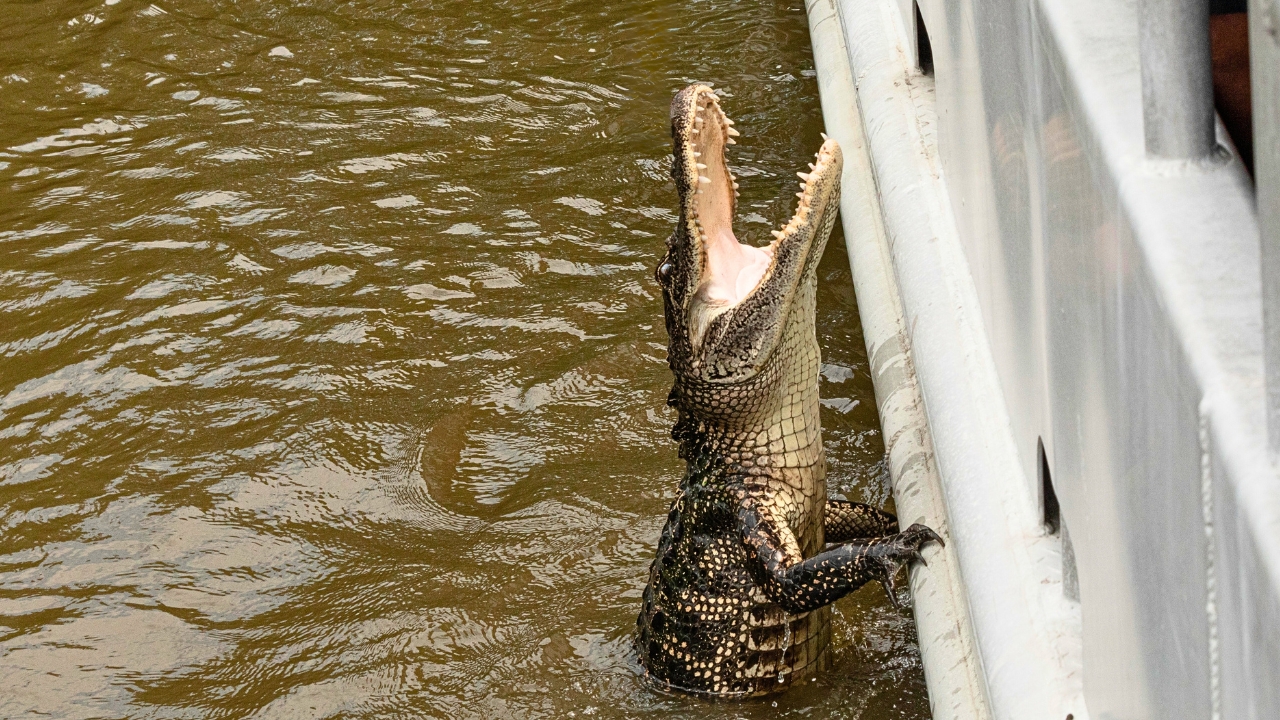
In alligator country, nighttime around water is where a lot of people get too relaxed. A pond behind the house, drainage canal, retention basin, or creek edge can feel harmless because it is part of the neighborhood, but state guidance in the South repeatedly warns that pets near water can be mistaken for prey. That risk does not get better after dark. It usually gets worse because visibility drops and people stop reading the shoreline carefully.
The most common problem is routine. Same dog walk, same pond edge, same confidence that nothing is out there because nothing happened yesterday. An alligator does not need much movement to make that routine dangerous. Around homes near water, nighttime pet walks should be treated a lot more seriously than people usually treat them.
Skunks

Skunks are not classic predators, but they make plenty of nighttime trouble around homes because they are active after dark, drawn to pet food and shelter, and willing to use crawl spaces, decks, sheds, and outbuildings. The mess is not only the spray. It is also the risk of disease exposure, pet injuries from close encounters, and recurring den use if a property gives them what they want.
A lot of homeowners laugh off skunks until the dog gets sprayed at midnight, a den shows up under the porch, or a suspicious animal creates a rabies concern. Around homes, nighttime wildlife trouble is not always about what is hunting. Sometimes it is about what is bold enough to keep coming back to structures, food, and shelter while you are not watching.
Opossums
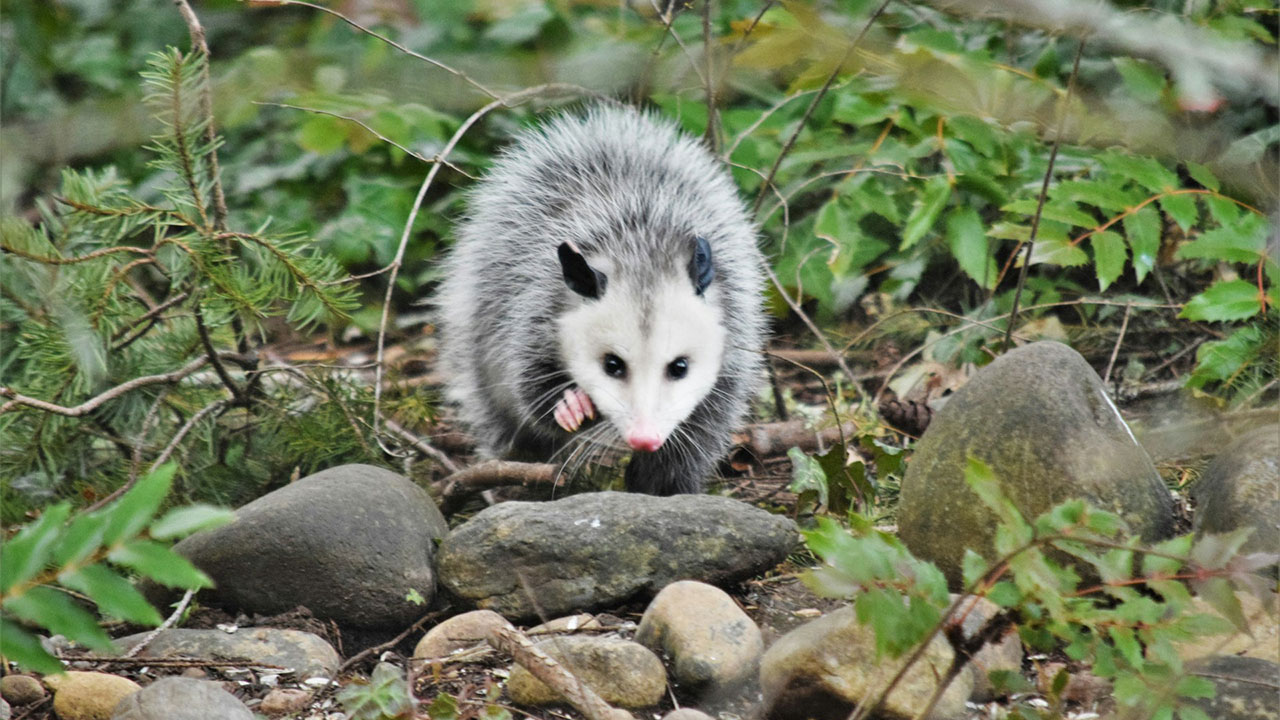
Opossums get treated like harmless yard drifters, but they can still create more nighttime mess around homes than people get ready for. They raid pet food, work trash, use sheds and crawl spaces, and stir up dogs that do not know what they are looking at. They are not aggressive in the same league as a raccoon, but they can still bite when cornered and create repeated nuisance issues.
Their real strength is that they are tolerated too long. Homeowners see one and think it is no big deal, then another shows up, then the dog fixates on the deck every night, and now the property has become a comfortable route or den area. Trouble around homes is not always dramatic. Sometimes it is just persistent, nighttime, and annoying enough to keep getting worse.
Weasels and mink
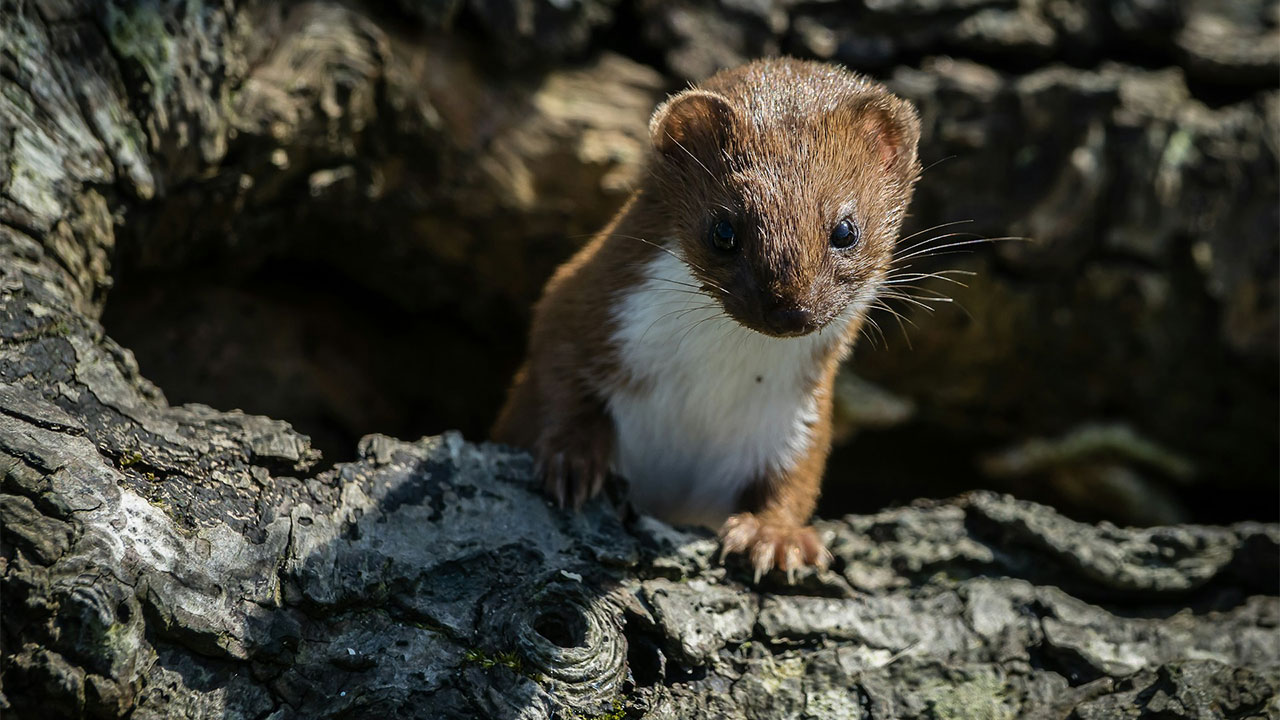
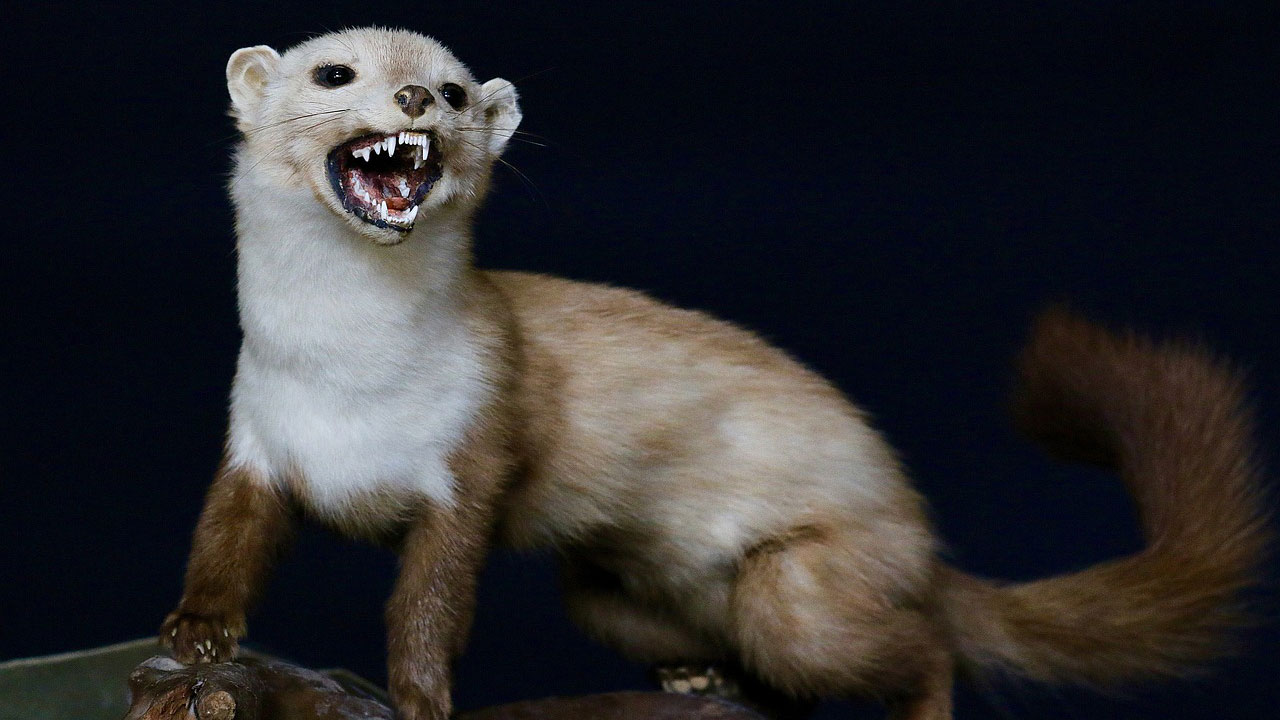
These are not the first animals most homeowners think of, but around rural homes, coops, and barns they can cause serious nighttime losses. A mink or weasel in the wrong poultry setup can kill more than people expect in one visit, and because they are small and slip through weak gaps so easily, owners often do not realize what got in until the damage is done.
That is what makes them worse than their size suggests. You can build a fence that feels solid and still leave small openings around doors, hardware cloth edges, vents, or feed-room access. Around homes with birds, rabbits, or other small stock, nighttime predators are not always the big obvious ones. Some of the worst losses come from the smaller killers that fit where you forgot to look.
Snakes around porches, barns, and sheds
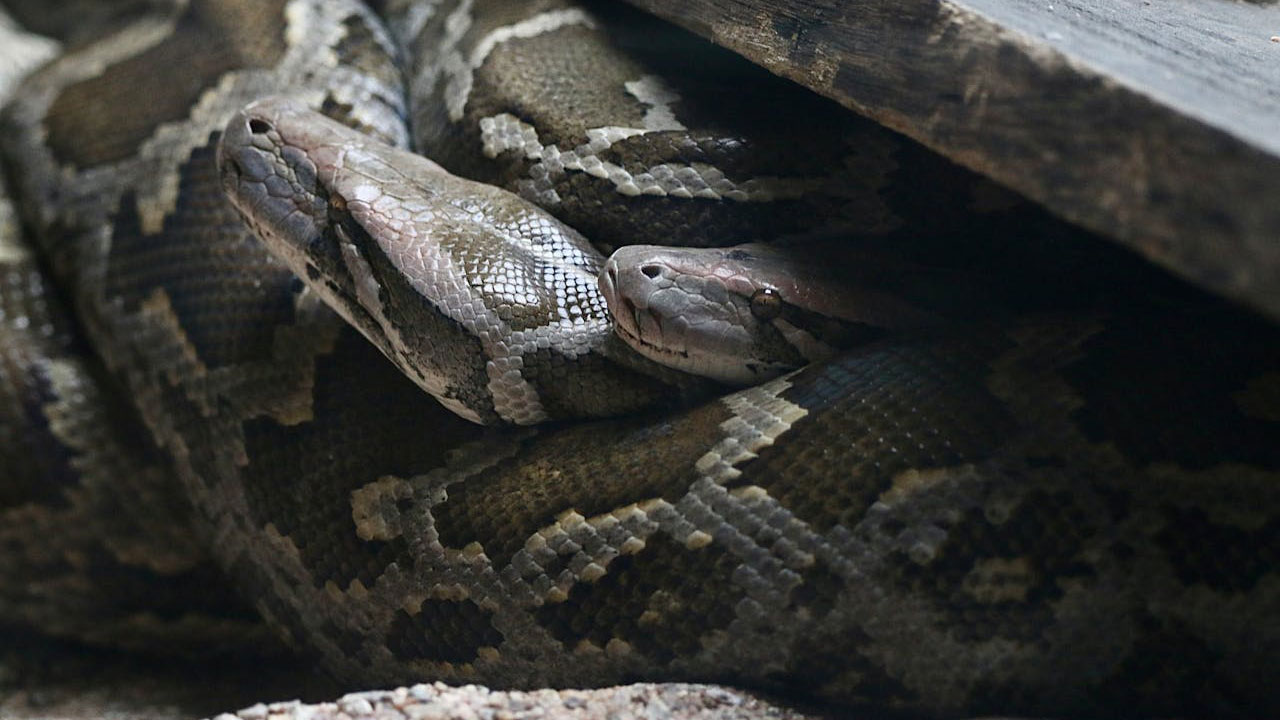
Snakes are not “predators of the house” in the same sense as coyotes, but they absolutely create more nighttime trouble around structures than many owners expect, especially where rodents, feed, water, and clutter pull them in. Barn cats, curious dogs, and barefoot late-night walks do not mix well with a snake that decided the warm edges of a building make a good hunting route.
A lot of rural and semi-rural properties accidentally build snake habitat around homes without meaning to. Feed draws rodents, clutter creates cover, and porch lights pull bugs that pull smaller prey. The snake is not there because your house is special. It is there because your setup made sense to the food chain after dark.
Food-conditioned neighborhood wildlife
This category matters because a lot of nighttime problems are less about one species and more about a pattern. Wildlife agencies keep repeating the same guidance: do not leave pet food outside, secure trash, pick up fallen fruit, reduce hiding cover, and supervise pets at night. That is because once any wild animal learns a property reliably offers food or shelter, nighttime visits become more common and more confident.
That could mean raccoons in the attic, coyotes along the fence, foxes checking the coop, skunks under the deck, or bobcats slipping the greenbelt edge. Different species, same basic problem. People think they are dealing with random bad luck when a lot of the time they are dealing with a property that has become easy to work after dark.
Like The Avid Outdoorsman’s content? Subscribe to our newsletter so you never miss an article.
Here’s more from us: