
Photo credit: James Lee/Pexels.com
A lot of campers spend all their energy worrying about rain, wind, mud, and a surprise cold front, then get completely outplayed by wildlife. Truth is, a sloppy campsite can fall apart faster from animals than from weather. Food left out, trash hanging around, coolers not latched right, dishes sitting dirty, packs left unattended, and snacks tossed inside a tent can turn a quiet camp into a mess in a hurry. The National Park Service keeps repeating the same warning because it happens constantly: wildlife gets drawn in by human food, loses fear, gets aggressive, and starts tearing through camps and gear looking for more.
The worst part is that a lot of these campsite wreckers are not huge, dramatic animals. Sure, bears can do serious damage, but smaller thieves and scavengers often cause trouble first. Some steal food. Some chew through tents and packs. Some scatter trash. Some bite. Some ruin your night by turning one bad food-storage habit into a full cleanup job. Here are 15 animals that can wreck a campsite faster than a storm rolling in.
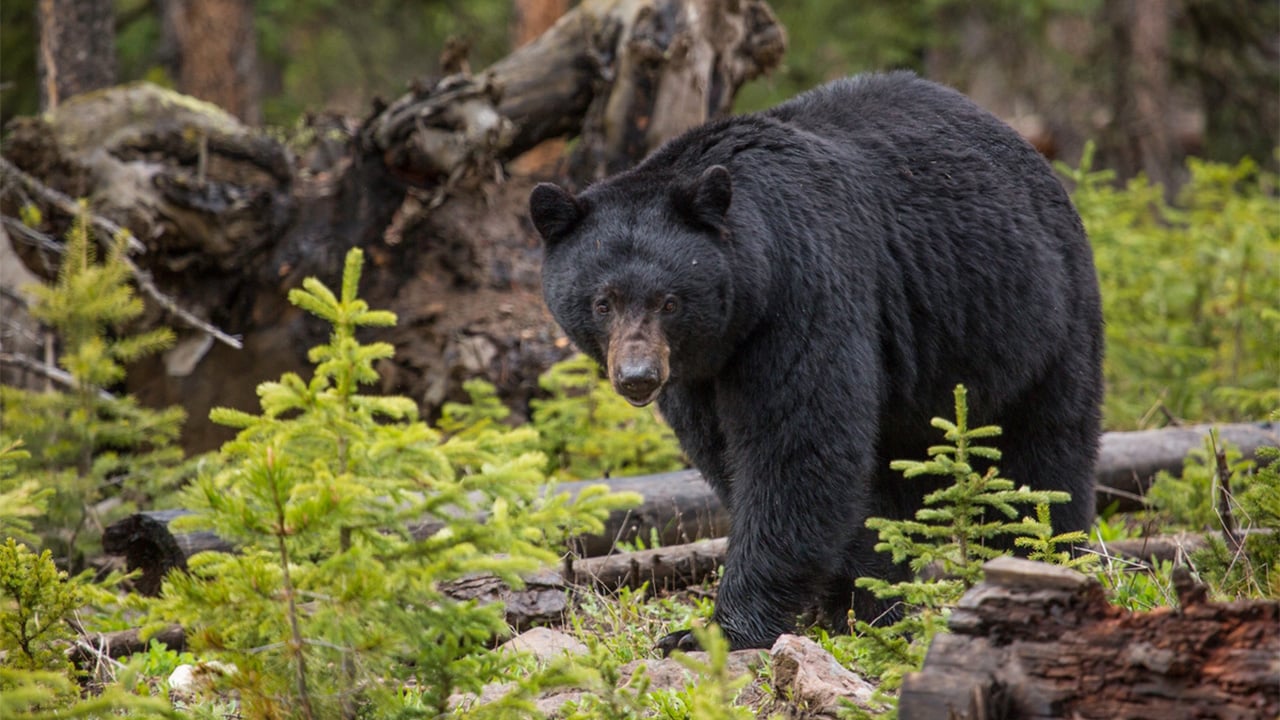
Black bears

Black bears are still the heavyweight campsite destroyers for a reason. If they smell food, trash, coolers, toiletries, or anything scented in a tent or unsecured camp, they can rip through gear and create a dangerous situation fast. Sleeping Bear Dunes says never store food, beverages, trash, or scented items in tents, and North Cascades warns that coolers are not much of a barrier because bears can smell them and force them open.
What makes bears so destructive is that they do not have to be aggressive to be a disaster. A food-conditioned bear can flatten a campsite just trying to get to a reward it has learned to expect. Missouri conservation officials also warn campers never to cook, eat, or store food in sleeping areas and to keep camp food locked in vehicles when not in use. Once a bear decides your camp smells promising, your trip can go sideways in a matter of minutes.
Raccoons
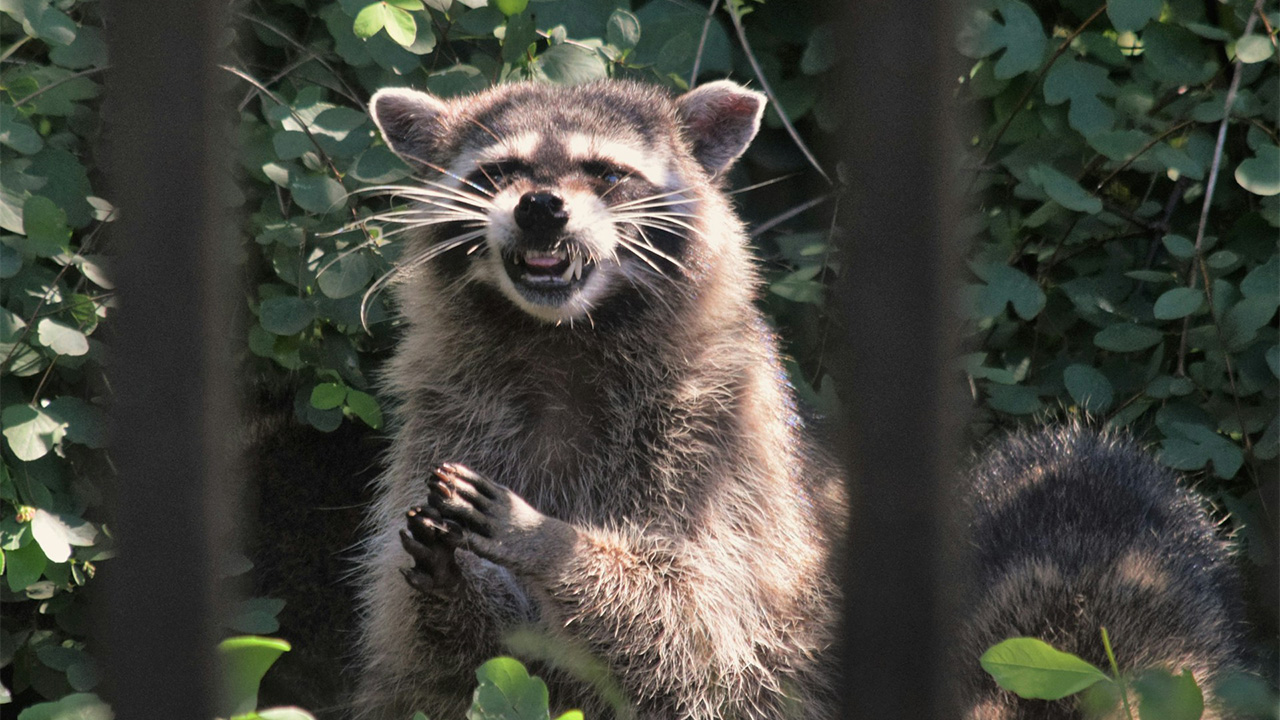
Raccoons are one of the most reliable campground thieves in the country because they are bold, clever, and completely comfortable around people in many camp areas. NPS safety guidance says raccoons are among the animals commonly enticed by human food left in campsites, and Golden Gate’s camping guidance specifically warns that raccoons frequent camping areas and should never be fed.
What makes them so annoying is that they do not need much of an opening. A cooler left cracked, trash sitting out, dog food by the table, or dishes left dirty is enough to pull them in. Once raccoons learn a campground pays off, they keep checking sites over and over. They may not level camp like a bear, but they can absolutely turn a clean evening into ripped bags, scattered food, and a long, gross midnight cleanup.
Ravens
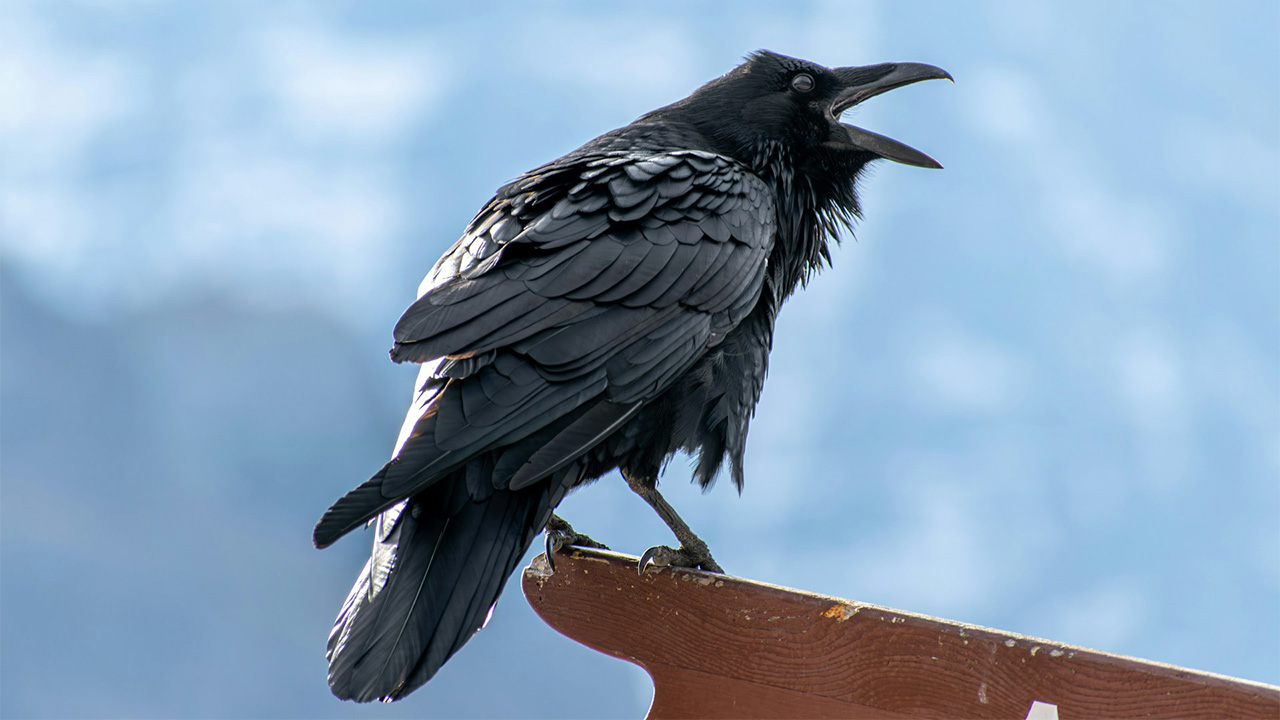
Ravens are underrated campsite vandals. Grand Canyon says ravens, attracted to food wrappers and plastic, pilfer backpacks in the backcountry, and Canyonlands says they will steal food and any exposed trash from vehicles and camps. North Cascades even notes that in some areas ravens have learned how to break into coolers. That is not random bird behavior. That is practiced theft.
The problem with ravens is how fast they work when campers get lazy for even a few minutes. Leave a pack open while you wander off, set lunch down while you pitch a tent, or assume a cooler lid is “good enough,” and a raven can make a mess before you turn back around. They are smart, opportunistic, and far more destructive to camp order than people expect from a bird.
Deer mice

Deer mice do not look like major trouble until you realize how much damage a small rodent can do in camp. Grand Canyon says aggressive deer mice living off careless food storage have overrun popular backcountry campsites and beaches along the Colorado River. North Cascades also warns that mice and other rodents have gnawed holes through tents when campers stored smellables inside.
This is what makes little animals so maddening at camp. They do not need brute strength. They just need smell and access. Once food habits get sloppy, mice can chew into bags, contaminate supplies, bother sleepers, and turn a tent into something you no longer want to trust. People think of bears as the big camp destroyers, but rodents can quietly ruin gear, sleep, and food stores just as fast in their own way.
Rock squirrels

Rock squirrels are not just nuisance beggars. Grand Canyon says they are the leading cause of animal bites there, and the reason ties right back to food conditioning. Once small campground rodents start associating people with snacks, they stop acting shy and start acting pushy.
That shift matters because campers often underestimate any animal smaller than a raccoon. A rock squirrel can still wreck your setup by raiding food, chewing into bags, and creating bite risk when people get careless. One of the fastest ways to turn a nice scenic camp into an irritating, chaotic one is to let small mammals learn that your picnic table is part of their routine.
Chipmunks
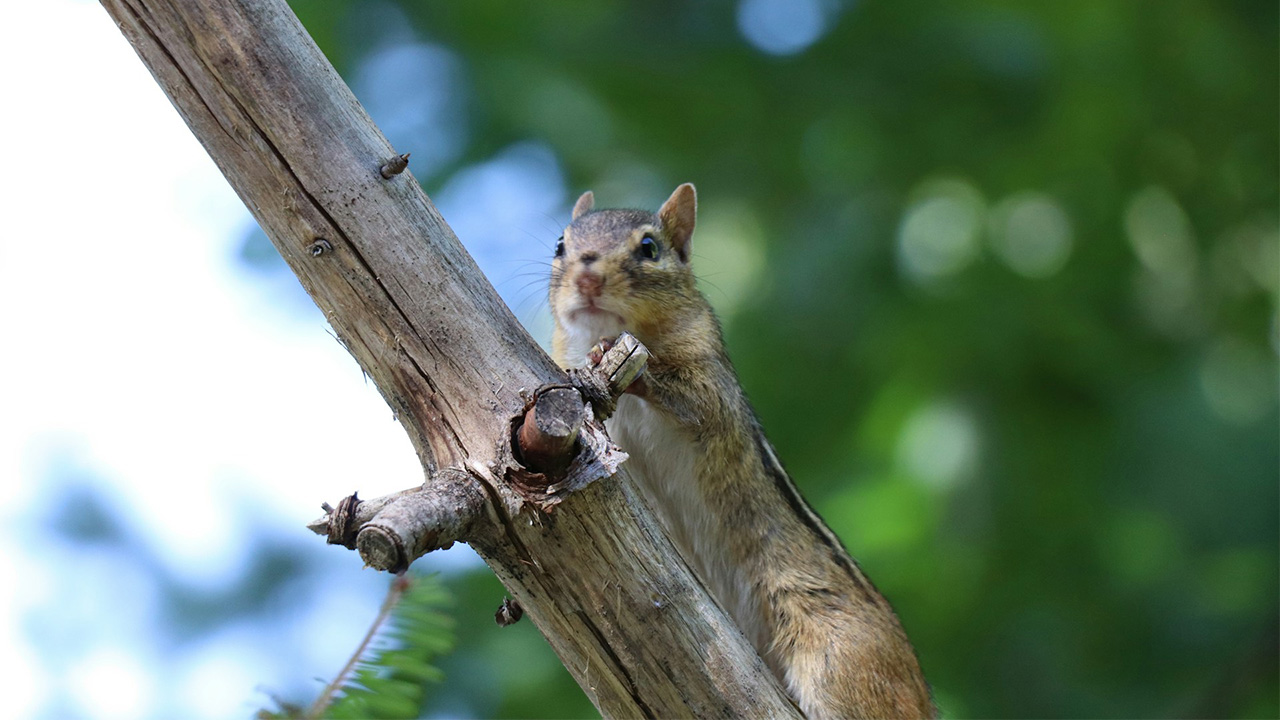
Chipmunks look harmless, and that is exactly why people make dumb choices around them. Crater Lake warns visitors not to encourage chipmunks to keep begging and says all food should be securely stored and out of reach from wildlife. North Cascades says hikers who have left camp for as little as five minutes have returned to find food eaten by chipmunks and squirrels.
The reason chipmunks deserve a spot here is not size. It is speed and repetition. They can turn an unattended lunch, snack bag, or open tote into a mess almost immediately, and once they get rewarded, they stop treating people like something to avoid. A campground full of food-conditioned chipmunks is one of those problems that sounds funny until you are the one guarding every cracker like it is contraband.
Ground squirrels
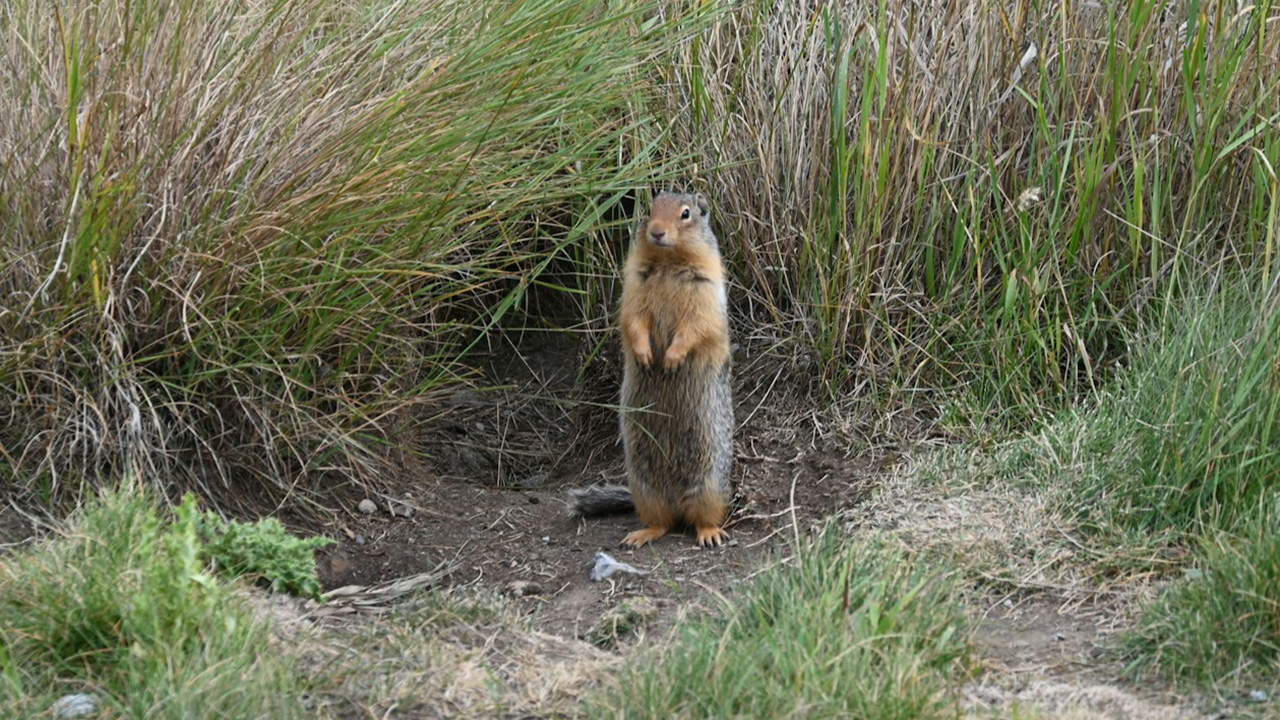
Ground squirrels are campsite chaos in a smaller package. NPS says ground squirrels can bite, become aggressive when food-conditioned, and actively seek out human food once they learn it is available. Mount Rainier also warns that rodents like ground squirrels become aggressive when they get used to human food.
They can wreck camp by climbing onto tables, chewing into food containers, and making every meal a hassle if campers get careless. What starts as one person tossing a bite or leaving food exposed turns into a whole campground dealing with bold little thieves. They are the kind of animal people laugh at until one lunges at a bag, bites somebody, or turns the fire-ring area into a constant food fight.
Marmots
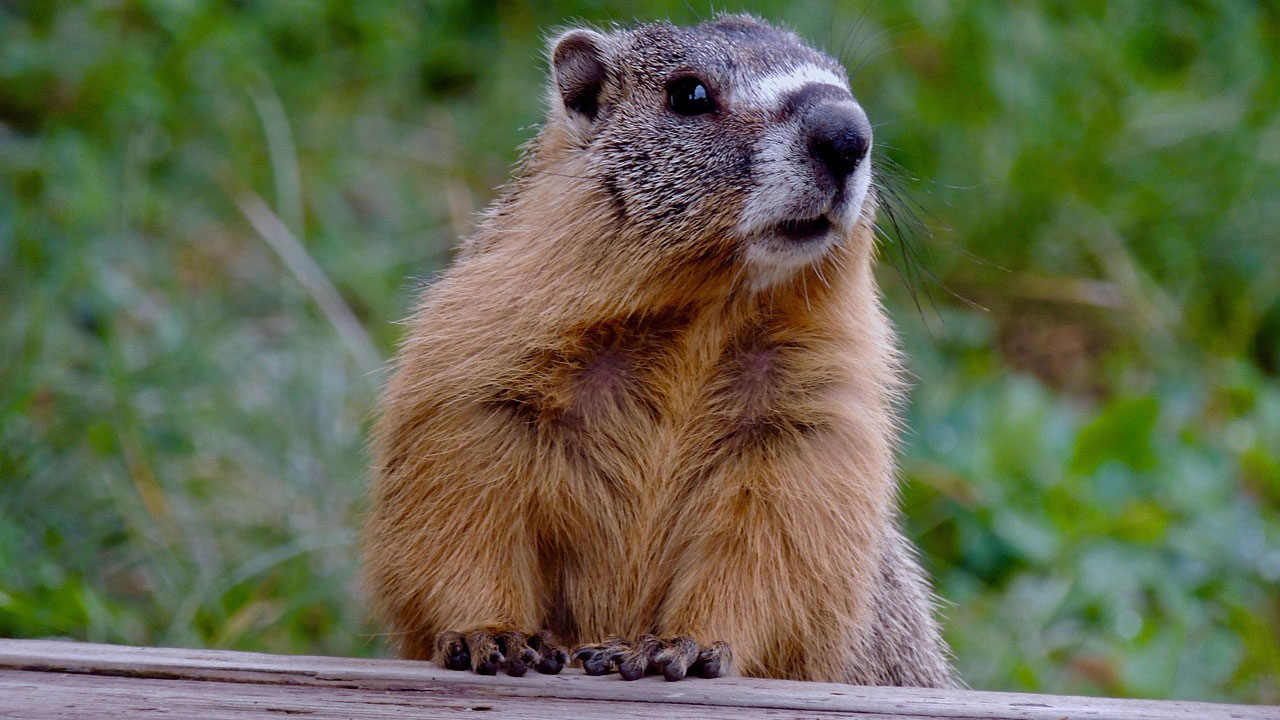
Marmots are another animal that can do more campsite damage than people expect. North Cascades specifically warns that hikers who leave camp even briefly have had food eaten by marmots along with chipmunks, squirrels, and bears. Mount Rainier also includes marmots among the rodents campers are told not to feed and to protect food from.
What makes marmots such a pain is that they are bigger and stronger than the average camper expects from a rodent-type campsite thief. If they get habituated, they can mess with gear, food, and camp calm pretty quickly. They may not have the reputation bears do, but in the right campground a bold marmot can absolutely make your site feel like it is under siege.
Coyotes
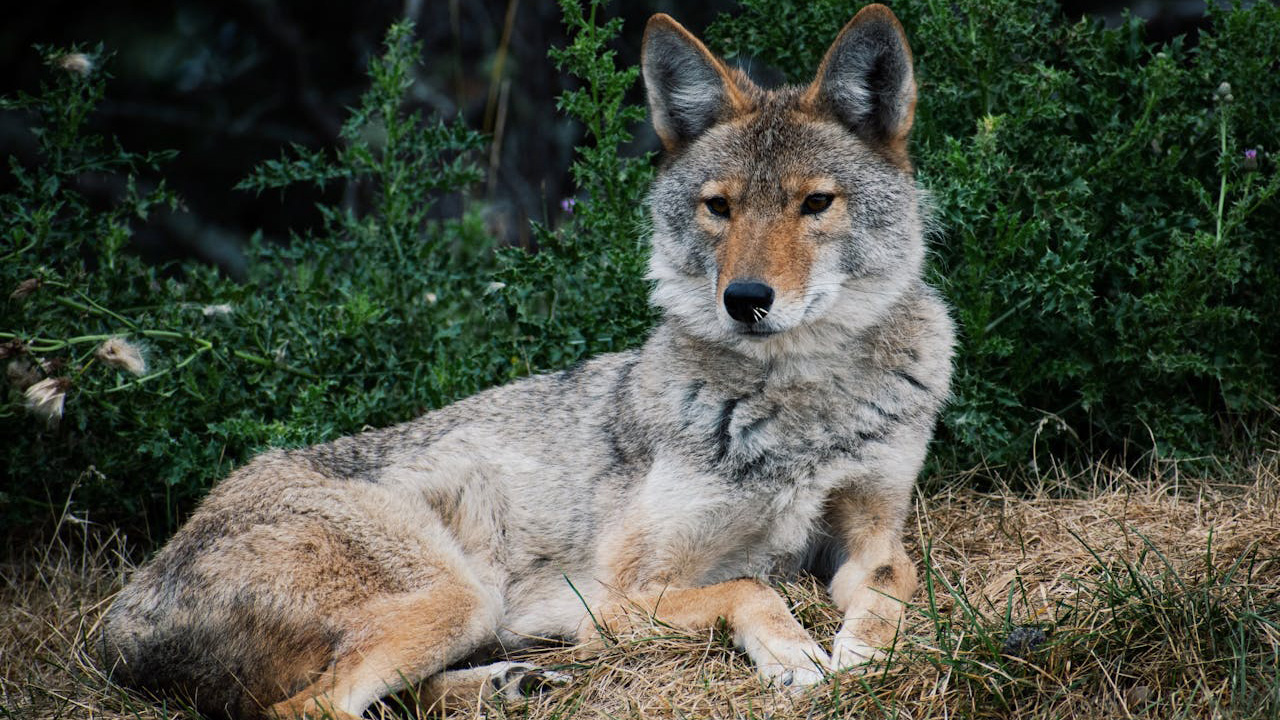
Coyotes do not usually bulldoze a campsite, but they absolutely create trouble where campers leave food, trash, or pets unmanaged. Sleeping Bear Dunes lists coyotes among the wildlife enticed by food left at campsites, and Golden Gate’s camping guidance says coyotes frequent the area and should not be fed or approached.
The real problem with coyotes at camp is how quickly they start treating people as predictable. Leave scraps out, let a dog wander, or get lazy with food around dusk and night, and coyotes can shift from background wildlife to camp problem. They may not shred your tent like a bear, but they can stalk the edges, steal food, unsettle pets, and turn a relaxed campsite into one where everyone suddenly has to stay alert.
Crows and jays
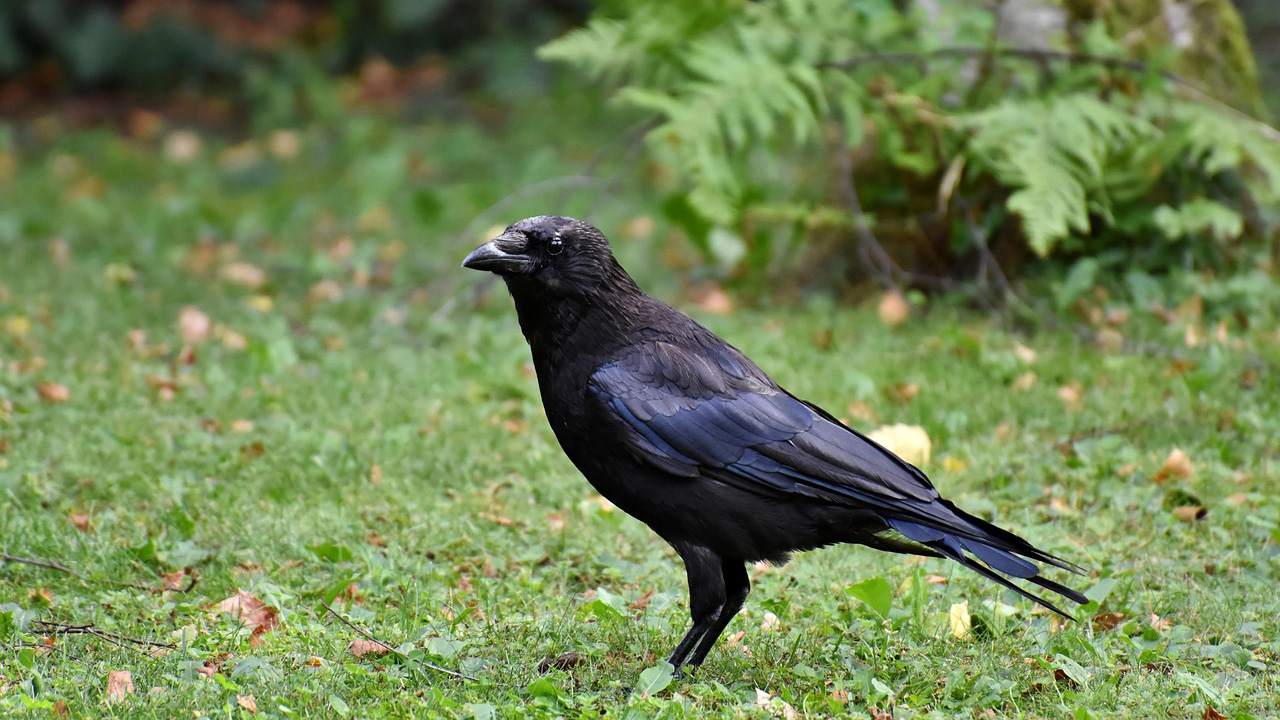
Camp robbers got that name for a reason. Crater Lake points out that some corvids are literally called “Camp Robbers” because they take any chance to steal unattended food. That makes crows, ravens, and jays some of the quickest campsite opportunists you will deal with if you leave food sitting out even briefly.
These birds do not need nighttime or much cover. They just need one distracted camper and an open snack situation. Around busy campgrounds, they learn routines fast. They watch tables, they watch hands, and they know the second you walk off. They may not look destructive in the same way mammals do, but once they start scattering wrappers, pecking into bags, and grabbing food, the whole site starts feeling sloppy fast.
Foxes

Foxes are usually lower-profile camp troublemakers, but they still deserve mention because they are opportunists that respond to the same bad habits as raccoons and coyotes. NPS and Forest Service guidance broadly warns that wildlife gets drawn into camp by food and trash, and foxes fall right into that pattern in areas where they are common.
What makes foxes frustrating is that people often underestimate them because they are not as loud or as obviously destructive. But a fox checking camp edges, scavenging scraps, or working around weak food storage is still part of the same problem. Once smaller predators learn campgrounds mean calories, they stop acting like shy passersby and start acting like regular scavengers with a route.
Skunks
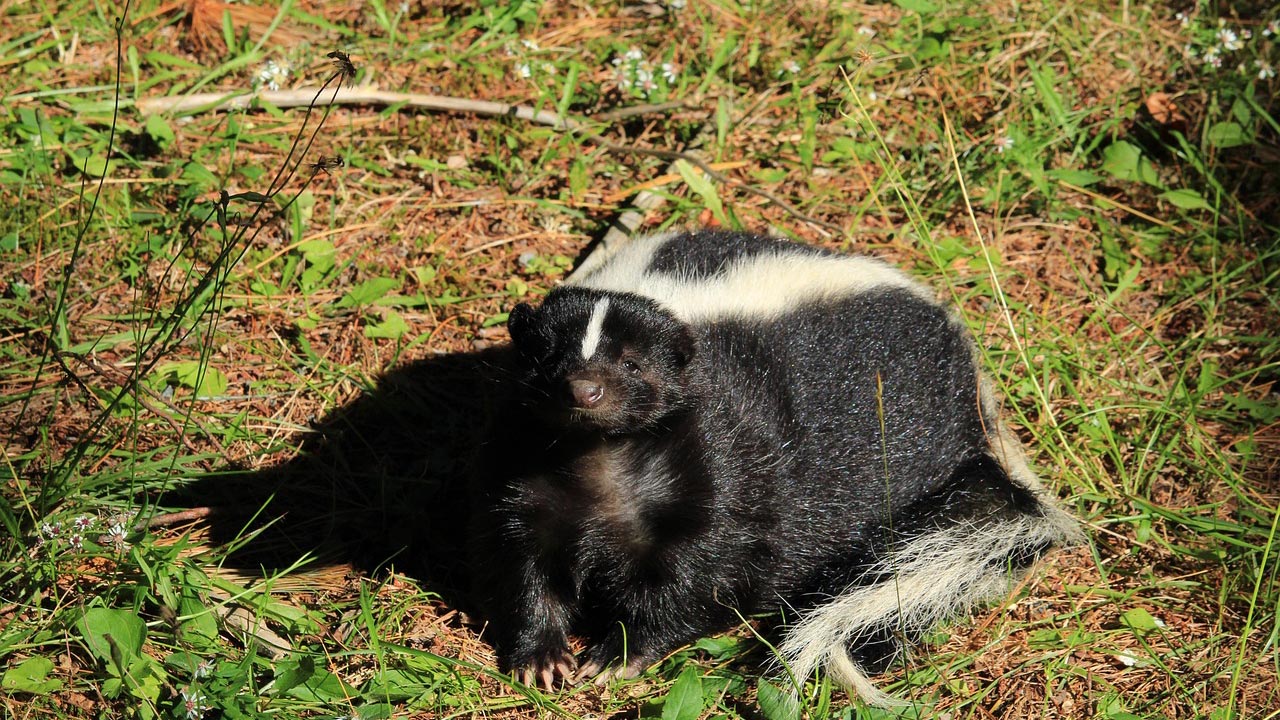
Skunks can ruin a campsite in a very different way. They are not usually the top food thieves, but if food scraps, pet food, and shelter opportunities are around, they can move in close fast. A skunk encounter around tents, picnic tables, or sleeping areas can turn an ordinary night into one nobody forgets for the right reasons. NPS’s general wildlife guidance warns that food-conditioned animals lose fear and can become aggressive or problematic.
The real campsite problem with skunks is how miserable one close encounter can make the rest of the trip. A sprayed dog, sprayed gear, or a skunk nosing through camp at night is enough to wreck the vibe instantly. They are another reminder that wildlife trouble is not always about being attacked. Sometimes it is about one avoidable mistake making camp gross, tense, and a lot less usable.
Deer

People do not always think of deer as campsite wreckers, but NPS says deer that appear tame are still unpredictable and dangerous, and food-conditioned animals of all kinds start seeking handouts in unsafe places. Around campgrounds, deer can nose into food, crowd picnic areas, and become aggressive enough to create real problems once they learn people equal snacks.
That matters because deer get underestimated the same way chipmunks do, just for opposite reasons. They look calm and familiar, so people let their guard down. But a big animal with sharp hooves and no healthy fear of humans can absolutely ruin a campsite by crowding food, scaring kids, upsetting dogs, and forcing everyone to change how they move around camp.
Javelinas
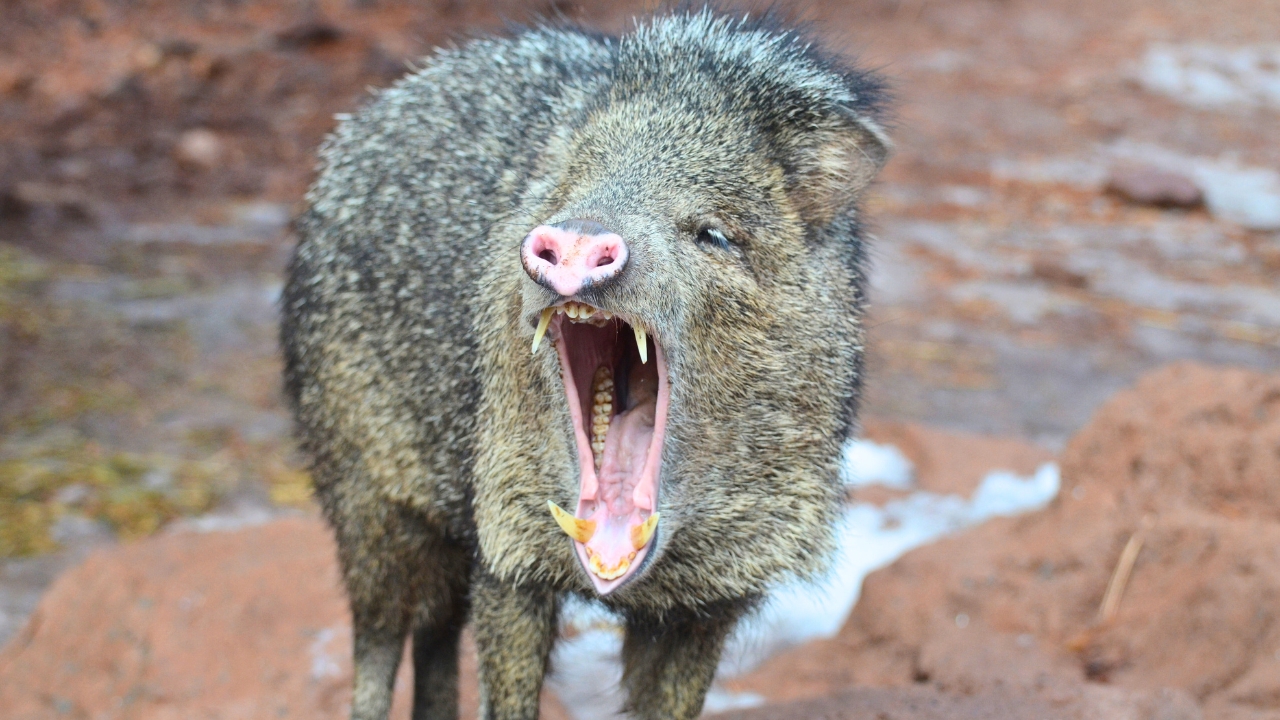
If you camp in the Southwest, javelinas deserve more respect than many campers give them. They are strongly food-motivated, travel in groups, and can make a real mess when camp smells worthwhile. While the broad federal and park guidance is still the same story about keeping camps clean and wildlife from getting rewarded, javelinas are one of those animals that quickly remind people that poor storage habits are not just a “bear country” issue.
The reason they can wreck camp so fast is simple: they are noisy, persistent, and not delicate. If a site has coolers, trash, food scraps, or dishes sitting out, a javelina visit can scatter things in a hurry and make the whole area feel out of control. In the wrong country, sloppy camp habits do not just attract cute thieves. They attract animals that push back hard against the idea that your campsite is somehow off-limits.
Campground rodents in general
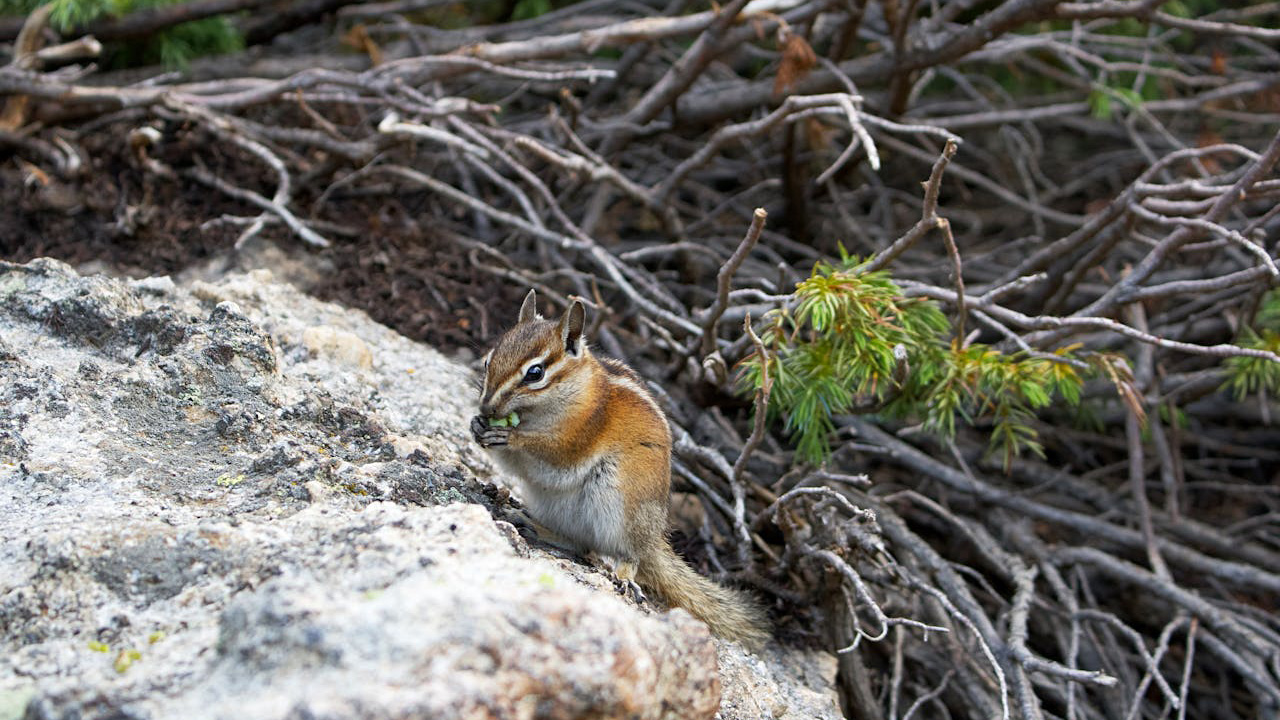
This last slot matters because the broader rodent problem is often what ruins camp first. Mount Rainier says rodents like chipmunks, marmots, and ground squirrels become aggressive when they get used to human food, and North Cascades says campers have had food eaten by chipmunks, squirrels, marmots, and bears after stepping away for only a few minutes.
That is the bigger lesson behind all of this. Campsites usually do not get “wrecked by wildlife” because animals are acting crazy. They get wrecked because campers made food and trash too easy to find. Small animals chew holes, birds raid bags, raccoons scatter gear, and bears show up when the smell gets strong enough. Bad weather can make camp miserable, but a food-conditioned campground can make it unmanageable.
Like The Avid Outdoorsman’s content? Subscribe to our newsletter so you never miss an article.
Here’s more from us:


