Photo credit: guentermanaus/Shutterstock.com
Wildlife doesn’t “break in” like a burglar, but it does the next closest thing. It finds the one loose vent screen, the gap under a garage door, the soffit corner you’ve never looked at, or the attic access you forgot existed. Once an animal learns your home is warm, dry, and full of food smells, it stops acting like a visitor and starts acting like a tenant.
The surprising part is how often it happens, and how ordinary the culprits can be. Most of these animals aren’t trying to confront you. They’re chasing shelter, nesting space, or easy calories. The danger is what comes with that: damaged wiring, contaminated insulation, aggressive cornered animals, and the kind of chaos that starts when you realize something is living above your ceiling. These are nine types of wildlife that get inside homes more often than most people expect.
Raccoons
Raccoons are strong, clever, and way more comfortable around neighborhoods than people want to believe. If you’ve got a loose soffit, a weak attic vent, or a roofline corner that flexes, a raccoon can turn it into an entry point. They don’t need much space, and once they start pulling, prying, and tearing, the hole gets bigger fast. Garbage smells, pet food, and bird seed can keep them circling until they find the weak spot.
The problem gets worse once one moves in. An attic becomes a nursery, and now you’re dealing with noise at night, damaged insulation, and an animal that may defend that space. People often discover raccoons after hearing thumps or finding shredded material near the roofline. If you’ve got raccoons on your property, assume they’re checking your house the same way they check trash cans—testing for the easiest opening.
Squirrels
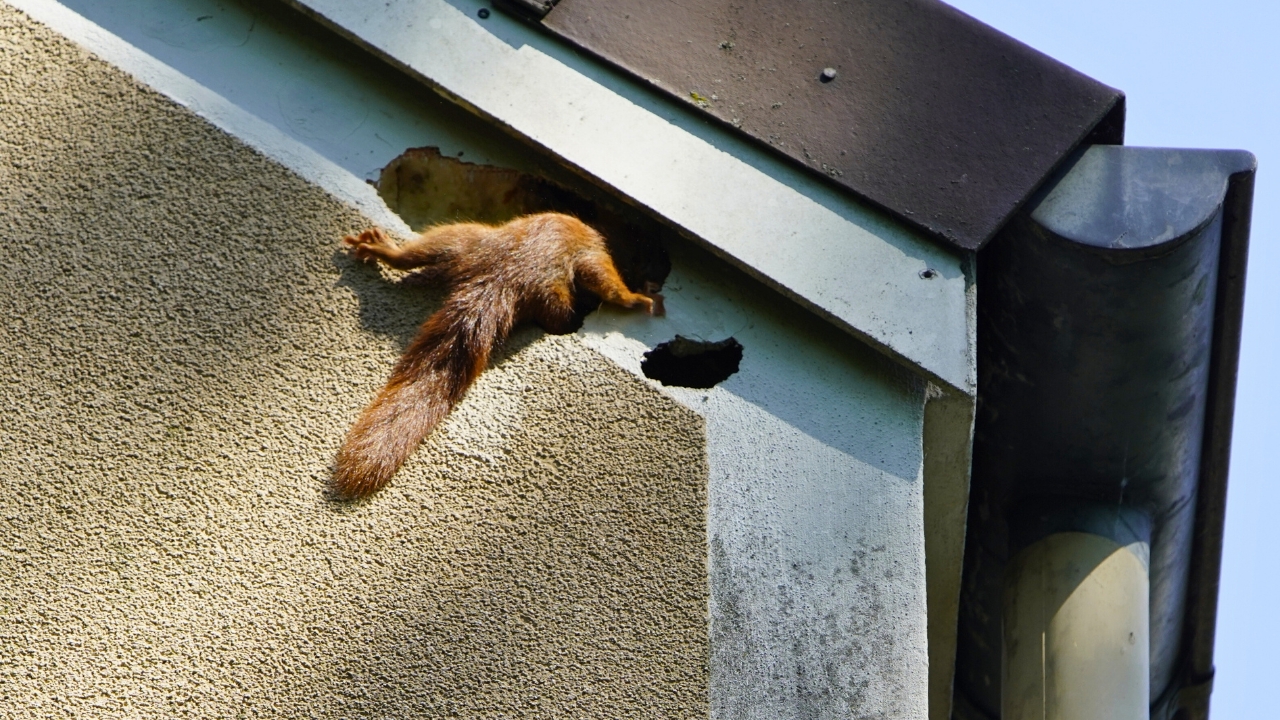
Squirrels look harmless until you see what they can do to a roof edge. They’re fast climbers, they chew constantly, and they only need a small weakness to start. A gap near fascia boards, a damaged soffit panel, or a vent screen that isn’t tight can become the door they use. Once inside, they’ll nest, stash food, and keep chewing like it’s their job—because it is.
The biggest risk is that squirrels don’t settle quietly. They run, scratch, and bounce through attics, walls, and crawl spaces, and they can chew wiring, which is not a minor issue. You’ll often notice them in the morning or late afternoon when they’re most active, and the sound can feel like someone walking overhead. If you see squirrels repeatedly running the same roofline path, you’re not watching a cute routine. You’re watching a daily inspection.
Rats
Rats are the home-invaders people hate to admit they might have, because it feels like a cleanliness accusation. It usually isn’t. Rats move into houses because they can. They squeeze through surprisingly small gaps, they follow pipes and wiring lines, and they take advantage of doors that don’t seal and vents that were never screened properly. Once they find a food source—pet food, pantry spills, bird seed, even compost nearby—they keep returning.
They also reproduce quickly, and that’s where a small problem becomes a big one. You might notice droppings, gnaw marks, or strange sounds in walls at night before you ever see the animal. And because rats are cautious, you can have them for a while before it’s obvious. If you’ve got a garage that smells like stored grain, a crawl space with easy access, or clutter that creates hiding runs, rats can treat your home like a safe base.
Mice
Mice break into homes the way water leaks in: through tiny openings you never notice until it’s too late. A gap around a pipe, a warped door sweep, a foundation crack, or an unscreened vent can be enough. Once inside, they don’t need much. A few crumbs, a warm wall cavity, and a place to nest is plenty. That’s why you can have mice in a clean house, especially once temperatures drop.
They’re also experts at staying hidden. You’ll often find the signs before you see the animal: droppings along baseboards, shredded paper or insulation in a corner, and that faint scratching sound at night. The frustrating part is how quickly they learn your routines. If the house gets quiet, they move. If the kitchen is active, they wait. Mice aren’t bold in a face-to-face way, but they’re bold about using your walls like a highway.
Bats
Bats get inside homes more often than people expect because they don’t need a “hole” that looks like a hole to you. A small gap at a roofline, a loose vent cover, a warped soffit seam, or a chimney opening can be enough. They’re not trying to move into your living room. They’re trying to get to a protected roost, and attics and wall voids are exactly the kind of space they like.
The trouble is that bat issues can become serious fast. Even if you only see one bat in the house, it may be a sign there’s a roost nearby, and you don’t want a bat colony sharing insulation with your ductwork. People often notice bats at dusk, when they leave to feed, or hear faint rustling above a ceiling. If you’ve got bats around your property, the real question is whether your home has a gap that lets them turn “around your house” into “inside your house.”
Snakes
Snakes don’t break into homes for fun. They follow conditions. If your garage has mice, your crawl space stays damp, or your foundation has gaps, snakes can slip in while hunting or seeking stable temperatures. They often enter through garage door corners, foundation cracks, dryer vents, or openings around pipes. Once inside, they’ll hug walls, hide under clutter, and stay in spots that give them cover.
The surprise is how often they show up in “storage zones.” Basements, garages, mudrooms, and utility closets are common because they’re quieter and closer to entry points. People usually find snakes while moving boxes, grabbing a tool, or stepping into a dim corner. Most are not venomous, but any snake can bite if cornered, and the panic factor alone is real. If you’ve got rodents, clutter, and easy gaps, snakes aren’t far behind.
Opossums
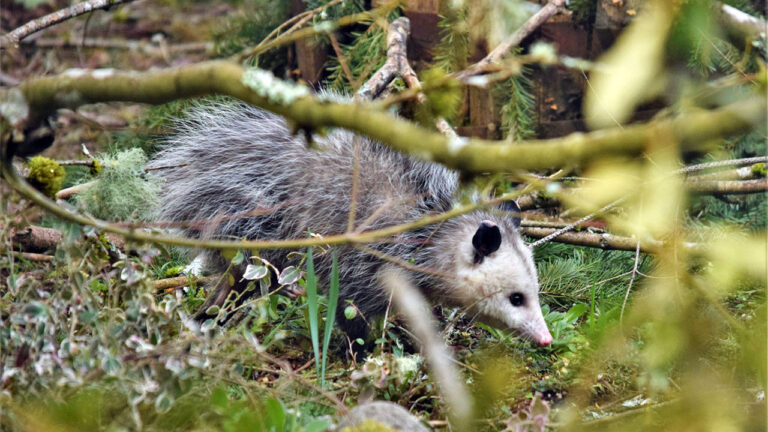
Opossums are slow, sneaky in their own way, and perfectly happy living under a porch or in a crawl space. They don’t need to chew through your house like a raccoon. They wait for a door to be left open, a garage to stay cracked, or a crawl space vent to be damaged. They’re attracted to pet food, fallen fruit, and trash, and they’ll take the easiest route available.
Once inside, the problem is less about aggression and more about the mess and the surprise. Opossums will wedge into tight places, hide under shelves, and play dead if cornered, which makes removal awkward. People often find them in garages, sheds attached to the house, or near laundry areas where doors get opened and closed often. If your home has an easy low entry point and you keep food smells around, an opossum can treat your place like a quiet rest stop.
Skunks
Skunks don’t usually push deep into a home, but they break into the “home zone” more than most people expect—crawl spaces, garages, and under-porch areas that connect to your foundation. If you’ve got a loose crawl space door, a missing vent cover, or a gap under a deck, a skunk can move in fast. They’re looking for shelter and sometimes grubs, and they’ll use your property like safe habitat.
The danger is what happens when you surprise one. A skunk that feels trapped doesn’t need to bite you to ruin your day. The smell problem alone can make the situation feel like a disaster, and it can soak into insulation, stored items, and enclosed air. People often discover skunks after noticing digging near a foundation or smelling a faint musky odor that wasn’t there before. If your crawl space access is loose, treat that like a welcome sign.
Black bears
Black bears are not breaking into homes everywhere, but in bear country they do it more than people want to admit. The pattern is usually the same: a bear that has learned human food is easy food. Once that happens, doors, windows, and garage entries become obstacles, not barriers. If the bear smells garbage, freezers, pet food, or cooking residue, it may test the structure the way it tests a cooler at a campsite.
This is one of the worst “surprise” animals because the damage can be extreme and the risk is real. A bear pushing into a garage or busting through a door creates a dangerous situation fast, especially if people try to scare it off at close range. The most common root cause is food access—trash left out, doors left open, or food stored carelessly. In bear areas, the best home security upgrade isn’t a new lock. It’s removing the food reward that teaches bears your house is worth the effort.
Like The Avid Outdoorsman’s content? Subscribe to our newsletter so you never miss an article.
Here’s more from us: