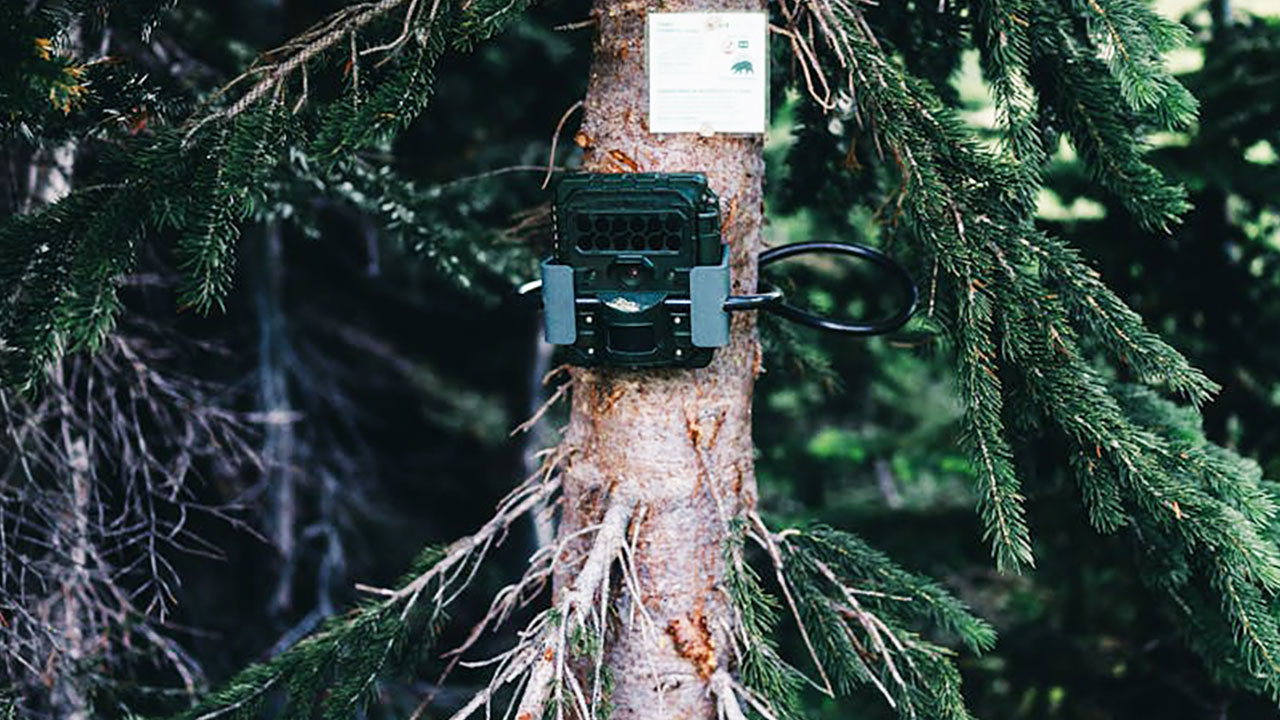
Photo credit: Ali Kazal/Pexels.com
Deer are useful on a trail camera. They tell you what is moving, when it is moving, and whether a property has the kind of traffic worth paying attention to. But if we are being honest, deer are not always the most interesting thing that walks in front of the lens. After a while, another midnight buck photo or a doe drifting through at first light starts feeling like background noise. What really gets a person checking cameras with some excitement is the unexpected stuff. That is where trail cameras go from being scouting tools to being flat-out entertaining.
The best camera animals are the ones that tell a bigger story about the land. Some are predators. Some are rare sightings. Some are animals you know are around but almost never catch in the act. They make a property feel alive in a different way, and they usually leave you with more questions than answers. Why were they there? How often do they pass through? What else is using that same trail when you are not around? These are the animals that usually make a man stop scrolling, zoom in, and immediately send the photo to somebody else.
Bobcats

Bobcats are one of the best surprises a trail camera can give you. They move like they know the woods belong to them, and most of the time they pass through so quietly that people never realize how often they are around. That is what makes a good bobcat picture so much fun. You can hunt, work, and walk a piece of ground for years and still not lay eyes on one in daylight. Then the camera catches one slipping down the same trail you have been checking all season like it is nothing.
What makes them even better is how hard they are to pattern from camera photos alone. A buck usually gives you something straightforward to work with. A bobcat just makes you curious. Was it hunting rabbits? Following turkeys? Cruising that draw every few nights? Once you catch one, you start wondering how many more times it passed without giving you a clean shot. Bobcats make a property feel wilder, and they always seem to leave just enough mystery behind to keep things interesting.
Black bears
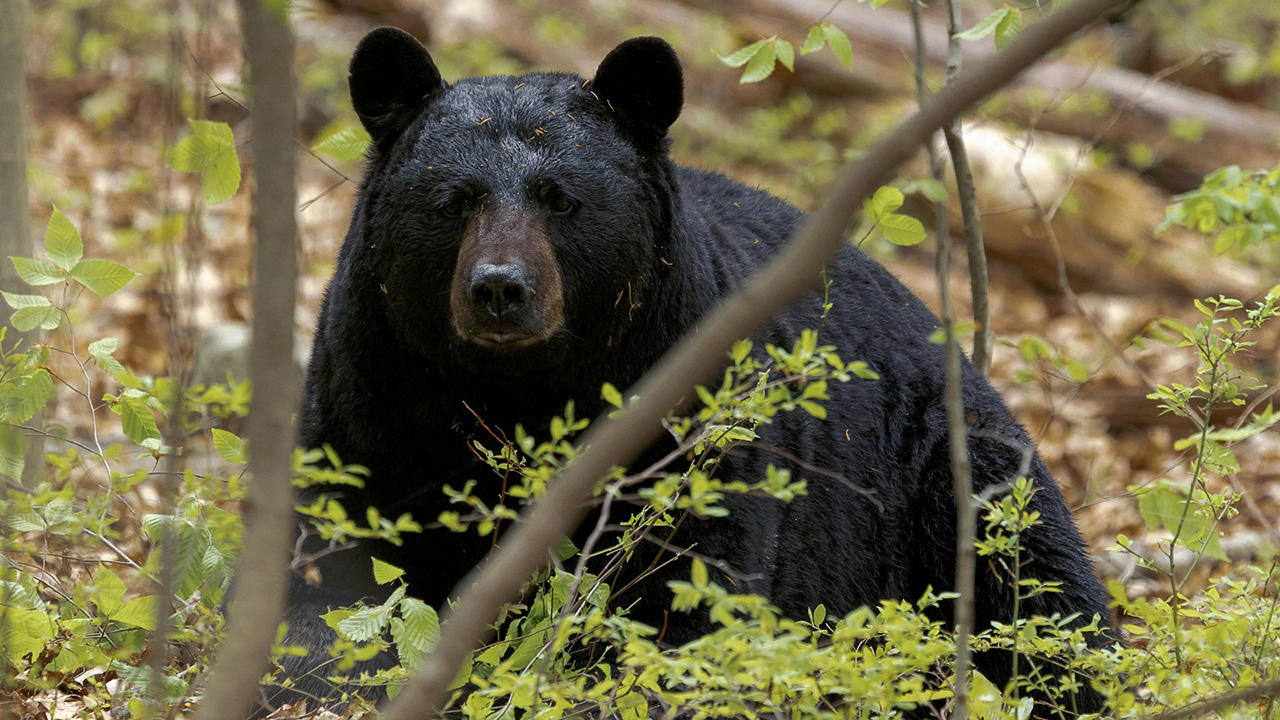
A black bear on camera changes the whole mood of the card pull. Deer tell you a property is active. A bear tells you something bigger is moving through with confidence. Even if bears are common in the area, they still grab attention because they look like they belong in a different class of animal altogether. They are heavy, deliberate, and impossible to scroll past casually. One good bear picture will usually get shown around more than fifty deer photos ever will.
The other reason bears are so interesting is that they often make you rethink the rest of the property. Suddenly feeders, food plots, bait sites where legal, and travel corridors take on a different meaning. A bear is not just another animal using the same ground. It is a reminder that a lot more is happening out there than stand placement and buck movement. You start wondering when it came through, what it was keying on, and whether it is local or just passing through. Cameras make that kind of question hard to resist.
Mountain lions

Very few trail camera animals get people’s attention like a mountain lion. In the right part of the country, one picture can start a whole round of texts, arguments, and second looks at timestamps. That is because lions still feel rare even where they are known to exist. A lot of folks can spend a lifetime outdoors and never see one in person, which makes a camera photo feel like finding proof of something most people only talk about. Even a blurry image is enough to get people worked up.
What makes lion pictures especially interesting is how much they change how you think about the land. Deer stop feeling like the top storyline. Every trail, every crossing, and every bedding area suddenly looks like part of a predator map too. A lion photo tells you the property is supporting something very high up the chain, and that has a way of making everything else more interesting. It is not just cool because it is rare. It is cool because it reminds you there is a whole layer of the woods most people never really get to see.
Otters
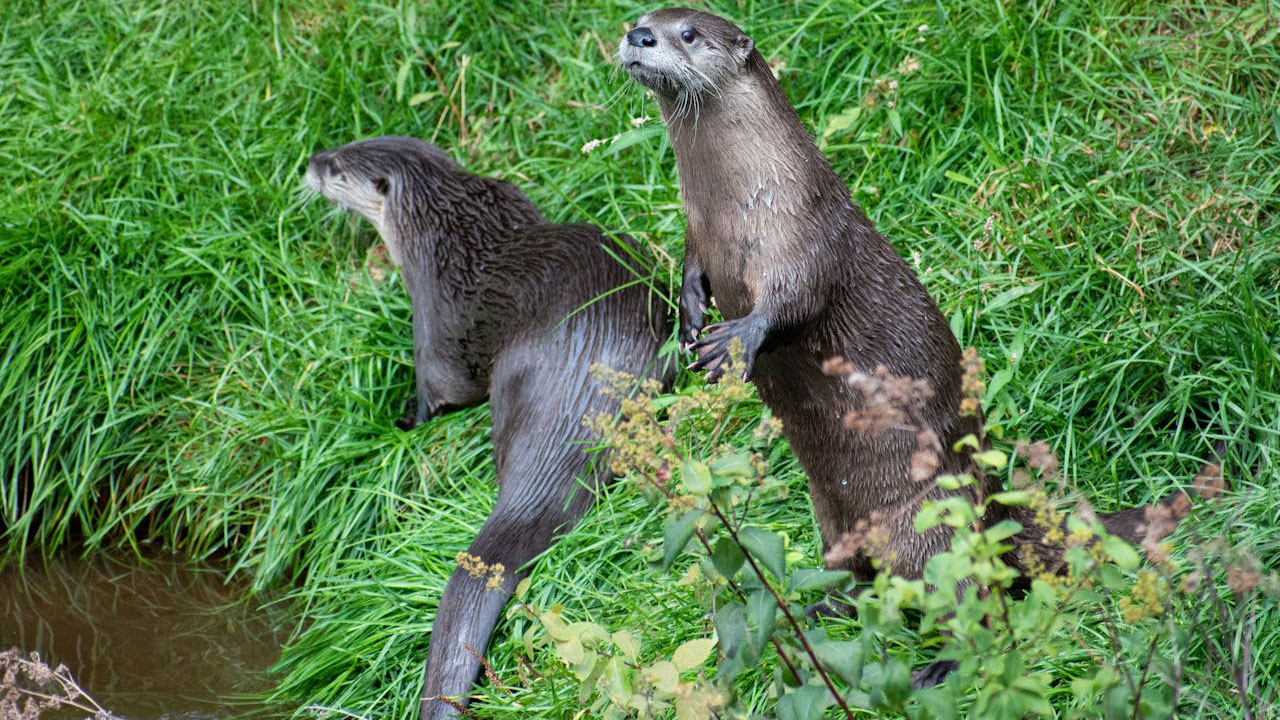
Otters are one of the most fun animals a camera can catch because they almost always look like they are in the middle of doing something half wild and half ridiculous. They slide, play, chase, wrestle, and move with the kind of energy that makes a still photo feel like it should have sound. Most people do not spend much time thinking about otters unless they are around ponds, creeks, marsh, or river ground, but once a camera starts catching them, they can become one of the best parts of checking that spot.
They are also interesting because they usually tell you a lot about the habitat. If otters are using a place, you know the water and food situation are holding up well enough to keep them there. That makes them more than a novelty. They become a sign that the ground is supporting more life than you may have realized. A buck standing still in front of a camera can get repetitive. Otters almost never feel repetitive. They usually look like they are having a better time than anything else on the property.
Coyotes

Coyotes may be common, but they still make cameras more interesting because they tell you something is always happening between the deer pictures. A coyote slipping through at dawn or cruising a field edge after dark changes how you read the property. It adds pressure, timing, and another layer of movement. They are not rare enough to shock anybody, but they are consistent enough to matter, and camera photos often show just how often they are using areas people assume belong mostly to deer.
They also tend to show up with attitude. Some look thin and rangy. Some look heavy and confident. Some travel alone, and some turn up in pairs or groups that make you stop and think about what they are doing there. A good coyote photo can say a lot about predator pressure, fawn survival, turkey nesting trouble, or what is likely hitting bait or feeders when nobody is watching. They may not be the most exotic animal on this list, but they absolutely make a camera card feel more alive.
Foxes
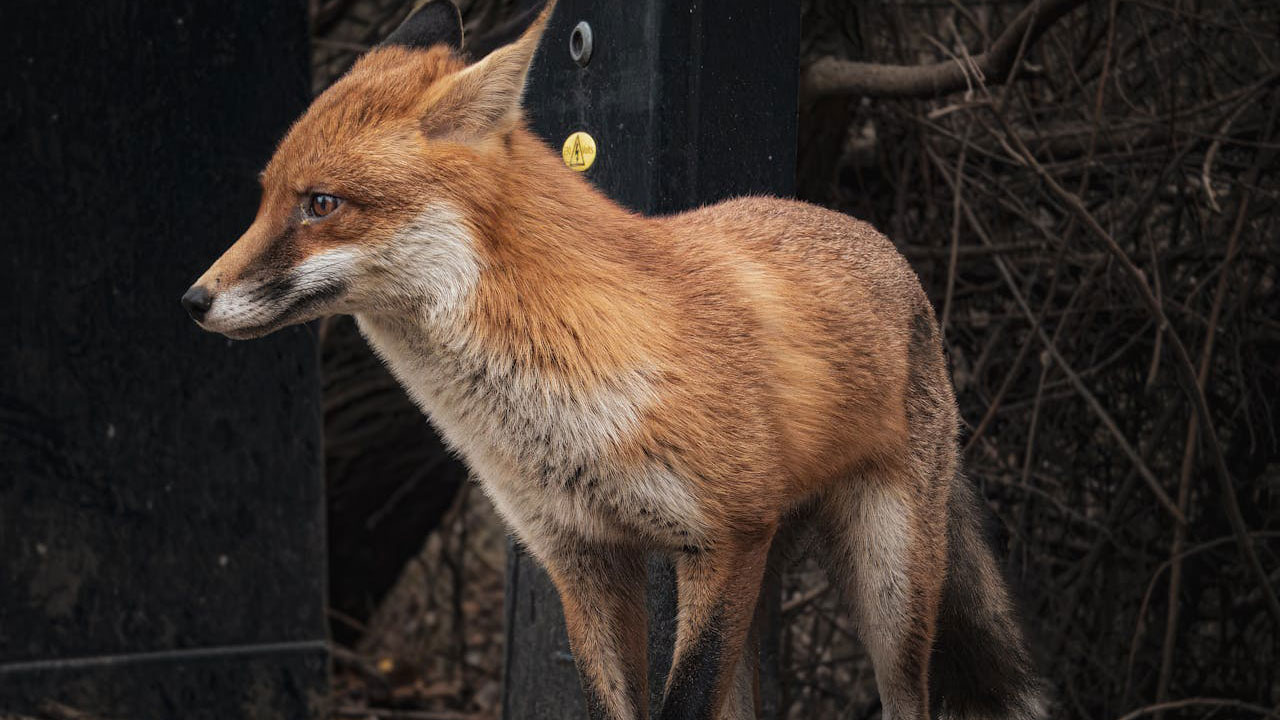
Foxes are one of the best camera animals because they usually bring a little style with them. Whether it is a red fox carrying itself like it owns the field edge or a gray fox slipping through cover with that catlike way of moving, they always look good on camera. They are not as dramatic as a bear or as rare as a lion, but they hit that sweet spot where the sighting still feels like a treat. Most people just do not get tired of finding a fox in the frame.
They also make you pay attention because they often show up in places where the balance of the property is shifting. A fox around a field, road edge, or old barn tells you there is prey nearby and enough cover to make the area worth hunting. If you catch one in daylight, even better. That usually makes a man look at the rest of the photos a little closer. Deer pictures are useful. Fox pictures feel like a bonus, and sometimes that bonus is the photo you remember most from the whole card.
Wild hogs

Wild hogs make trail cameras more interesting because they bring instant consequences with them. A buck photo is nice. A sounder of hogs hitting a plot or slipping through a crossing at midnight makes your stomach tighten a little, because you already know what comes next. Torn-up ground, rooted edges, busted-up fields, and more work than you wanted. They are interesting in the same way a storm cloud is interesting. You cannot ignore them because they change what the property is about to look like.
That said, hog pictures are still hard to stop looking at. There is something about seeing how many there are, how big they have gotten, and what time they are moving that makes every frame matter. You start counting pigs, checking direction, and trying to figure out whether that group has been around a while or just found the place. They are not fun in the same way a bobcat is fun, but they make a camera instantly more important. The card pull goes from casual curiosity to real information fast.
Turkeys

Turkeys can make a camera downright entertaining, especially when you catch more than just a bird passing through. A gobbler puffed up in spring, a group of hens working along a field edge, or poults following behind like they are trying to keep up with a moving bus all make for better photos than people give them credit for. They add motion, personality, and seasonal clues that deer pictures do not always give as clearly. A turkey photo usually feels like a look at the land when it is fully awake.
They are also one of the best animals for showing what is changing on a property through the year. In spring they tell one story. In summer it is another. In fall and winter, flocks begin shifting again and giving you a whole different picture of how the ground is being used. That is part of why they make cameras more fun. They are not just there. They are part of the rhythm of the place. A good turkey sequence can say more about the season than a dozen random buck pictures ever will.
Badgers
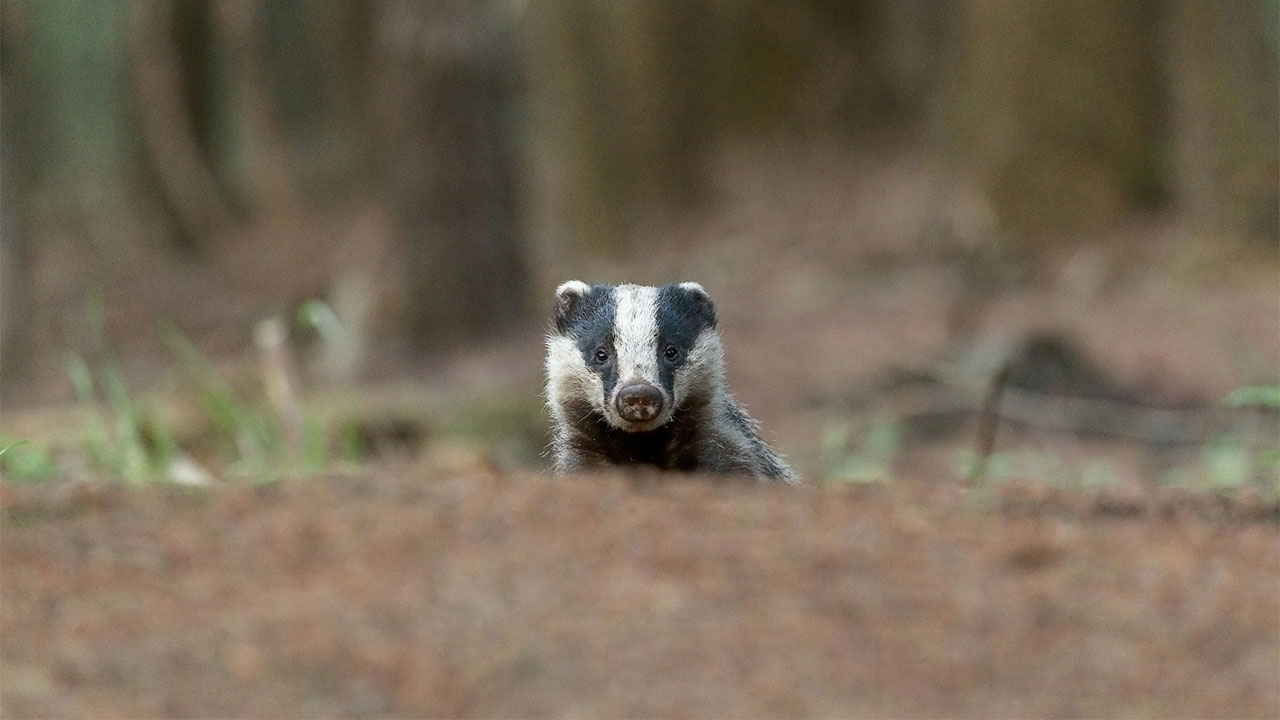
Badgers are the kind of trail camera animal that make people lean in closer, especially in places where not everybody gets to see one regularly. They do not carry the hype of a lion or a bear, but they have a look and attitude that make them hard to forget. Low to the ground, thick-built, and looking like they have no patience for anything, badgers have a way of turning an ordinary nighttime camera frame into something worth saving. They look like they belong to a rougher version of the land.
What makes them especially interesting is how often they show up when nobody expected them to be using that area at all. They are one of those animals that remind you how much goes on after dark around field edges, pasture, and prairie ground. A badger picture raises questions fast. Was it hunting rodents? Passing through? Living closer than you thought? Deer may tell you what is huntable. A badger tells you there is still plenty on that ground you do not fully know, and that is a big part of the fun.
Beavers
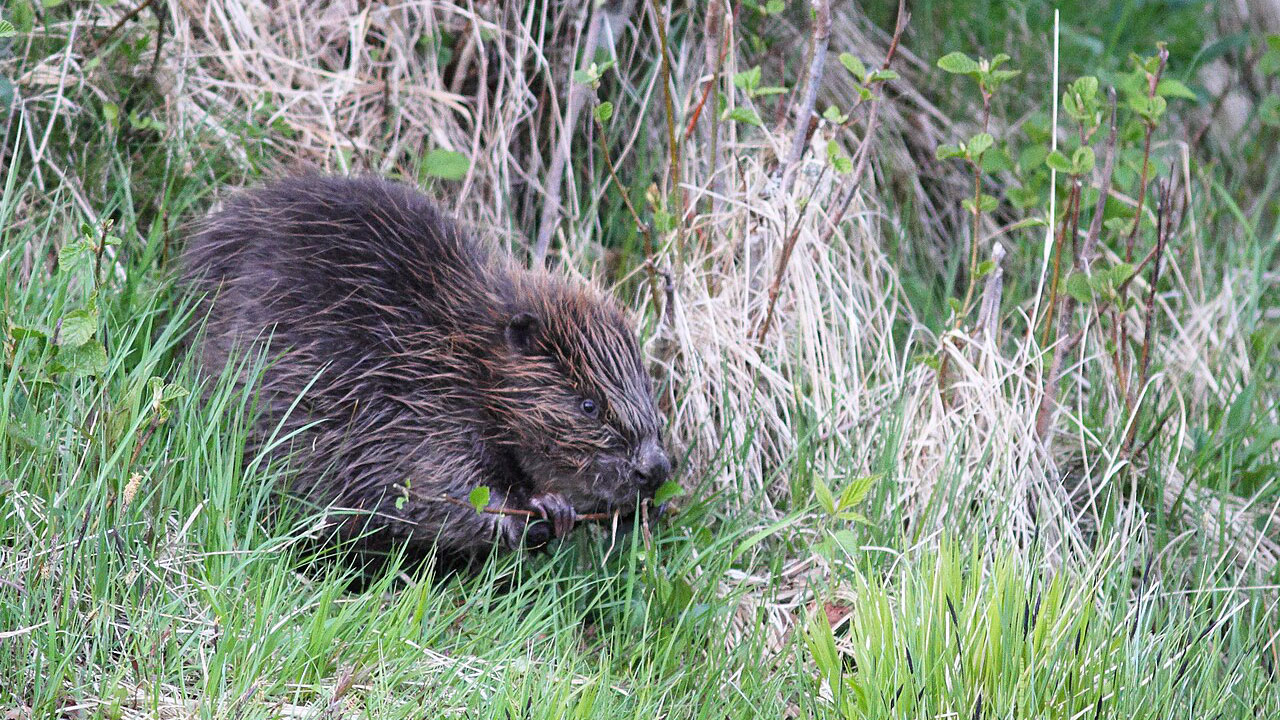
Beavers may not seem exciting until a camera catches one hauling along near water or cutting across a crossing you did not expect it to use. Then suddenly they become a lot more interesting. They are one of those animals that matter because they shape the place itself. A deer uses a trail. A beaver can change a whole section of water and timber. When they start showing up, you begin noticing culverts, creek flow, chew marks, fresh mud, and everything else they have been tinkering with out there.
That bigger impact is what makes their photos fun. They are not just another critter wandering by. They are engineers leaving evidence all over the property. A camera image of a beaver usually means there is more going on nearby than one single pass in front of the lens. It hints at a pond edge, a dam, a feed pile, or some other piece of work hidden just off frame. That kind of photo makes people curious in a different way than deer do, because it points to change, not just movement.
Raccoons

Raccoons are common, but a good raccoon sequence can still be better than a pile of routine deer photos. They are busy, nosy, and always look like they are up to something. At feeders, around water, or near bait where legal, they can turn a camera into a running comedy show. One frame might have one raccoon. The next has five. The next looks like they are fighting over whose turn it is to make a mess. They may not be rare, but they make a card pull feel more alive.
They are also one of the clearest reminders that cameras pick up the property’s night shift, not just its headline species. Deer may be the target, but raccoons show how many other animals are working the same ground after dark. They hit corn, nose around mineral sites, raid nests when they can, and wander with the kind of confidence that makes them feel like permanent residents. You do not brag about raccoons the way you do a big buck, but they absolutely make camera checks more entertaining than deer-only cards.
Wolves
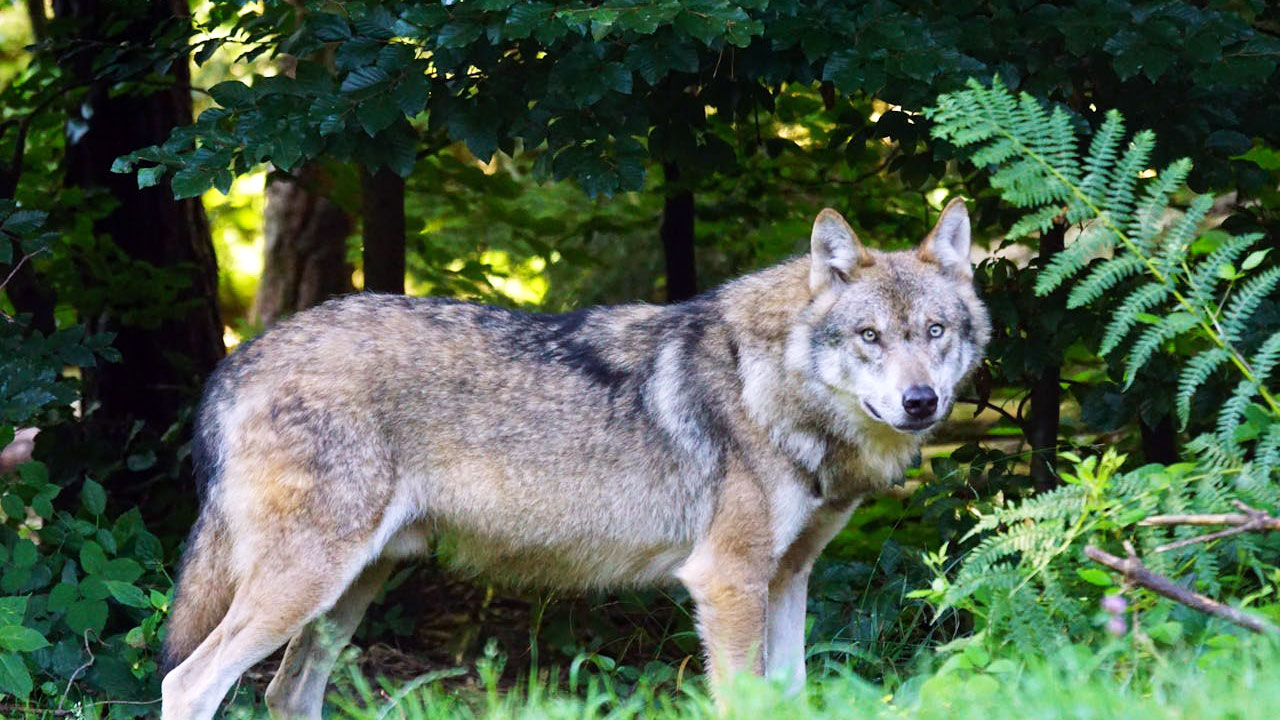
In the places where wolves still roam, getting one on camera is hard to beat. A wolf photo does more than give you something unusual to look at. It changes the feel of the whole property. There is a difference between knowing wolves are in the region and seeing one pass a trail you have walked yourself. That kind of image makes the land feel bigger, rougher, and less controlled. One clean wolf photo can stay in a man’s mind a lot longer than a dozen daylight buck shots.
It also raises all kinds of questions about prey movement, pack travel, and what else is happening just outside that frame. Wolves are interesting because they are not casual background wildlife. They affect the whole system around them. When one shows up on camera, every deer trail and crossing starts looking different for a while. Whether a person likes wolves or not is another conversation. On a trail camera, they are flat-out compelling. They make the whole card feel important the second they appear.
Fishers
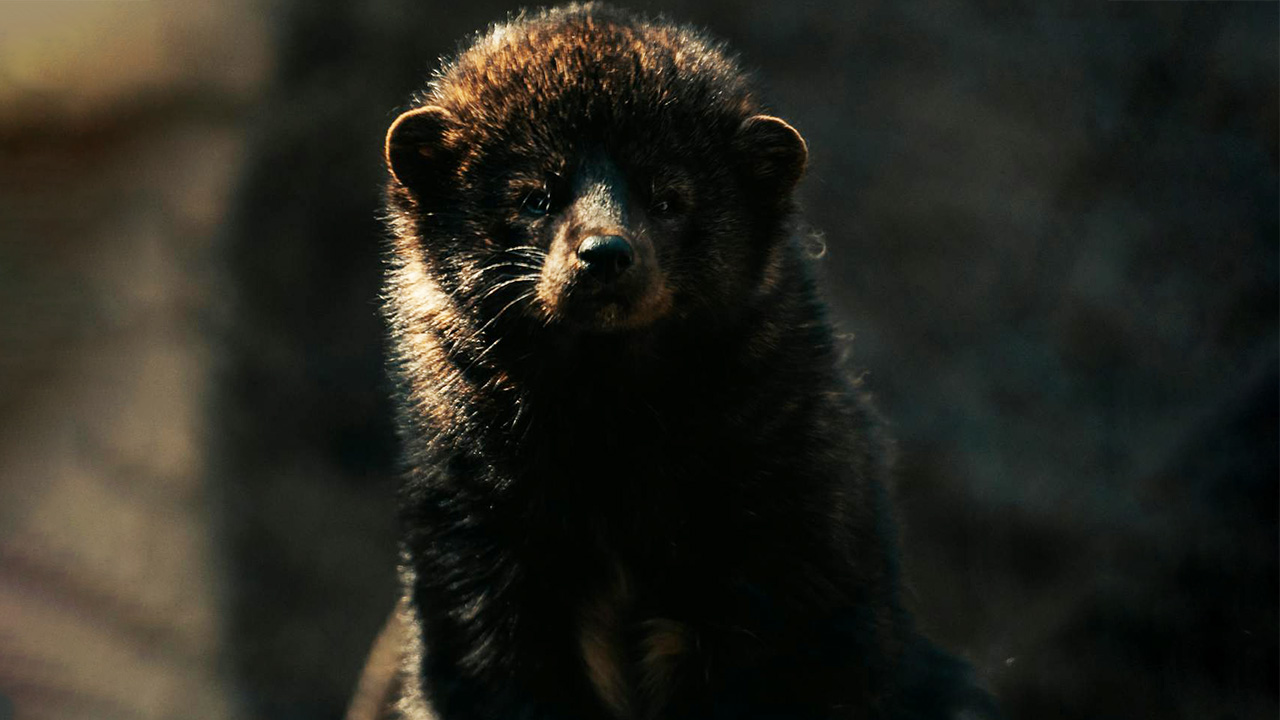
Fishers are one of those animals that make people say, “Well I’ll be.” They are not something everybody gets to see often, and when one shows up on camera it usually feels like the woods just let you in on something. Long-bodied, quick, and built like a predator that does not waste energy, fishers have a look that stands out immediately. A lot of hunters and landowners spend years in good country without catching one clearly on camera, which makes the first good photo feel like real payoff.
They also add that same layer of mystery that makes bobcats and martens so fun to catch on film. You know they are out there doing work, but you rarely get to watch them move through the place in person. A fisher photo says the property is supporting more than the obvious species people talk about all the time. It is proof that some of the best trail camera moments are not about game at all. They are about catching the woods being itself when nobody is around to interrupt it.
Moose
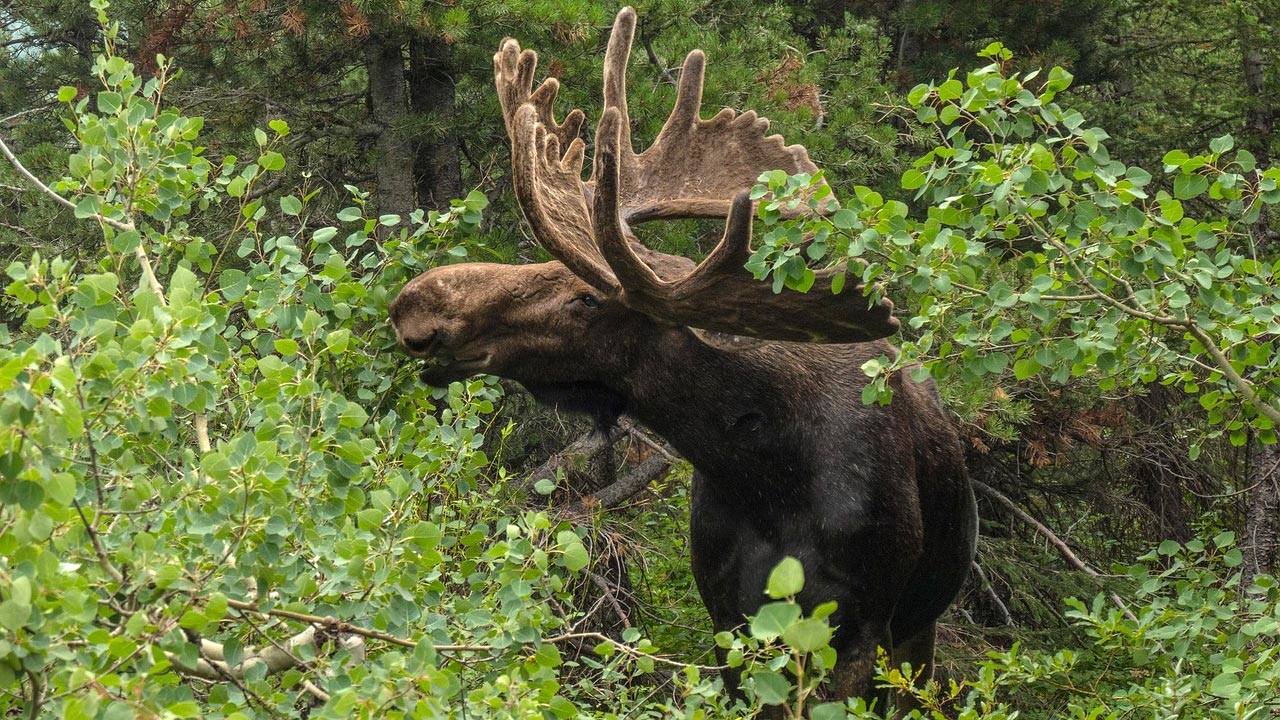
A moose on camera is the kind of thing that makes deer look small and ordinary in a hurry. Even a single frame of one crossing a trail or stepping through a marsh edge has a way of dominating everything else on the card. They are so big and so strange-looking in motion that every photo feels like it should not even be real. In the places where moose live, they still manage to feel like a surprise. That is probably because nothing about them looks casual once they are in the frame.
They are also interesting because they tend to show up where the land feels big enough to hide things from people. Swamp edges, willow bottoms, northern timber, and brushy crossings all take on a different look once a moose has wandered through. One picture tells you the property is part of something larger and wilder than just a deer route or a food source. That is part of why moose photos stick with people. They do not just show an animal. They show scale, solitude, and country that still feels like real country.
Porcupines
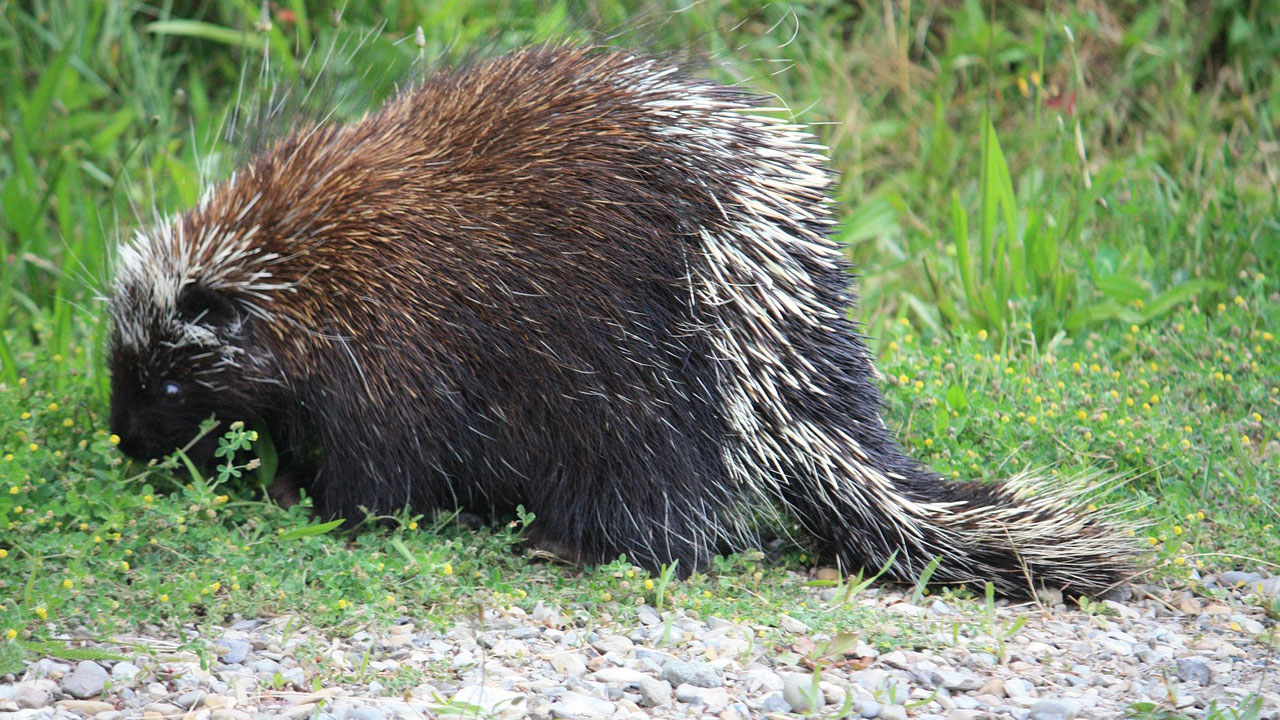
Porcupines make trail cameras more fun because they are such odd little bruisers. They move like they have nowhere important to be, and somehow that makes every picture of them better. Most people are not setting cameras hoping for a porcupine, which is exactly why getting one feels like such a good surprise. They look half serious and half ridiculous, and they always seem to bring a little personality into the frame just by existing. You do not forget a good porcupine photo as quickly as you might think.
They are also interesting because they are one of those animals that remind you not every valuable camera sighting has to be flashy or dangerous. Sometimes the best part of a card pull is just finding something uncommon enough to make you grin. A porcupine says the place still has a little character to it. It is not just deer traffic and raccoons cleaning up corn. It is a whole community of animals using the same trails and corners in ways most people never get to see. That makes cameras worth checking even when the bucks are boring.
Like The Avid Outdoorsman’s content? Subscribe to our newsletter so you never miss an article.
Here’s more from us: