Photo credit: Don DeBold, CC BY 2.0/Wiki Commons
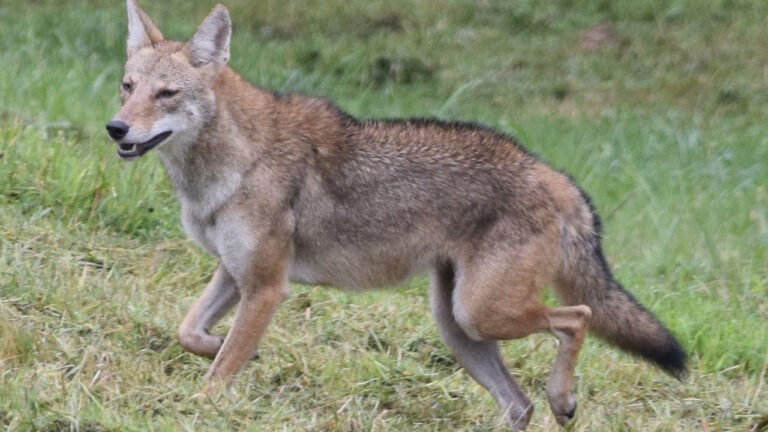
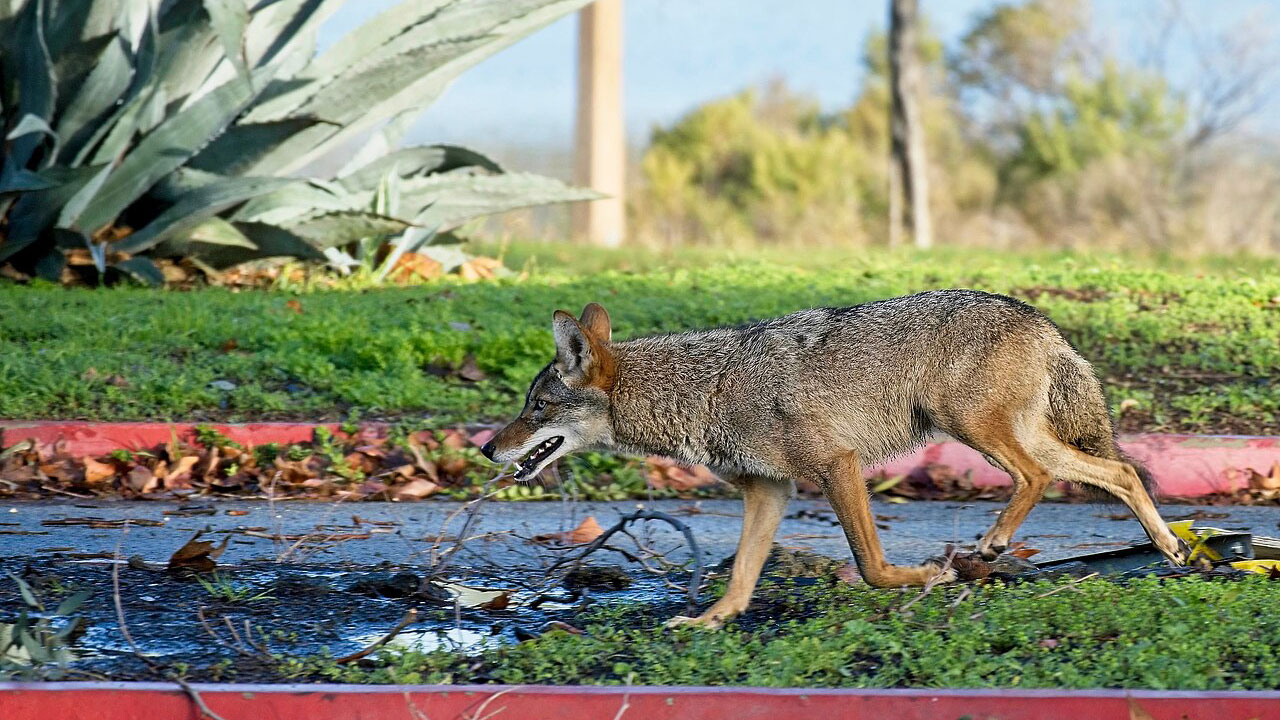
Coyotes have gone from “something you hear about out West” to regular guests on doorbell cameras, golf courses and neighborhood greenbelts. Biologists will tell you it’s not that coyotes suddenly love people; it’s that sprawl, easy food and thick edge cover make suburbs perfect coyote habitat. Studies on urban coyotes now track them in big cities across the country, and reports of conflicts in neighborhoods keep climbing. Here are 15 states where coyotes aren’t just out on the back forty anymore—they’re working deeper into the neighborhoods.
California

Southern California might be the poster child for suburban coyotes. Wildlife agencies and recent reporting say suburban areas around Los Angeles now support some of the highest coyote densities in the country, with sightings expected to spike each year as breeding season kicks in. Mix that with miles of canyons, golf courses, flood channels and greenbelts, and coyotes can run big loops through neighborhoods without ever being “out in the open.” Pet attacks and daytime sightings aren’t rare anymore; they’re something local agencies actively plan around.
Colorado

Colorado Parks and Wildlife has been dealing with a clear uptick in coyote encounters along the Front Range, enough that local news has pushed safety reminders after spikes in sightings and pet attacks in towns like Erie and Wheat Ridge. The pattern is familiar: subdivisions push into draws and prairie dog country, deer bed right on the edge of town, and coyotes follow the groceries through drainage corridors and trail systems. For hunters and dog owners, “coyote country” now includes HOA walking paths, not just the backside of the nearest state wildlife area.
Illinois

Chicago’s collar counties are basically the long-running laboratory for urban coyotes. The Urban Coyote Research Project has tracked thousands of animals across the metro area, showing that coyotes live in rural, suburban and fully urban sections, including the most developed parts of the city. Forest preserve strips, railroad rights-of-way and retention ponds give them just enough cover to move quietly between neighborhoods. For folks in the suburbs, seeing a coyote trot across a cul-de-sac at 2 a.m. isn’t strange anymore; it’s part of how the local predator population works.
Texas

Texas has had coyotes forever, but now they’re turning up inside big-city neighborhoods often enough to hit the news cycle. Coverage out of Houston, for example, talks about a surge in sightings in places like Katy, Willis and inner neighborhoods along Buffalo Bayou, with more calls to trap coyotes after pets go missing. The same story plays out around Dallas–Fort Worth, Austin and San Antonio—sprawl pushes deeper into brush and creekbottoms, dumpsters and pet food provide easy calories, and coyotes ride those edges right into subdivisions. They’re not “moving in” so much as stitching your streets into their existing travel routes.
Florida

Florida’s wildlife commission flat-out says coyotes are documented in all 67 counties and notes they use rural, suburban and urban landscapes wherever food is available. As development spreads across former pine woods and pasture, those “available” foods now include garbage, outdoor pet dishes and backyard chickens. News coverage and agency advisories talk about coyotes showing up more often in neighborhoods and along retention ponds, with homeowners reporting daytime sightings and missing small pets. The same predator that runs sawgrass edges will walk a sidewalk if it leads past an easy meal.
Georgia

Georgia biologists and local media say coyotes now occur in all 159 counties, with recent reports focusing on metro Atlanta neighborhoods like Brookhaven, Dunwoody, Morningside and Druid Hills. Trail cameras and doorbell footage show them working drainage pipes, rail corridors and green spaces that cut right behind houses. For a lot of Atlanta-area residents, the first “coyote moment” is seeing what they thought was a skinny German shepherd trotting under a streetlight. From a predator’s perspective, that patchwork of woods, creeks and parks is just a quieter version of the same edge habitat they use out in the country.
New Jersey
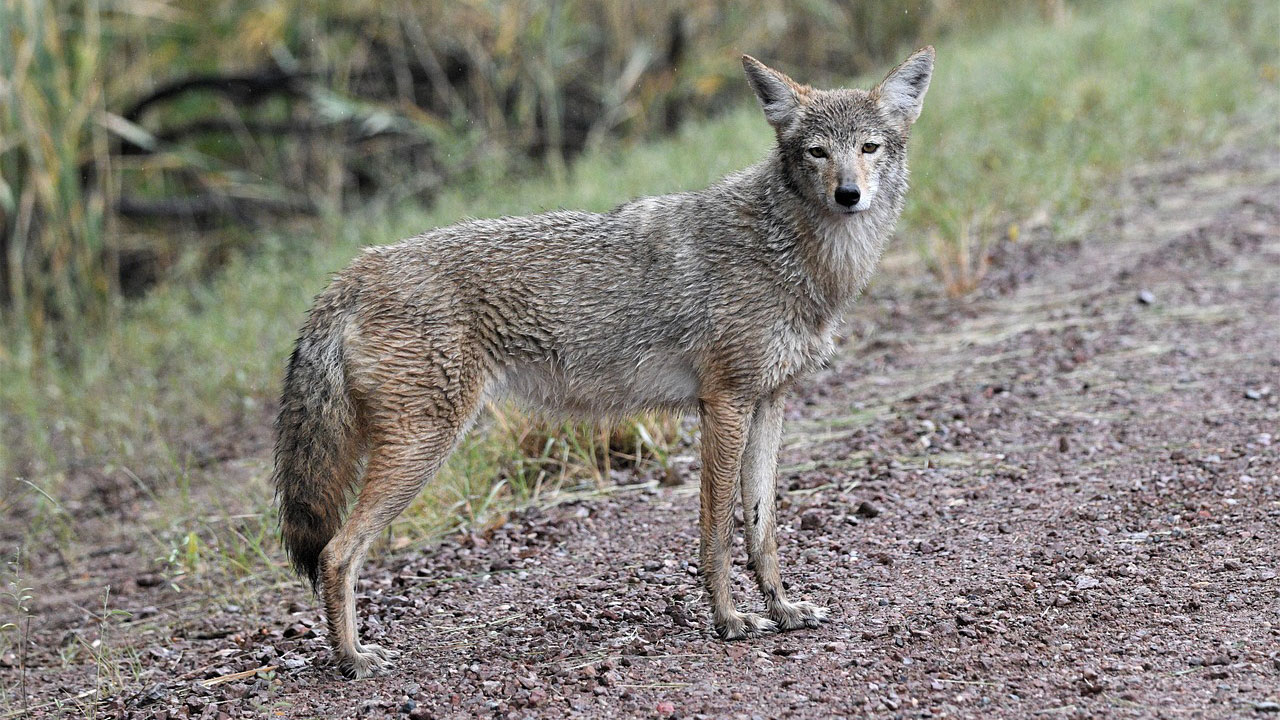
New Jersey has gone from “we think we saw one” to coyotes documented in essentially the whole state. Rutgers Extension notes reports from 453 municipalities, covering about 96% of New Jersey’s land area, and the state’s fish and wildlife agency says coyotes have now been confirmed in all 21 counties and most municipalities. Recent high-profile incidents—including pet attacks and a coyote bite in wealthy suburbs—show how far they’ve pushed into populated areas. Narrow greenbelts, golf courses, powerline corridors and backyard woodlots give coyotes all the cover they need to live in some of the most built-up parts of the Northeast.
New York

New York’s DEC openly says coyotes now live throughout upstate New York and are common in many suburban and urban areas, with occasional sightings in parts of New York City and on Long Island. Recent reporting out of NYC estimates around 20 coyotes in the city, including a well-watched pair in Central Park. That didn’t happen overnight; coyotes used river corridors, rail lines and park chains to creep from rural counties into true metro ground. For folks in the Hudson Valley and the suburban ring north of the city, hearing coyotes in a greenbelt or seeing them on a school athletic field is now part of normal life.
Massachusetts
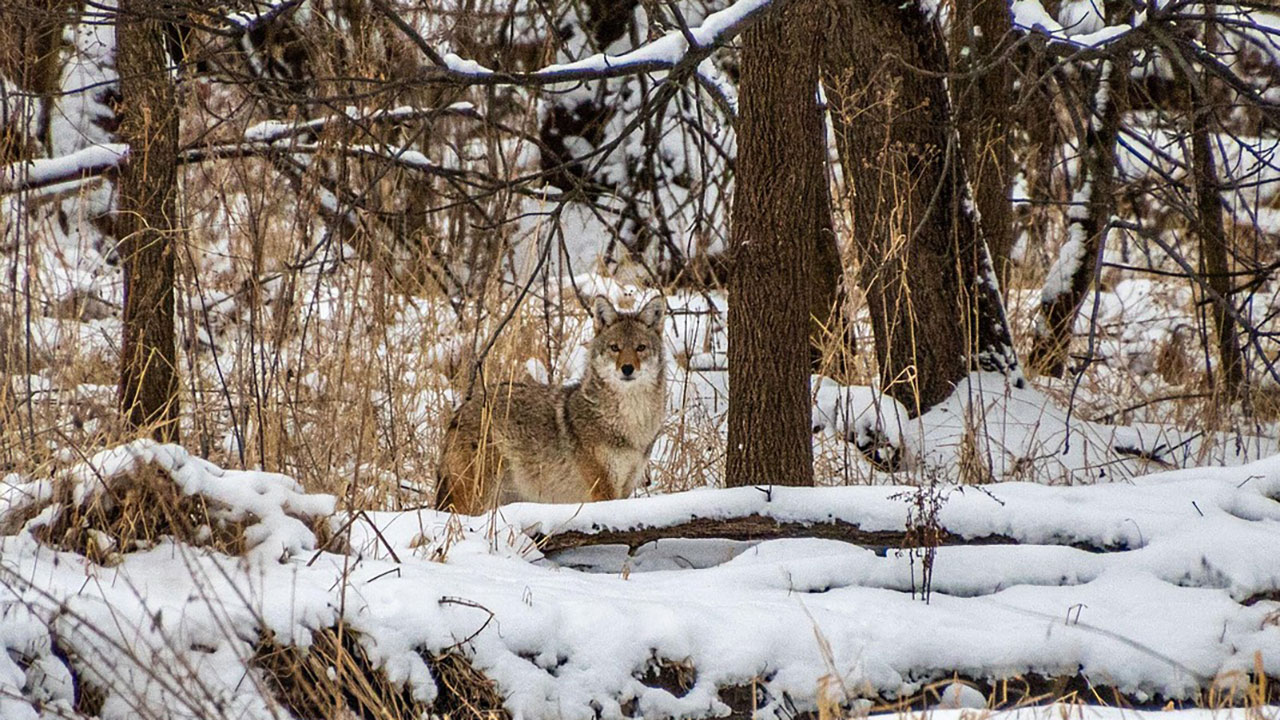
Eastern coyotes have become fixtures in New England suburbs, and researchers in Massachusetts have spent decades tracking them in “suburban howls” territory. The National Park Service notes that eastern coyotes now inhabit the entire East Coast, feeling equally at home in NYC’s Central Park as in more rural parks. In Massachusetts, that translates into coyotes working woodlots, wetland edges and powerlines that weave between neighborhoods from the Berkshires to the Boston suburbs. Deer, rabbits, rodents and trash provide all the calories they need, so a subdivision with a few acres of trees can be prime hunting ground.
Pennsylvania

Pennsylvania’s game agency says coyotes have adapted to a wide variety of habitats statewide, from forested regions and dairy/cropland areas to heavily populated cities like Philadelphia, Pittsburgh, Harrisburg and Erie. Coverage out of Pittsburgh in 2025 flatly states that eastern coyotes are present in every county, including the suburbs and even inside city limits. In practice, that means coyotes run the same creekbottoms, rail corridors and utility rights-of-way that deer and raccoons use when they cut through neighborhoods. They’re not passing through once a year; they’re living on the edges full-time.
Ohio

Ohio’s wildlife agency and extension materials say coyotes are common throughout all 88 counties and point out that conflicts in metro areas—from sightings to pet attacks—have grown as coyotes emerge as top predators in urban environments. Recent outreach from local animal-care groups in places like Cincinnati makes the same point: coyotes are now normal in city and suburban neighborhoods, not just a rural curiosity. Housing developments stitched into farm country, plus greenways along rivers and highways, give coyotes easy paths to hunt and scavenge in backyards without ever touching true wilderness.
North Carolina

North Carolina’s wildlife commission says coyotes are common throughout the state—including cities and suburbs—and notes that sightings peak certain times of year as adults range farther while raising pups. Local news and social feeds are full of reminders for people in small towns and fast-growing suburbs to keep pets leashed and food locked down. Coyotes are taking advantage of exactly what development creates: edge cover along drainage ditches, retention ponds, golf courses and the fringe of new subdivisions pushed into old farm and timber ground.
Washington
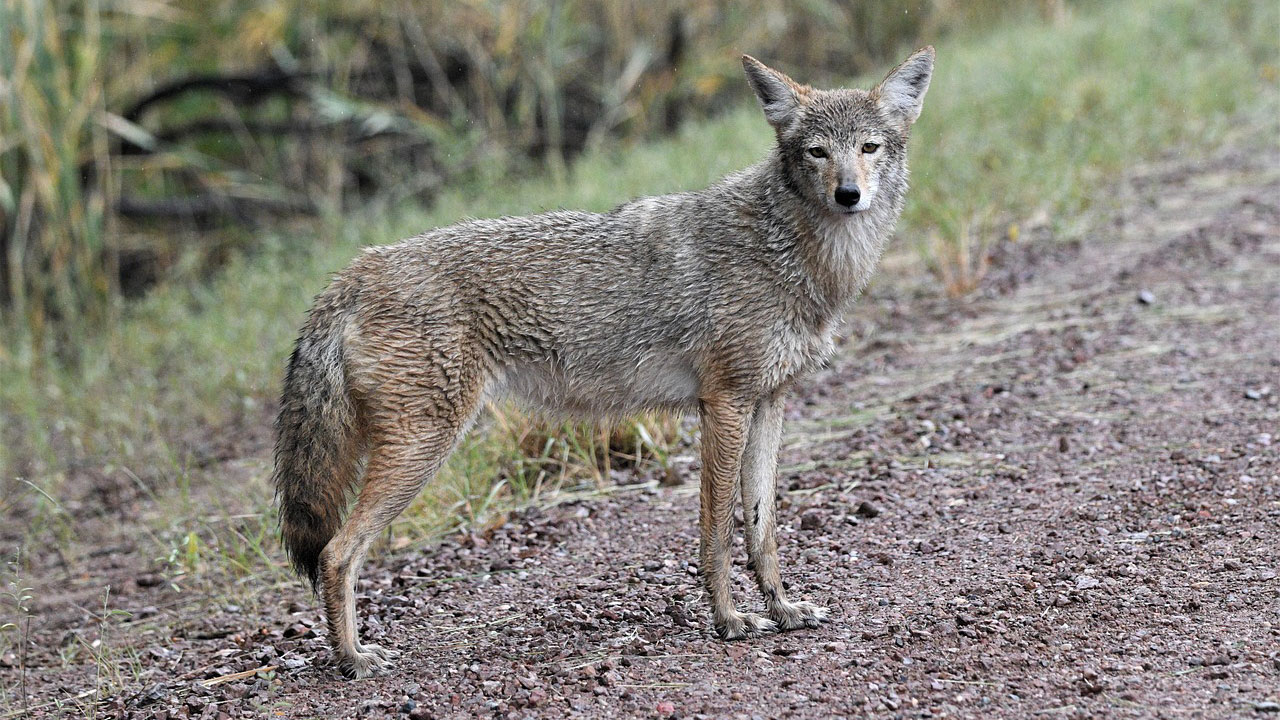
Washington has coyotes from the dry side wheat ground all the way into the suburbs around Seattle and Tacoma. County and city-level messaging in the Puget Sound region now treats urban coyotes as a normal management issue, not an anomaly. They move through ravines, greenbelts and creek corridors that slice right through neighborhoods, and they hunt everything from rats and rabbits to small pets. While precise numbers are hard to pin down, the same broader research that documents coyotes thriving in U.S. cities applies here too—they’re using the patchwork of parks and vegetation inside metro areas as if it were just another wild landscape.
Oregon

Oregon’s mix of timber, farmland and growing metro areas gives coyotes plenty of room to operate, and they’ve taken full advantage. Around Portland and the Willamette Valley, they work river corridors, riparian strips and undeveloped lots that sit between subdivisions and field edges. Statewide, coyotes have long been a common predator, but the trend matches what researchers see elsewhere: they’re increasingly comfortable using human-dominated landscapes as long as there’s food and some cover. For a lot of Oregon residents, that means the “yipping” you hear at night isn’t out in the distant hills—it’s coming from a brushy lot a couple streets over.
Arizona

Arizona coyotes were always part of the desert picture, but now they’re very much part of life in fast-growing mountain and desert towns. Areas around Phoenix, Tucson and mid-sized communities like Prescott and Flagstaff see regular neighborhood sightings as coyotes work wash systems, canal banks and golf courses that link intact desert to cul-de-sacs. Studies on western urban coyotes show that these city animals often take more risks and move closer to human infrastructure than rural coyotes, which helps explain how they slip into neighborhoods so easily. For folks who hike from trailheads that back right up to housing, it’s safe to assume there are resident coyotes making the same commute in reverse.
Like The Avid Outdoorsman’s content? Subscribe to our newsletter so you never miss an article.
Here’s more from us: