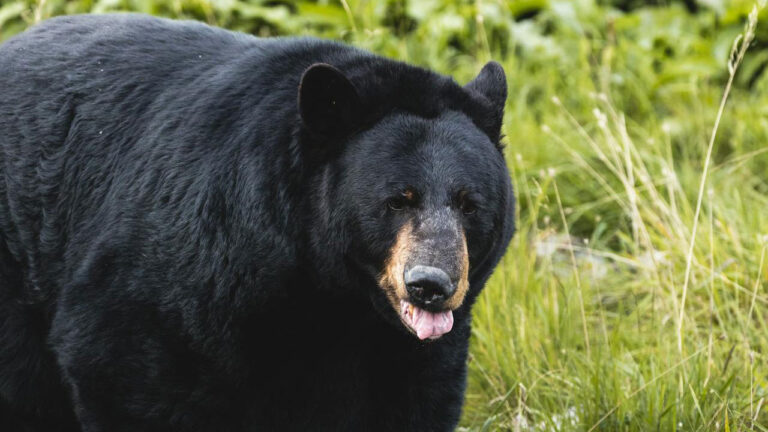
Photo credit: Tony Campbell/ShutterStock.com
This one’s ugly, because it’s not about winters or predators or “the herd just shifted.” Fragmentation is what happens when you take good deer country and slice it into smaller and smaller pieces—new roads, new subdivisions, more fences, more traffic, more pressure, less cover, and fewer safe travel corridors. And once it’s chopped up, you don’t get it back just by “managing deer better.” Mule deer and whitetails both get hit by this, just in different ways depending on the landscape. There isn’t one perfect national scoreboard that updates weekly, but wildlife agencies and regional reports keep pointing to the same pattern: the fastest-growing human footprints in core deer range create the sharpest fragmentation pressure. That shows up as harder access, weirder movement, more vehicle collisions, and more “why are the deer not doing what they used to?” seasons.
Texas
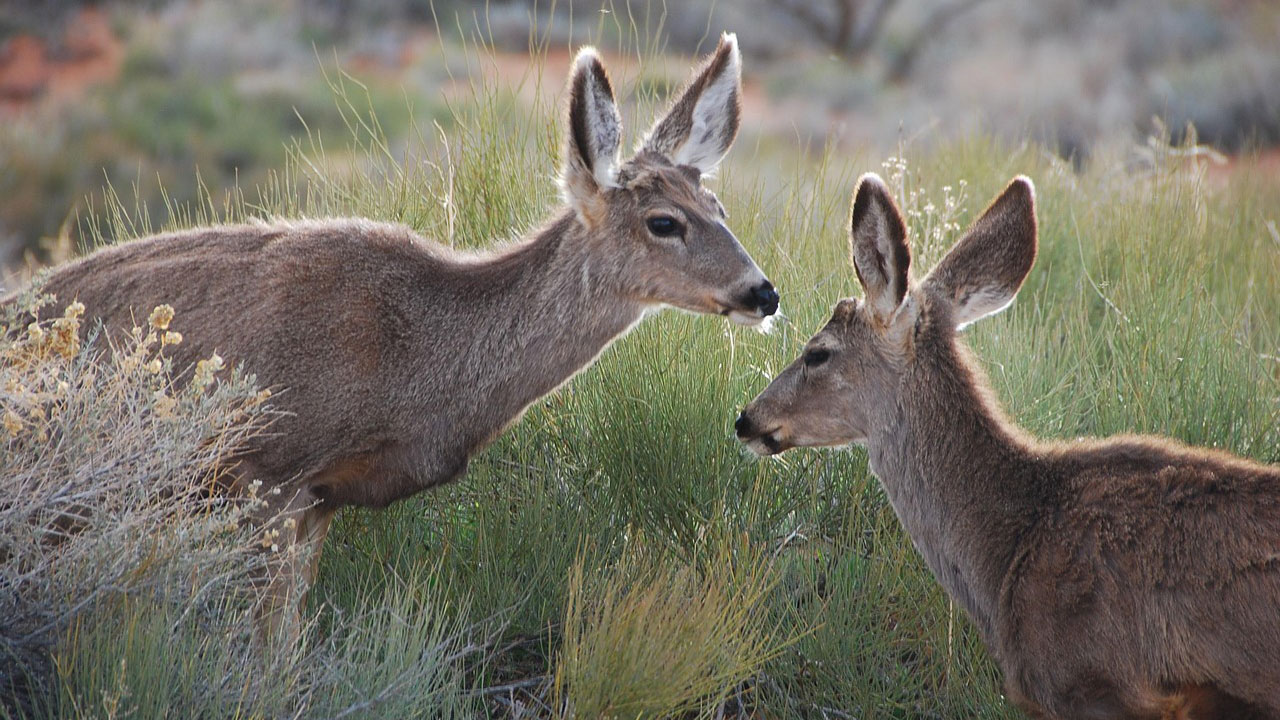
Texas fragmentation is a double punch: booming development around metros plus constant fence-and-road growth out in the “still rural” zones. In a lot of the state, deer can still exist in fragmented habitat, but the way they use it changes—more nocturnal movement, tighter bedding cover, and heavier reliance on private-land sanctuaries they can’t get pushed off of. You also end up with a weird situation where deer numbers can look fine while hunting quality and predictability drop, because movement corridors get cut up and pressure concentrates. If you’re hunting the edges of fast-growing counties, you’ve probably watched good habitat turn into a patchwork in a few years.
Florida
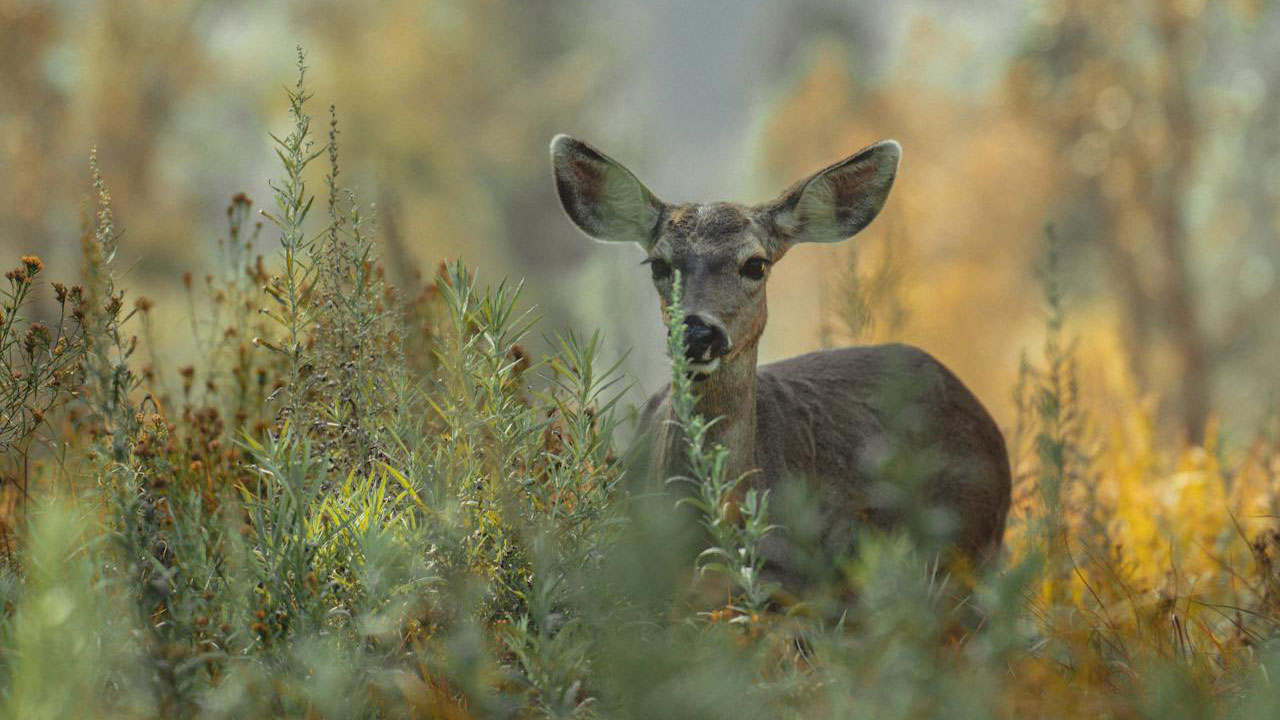
Florida has deer, but it also has relentless growth, roads, and development pressure in exactly the places deer like to travel—edges, lowland corridors, and mixed cover near water. Fragmentation here isn’t always “the woods got bulldozed,” it’s “the woods got carved into pieces,” with traffic and human activity turning travel routes into risk zones. That shows up fast in hunter access too, because every new chunk of development usually means another chunk of land that’s off-limits or functionally unhuntable.
Georgia
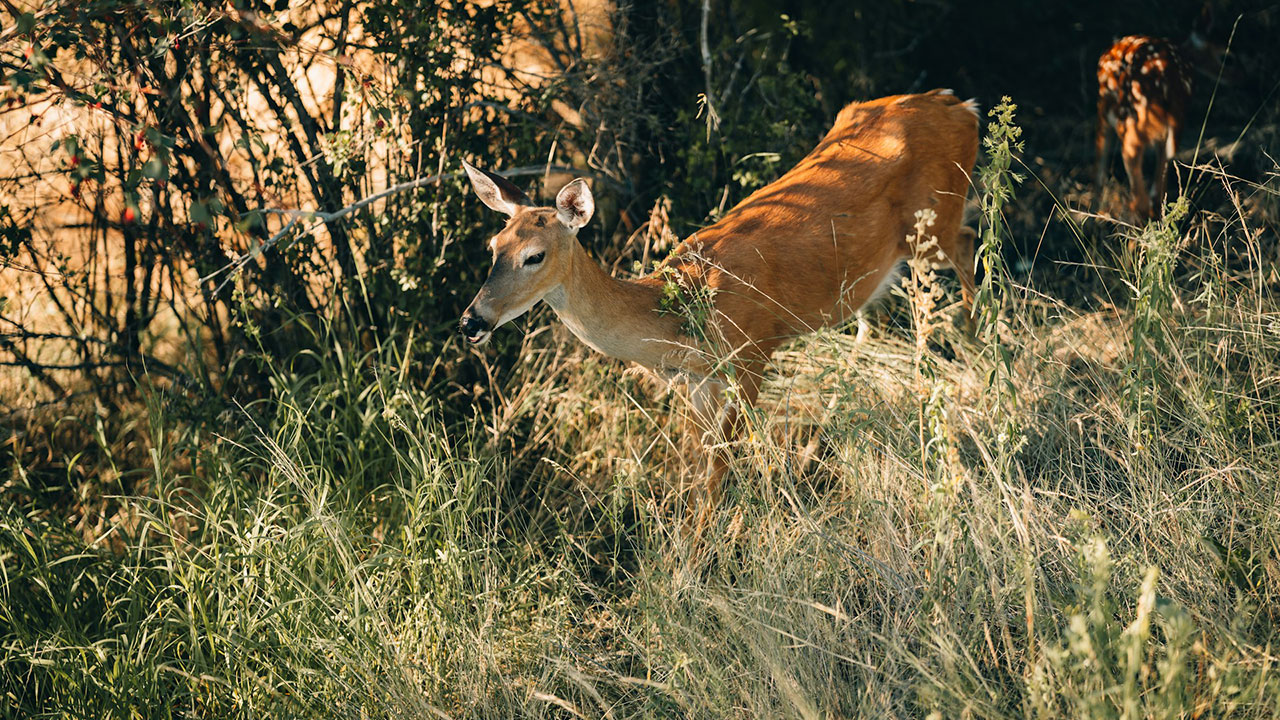
Georgia’s deer range overlaps hard with growth corridors and expanding suburban sprawl, and fragmentation pressure tends to hit the best “mixed habitat” zones first—where you used to have timber, ag edges, and creek bottoms stitched together. Once that becomes separated parcels and road grids, deer still live there, but they stop moving like deer you can pattern in daylight. Hunters feel this as “deer disappeared,” when the real story is the travel got riskier, the cover got chopped up, and the pressure got concentrated.
North Carolina

North Carolina is a textbook “growth meets deer habitat” state. The Piedmont and mountain-adjacent zones have seen constant build-out, and that’s exactly the kind of landscape deer use well—until it gets subdivided and roaded to death. Fragmentation also pushes more deer-human conflict, which leads to management decisions that aren’t always hunter-friendly. The hard part is that it doesn’t happen all at once—you look up and realize the places you hunted five years ago are now a maze of no-trespass signs and traffic.
Tennessee
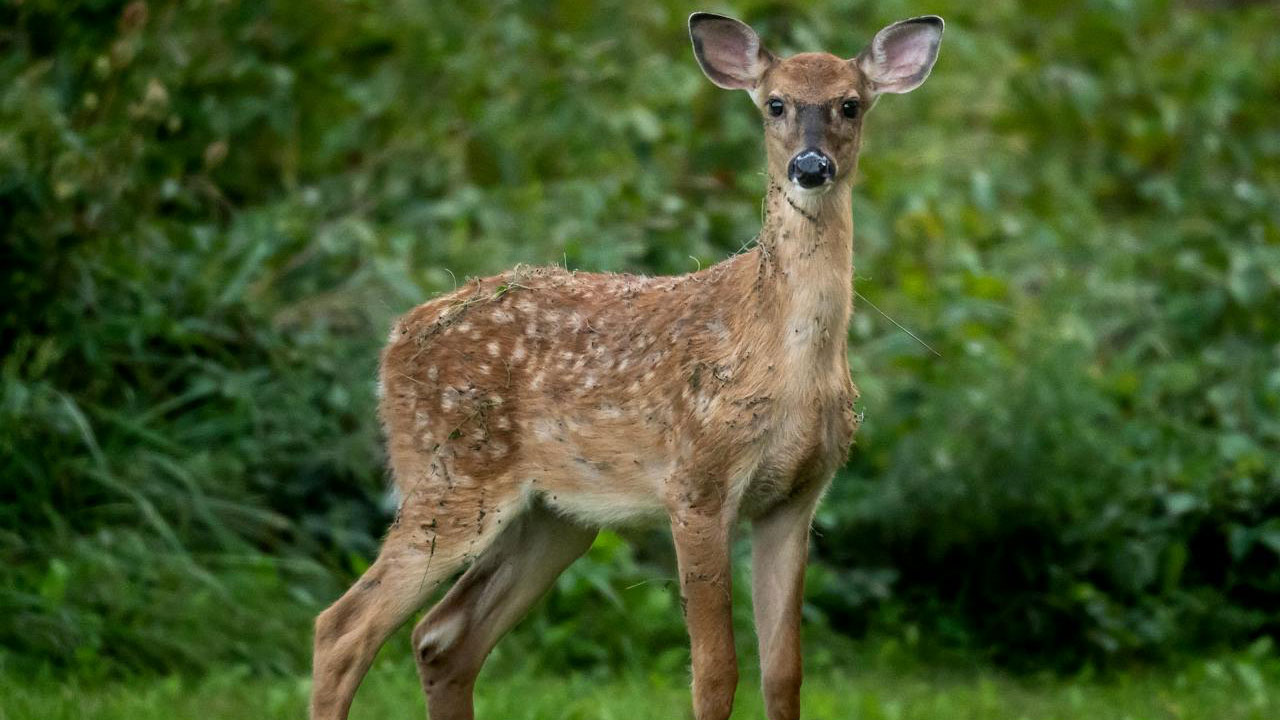
Tennessee has plenty of deer, but fragmentation pressure shows up through scattered development and access shrinkage, especially near lakes, growing towns, and desirable “country living” areas. A lot of deer country gets turned into small parcels that hold deer but don’t hunt well—too many neighbors, too many boundaries, too much disturbance. The deer adapt; the hunting suffers. It also changes harvest pressure, because the remaining large huntable blocks get leaned on harder every season.
Virginia
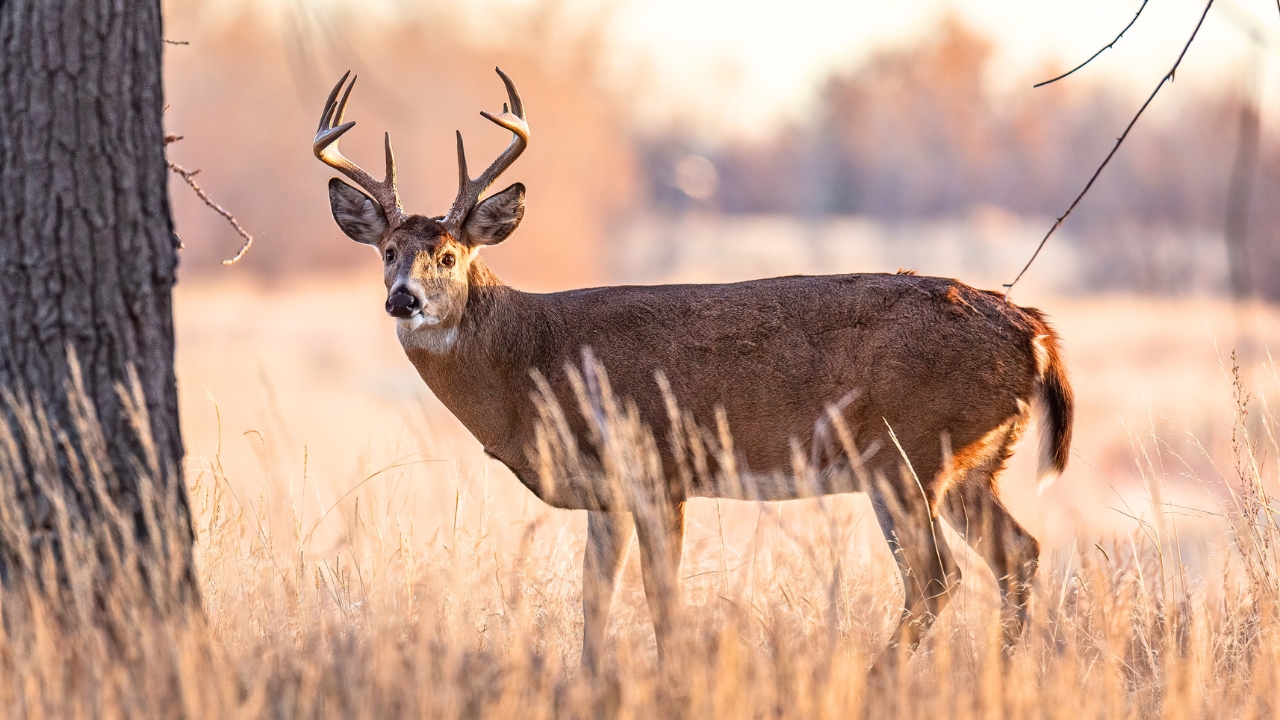
Virginia’s fragmentation problem is partly growth, partly roads, and partly “land still exists but access is getting complicated.” Deer still live in many of these chopped landscapes, but the movement becomes narrower and more nighttime-driven. The other issue is that fragmented habitat tends to create more predictable doe groups in tight cover while pushing mature bucks into the safest micro pockets—often the ones you can’t touch. That turns “good deer state” into “harder deer state” without the population ever crashing.
Pennsylvania
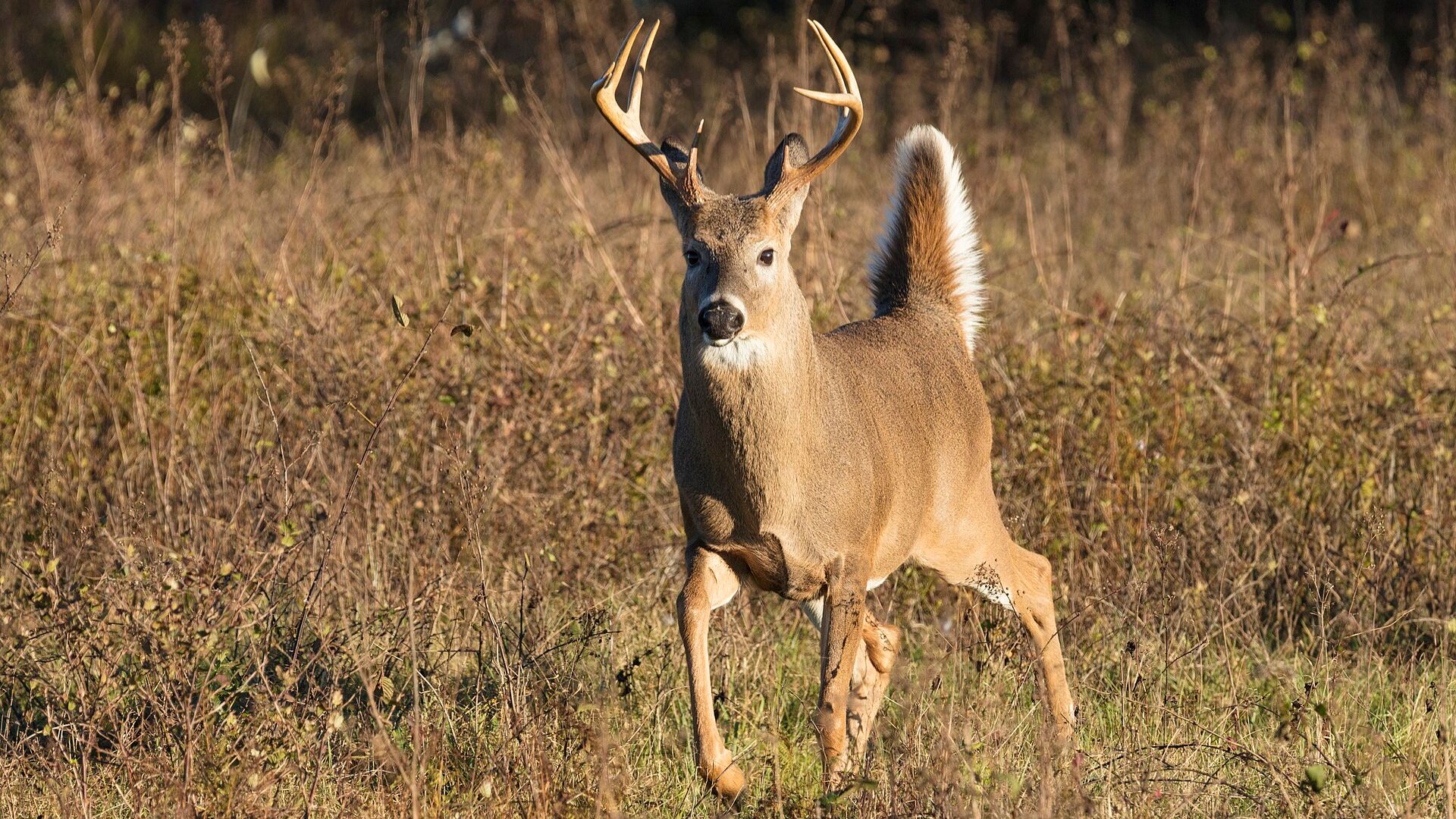
Pennsylvania has vast public land in places, but it also has heavy fragmentation pressure around towns, valleys, and road networks that cut through travel corridors. The result is a more “pockets and corridors” deer landscape in many regions—great cover here, broken access there, and movement routes that get pinched. If you’ve hunted PA long enough, you’ve probably watched certain crossing spots go dead, not because deer vanished, but because the corridor got disrupted and the risk went up.
Ohio

Ohio is a whitetail producer, but it’s also full of agriculture edges, expanding development, and constant parcelization. Fragmentation here doesn’t always mean no deer—it means deer living tighter, bedding closer to human cover, and moving less predictably in daylight. It also makes permission harder: the more parcels, the more owners, the more “I don’t allow hunting,” and the less continuity you have across what used to be one big huntable block.
Michigan
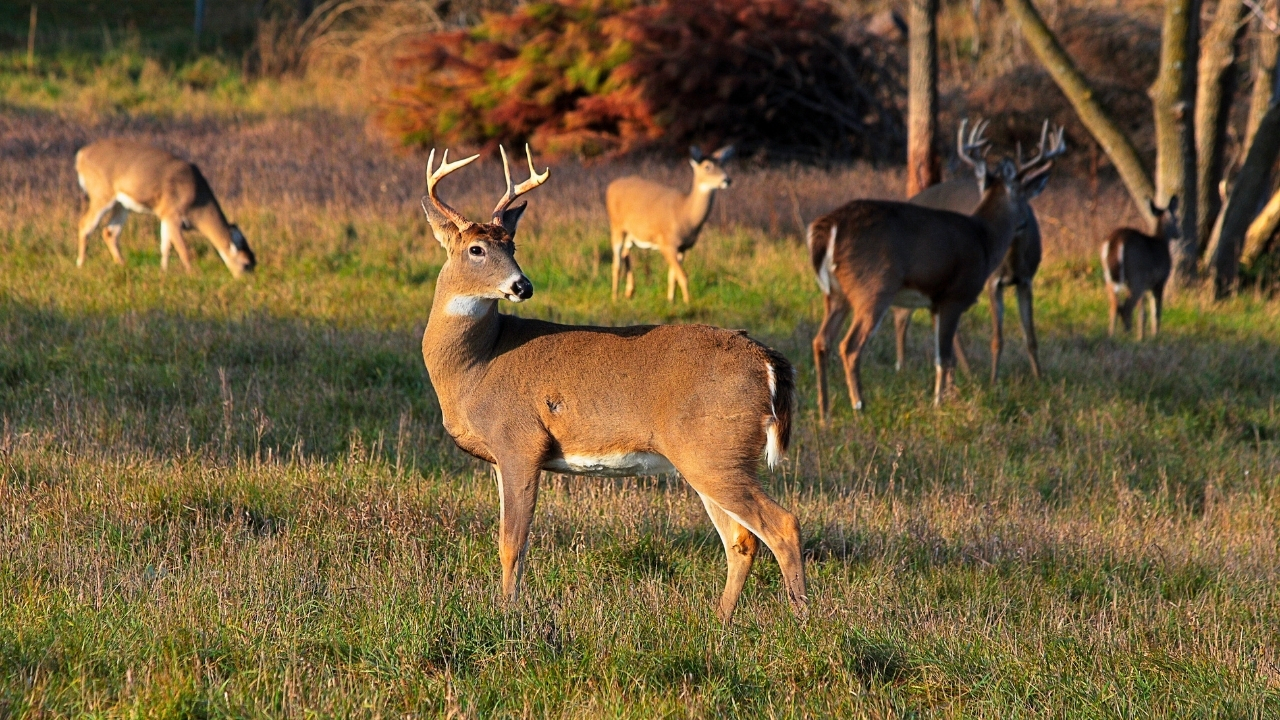
Michigan has big woods, but fragmentation pressure ramps up near recreation areas, lake country, and expanding towns where deer habitat used to connect cleanly. Roads and human traffic are the sneaky part—deer will still exist, but they’ll avoid crossing at the times you want them moving. That turns into hunters blaming pressure or “bad rut,” when the real culprit is that the landscape got cut into more pieces and the safe paths got fewer.
Wisconsin

Wisconsin’s mix of agriculture, forest, and growing development creates fragmentation in exactly the kind of edge habitat deer love. Deer can thrive in fragmented landscapes, but hunters don’t thrive as easily in them—access tightens, parcels shrink, and movement gets more nighttime-heavy. You also see more “deer are in the neighbors’ back field” situations because deer learn fast where they don’t get bothered.
Minnesota

Minnesota has plenty of deer range, but fragmentation pressure hits hard where forest meets farms meets expanding housing. That combination can create great deer groceries and cover—until it gets sliced into smaller parcels and more roads. When that happens, deer usage concentrates in the safest cover and the best private sanctuaries, and hunters end up working harder for the same “used to be easy” movement patterns.
Colorado
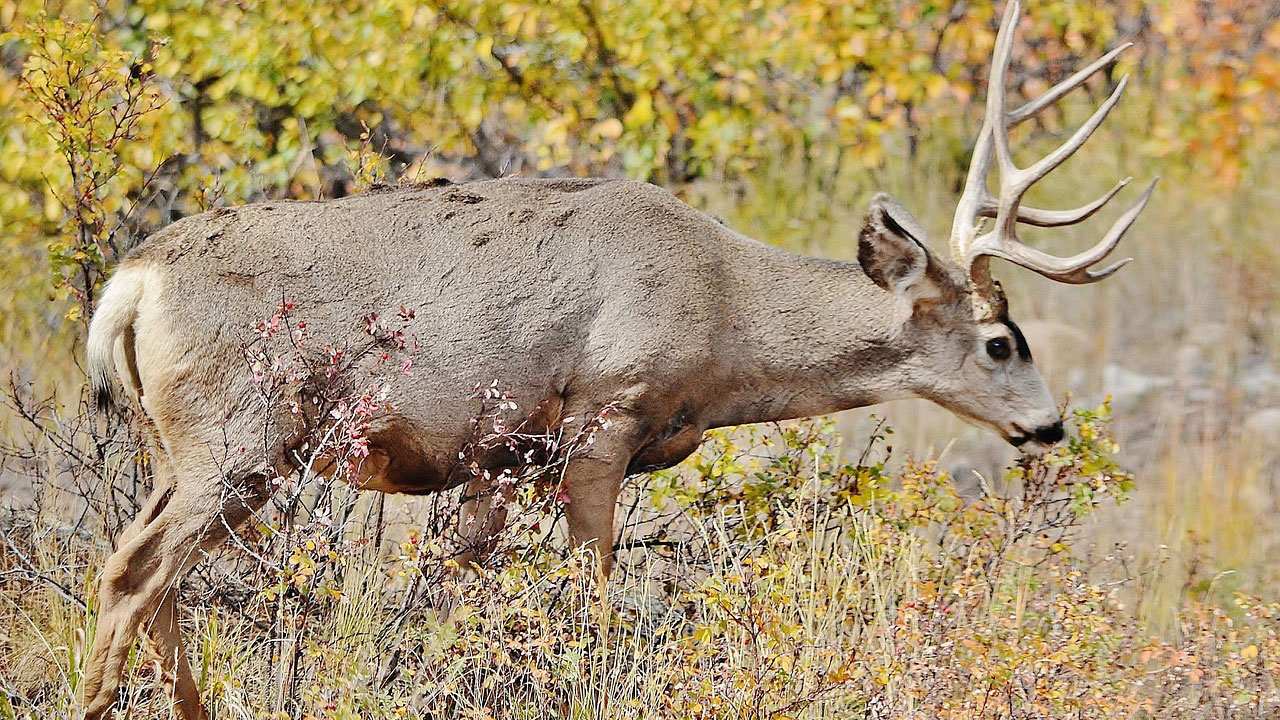
Colorado is more mule deer talk than whitetail in many zones, and fragmentation here is often tied to growth along the Front Range and mountain recreation corridors. Mule deer get hammered by highways, subdivisions, and disrupted winter range. When winter range gets fragmented, you don’t just lose convenience—you lose survival advantage. That’s when herds start acting weird and winter loss becomes a bigger deal than hunters want to admit.
Utah

Utah’s deer story has a strong “habitat and movement” angle, and fragmentation in key corridors matters a lot because mule deer rely on seasonal travel. Roads, fencing, and development can turn migration from “normal” into “gauntlet.” And mule deer don’t need 20 obstacles to change behavior—one bad corridor can force a whole pattern shift, which then changes hunter success, collision rates, and how deer use the landscape.
Arizona
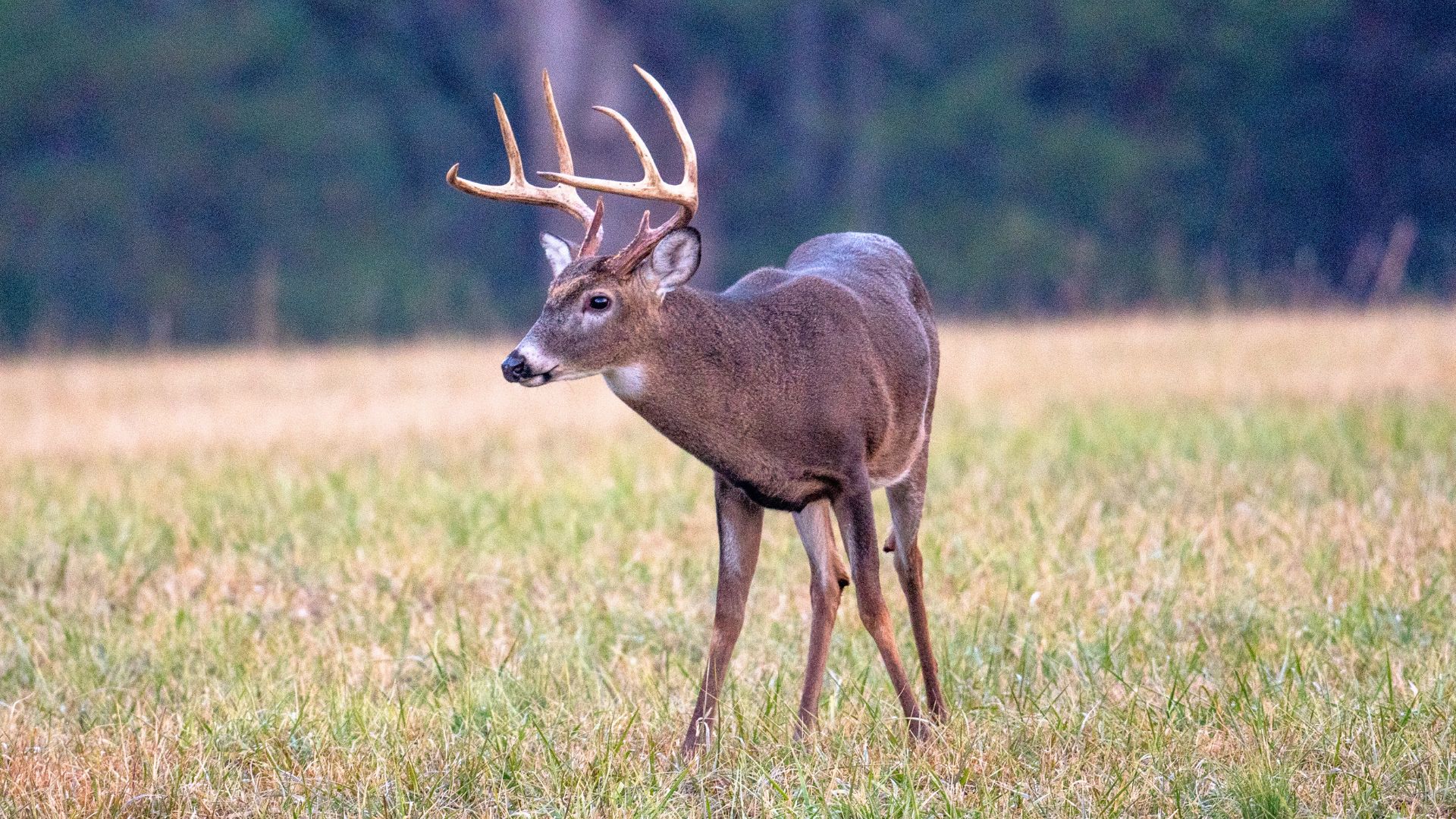
Arizona’s deer habitat issues are often tied to development and road growth in key desert and mountain transition zones. Deer here already live on the edge of tough conditions; when habitat gets chopped and travel routes get disrupted, it doesn’t take much to make deer movement less consistent. Hunters feel that as “they’re not where they used to be,” and the answer is usually “because the safe routes got narrower.”
Idaho

Idaho has big country, but fragmentation shows up around valley development, road growth, and increasing human use in places that used to be quiet. Mule deer, especially, are sensitive to disrupted winter range and migration corridors, and that’s where fragmentation stings the most. You can have all the deer habitat in the world, but if the critical connectors get cut up, the herd starts acting like it’s under pressure even when the population isn’t collapsing.
Like The Avid Outdoorsman’s content? Subscribe to our newsletter so you never miss an article.
Here’s more from us: