Photo credit: wirestock/Freepik.com
“Weak leadership” doesn’t mean you have to be loud or tough. It means you’re inconsistent. You let the dog do something today that you correct tomorrow. You don’t follow through. You negotiate. You let bad habits become normal. Some breeds shrug that off. These breeds don’t. They’re smart, independent, high-drive, or naturally pushy, and they’ll test limits like it’s their job. The good news: most of them are fantastic dogs in the right hands. The bad news: if you’re the kind of owner who hates training or avoids boundaries because it feels “mean,” these dogs will walk all over you, and then you’ll blame the breed. If you pick one of these, go in with a plan: daily reps, clear rules, and management that prevents rehearsal of bad behavior.
Siberian Husky
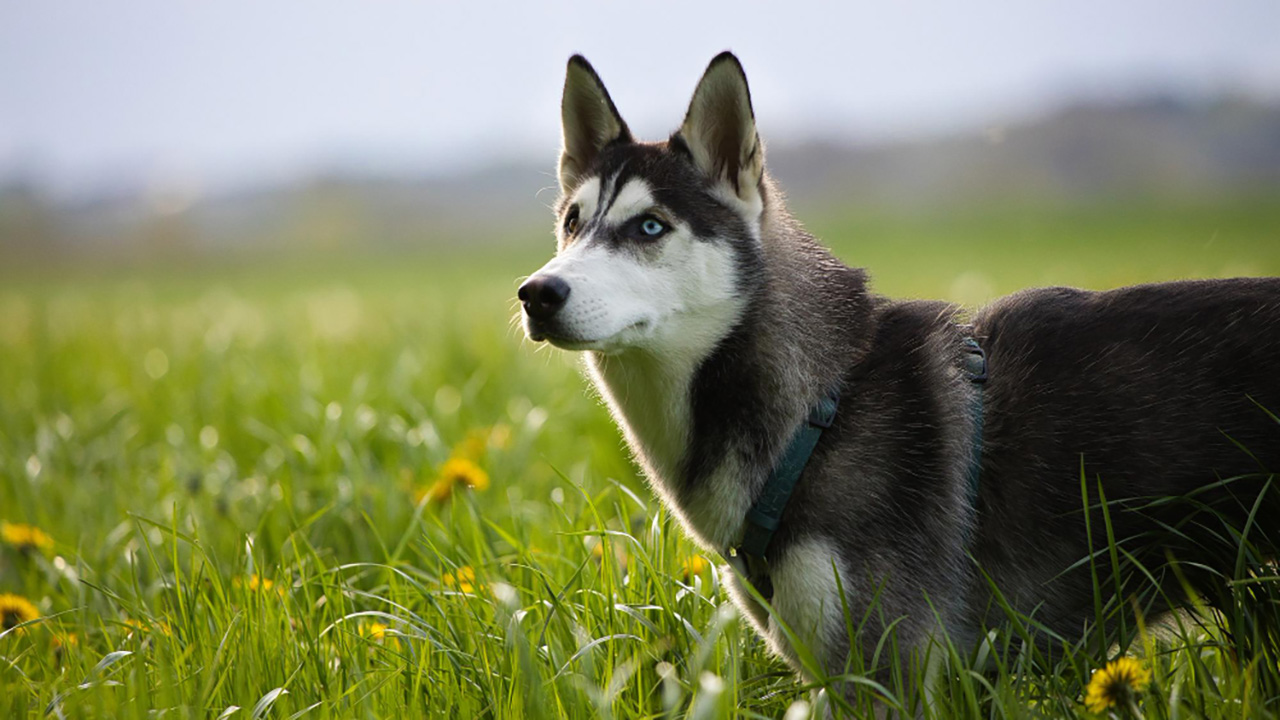
Huskies are experts at ignoring you when it benefits them. They aren’t “dumb.” They’re independent and opportunistic, and they were bred to work at distance, not stare at you waiting for permission. Weak leadership with a Husky turns into constant escapes, selective hearing, pulling like a freight train, and a dog that does whatever it wants because it has learned you won’t follow through. You can absolutely have a great Husky, but you need consistency: leash rules, recall training with realistic expectations, and secure containment. They also need real exercise and mental stimulation. A tired Husky behaves better than a bored Husky—every time. If you let them practice ignoring you, they’ll get incredible at it. If you keep training simple, consistent, and fair, you can have a solid dog. But you don’t “wing it” with this breed.
Belgian Malinois
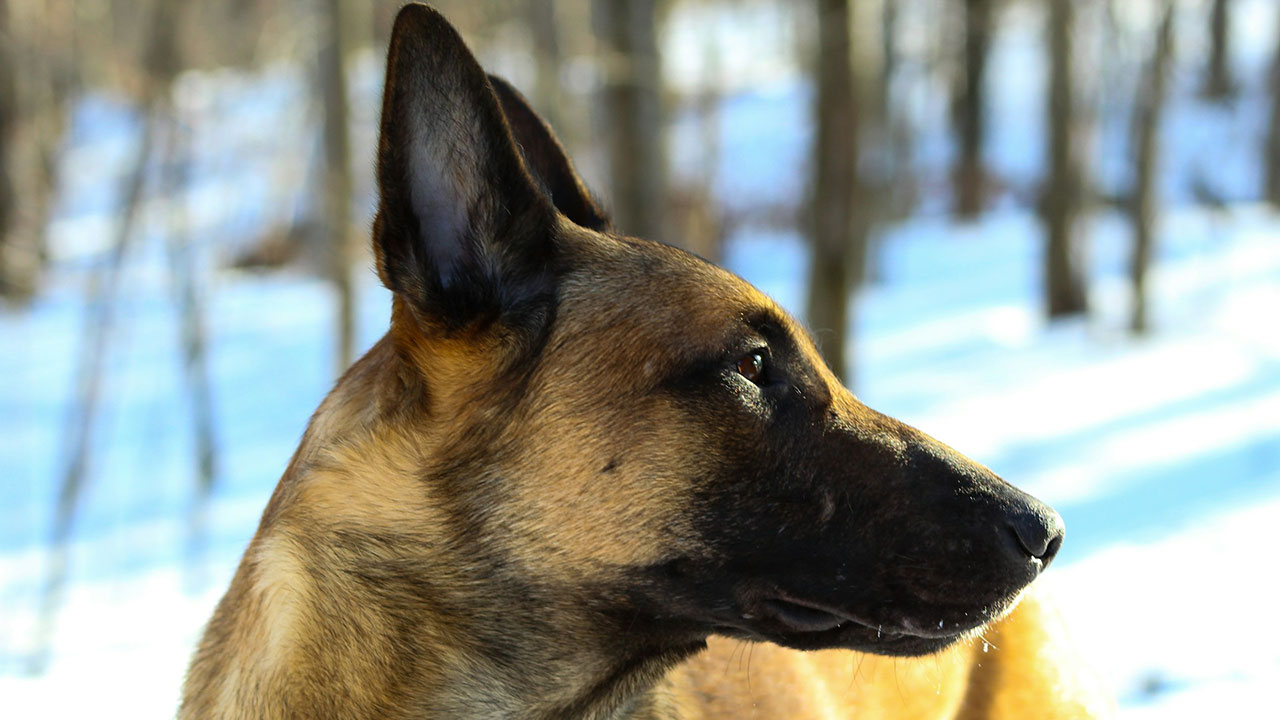
A Malinois will expose weak leadership fast. These dogs are driven, intense, and always looking for the next job. If the handler is inconsistent, the dog fills the gap with chaos: biting at sleeves, frantic pacing, obsessive behaviors, and escalating reactivity. The worst part is they learn fast—so they learn bad habits fast, too. Leadership here means structure, not intimidation: clear commands, daily obedience, and controlled outlets like tug with rules, scent work, and structured training. If you don’t have time for daily reps and serious exercise, don’t get one. A Malinois isn’t a “cool dog” to own. It’s a working dog that needs work. In the right hands, they’re phenomenal. In the wrong hands, they’re a mess that makes everyone miserable—including the dog.
Akita
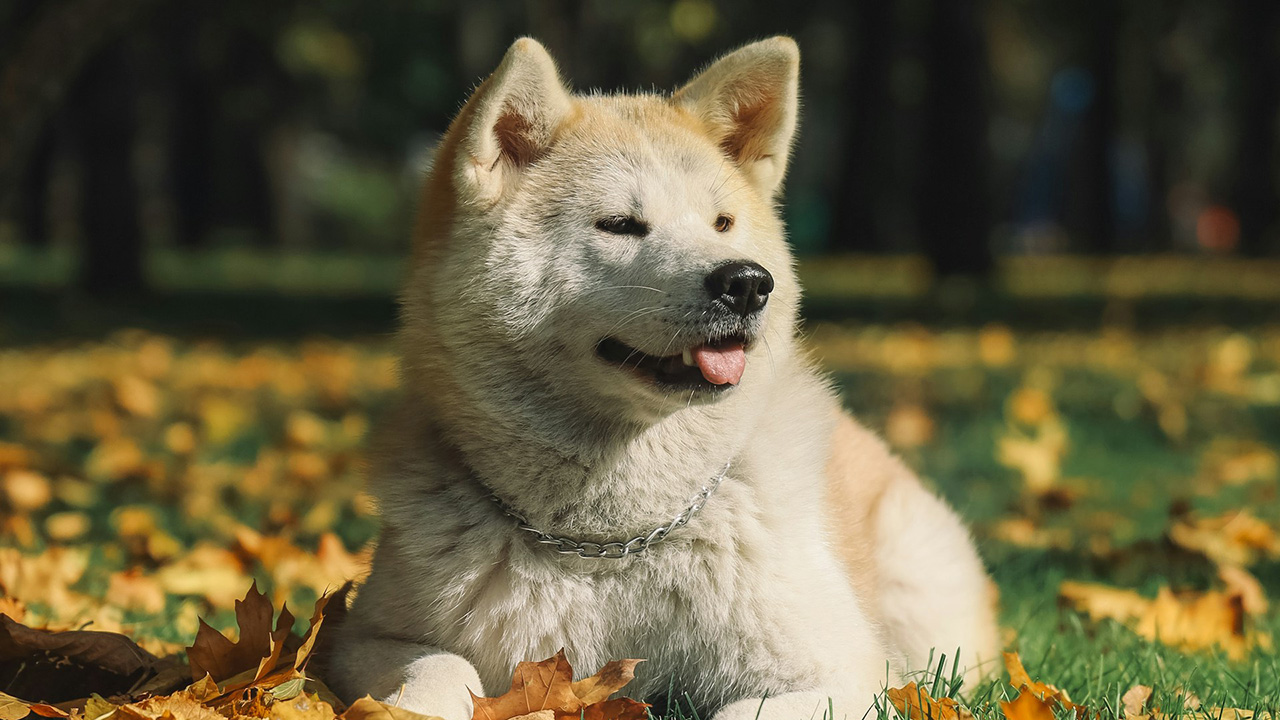
Akitas are strong, independent, and not interested in being everybody’s buddy. Weak leadership with an Akita often shows up as stubborn refusal, guarding behaviors, and a dog that decides what it will and won’t tolerate. They’re not a breed where you can let things slide and hope it sorts itself out. Leadership means clear boundaries, early training, calm exposure to the world, and managing situations before the dog has to make its own decisions. You need to be able to handle a big dog confidently and safely—leash manners aren’t optional. Also, don’t confuse “calm” with “easy.” Akitas can be quiet and still be dominant about space and resources. If you want an Akita, you need to be consistent and proactive, not reactive. When you do it right, they can be loyal, clean, and steady. When you don’t, they’ll run the house.
Cane Corso
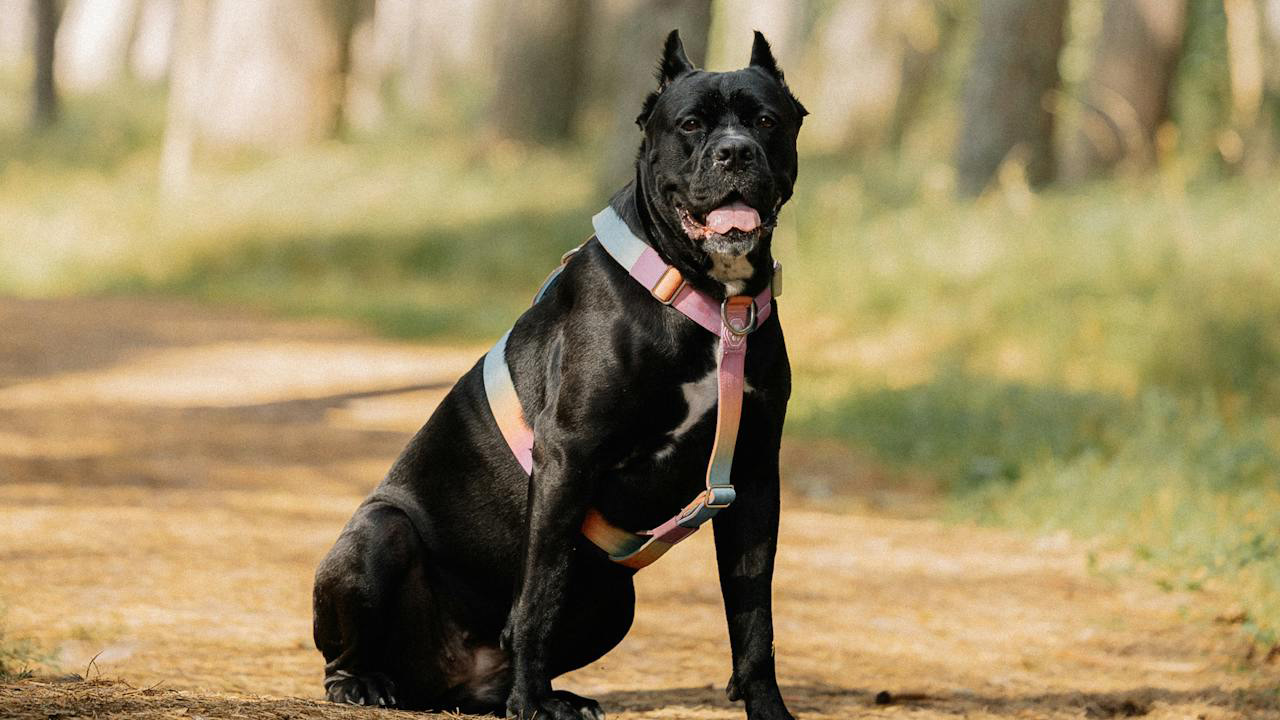
Corsos are powerful guardian-type dogs. Weak leadership here isn’t just annoying—it can be dangerous. If the dog doesn’t see the adults managing the home, it may decide it has to, and that’s where you get territorial behavior and poor impulse control around visitors. Leadership with a Corso is heavy on obedience and neutrality. Teach the dog to go to a place, stay calm, and let you handle the world. You don’t want a dog that’s constantly scanning for threats. You want a dog that trusts your decisions. That takes training, social exposure done correctly, and strict management when the dog is young. People get in trouble when they buy a Corso for “protection” but don’t have the skill set or time to train it. With the right leadership, they can be steady and devoted. Without it, they can be a lawsuit.
Australian Cattle Dog
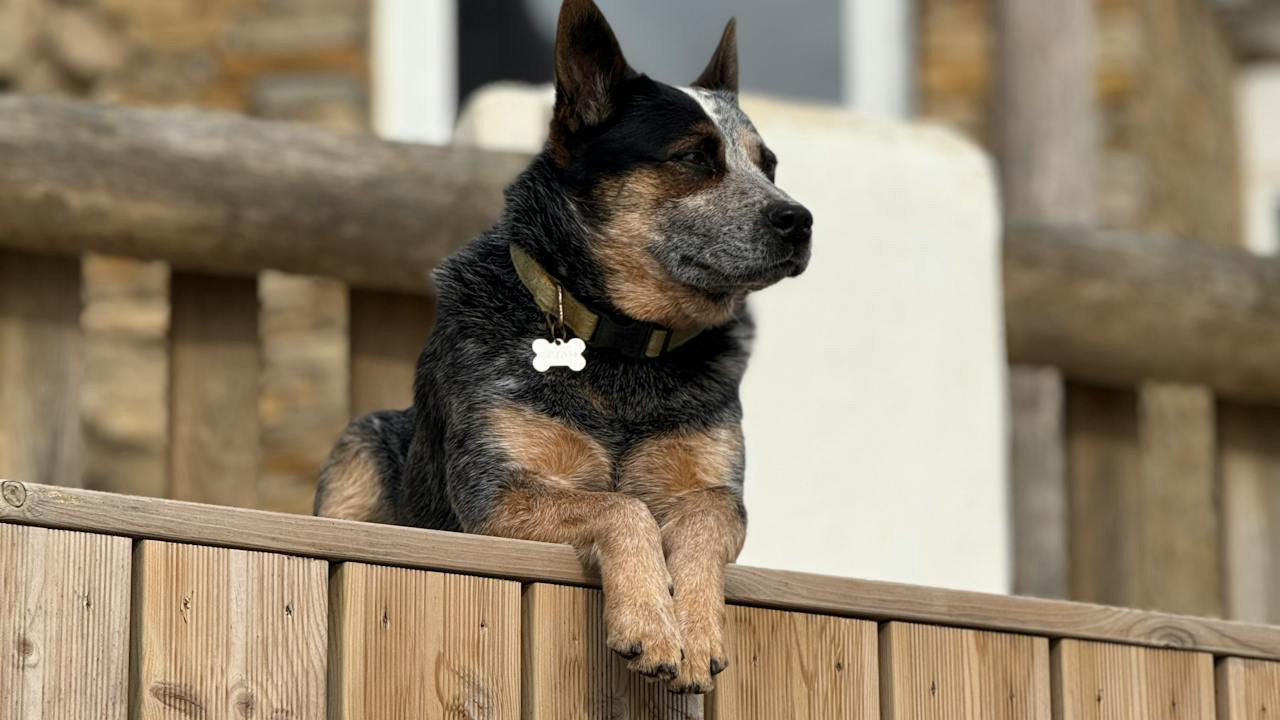
Cattle dogs are born boundary testers. If leadership is weak, they’ll take over: herding people, nipping, guarding toys, and acting like it’s their job to control movement in the house. They’re not trying to be evil. They’re trying to do what they were built to do. Leadership means teaching impulse control and giving them a job that doesn’t involve bossing your kids. They need structured exercise and training every day—short sessions work fine, but they need reps. They also need clear rules about mouthiness and rough play. If you let a cattle dog rehearse nipping or controlling behavior, you’ll spend years trying to undo it. If you lead early—calm boundaries, consistent corrections, and lots of reinforcement for good choices—they become intensely loyal, tough, and reliable. But they will not thrive in a “do whatever” household.
Border Collie
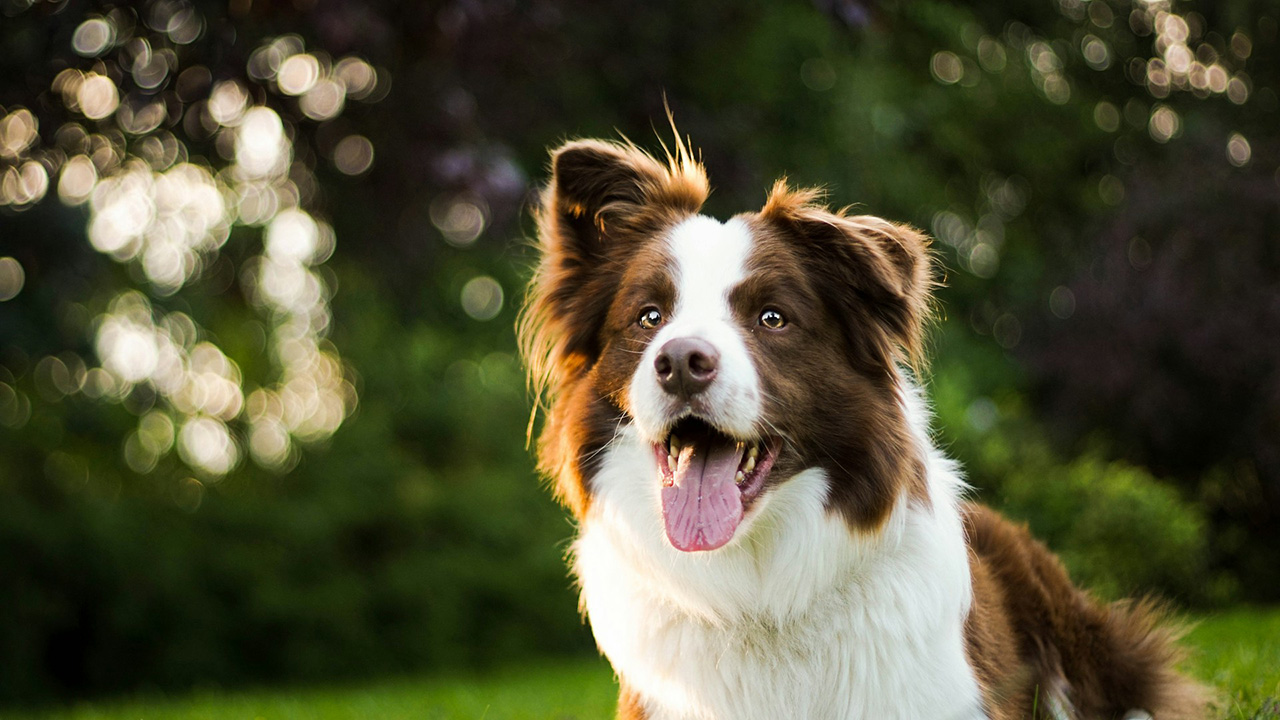
Border Collies push back against weak leadership in a sneaky way: they don’t always get aggressive, they get obsessive and controlling. If you’re inconsistent, they’ll start running the schedule—demand barking, herding, fixation on movement, and nervous behaviors that make them hard to live with. Leadership here means you run the structure of the day: exercise, training, rest. Teach an off-switch. Teach “place” and reward calm. They also need mental work. A Border Collie with no job is like a chainsaw with no bar guard—something is going to get wrecked. If you want one as a family dog, commit to daily training and controlled outlets. With good leadership, they’re incredible partners. Without it, they become overstimulated managers that never relax and make the whole house tense.
Jack Russell Terrier

Small dog, big attitude. Jack Russells push back hard when they sense you won’t follow through. They’re bold, energetic, and they love to test limits—barking, digging, chasing, and getting mouthy when they’re over-aroused. Weak leadership turns into a little dictator. Leadership doesn’t require being harsh; it requires being consistent. Train leash manners, enforce boundaries around furniture and food, and don’t let them rehearse “I scream and I get what I want.” They also need outlets—games, training, scent work, even basic agility. A bored Jack Russell will tear your house apart and then look proud about it. With structure, they’re hilarious, athletic little dogs that can be great with an active family. Without it, they’re a constant noise complaint and a broken drywall project.
Shiba Inu
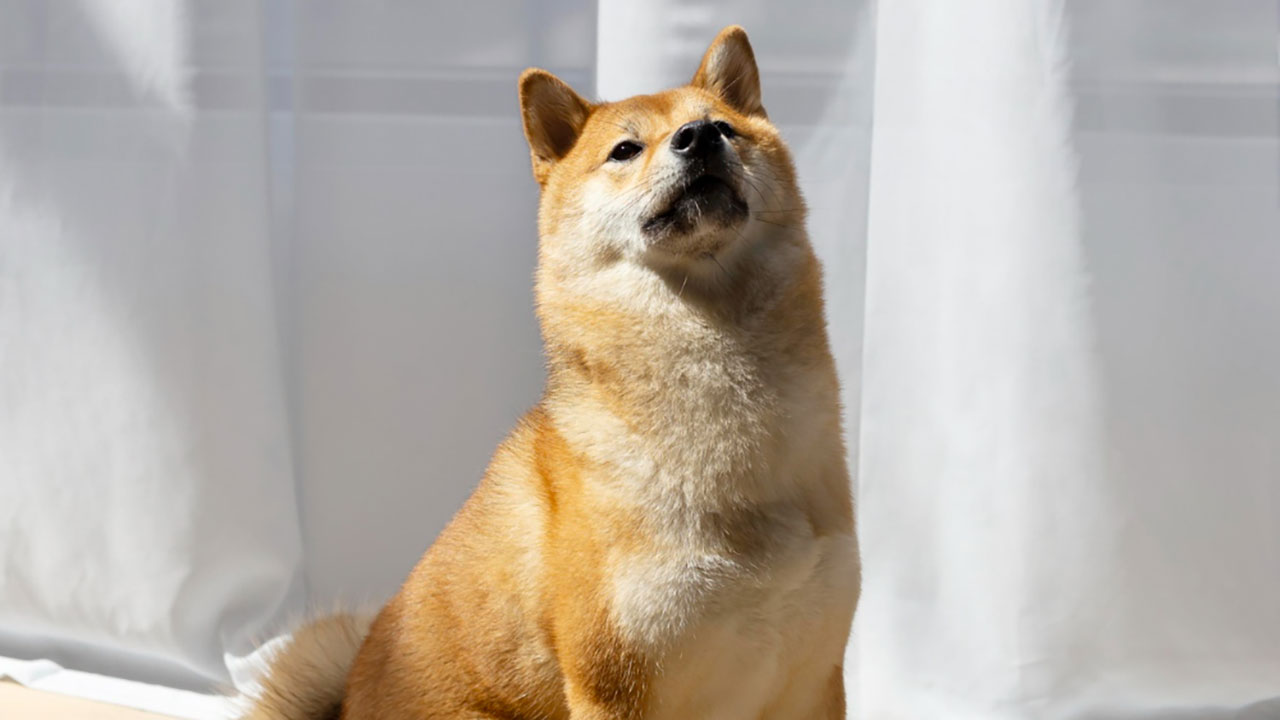
Shibas are independent and stubborn in a way that surprises people. Weak leadership shows up as refusal to cooperate, resource guarding, and a dog that acts like training is optional. They’re not a breed that lives to please you. You’re building a relationship and habits through consistency and management. Leadership here means clear routines, calm boundaries, and training that’s reward-based but firm about follow-through. You don’t get to negotiate with a Shiba after it has decided “no.” You prevent that moment by training early and keeping the dog from practicing bad behavior. Also, containment matters. Shibas can be escape artists, and recall can be unreliable if you don’t train it seriously from day one. With the right handling, they’re clean, quiet, and fun. With weak handling, they’re a little fox that runs your life.
Weimaraner

Weims push back against weak leadership by becoming anxious and destructive, not necessarily “dominant.” They’re high-energy, people-focused dogs that can melt down when they don’t have routine, exercise, and clear expectations. Weak leadership looks like a dog that can’t be alone, can’t settle, and chews your house into kindling. Leadership here means teaching independence, using a crate routine, and giving them consistent daily workouts. They also need obedience because a big, excited Weim that pulls like crazy and jumps on everyone is a pain. You don’t fix that with vibes. You fix it with reps. When you lead a Weim well, you get an athletic, affectionate companion. When you don’t, you get a clingy tornado that turns family life into constant management.
German Shorthaired Pointer

GSPs are fantastic dogs for active families, but they push back hard if you’re inconsistent, mainly because they’re driven and easily bored. Weak leadership looks like pulling, blowing off recall, counter-surfing, and a dog that’s always hunting for stimulation—in your trash can, in your neighbor’s yard, wherever. Leadership means structured exercise and training that channels that drive. They need daily outlets: running, hiking, retrieving, scent games. And they need obedience: a pointer with no recall is a runaway liability. People get into trouble when they assume “a few walks” will do it. This breed was built to go. Give them enough work and clear rules, and they’re loving, goofy, and steady. Don’t, and they’ll invent their own entertainment and you won’t like it.
Doberman Pinscher

Dobermans push back when leadership is weak because they’re intense and sensitive at the same time. Inconsistent handling can create a dog that’s anxious, reactive, and constantly trying to control situations. Leadership here is calm structure: clear boundaries, daily obedience, and teaching the dog to settle. You also have to manage their protectiveness responsibly—controlled introductions, no letting the dog “guard” the front window all day, and no rewarding suspicious behavior. A Doberman should be neutral until you tell it otherwise. When you provide that clarity, they’re one of the most loyal, reliable companions you can have. When you don’t, they can become a stressed-out dog that doesn’t know what its job is, so it tries to make everything its job. That’s when families get overwhelmed.
Great Pyrenees

Pyrs push back against weak leadership by simply doing what they think is right. Barking, roaming, and deciding who belongs on the property are baked into the breed. If you don’t provide boundaries, they’ll create their own, and you’ll live with the consequences. Leadership with a Pyrenees is management: secure fencing, leash habits, and teaching calm behaviors like “place” and “quiet.” You’re not going to out-obedience a livestock guardian dog the way you do a Shepherd. You’re going to create a life where the dog understands what’s allowed and what isn’t, and you enforce it consistently. If you let a Pyr patrol the neighborhood at night because you didn’t secure the yard, it will. If you let it bark nonstop because you never addressed it, it will. With strong leadership, they can be gentle and steady. Without it, they become the neighborhood’s loudest problem.
Anatolian Shepherd

Anatolians are serious guardians. Weak leadership shows up as a dog making independent decisions about people, dogs, and boundaries. This is not a breed for a casual owner. Leadership means clear containment, controlled social exposure, and a household routine the dog can trust. You want the dog to defer to you, not to decide. That requires training, but even more than that, it requires you to manage situations so the dog isn’t put in charge. If you bring an Anatolian into a busy family and don’t establish rules early, you can end up with a dog that’s hard to handle and overly defensive. With strong leadership and the right environment, they can be calm and reliable. But you can’t “wing it” with a livestock guardian and hope it turns out fine.
Chow Chow
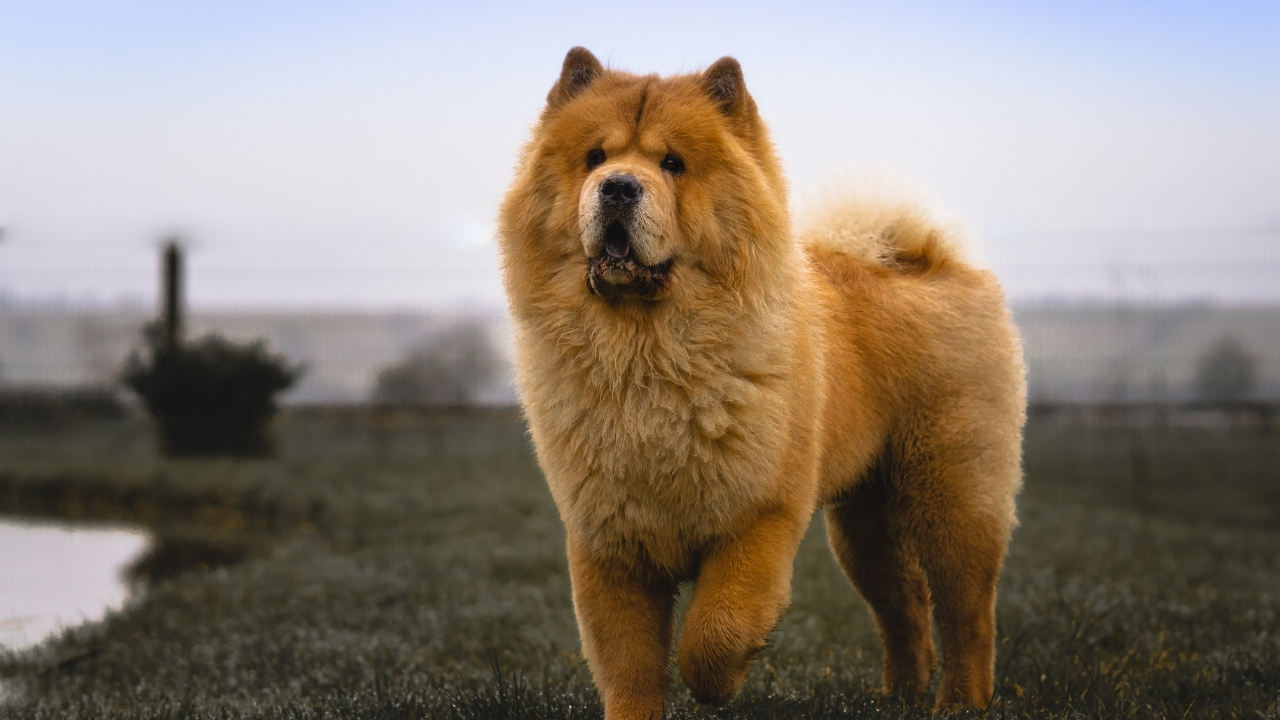
Chows push back against weak leadership in a quiet, stubborn way. They’re independent, they don’t always love strangers, and they can be very particular about handling. If you’re inconsistent, they’ll ignore you or become defensive because they don’t trust the situation. Leadership means steady routine, respectful handling, and early training focused on calm behavior and tolerance of normal life. This isn’t a “let the kids climb on the dog” breed. A well-led Chow can be loyal, calm, and clean in the house. A poorly-led Chow can be snappy and difficult because it never learned boundaries and it doesn’t have the personality type that tolerates chaos. If you want a Chow, you need to be the adult in the room all the time, not just when it’s convenient.
Australian Shepherd

Aussies push back against weak leadership by trying to control movement—barking, herding, and getting intense about visitors, kids running, bikes, and anything that triggers their instincts. Inconsistent rules make that worse because the dog doesn’t know what’s acceptable. Leadership means teaching impulse control, giving them work, and building an off-switch. They need exercise and mental stimulation daily. They also need you to handle greetings and excitement so they don’t become a frantic hall monitor. If you lead them well, Aussies become loyal, trainable family dogs that love being part of the team. If you don’t, they become noisy, busy, and sometimes reactive because they’re constantly trying to manage the environment. This breed doesn’t need a tougher owner. It needs a consistent one.
Like The Avid Outdoorsman’s content? Subscribe to our newsletter so you never miss an article.
Here’s more from us: