
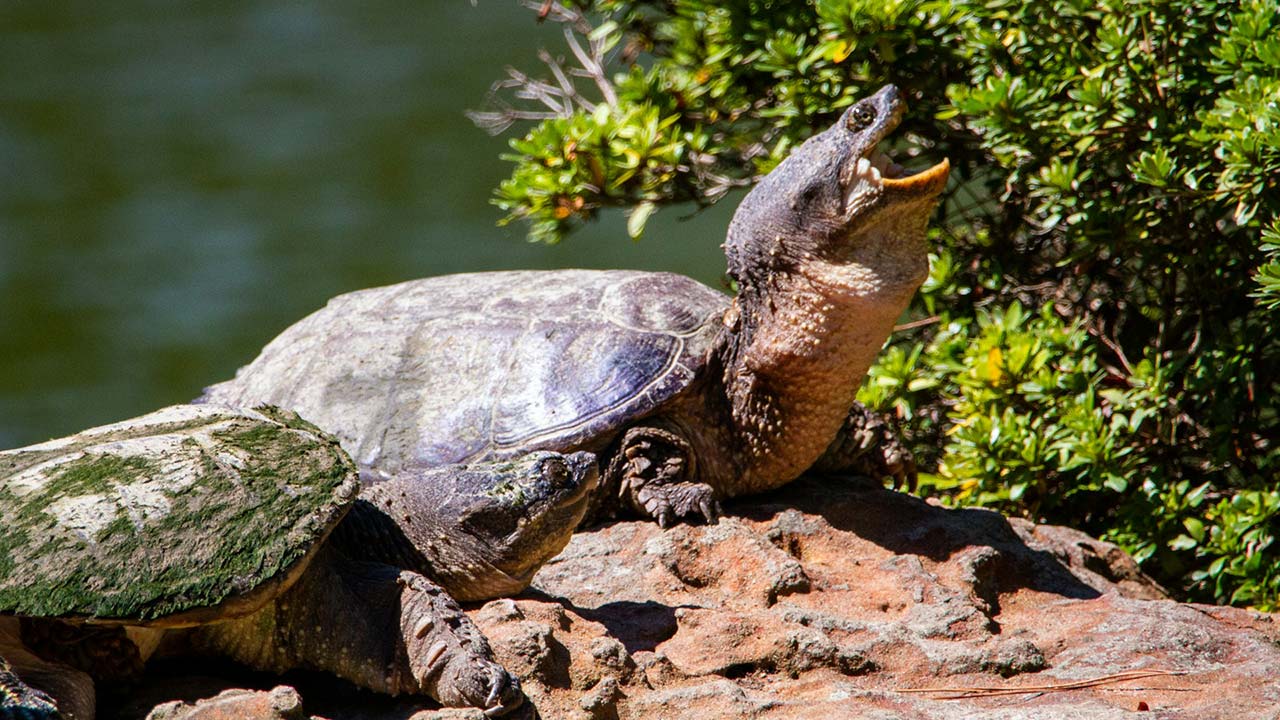
Photo credit: Joshua J. Cotten/Unsplash.com
Most hunters respect the big stuff—bears, cats, gators—because the danger is obvious. The underrated problems are the animals that don’t look like much until you’re close enough to make a bad decision. A lot of these bites happen when you’re handling something you shouldn’t, reaching into cover, pulling a critter from a trap, breaking up a dog fight, or trying to “just move it” off the trail. And when these animals bite, they don’t do the polite quick nip. They clamp, they twist, and they hang on like their life depends on it—because sometimes it does.
Snapping turtle
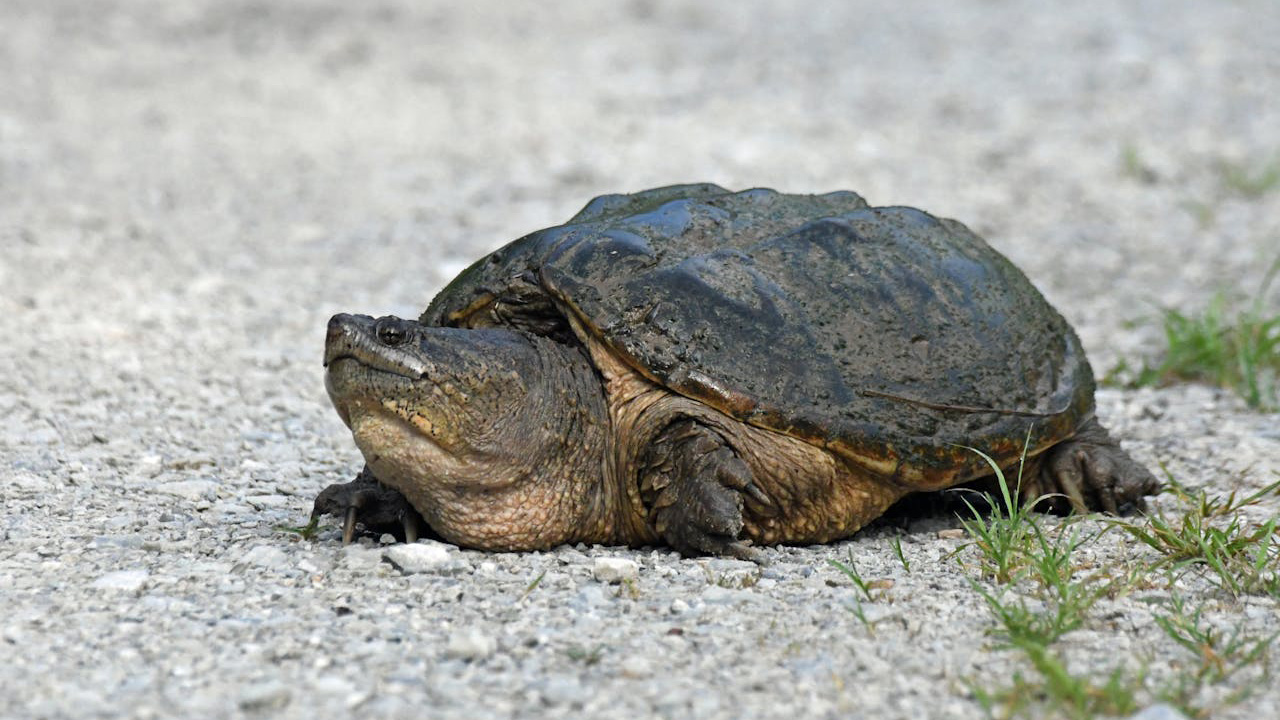
A snapping turtle looks like a slow rock until you’re close enough to get fooled. Then that head launches farther than you expected and it’s clamped down like a pair of vise grips. The reason they “don’t let go” is simple: that bite is their whole defense. They’re not built to run. They’re built to hold and make you regret grabbing them.
Hunters run into this around ponds, creek crossings, and muddy edges where you’re tempted to lift one by the shell. Bad idea. Once a snapper has purchase, it can keep working while you’re trying to shake it off—especially if you’re in slick mud or balancing gear. The injury is usually fingers and hands, and it’s not a clean little puncture.
Alligator snapping turtle
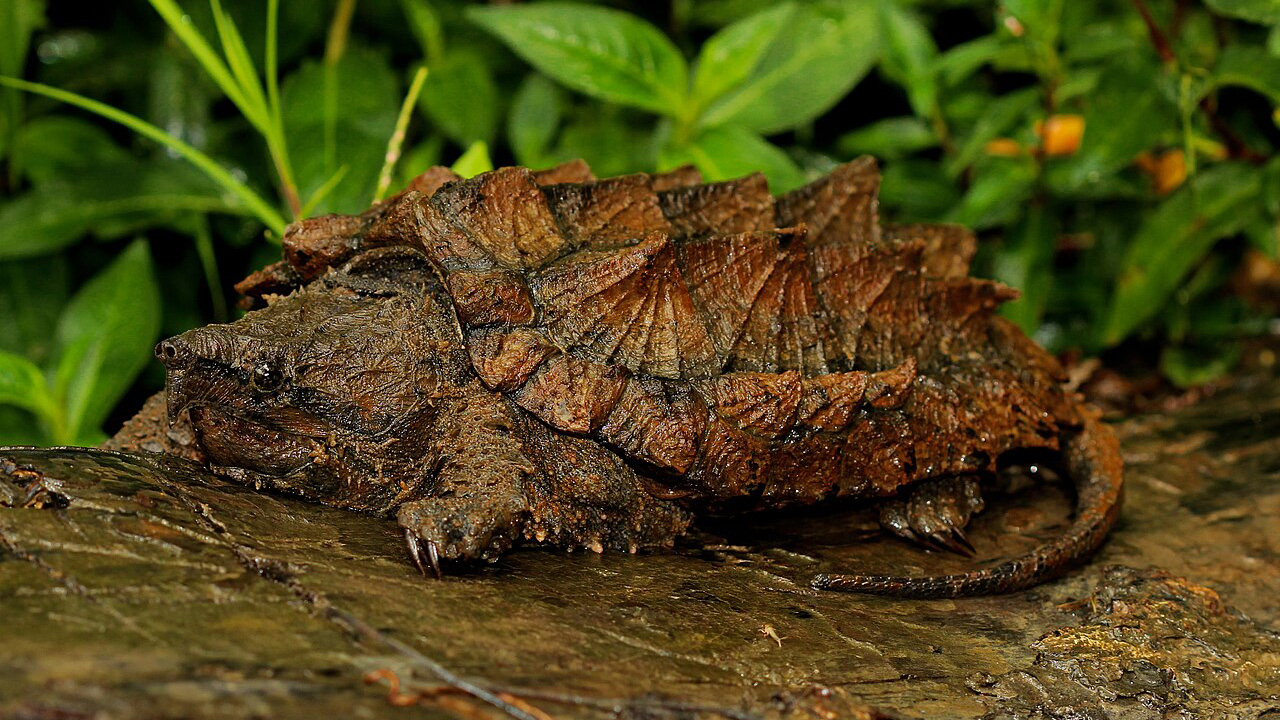
If a regular snapper is a lesson, an alligator snapper is the advanced course. They’re bigger, heavier, and their bite is built to crush. They sit like a stump, blend in, and don’t look “active,” which is exactly how people get too close. When they clamp, it’s not a quick grab. It’s a locked-in bite that can break bone.
These don’t show up everywhere, but where they do, hunters and fishermen learn fast to treat them like machinery, not wildlife. The worst part is how calm they look right before they strike. It tricks you into thinking you’ve got time. You don’t. If you’re messing with one at the bank, you’re already in the danger zone.
Badger

Badgers don’t have a lot of “warning behavior.” When they decide you’re a problem, they bite like they’re trying to end the conversation. A badger’s jaws are strong for its size, and once it clamps, it tends to hang on and shake. That’s why dogs get wrecked so badly when they stick their face into a den—badgers fight in tight spaces where the bite is everything.
Hunters run into badgers around holes, brush piles, trap lines, and anywhere a dog decides to dig. The underrated part is how stubborn they are. They don’t quit because you’re bigger. They commit harder. If you ever see one latched onto a dog or a boot, you understand why experienced guys give them a wide circle.
Wolverine

Most folks will never tangle with a wolverine, but the ones who live in that country respect them like a real threat. Wolverines bite to control and they don’t back off easily. They’re built thick, they’ve got a mean streak, and they’ll latch onto whatever is in front of them—face, neck, shoulder—and keep working the bite like they’re trying to win a fight they started.
The “don’t let go” reputation comes from how hard they commit once contact happens. Even if you’re yelling, swinging, or trying to separate it from a dog, a wolverine can stay locked in longer than you’d expect from an animal that size. They’re underrated because people think of them like a big weasel. They’re not.
Raccoon

Raccoons get treated like nuisance animals until they bite something and hang on. They’ve got strong jaws and a nasty habit of clamping down when they’re cornered or fighting a dog. Hunters get bit when they try to dispatch one in a trap, grab one near a barn, or break up a dog scrap at night. At close range, raccoons are all teeth and panic.
The reason raccoons make this list is that the bite doesn’t always come with a clean “warning.” They’ll hiss, thrash, and then suddenly it’s locked on your hand. And once it’s on, you’re not casually peeling it off without getting chewed up more. Plus, any raccoon bite comes with infection and disease concerns you don’t want to gamble with.
Opossum
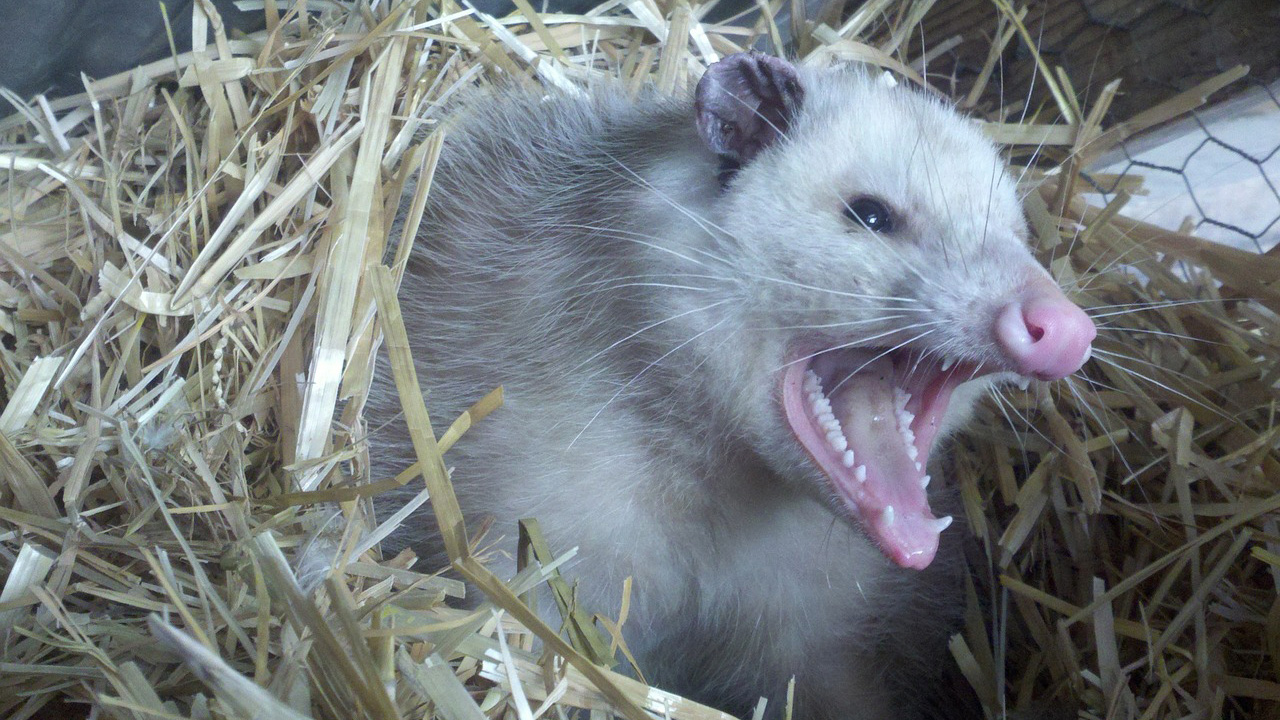
Opossums look like they’re half asleep, and that’s why people get sloppy. Corner one under a porch, in a shed, or in a trap and it can bite hard and hold longer than you’d expect. They’ve got sharp teeth, and in a defensive scramble they clamp down and thrash, which turns a bite into a tearing injury instead of a quick puncture.
Hunters usually get into trouble with opossums around camp—trash, feed, chicken coops, and dog food. The underrated danger is that the bite happens while you’re trying to “just move it.” A lot of people reach in with bare hands like it’s no big deal. Then they’re bleeding and mad at themselves, because it didn’t look like the kind of animal that would fight.
River otter
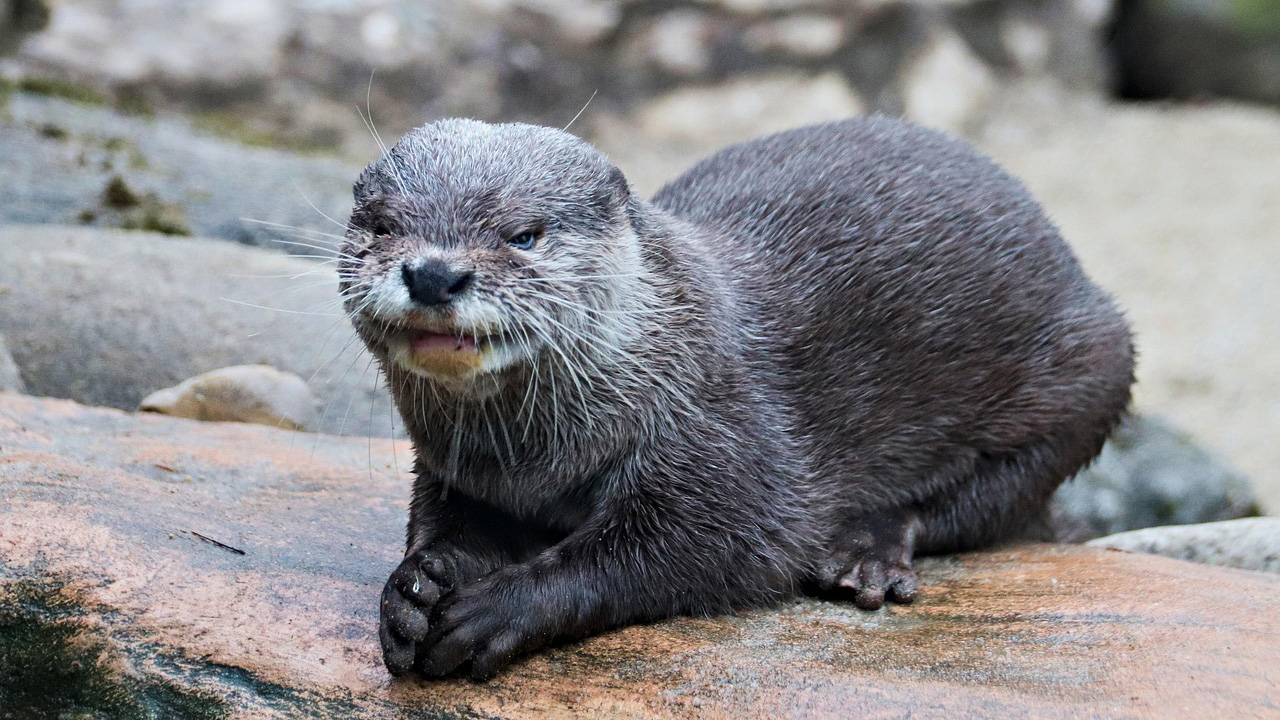
Otters look playful on the surface, but up close they’re pure muscle with sharp teeth and a strong bite reflex. An otter that feels cornered—or an otter protecting young—can clamp and hold while it twists. They’re designed to hold onto slippery prey in water. That same design works on fingers, hands, and calves if you’re in the wrong spot at the wrong time.
Hunters and trappers run into otters near creeks, beaver ponds, and marsh edges, especially when they surprise one at close range. The danger is how fast they move and how hard they bite once they commit. People underestimate them because they’re not big. But in water, with leverage, an otter can turn a bite into a serious problem quickly.
Mink
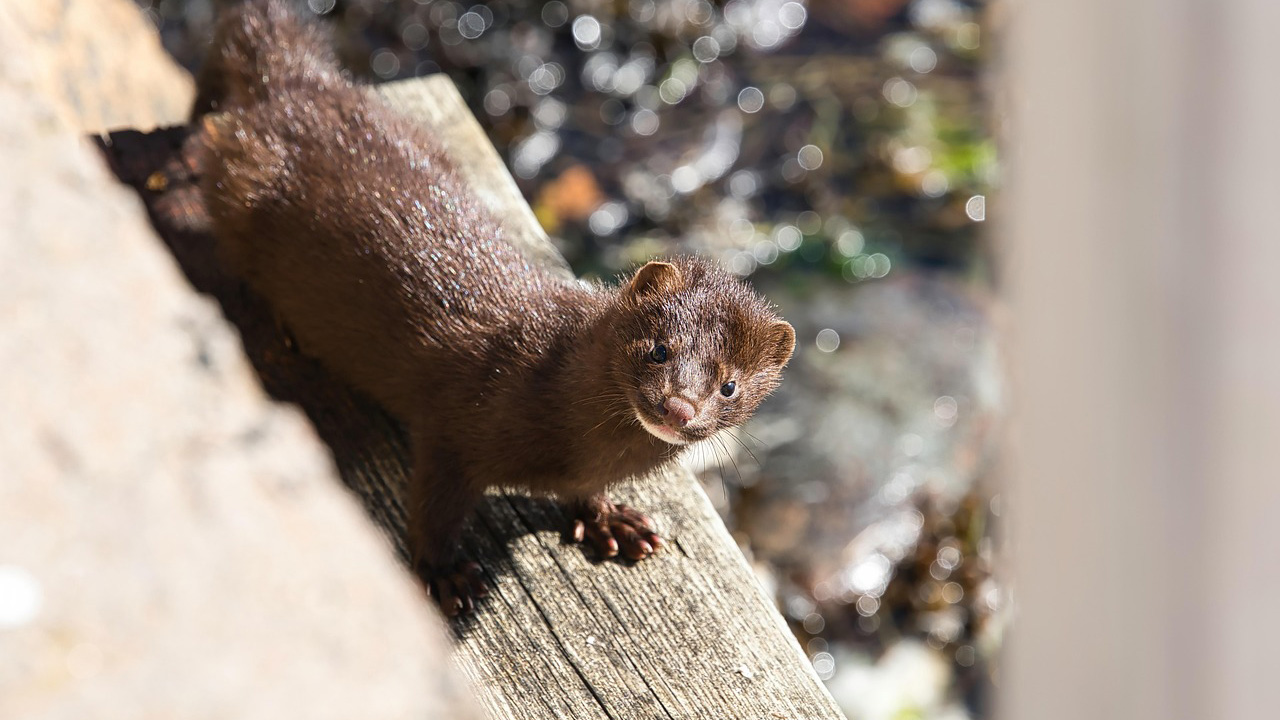
Mink are small, and that’s the trap. They bite like they’re built for it—because they are. A mink will clamp down and hold while it shakes, and it’s surprisingly hard to get one off without getting bit again. Hunters and trappers see this when dealing with a live mink in a trap or when a dog finds one along a creek bank.
The underrated part is how aggressive they can be when cornered. A mink doesn’t try to “warn” you with a big show. It goes straight to teeth. And because it’s small, you’ll be tempted to handle it like it can’t do much damage. That’s how you end up with punctures that swell up and stay sore for days.
Fisher

Fishers don’t get talked about as much as they should. They’re tough, quick, and built to kill by biting and holding. They’re famous for taking on animals bigger than you’d expect, and their bite isn’t a quick snap—it’s a clamp-and-work style that keeps pressure on until the job is done. That’s why a fisher encounter with a dog can go bad fast.
Hunters in fisher country usually hear about them through trap lines, barnyard stories, or dog incidents. The underrated danger is that a fisher doesn’t look like a “serious predator” from a distance. Up close, it’s all business. If one gets its mouth on a dog’s face or neck, it can stay locked in and do real damage before you can even get there.
Muskrat

Muskrats look like harmless swamp rodents until one bites you. They can clamp down hard and refuse to let go, especially if they’re grabbed, cornered, or tangled in gear. Hunters run into them while wading, checking water edges, moving traps, or dealing with a dog that thinks it found a toy. That’s when the bite happens—close and sudden.
The underrated part is the follow-up. Water-adjacent bites get dirty fast. Mud, bacteria, and a deep puncture is a bad combo. Even if the muskrat is small, a bite to the hand can swell, stiffen your grip, and make the rest of your trip miserable. They’re not scary until you’re bleeding and realize you should’ve left it alone.
Beaver
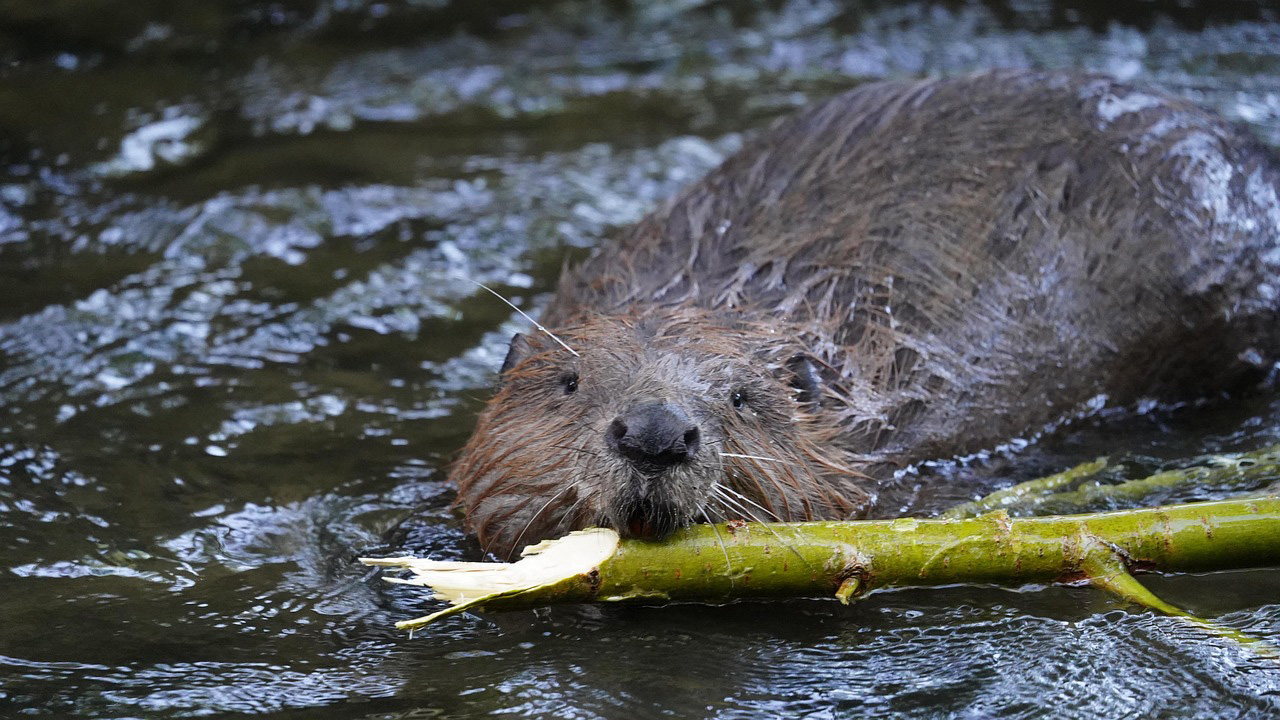
Beavers don’t look aggressive, but they have big teeth meant for cutting wood—and those teeth work on flesh just fine. A beaver that’s cornered or threatened can bite and hold while it thrashes, and the injury can be deeper than you’d expect. The reason they “don’t let go” is that their defense is built around controlling the threat at close range.
Hunters and anglers bump into beavers in shallow water, near culverts, and along creek banks where footing is bad. That’s when people do dumb things—trying to push one away with a boot or grabbing it to “move it.” A beaver bite can turn into stitches and infection risk fast. It’s underrated because the animal looks like a big, slow rodent. Those teeth say otherwise.
Bobcat
Bobcats aren’t massive, but when one bites, it often bites to hold and keep you off balance. Most human injuries happen when a bobcat is cornered, trapped, or tangled with dogs. In those moments, it’s not trying to “escape politely.” It’s fighting for space, and that means clamping down while claws do the rest.
The underrated part is how fast it all happens. You don’t get much time to react. A bobcat can appear, explode into contact, and suddenly it’s a close-range fight you didn’t want. If it gets a mouthful of clothing, glove, or a dog’s face, it can stay latched longer than people expect. Cats are built to hold prey long enough to finish the job.
Feral cat

Feral cats are one of the most common “small animal, big regret” bites out there. They look like a house cat until you try to grab one, corner one, or separate it from a dog. Then it’s teeth and claws at full speed. Cat bites are nasty because they’re deep punctures that can seal over fast and trap bacteria underneath, and cats don’t always release clean once they clamp.
Hunters run into feral cats around barns, feed sheds, and rural properties more than folks admit. The “don’t let go” part shows up when a cat locks onto a hand or forearm and keeps raking with the back feet. People underestimate them because they’re small. The infection risk is what makes them serious.
Monitor lizard
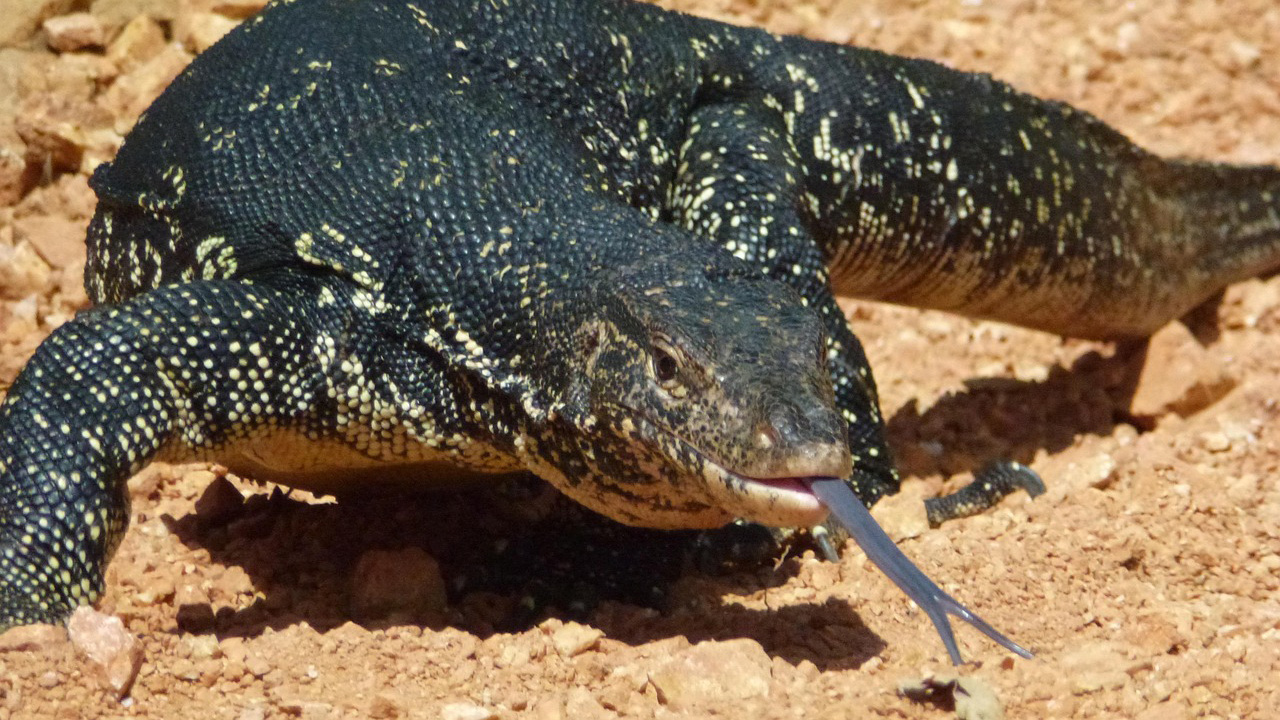
In places where monitor lizards are common, they’re a real “don’t get close” animal. They can bite hard and hold, and they’ll use their body weight to keep pressure on while they thrash. Even smaller monitors can leave deep wounds because their teeth are designed to grip and tear, not just pinch.
They make this list because they look like big slow reptiles until they decide they’re done tolerating you. Hunters and outdoors folks run into them near water, in brush, and around camp areas where food smells attract wildlife. If one gets a bite on a hand or calf, it can stay latched while you’re trying to pull away—exactly how you make the injury worse.
Moray eel
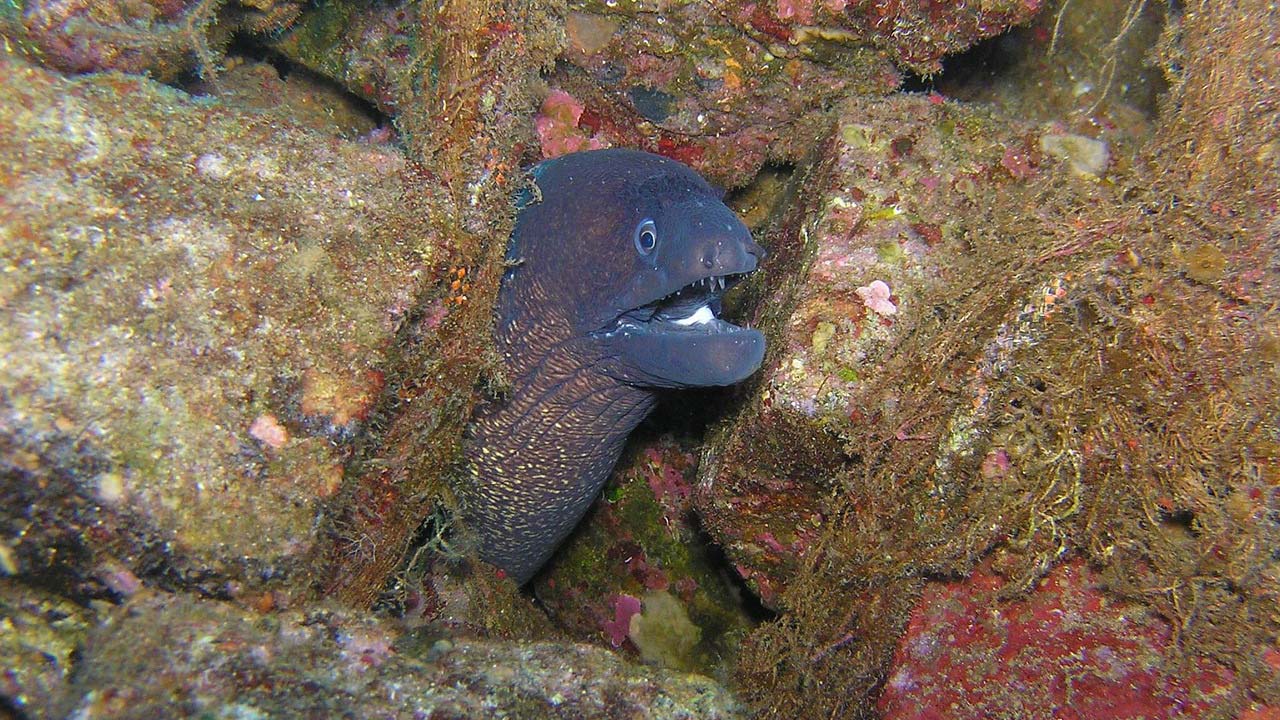
Moray eels don’t look like a “hunter problem” until you’re wading, spearfishing, or reaching into rock holes around the coast. Then you learn fast that a moray bite is designed to hold. They clamp down and twist, and because it’s happening in water or on slick rocks, you don’t have the leverage you think you do. That bite can stick in your head for years.
The underrated part is the surprise. People reach into a crevice to free a lure, grab a crab, or check something, and the eel is already there. Morays don’t do “warning distance” well. It’s either nothing… or teeth. And once it’s on, it tends to stay on until you get it off the right way.
Lamprey
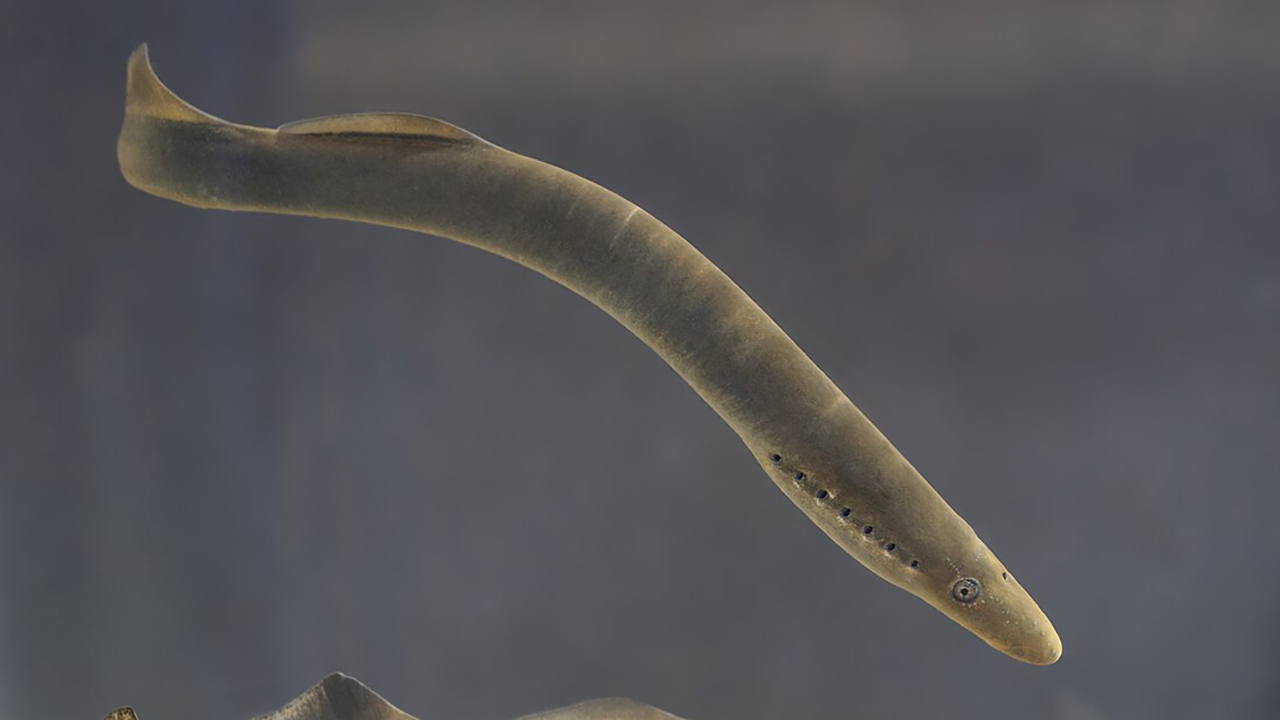
Lampreys look weird and harmless until they attach. Their whole move is suction and teeth—latch on and stay there. Most of the time it’s a gross inconvenience, but it can still cause bleeding and a serious “get it off me” moment when you’re in the water and not expecting anything to clamp onto you. Hunters run into them more in certain lakes and rivers, especially around fish activity.
The underrated part is that attachment is the point. It doesn’t “bite and release” like most things. It sticks. That means you’re dealing with a live animal attached to you while you’re trying to keep balance, keep footing, and not panic in the water. It’s not the scariest thing on earth, but it’s one of the few that literally doesn’t let go by design.
Like The Avid Outdoorsman’s content? Subscribe to our newsletter so you never miss an article.
Here’s more from us:


