Photo credit: Наталья Севрук/Pexels.com
Tracks are one of the most honest things you’ll ever read in the outdoors. They don’t care what you think is around—they tell you what actually moved through, how recently, and how comfortable it felt doing it. The problem is most people either overthink tracks or don’t learn the basics well enough to trust themselves. You don’t need to identify every animal in North America. You need to know the common ones so well that you don’t hesitate. These are wildlife tracks you should recognize immediately, even at a quick glance, because guessing in the field usually means missing information that matters.
Whitetail deer

Whitetail tracks are the foundation of track identification in most of the country. Two pointed toes form a heart-like shape when the track is clean, with the narrow end pointing in the direction of travel. In soft soil or snow, heavier deer—especially mature bucks—often show dewclaws behind the main hooves. In firmer ground, the track tightens up and looks sharper.
What matters most is context. Deer move along edges, trails, creek crossings, fence gaps, and transition zones. Their stride length changes depending on whether they’re feeding, walking, or moving with purpose. Once you’ve seen enough deer tracks, you should be able to tell direction, speed, and even confidence level without stopping to analyze. If deer tracks confuse you, every other track will too.
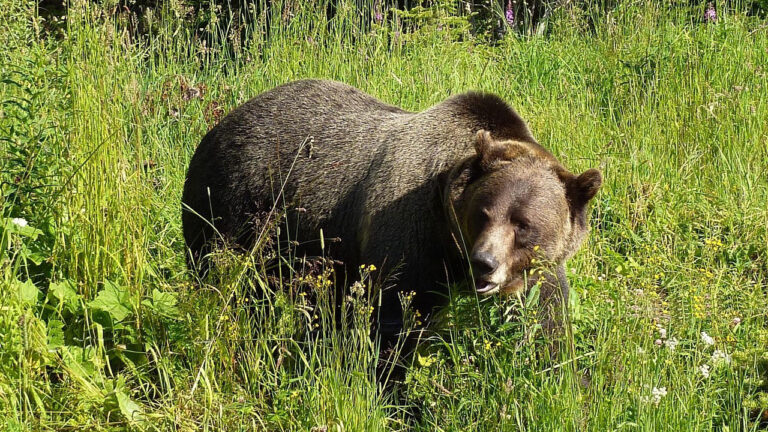
Black bear
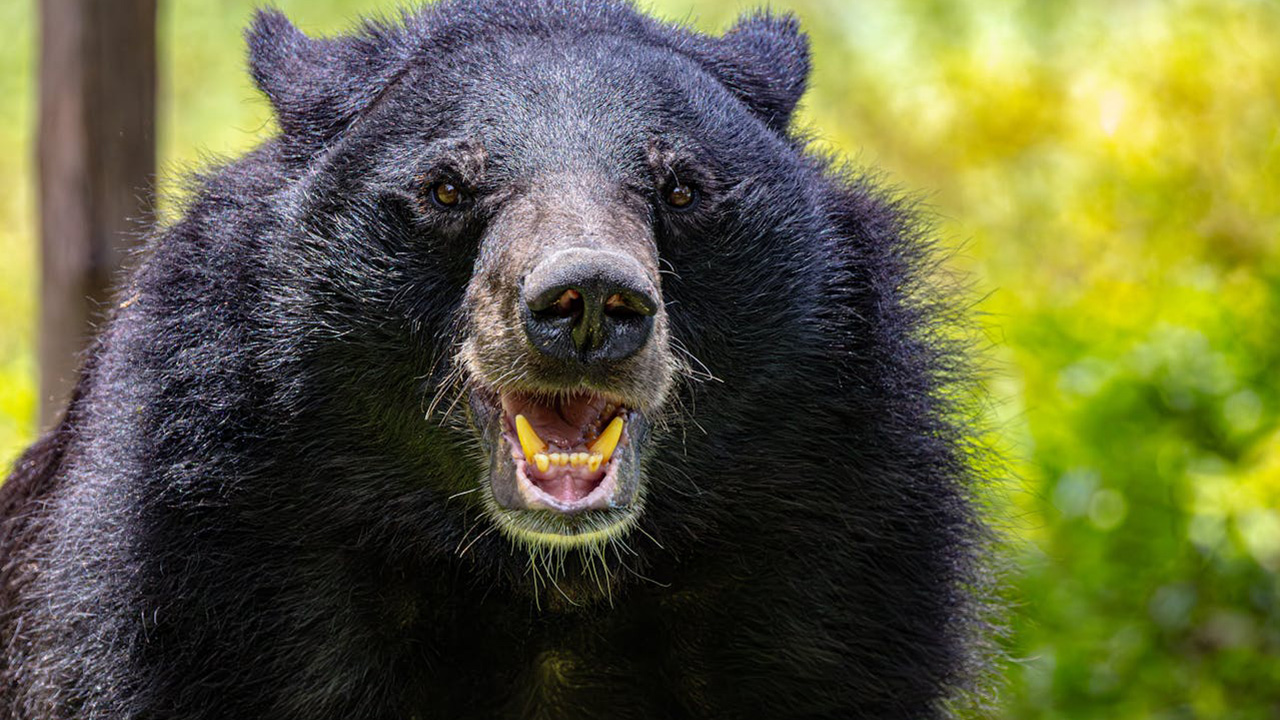
Black bear tracks are large, heavy, and deliberate. The front foot looks almost human, with five toes arranged in a shallow arc and a wide pad behind them. The rear foot is longer, showing a heel that seals the identification. In mud or snow, claw marks often appear ahead of the toes, especially on the front foot.
Bears don’t tiptoe. Their tracks sink deeper than most animals, and the stride usually shows steady, confident movement. You’ll often find bear tracks near food sources—berries, acorns, cornfields, or carcasses—and along logging roads and creek bottoms. If you’re in bear country and see a track that looks human but clearly isn’t, you shouldn’t be debating what made it.
Coyote

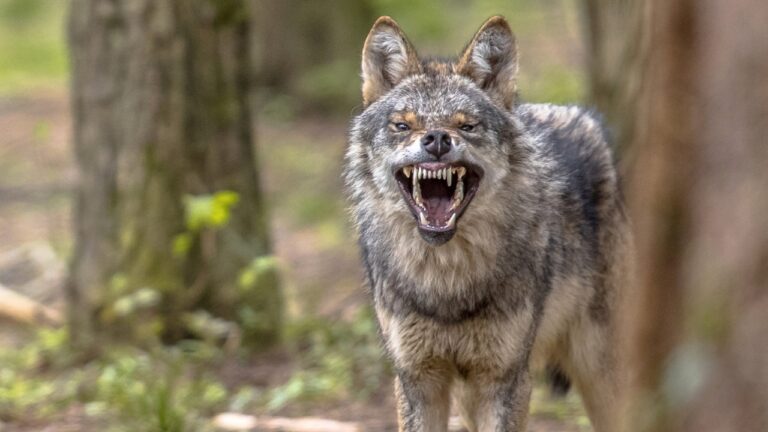
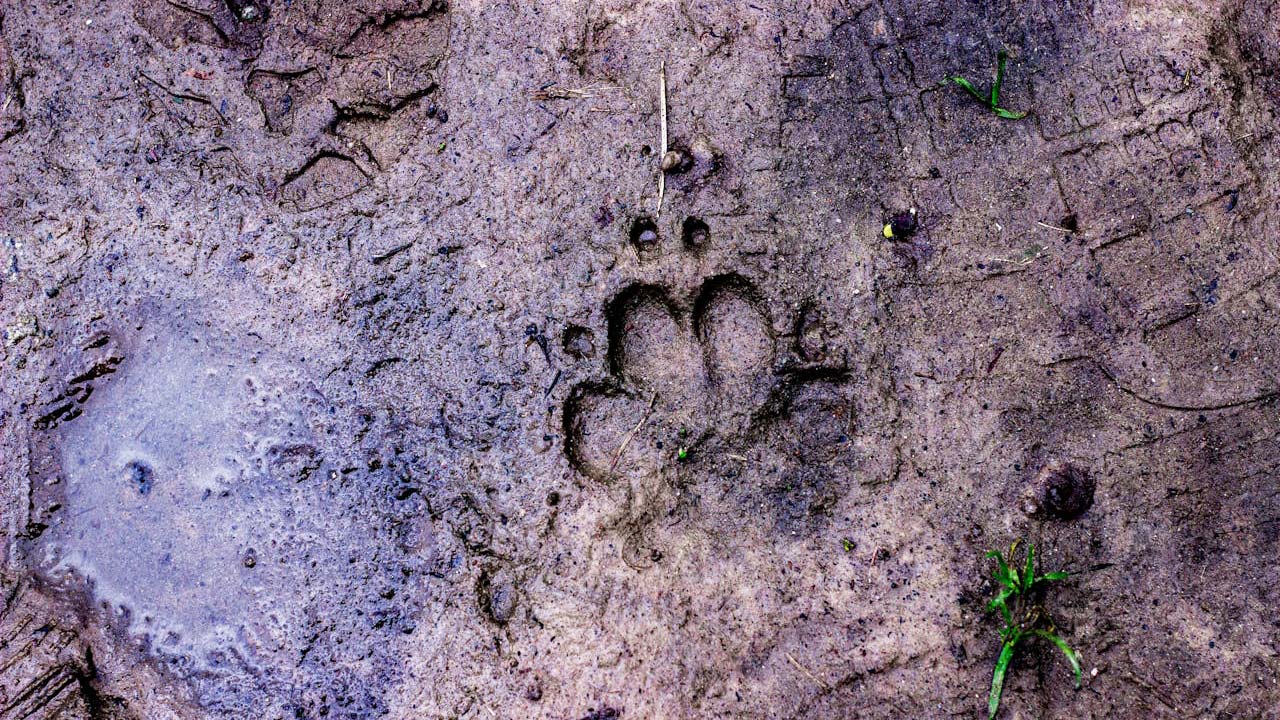
Coyote tracks are clean, narrow, and purposeful. Four toes, visible claws, and a compact heel pad define the shape. The key difference between coyotes and dogs isn’t size—it’s behavior. Coyotes walk in straight lines. Their tracks often line up almost perfectly, one foot landing in front of the other.
You’ll find coyote tracks along field edges, two-tracks, fence lines, and ridge tops where visibility and scent travel are good. They rarely waste steps. If the trail looks like it was drawn with intent, it’s probably a coyote. Learning to trust that pattern will stop you from mislabeling half the predator sign you see.
Domestic dog

Dog tracks are variable, messy, and inconsistent. While the basic structure looks like a coyote—four toes and claws—the behavior tells the real story. Dogs wander. They zigzag, double back, stop, start, and overlap their own tracks constantly.
Toe spread is often wider, and heel pads look softer and less defined. Even large dogs don’t move with the straight-line efficiency of wild canines. When you see tracks bouncing between trails, crossing back and forth for no reason, or milling around without direction, that’s almost always a dog. Being able to rule out dogs quickly keeps you from chasing imaginary predators.
Bobcat

Bobcat tracks are compact, round, and quiet-looking. Four toes, no visible claws, and a heel pad with a distinct shape—two lobes on top and three on the bottom. Size is usually larger than a house cat but smaller than a mountain lion, roughly fitting inside the palm of your hand.
Bobcats often step directly into their previous tracks, making the trail look clean and deliberate. You’ll find them along edges, brush lines, logging roads, and creek bottoms. Once you’ve seen a clean bobcat print, it becomes one of the easiest cat tracks to identify. The lack of claws alone should stop any guessing.
Mountain lion

Mountain lion tracks look powerful even when they’re old. Four toes, no claws, and a large heel pad with three lobes along the bottom edge. The overall print is round and wide, often as large as an adult human palm or bigger.
Stride length and confidence separate lions from smaller cats. They cover ground efficiently and leave long, purposeful trails. You’ll often find their tracks along ridges, game trails, and travel corridors used by deer. If you see a cat track that feels oversized and deliberate, guessing isn’t necessary—you’re looking at a lion.
Raccoon

Raccoon tracks look like tiny human hands pressed into the mud. Five long toes on both front and back feet create a very distinct shape. Front tracks often show up side by side with hind tracks due to their waddling gait.
They’re most common near water, creeks, drainage ditches, and muddy banks. Raccoons are curious and active, so tracks often appear in clusters rather than straight lines. Once you recognize them, you’ll realize raccoons move through far more areas than most people think, especially at night.
Opossum

Opossum tracks look awkward—and that’s because the animal is. Five toes on each foot, with the hind foot showing a long, opposable thumb that sticks out at an angle. That sideways thumb is the giveaway.
Their trails often appear clumsy and uneven, with short stride lengths and odd foot placement. You’ll find them near creeks, barns, wooded edges, and anywhere scavenging opportunities exist. If a track looks strange, asymmetrical, and almost cartoonish, it’s usually an opossum.
Fox
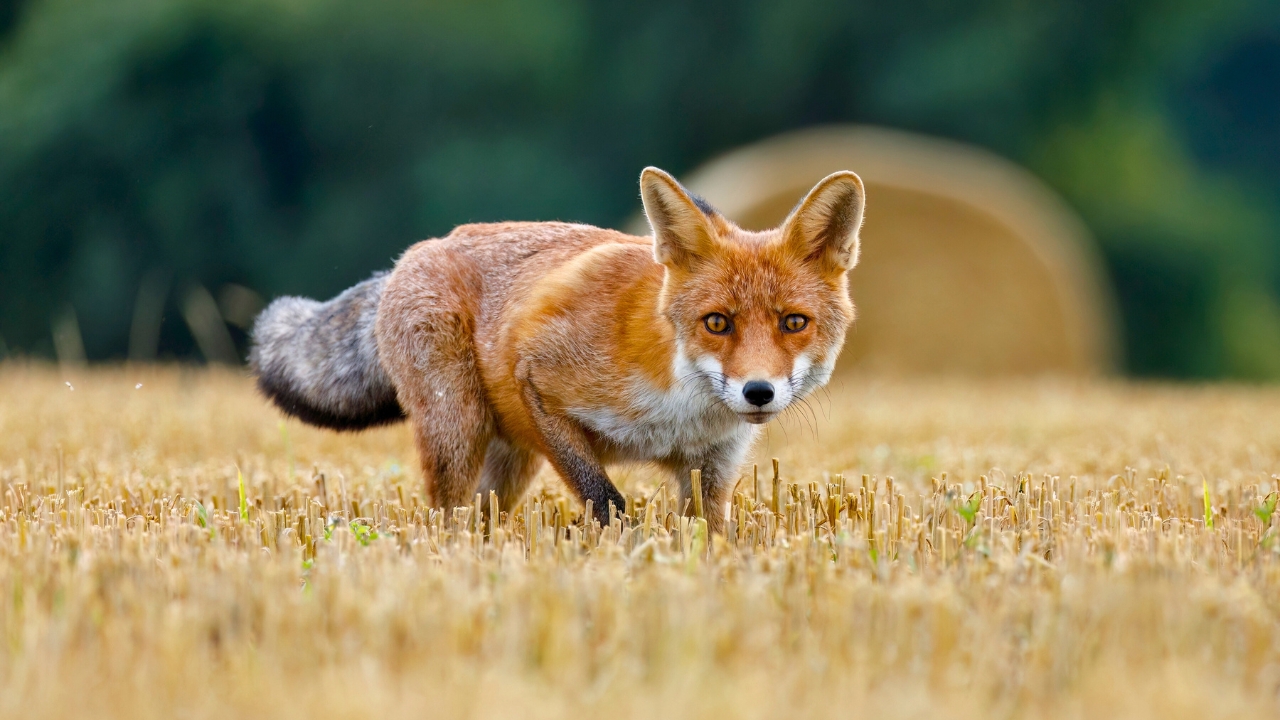
Fox tracks resemble coyote tracks but are smaller, lighter, and more delicate. The toes are tighter, the heel pad is smaller, and the overall impression looks more refined. Foxes often walk with a straight path, but their stride is shorter and less confident than coyotes.
They prefer edges—field margins, hedgerows, and brush lines—and their tracks often appear alone rather than in heavy traffic zones. When you start comparing fox and coyote tracks side by side, the difference becomes obvious. Fox tracks feel light. Coyotes feel committed.
Elk
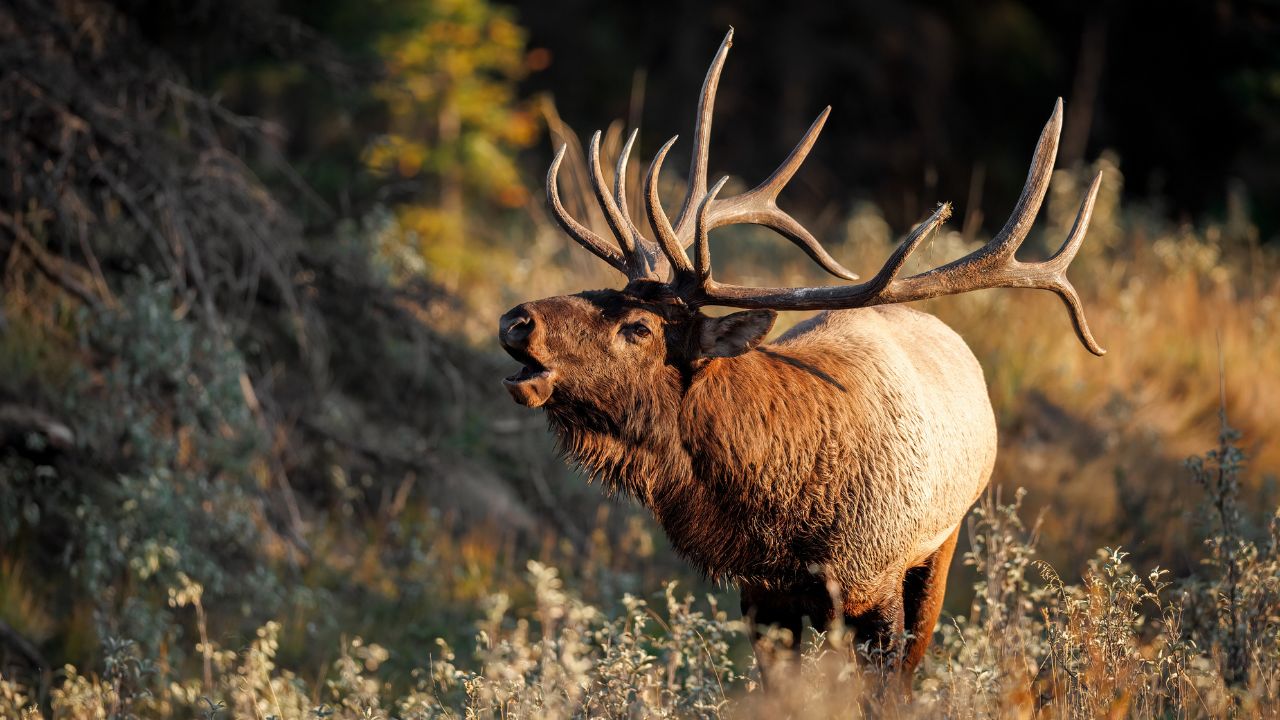
Elk tracks look like oversized deer tracks, but with more rounded toes and deeper impressions. Their weight causes dewclaws to show more frequently, especially in soft soil or snow. The stride is longer, and the trail feels heavier and more worn.
You’ll often find elk tracks in groups, reflecting herd movement, and they tend to follow ridges, benches, and well-used trails. If it looks like a deer track that’s been scaled up and pressed harder into the ground, you’re probably looking at elk.
Moose

Moose tracks are massive and hard to mistake once you’ve seen one. The hooves are wide, rounded, and splay outward significantly in soft ground. The depth alone is often shocking.
Stride length is long, and trails often cut straight through brush and water without hesitation. If you’re in moose country and see a track that makes you stop and say “that’s huge,” you don’t need a second opinion. Nothing else leaves sign like a moose.
Wild hog

Hog tracks resemble deer tracks at a glance but are rounder, wider, and messier. Dewclaws often register even at a walking pace due to weight and body shape.
The surrounding sign matters just as much as the print. Rooted soil, torn-up ground, and wallows usually accompany hog tracks. They move in groups and leave chaotic sign behind. If the area looks abused and the tracks don’t have the clean symmetry of deer, hogs are usually responsible.
Turkey

Turkey tracks are easy once you know them. Three long toes point forward, sometimes with a faint rear toe showing. Size varies by age and sex, with toms leaving larger, wider tracks.
You’ll see turkey tracks in dirt roads, sandbars, fields, and creek edges. They often appear in clusters where birds feed or dust. Once you recognize them, tracks become one of the best ways to locate turkey movement outside of gobbling season.
Beaver

Beaver tracks appear near water and show five toes on the hind foot, often with webbing impressions visible in mud. Front feet are smaller and less defined.
Tail drag marks frequently run between tracks, and chewed trees nearby usually confirm the identification. If you see webbed tracks leading into water with fresh cuttings, there’s no guesswork involved.
Skunk

Skunk tracks are small, five-toed, and usually paired with a waddling gait. They resemble raccoon tracks but are smaller and more delicate.
You’ll often find them near barns, fence lines, and wooded edges. Once you recognize them, you’ll realize skunks move through far more areas than people expect—usually unnoticed until the smell gives them away.
Like The Avid Outdoorsman’s content? Subscribe to our newsletter so you never miss an article.
Here’s more from us: