Photo credit: PeopleImages/Shutterstock.com
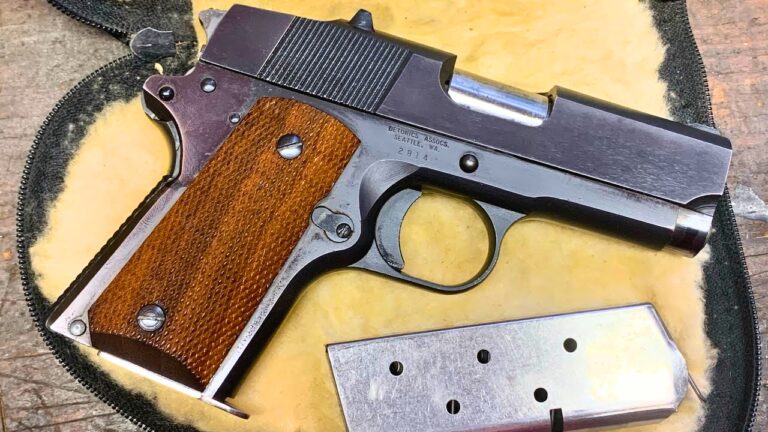
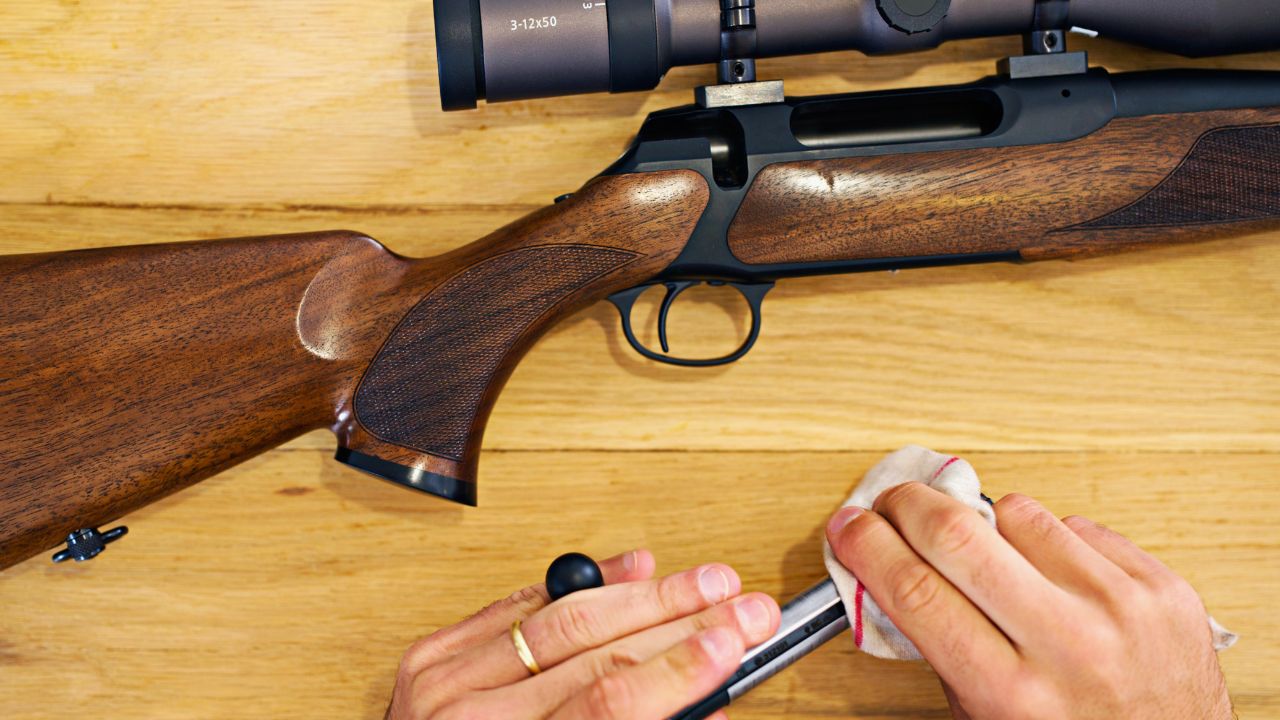
A little neglect can ruin any rifle, but some never really bounce back once they’ve been cleaned the wrong way. Maybe the bore was scraped with a cheap rod, maybe solvent sat too long in the action, or maybe the wrong oil was used and turned sticky. You’ve probably seen it before—a gun that used to group tight suddenly throws shots like it’s bored of aiming. Some rifles are forgiving. Others lose accuracy or reliability permanently after a few careless cleaning sessions. The ones on this list are known for being tough in the field, but surprisingly fragile once someone gets too aggressive with a cleaning kit.
Remington 700

The Remington 700 is a legend, but it’s not immune to cleaning mistakes. The barrel crown and chamber are especially sensitive, and one bad scrape with a steel cleaning rod can throw accuracy off forever. You’ll still hit paper, but the precision that made it famous disappears.
Another issue comes from over-oiling the trigger assembly. Too much solvent or oil seeps inside and gums up the works, causing inconsistent trigger pulls or safety issues. Plenty of hunters have learned the hard way that a little “extra” cleaning can do more harm than good. Once the bore or crown is damaged, the 700 rarely shoots the same again.
Marlin 336

The Marlin 336 is one of the most reliable lever-actions around, but its action doesn’t take kindly to improper cleaning. Strip it down the wrong way, and you’ll scar the receiver or lose parts that never fit quite right again. Many folks over-oil it, too, which turns into a sludge magnet in dusty or cold conditions.
The bore itself is easy to clean from the muzzle, but that’s where many go wrong—ramming a rod straight through without protecting the crown. A little wear there and accuracy starts to wander. Once it happens, there’s no going back without a new barrel.
Ruger Mini-14

The Mini-14 is built tough, but its gas system can be ruined by the wrong cleaning habits. Too many people attack the piston and gas block with harsh solvents or metal brushes, wearing down the finish and inviting corrosion. Others leave solvent behind that hardens like varnish after a few hot rounds.
Once that buildup starts, cycling gets inconsistent and accuracy starts fading fast. The Mini-14 can handle weather, mud, and field use—but it won’t forgive an owner who scrubs metal-on-metal. Keeping it clean is easy; fixing the damage after someone’s been “too thorough” isn’t.
Winchester Model 70

The Model 70 can survive generations if it’s cared for, but a single bad cleaning session can wreck its accuracy. The biggest mistake people make is cleaning from the muzzle. Even a slight nick on the crown changes how gases escape, and your groups will never tighten again.
Overuse of strong copper solvents can also pit the bore if they’re not flushed out properly. It’s one of those rifles that rewards patience and punishes shortcuts. Once the precision edge is gone, you’ll spend months chasing a fix that never really brings it back to where it was.
Savage 110
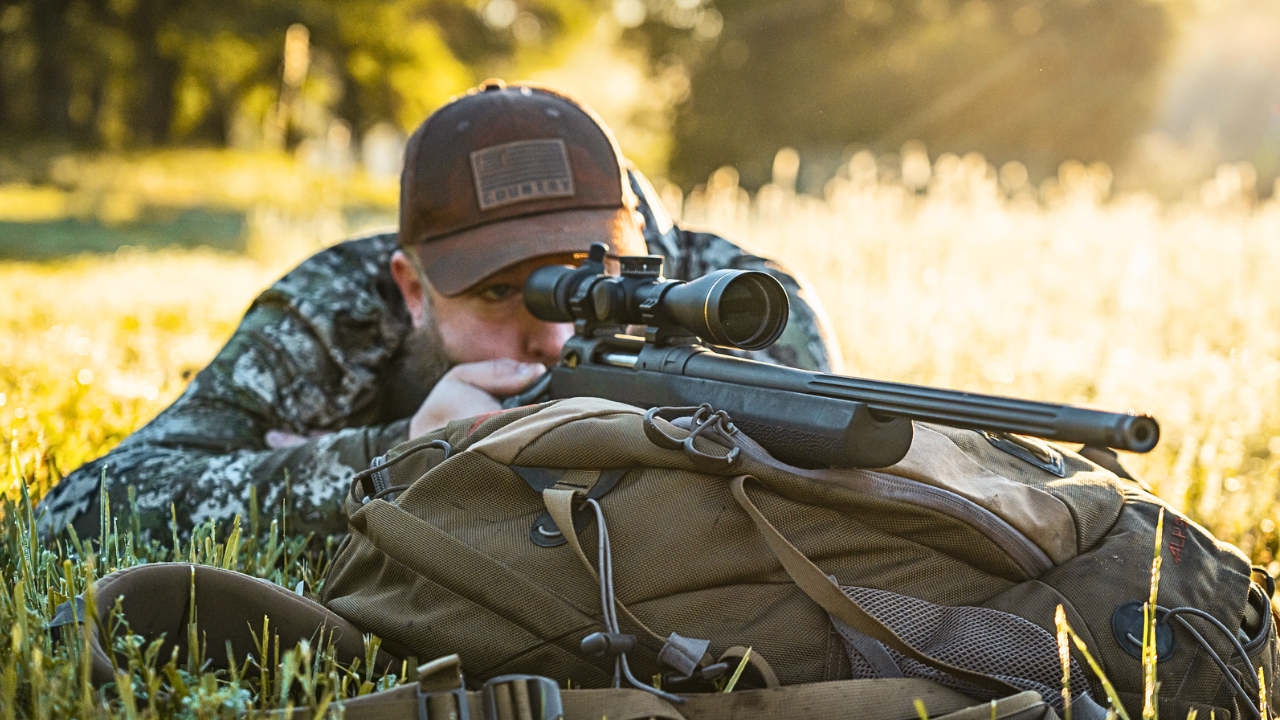
The Savage 110 is known for accuracy, but that floating bolt head and adjustable trigger don’t tolerate neglect. Over-oiling the bolt or letting solvent seep into the AccuTrigger can gum it up fast, leading to inconsistent ignition or light strikes.
Worse, if you clean from the muzzle without a guide, you’ll slowly wear the rifling near the crown. It’s the kind of damage that sneaks up on you—groups start widening, and before long, the rifle that once punched cloverleafs can’t hold a pattern. Once that wear sets in, no amount of cleaning brings it back.
Remington 742 Woodsmaster

The 742 was always sensitive, but improper cleaning made it infamous. Its gas system and rails wear quickly if scrubbed with abrasives or over-lubed. Solvent left in the chamber or bolt lugs can seize the action entirely. Many gunsmiths joke that half the 742s that come through their shop were “cleaned to death.”
Once wear sets in, the action starts to jam no matter how much you baby it afterward. There’s a reason hunters moved on from this model—it doesn’t take kindly to mistakes, and the damage is permanent once it’s done.
Browning BAR

The Browning BAR is beautifully made, but it’s not built for amateur gunsmithing. Disassemble it too far, and you risk losing the smooth cycling it’s known for. Cleaning from the muzzle without a bore guide also eats away at accuracy over time.
The gas piston and linkage are another weak point—too much solvent or oil here can attract carbon buildup that’s nearly impossible to remove later. Once that happens, the rifle starts short-stroking and never feels quite right again. The BAR demands careful, deliberate cleaning—anything more is a gamble.
Tikka T3
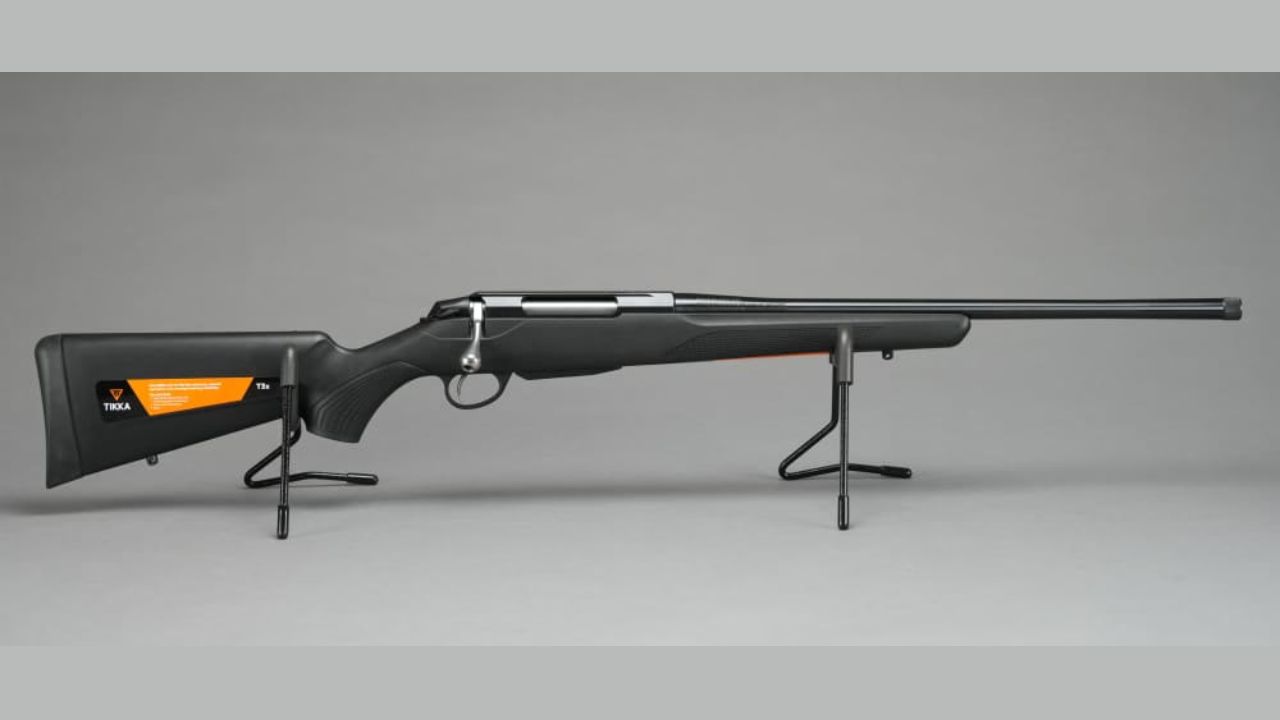
Tikka rifles are famous for smooth bolts and precision barrels, but the same fine tolerances that make them great also make them sensitive to bad cleaning. Too much oil inside the bolt can cause hydraulic pressure and sluggish cycling. Aggressive solvent use strips protective finishes and can even etch the bore if left too long.
These rifles are built to tight specs, and a bit of neglect or impatience can upset that balance for good. Many shooters notice accuracy falling off after “deep cleanings” that were supposed to help. With Tikkas, less is more—and once the bore is overworked, it rarely shoots as tight again.
CZ 527

The CZ 527’s small bolt and tight chamber make it a joy to shoot—but a pain to clean wrong. Too much solvent can seep into the trigger group and freeze up the set trigger mechanism. Worn crowns from careless muzzle cleaning also plague older rifles.
Once that precision edge is gone, you’ll notice your handloads suddenly stop performing. Many of these rifles lose their edge permanently after someone uses steel rods or wire brushes. They’re beautifully made, but not forgiving when handled roughly.
Ruger American Rifle

The Ruger American delivers great performance for the price, but its polymer stock and bedding system can trap solvent and oil if you clean it while it’s still assembled. That buildup can slowly soften the bedding and shift your zero over time.
Add in the common mistake of cleaning from the muzzle and you’ve got a rifle that can lose its accuracy long before the barrel’s worn out. Once the crown’s damaged or bedding starts to loosen, the rifle never really settles back in. It’s a perfect example of how being “too thorough” can ruin a good thing.
Like The Avid Outdoorsman’s content? Be sure to follow us.
Here’s more from us:
The worst deer rifles money can buy
Sidearms That Belong in the Safe — Not Your Belt
*This article was developed with AI-powered tools and has been carefully reviewed by our editors.