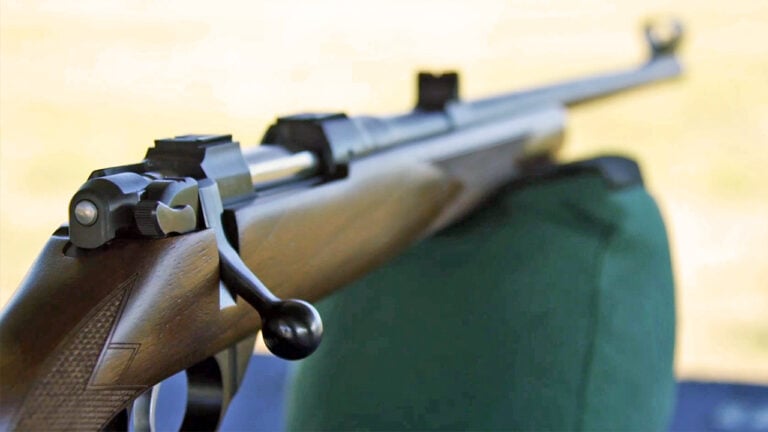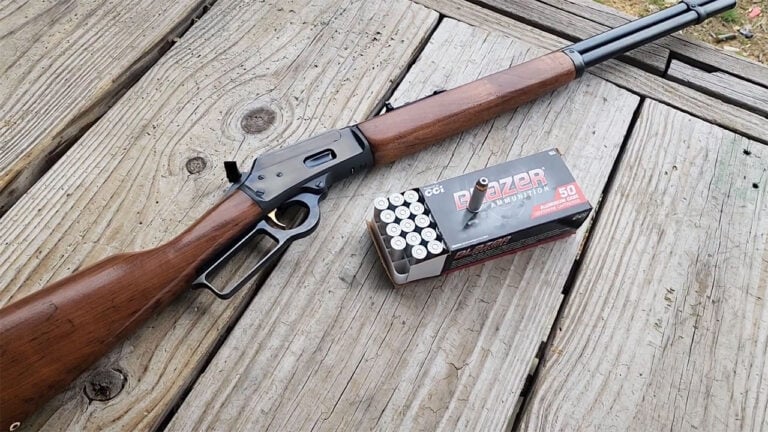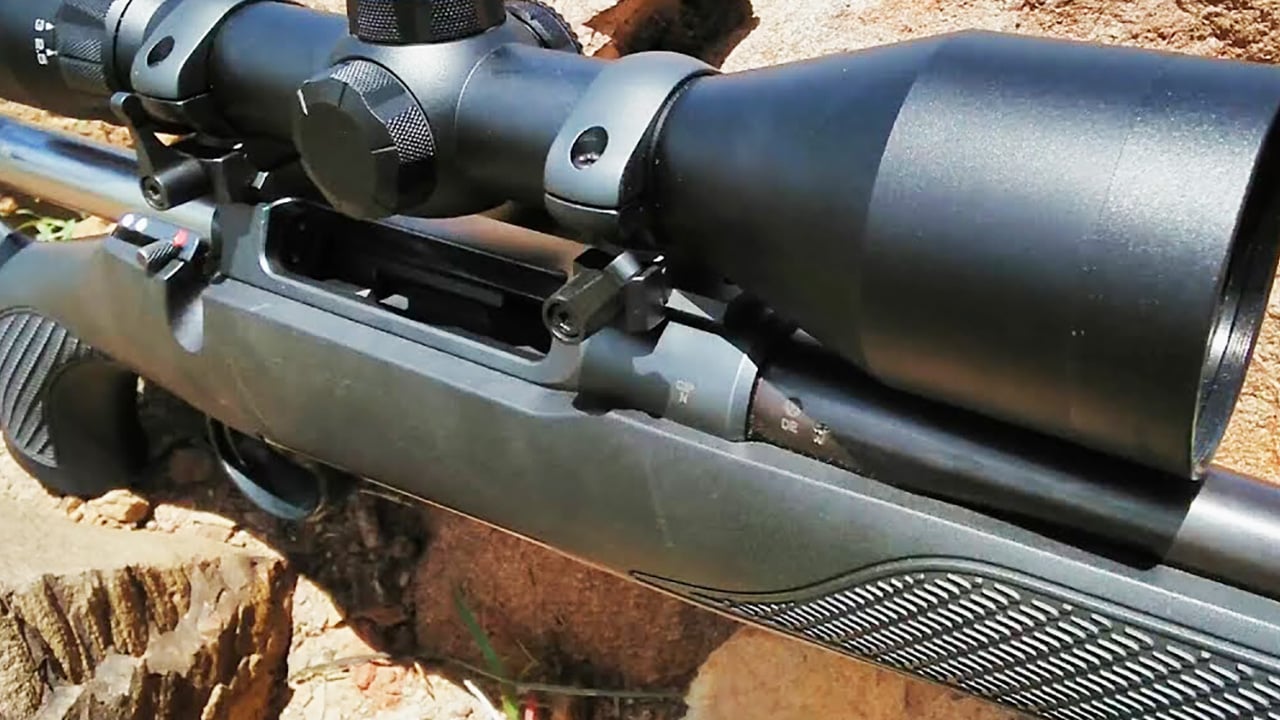
Photo credit: Shooting Stuff Australia/Youtube
You can spend a month’s mortgage payment on a rifle and still get humbled by a “budget” bolt gun that just flat-out shoots. I’ve seen it on dusty public ranges and on calm weekday mornings when a guy shows up with a plain rifle, a basic scope, and stacks little groups like it’s no big deal. The funny part is, the barrel and action are rarely the problem on these value-priced rigs. It’s usually the stock. Flex, lousy bedding, a forend that kisses the barrel off a bipod, or a comb that never lines you up the same way twice.
Here are 20 bolt rifles that can run with pricier options on accuracy, right up until the stock starts acting like the weak link.
1. Ruger American Rifle

I’ve watched a Ruger American print groups that made a guy with a slick, glossy “legacy” rifle start checking his scope rings. Ruger got the important stuff right: decent barrels, consistent chambering, and that V-block bedding system that helps the action sit the same way shot to shot. The trigger is usually plenty usable, and for hunting accuracy it’s hard to argue with the results.
The catch is the factory synthetic stock can feel like a wet noodle, especially up front. Load a bipod or rest it hard on a bag and you can get forend flex that changes point of impact if it’s contacting the barrel. It also has a “hollow” feel that doesn’t help follow-through. Plenty of folks fix it with an aftermarket stock or chassis, but out of the box the stock is what keeps it from feeling like a more expensive rifle.
2. Savage Axis II

The Axis II is one of those rifles that quietly embarrasses pricier guns when you actually shoot groups instead of talking about them. Savage barrels have a long history of shooting straight, and the AccuTrigger (or their updated versions) helps regular hunters break cleaner shots than they could with a heavy, creepy trigger. It’s not fancy, but it tends to be honest.
Then you grab the stock and remember where the price went. The injection-molded stock can be flimsy, and the ergonomics are “good enough” instead of comfortable. If you sling it tight or torque it weird on a barricade, it can shift things around. As a deer rifle it’ll work all day, but if you’re trying to wring every bit of consistency from a bipod, the stock is the first thing you’ll want to address.
3. Savage 110 Apex Hunter XP

The Savage 110 action has put meat in freezers for decades, and there’s a reason you still see them everywhere. Even the package-gun versions can shoot far better than their price tag suggests, especially with decent ammo. The floating bolt head design tends to help with lug contact and consistency, and the AccuTrigger is usually a strong point.
Where the “Apex Hunter” style setups stumble is the furniture and the overall feel. Some factory stocks are fine; some feel like they were designed around cost first and shooter fit second. Comb height can be wrong for modern optics, and the forend can have enough give to mess with a free-floated barrel under pressure. When you’re chasing tiny groups, that inconsistency shows up fast. The core rifle can shoot. The stock sometimes makes you work harder than you should.
4. Tikka T3x Lite (factory synthetic stock)
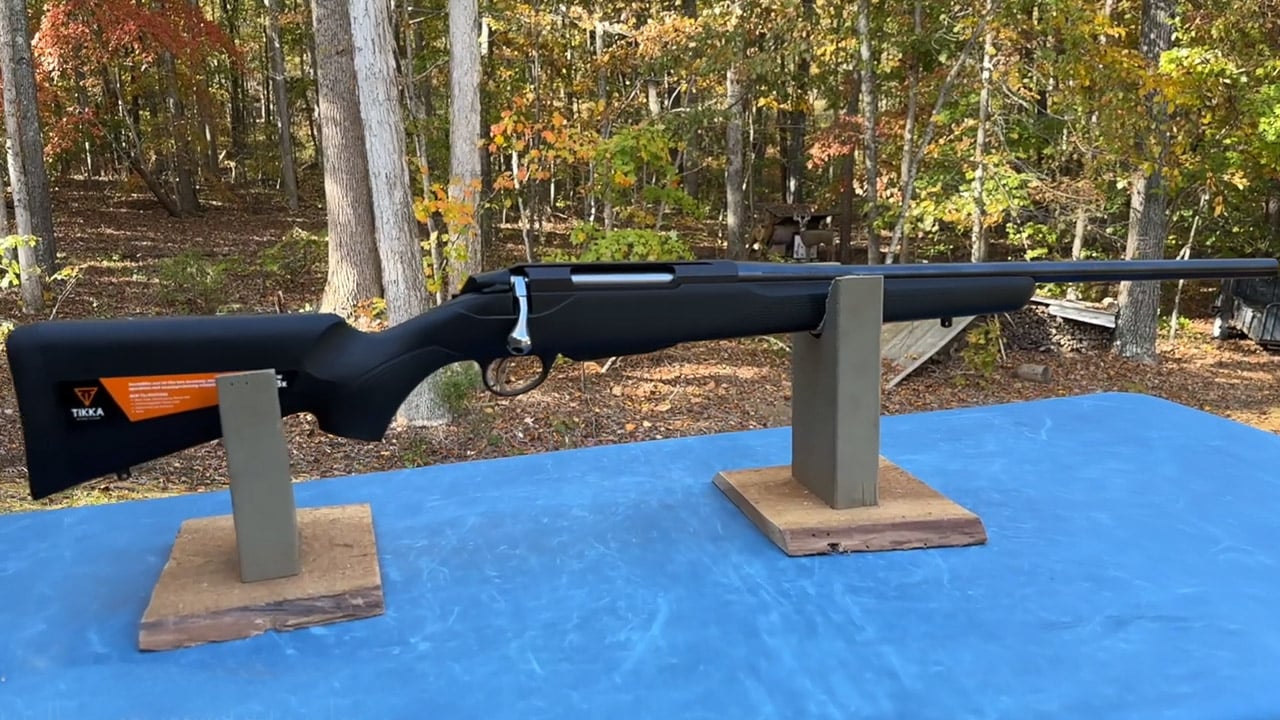
This one ruffles feathers because the Tikka is not “cheap,” but it absolutely punches above what it costs compared to a lot of boutique rifles. Tikka barrels have a reputation for shooting with almost boring reliability, and the action is smooth enough that it makes other rifles feel like they’re full of sand. If accuracy was only barrel-and-action, this thing would be hard to beat for the money.
The factory synthetic stock is better than most budget stocks, but it’s still the weak point if you start pushing the rifle into “precision” use. The forend can flex with aggressive bipod loading, and the grip/comb geometry isn’t for everybody. In cold weather with gloves, little fit issues feel bigger. Many hunters never notice any of it, but if you’re the kind of shooter who rides bags and cares about repeatable cheek weld, the stock is what keeps the T3x Lite from feeling like a semi-custom.
5. Howa 1500 Hogue Overmolded (standard, not full aluminum bed)

Howa 1500s are sleepers. Solid actions, good barrels, and they tend to shoot like they mean it. I’ve seen them stack three-shot clusters that had no business coming from a rifle wearing a budget optic. They also feed and extract with a confidence that’s comforting when you’re hunting in rain or grit.
The common Hogue overmolded stock feels nice in the hand, but the standard version can be too flexible for consistent bipod work. Clamp it in a rest, load it hard, or shoot off a pack with pressure on the forend and you can see the groups open up or wander. It’s frustrating because the rifle itself is usually doing its job. If you step up to a stiffer stock or one with a full-length bedding block, the “mystery flyers” often disappear.
6. Remington 783

The 783 is one of those rifles that makes you admit modern manufacturing can produce real accuracy on a budget. With the right load, they can shoot surprisingly tight, and the platform is straightforward for a working hunting rifle. You’ll see them in camps because they’re affordable and they generally deliver where it counts.
But the factory stock is often the compromise. Some feel clunky, some feel too light in the wrong places, and the forend can be a problem if you rest it hard. The comb height can also be awkward with common scope setups, leading to inconsistent cheek weld. That inconsistency is a sneaky accuracy killer because it shows up as “me problems” until you switch rifles and suddenly you’re back in the center. The 783 can shoot. The stock can make it harder to shoot well.
7. Thompson/Center Compass
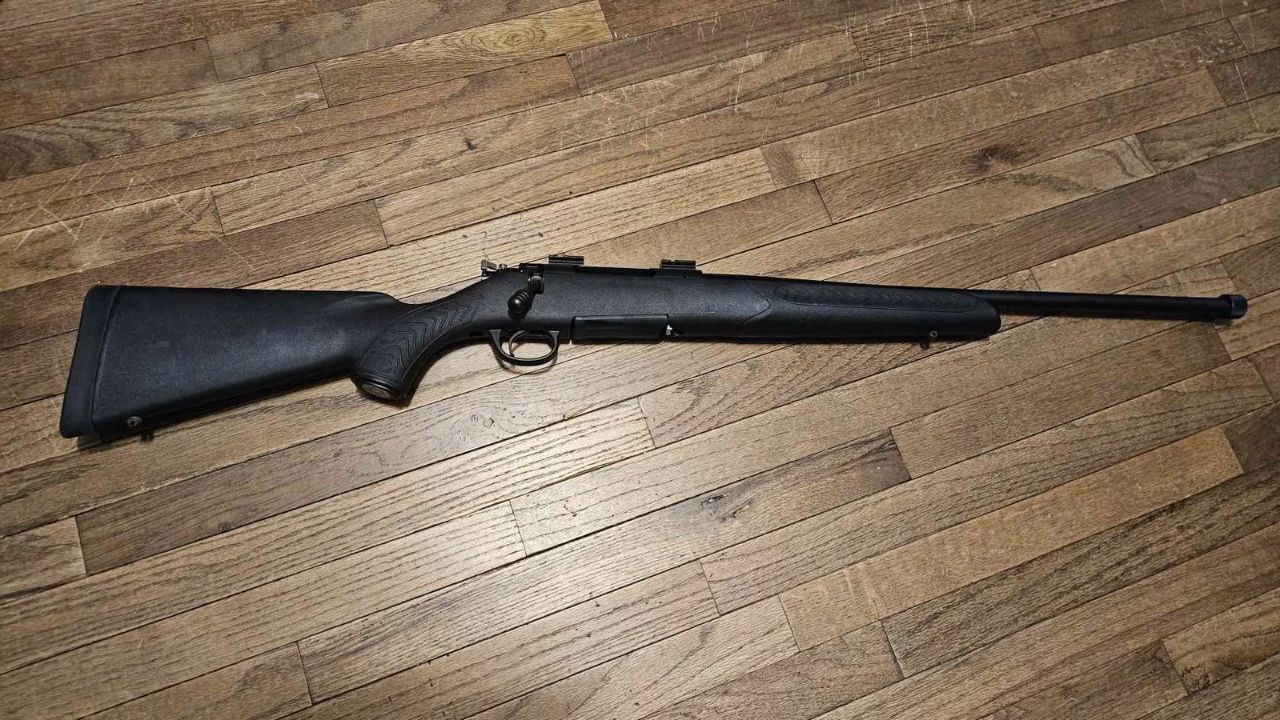
The Compass has earned a reputation for shooting better than it “should.” Barrels on these can be legit, and plenty of hunters have found that it will keep bullets where they belong out to normal big-game distances with very little fuss. The action isn’t glamorous, but it tends to do the job without drama.
The stock is where you remember it’s a value rifle. The molded feel and flex can be noticeable, and the ergonomics don’t fit everyone. If your cheek weld is inconsistent, your eye position behind the scope changes, and that turns into vertical stringing before you know it. It’s also a rifle that can feel a little “toy-ish” until you carry it a season and stop caring. If you want maximum performance, a stiffer stock makes the Compass feel like a different rifle.
8. Mossberg Patriot
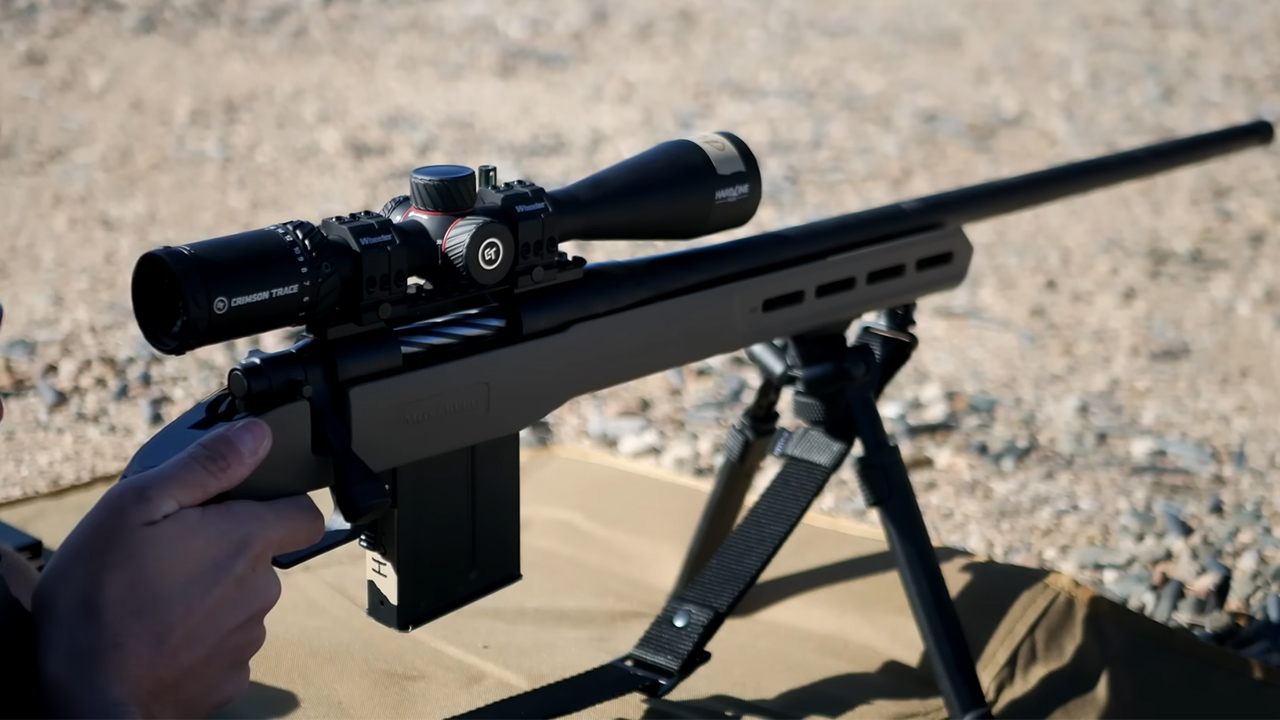
Mossberg’s Patriot line has surprised plenty of shooters. When you get one that likes a certain factory load, it can absolutely hang with rifles wearing fancier names. It’s also a handy, straightforward hunting rifle that carries easy and doesn’t beat you up in the wallet.
The stock, though, can be the source of the headaches. Some of the synthetic versions feel flexy, and some of the wood stocks look good but don’t always give you the most stable bedding surface. Add in a scope mounted a little high and you’re fighting cheek weld all over again. I’ve also noticed that some Patriots are more sensitive to how the front action screw is torqued than you’d expect. When the rifle is “on,” it shoots. When the stock setup is off, it can turn into a confidence problem fast.
9. Winchester XPR

The XPR doesn’t get the same internet love as some others, but it can flat-out shoot. The action is usually smooth enough, the trigger is generally decent, and accuracy is often better than the price bracket suggests. It’s a rifle that works for the guy who just wants a tool that hits where it’s pointed.
The issue is the stock feel and fit. The factory synthetic stock can be a little dead and awkward, and depending on the shooter, the grip angle and comb can make consistent head position tough. It’s not that it’s unusable; it’s that it’s not helping you. When you’re trying to shoot tight groups off bags, any little inconsistency shows up. For a hunting rifle, you can live with it. For “prove it on paper” days, the stock can be the part you complain about.
10. Bergara B-14 Hunter (factory sporter stock)
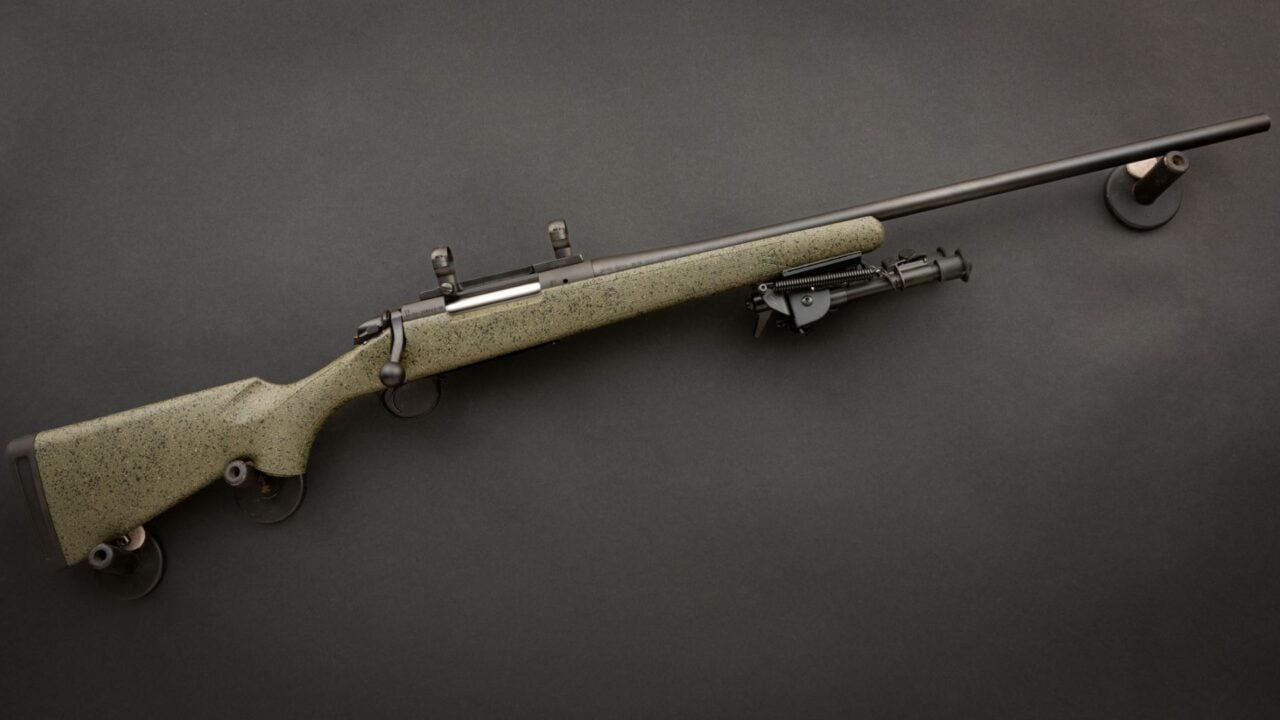
Bergara barrels have built a real reputation, and the B-14 line often shoots like it cost a lot more. The action is solid, the rifles tend to be consistent across different ammo, and they’re usually “easy” to shoot well. I’ve seen B-14s make new shooters look like they’ve been doing it for years.
The Hunter stock is fine for hunting, but it’s not a precision stock, and that matters if you’re comparing it to higher-end options. The forend isn’t always ideal for bipods and bags, and the comb height can leave you chasing a perfect cheek weld depending on your scope height. It’s a classic case of a rifle that’s better than its furniture. The barrel and action are ready for serious accuracy work. The stock is what reminds you it’s still built to a price point and a hunting brief.
Free for gun owners: If something happened to you tomorrow, would your family know where the guns are, who has the safe combination, or what to do first? Our free Gun Owner’s Family Checklist walks them through it. It takes about 15 minutes to fill out. Get your free copy here.
11. CZ 600 Alpha

CZ makes rifles that tend to shoot, and the 600 Alpha is no exception. The action is smooth, the barrels can be excellent, and it often produces groups that surprise guys who assume “polymer stocked” means “cheap and sloppy.” As a practical hunting rifle, it’s a strong option that doesn’t need babying.
The stock is functional, but it’s not always confidence-inspiring when you start leaning into positional shooting or heavy bipod use. Some shooters also find the geometry a little “European practical” instead of classic American hunting fit, which can be great or annoying depending on your build. The feel can be a little hollow, and small fit issues become big when you’re trying to shoot small. The rifle has accuracy in it. Whether you can consistently access it often comes down to how well you and that stock get along.
12. Browning AB3
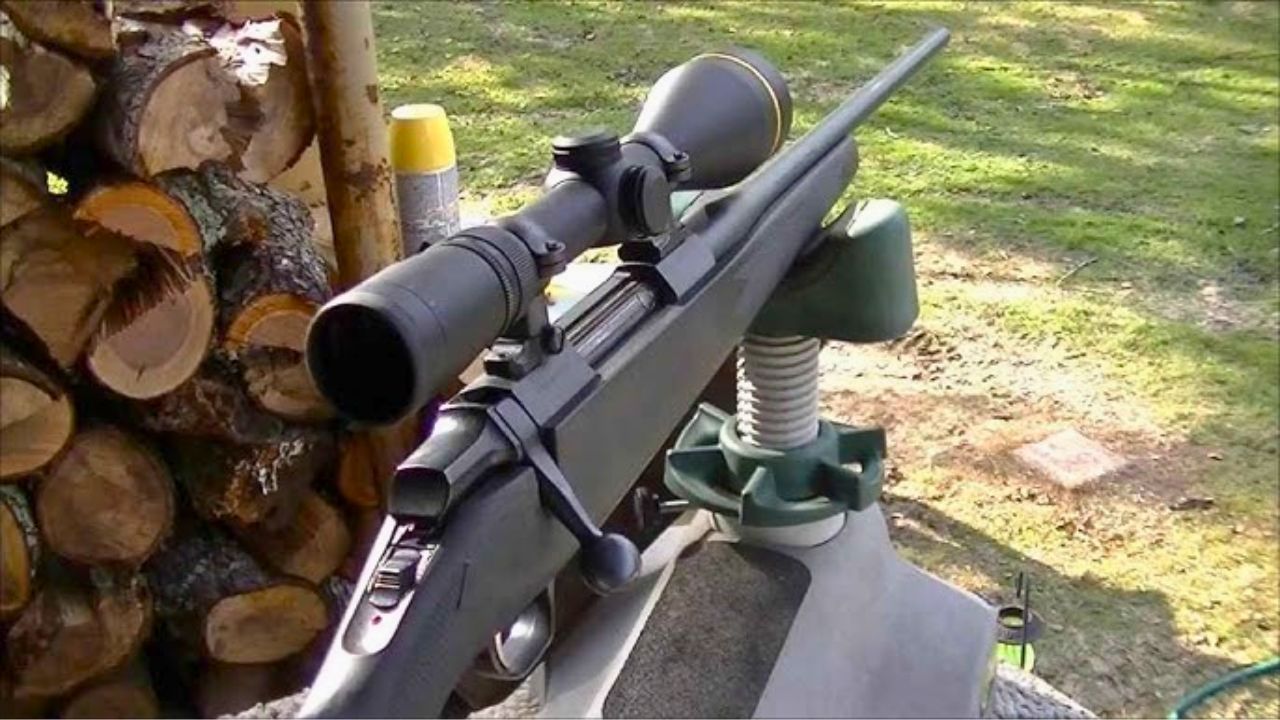
The AB3 is one of those rifles that doesn’t get enough credit because it’s not the flagship model. Still, many of them shoot very well, and the action is generally reliable. For a basic big-game rifle, it points naturally and carries nicely, which counts for more than benchrest bragging rights in real hunting.
The stock is where Browning kept it in a lower price lane. Fit and finish can be perfectly acceptable, but the overall stiffness and bedding consistency isn’t always what you get on more expensive rifles. Comb height can be a touch low for some scope setups, leading to that “chin weld” that never feels repeatable. When a rifle is accurate but hard to shoot consistently, the groups on paper don’t tell the whole story. The AB3 can absolutely get it done, but the stock may not feel like it’s on the same level as the barrel.
13. Weatherby Vanguard Synthetic

The Vanguard has a long record of being a dependable, accurate workhorse. They’re not flashy, but they shoot, and they tend to feed and extract like a rifle that was designed for actual field use. If you want a rifle that can live in a truck during season and still stack bullets where you aim, the Vanguard is in that conversation.
The factory synthetic stock can be the “good but not great” component. Some are plenty stiff; some feel like they could use more structure up front. It’s also a rifle that can be a little heavier than the ultra-light crowd, so when you add a scope and sling, you notice it on long walks. If the stock doesn’t fit your shoulder pocket well, you’ll feel it in recoil and in how you break shots. The action and barrel can run with nicer rifles. The stock is what keeps it from feeling truly refined.
14. Remington 700 ADL (factory tupperware stock)
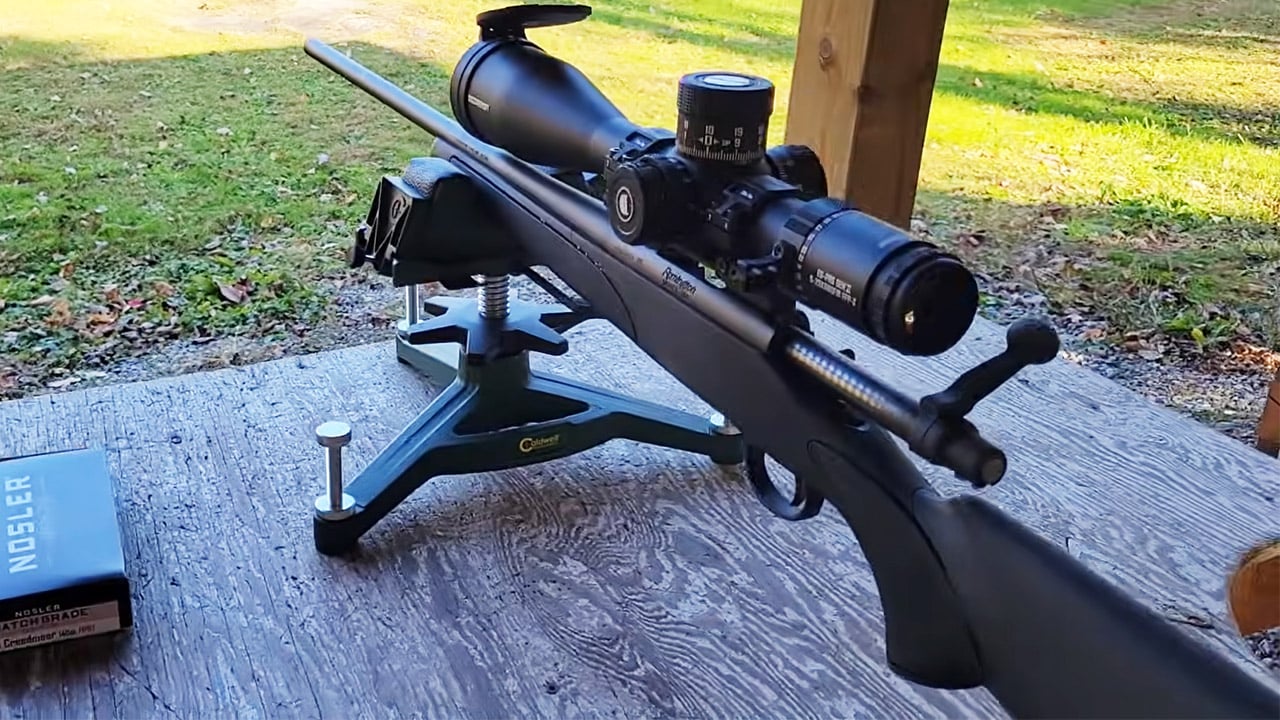
You don’t have to love Remington’s ups and downs to admit the basic 700 pattern can shoot. A lot of ADL rifles will group better than their owners do, and the aftermarket support is basically endless. If you want to build later, it’s hard to beat a rifle that has parts everywhere and smiths who know it inside and out.
The weak link on many ADL packages was the factory stock. Flexible forends and mediocre bedding surfaces can make the rifle feel inconsistent, especially off rests. The comb often doesn’t set you up well for modern optics, and the whole setup can feel “cheap” even when the barreled action is solid. It’s the classic story: a good engine bolted into a budget chassis. Swap the stock and you often find out the rifle was better than you thought all along.
15. Ruger M77 Hawkeye (older factory synthetic stocks)
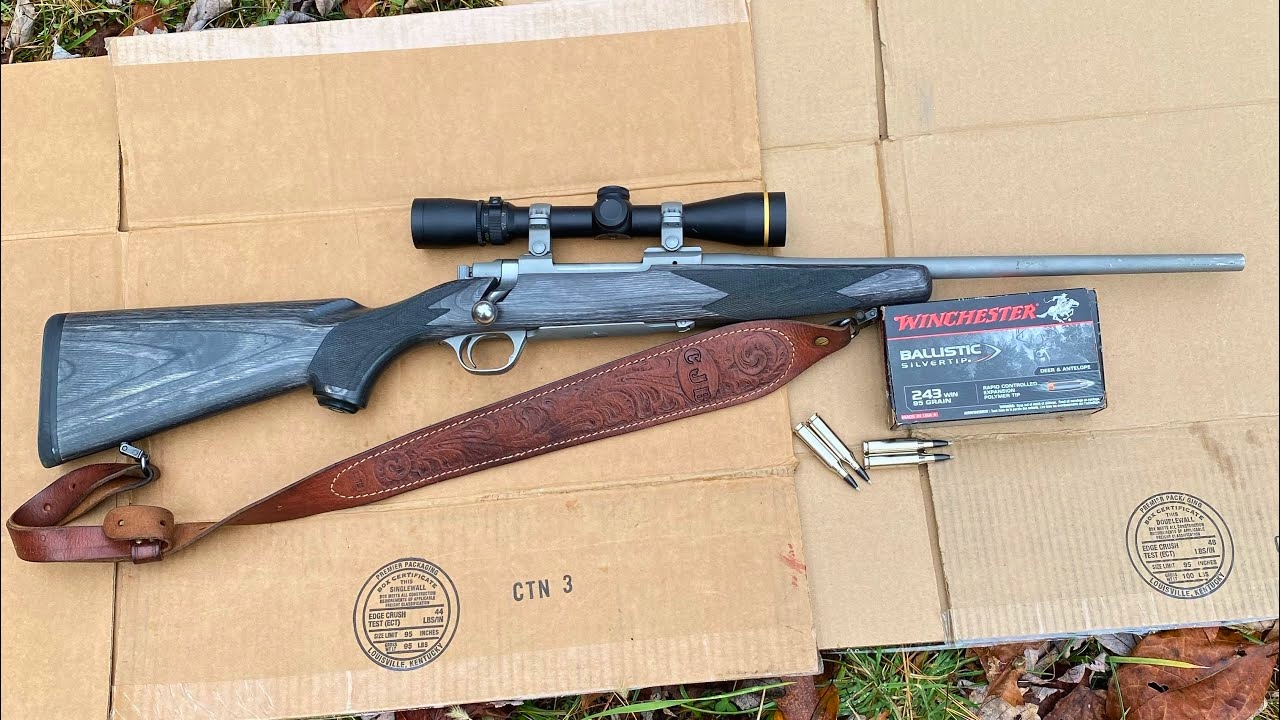
The Hawkeye isn’t a budget rifle, but it’s another one that can embarrass higher-dollar rigs because it’s built like a tool. Controlled-round feed, rugged action, and they tend to be dependable in ugly weather. Plenty of Hawkeyes shoot very well with hunting bullets, and they carry with a balance that just feels “right” when you’re slipping through timber.
Some of the older factory synthetic stocks, though, weren’t doing the rifle any favors for pure accuracy work. Flex and bedding variability can show up, and certain rifles get a reputation for being a little finicky until you find what they like. The angled front action screw arrangement can also make stock fit and bedding more important than folks assume. When everything is lined up, they shoot great. When it isn’t, you can chase your tail blaming the scope, the ammo, and your own trigger pull.
16. Sako S20 (factory modular stock setup)
The Sako S20 is a slick rifle with real accuracy potential, and it’s not unusual to see them shoot tiny groups right out of the gate. The action is smooth, the barrels are legit, and the whole package feels like it was designed by people who actually shoot. In terms of raw capability, it can run with rifles that cost more.
But the stock system is also where opinions split. The modular design is smart, yet not everyone likes how it interfaces with their body, especially when switching between hunting and range positions. Some setups feel a little bulky, and if your cheek weld isn’t naturally consistent on that comb, you’ll see it in your groups. It’s not “bad,” it’s just not automatic for every shooter. With a high-end rifle, you expect the stock to disappear and let you focus on the shot. If it doesn’t, you notice it more because of what you paid.
17. SIG Sauer Cross (factory folding stock)
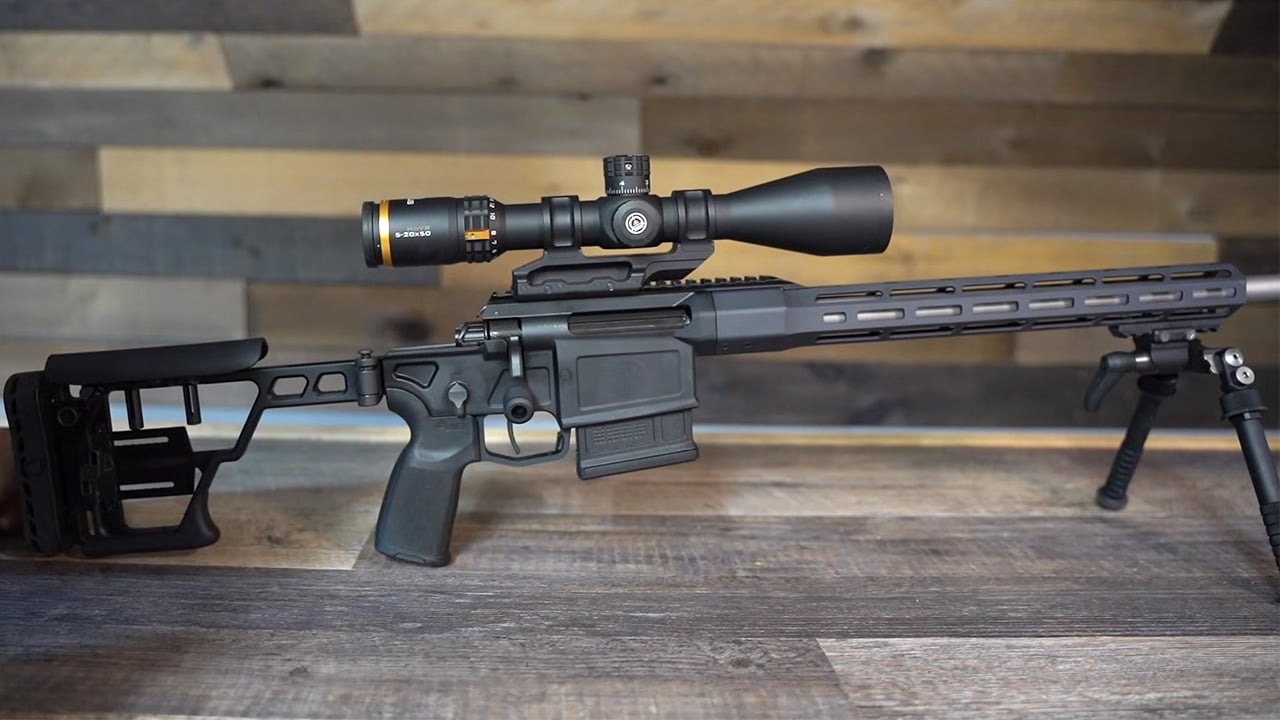
The Cross is a rifle that can shoot, no question. When they’re sorted and paired with ammo they like, accuracy is often impressive for a lightweight, portable bolt gun. The design is handy for hauling into steep country, and the overall concept makes sense for the guy who wants one rifle to hunt and to ring steel.
The stock setup is also where some of the complaints live. Folding mechanisms, adjustable parts, and lightweight designs can introduce little wobbles or odd ergonomics if everything doesn’t lock up the way you want. Even small movement you can feel at the shoulder or cheek is enough to mess with consistency when you’re trying to print tight groups. The Cross can feel “alive” in recoil because it’s light, and if your position isn’t solid, you’ll think the rifle is less accurate than it really is. It’s capable. The stock feel is what divides owners.
18. Christensen Arms Ridgeline (factory carbon-stock variations)

When a Ridgeline is good, it’s really good. Lightweight, easy to carry all day, and plenty of them will stack tight groups with the right ammo. In mountain hunting circles, that kind of carry-and-shoot performance is the whole point. A rifle that doesn’t punish you on the climb but still holds precision is hard not to like.
The problem is that lightweight stocks and stiff barrels don’t always play nice if the bedding and fit aren’t dead-on. Even small inconsistencies get magnified in a light rifle. Some factory stock variations feel great; others feel like they transmit recoil weird and make it harder to call your shot. If the stock geometry doesn’t put you behind the gun the same way every time, your groups will show it. That’s the frustration: the barrel can be excellent, the price is up there, and you still end up focusing on stock fit more than you expected.
19. Sauer 100 (factory synthetic stock)

The Sauer 100 is one of those “if you know, you know” rifles. They can shoot extremely well, the action is smooth, and they have that clean European feel that makes some mass-market rifles seem rough. It’s a serious hunting rifle that doesn’t need a bunch of tinkering to be accurate.
The factory synthetic stock is serviceable, but not everyone loves the feel, and stock fit is personal in a way internet arguments never capture. If the comb and grip don’t put your head in the right place behind your scope, you’ll struggle to take advantage of the rifle’s mechanical accuracy. In wet conditions, the texture and shape matter too, because you’re trying to keep the rifle seated the same way under recoil. The Sauer will often outshoot what you paid for it compared to “name-only” expensive rifles. But if the stock doesn’t fit you, it won’t matter.
20. Kimber Hunter (factory synthetic stock)

Kimber’s light hunting rifles have a loyal crowd for a reason: when you get one that’s dialed, it carries like a dream and shoots well enough to make long shots feel calmer. The whole idea is a trim rifle that doesn’t feel like a fence post on your shoulder. For guys who walk a lot, that matters more than benchrest bragging rights.
Lightweight stocks are hard to get perfect, and that’s where the Hunter can become a love-or-hate rifle. The stock can feel a little “springy” compared to heavier setups, and recoil management is more demanding because the rifle doesn’t have mass to soak it up. If the comb shape and length of pull don’t match you, you’ll notice it immediately with anything above mild cartridges. None of that means it can’t be accurate. It means you have to be more intentional, and the stock is often the deciding factor in whether the rifle feels like a bargain or a headache.
It’s easy to get wrapped up in barrel steel, action names, and whatever the latest internet favorite is. But if you want a rifle that actually prints where you aim in real field positions, pay attention to the stock like it’s part of the accuracy system—because it is. A stiff, well-fitting stock with repeatable cheek weld will make an “average” rifle look better, and it’ll let a budget tack-driver show you what it can really do. Ask me how I know.
Like The Avid Outdoorsman’s content? Subscribe to our newsletter so you never miss an article.
Here’s more from us: