Photo credit: czusafirearms/Youtube
Gun culture is funny like that. The rifles that get posters, hype videos, and breathless forum threads are usually the ones with a “story” attached. Meanwhile, the plain-jane workhorses sat in farm trucks, rode behind pickup seats, and leaned in the corner of deer camps for decades without anybody calling them “collectible.”
But once enough folks figured out that boring rifles tend to be the ones that actually got used—and once manufacturers “updated” them into something else—collectors started paying for practical. Not for fancy. Not for rare engraving. For rifles that do the job, don’t complain, and don’t ask for much.
1. Ruger M77 Mark II (stainless/synthetic)

This one is the definition of a working rifle. Controlled-round feed, tank-like construction, and you can drag it through a wet season without feeling like you’re committing a crime. It’s not graceful, and the factory triggers weren’t everyone’s favorite, but they were consistent and safe.
The reason these climbed is simple: hunters keep them. When a rifle rides in the ATV scabbard, gets leaned on in the blind, and still prints where you left it, you stop shopping. Stainless/synthetic Mark IIs in common chamberings are getting harder to find un-bubba’d.
2. Remington Model 700 ADL (older walnut, blind magazine)

For years, the ADL was the “cheapest 700,” meaning it got dismissed. No floorplate, plain wood, and usually a budget scope on top. Most of them lived their lives taking one deer a year and then going back in the closet.
Now the older ones—especially clean, unmodified examples—are getting attention because they represent what a basic hunting rifle looked like when basic still meant steel and walnut. They also balance well, and plenty shoot better than they have any right to with factory barrels.
3. Winchester Model 70 Featherweight (pre-2008 controlled-round feed)
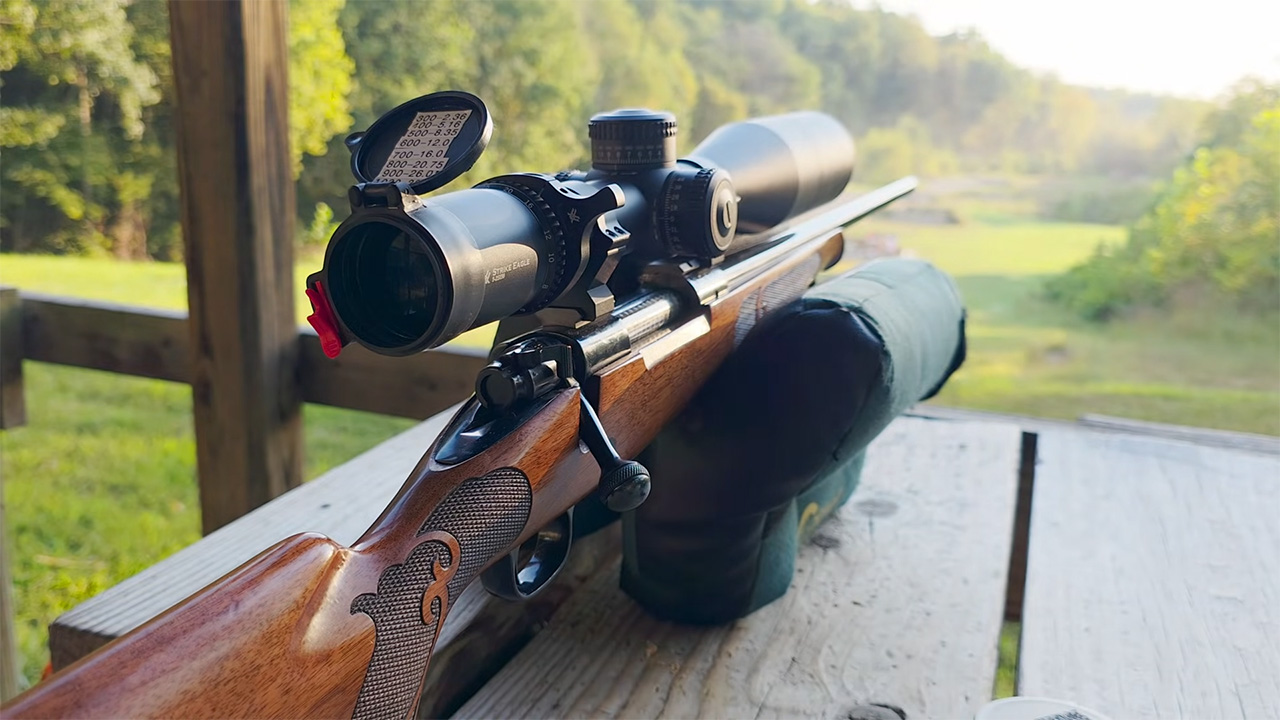
The Featherweight was never a “tacticool” darling. It was for the guy who walked. Slim barrel, good carry, and it points like you’re supposed to be shooting offhand at a buck that won’t wait on your bipod.
Collectors have started sniffing around them because they’re practical elegance, not safe-queen elegance. A clean Featherweight in a useful chambering is the kind of rifle you can hunt hard and still feel like you brought something nice.
4. Savage Model 110 (older long action, plain-Jane configurations)

Some folks still can’t get past Savage looks. Fine. More for the rest of us. The old 110s have a reputation for “ugly but shoots,” and it’s earned. The actions are strong, the barrels often surprise you, and they’re easy to keep running.
They were cheap for a long time, which meant many got rebarreled, restocked, or turned into project guns. Original, un-messed-with rifles—especially the truly basic hunting setups—are now the ones guys wish they hadn’t treated like spare parts.
5. Ruger Mini-14 Ranch Rifle (older blued wood-stock guns)

For years the Mini-14 caught heat for accuracy compared to ARs, and some of that was fair on certain older thin-barrel guns when they got hot. But as a ranch rifle—ride around, pop a coyote, deal with pests—it made a lot of sense.
What changed is people realized not everyone wants an AR look, not everyone wants to tune gas blocks, and the Mini is just handy. Original magazines are still the key, and the rifles with honest wear but no abuse are getting priced like “classic utility” now.
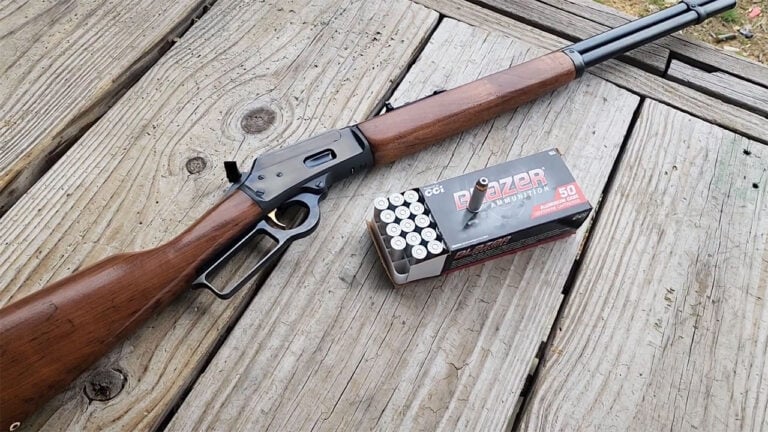
6. Marlin Model 336 (JM-stamped)
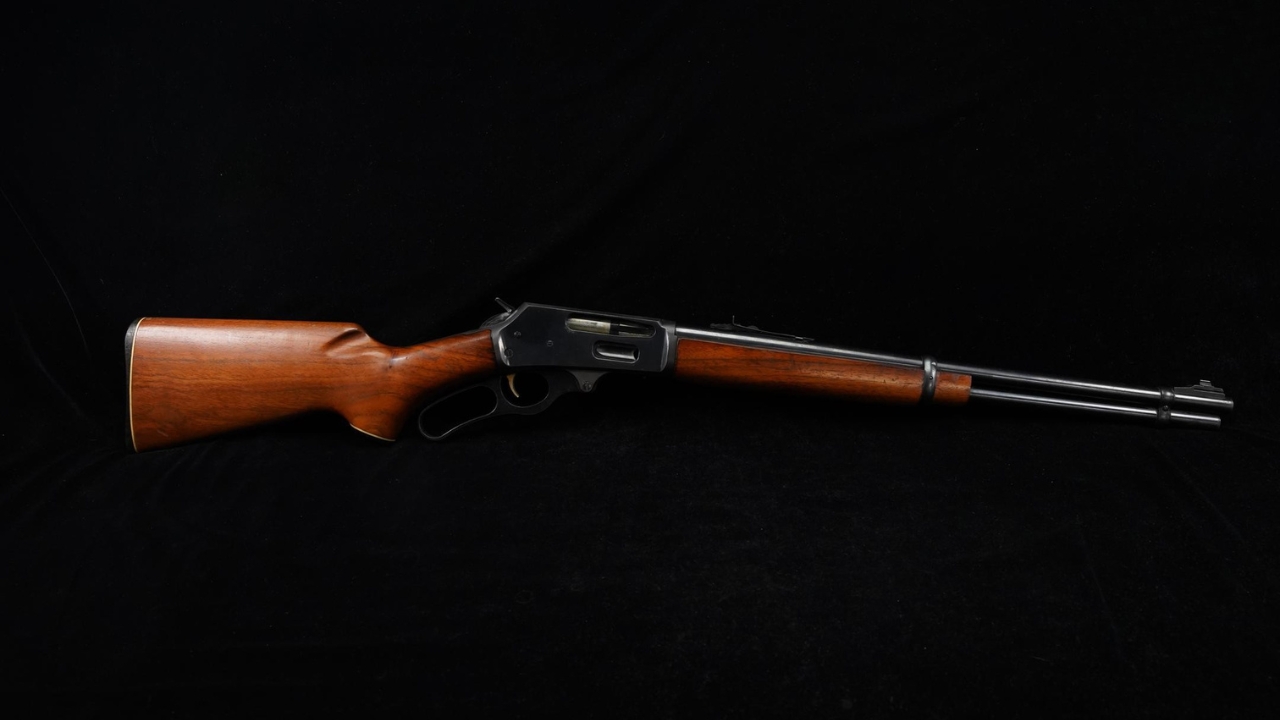
This is the lever gun that lived behind seats and above door frames. Not because it was flashy, but because it worked. Smooth enough, strong enough, and in .30-30 it’s about as practical as a whitetail rifle gets inside sensible distances.
The JM stamp became a shortcut for “the older ones,” and once newer production got a mixed reputation for a while, the older guns got pulled forward. A clean, older 336 is now treated less like a pawn shop staple and more like a “don’t sell it” heirloom.
7. Mossberg 464 (early wood-and-blue models)
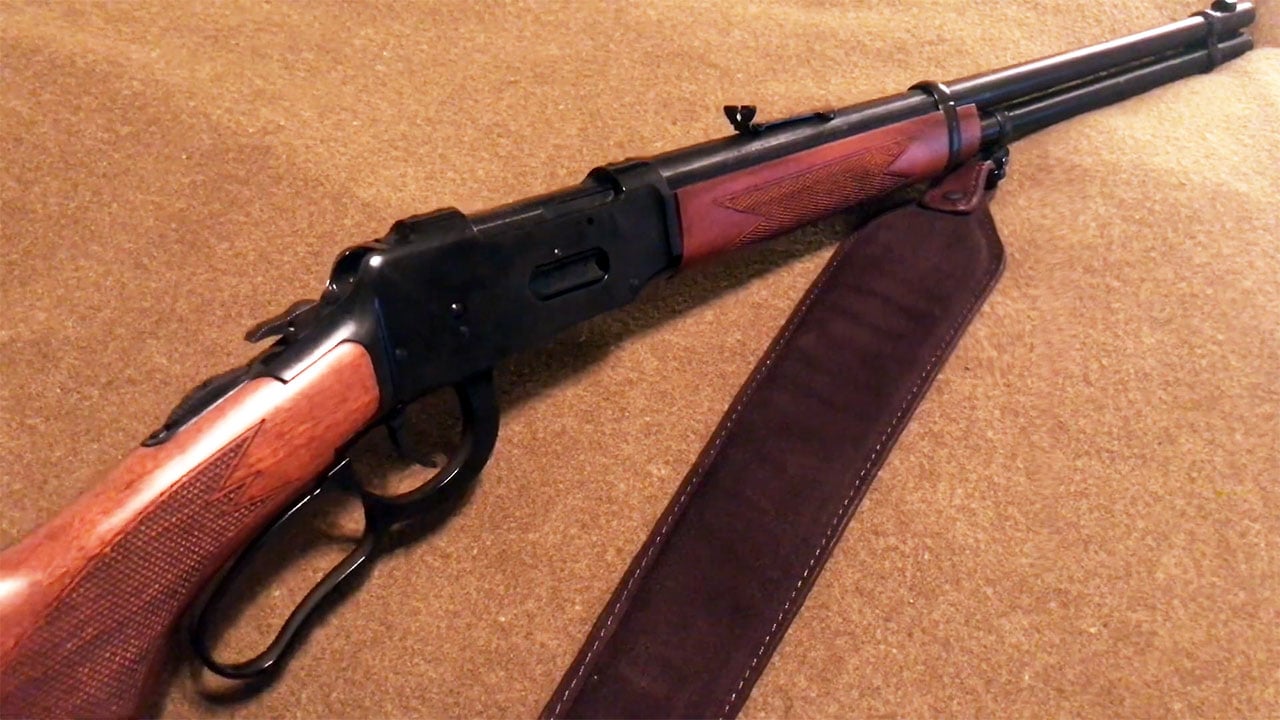
The 464 spent years being the lever gun guys bought when they couldn’t find a Marlin or didn’t want to pay for one. They’re not perfect, and some triggers are a little agricultural. But they’re light, handy, and they live well in a truck.
As the market kept moving, these started to look better in hindsight. They’re still “working man” rifles, but that’s exactly why they’re finally getting collector curiosity—especially the early examples that haven’t been sprayed, chopped, or beat to death.
8. CZ 527 (Carbine and American)
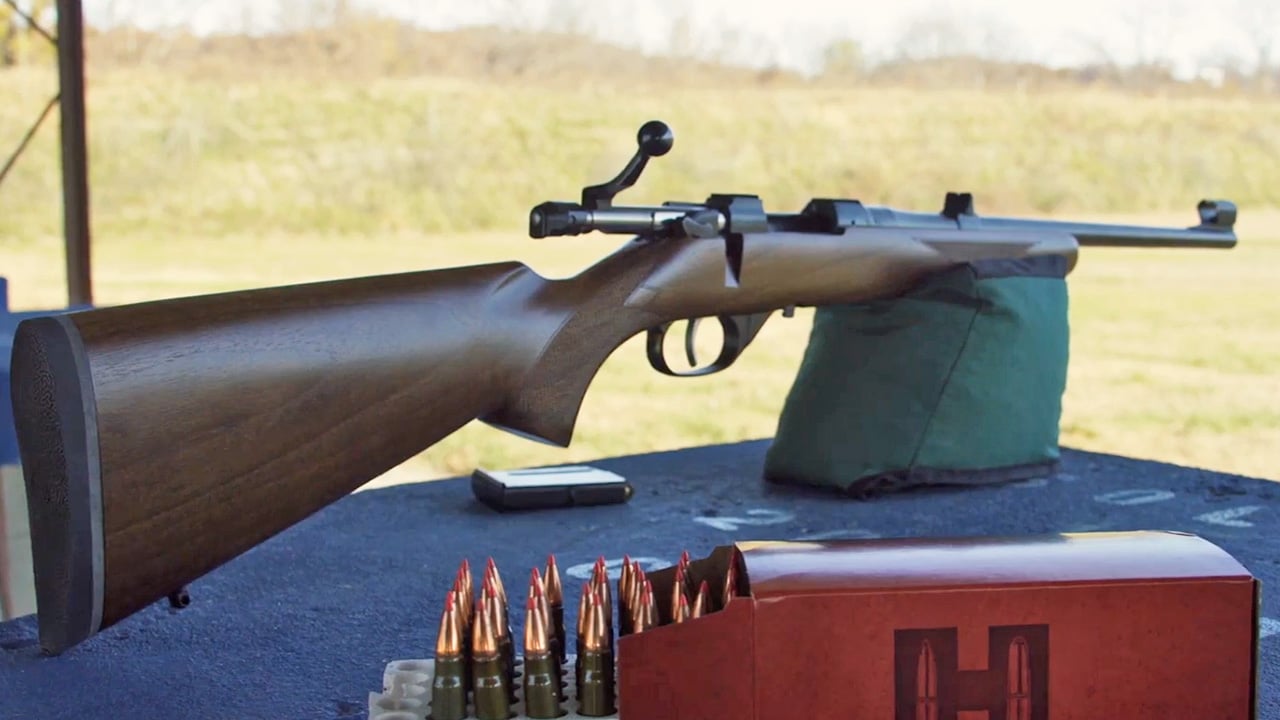
Small, trim bolt guns are addictive once you carry one all day. The 527 is one of those rifles that makes you wonder why more manufacturers didn’t build micro-Mauser actions for practical hunting cartridges. It’s light without feeling cheap.
When they were discontinued, folks who ignored them suddenly “needed one.” In .223, 7.62×39, and especially .221 Fireball, they’ve become the kind of rifle you buy once and then baby a little—not because it’s fragile, but because nothing quite replaces it.
9. Howa 1500 (synthetic sporter)
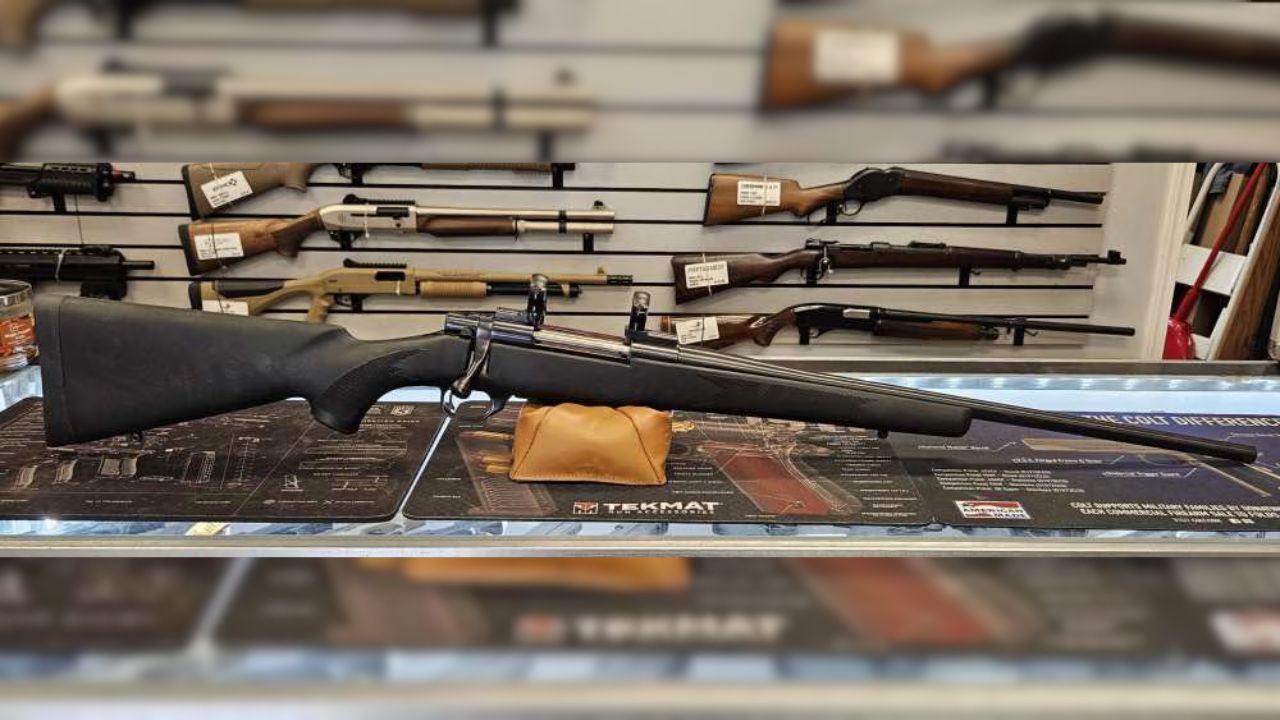
Howa has lived in that space between “budget” and “serious rifle” for a long time. The actions are smooth, the metalwork is good, and they tend to shoot. They just don’t come with a lifestyle brand attached.
Collectors didn’t care until shooters started admitting these are often better made than some more famous names. Add in the fact that parts and aftermarket support exist but the rifles stayed under the radar, and you’ve got a recipe for a quiet price climb.
10. Tikka T3 (early blued/synthetic hunting rifles)
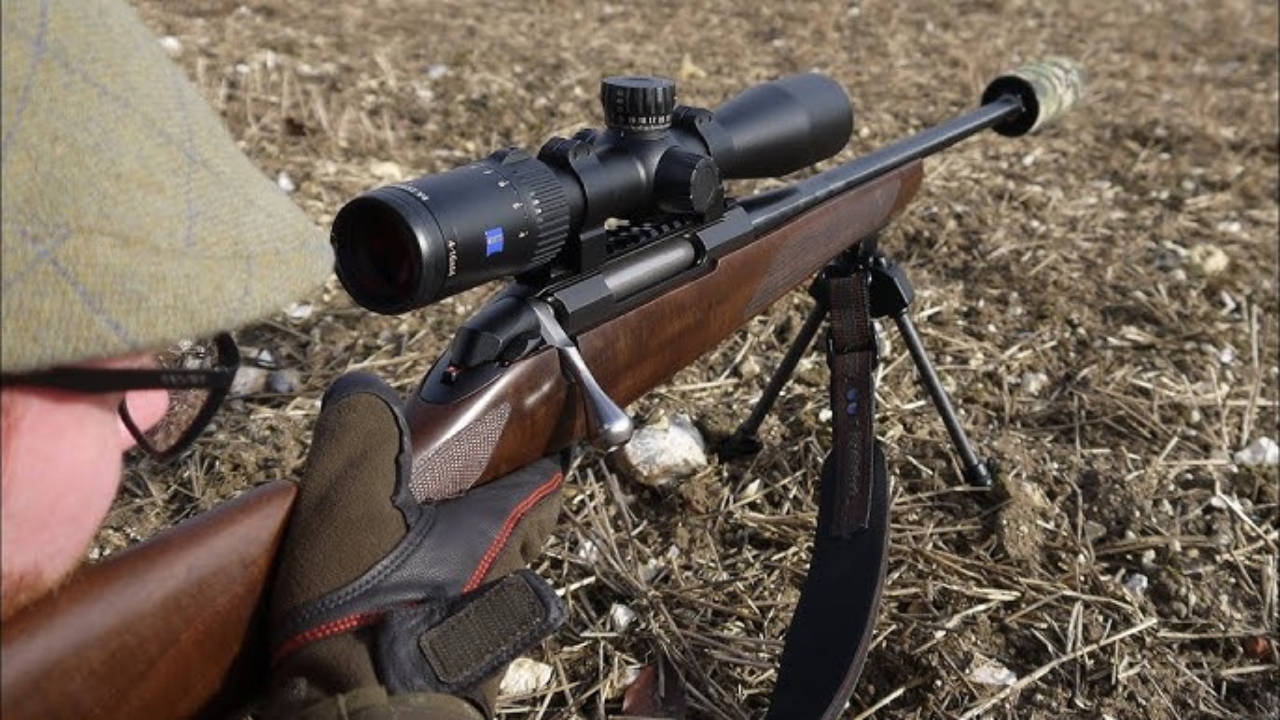
The T3 was always practical, but it didn’t get “collector” talk until people noticed how many of them got hunted hard and still held accuracy. They’re light, slick, and the factory barrels are usually excellent. The magazines being polymer annoyed some folks, but they work.
Now, early standard hunting models are getting more respect because they represent a time when a lightweight rifle didn’t have to be a custom build. If you find one that hasn’t been beat up or “upgraded” into something goofy, it’s a keeper.
Free for gun owners: If something happened to you tomorrow, would your family know where the guns are, who has the safe combination, or what to do first? Our free Gun Owner’s Family Checklist walks them through it. It takes about 15 minutes to fill out. Get your free copy here.
11. Remington Model 7 (compact wood-stock rifles)

There are rifles that feel good in the hands the second you shoulder them, and the Model 7 is one. Short action, short overall length, and it carries in thick stuff without snagging every branch in the county.
These were practical woods rifles, and that’s why they didn’t get a lot of attention. But once guys started hunting tighter cover again, or taking kids and smaller-framed hunters out more, the Model 7’s “boring” strengths became valuable.
12. Sako A7 (plain hunting configuration)
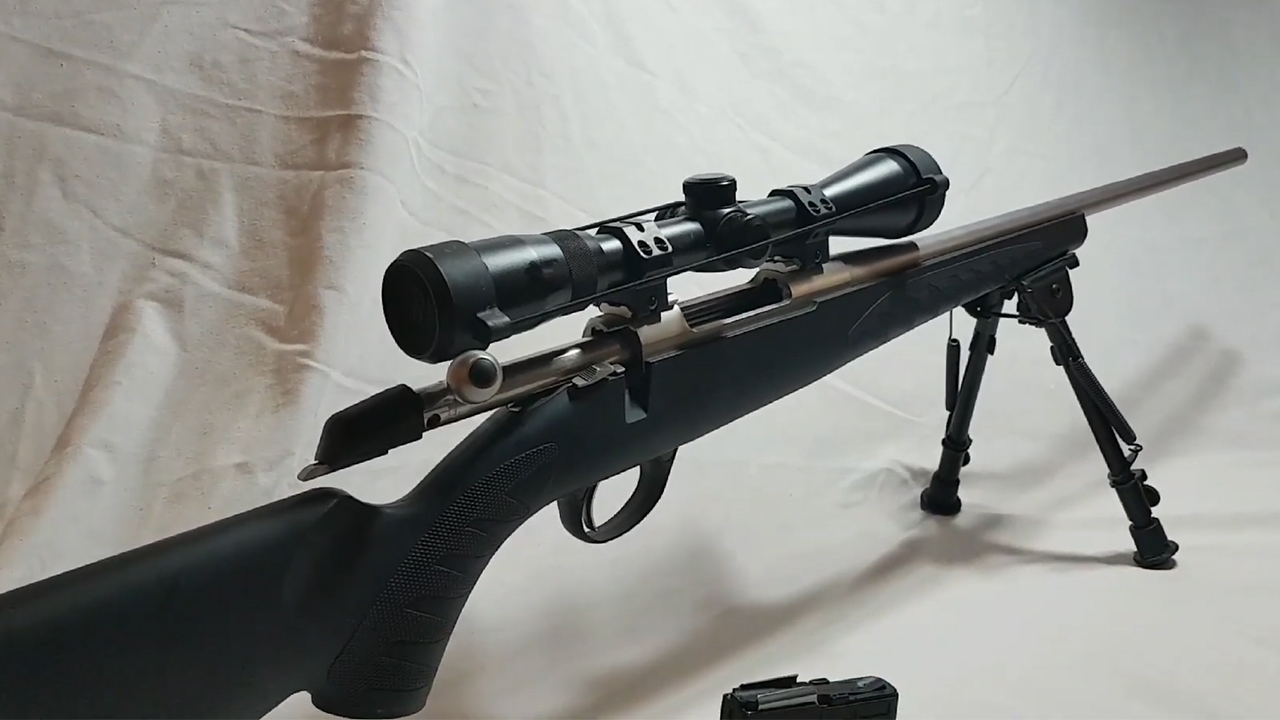
The A7 never had the romance of older Sakos, and it wasn’t marketed like a tactical platform. It was a straightforward hunting rifle with a smooth action and good barrels. The styling wasn’t everyone’s favorite, but the rifles shot.
Now they’re in that sweet spot where they’re not cheap, not common, and not easy to replace with something that feels the same. Collectors started caring because hunters kept reporting the same thing: it just works, season after season.
13. Browning A-Bolt (Hunter and Stainless Stalker)
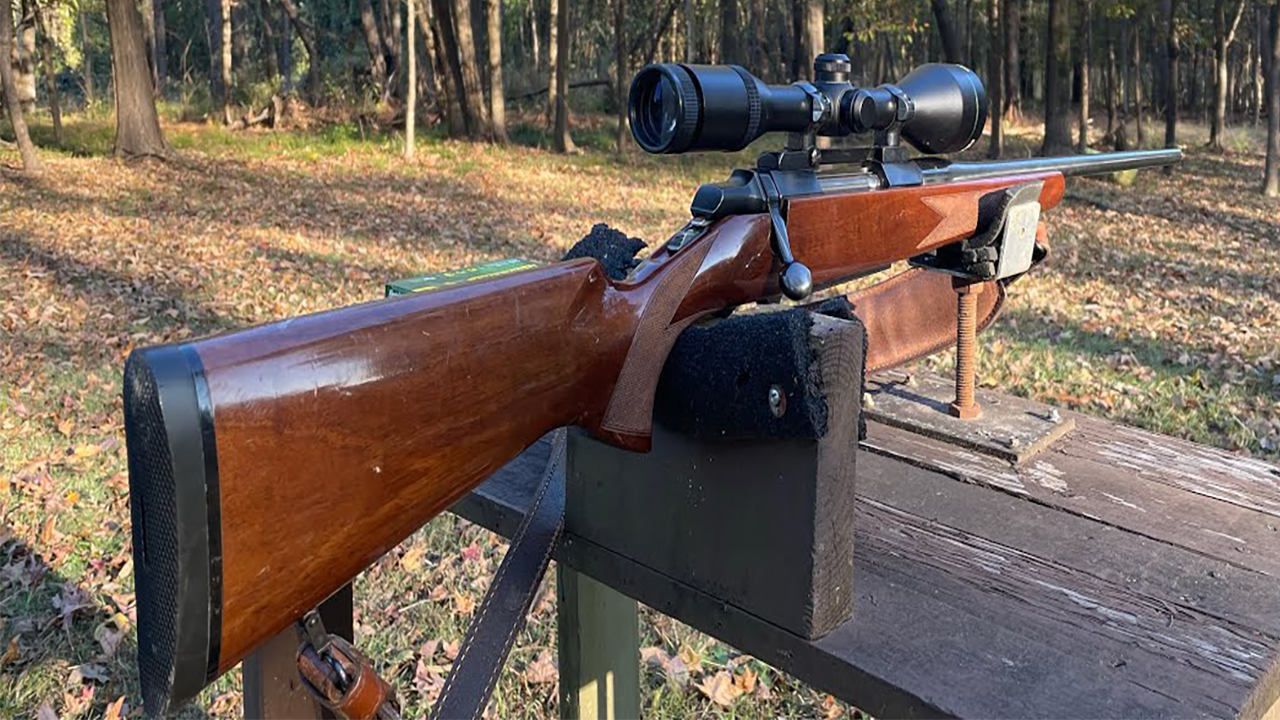
The A-Bolt has always been a “nice but not loud” rifle. Smooth bolt, good triggers in many examples, and a slim feel that carries well. It’s not a benchrest toy, it’s a deer rifle that happens to be refined.
They also got used—hard—because they were trustworthy. That makes clean ones scarcer than you’d think. When a rifle is both practical and a little classy, it doesn’t sit around long once collectors start realizing the good years aren’t coming back.
14. Ruger American Rifle (first-generation models)

This one surprises people, because it’s still “modern” and it was never fancy. Early Ruger Americans were bought for one reason: they were affordable and they shot. They were the rifle you could recommend to a new hunter without feeling like you set them up for failure.
Now, the earliest examples—especially unmodified, still wearing their basic factory stocks—are starting to get a weird kind of respect. They represent the era when accuracy got democratized, and there’s a collector crowd that pays for that story.
15. Stevens Model 200 (Savage-made budget bolt gun)

The Stevens 200 was the rifle guys bought, shot, and forgot about. It didn’t have the AccuTrigger, it didn’t have a “premium” name, and it didn’t impress anybody at the gun counter. Then it went to the range and stacked bullets better than expected.
They’re also famously good foundations for a practical hunting rifle without getting weird. Once shooters caught on that they’re essentially a no-frills Savage action with honest performance, the cheap supply dried up fast.
16. H&R Handi-Rifle (SB2 frame rifles)
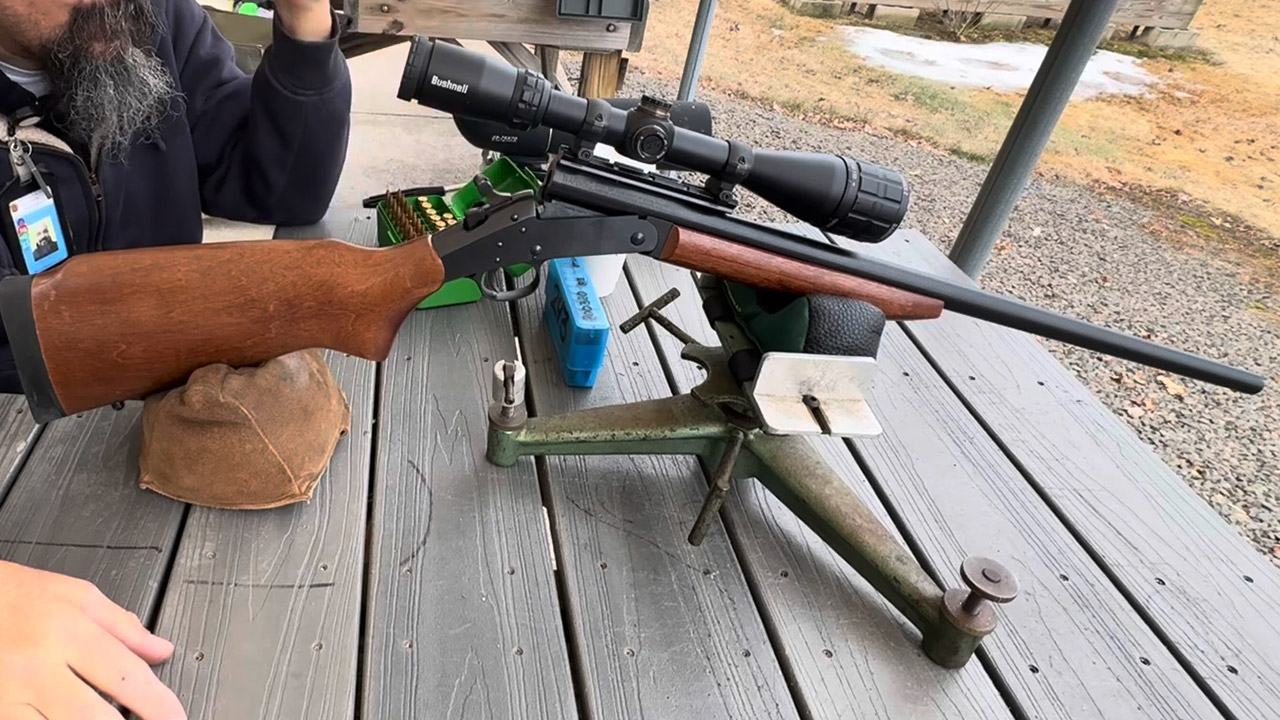
Single shots don’t get love in a world that argues about magazine capacity. But an H&R Handi-Rifle is the kind of gun that rides in a truck, gets loaned to a buddy, and teaches kids to make the first shot count.
They’re also simple to maintain and surprisingly accurate in many chamberings. Discontinued and never glamorous, they’re now getting collector attention because they’re a slice of practical Americana that isn’t being made in the same way anymore.
17. SKS (Chinese and Yugoslav military-surplus imports)
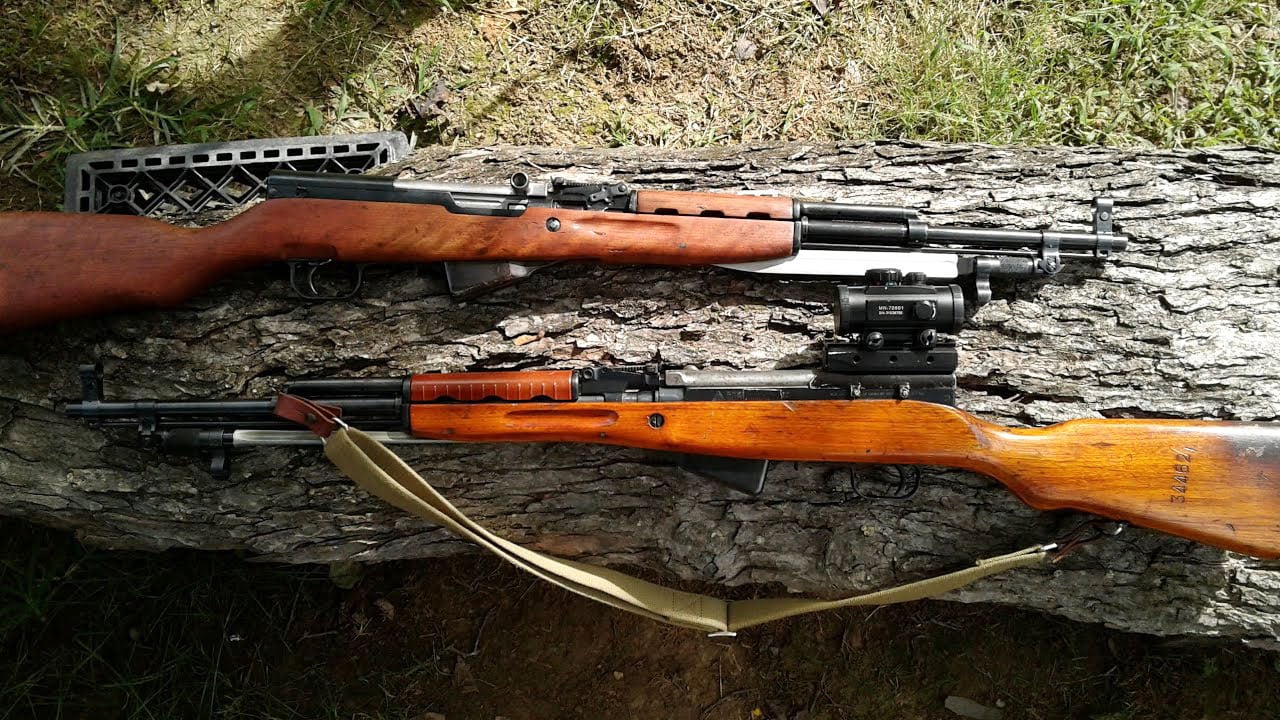
The SKS used to be the rifle you bought because you had cash in your pocket and wanted something that went bang every time. They were cheap, tough, and good enough for informal shooting and basic utility. Nobody bragged about them.
Then the imports slowed, prices climbed, and folks realized they’d sold off a reliable, rugged rifle for pennies. Matching-number guns, unmodified examples, and the ones that still have their original parts are what collectors chase now.
18. Ruger 10/22 Carbine (older hardwood-stock, standard models)
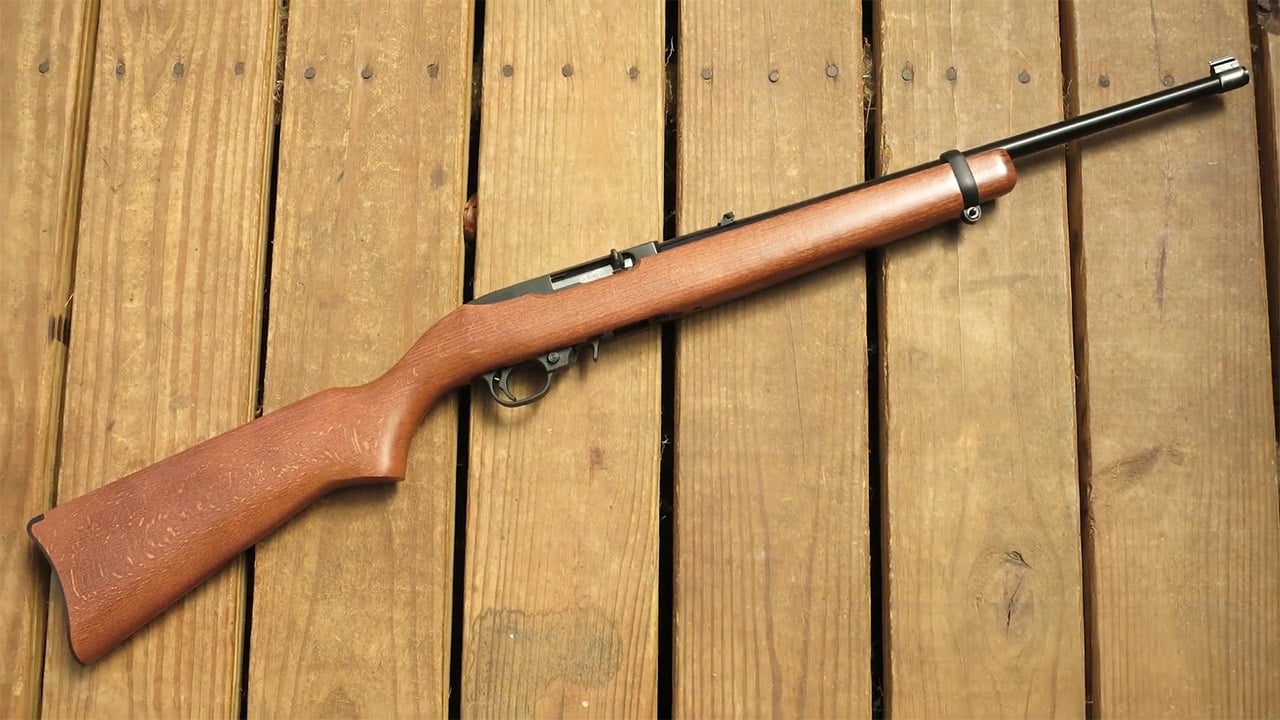
Everybody has a 10/22 story. Most of them involve squirrels, tin cans, or teaching somebody to shoot without scaring them. The basic carbine was never rare, but it’s so useful that “clean and original” is becoming its own category.
Collectors have started paying for early guns and certain production details, sure, but the real driver is simpler: the 10/22 is a lifetime rifle. When you find an older one that hasn’t been turned into a science project, it feels like finding a good pocketknife at a yard sale.
19. Remington 788 (bolt-action “budget” rifle)
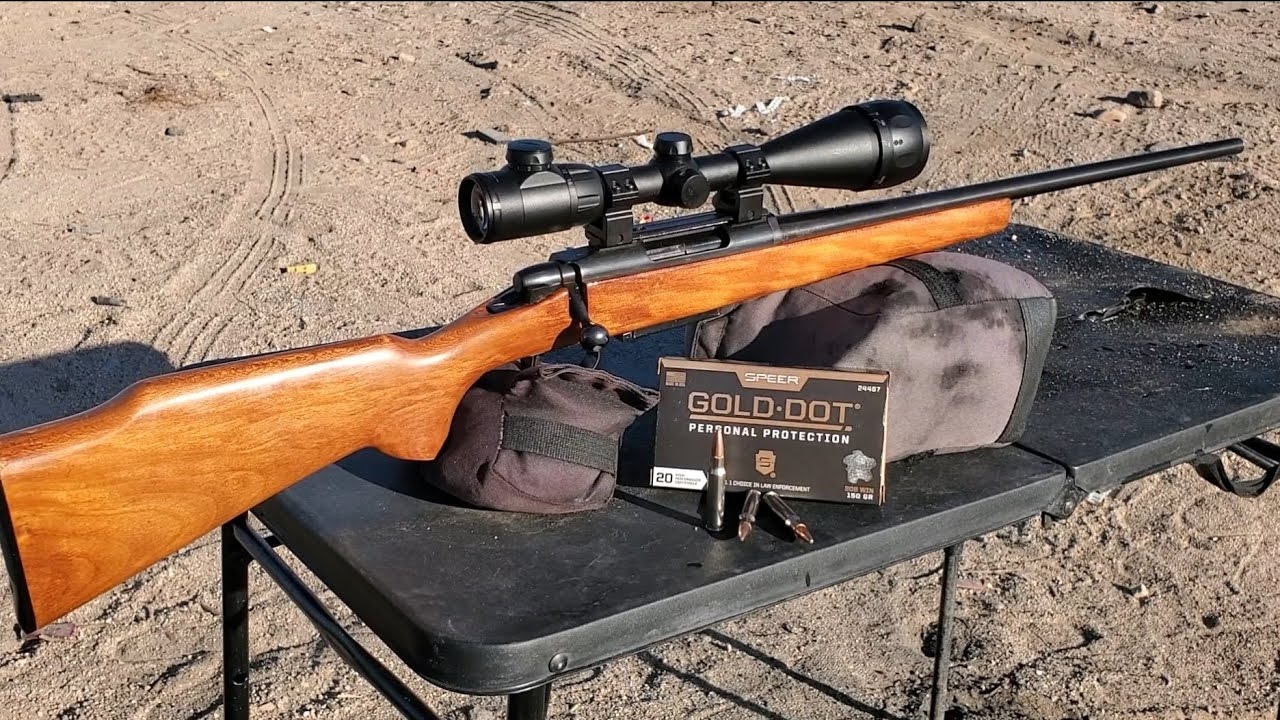
The 788 has been making fools out of snobs for a long time. It was never positioned as a flagship rifle, but plenty of them shoot lights-out. The action is different, magazines can be a pain, and it’s not pretty in a classic way.
Still, hunters figured out accuracy matters more than branding when you’re trying to thread a shot through brush lanes at last light. Once the word got around and the supply stayed fixed, prices did what they always do. Try finding extra magazines now without wincing.
20. Lee-Enfield No. 4 Mk I (surplus rifles in honest condition)

For years, these were just “old war rifles” leaning in corners. The Enfield isn’t the sleekest thing, and it’s not light. But that fast action, big sights, and rugged reliability made it a practical rifle long after its military days, especially for folks who just wanted a dependable shooter.
Now, rifles that haven’t been sporterized are the ones everyone wants. There’s a lesson in there: once you cut up enough practical rifles to chase trends, the uncut ones become the prize. That one hurts, because a lot of those modifications weren’t even done well.
The funny part is none of these rifles needed fame to be useful. They earned their keep quietly, and for a long time that kept prices down. If you’ve got one sitting in the safe, don’t let “boring” talk you into selling it. Practical rifles have a way of becoming “collectible” the moment you realize they’re harder to replace than you thought.
Like The Avid Outdoorsman’s content? Subscribe to our newsletter so you never miss an article.
Here’s more from us: