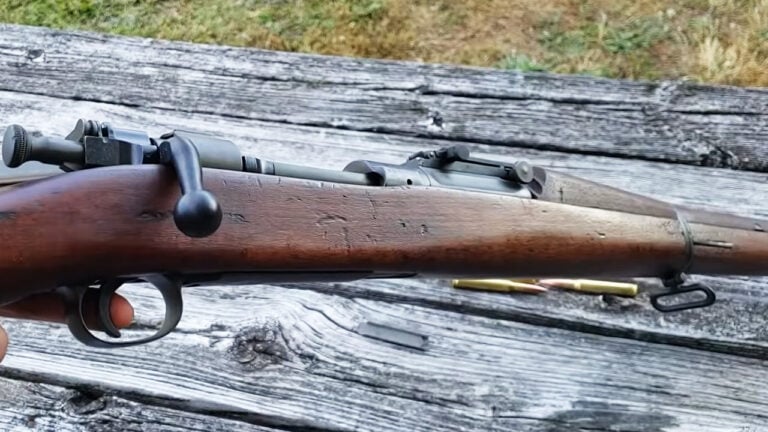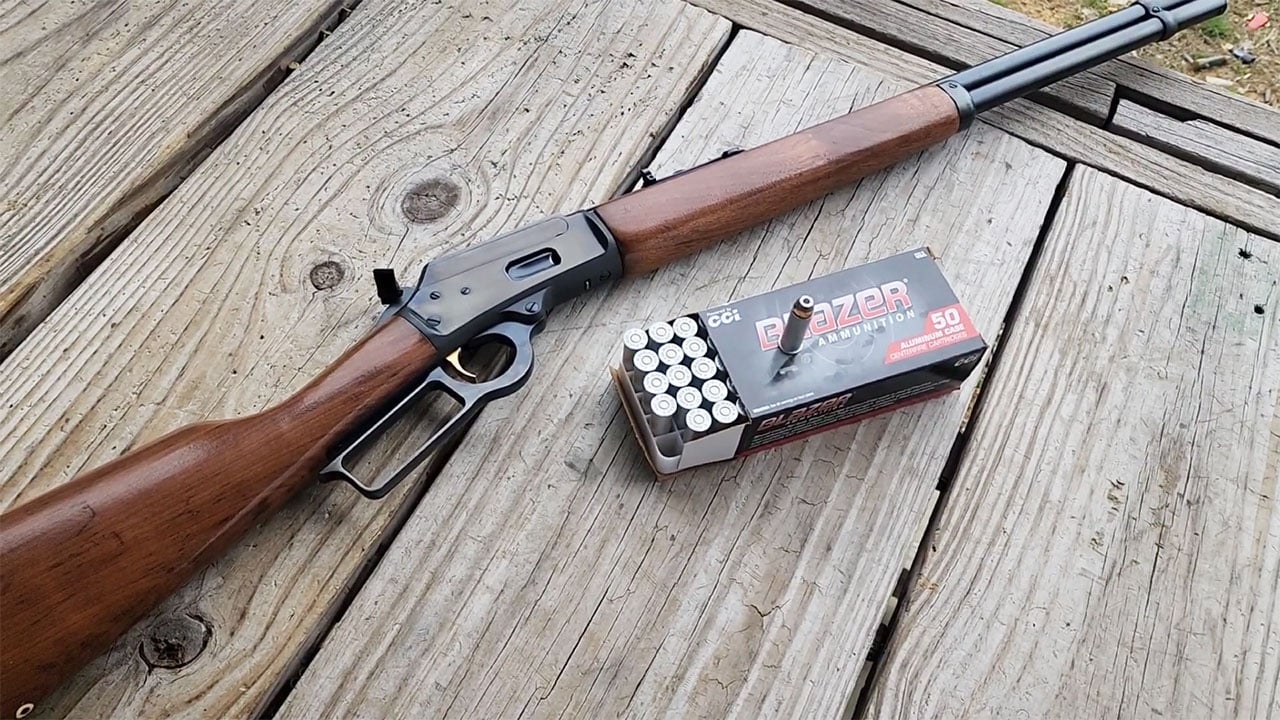
Photo credit: Buckeye Ballistics/Youtube
Every gun counter has one: a lever gun that sat there for months because nobody wanted to pay “that much” for an old-school rifle with a tubular magazine. Then one day, the market decided it was cool again, a movie or a hunting trend gave it a shove, and suddenly the same rifle is tagged two or three times higher. I’ve watched folks walk right past some of these for years, then act surprised when they can’t buy them back without swallowing hard.
This isn’t a love letter to every lever-action ever made. Some are heavy. Some kick. Some are picky with ammo. A few are more “collectible conversation piece” than working rifle. But these are 20 lever-actions that spent a long time being treated like they were priced wrong… until the market proved otherwise.
1. Marlin 336 (JM-stamped)
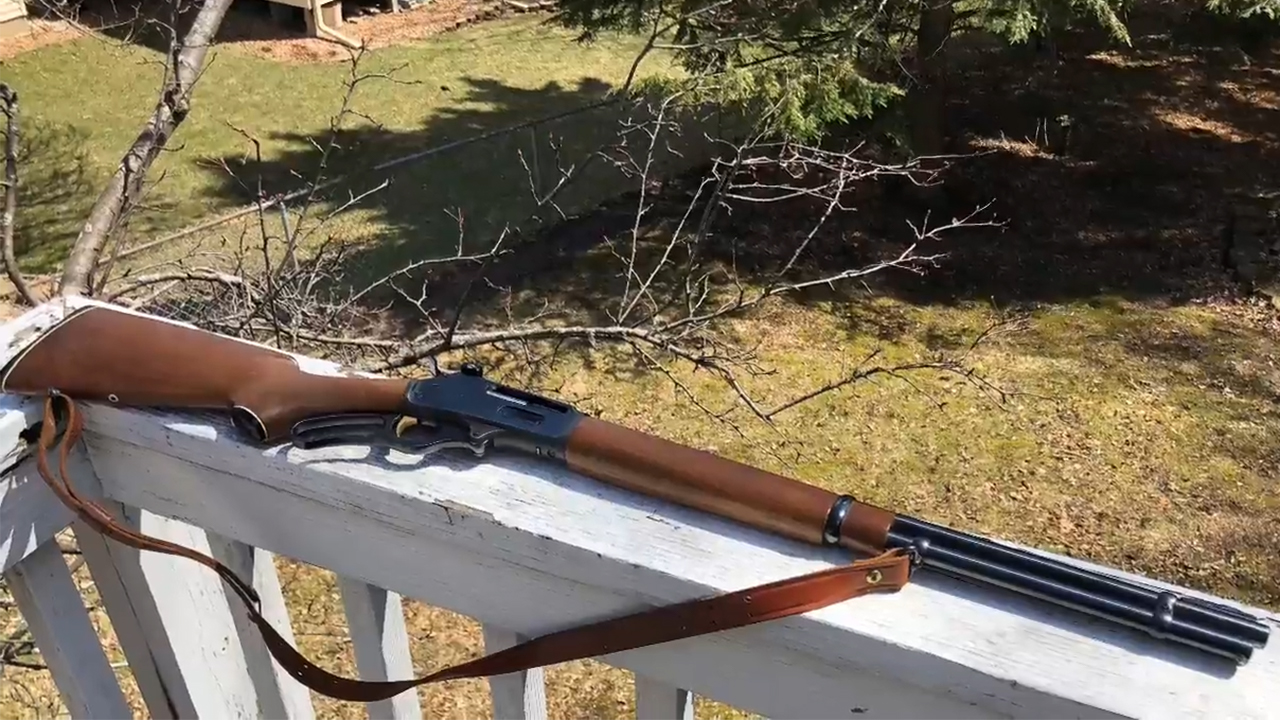
The old JM-stamped 336 used to be the kind of deer rifle you could snag at a pawn shop and not feel guilty about dragging through a wet cedar swamp. Smooth action, honest bluing wear, and that feel of a rifle that’s been cycled a thousand times. Then Marlin got sold, production changed, and everybody suddenly became an expert on barrel stamps.
They aren’t magic, but they’re usually consistent. The good ones shoot, they carry nice, and parts/support stayed strong because so many were made. When you see clean examples now, they’re priced like they’ve got a college fund attached.
2. Marlin 1894 in .357 Magnum
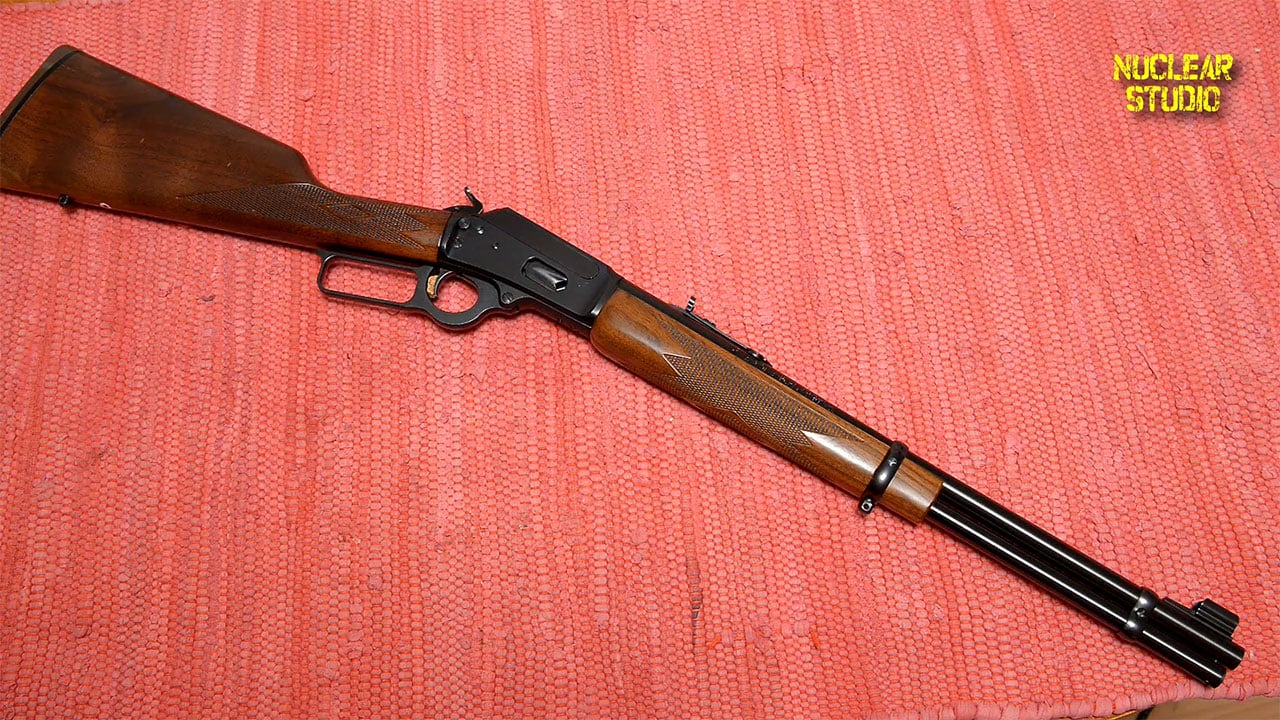
For years, a pistol-caliber lever gun was “fun,” but not serious. Then suppressors got common, hog hunting got bigger, and folks realized a .357 lever gun with .38 Specials is about as useful and pleasant as it gets. Light recoil, quick follow-up shots, and it’s handy in a truck without feeling like you brought a fence post.
Now try finding one at the old prices. The demand is real because they do real work: woods walking, small property pest control, and just plain enjoyable range time.
3. Marlin 1894 in .44 Magnum
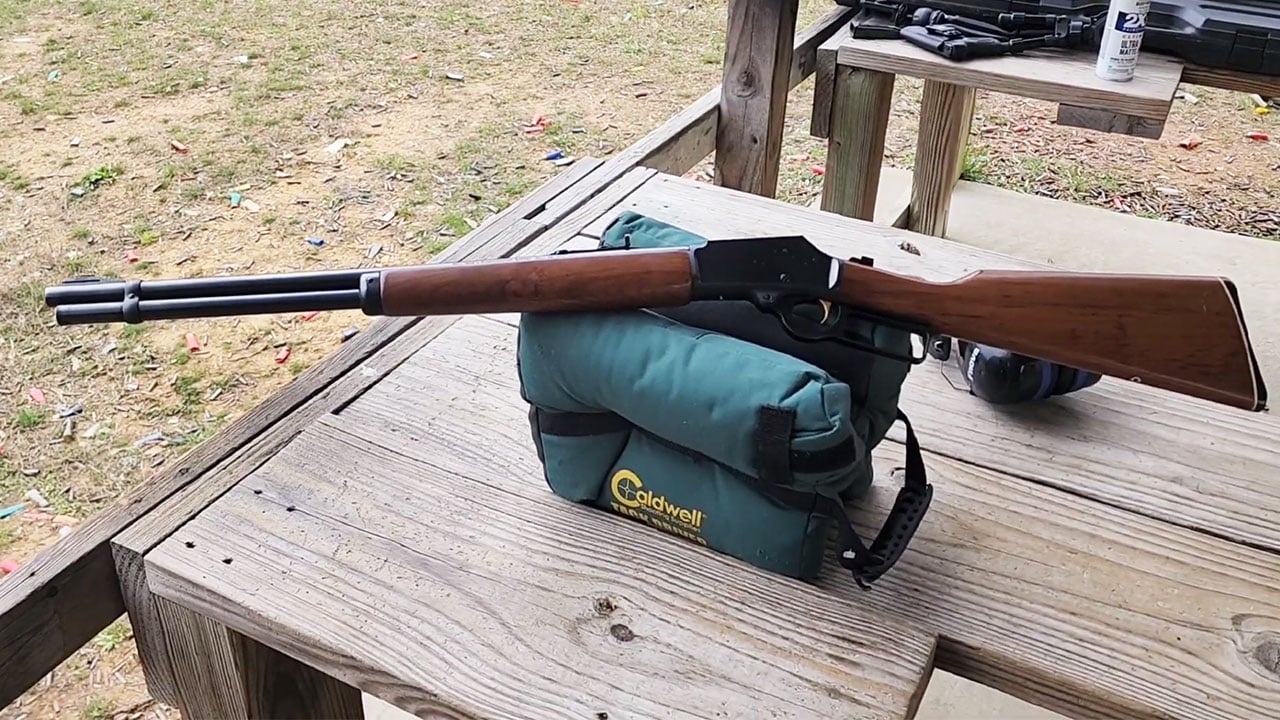
This one lived in that weird zone where it wasn’t a “real rifle” to some and it wasn’t a handgun either. Then straight-wall hunting rules expanded in a bunch of places and suddenly .44 Mag carbines looked like common sense. Inside 100 yards, they hit like a hammer on deer-sized game.
They’re not flat shooters and they’re not light on the shoulder with hot loads, but they’re compact and decisive. That’s why they disappeared from “reasonable” price tags.
4. Marlin 1895 Guide Gun
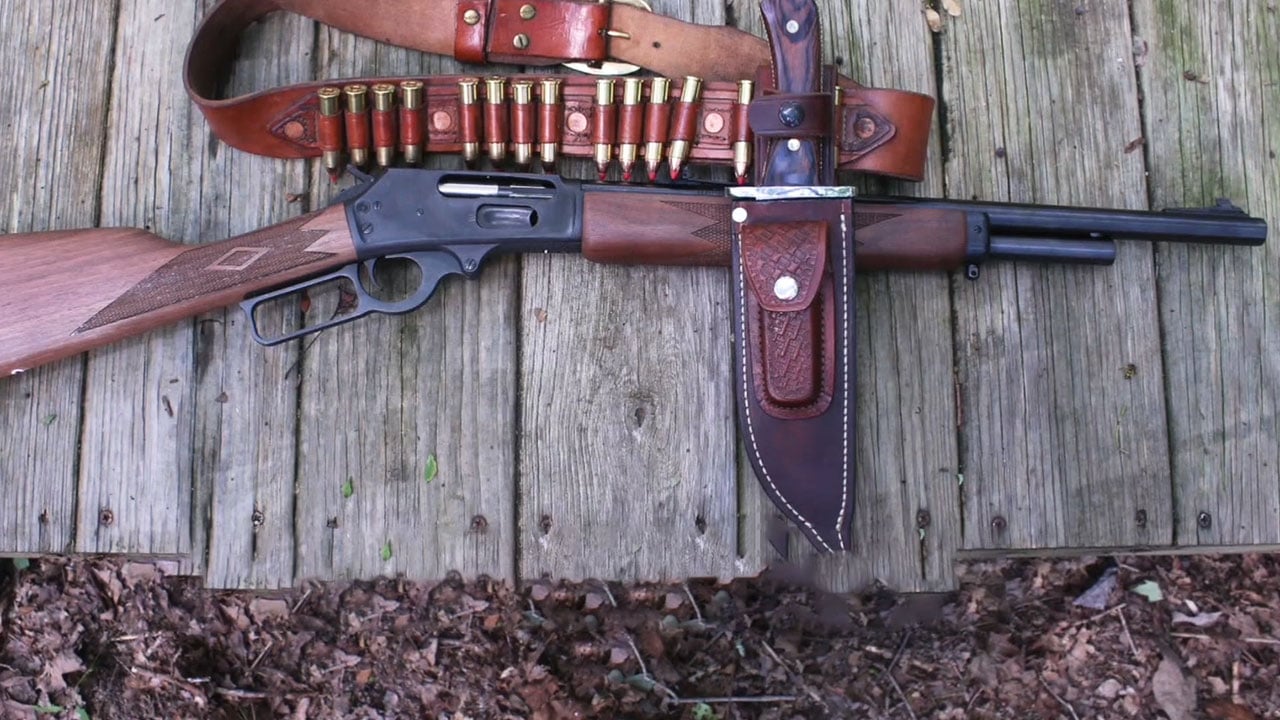
Short, loud, and absolutely not subtle. The Guide Gun used to be something guys bought because they liked the idea of it more than the recoil. Then backcountry hunting, bear-country chatter, and the “one rifle that handles everything up close” crowd pushed these into a new bracket.
A good 1895 carries surprisingly well, and in thick stuff it points fast. You pay for that now. Also, if you ever needed one, you don’t want to be shopping for it the week before your trip.
5. Marlin 39A
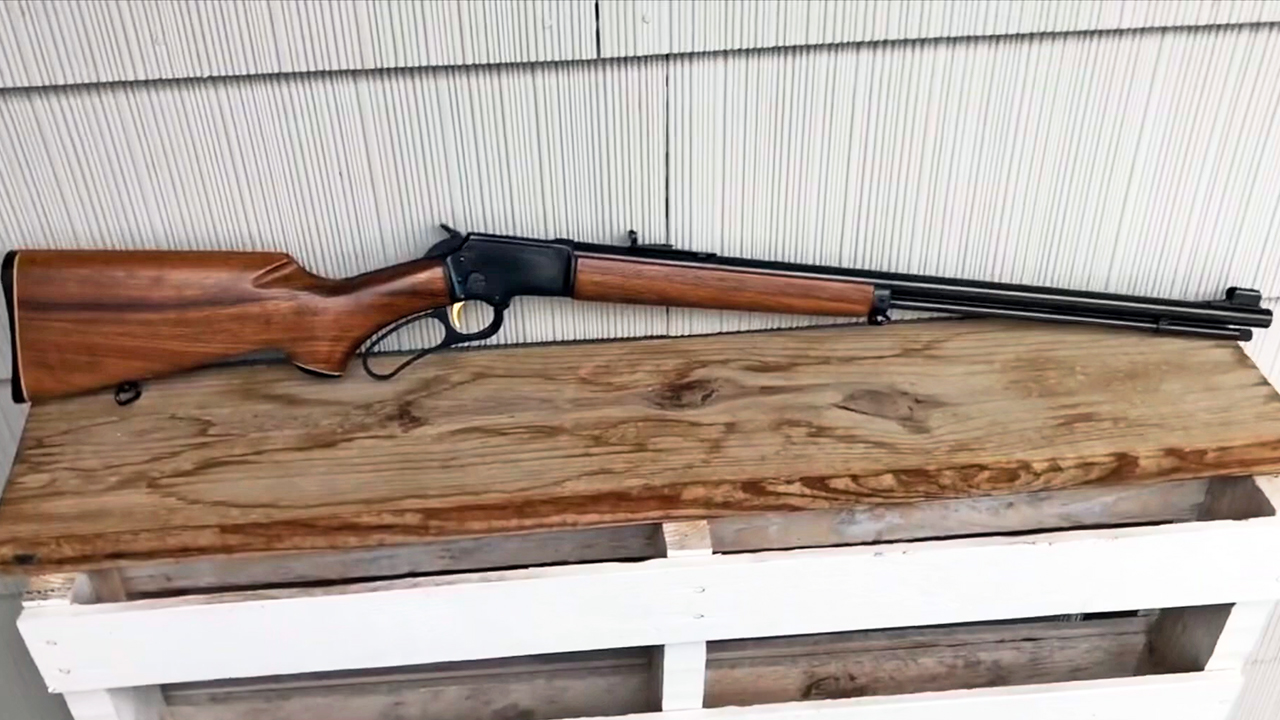
Rimfire lever guns can feel like toys until you spend an afternoon running one on squirrels or steel plates. The 39A has that old-school fit and finish that makes modern budget rimfires feel a little hollow. It’s also a rifle that tends to shoot better than it has any right to.
They used to be “grandpa’s .22” money. Not anymore. Folks figured out they aren’t making them like that at scale, and the prices responded.
6. Winchester Model 94 (pre-64)
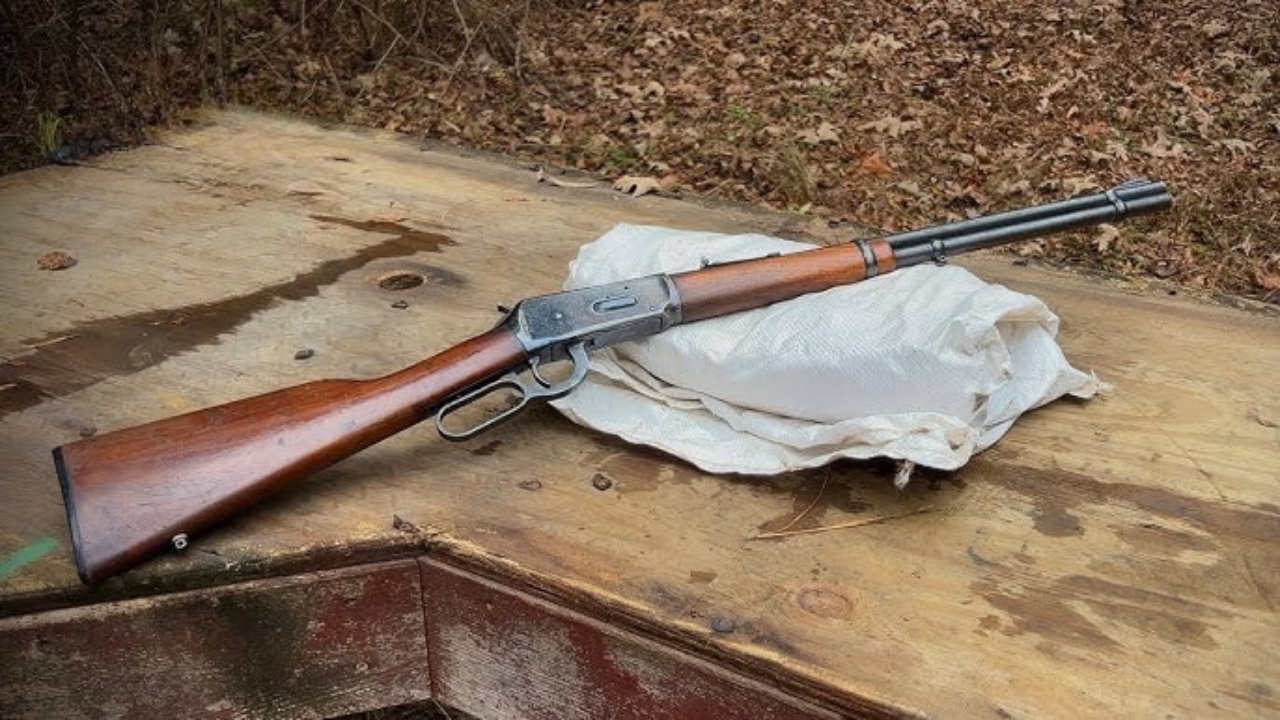
There was a long stretch where the Model 94 was everywhere, and that abundance made it feel ordinary. Pre-64 rifles were “nice,” but most guys weren’t treating them like retirement assets. Then collectors did what collectors do, and the pre-64 label became a magnet.
In the field, they’re still what they always were: fast-handling deer rifles that carry all day. The difference is you might think twice before tossing it in the back seat with a muddy shovel.
7. Winchester Model 94 “Trapper”

Short-barreled lever guns look great on a rack and carry even better in thick timber. The Trapper configuration got hot once folks started appreciating compact rifles that still have real punch. Also, they just look right—there’s no getting around that.
Recoil and muzzle blast can be sharp, especially in .30-30. Still, when you want a lever gun that doesn’t snag on everything, the short ones are tough to beat, and the market priced them accordingly.
8. Winchester Model 92 (originals and faithful clones)
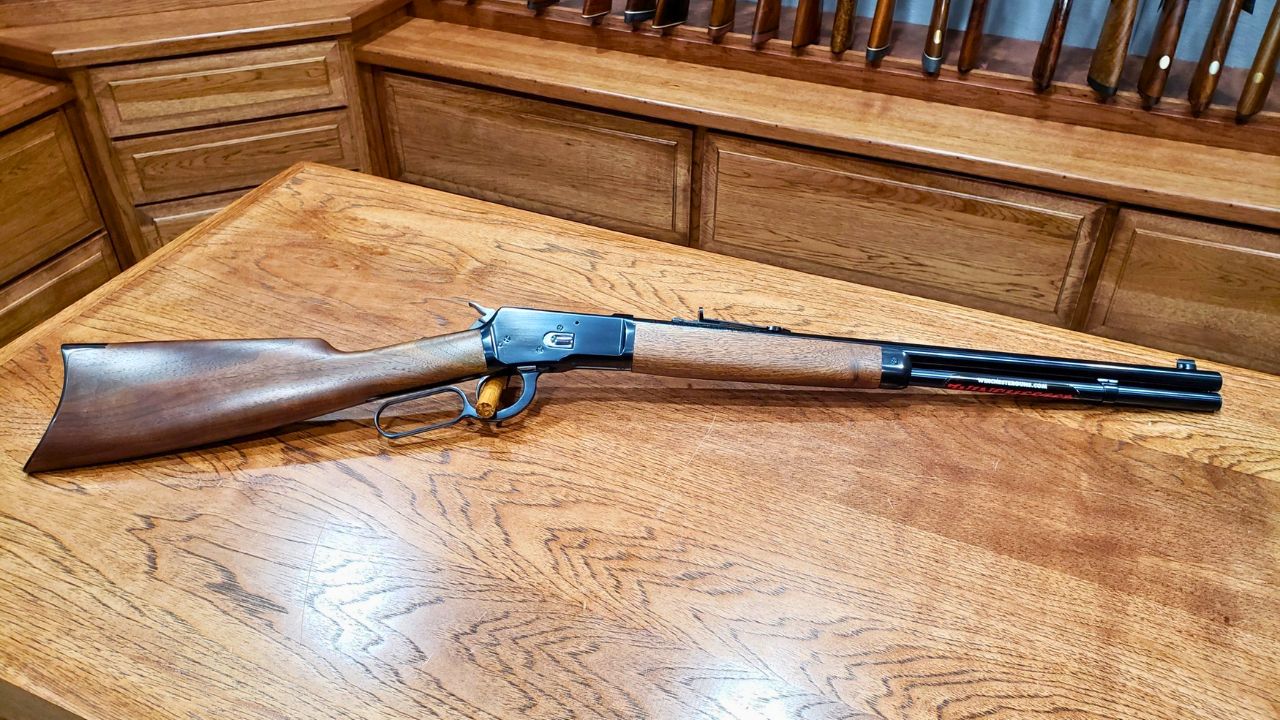
The 1892 design is slick. When it’s tuned and running right, the action feels like it’s on ball bearings. For a long time originals were collectible but not totally out of reach, and the clones were “cowboy stuff.” That changed when folks realized the platform is strong, handy, and perfect for pistol calibers.
Originals climbed hard, and even well-made reproductions aren’t cheap like they used to be. If you find one that runs, don’t assume you’ll replace it easily.
9. Browning BL-22

The BL-22 is one of those rifles that seems overpriced until you run one fast and realize what you’re paying for. That short throw lever makes it a natural for quick shooting, and the whole gun has a “nice” feel without being delicate.
They became a go-to gift gun, a trainer, and a keep-forever plinker. Demand stayed steady while supply never felt endless, and now the sticker shock is normal.
10. Browning BLR (steel receiver models)

If you wanted lever-action handling with modern rifle cartridges, the BLR has been sitting there the whole time. Detachable magazine, rotating bolt, and calibers that actually stretch your legs across a cut cornfield. For years, some traditional lever guys didn’t want to admit it counts, and some bolt-gun guys didn’t see the point.
Then hunters started realizing one rifle can cover a lot of ground. The older steel receiver versions especially have a following, and finding a clean one now usually means paying up.
Free for gun owners: If something happened to you tomorrow, would your family know where the guns are, who has the safe combination, or what to do first? Our free Gun Owner’s Family Checklist walks them through it. It takes about 15 minutes to fill out. Get your free copy here.
11. Henry Big Boy Steel in .357 Magnum

Henry caught flak from some corners for being “new” and for using brass frames on certain models. The Big Boy Steel fixed a lot of complaints for working use—weight in the right places, classic lines, and durability without the shiny factor that scares off hard hunters.
These rifles earned their reputation the slow way: by feeding well and shooting straight. When something becomes the default recommendation, prices stop being a secret.
12. Henry X Model (especially .357 and .45-70)
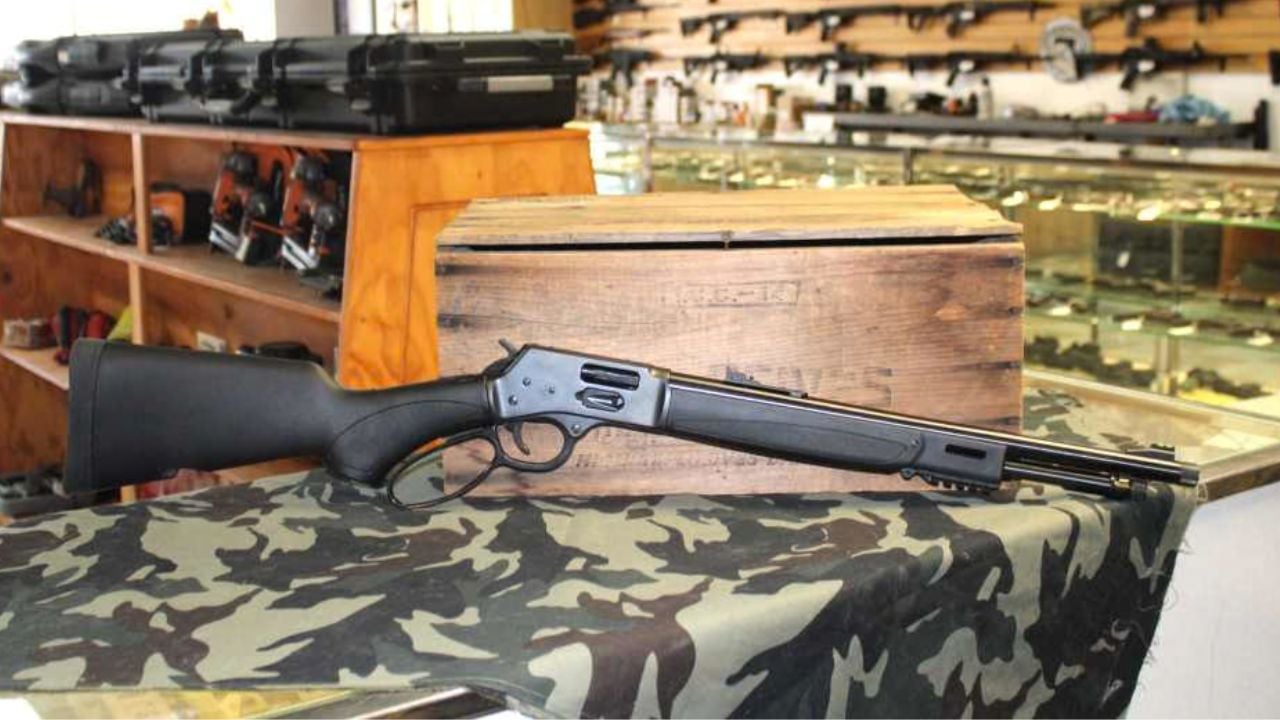
The X Model showed up right when lever guns started crossing over into the suppressor and accessory world. M-LOK, threaded barrels, and a finish you don’t have to baby. Some guys rolled their eyes until they actually hunted with one in nasty weather.
They’re not traditional, but they’re practical. And once a lever gun becomes practical for more than nostalgia, buyers line up and the market gets bold with the tags.
13. Ruger-made Marlin 1895 SBL
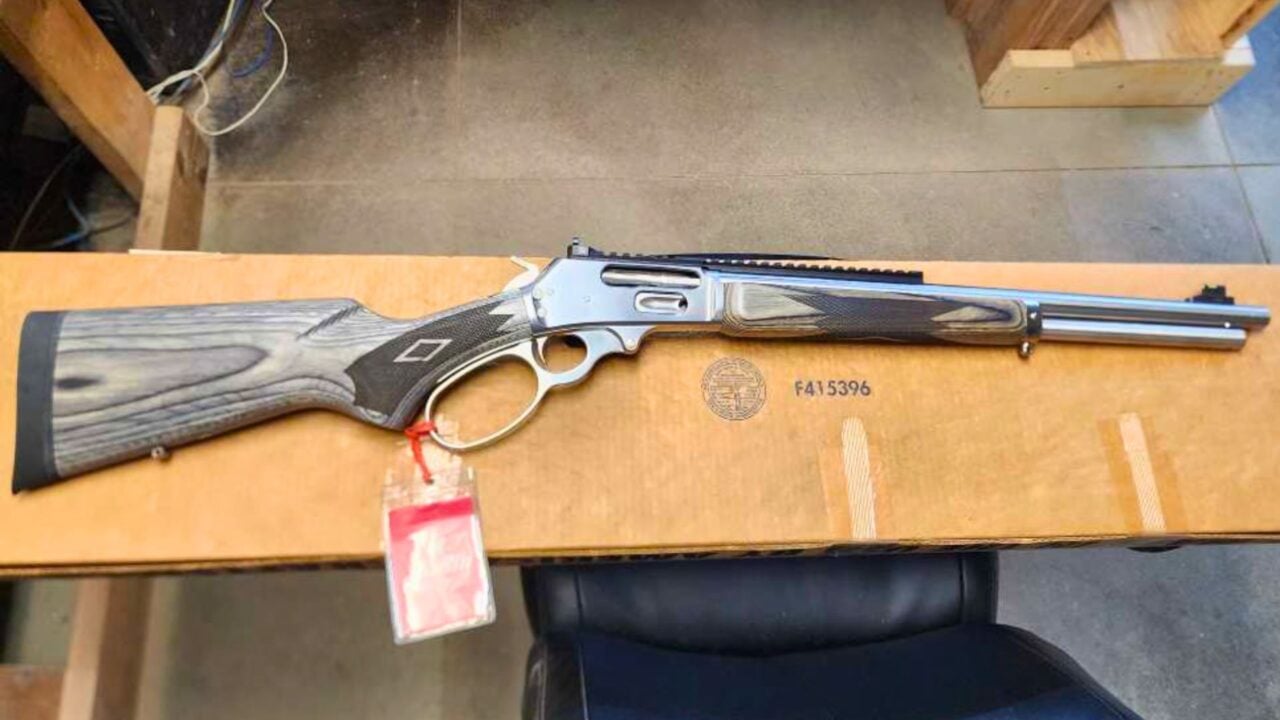
There was a period when folks weren’t sure what “new Marlin” was going to mean. Then Ruger got it, quality came back strong, and the SBL in particular became the modern want-list rifle. Stainless, laminate, ghost ring sights—the whole package looks ready for business.
That demand hits hard because it’s not just collectors. It’s hunters who want a .45-70 they can trust. When both crowds want the same rifle, the price doesn’t stay friendly.
14. Ruger-made Marlin 336 Classic
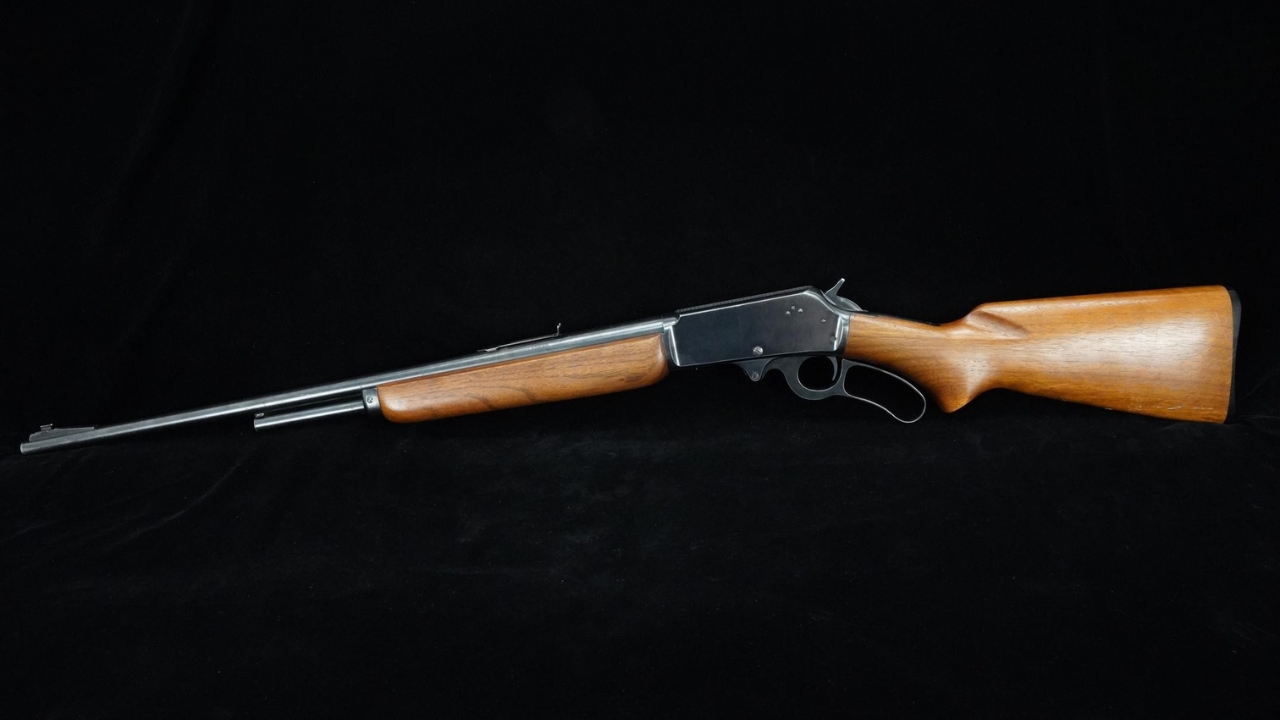
When a company revives a working rifle the right way, it resets the baseline for what lever guns cost. The 336 Classic coming back with solid fit and finish didn’t just give buyers an option—it reminded everyone how much they like the platform.
Even older 336s benefited from that renewed attention. A “regular” deer rifle turned into a “can’t keep it on the shelf” deer rifle, and you can guess what happened next.
15. Savage Model 99

The Model 99 is what happens when a lever gun and a thinking-man’s rifle have a kid. Rotary magazine, sleek lines, and chamberings that weren’t stuck in the 1890s. For years, they were undervalued because they didn’t have the cowboy vibe of a 94 or 92.
Now folks appreciate what they are: a classy, accurate hunting rifle that doesn’t feel like everyone else’s. And when a rifle is both different and useful, it stops being cheap.
16. Winchester Model 88

The 88 is a lever gun for people who like bolt-gun cartridges and bolt-gun performance. Detachable magazine, strong lockup, and it carries flatter than you’d expect. It also has that mid-century look that some guys didn’t care for when they were plentiful.
Once hunters started wanting something “not an AR, not a bolt gun, but still modern,” the 88 got pulled out of the bargain bin. They’re not for everyone, but they’re not priced like they used to be either.
17. Winchester Model 95
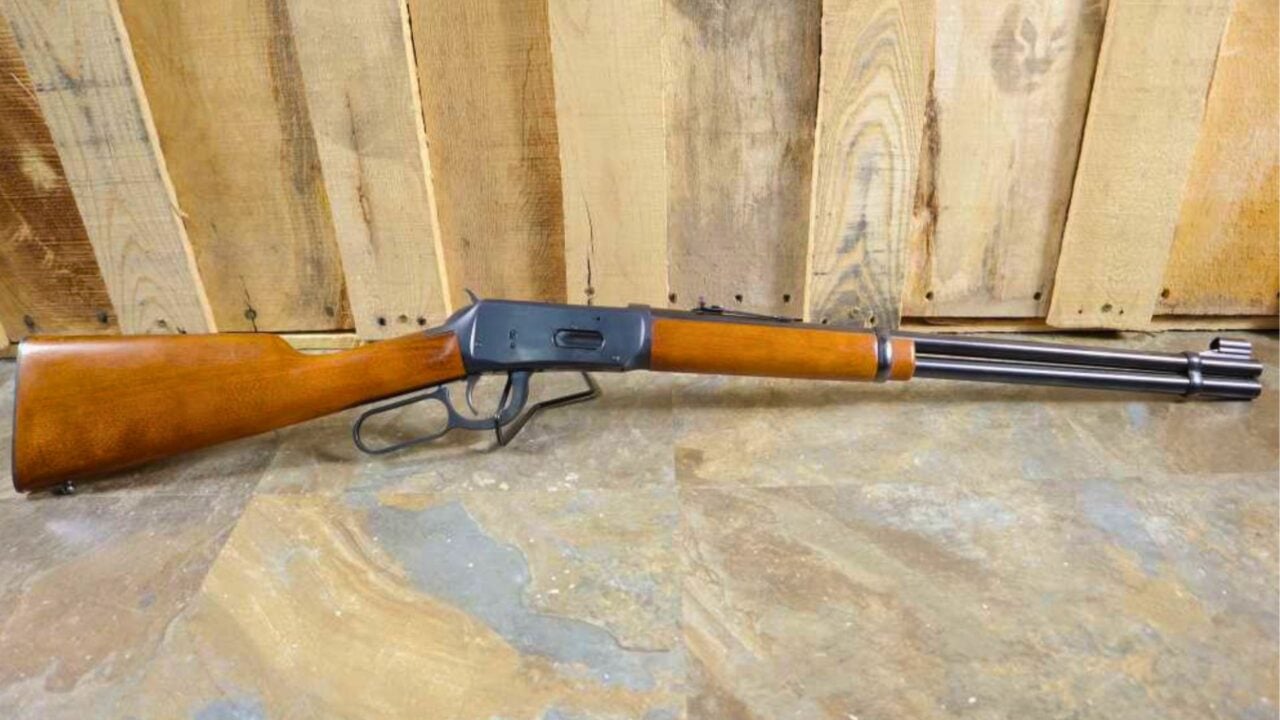
This is one of those rifles that used to sit at shows because it didn’t fit easy categories. Box magazine lever gun, classic history, and a design that feels more serious than a saddle ring carbine. It’s also just plain cool in a way that’s hard to explain until you shoulder one.
Collectors drove a lot of the spike, but hunters did too in certain chamberings. Not a beginner’s lever gun, and not a bargain anymore.
18. Marlin 444 (Model 444 / 444S)
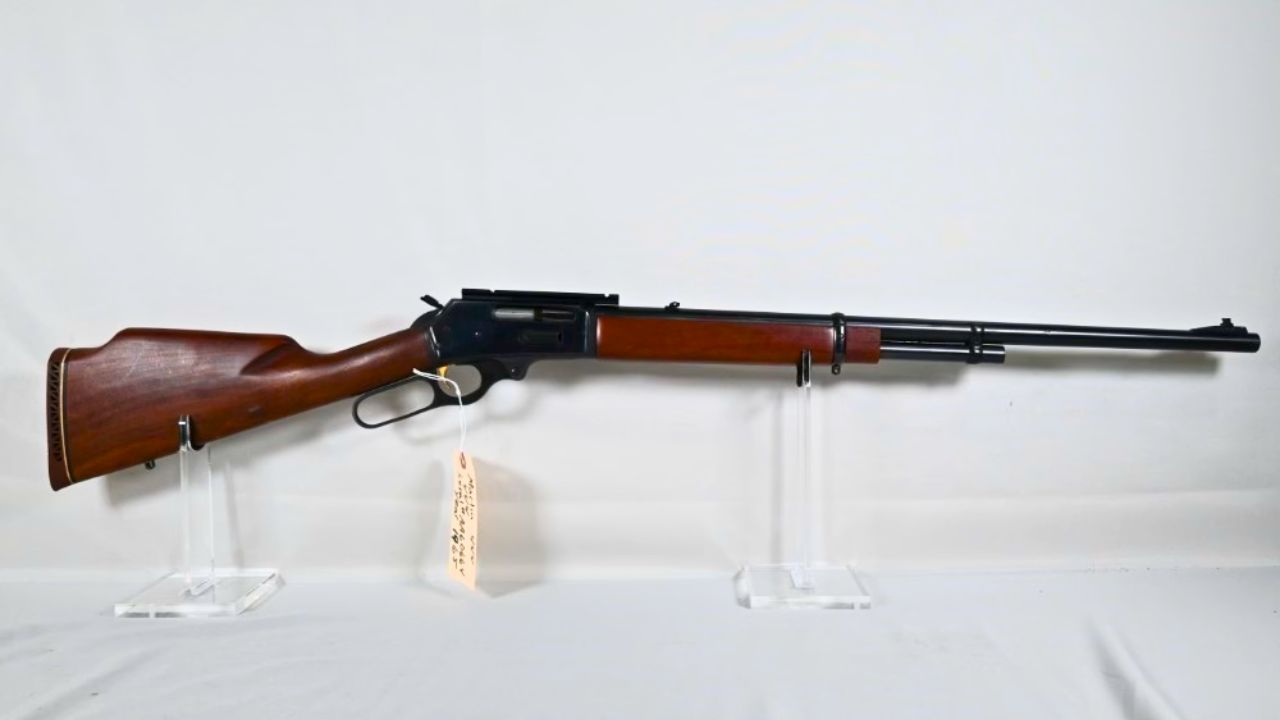
The .444 Marlin spent years being the cartridge most guys “meant to try someday.” The rifles were around, the ammo existed, and yet it never got mainstream love like .30-30 or .45-70. Then ammo shelves got weird, and hunters remembered the .444 is a legitimate thumper with less romance tax than some other big bores.
Rifles in good shape started moving. And when a sleeper wakes up, it doesn’t go back to sleep for the old price.
19. Marlin 336 in .35 Remington

Ask a woods hunter what they think of .35 Remington and you’ll usually get a grin. It’s not flashy, but it hits hard, tracks well in brushy country, and it just works inside normal ranges. The problem is the caliber became less common on shelves, and suddenly rifles chambered for it got a special glow.
It’s a great example of the market doing what it does: scarcity plus reputation equals pain at the register. If you’ve got one that shoots, hang onto it.
20. Mossberg 464

Here’s a curveball. The 464 isn’t a fancy classic, and it doesn’t have the same collector crowd as a pre-64 Winchester. But it’s a working .30-30 that spent a long time being treated like a second-choice rifle. Then the budget lever gun market tightened up, and suddenly “second choice” looked like “only choice” for a lot of folks.
Not every 464 feels like a heirloom, and some triggers are nothing to write home about. Still, when the shelves are bare and deer season is close, a reliable lever gun with common ammo gets respect in a hurry.
Lever-actions have always been useful rifles, but the last few years reminded everyone that usefulness and nostalgia can hit the same target. If you’ve got one of these and it fits your hunting, don’t be too quick to trade it off just because it isn’t trendy this week. The market has a way of changing its mind, and it usually does it right after you let something go.
Like The Avid Outdoorsman’s content? Subscribe to our newsletter so you never miss an article.
Here’s more from us: