Photo credit: Guns, Gear & On Target Training, LLC/Youtube
I have stood at enough gun counters, estate tables, and range benches to know how it goes. A good handgun changes hands, and the new owner is already halfway to not appreciating it. Sometimes it’s ignorance. Sometimes it’s a rush to chase the newest thing. And sometimes it’s just a mismatch between what a pistol really is and what the buyer thinks it’s going to do for them.
These are 20 handguns I’ve watched walk out the door to owners who, in my opinion, were never going to “get it.” Not because they were bad people. They just didn’t understand what they were holding, what it took to run it, or why it mattered.
1. Colt Python (older blued guns)

I watched one get bought like it was just another shiny revolver, and that one hurts. The older blued Pythons have a look that photos never quite capture, and the action—when it’s right—feels like it’s running on ball bearings. But they’re not a casual beater wheelgun, and they’re not the kind of revolver you toss loose in a glove box with spare change.
The buyer talked mostly about “how loud .357 is” and how it would be “fun for the woods.” Maybe. But a Python is also about care, proper timing, and not fanning or slamming it like a movie prop. Parts and good revolver smiths aren’t everywhere. If you want a hard-use .357, there are better choices. If you want a Python, you need to understand you’re buying craftsmanship you can’t casually replace.
2. Smith & Wesson Model 29 (classic .44 Magnum)
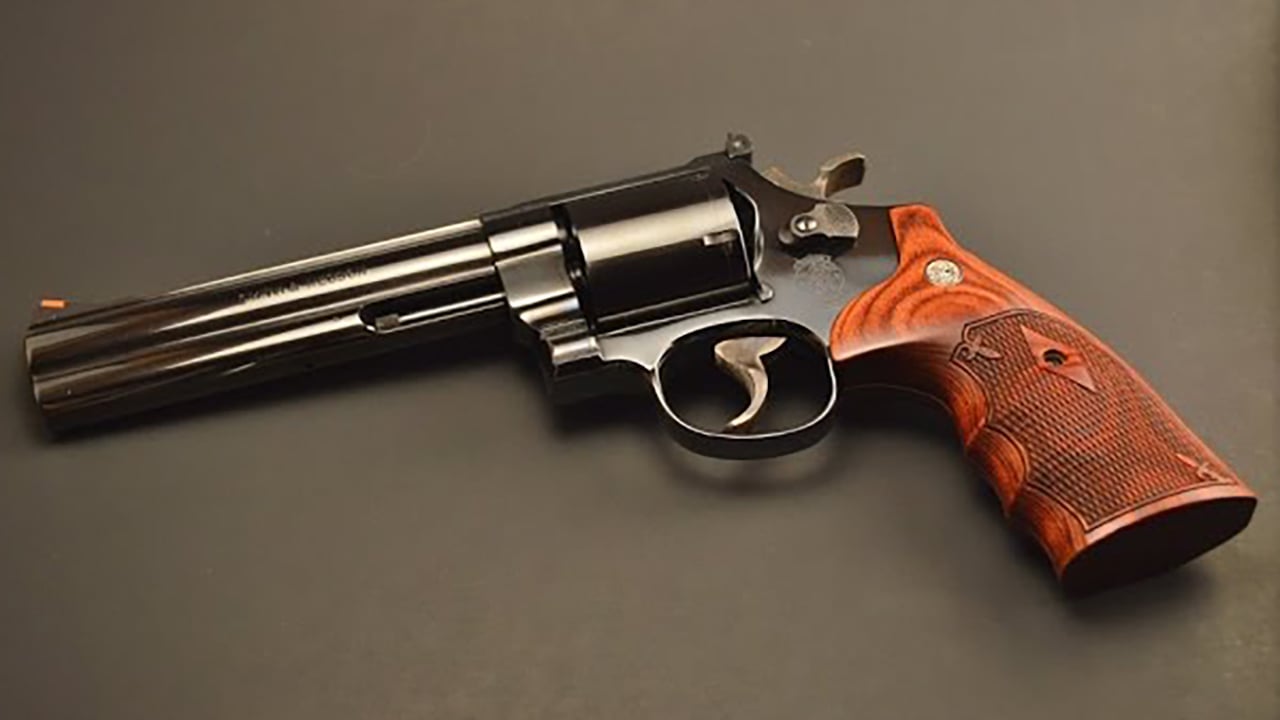
The .44 Magnum crowd splits into two groups: the ones who shoot it well and the ones who own it as a statement. I’ve seen Model 29s end up with guys who were dead set on full-house loads, two cylinders a year, and then it lives in the safe because it “kicks too much.” That’s not a Model 29 problem. That’s a expectations problem.
A good Model 29 is a serious revolver, but it’s also a tool you can tailor with sensible loads. Mid-range .44s are accurate, controllable, and useful for woods carry where legal. The folks who don’t understand it chase recoil, develop a flinch, and then blame the gun. Meanwhile, that revolver would have been perfect with a steady diet of sane ammo and a little respect for what N-frames are meant to be.
3. Browning Hi-Power (FN/Browning P-35)
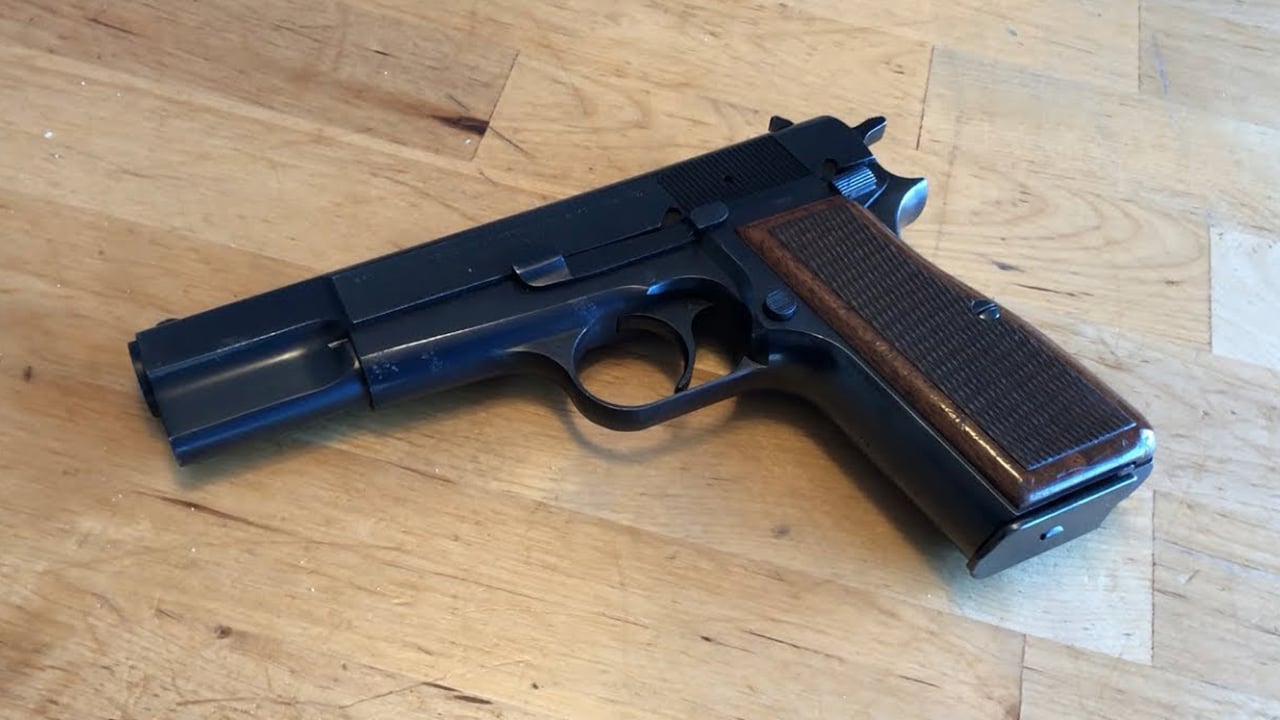
I’ve watched more than one Hi-Power get bought by somebody who wanted it to be a modern striker gun with a prettier slide. That’s missing the point. The Hi-Power points naturally, carries flatter than you’d think, and has real history behind it. It’s also an older design with quirks—especially if you’re used to “out of the box perfect” triggers.
Some versions have the magazine disconnect that makes the trigger feel heavier and gritty. The buyer who doesn’t understand the platform immediately starts talking about “fixing it” or “upgrading it” without knowing what they’re changing. Magazines are generally available, but not all are equal, and cheap mags can make a Hi-Power look unreliable. Treated right, it’s a sweet-shooting 9mm that still makes sense. Treated like a disposable project, it becomes a frustration.
4. Heckler & Koch P7 (PSP/M8)
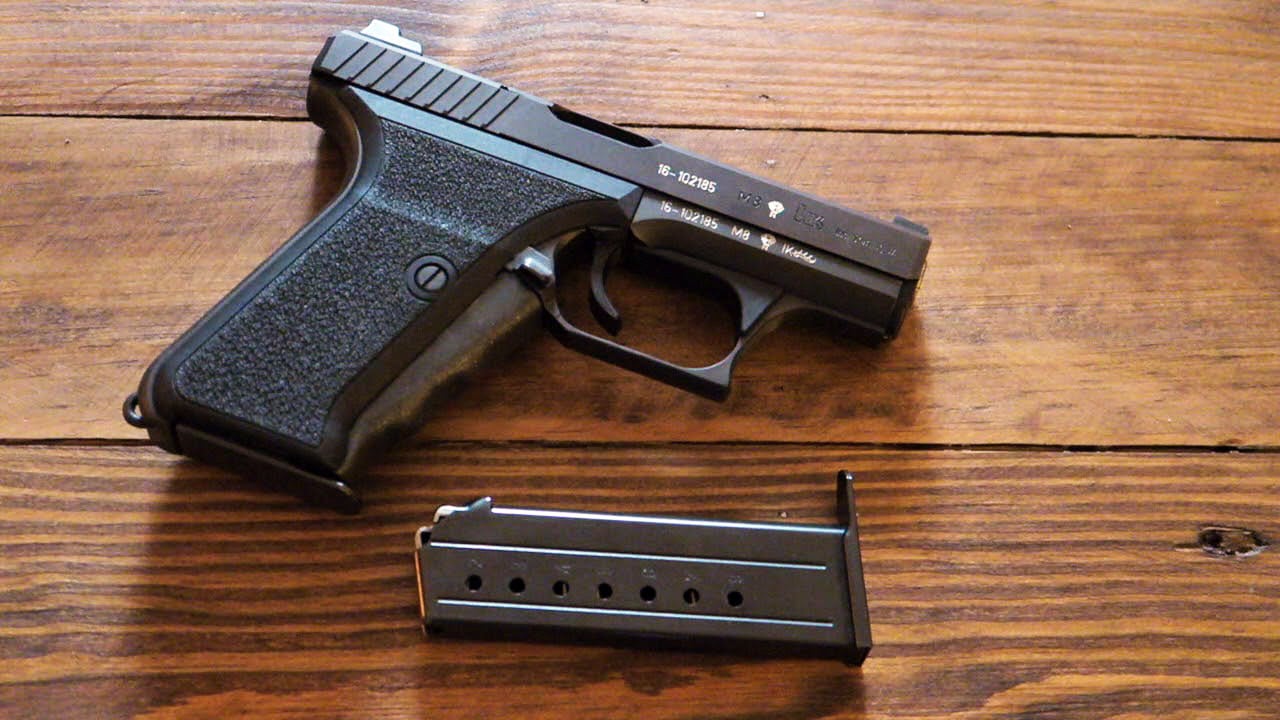
The P7 is one of those pistols that separates “gun guys” from “I bought a gun” guys. I watched a P7 get sold to someone who complained the whole time about the squeeze-cocker being “weird” and the gun being “too heavy for a 9.” No kidding. That squeeze-cocker is the entire point, and the weight is part of why it shoots so flat.
There are downsides, and they’re real. The gun heats up with fast strings, and it’s not the easiest pistol to maintain if you’re careless. Magazines and parts aren’t gas-station common. But the P7 carries surprisingly well, comes out of the holster clean, and rewards deliberate shooting. The wrong owner treats it like an oddball collectible they’ll never shoot, or they try to run it like a modern class gun and get annoyed. Either way, they never learn why it’s special.
5. SIG Sauer P210 (Swiss/German-style precision)
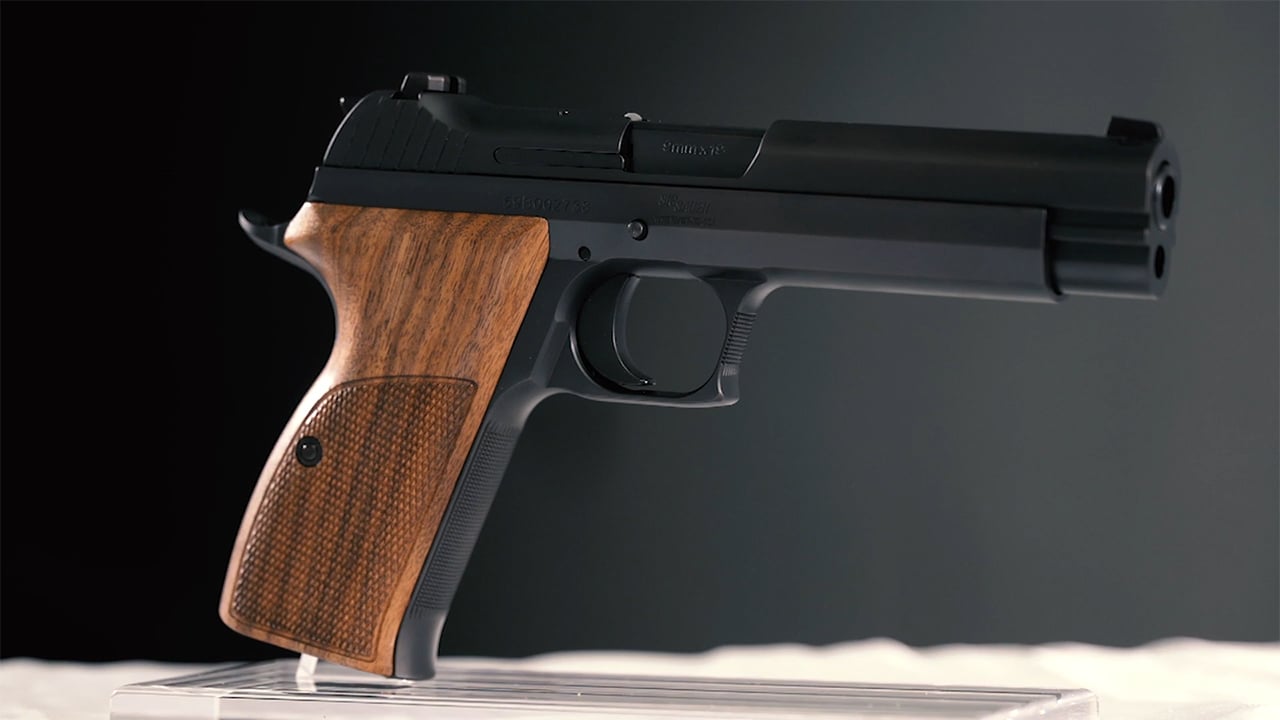
I’ve seen P210s purchased by folks who just wanted “the most accurate 9mm” like it was a cheat code. Then they show up with bargain ammo, slap at the trigger, and decide it’s “no better than my plastic gun.” That’s user error, and it misses what a P210 really is: a precision instrument that rewards fundamentals.
The P210 isn’t about capacity, and it’s not about being the lightest carry gun. It’s about lockup, barrel fit, and a trigger that tells the truth. The cost to buy in is high, and the cost to replace isn’t trending downward. If you’re the kind of shooter who enjoys slow fire groups, careful zeroing, and building skill, it makes you smile. If you’re chasing ego, it becomes an expensive disappointment sitting in a foam case.
6. Colt Series 70 Government Model (classic 1911)
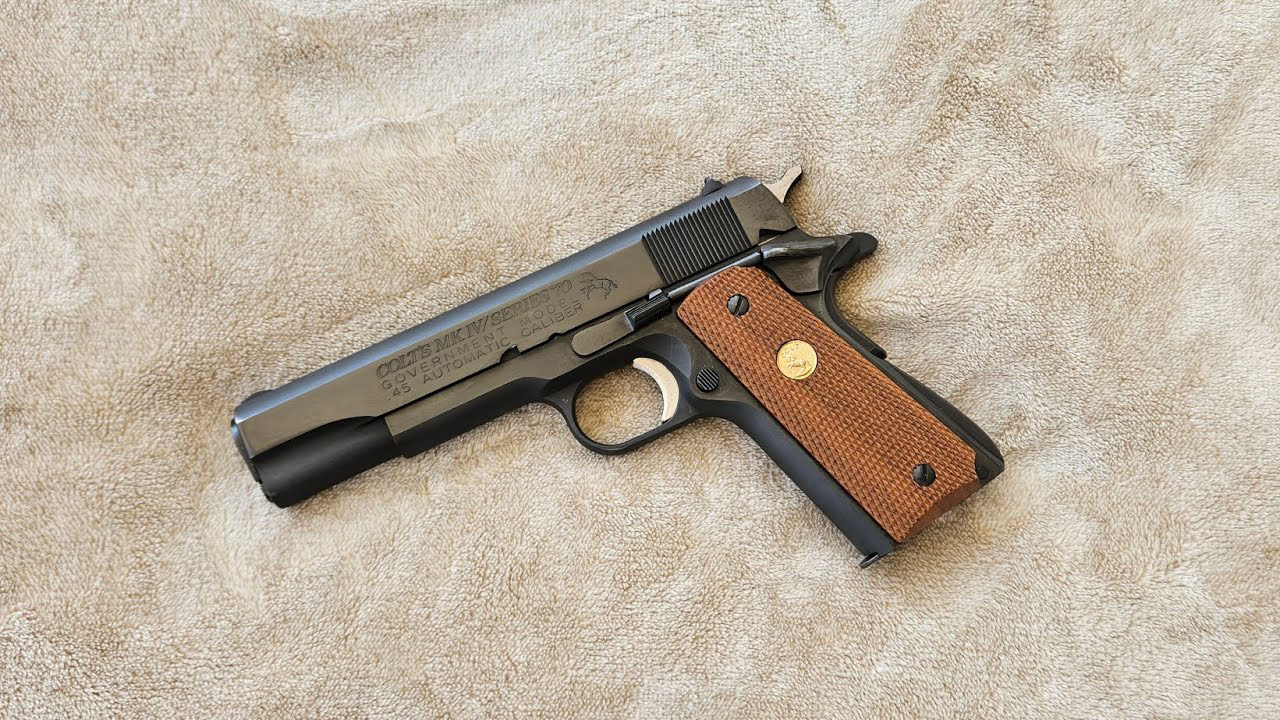
A good Series 70 Colt is one of the easiest pistols to appreciate—if you understand 1911s. I watched one go to a buyer who wanted “a battle gun” but had no interest in learning magazines, springs, lubrication, or the fact that not every 1911 loves every hollow point. A 1911 can be extremely reliable. It just doesn’t tolerate neglect the same way some modern guns do.
The Colt name means something, but that doesn’t mean you can treat it like a rental Glock. The guys who don’t understand a Series 70 will immediately start swapping parts because the internet told them to. Then the gun runs worse, and the blame goes on the pistol instead of the tinkering. There’s nothing fancy about a Government Model, and that is kind of the point. Keep it close to stock, feed it decent magazines, and it will outshoot most owners.
7. Smith & Wesson Model 19 (K-frame .357)
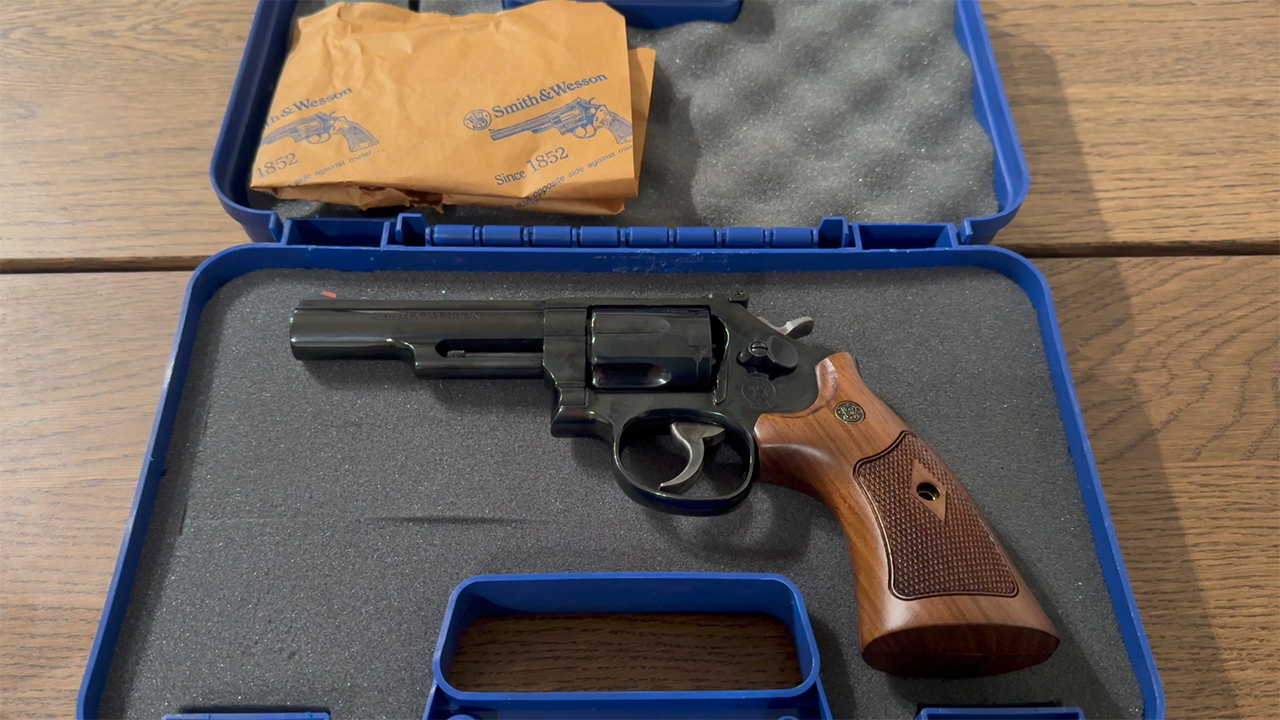
The Model 19 is one of the best-handling revolvers Smith ever made, and it’s also one of the most misunderstood. I’ve watched buyers pick one up because they want “a light .357,” then run a steady diet of the hottest loads they can find. K-frames will handle .357, but they were never meant to live their whole life on nuclear ammo.
The smart way to own a Model 19 is to shoot mostly .38 Special and carry .357 if you want the option. It’s accurate, it carries well, and the balance is just right. The wrong owner treats it like a Ruger tank, then acts surprised when forcing cone and timing conversations show up down the road. A Model 19 is a woods companion and a belt gun, not a punishment device. It deserves an owner who understands moderation.
8. Ruger GP100 (4-inch workhorse)
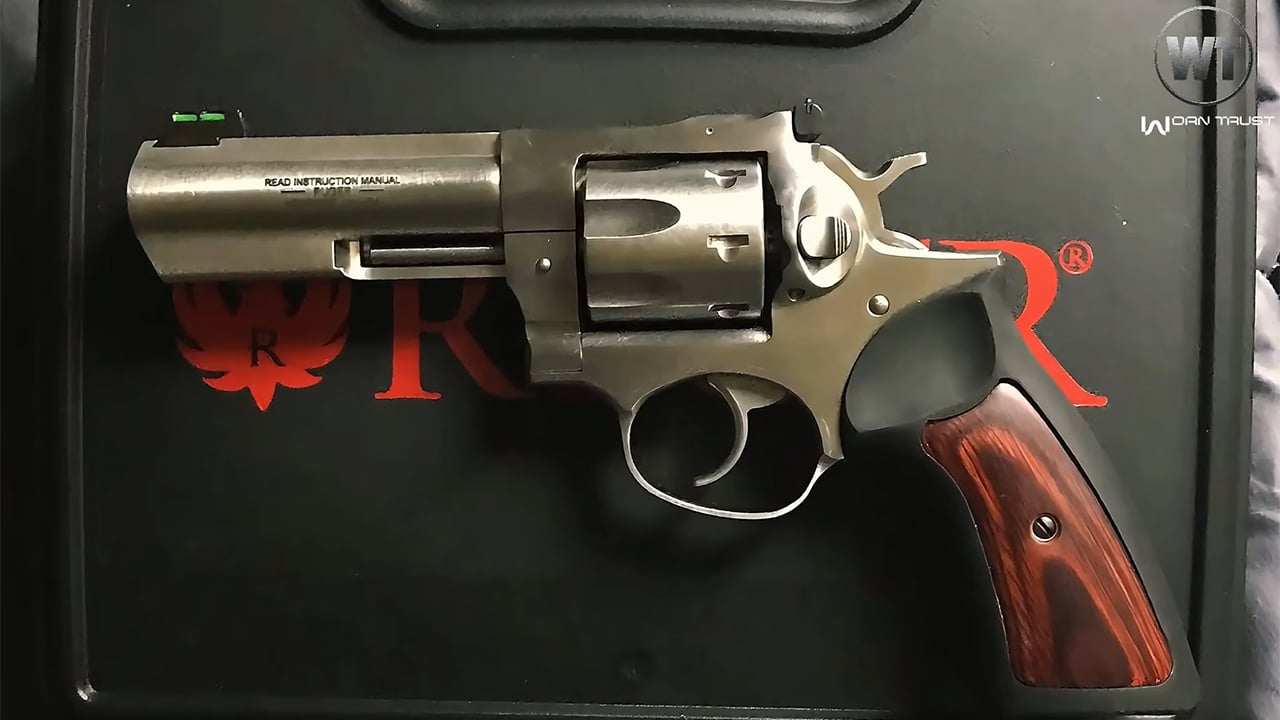
It’s funny to say someone didn’t understand a GP100, because it’s about as straightforward as it gets. But I’ve seen it bought by folks who expected it to feel “smooth like a tuned Colt” right out of the box. Ruger builds them strong, and sometimes that means the trigger feels like it has gravel in it until it’s broken in and properly maintained.
A GP100 isn’t glamorous. It’s heavy on the belt and it’s not winning any concealment contests. But it rides in a chest holster during chores, lives in a tackle box on trips, and it handles real .357 loads without drama. The owners who don’t understand it sell it after one range trip because it’s “too much gun.” They never learn the payoff: it lasts, it’s dependable, and parts/support are everywhere. In the outdoors, boring and tough beats fancy and fragile.
9. Glock 19 (Gen 3/4/5)
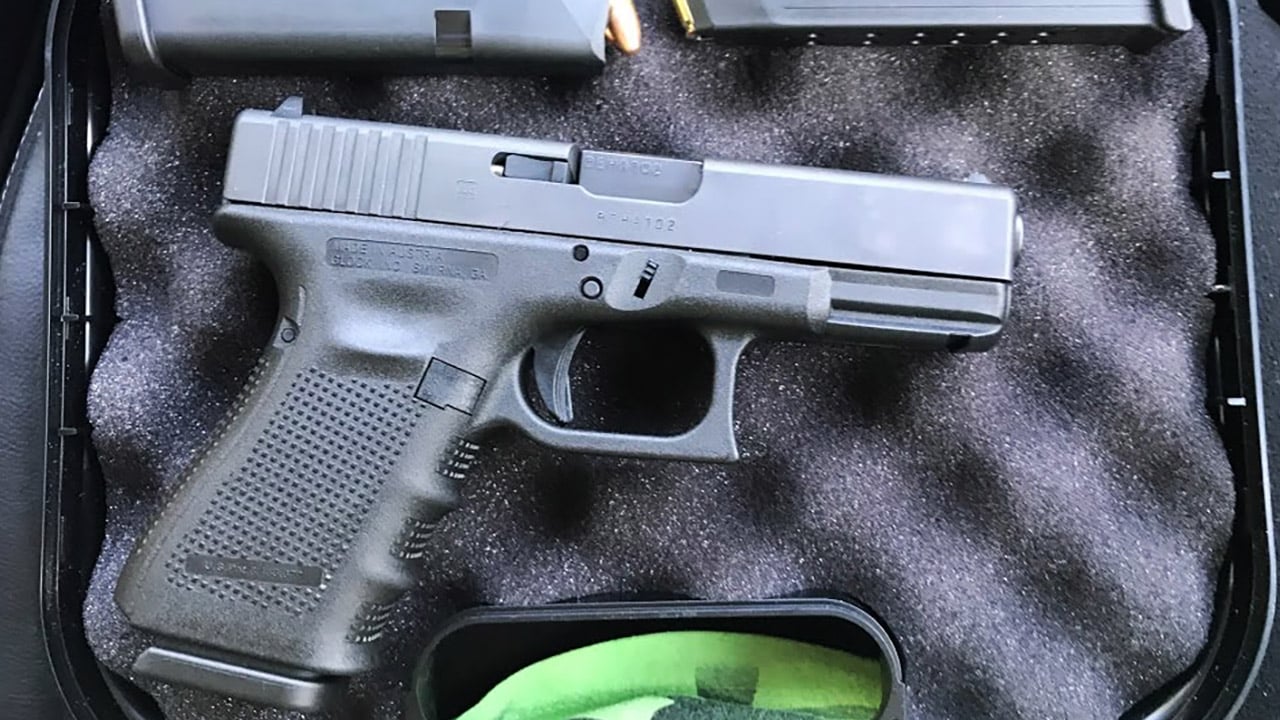
I’ve watched Glock 19s go to brand-new gun owners who thought the gun itself was the training. They bought it because everyone said to, then never shot it enough to learn the trigger or confirm their carry ammo runs. The Glock 19 is not magical. It’s just a very good baseline that forgives a lot and keeps working when life gets dusty and sweaty.
The “never going to get it” owner either leaves it bone stock and never learns how to shoot it, or they hang a pile of junk accessories on it chasing confidence. A Glock 19 carries well, magazines are everywhere, and it’s easy to support with parts and holsters. But you still have to put in the work. A plain Glock in trained hands is a serious tool. A Glock bought as a talisman turns into a nightstand paperweight with a half-dead light.
10. Beretta 92FS (classic full-size 9mm)
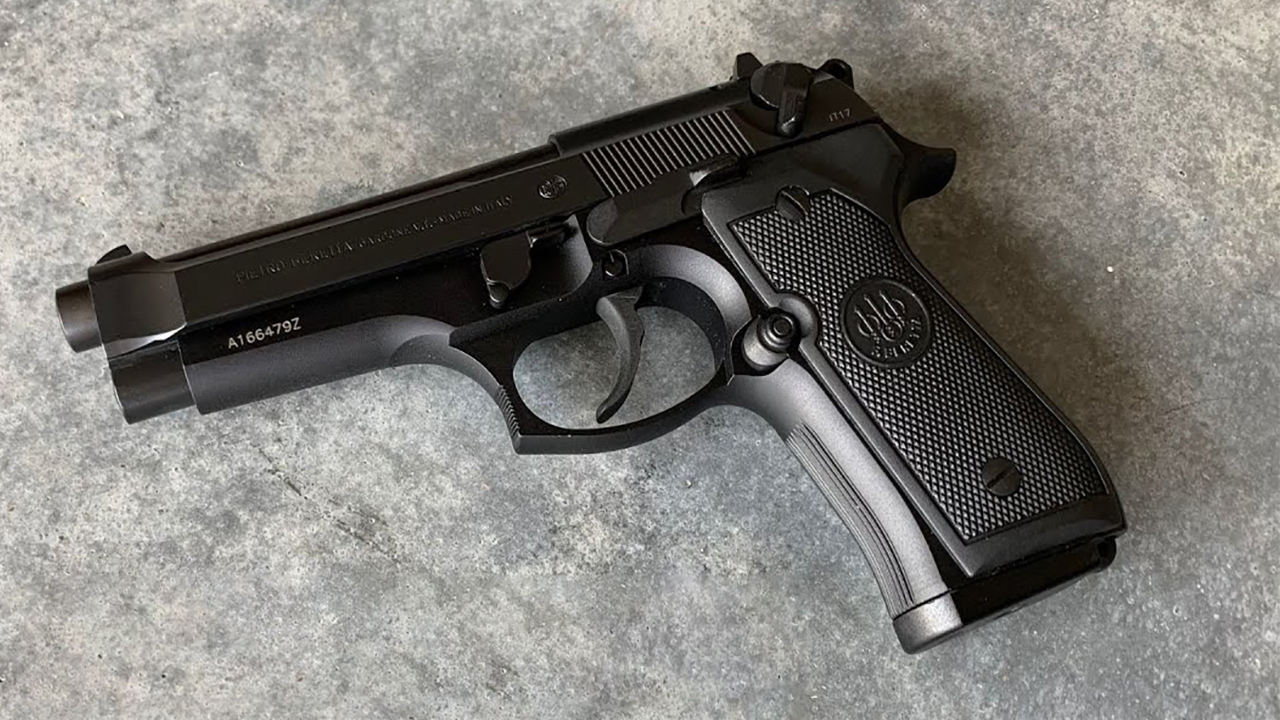
The Beretta 92 has a feel in the hand that a lot of modern pistols don’t. It’s long, smooth, and it cycles like it’s on rails. I’ve watched them get bought by guys who immediately complain it’s “too big” and then try to carry it in a bargain holster that collapses and prints like a brick. That’s not the gun’s fault.
The 92FS shines as a range gun, home gun, and belt gun with the right rig. It’s soft shooting, reliable with good magazines, and the sight radius makes average shooters look better than they are. The owners who don’t understand it get wrapped up in safety/decocker arguments and never learn their specific variant. Run it consistently, practice the first double-action shot, and it’s a sweetheart. Treat it like a polymer compact and you’ll stay annoyed.
Free for gun owners: If something happened to you tomorrow, would your family know where the guns are, who has the safe combination, or what to do first? Our free Gun Owner’s Family Checklist walks them through it. It takes about 15 minutes to fill out. Get your free copy here.
11. CZ 75B (steel, DA/SA)
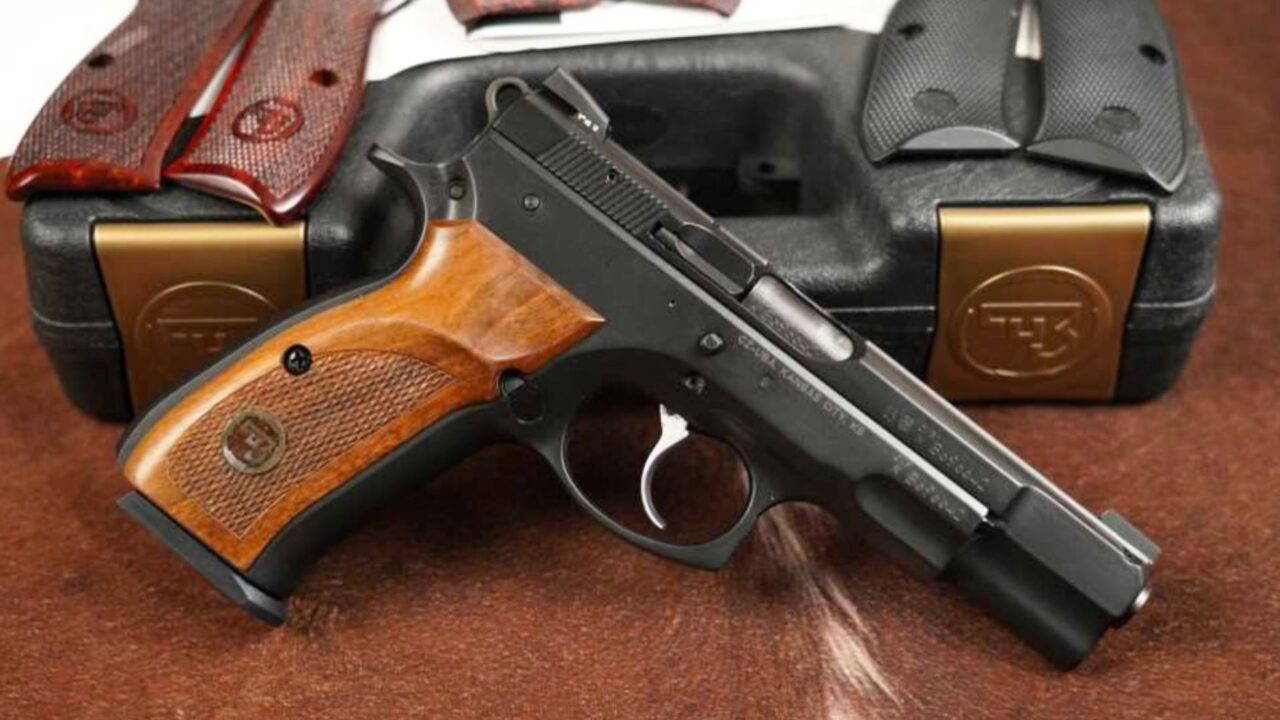
A CZ 75B feels like it was made for human hands, and I’ve seen them leave with buyers who only cared that it was “cheaper than a SIG.” Then they get home and realize it’s heavier than they expected and the double-action pull takes practice. They call it “overrated” because it didn’t instantly make them shoot like a hero.
The CZ rewards time. The low slide profile, the way it tracks, and that steel frame soak up recoil. It’s a pistol you can run hard at the range and still enjoy. But if you’re not willing to learn DA/SA, you’ll never see what it offers. Magazines are available, but not every bargain mag is created equal. I’ve also seen guys neglect the basics—springs and maintenance—and then act surprised when an older CZ starts feeling tired. Treated right, it’s a lifetime handgun.
12. Walther PPK (the real carry reality check)

The PPK is the definition of “cool doesn’t always equal comfortable.” I’ve watched folks buy one because it looks classy, then immediately hate shooting it. Small blowback .380s can be snappy, and the PPK has edges that will remind you it’s not a modern ergonomic wonder. If you don’t understand what it is, you’ll think something is wrong with it.
As a carry gun, it takes commitment. You need the right grip technique, you need to test your ammo, and you need a holster that protects the trigger and keeps it oriented. The buyer who doesn’t understand it expects a gentle-shooting pocket pistol and ends up with sore hands and poor groups. Still, a good PPK has a niche: deep concealment with old-school style and solid build. You just can’t buy it and expect it to behave like a locked-breech micro-9.
13. Ruger Mark II (classic .22 pistol)
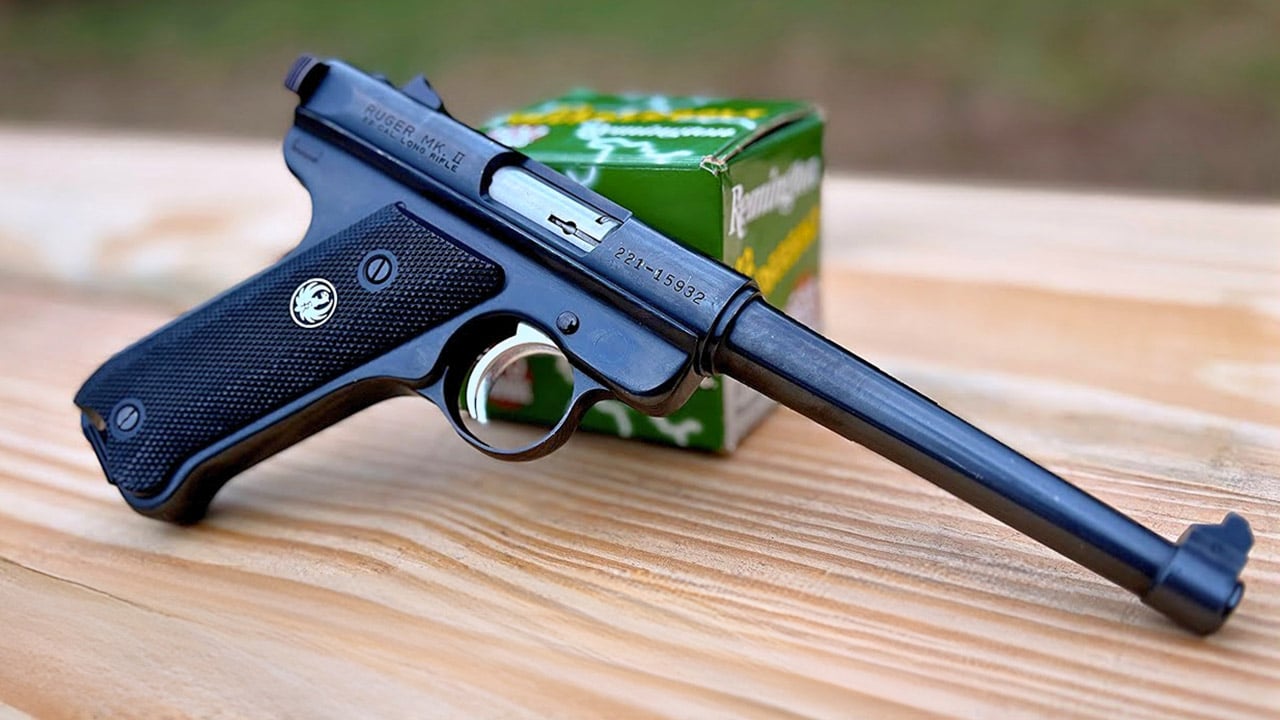
I’ve seen Ruger Mark II pistols sold off as “just a .22” by people who never realized what they had. They’ll trade it toward some shiny new thing, then later discover the Mark II was the gun that made them a better shot. The trigger can be excellent, the accuracy is there, and they run forever if you keep them reasonably clean.
The main reason folks don’t understand them is takedown. If you didn’t grow up with one, the first time you field strip it can feel like a chore. Then they decide it’s “too complicated” and dump it. Ask me how I know. But a Mark II is a small-game, plinking, and training machine, and it will eat bulk ammo better than many newer rimfires. When you find a good one, hold onto it, and learn the routine.
14. Smith & Wesson Model 41 (target .22)
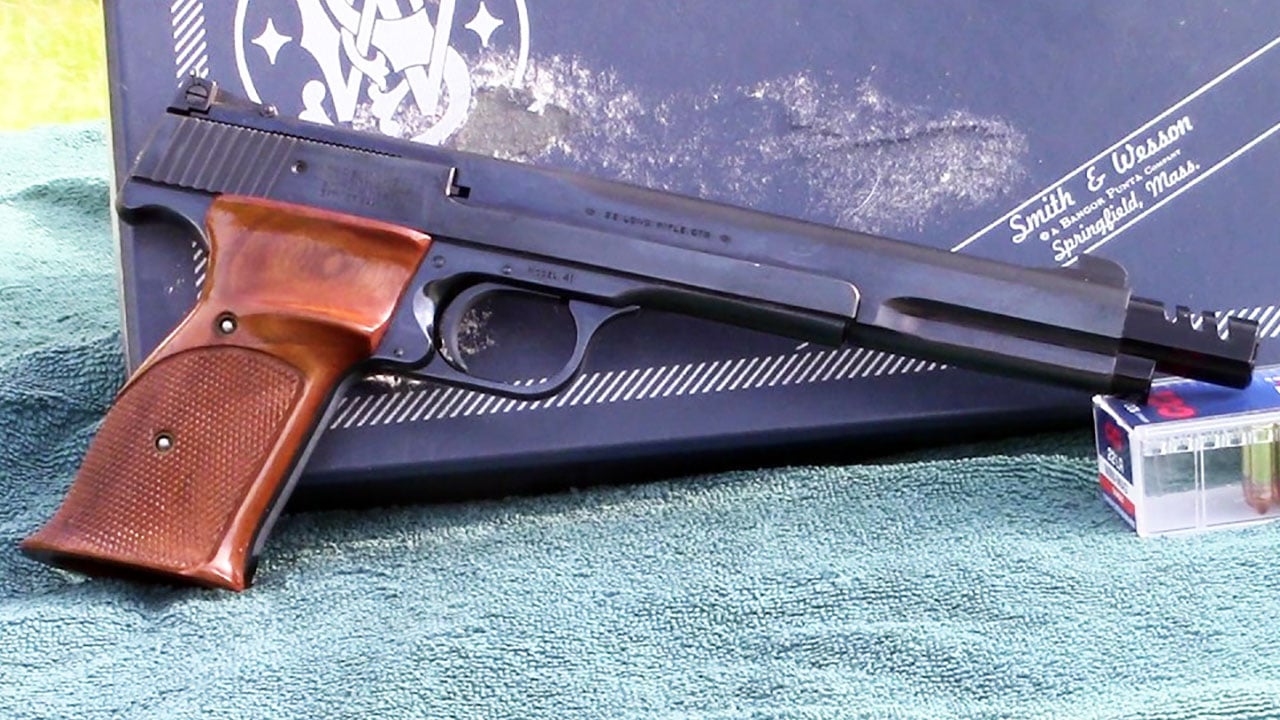
A Model 41 in the wrong hands is like handing a custom fly rod to someone who only fishes once every three years. I watched a Model 41 get bought because it was “the nicest .22 here,” then it got fed the cheapest ammo available and malfunctions became the whole conversation. A target pistol is built for precision and consistency, not random bargain bricks.
When you feed a Model 41 what it likes and you do your part, it will embarrass you—in a good way. It shows every mistake, every flinch, every rushed shot. That’s why it’s valuable. The folks who don’t understand it expect instant perfection without matching ammo, magazines, or maintenance to the gun’s purpose. It’s also not a trail gun you bang around. It’s a deliberate shooter’s pistol, and the right owner treats it like a tool for skill, not just noise.
15. Ruger Single-Six (convertible .22 LR/.22 WMR)
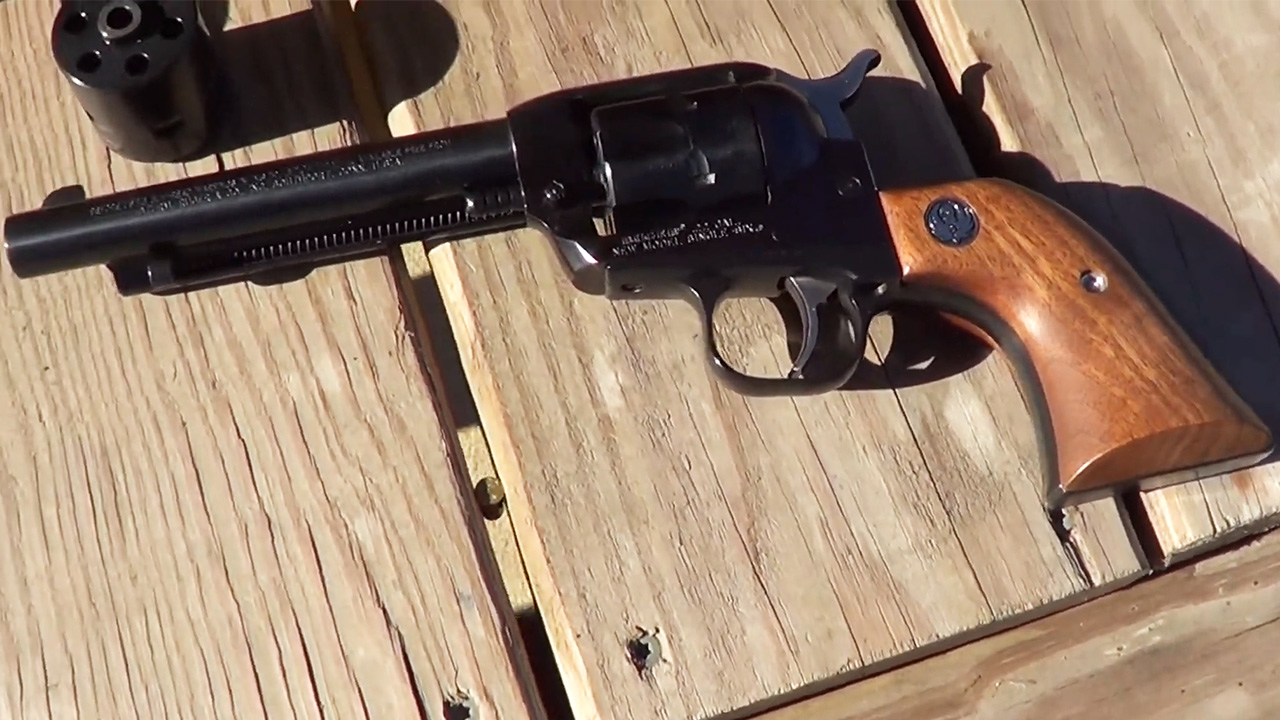
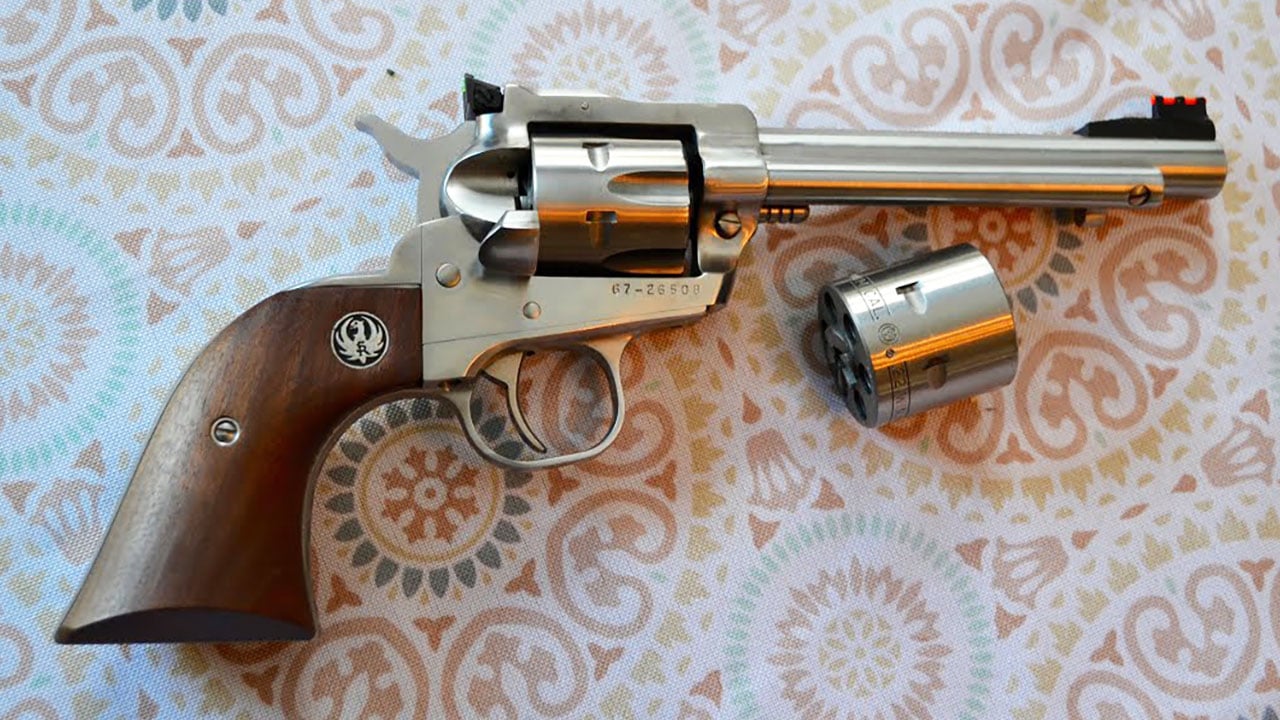
The Single-Six is one of the most useful “around the place” handguns ever made, and it’s constantly underestimated. I’ve watched them get bought by people who think single-actions are only for cowboy cosplay. Then the first time they try to load it fast like a modern gun, they get impatient and decide it’s “too slow.” That’s missing the point.
A Single-Six rides in a hip holster for chores, knocks down pests where legal, and makes an afternoon of plinking simple and satisfying. The convertible cylinder adds flexibility, but only if the owner understands that point of impact can shift between LR and WMR. It also teaches safe handling and patience. The wrong owner wants speed and capacity above all else. The right owner ends up with a revolver that gets used more than the expensive stuff.
16. Freedom Arms Model 83 (.454 Casull)
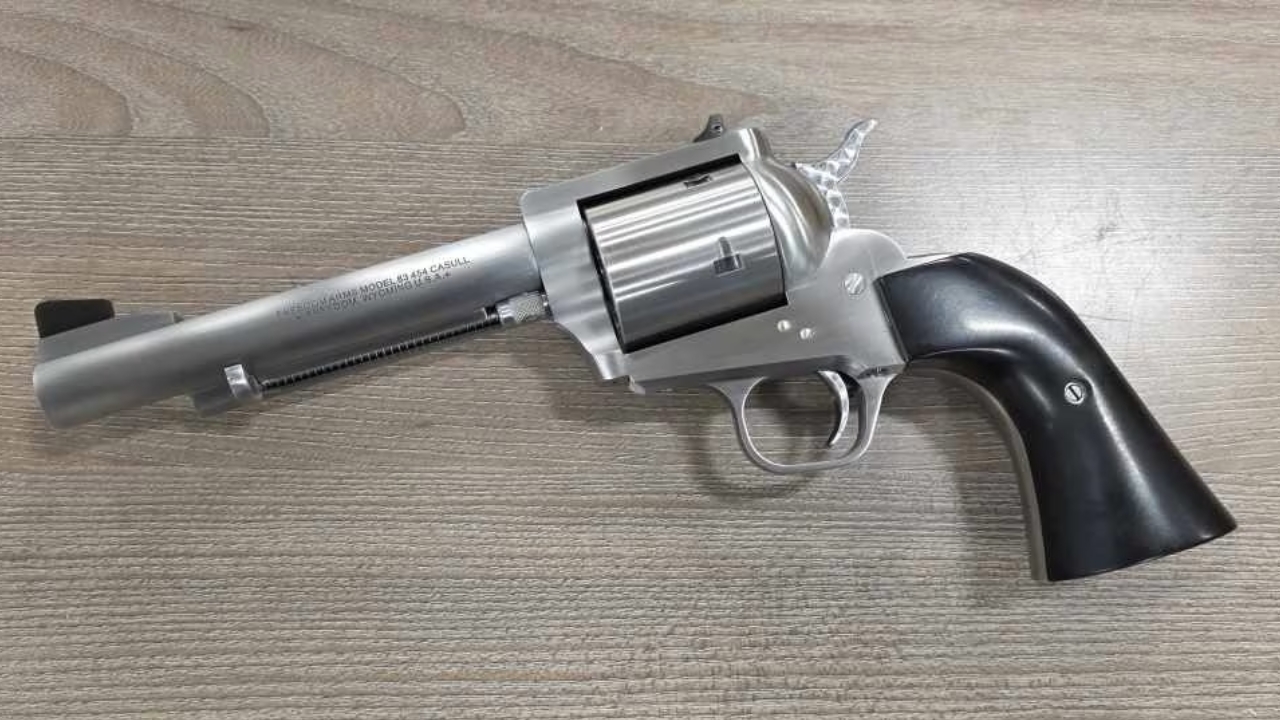
I’ve watched a Model 83 go to a guy who wanted to “have the biggest revolver” and nothing more. Freedom Arms builds a serious piece of equipment, with tight tolerances and real accuracy potential. If you don’t understand that, you’ll treat it like a novelty cannon and never develop the skill to use it.
.454 Casull is not casual. It’s loud, it’s sharp, and it demands grip discipline and follow-through. The gun will do its part if you do yours, but it’s not forgiving. I’ve seen owners shoot a few cylinders, decide it’s miserable, and then it sits unfired while they talk about it like it’s a trophy. A Model 83 makes sense for hunting handgunners and folks in big-bear country who actually train. For everyone else, it’s expensive recoil therapy.
17. Kimber Ultra Carry II (short 1911 reality)
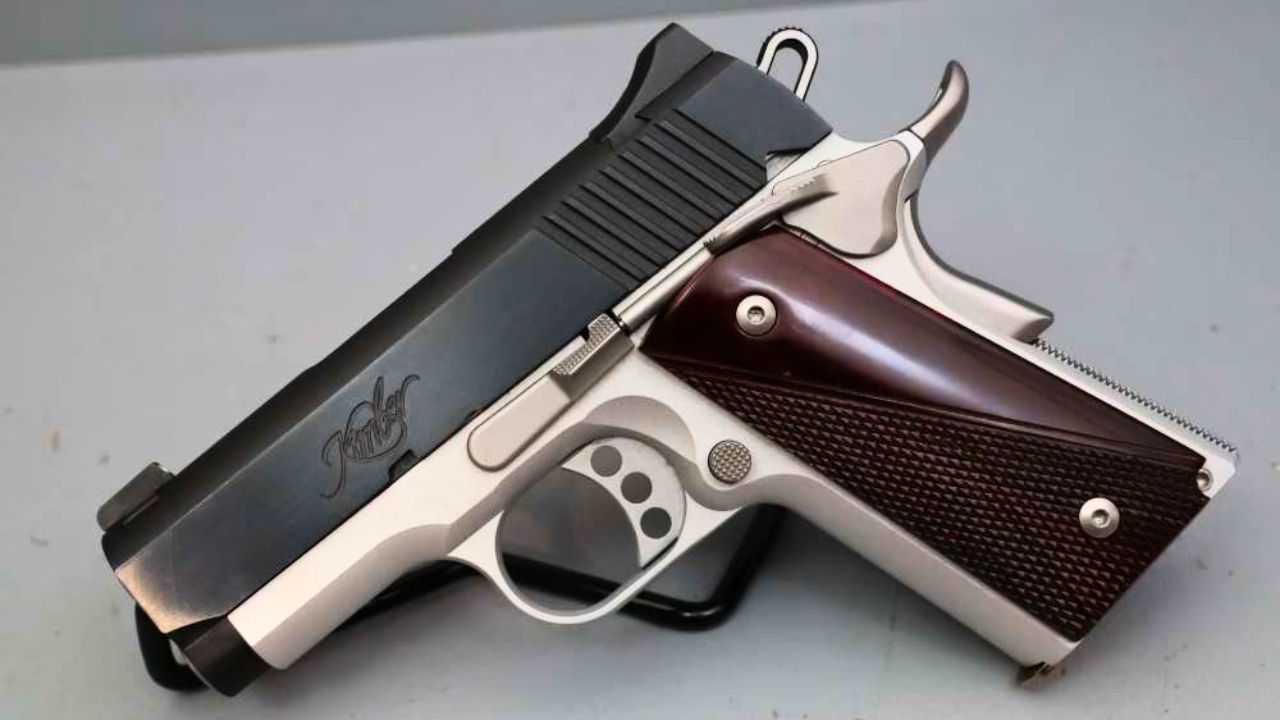
Small 1911s attract buyers who want the look and feel of a 1911 with the convenience of a subcompact. Then reality shows up. I’ve watched folks buy an Ultra Carry II and immediately run into the truth: shorter 1911s can be pickier about magazines and ammo, and they have less tolerance for sloppy grip and weak fundamentals.
When they run, they carry nicely and feel great in the hand. But the owner who doesn’t understand the platform will skip the break-in, under-lube it, and then declare it “junk” after a couple stovepipes. It might need nothing more than better magazines, a different load, and an owner who actually shoots it enough to settle in. I’m not saying every compact 1911 is perfect—some aren’t. I’m saying you don’t buy one as your first pistol and expect it to behave like a duty-size striker gun.
18. SIG Sauer P229 (DA/SA work pistol)

The P229 is a serious, durable handgun, and I’ve seen them bought by people who wanted a “premium” name without understanding what makes it work. They’ll complain it’s heavy, complain it’s not as simple as their old striker gun, and then they never put in the reps to learn that first double-action shot. The gun ends up labeled “too complicated” when it’s really just different.
A P229 carries better than its blocky reputation suggests, especially with a good belt. It’s reliable, controllable, and built to last, and magazines are usually easy enough to find. But it’s not a featherweight, and it’s not cheap to feed if you’re always chasing boutique ammo. The owner who understands it uses it as a do-everything belt gun: range, home, travel. The owner who doesn’t understand it trades it off and buys something lighter, then wonders why the lighter gun feels snappier and harder to shoot well.
19. Smith & Wesson 642 Airweight (J-frame .38)
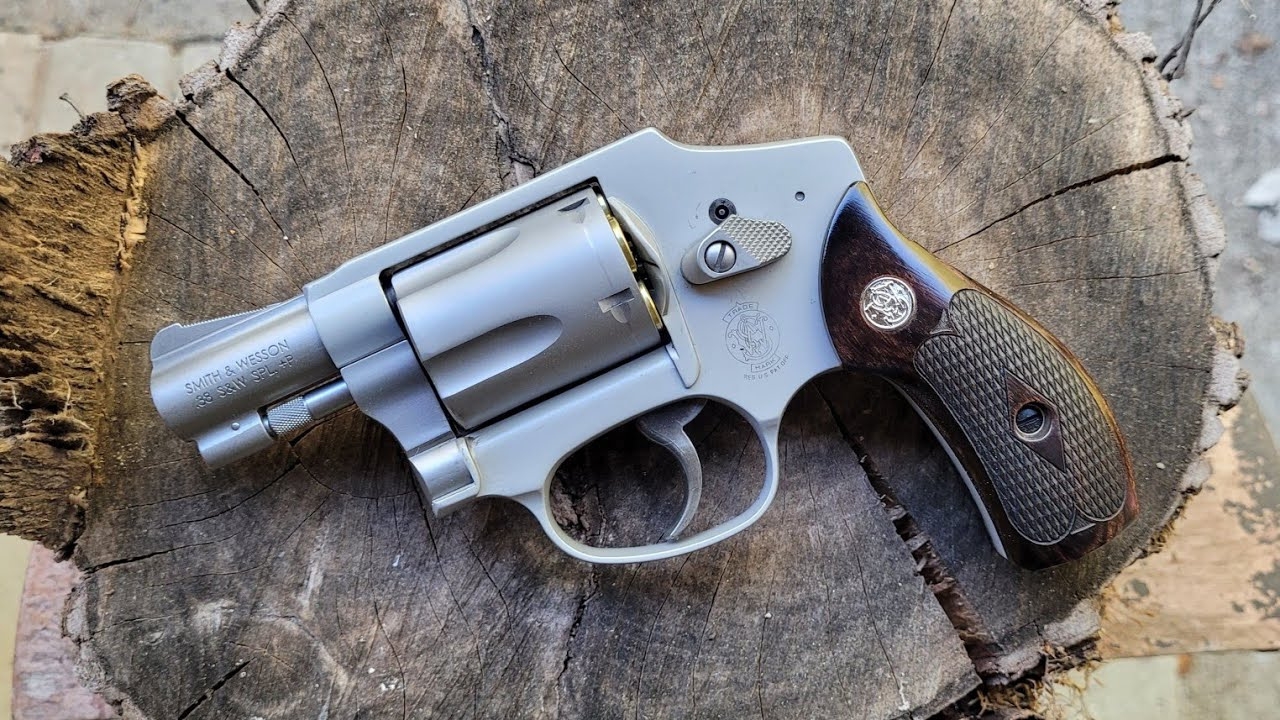
The 642 gets bought by new carriers who think “small” equals “easy.” Then they shoot it and realize a lightweight snubnose is not forgiving. I’ve watched folks show up to the range with a box of +P, get beat up by it, and decide they hate revolvers. A 642 will tell on you fast: grip, trigger control, and follow-through matter.
Still, it’s one of the most practical handguns ever made for real-life carry. It disappears in a pocket with the right holster, it doesn’t care about lint like some tiny autos, and it’s simple under stress if you actually practice. The owner who doesn’t understand it never learns to stage that long trigger or choose controllable ammo they can shoot accurately. They wanted comfort and got recoil. The 642 works when you meet it halfway.
20. Ruger SP101 (small-frame durability)
The SP101 is what a lot of folks should buy instead of a super-light snub, but they don’t understand why until later. I’ve watched SP101s go to people who wanted a “small revolver” and got mad that it felt heavy. Yes, it’s heavier than an Airweight. That weight is the reason it’s pleasant enough to practice with and sturdy enough to last.
An SP101 with sensible grips and good sights is a legit woods and town revolver, especially in .357 where you can still shoot plenty of .38. It carries on the belt well, and it’s the kind of gun you can hand to a family member without worrying they’ll beat it to death. The owners who don’t understand it judge it in the hand at the counter instead of on the range after 200 rounds. They sell it for something lighter, shoot that less, and end up no better off.
I’m not saying every one of these belongs in every safe. I am saying there’s a difference between owning a handgun and understanding it. If you’re about to buy something with real history, real craftsmanship, or even just real utility, slow down. Handle it, research it, and be honest about what you’ll actually do with it. The right handgun in the right hands becomes part of your life. The wrong match becomes a regret receipt.
Like The Avid Outdoorsman’s content? Subscribe to our newsletter so you never miss an article.
Here’s more from us: