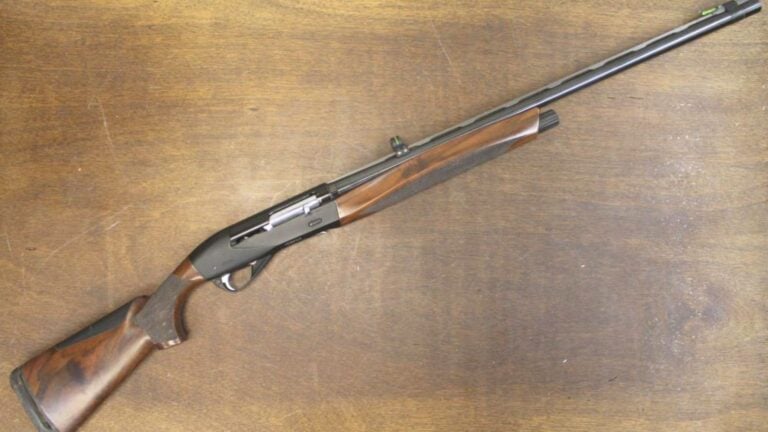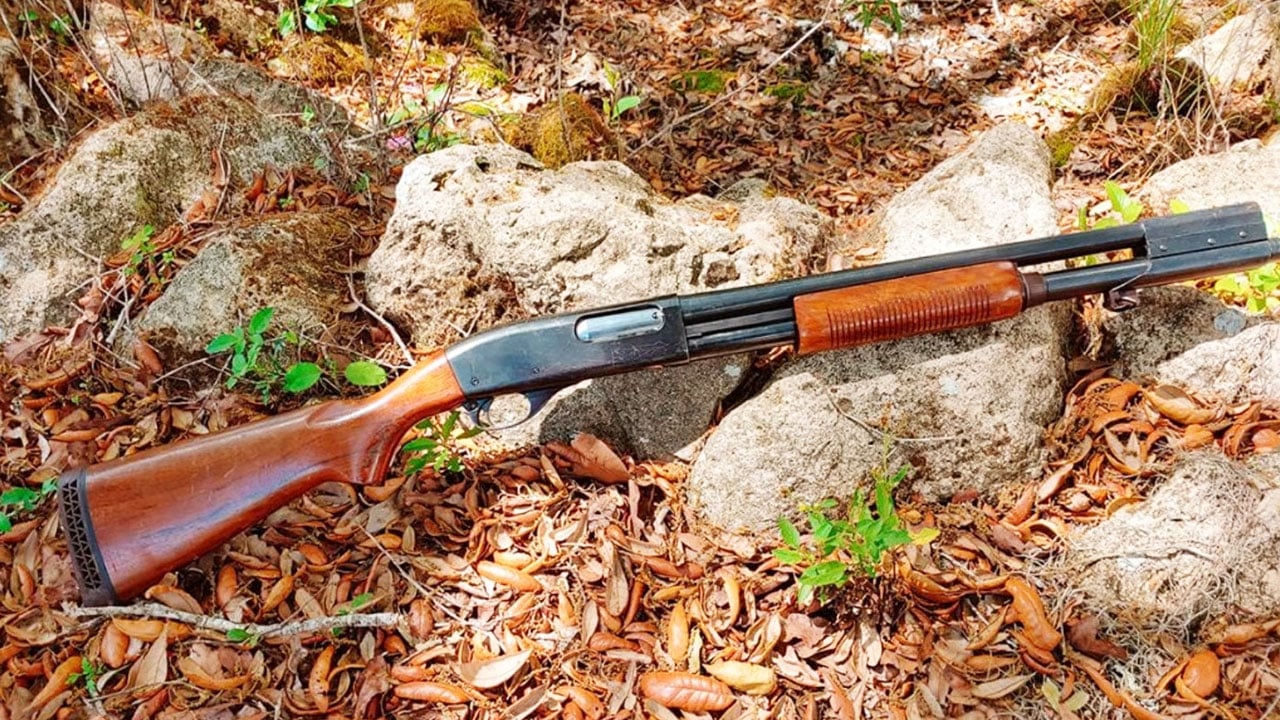
Photo credit: Havoc Homestead/Youtube
Every few years the gun world gets a fresh wave of “new and improved” scatterguns with coatings, gadgets, and features most hunters didn’t ask for. Meanwhile, there are older shotguns sitting in cabinets with bluing worn thin at the carry point, checkering smoothed down from wet gloves, and actions that still close like a bank vault. They were built in an era when a shotgun was expected to last, get fixed, and keep going.
This isn’t nostalgia for nostalgia’s sake. It’s about designs that were simple enough to maintain, tough enough to take a season’s abuse, and common enough that parts, barrels, and know-how never really went away. Here are 20 shotguns from that mindset—some classy, some plain, some heavy, and a few a little weird—but all of them still proving their worth long after the “upgrade cycle” crowd moved on.
1. Winchester Model 12
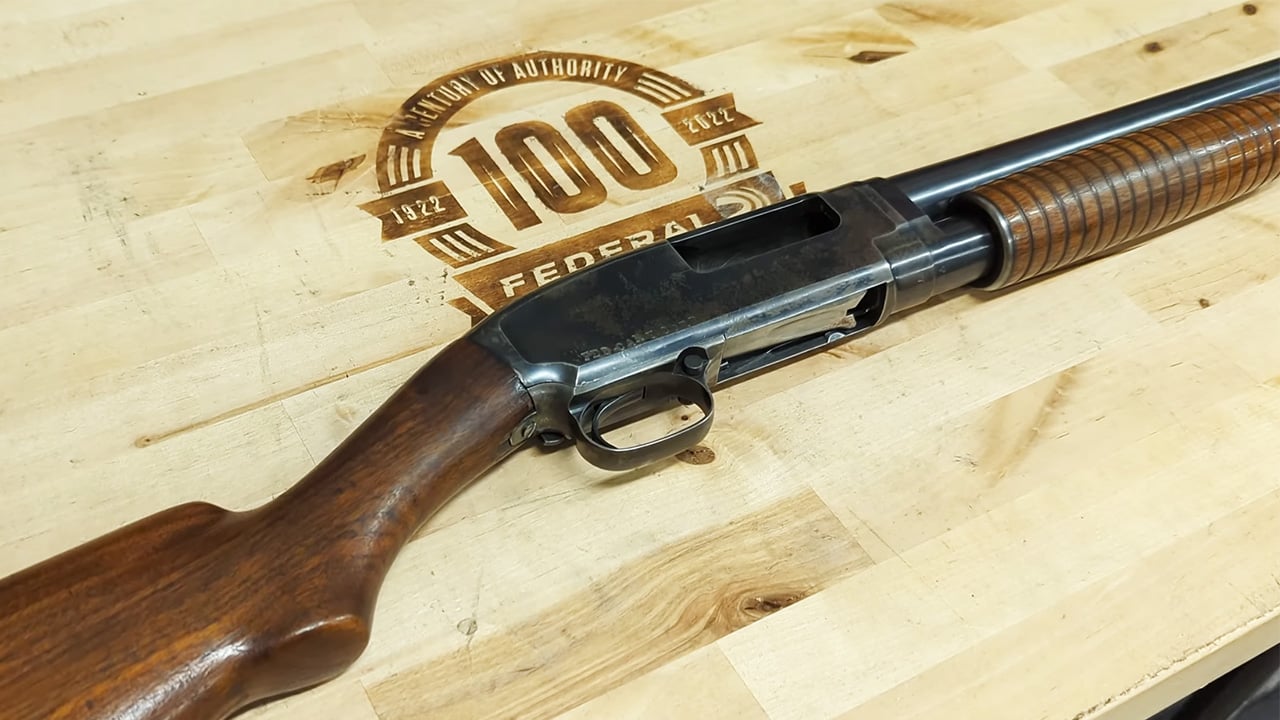
The Model 12 is what happens when a pump gun is built like a piece of shop equipment instead of a disposable tool. The action on a good one feels like it’s running on polished rails, and the gun points naturally without you thinking about it. A lot of modern pumps work fine, but they don’t have that same slick, tight feel after decades of use.
They can be pricey now, and you don’t buy one expecting cheap parts at every corner store. Still, if you find one that hasn’t been abused, it’s hard to argue with a shotgun that’s been dropping birds since before your granddad had bills. There’s nothing fancy about it, and that is kind of the point.
2. Remington 870 Wingmaster
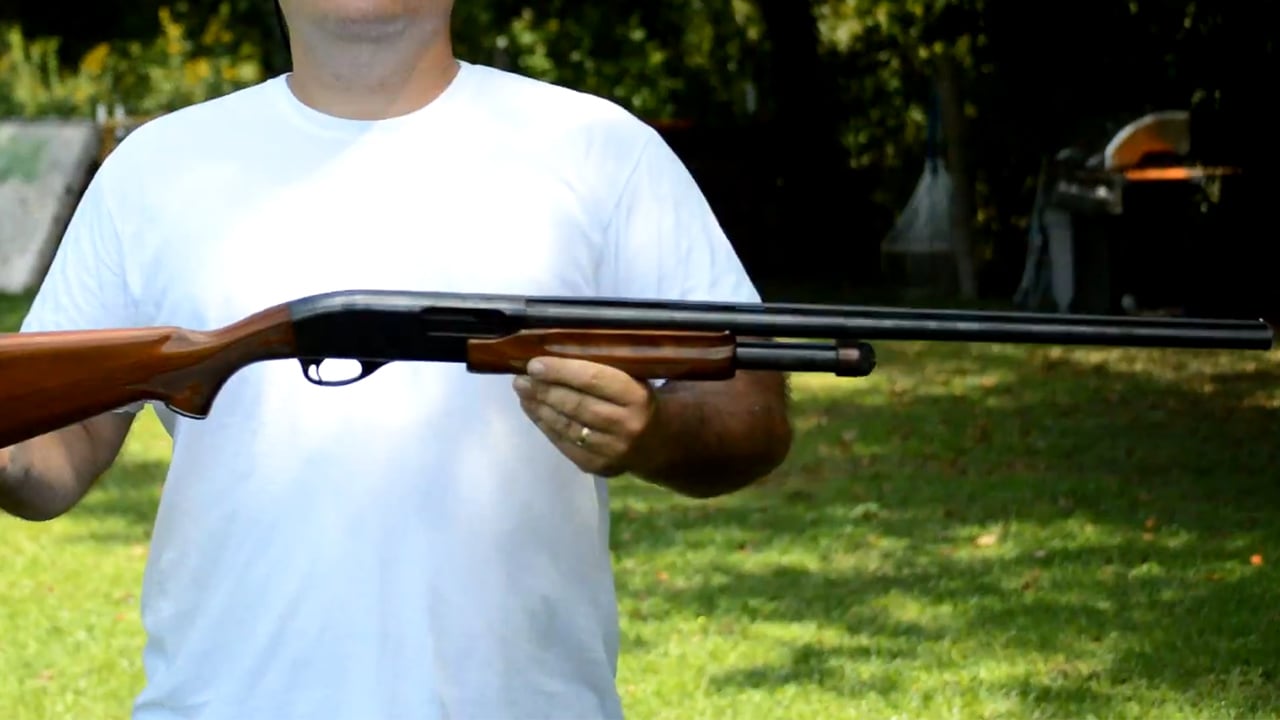
If you want a “buy once, cry once” pump gun from the old days, the Wingmaster is the poster child. The older ones have that deep bluing and walnut that makes you slow down a little when you wipe it down. More importantly, they run when they’re dirty, cold, wet, and being short-stroked by somebody wearing thick gloves.
Barrels and parts are everywhere, and any decent gunsmith has seen a mountain of them. It’s also one of those guns that carries well in the uplands even if it’s not the lightest option. If you sold an older Wingmaster to fund something trendy, that one hurts.
3. Remington 1100
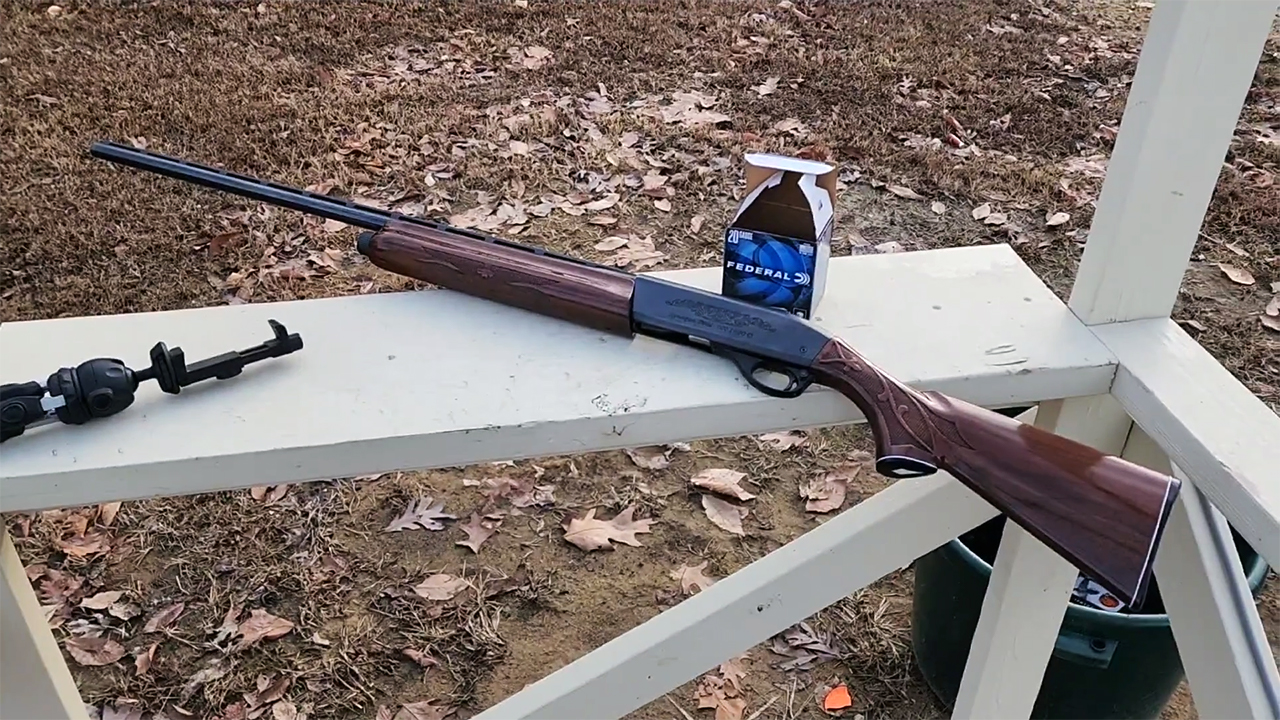
The 1100 is a soft-shooting classic that made a lot of folks think they were better wingshooters than they really were. Gas guns can be picky when they’re neglected, but an 1100 with a fresh O-ring and basic cleaning is as dependable as most people need. Recoil is gentle enough that you can shoot it all day without getting beat up.
It’s also a shotgun that teaches you to pay attention to maintenance without turning you into a mechanic. Plenty of them are still hunting every fall, usually with a story attached. If you find one that fits you, it’s hard to justify trading it for a plastic-feeling “value” semi-auto.
4. Browning Auto-5
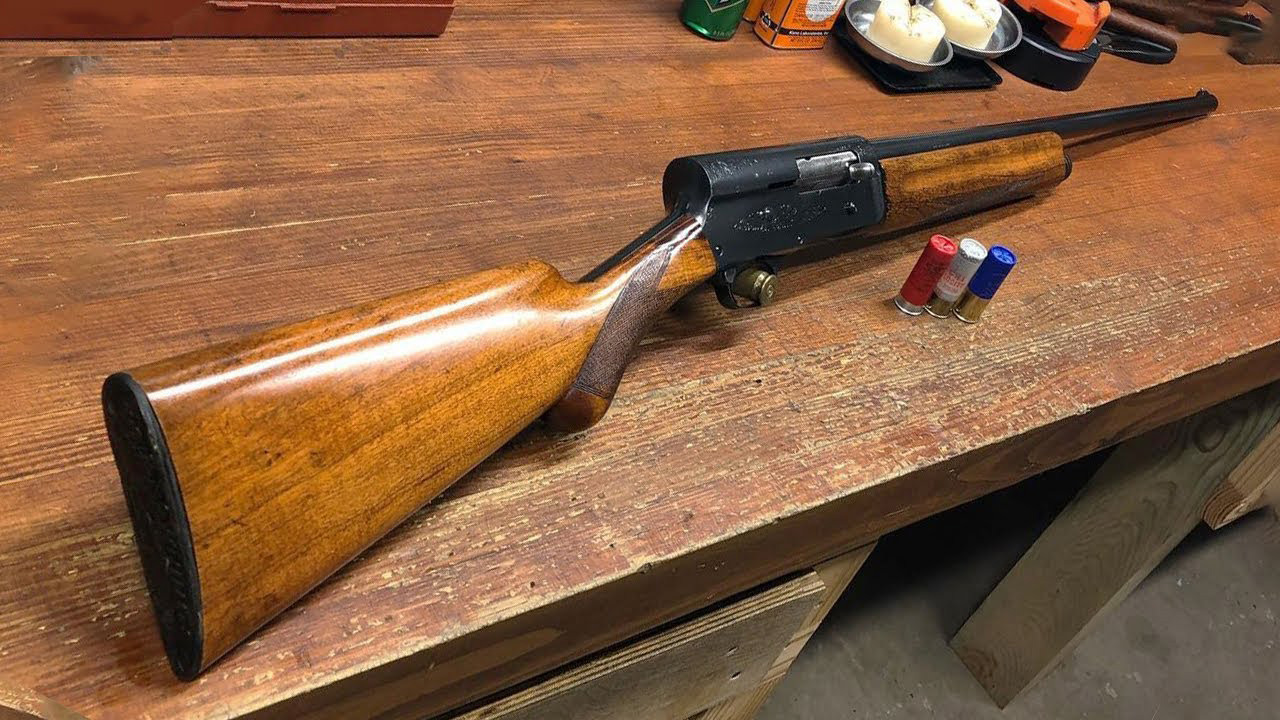
The old humpback looks odd until you watch one cycle and realize it’s been doing the job for over a century. Long-recoil operation isn’t the lightest or simplest on paper, but in the real world the Auto-5 has earned its reputation the hard way. It’s also one of those guns that has soul—if you’re into that sort of thing.
They’re not for everyone. They can be a little quirky to set up for different loads, and they’re not as soft as some modern gas guns. But there’s a reason you still see them in duck blinds and behind truck seats: they just keep running.
5. Ithaca 37
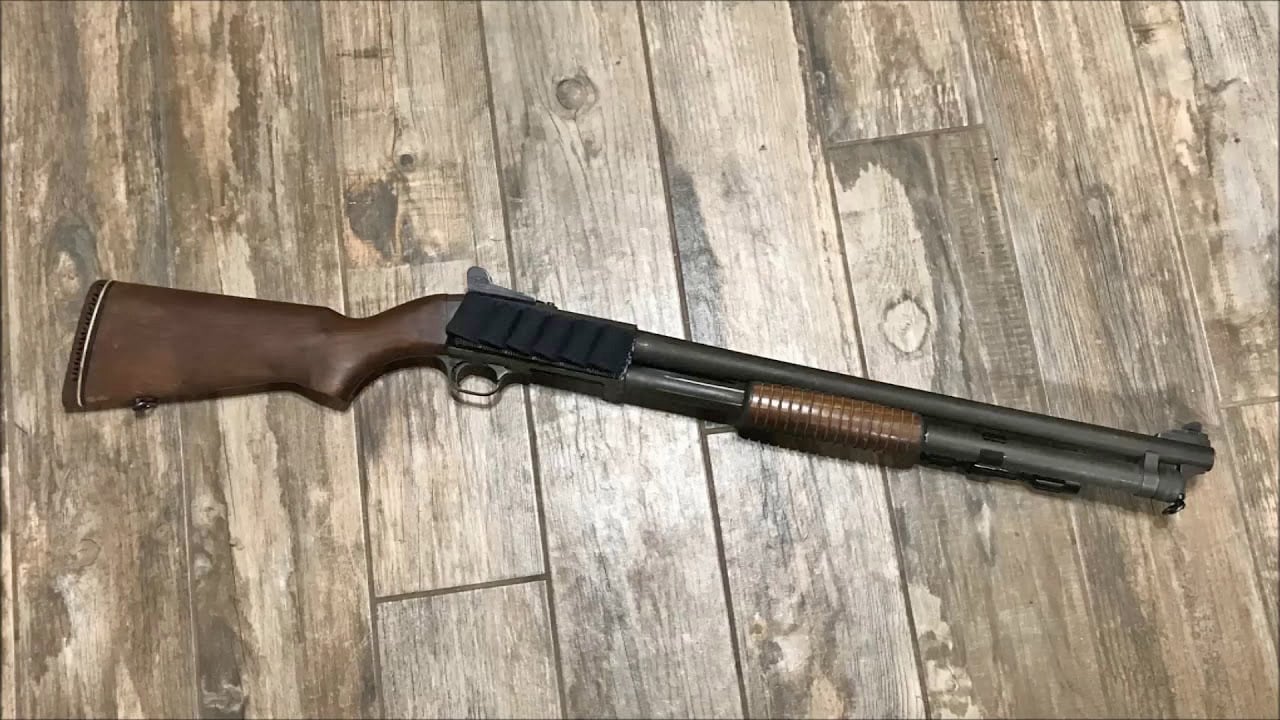
Bottom-eject is more than a neat trick. In rain, snow, and cattails, an Ithaca 37 keeps junk out of the action better than you’d expect, and it’s friendly to lefties without any extra parts. The gun carries slim and quick, like it was meant to be in a hand all day.
These are also guns you can actually hunt hard without babying, which is the whole point of a pump. The safety placement on older versions isn’t perfect for everybody, but the action is smooth and the design is proven. If you like simple and slick, it’s tough to beat.
6. Mossberg 500

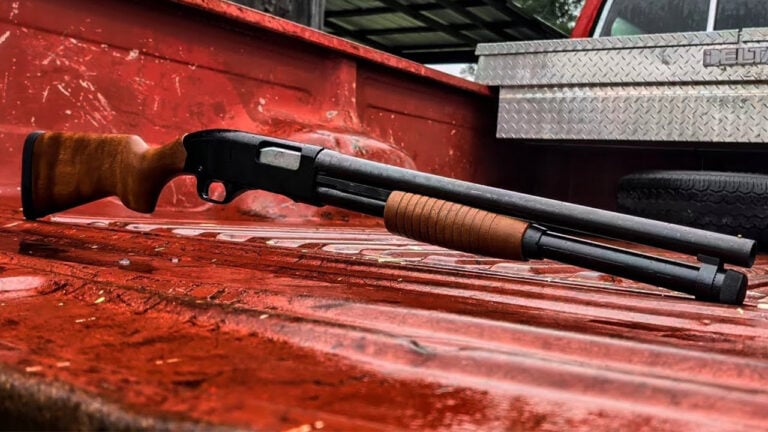
The Mossberg 500 doesn’t win beauty contests, and it’s not trying to. It wins by being the shotgun that lives a rough life and doesn’t complain. The tang safety is genuinely useful in the field, especially when you’re swapping shoulders or wearing gloves.
It’s also one of the easiest shotguns to keep going because parts, barrels, and accessories are everywhere. The action may feel a little “looser” than some guns, but that looseness is part of why it still runs when it’s dusty or wet. It’s a working gun, not a safe queen.
7. Mossberg 590 (and 590A1)
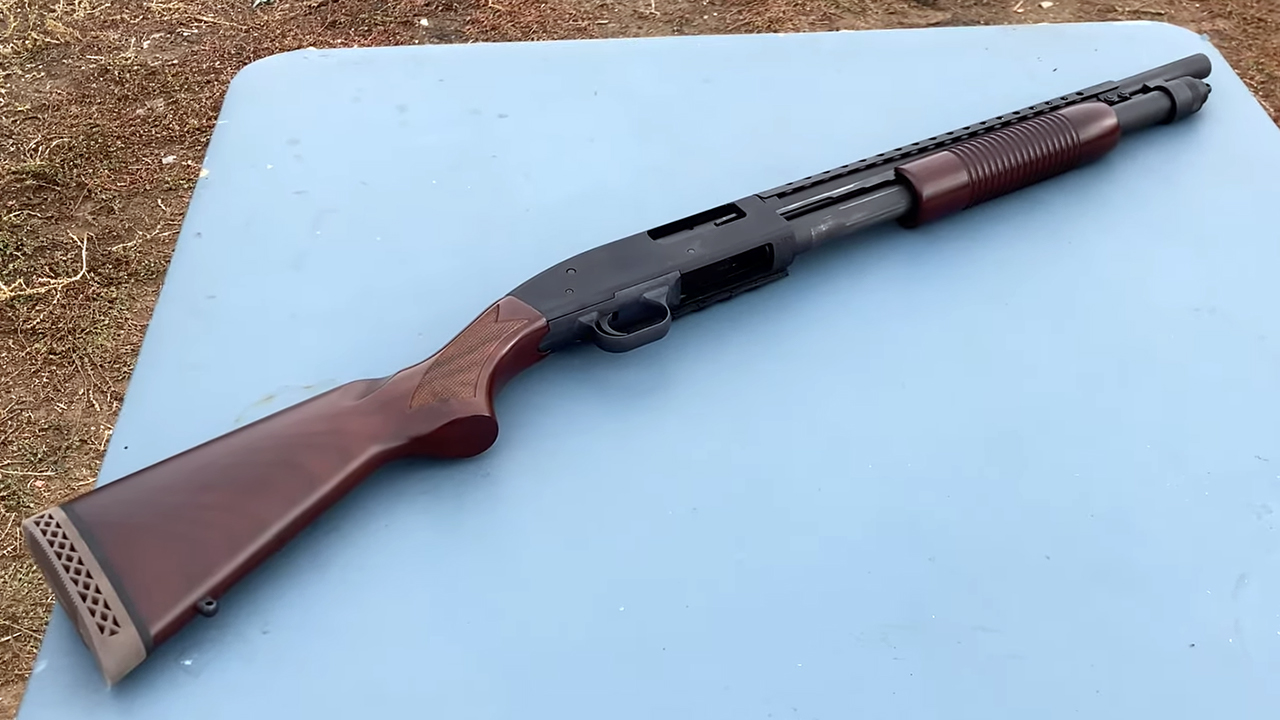
If you’ve ever ridden around with a pump gun in a truck during winter chores, you start to appreciate overbuilt. The 590 family has that reputation for a reason. It’s not subtle, and it’s not light, but it’s a shotgun that shrugs off hard use.
These aren’t just “tactical” toys. Plenty of folks keep one for predators, property problems, or a simple defensive gun that anybody in the house can run. It’s the kind of shotgun you buy when you’re tired of delicate.
8. Winchester Model 1897
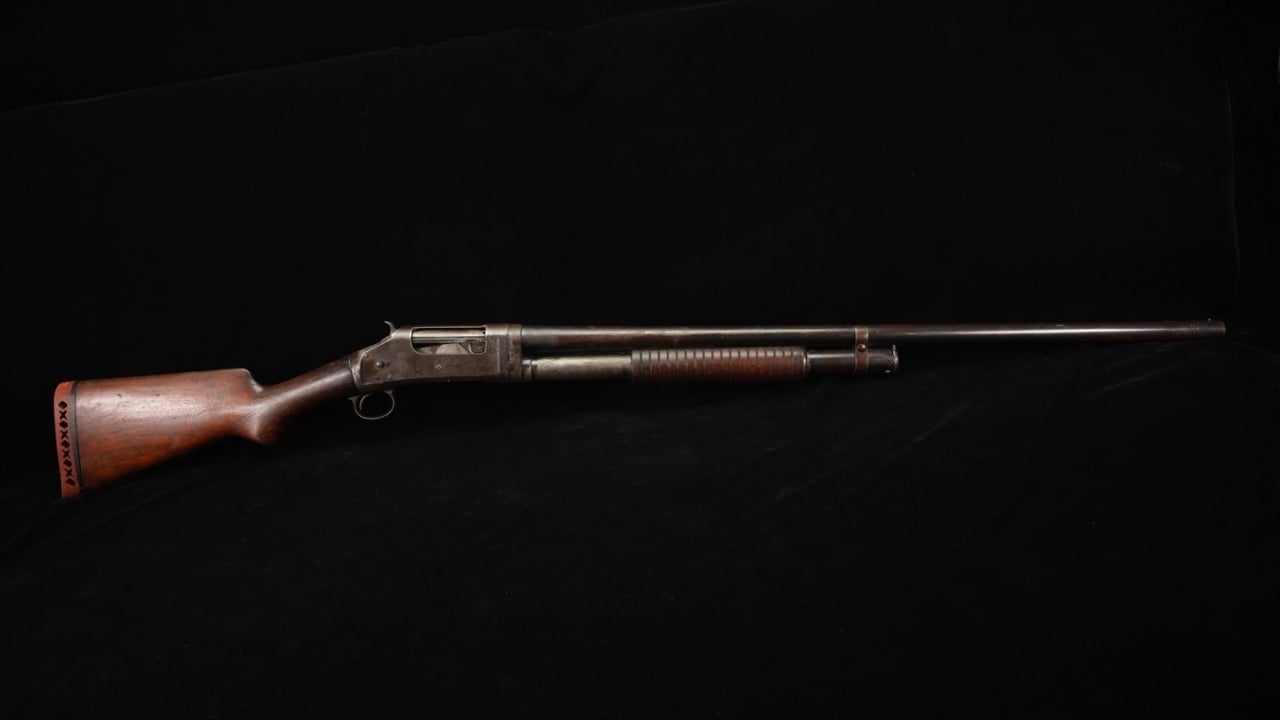
The 1897 is a piece of living history that still works as a shotgun, not just a wall hanger. Exposed hammer, slam-fire capability on many originals, and a design that feels like farm equipment. It’s clunky compared to modern pumps, but it’s also weirdly fast in practiced hands.
It’s not the best choice if you want easy parts and no drama. But for a hunter who appreciates old steel and mechanical honesty, the 1897 still has plenty of life. Just respect the age, inspect it properly, and don’t treat it like a modern beater.
9. Winchester Model 42
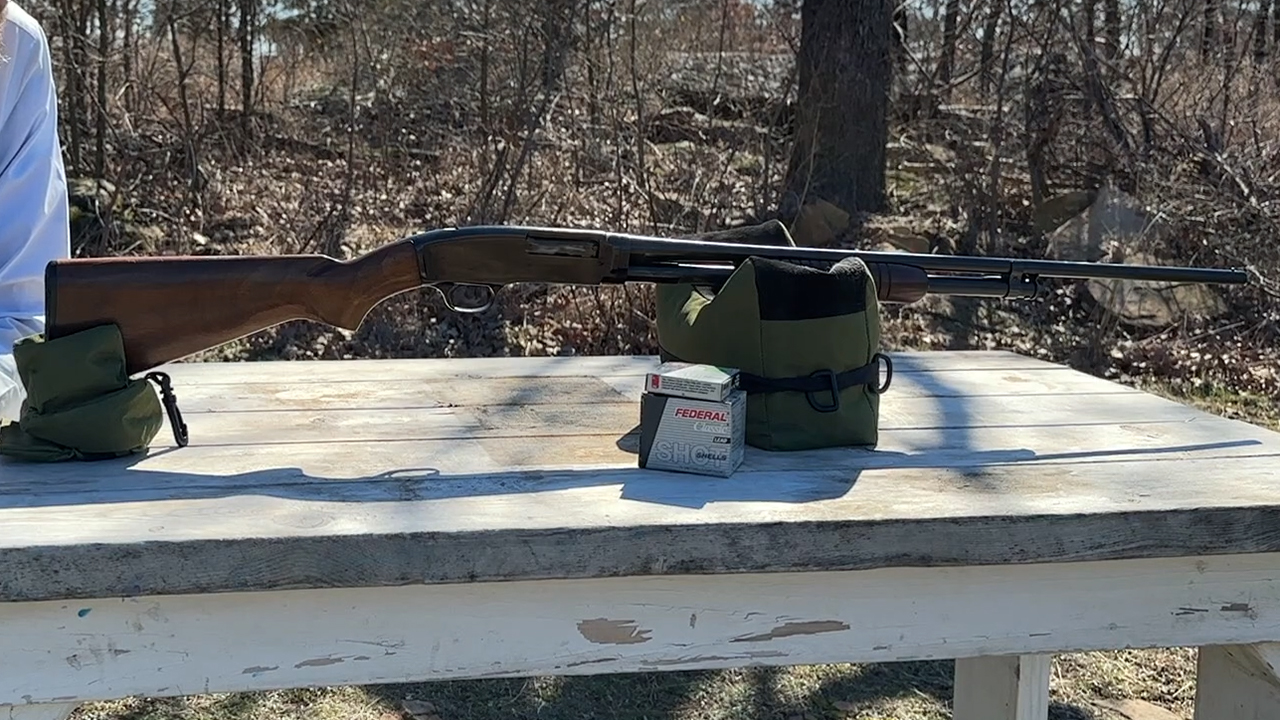
The little .410 pump has probably caused more “shouldn’t have sold it” stories than it has missed birds. It’s trim, light, and points like a wand. And yes, .410 can be unforgiving, but the Model 42 makes you want to carry it anyway.
These are collector-priced now, which stings if you remember when they were just “Grandpa’s squirrel gun.” Still, as a walk-around woods gun or a family heirloom that actually gets used, it’s hard to top. It’s proof that small doesn’t have to mean cheap.
10. Browning Superposed
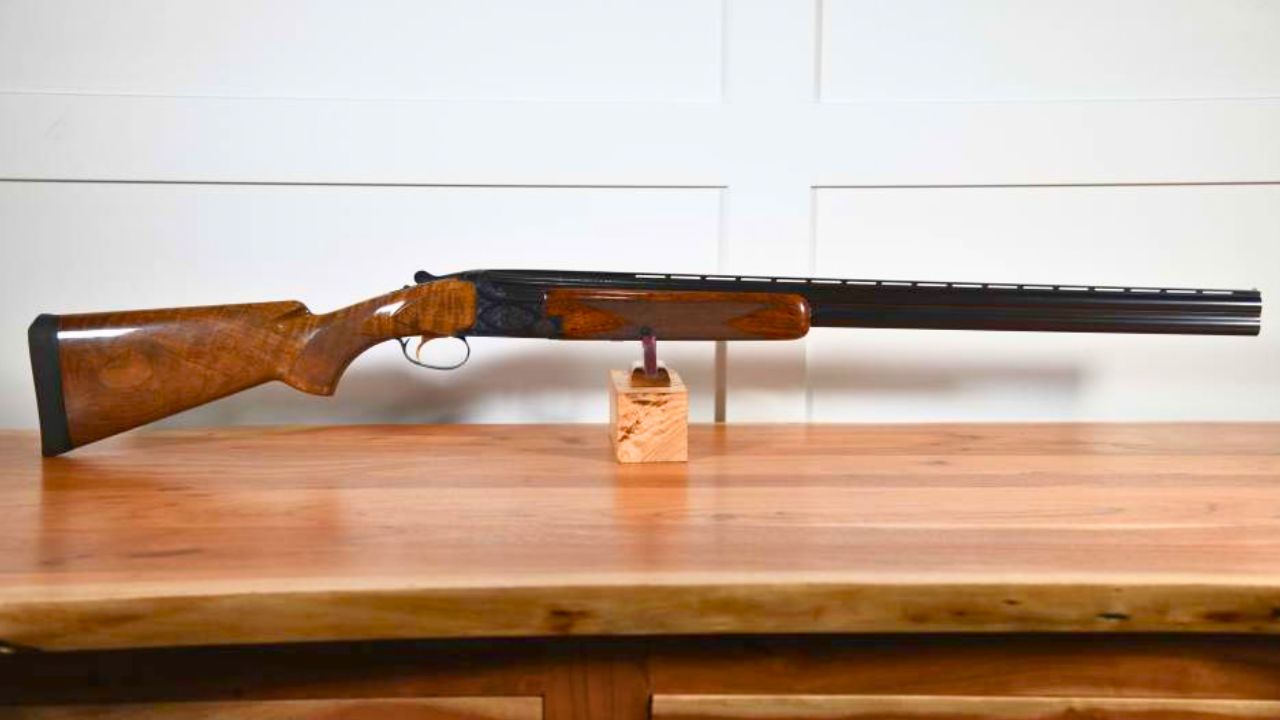
A good over/under doesn’t need to be complicated, it needs to lock up tight and keep doing it. The Superposed is one of those guns that feels like it was fit by a person who cared. They tend to balance well, and the triggers on many of them are the kind you remember.
They’re not bargain guns, and they’re not “starter” anything. But if you want an O/U you can shoot for decades and still hand down, this is what that looks like. Plenty of modern O/Us are fine—this is just built different.
Free for gun owners: If something happened to you tomorrow, would your family know where the guns are, who has the safe combination, or what to do first? Our free Gun Owner’s Family Checklist walks them through it. It takes about 15 minutes to fill out. Get your free copy here.
11. Beretta 686 Silver Pigeon (early production)

Beretta’s 680-series guns earned their reputation by living at trap fields and in pheasant covers for a long time. Early 686s are the sweet spot for a lot of shooters: reliable, not overly flashy, and built around a design that’s been refined instead of reinvented every two years.
They’re also guns you can get serviced without hunting down unicorn parts. Fit matters more than brand, but if a 686 fits you, it’ll do basically anything you ask of an over/under. And it won’t suddenly become “unsupported” because a new model came out.
12. Beretta A300 (original series)

The older A300s are underrated if you’re looking for a practical semi-auto that isn’t fussy. They were built to run, and they tend to have that no-nonsense Italian feel—simple lines, solid machining, and controls that work with cold hands.
They’re not the lightest, and they’re not the newest, but that’s fine. A used A300 that cycles well is often a smarter buy than a bargain-basement new semi-auto with mystery springs. When ducks are coming in, you want boring reliability.
13. Beretta A390
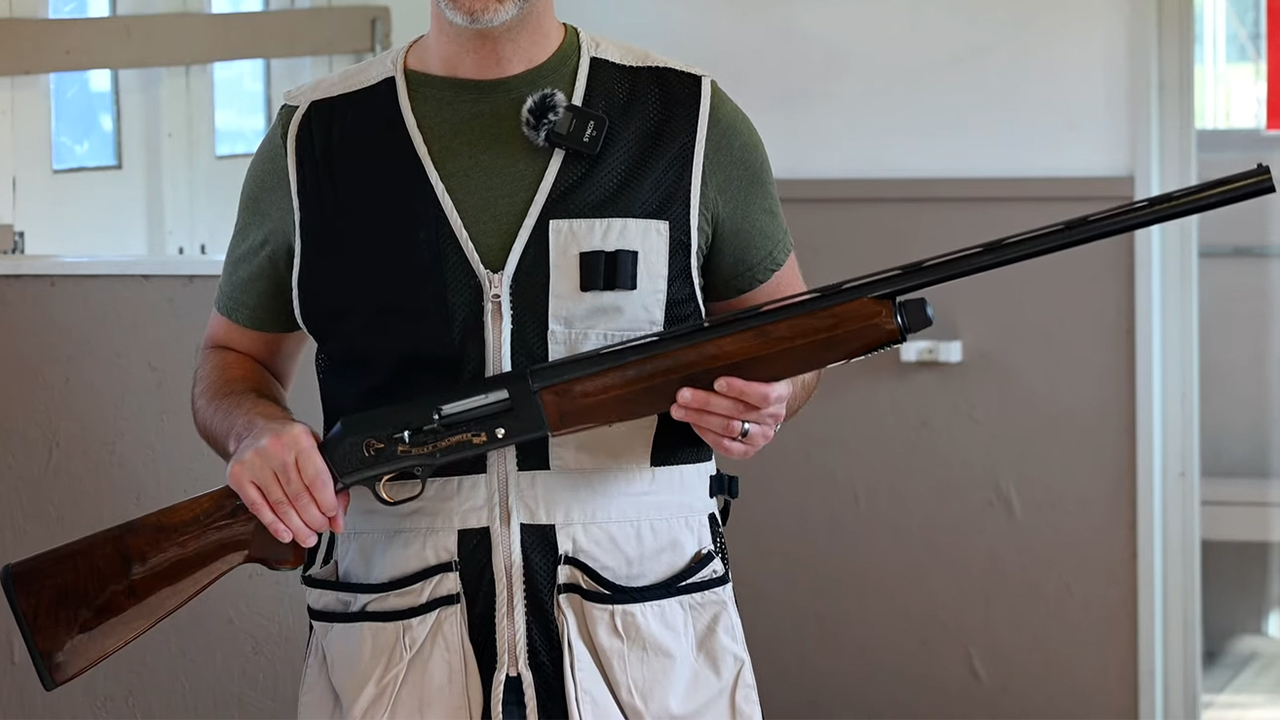
The A390 is one of those shotguns that quietly built a following because it just works. Gas operation keeps recoil manageable, and the guns tend to be forgiving with a range of loads if they’re reasonably clean. A lot of folks shot them hard for clays and then hunted with the same gun all fall.
It’s not “cool” in the way some new tactical-friendly semi-autos try to be. But when you’re watching a buddy’s finicky gun choke in freezing drizzle, the A390 starts looking pretty cool. Ask me how I know.
14. Benelli Super Black Eagle (original)

Inertia guns changed the waterfowl world, and the original Super Black Eagle was a big part of that. Less fuss with gas systems, simpler cleaning, and a reputation for cycling in nasty conditions. When you’re breaking ice and your gloves are soaked, simple is good.
It’s not perfect. Some shooters find inertia recoil snappier than gas guns, and fit matters. But the SBE’s legacy is real: it’s a modern classic now, built before the era of “new version every season” really took over.
15. Benelli M1 Super 90
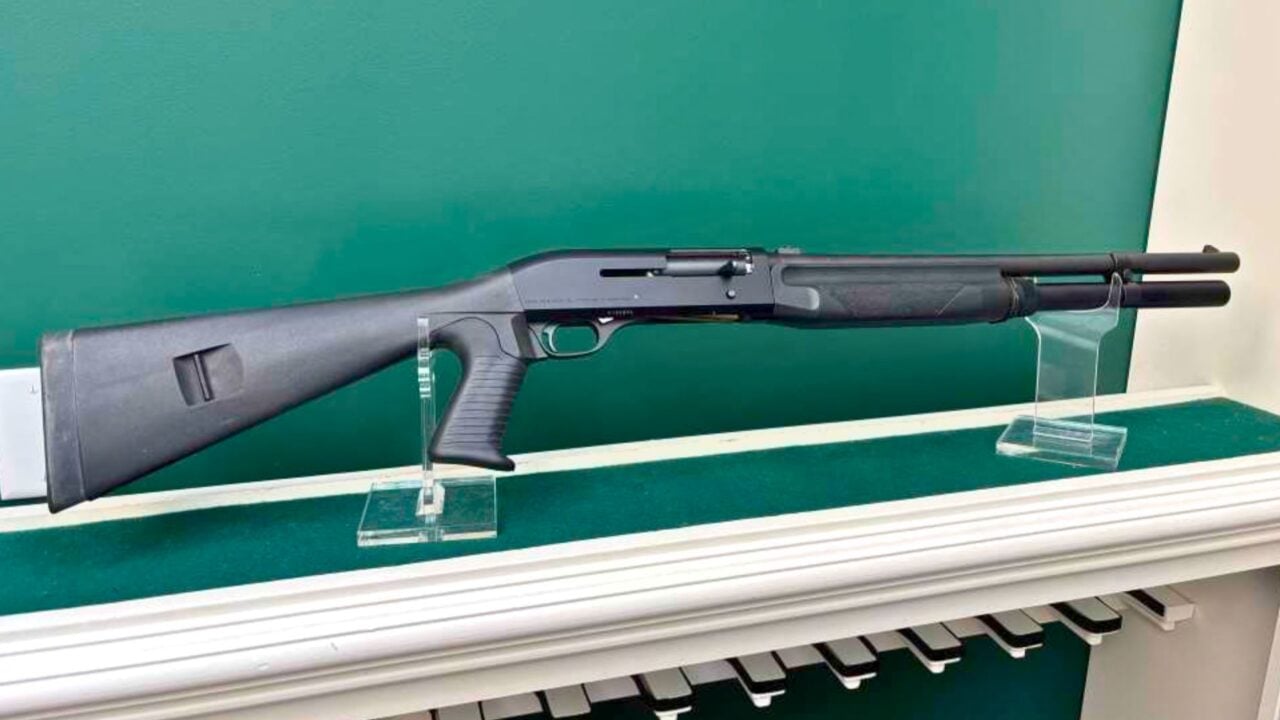
The M1 has a loyal following because it’s straightforward and tough. It’s a shotgun that can be run hard without feeling like you’re wearing it out. The action is fast, the gun is lively, and it’s one of those semis that feels lighter the longer you carry it.
Parts and magazines aren’t some weird proprietary dead end either, which matters over decades. Plenty of newer guns have more features, but the M1’s charm is that it doesn’t need them. It’s a workhorse with good manners.
16. Browning BPS
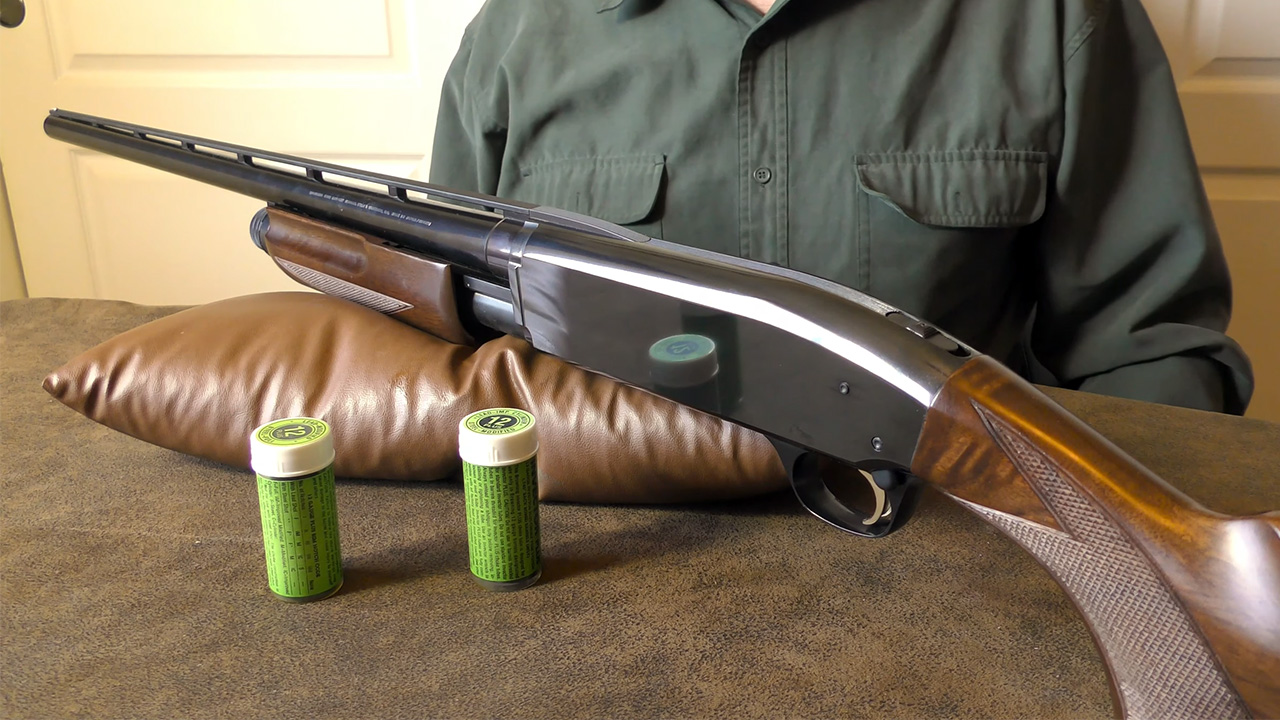
The BPS is built stout, and you feel it the moment you pick one up. It’s heavier than a lot of pumps, but that weight soaks recoil and makes it swing steady on passing shots. Bottom-eject makes it a natural for left-handed shooters, and it keeps hulls out of your buddy’s face in a tight blind.
They’re not trendy, and they’re not usually the cheapest option on the rack. But a BPS will handle years of duck boat abuse if you do your part. If you want a pump that feels overbuilt in a good way, this is it.
17. Browning Citori (early Japanese production)

There are Citoris that have been opened and closed more times than most people will shoulder a shotgun in their lives. Early production guns built that reputation with solid lockup, consistent triggers, and a design that isn’t fragile. They’re common enough that you can still find one that hasn’t been “improved” by a kitchen-table gunsmith.
They can be a little chunky compared to some high-end European guns, but chunky isn’t always bad in the field. A Citori takes honest use well. If you’re the kind of hunter who actually hunts, that matters.
18. Savage/Fox Model B (Stevens 311 family)
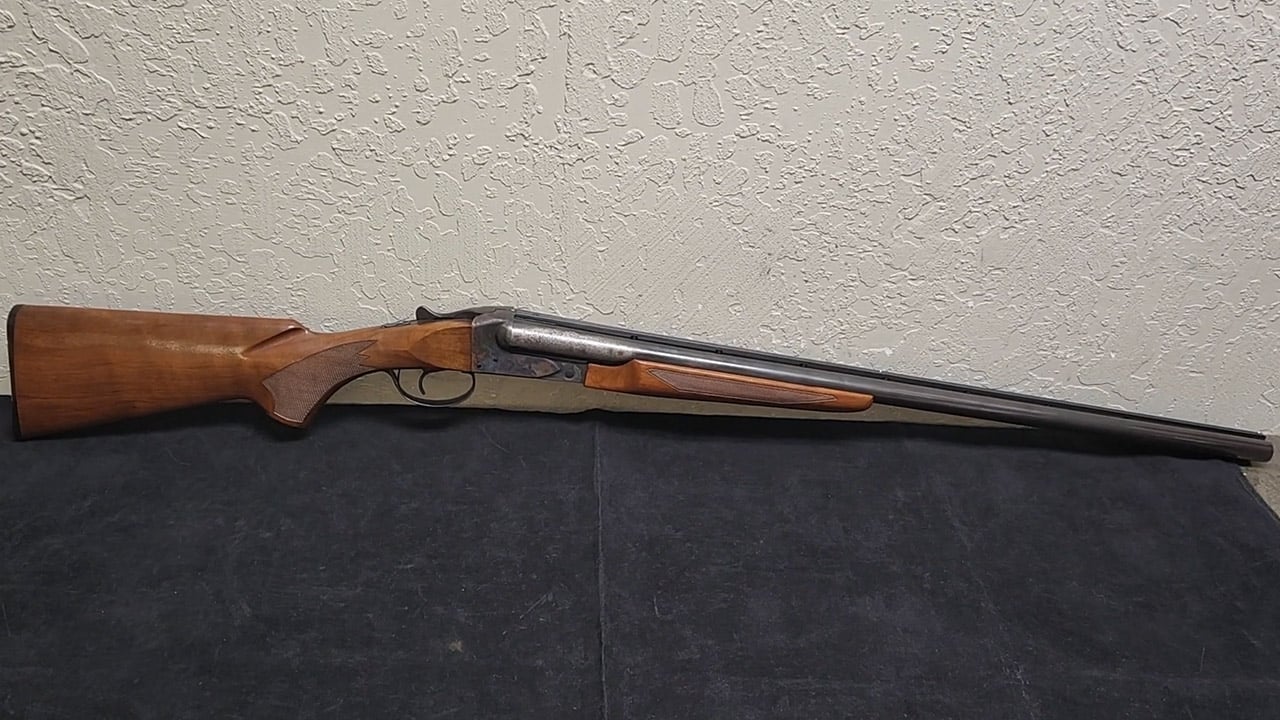
These doubles aren’t fancy. The wood is usually plain, the fit can be agricultural, and the gun isn’t trying to impress anyone. What it is trying to do is fire both barrels every time and survive behind a truck seat.
They also have a certain charm because they were a lot of families’ entry into bird hunting. If you find one that locks up tight and the bores aren’t wrecked, it’s still a perfectly usable shotgun. It’s not a collector piece—it’s a reminder that simple still works.
19. Ruger Red Label
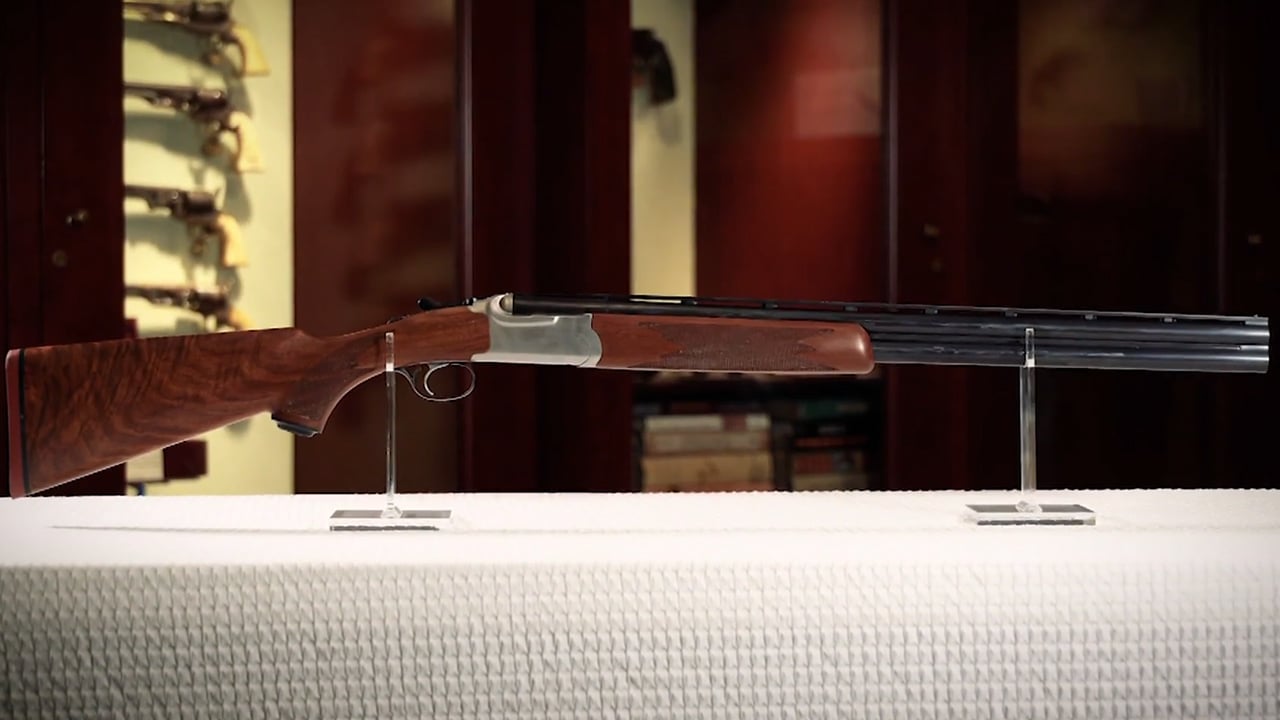
The Red Label has always been a bit of a “love it or don’t” gun. They’re usually heavier than folks expect, especially compared to some upland-focused over/unders. But the build quality is legit, and they tend to be durable in a way that matters when a gun is actually hunted.
A heavier O/U isn’t a sin if you’re mostly shooting clays or you like a steady swing on pheasants. If you want featherweight, look elsewhere. If you want an American-made O/U with real substance, the Red Label belongs in the conversation.
20. CZ-USA/Huglu Ringneck Side-by-Side
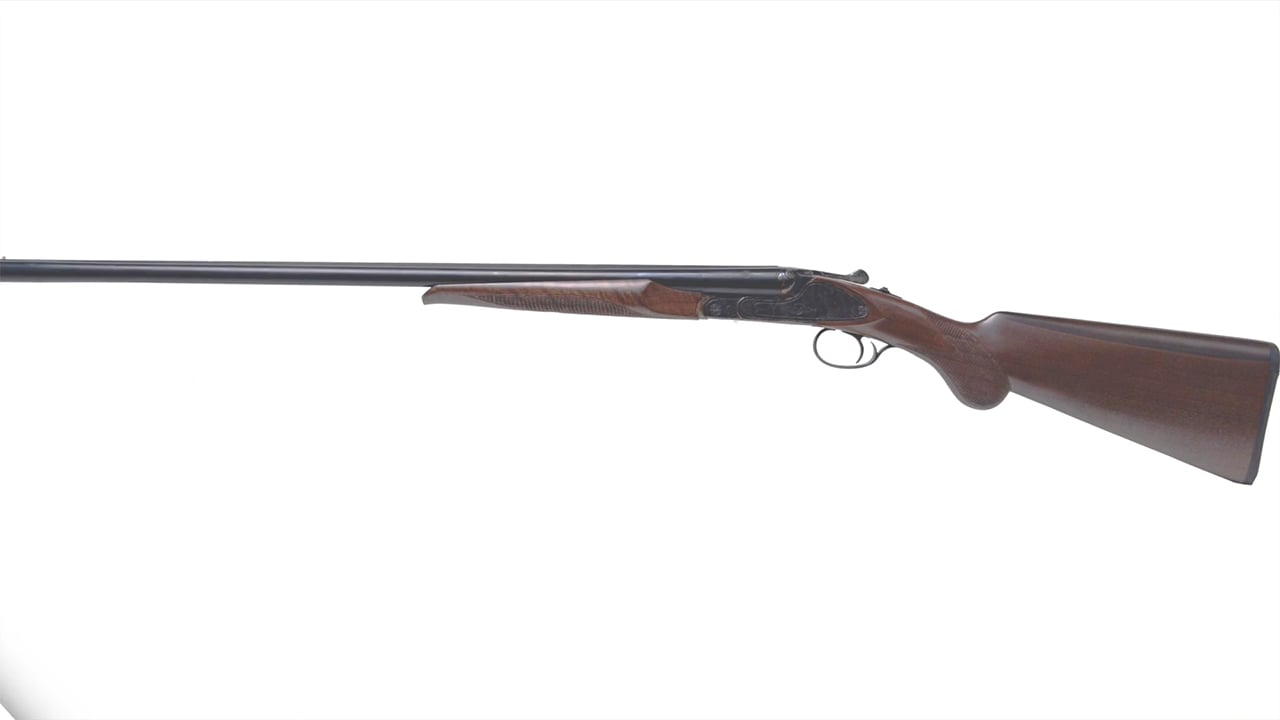
Not every “built to last” shotgun has to be 80 years old or cost a fortune. The Ringneck has become one of those honest working doubles that gets used hard, gets wiped down, and goes right back in the cabinet ready for the next weekend. The balance is often better than you’d expect for the price point.
It’s not a bespoke English side-by-side, and nobody should pretend it is. But it’s proof that a straightforward design, decent materials, and consistent assembly can still produce a gun that doesn’t feel disposable. If you want a field double you won’t be afraid to carry, it fits the bill.
Every one of these shotguns has flaws if you go looking for them. Some are heavy, some are dated, some are expensive now, and a few are just plain inconvenient by modern standards. But they all share one thing: they were meant to be used for a long time, not cycled out when the next catalog drops. If you’ve got one sitting in the safe, wipe it down, check it over, and take it hunting. The old stuff still earns its keep.
Like The Avid Outdoorsman’s content? Subscribe to our newsletter so you never miss an article.
Here’s more from us: