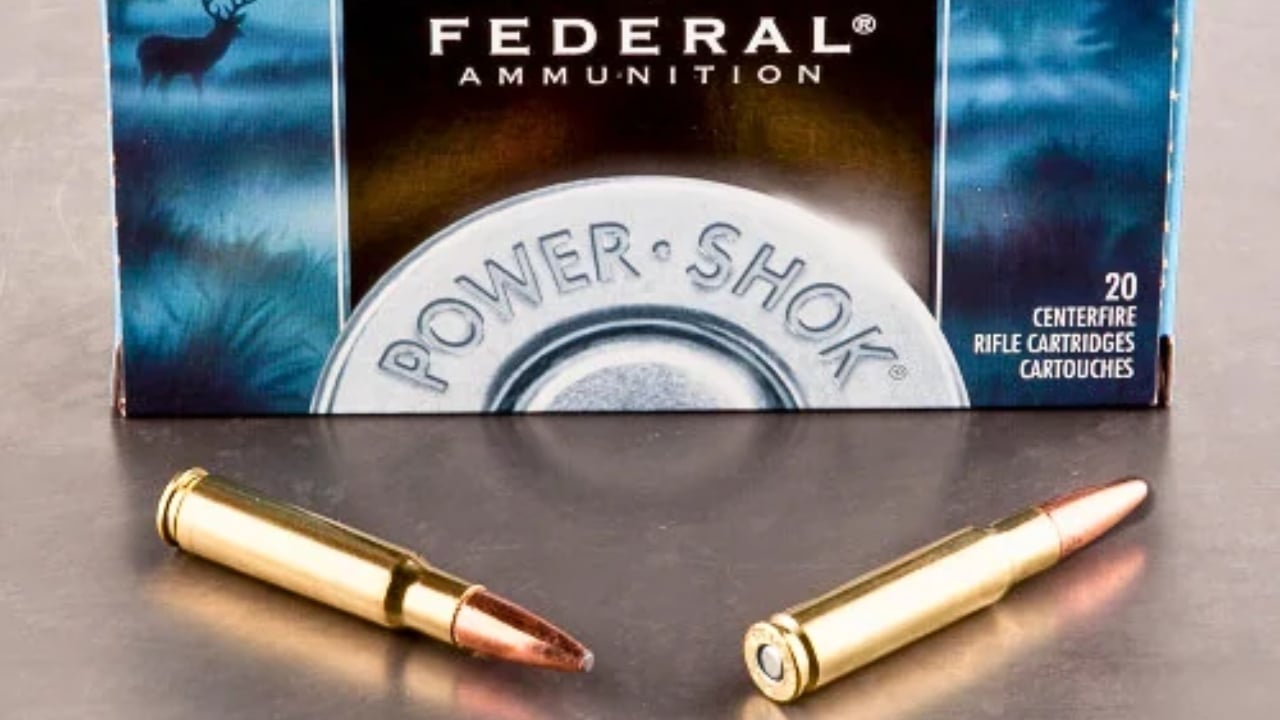
Photo credit: Ammo To Go
A hunting cartridge can be perfect on paper and still make very little sense to own if every box of ammunition feels like a special-order purchase. That is especially true now that common rounds such as .308 Winchester, .30-06 Springfield, and .270 Winchester already cover so much ground at relatively reasonable prices.
The cartridges on this list are not bad choices. In fact, several are excellent. The problem is that their performance advantages often shrink once you compare what it costs to practice, verify zero, and actually hunt with them. A cartridge that saves a little recoil or gains a little velocity can become much less appealing when every range session starts feeling expensive.
.257 Weatherby Magnum

The .257 Weatherby Magnum is a phenomenal open-country deer and antelope cartridge. It shoots flat, hits hard, and makes longer shots feel much easier than many standard quarter-bore cartridges.
The problem is feeding it. Weatherby ammunition is not cheap, and even basic hunting loads can cost enough that regular practice becomes painful. That matters because flat trajectory is only useful if the shooter actually knows the rifle. The .25-06 gets you much of the same practical hunting capability for less money and with easier ammunition availability. The .257 Weatherby is excellent, but it is a premium answer to a problem many hunters can solve more cheaply.
.270 Weatherby Magnum

The .270 Weatherby Magnum takes everything hunters like about the .270 Winchester and turns the velocity up. It shoots flatter, carries more energy, and is well suited to open-country deer, sheep, and elk hunting.
Those gains are real, but the ammunition price can be difficult to justify. Standard .270 Winchester already performs beautifully at normal hunting ranges, and modern bullets narrow the practical gap even further. Unless you regularly hunt wide-open country and actually use the extra velocity, paying premium prices for every box starts feeling unnecessary. The cartridge makes sense ballistically and much less sense economically.
.300 Weatherby Magnum
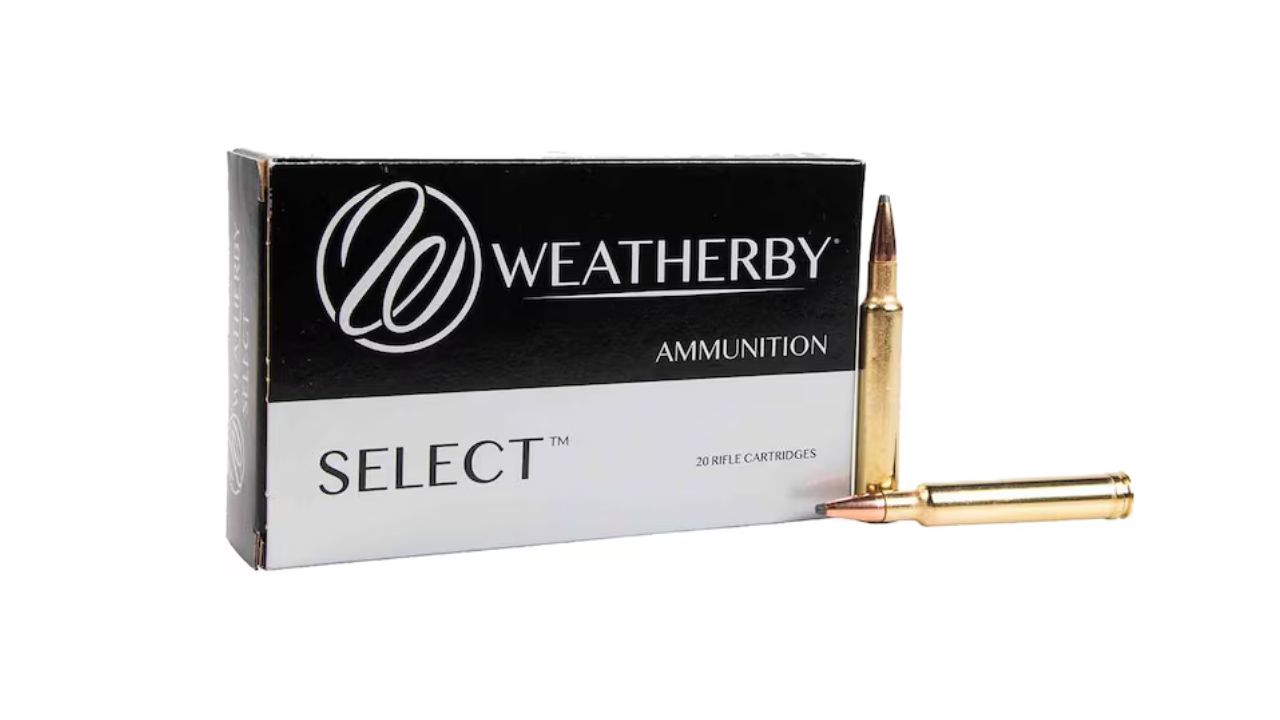
The .300 Weatherby Magnum has enough power for nearly any North American big game and plenty of reach for mountain hunting. It has been doing that job for decades.
The downside is ammunition cost, recoil, and the amount of powder burned every time you pull the trigger. .300 Win Mag is already expensive enough, and the Weatherby usually pushes the bill even higher. For most deer and elk hunters, the performance difference is smaller than the difference at the cash register. If you genuinely need the extra velocity, fine. If not, it becomes a very expensive way to do what a more common .30-caliber magnum already does.
.300 RUM

The .300 Remington Ultra Magnum delivers enormous velocity and serious long-range authority. It is a legitimate elk, moose, and mountain cartridge for hunters who want maximum .30-caliber performance.
That performance comes with a huge appetite for powder and expensive factory ammunition. Practice becomes expensive fast, and the recoil encourages many owners to shoot less than they probably should. The cartridge also overlaps heavily with .300 Win Mag and .300 PRC, both of which are easier to support. The .300 RUM is impressive, but it often feels like paying extra for the final few percent of performance.
.338 Winchester Magnum

The .338 Win Mag remains one of the classic elk, moose, and bear cartridges. Heavy bullets, excellent penetration, and a long track record make it easy to respect.
The problem is that factory ammunition has never been cheap, and premium hunting loads can get painful quickly. Many hunters also discover that a .30-06, .300 Win Mag, or .35 Whelen handles the game they actually pursue for less money and with less recoil. The .338 still has a legitimate role, but the cost of becoming truly proficient with it can be harder to swallow than the cartridge itself.
.340 Weatherby Magnum
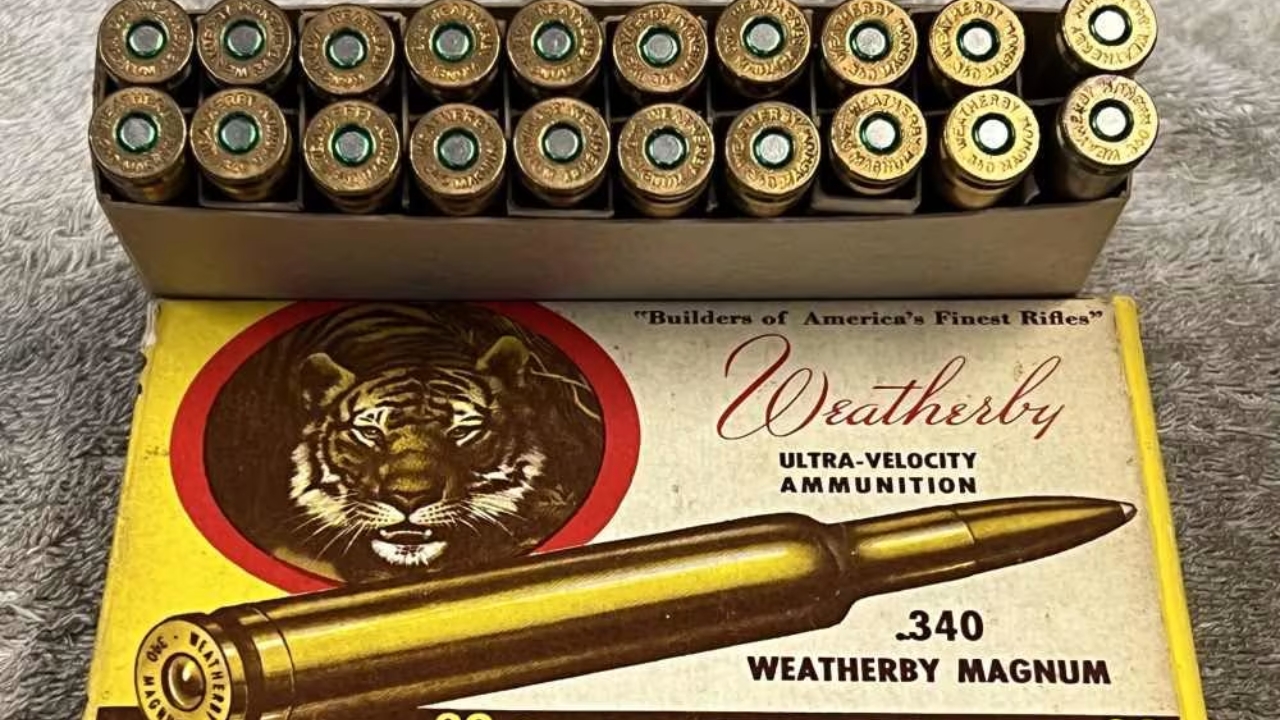
The .340 Weatherby has always been a serious large-game cartridge. It sits between .338 Win Mag and the bigger .338 magnums in performance and gives hunters plenty of power for elk, moose, and bear.
It also inherits the usual Weatherby ammunition problem. Factory loads are premium-priced and not nearly as easy to find as .338 Win Mag. That means the cartridge works best for handloaders or hunters who are comfortable buying expensive ammunition in advance. If you depend on whatever the local sporting-goods store has in stock, the .340 becomes much harder to recommend.
.325 WSM

The .325 WSM was an interesting attempt to give hunters 8mm performance in a short-action magnum. It offered heavy bullets, strong elk capability, and a compact action.
The problem was always support. Ammunition never became common, and current factory options are sparse enough that the cartridge feels almost abandoned. That pushes prices upward and makes every box something you think twice about shooting. The .325 WSM still performs well, but owning one now means accepting that ammunition cost and availability are part of the experience.
8mm Remington Magnum

The 8mm Remington Magnum is powerful, flat-shooting, and more than capable of handling large game. It also never built enough popularity to support cheap ammunition.
Factory loads are scarce, expensive, and sometimes difficult to find at all. That means anyone shooting one regularly is almost pushed toward handloading. For a cartridge with so much capability, that is frustrating. It works beautifully, but the economics make a .300 or .338 magnum look much easier to live with.
.264 Winchester Magnum

The .264 Win Mag was ahead of its time in some ways. It pushed high-sectional-density 6.5mm bullets fast and offered excellent open-country performance long before modern 6.5mm cartridges became fashionable.
Today, the ballistic idea makes sense while the ammunition market does not. Factory loads are limited and expensive, especially compared with 6.5 Creedmoor or 6.5 PRC. You end up paying collector-cartridge prices for a round that modern 6.5s have largely replaced. The .264 still works, but it is becoming harder to justify unless you already own and love the rifle.
.280 Ackley Improved

The .280 AI is one of the best non-magnum hunting cartridges available. It shoots flat, handles high-BC 7mm bullets well, and gives you performance close to magnum territory without quite as much recoil.
The catch is factory ammunition cost. It has become more common than it used to be, but it is still nowhere near .270 Winchester or .30-06 pricing. That matters if you shoot enough to really learn the rifle. The .280 AI is a great cartridge, but it often costs enough per box that the standard .280 Remington or 7mm-08 starts looking much more practical.
.280 Remington

The .280 Remington is one of the most sensible hunting cartridges ever made. It sits neatly between .270 Winchester and .30-06 and handles excellent 7mm bullets.
Unfortunately, ammunition support has never matched its capability. Factory loads are usually more expensive and less common than either neighboring cartridge. That is frustrating because there is nothing exotic about what the .280 does. It simply never won the popularity contest. If ammo prices were equal, it would be easier to recommend. They rarely are.
Free for gun owners: If something happened to you tomorrow, would your family know where the guns are, who has the safe combination, or what to do first? Our free Gun Owner’s Family Checklist walks them through it. It takes about 15 minutes to fill out. Get your free copy here.
.257 Roberts

The .257 Roberts is mild, accurate, and ideal for deer-sized game. It offers more than enough performance for a huge percentage of North American hunting.
The problem is that ammunition often costs like a specialty cartridge because that is essentially what it has become. .243 Winchester and .25-06 Remington are easier to feed, while modern 6.5mm cartridges offer more factory choices. The Roberts still has plenty of charm and performance, but buying factory ammo can make the nostalgia expensive.
.358 Winchester

The .358 Winchester is nearly perfect for woods hunting. It fits short-action rifles, throws heavy bullets, and hits hard without magnum recoil.
The ammunition market is where everything falls apart. Factory loads are limited and expensive enough that many owners end up handloading. That is a shame because the cartridge deserves wider use. If .358 Winchester ammunition were priced and stocked like .308, it would make far more sense for black bear, hogs, and close-range elk. Instead, it remains a great idea trapped behind a specialty-ammo price tag.
.338 Federal
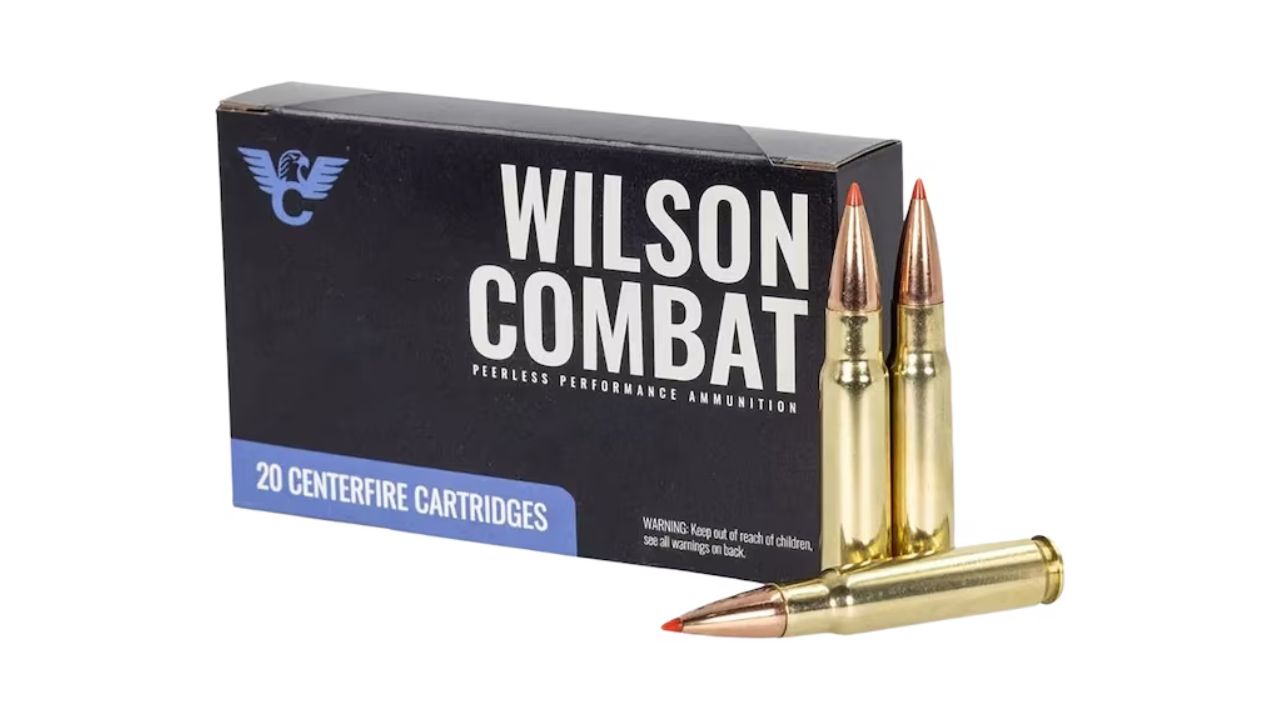
The .338 Federal gives hunters heavy bullets from a short-action case with less recoil than the big .338 magnums. On paper, it is one of the smartest woods and elk cartridges around.
Factory support never really caught up. Ammo is limited and costly, which undercuts the cartridge’s whole practical appeal. A .308 or .30-06 is cheaper, easier to find, and capable of handling most of the same hunting situations. The .338 Federal is one of those cartridges that makes perfect sense right up until you start shopping for several boxes.
.35 Whelen

The .35 Whelen is an outstanding large-game cartridge. It gives hunters heavy bullets and deep penetration without requiring a magnum action or extreme recoil.
The problem is that factory ammunition is much more expensive and less common than .30-06, even though the cartridge is based on the same case family. That limits how much many owners practice. Handloaders love the Whelen because it is flexible and efficient. Factory-ammo shooters pay a premium for a cartridge that should be much easier to support than it is.
.444 Marlin

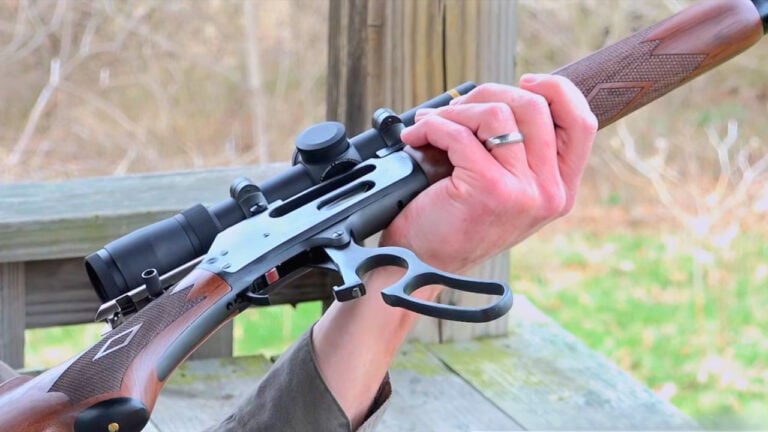
The .444 Marlin is excellent for woods hunting, especially on deer, hogs, and black bear. It hits hard and works beautifully from lever guns.
The downside is that .45-70 became the dominant big-bore lever cartridge. That left .444 ammunition less common and usually more expensive. The cartridge itself still makes perfect sense, but buying ammo can make you wonder why you did not simply choose the far more widely supported .45-70. If you already own a .444, keep it. If you are starting from scratch, the ammo bill matters.
.375 Winchester

The .375 Winchester is a strong lever-gun cartridge with useful power for woods hunting and larger game. It offers much more authority than .30-30 without moving into truly huge recoil.
Today, though, ammunition is a headache. Factory production is limited, prices are high, and availability is unpredictable. That turns an otherwise practical hunting cartridge into a niche commitment. The rifle may be wonderful, but owning one means thinking about brass and ammo supply in a way most hunters would rather avoid.
.348 Winchester
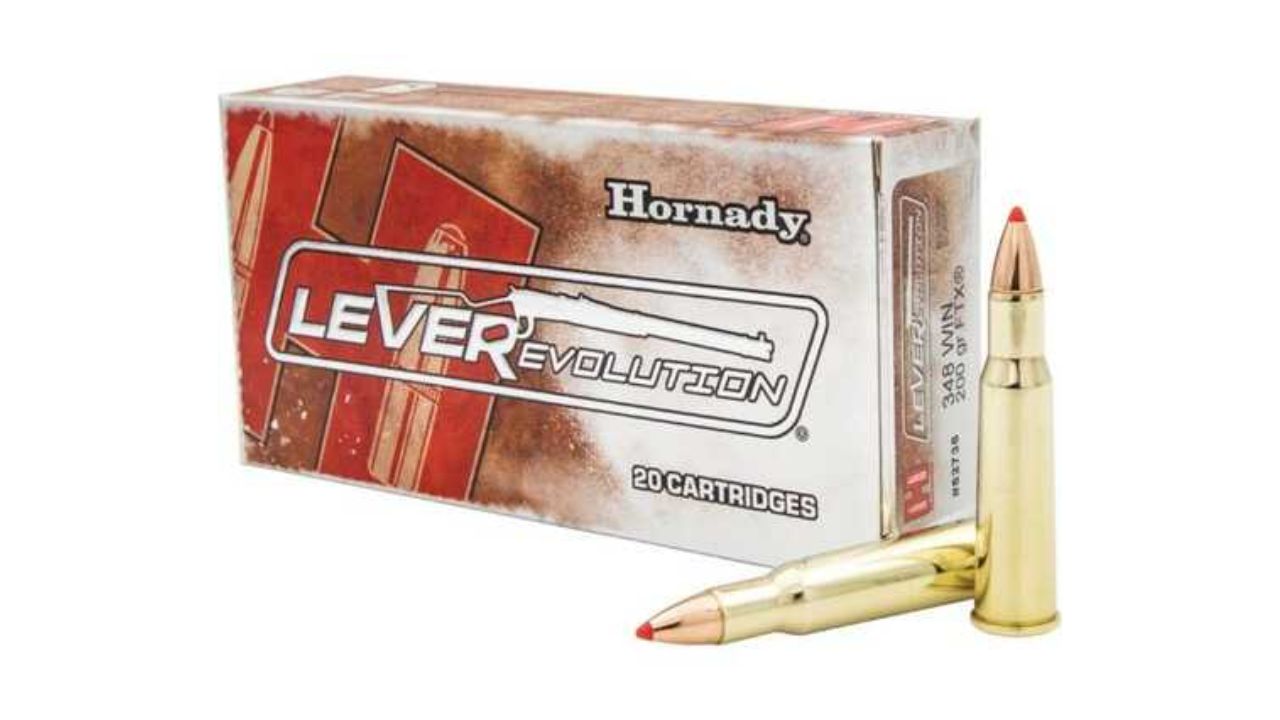
The .348 Winchester and Model 71 are one of the great classic hunting combinations. The cartridge offers heavy bullets, strong penetration, and excellent close- to moderate-range big-game performance.
The ammunition situation is brutal compared with common hunting rounds. Factory loads are scarce and expensive enough that most serious owners either handload or stock up whenever they can. That changes the entire ownership experience. The .348 is not impractical because of performance. It is impractical because every shot feels like something you should have saved.
.300 Savage

The .300 Savage still makes perfect sense as a deer cartridge. It delivers useful .30-caliber performance with moderate recoil and works especially well in classic Savage 99 rifles.
The problem is that ammunition prices increasingly reflect its status as a legacy cartridge rather than a mainstream hunting round. .308 Winchester does nearly the same job while being cheaper, easier to find, and available in far more loads. The .300 Savage still has a place for hunters who own old rifles, but buying into it today means paying extra for nostalgia rather than performance.
Like The Avid Outdoorsman’s content? Subscribe to our newsletter so you never miss an article.
Here’s more from us: