Photo credit: Brubaker Restorations/Youtube
Walk into a gun shop long enough and you’ll see it happen: somebody trades off an older shotgun to fund the newest thing on the rack. The new gun runs fine, maybe even shoots softer, but it doesn’t have the same feel. The old one had walnut that looked like it came off a piece of furniture, metal that didn’t feel hollow, and an action that closed like a bank vault. That kind of build is expensive now, and it shows.
None of these are perfect, and some are downright heavy. A few are picky about parts or choke tubes. But if you’ve carried shotguns in the rain, dropped them in the cattails, and leaned them in the corner of a duck blind for years, you start to appreciate the classic ones that were built like they had to last.
1. Remington 870 Wingmaster
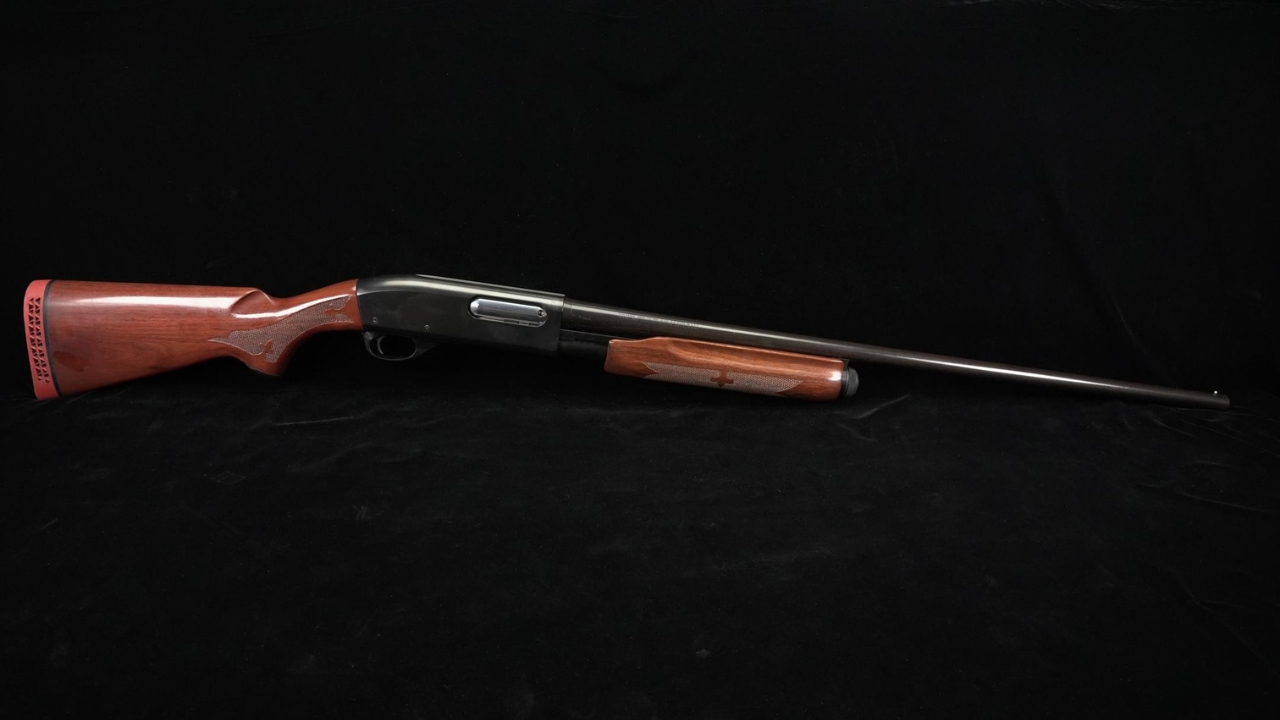
The Wingmaster isn’t rare, it’s just different than what “870” means to a lot of buyers today. The older ones have that slick, polished feel when you run the fore-end, and the bluing actually looks like bluing. It’s the kind of pump you can cycle without thinking about it, even with gloves on.
It’s not fancy, but it points naturally and carries well for a steel-and-walnut gun. The trap is that folks assume any 870 is the same. If you’ve ever handled an older Wingmaster next to a rougher, newer economy pump, you know what I mean.
2. Remington 1100
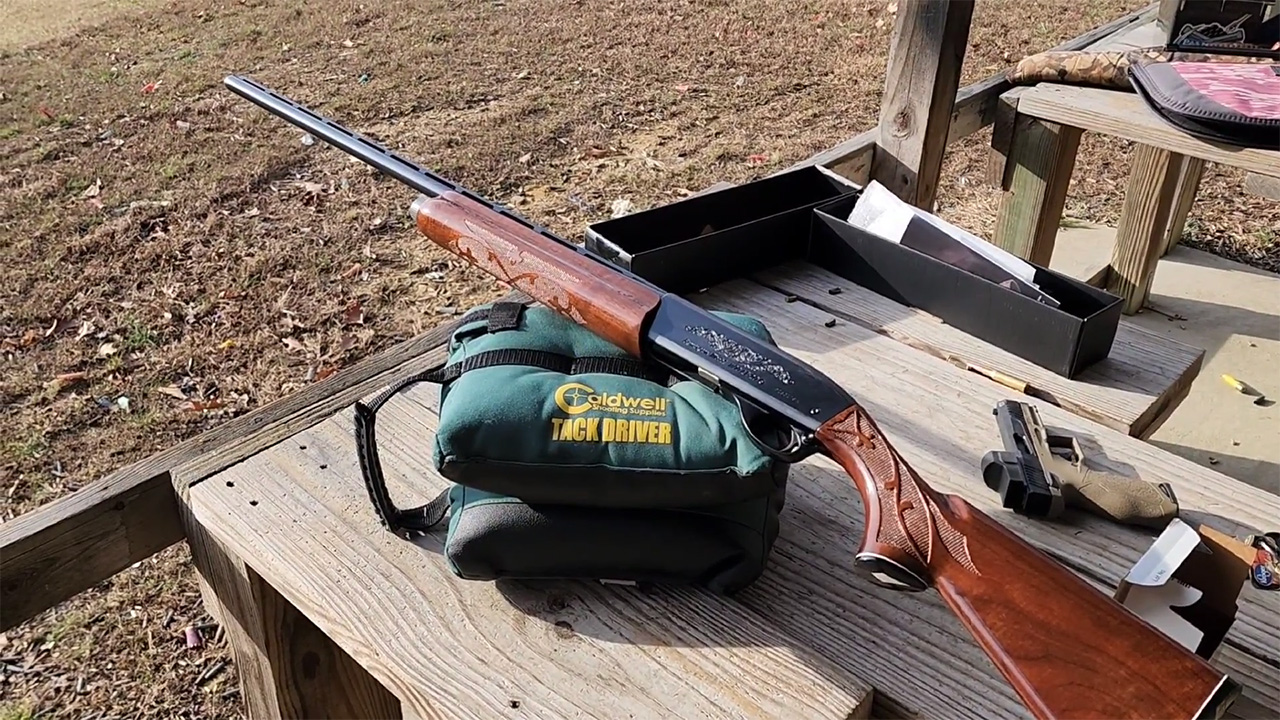
If you grew up around bird hunters, you’ve probably seen an 1100 that looked worn out but never quit. They’re soft shooters, and that matters more the older your shoulders get. A good 1100 is the kind of gun you can shoot all afternoon without feeling beat up.
They do need basic maintenance and clean gas ports, and they’re not the best choice for guys who refuse to wipe down a shotgun. Still, when they’re right, they run smooth and swing like they were built for upland birds.
3. Remington 11-87 Premier (early production)
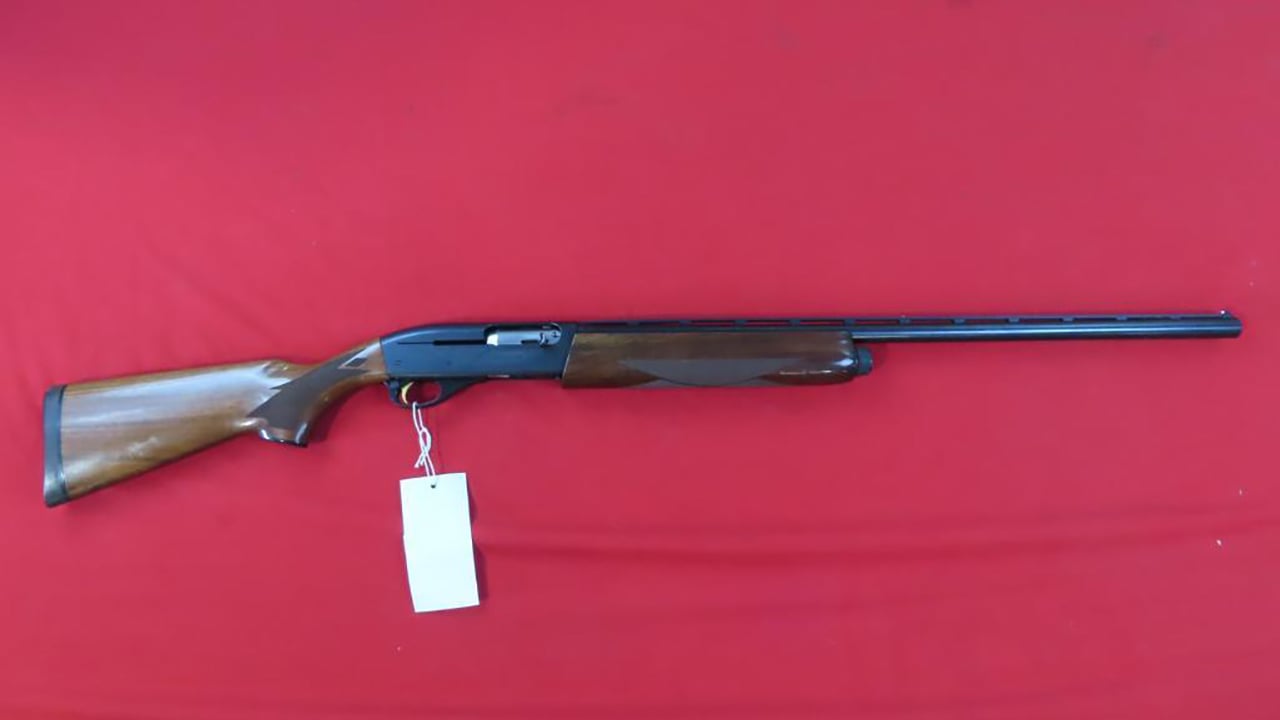
The early Premier-grade 11-87s had a “finished” feel that’s hard to find in many modern mass-produced semi-autos. They were work guns with decent wood and a solid, no-nonsense balance. In a duck blind, they just felt right.
The 11-87 has its critics, and I get it. But a good one is a real do-everything semi-auto for the guy who hunts a little of everything and doesn’t want to baby a shotgun.
4. Winchester Model 12
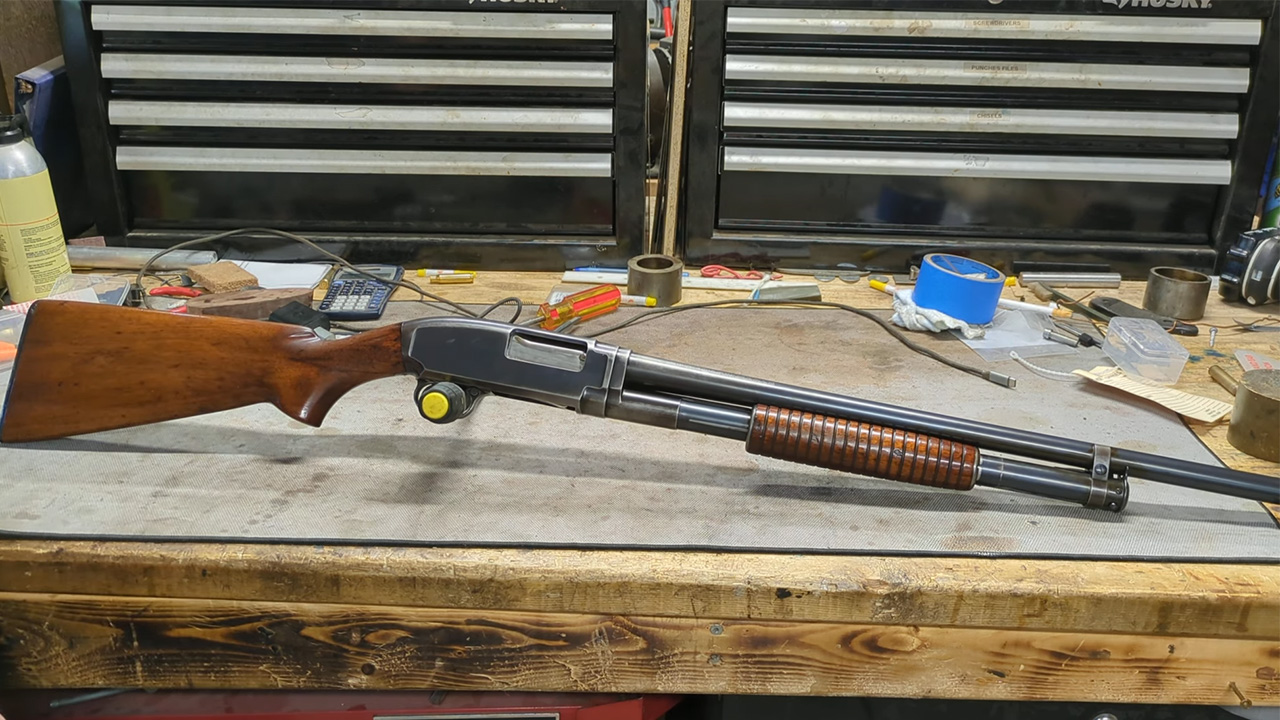
Run a Model 12 and you understand why they’re still talked about like a legend. The action is smooth in a way that makes most pumps feel clunky. It’s also one of those guns that makes you slow down and mount the shotgun correctly because it rewards good form.
They can be pricey in nice shape, and you don’t want to abuse a collectible-grade example. But as a piece of American shotgun history that still works in the field, it’s hard to beat.
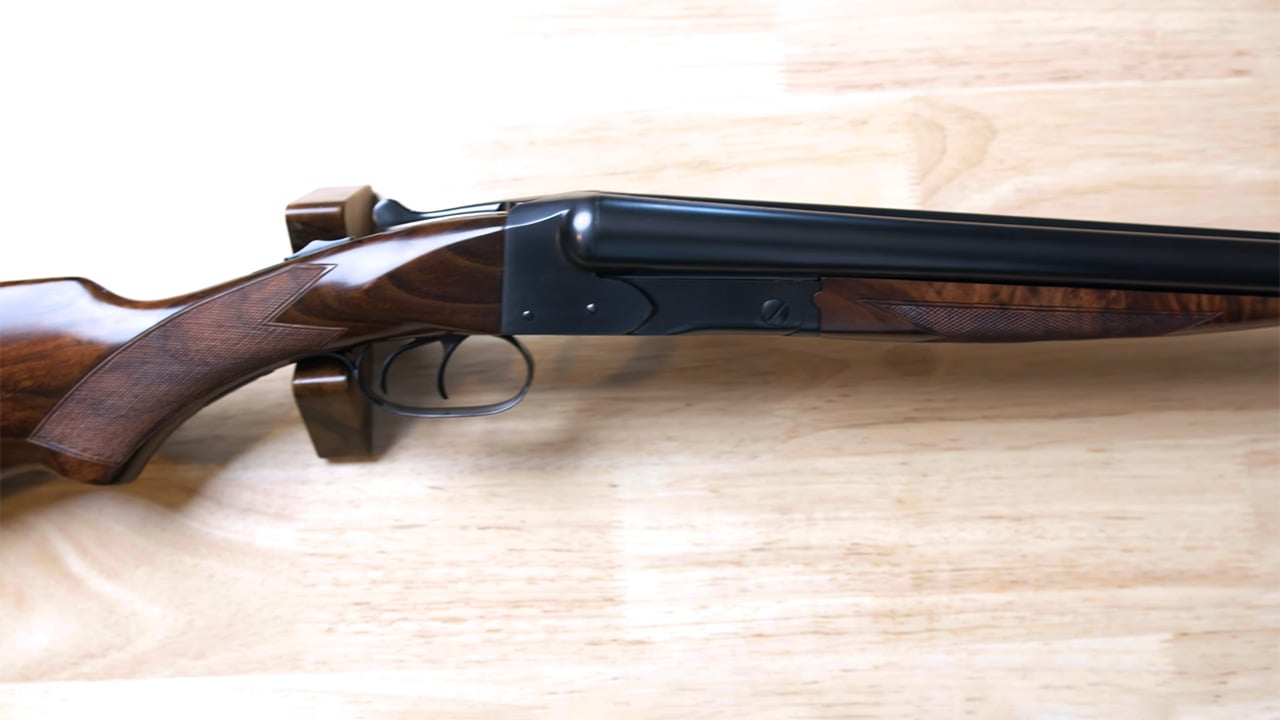
5. Winchester Model 21
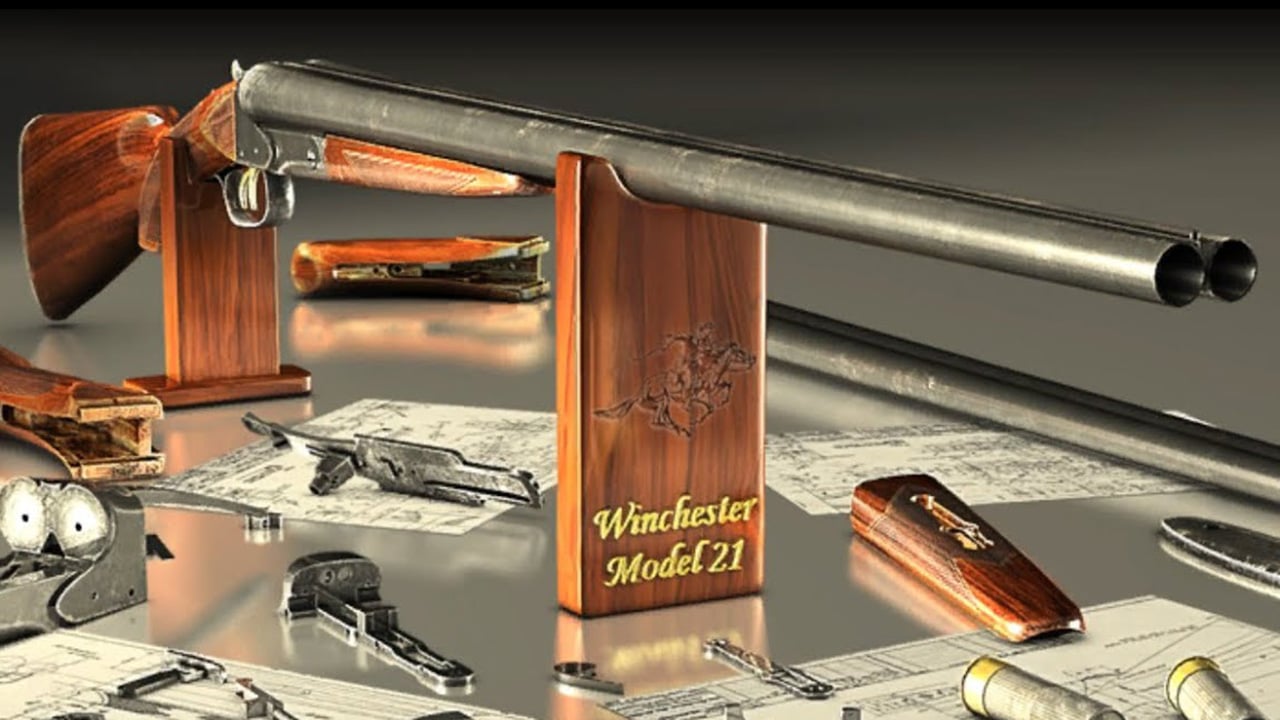
The Model 21 is the “serious” double gun a lot of folks only handle once or twice in their life. Built like a tank, with fit and finish that screams old-school craftsmanship, it’s one of those shotguns that feels like it belongs in a family for generations.
They’re not light, and they’re not cheap. But if you’ve ever closed one and felt how solid it is, you stop thinking about trends and start thinking about permanence.
6. Browning Auto-5 (Belgian production)
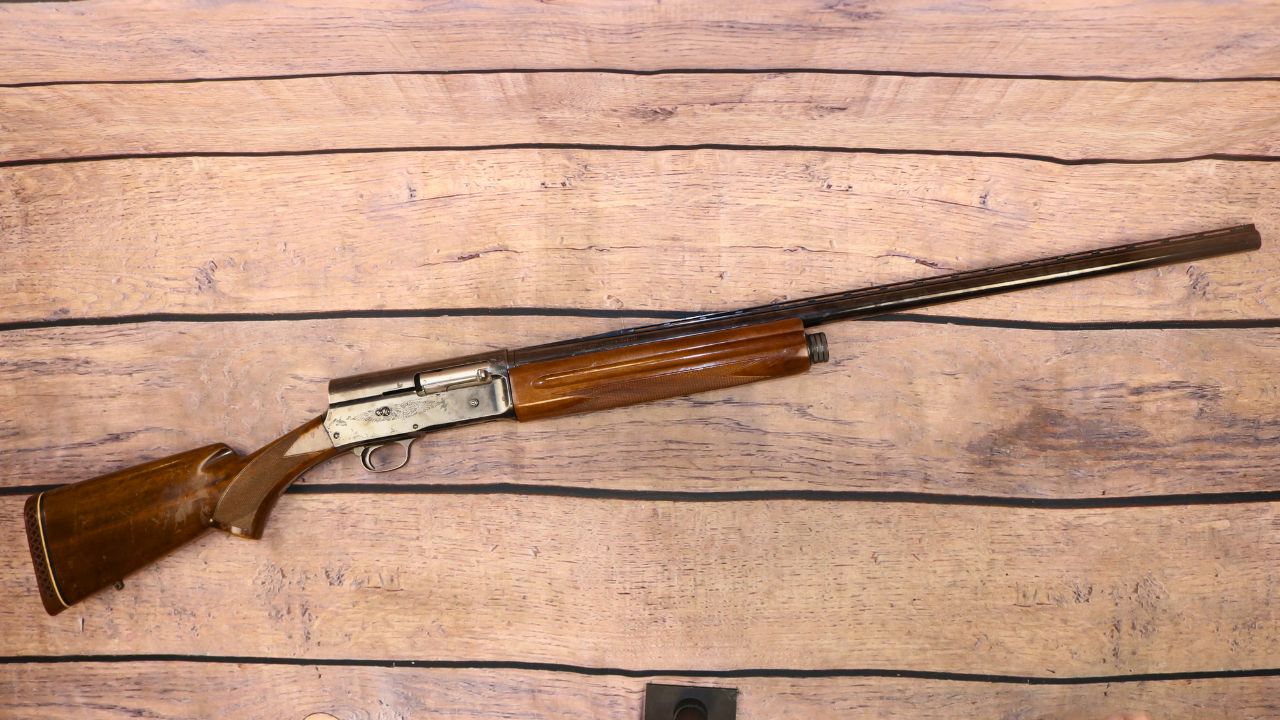
The humpback isn’t for everybody, and the recoil impulse is its own thing. Still, Belgian Auto-5s have a character that modern gas guns don’t. They feel like machinery, not plastic.
They can be set up wrong and run wrong, and that’s where the complaints usually come from. But a properly set-up A5 that’s been cared for is one of the most iconic field semi-autos ever made.
7. Browning Superposed
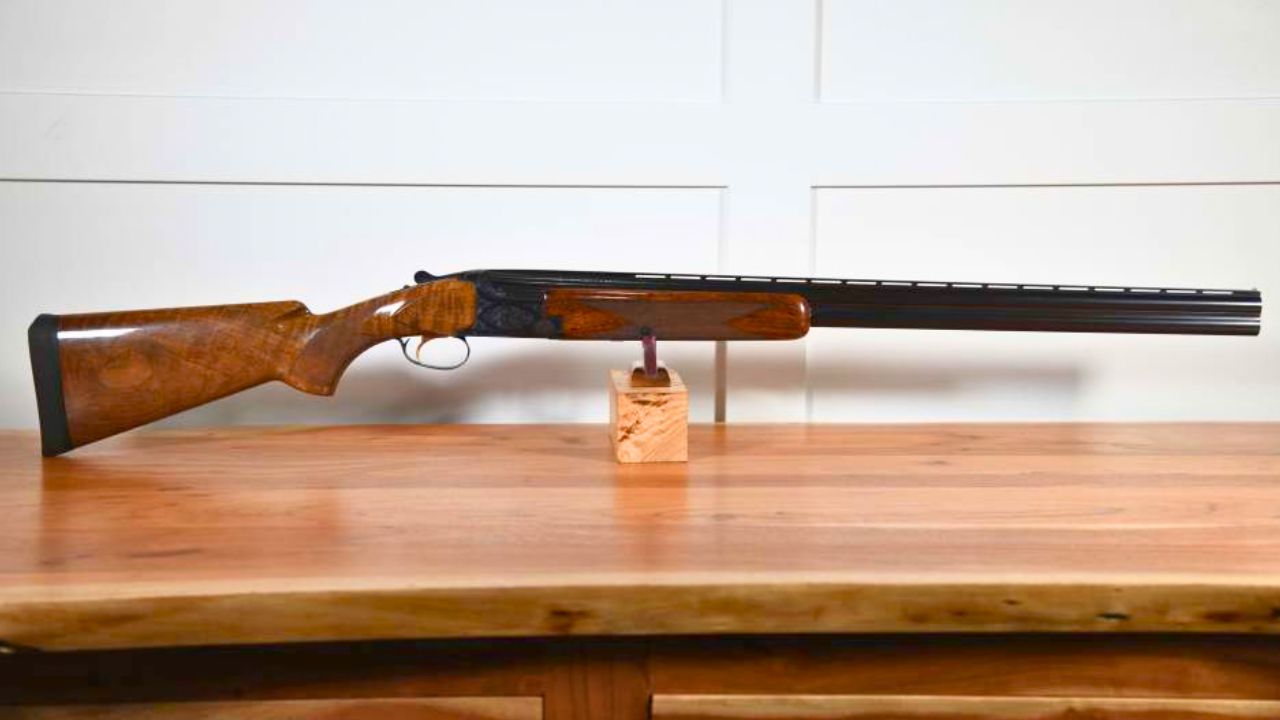
There are over/unders that look good in pictures, and then there are over/unders that look good when you crack them open in the sun and the metalwork catches your eye. The Superposed falls into that second category. The lockup and the handling feel serious.
They’re not disposable guns, and that’s the point. If you’ve ever watched somebody shoot a well-worn Superposed like it’s an extension of their arms, you understand why people hunt them down.
8. Browning BSS
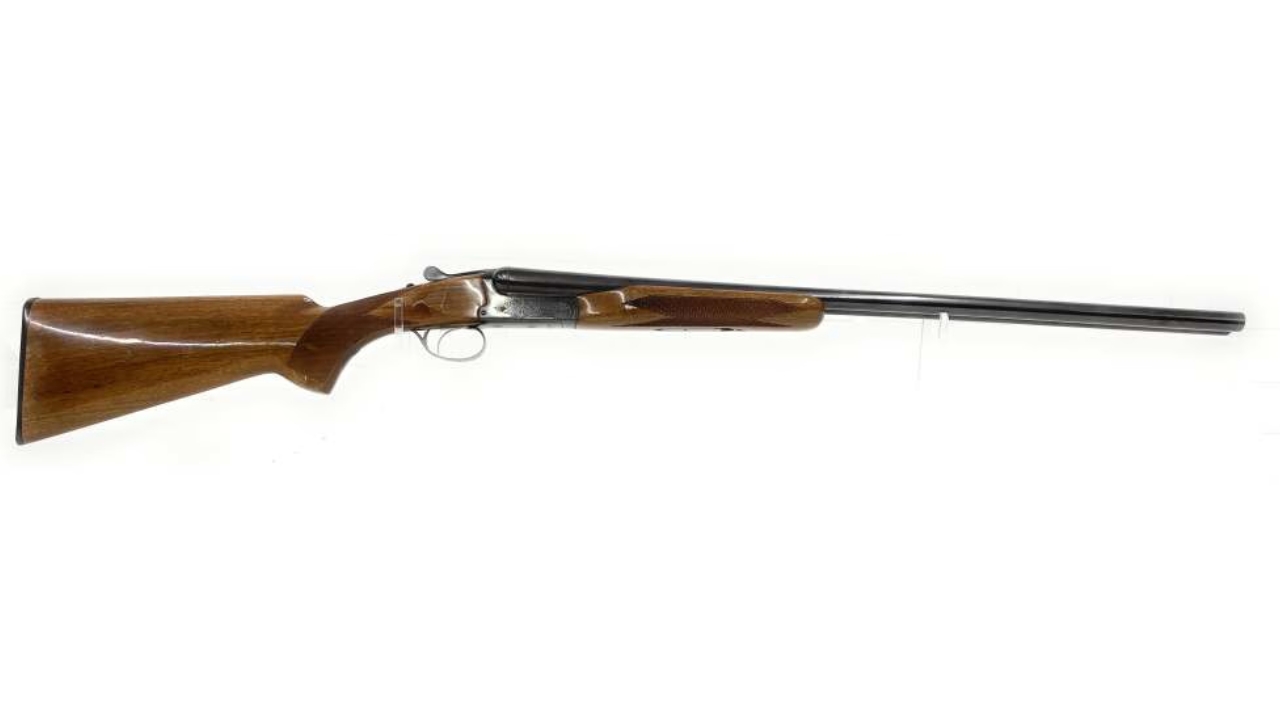
The BSS is one of those guns that doesn’t need to be flashy to be respected. It’s a side-by-side that can actually live in the field, not just in a safe. The balance is good, and the guns tend to feel honest and sturdy.
They’ve gotten more expensive because folks figured out they’re a usable classic. Not every one is a perfect fit for every shooter, but they’re hard to replace once you get used to one.
9. Beretta 686 (early Italian production)
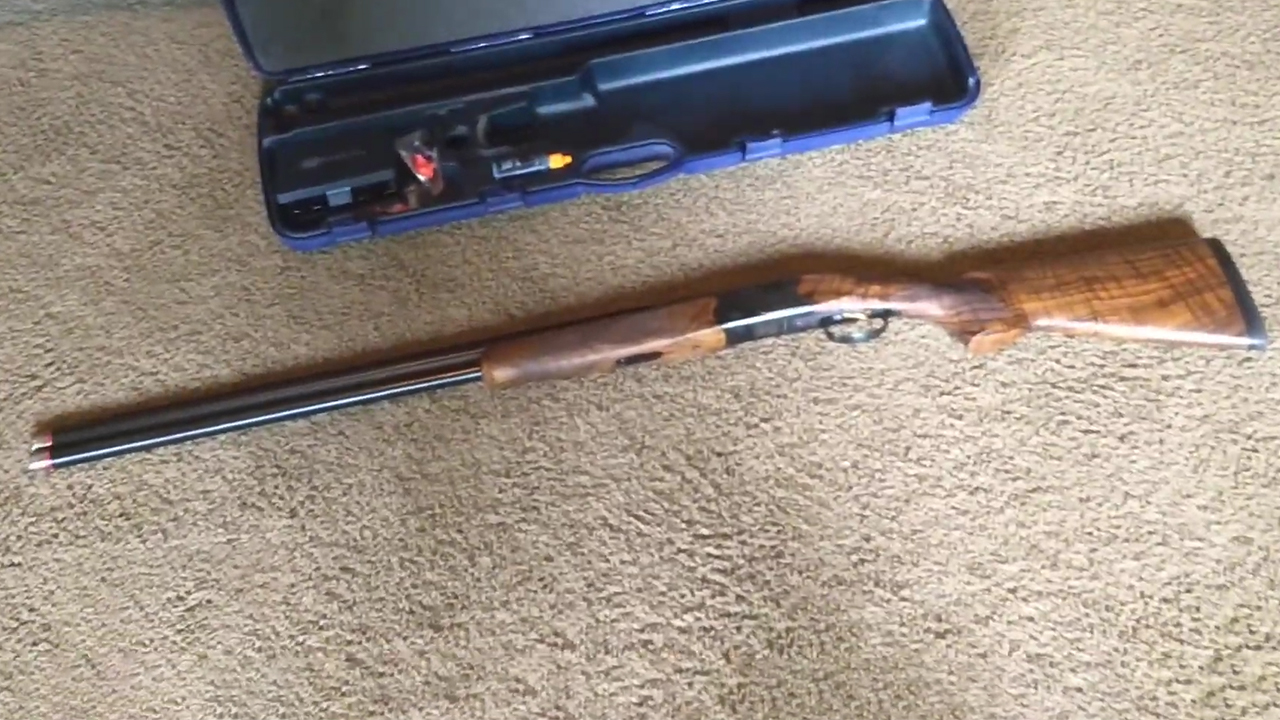
The 686 has been around long enough that “older” ones are showing up with honest wear and still locking up tight. They’re usually slimmer through the hands than a lot of budget O/Us, and they point like they were made for moving targets.
They’re not immune to hard use, and competition-level round counts can wear anything. But as a classic bird and clays gun, the older 686s set a bar that a lot of newer guns chase.
10. Beretta 391

If you want to talk about a modern classic that feels like it was engineered by somebody who actually shoots, the 391 is in the conversation. They run, they shoot soft, and they don’t feel like a toy. Plenty of them have lived hard lives in duck blinds and still keep going.
The downside is that once you get used to how a 391 behaves, some newer guns feel snappier or more “plasticky.” Not everyone cares. Some of us do.
11. Benelli Super Black Eagle (first generation)

The first SBE earned its reputation the hard way: cold mornings, wet hands, and shells that had to go off when birds finally committed. Inertia guns can feel sharp compared to gas guns, but they’re simple and reliable when things get nasty.
The older ones feel like they were built around function, not features. They aren’t perfect, and they don’t need to be. They just keep running when you’re tired and the weather’s gone sideways.
12. Ithaca 37 (older steel-frame guns)

The Ithaca 37 is a pump that carries like it wants to be carried. Bottom ejection is great for lefties and nice in a blind when you don’t want hulls flying across your buddy’s face. They’re usually trim, lively, and fast.
Older ones have a feel that’s hard to describe until you run one. The action isn’t always as slick as a well-used Wingmaster, but the design has a practical elegance that still makes sense.
13. Ithaca Mag-10
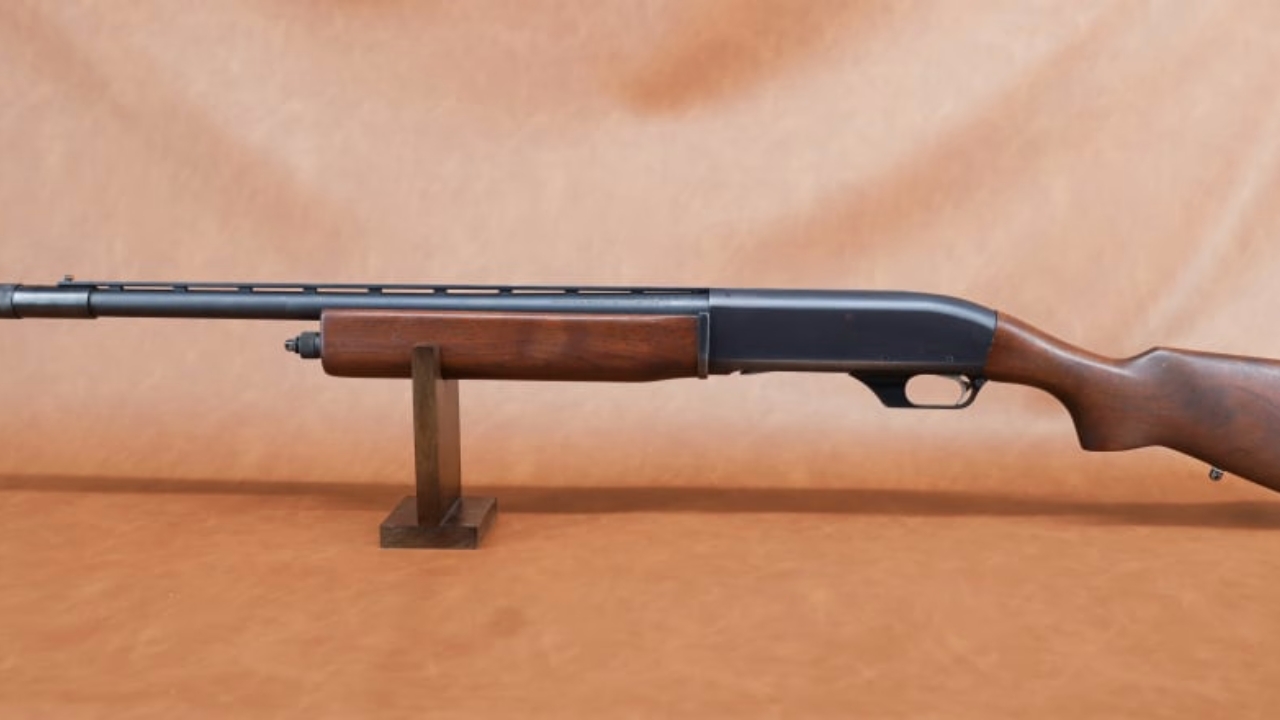
This is the part where somebody says, “Those things are heavy.” Yep. That’s the truth. But the Mag-10 was built for big water, late-season birds, and hunters who wanted 10-gauge performance without a double gun.
They’re not for walking five miles behind a bird dog. But for the right job, they’re classics because they did something specific and did it with real steel and real durability.
14. Parker Brothers side-by-side (classic doubles)

A Parker is one of those shotguns you handle carefully even if you’re not a collector. The lines, the balance, the way the wood meets the metal—there’s an old-world quality to them. They were built when craftsmanship wasn’t a marketing word.
Most folks aren’t going to drag one through a swamp, and they shouldn’t. But as an example of what American double guns used to be, Parkers are hard to top.
15. L.C. Smith side-by-side
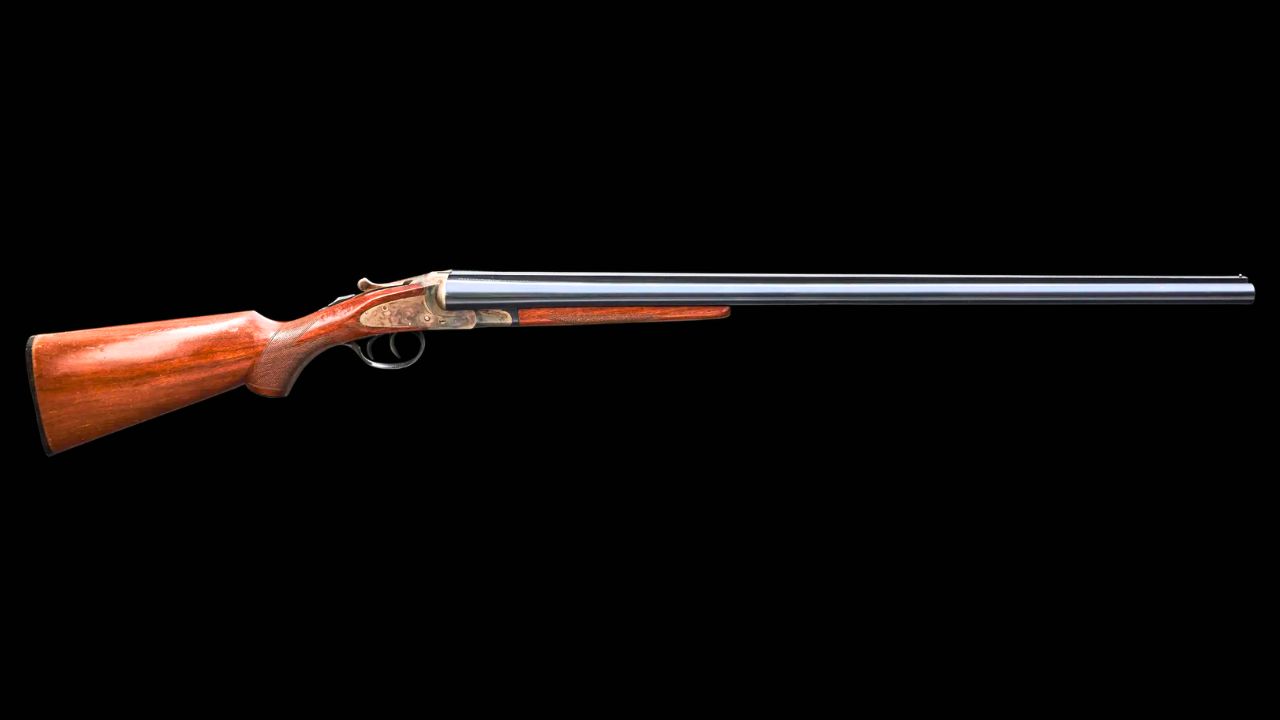
L.C. Smith guns have their own following, and it makes sense once you’ve shouldered one that fits. They have a classic look and an old-school feel, and they can be surprisingly good in the hands despite their age.
Condition matters a lot here. Some have been shot loose or neglected, and you don’t want a money pit. But a solid one is a reminder that “made well” used to mean something you could feel without being told.
16. Fox (A.H. Fox) side-by-side
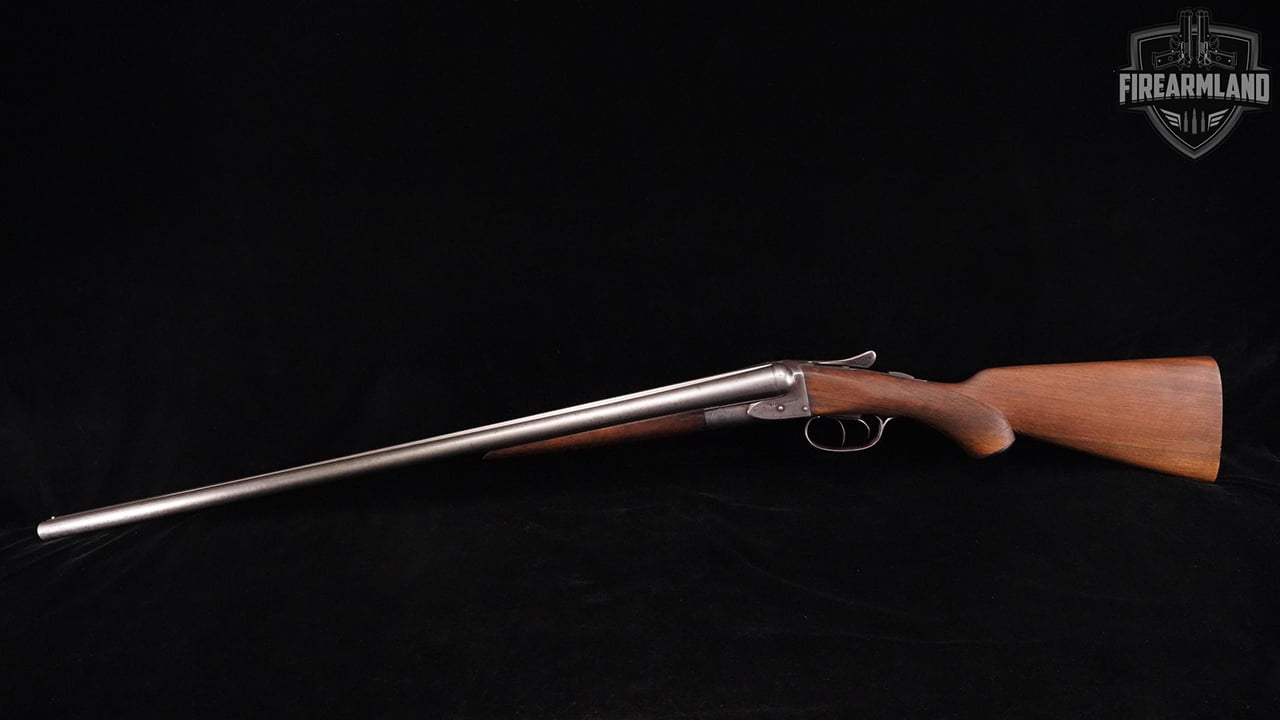
Fox doubles have a reputation for strength, and they earned it. They’re also the kind of gun that makes you want to hunt birds just to carry it. There’s something about a good side-by-side that changes your pace in the field.
Like any old double, you need to respect what it is and what it isn’t. But when you find one that hasn’t been messed with, it’s hard not to admire how right it feels.
17. Winchester Model 42
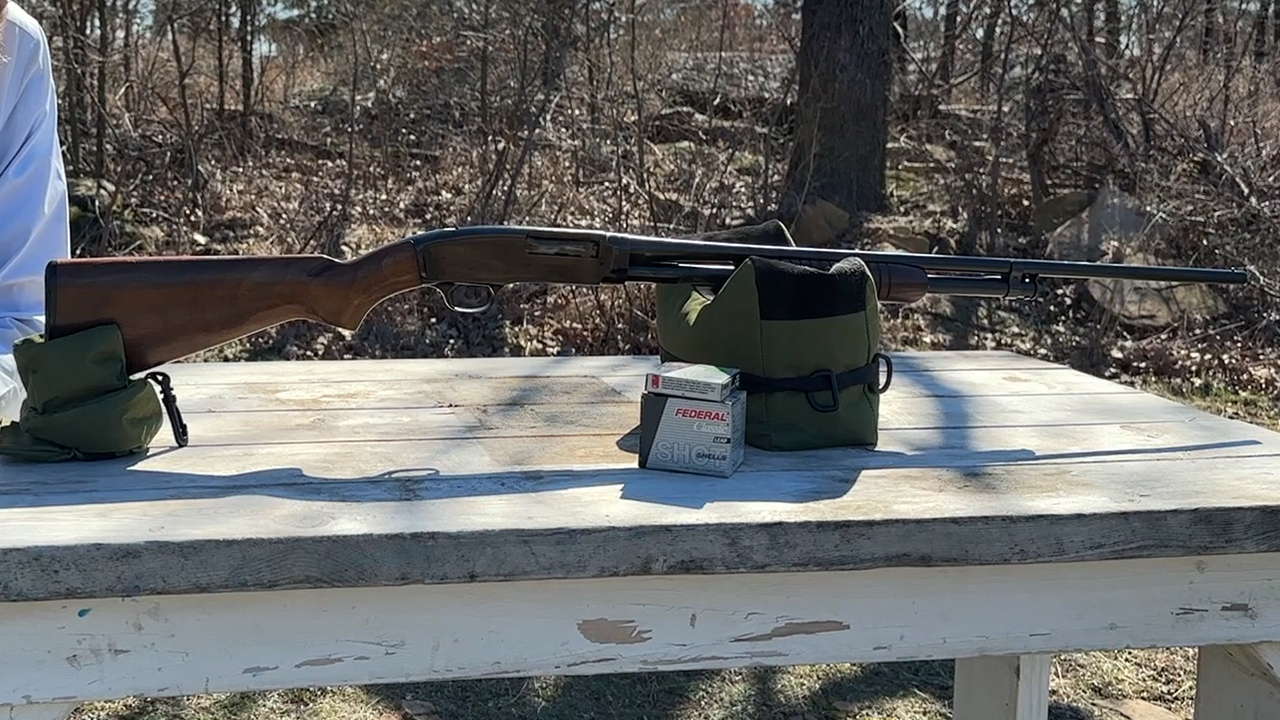
The Model 42 in .410 is one of the most lovable shotguns ever made. It’s small, slick, and fun, and it turns an afternoon of rabbit hunting into something you remember. When you find one that hasn’t been abused, the workmanship stands out.
.410 ammo costs what it costs, and it’s not the best tool for every job. Still, the Model 42 is the kind of gun that makes you want to slow down and shoot better.
18. Ruger Red Label (early guns)

The Red Label doesn’t get the same romantic talk as some European over/unders, but the early guns have a solid, American-built feel that’s getting rarer. They’re a bit bulkier than some, and the fore-end can feel chunky.
But they’re tough, and plenty of them have been honest hunting guns for decades. If you like a gun that feels substantial and you don’t mind a little weight, an older Red Label is worth keeping an eye out for.
19. Savage/Stevens Model 311
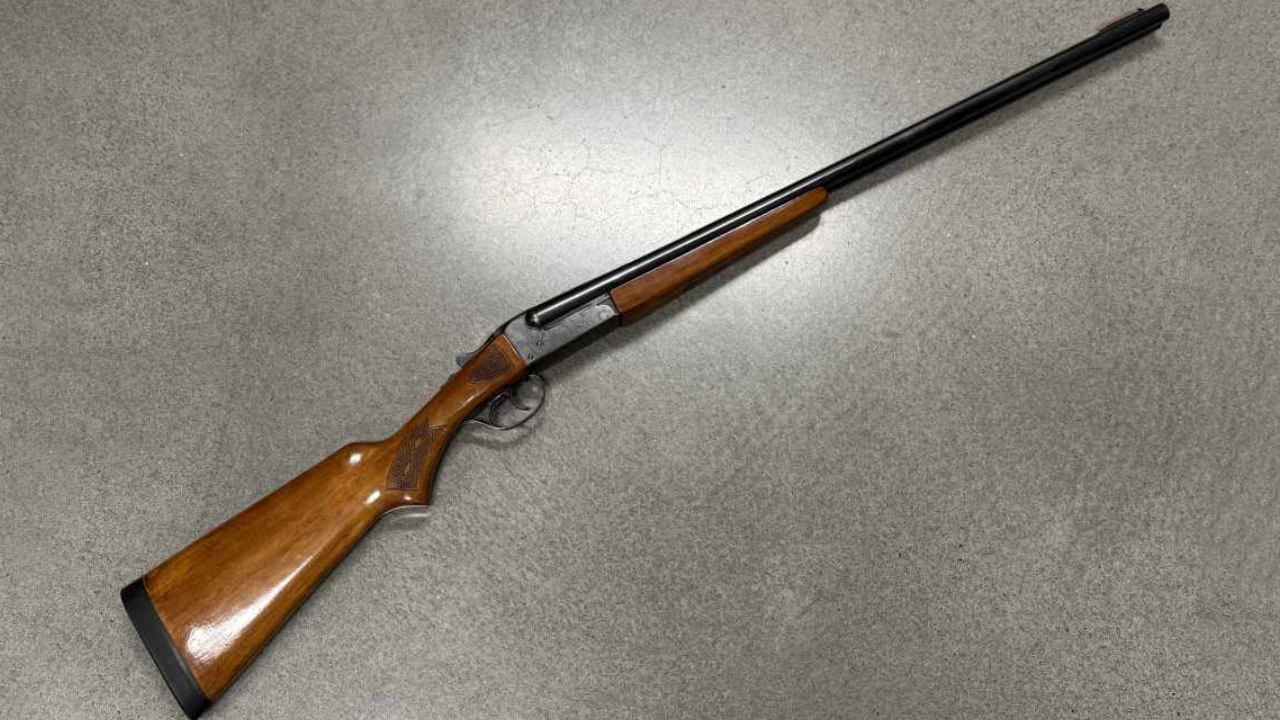
No, it’s not a high-grade double, and nobody is confusing it with a hand-finished classic. The 311 made the list because it’s a blue-collar side-by-side that did real work for regular hunters. They were simple, sturdy, and serviceable.
What you don’t see much anymore is a cheap gun that’s still built to be repaired and kept going for decades. The 311 is a reminder that “budget” used to mean plain, not disposable.
20. Mossberg 500 (older all-steel, walnut-era guns)
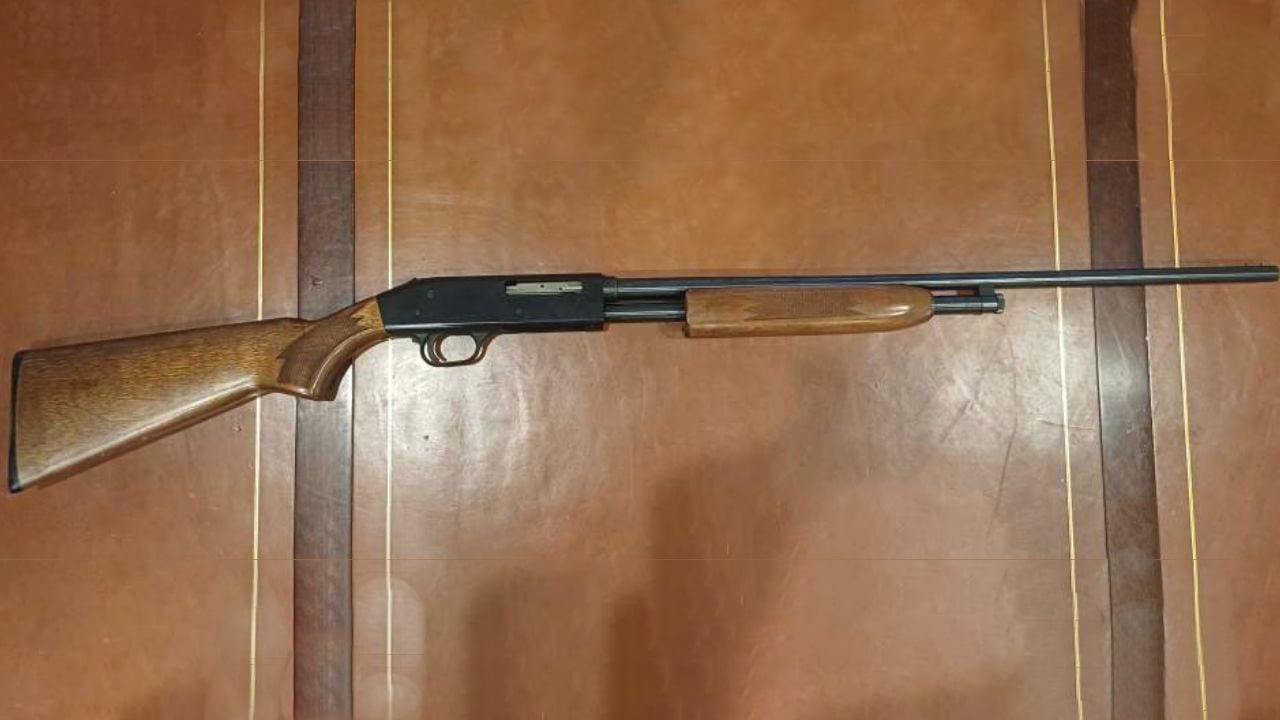
Here’s a confession: I don’t get sentimental about every old Mossberg. But the older 500s with walnut furniture and that no-drama reliability have earned their place. They’re not refined like a Wingmaster, but they’re dependable and they take hard use.
What’s changed is the overall feel across a lot of newer “budget” guns—lighter materials, rougher finishing, and less pride in the little details. An older 500 that’s been carried and scratched up is still a shotgun you can trust.
There are plenty of new shotguns that shoot great, and nobody should feel guilty for buying what fits their needs and budget. But if you’ve got one of these older classics sitting in the safe, it’s worth pausing before you turn it into “trade value.” Some guns aren’t just tools. They’re the baseline for what a good shotgun is supposed to feel like, and once that baseline is gone, it’s tough to buy it back.
Like The Avid Outdoorsman’s content? Subscribe to our newsletter so you never miss an article.
Here’s more from us: