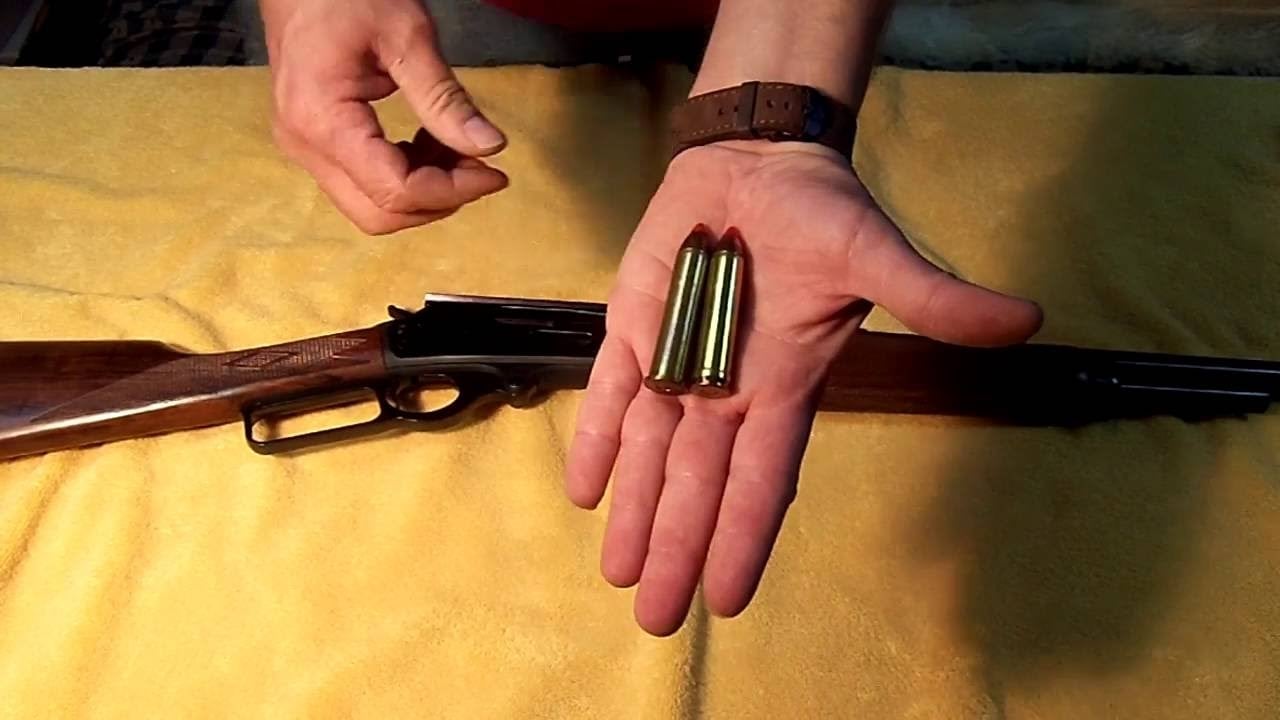
Photo credit: MICHAEL WAYNE/YouTube
Some hunting calibers do not vanish because they failed in the field. They disappear because the market moves on, rifle makers stop chambering them, ammo companies cut slow sellers, and hunters start buying whatever is easiest to find on a shelf. Before long, a perfectly useful cartridge becomes something only handloaders and stubborn old riflemen still talk about.
That is the frustrating part. A lot of these rounds worked just fine on deer, elk, black bear, varmints, and woods game. They just got buried by newer marketing, cheaper production choices, or cartridges that were easier to explain. These are the discontinued or nearly forgotten hunting calibers plenty of hunters wish had never faded away.
.307 Winchester
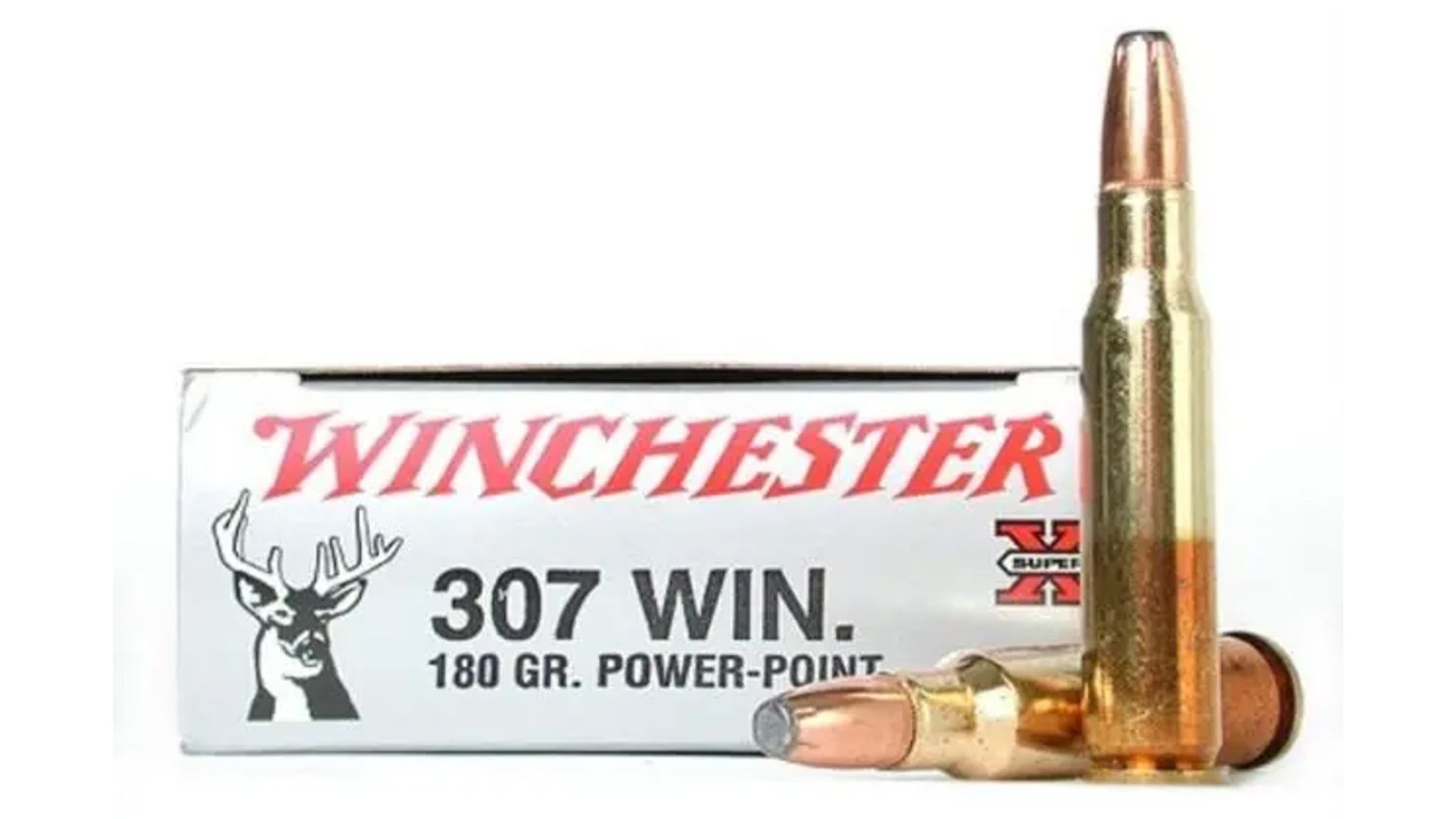
The .307 Winchester should have had a better life. It was built to give lever-action hunters stronger performance than the old .30-30 while still working in rifles like the Winchester Model 94 Big Bore. It pushed a .30-caliber bullet harder than traditional lever rounds and gave woods hunters more reach without forcing them into a bolt action.
The problem was timing and popularity. Hunters who wanted more power often just bought a bolt gun in .308 or .30-06, while traditional lever-action fans stuck with .30-30. Winchester eventually discontinued some .307 factory loads, and even the loads that remained listed became hard to find, according to Shooting Times’ look at the .307 and .356 Winchester cartridges.
.356 Winchester
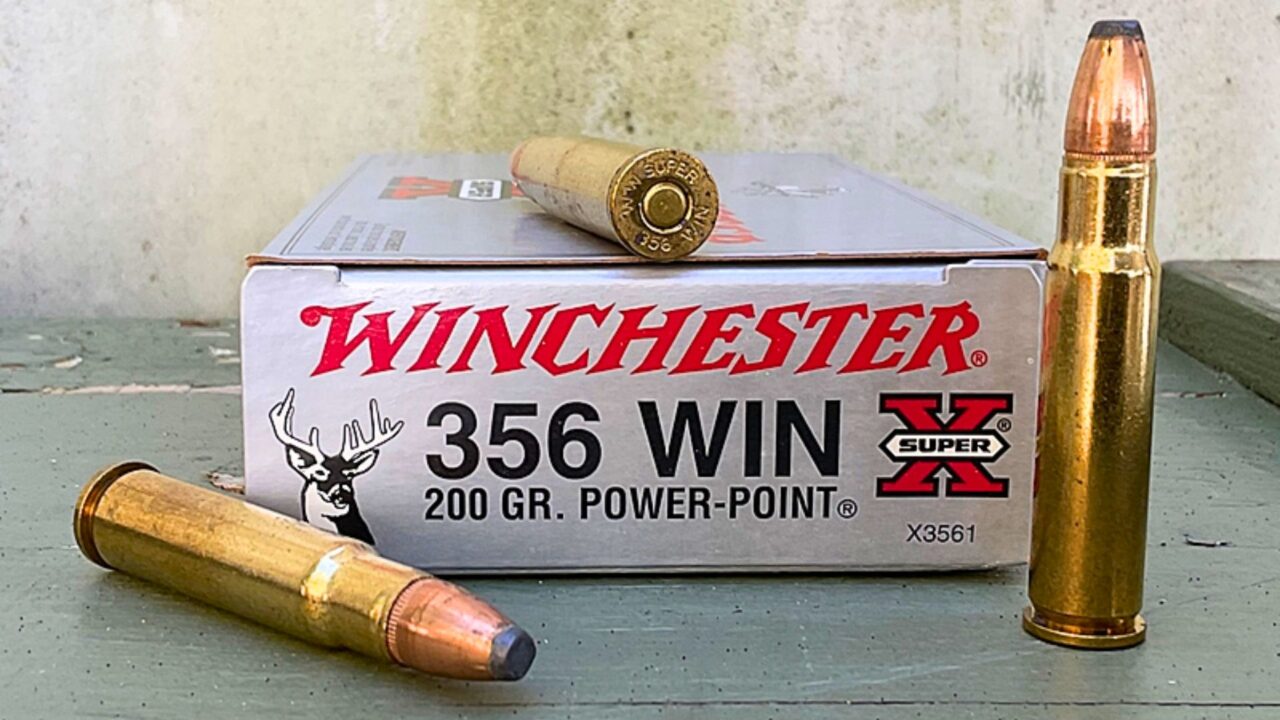
The .356 Winchester was another Big Bore lever-action round that deserved more respect. It gave hunters a heavy-hitting .35-caliber option in a handy lever rifle, making it a strong choice for black bear, hogs, elk in timber, and big-bodied whitetails. It hit harder than most people expected from a lever gun.
Hunters miss it because it filled a real woods role. It was not trying to be a long-range cartridge. It was made for close to moderate distances where bullet weight and frontal diameter matter. Like the .307, the .356 became difficult to support once factory ammo dried up and rifles chambered for it stopped being common.
.358 Winchester

The .358 Winchester is one of those cartridges that makes hunters wonder what went wrong. It was based on the .308 Winchester case, but necked up to take .35-caliber bullets. That gave short-action rifles a hard-hitting cartridge for deer, bear, elk, and moose at practical hunting distances.
The issue was never field performance. The issue was that American hunters kept chasing flatter-shooting cartridges, even when most shots in the woods did not require them. The .358 Winchester should have been perfect for hunters who wanted a compact rifle with real thump, but it slowly became a cartridge for handloaders and old-school rifle fans.
.338 Federal
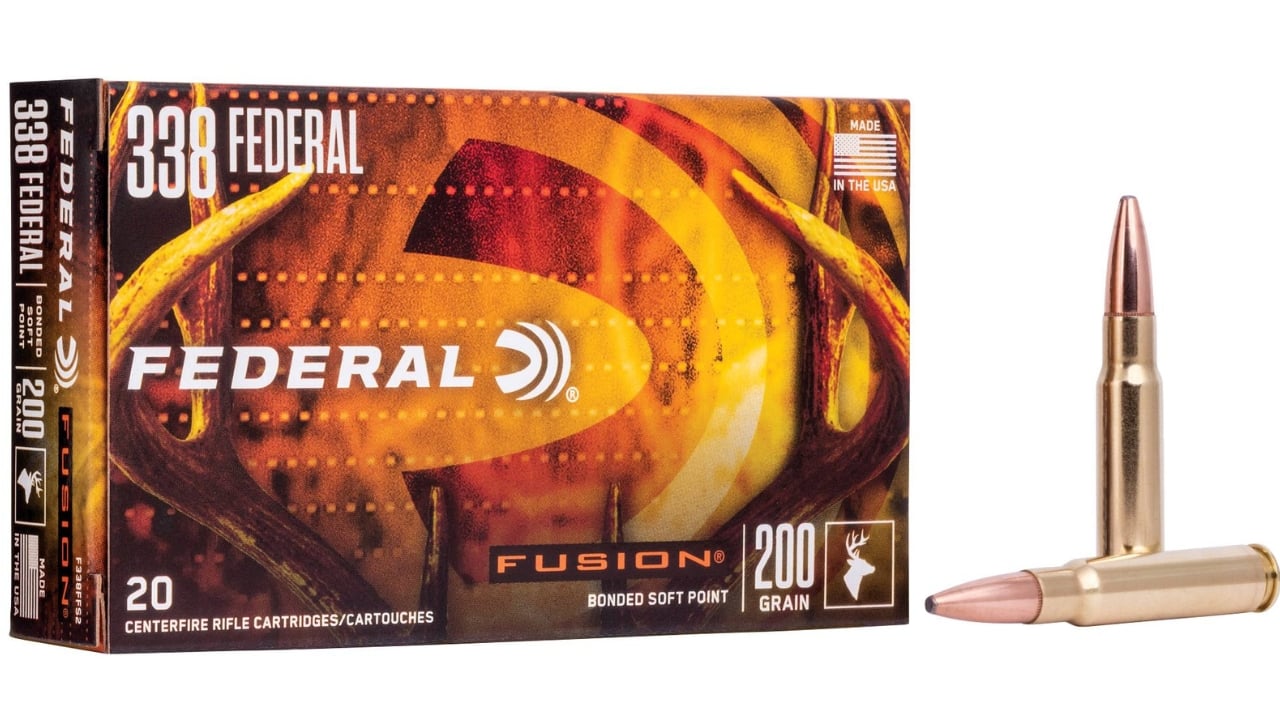
The .338 Federal arrived with a strong idea: .338-caliber punch from a short-action case with less recoil than magnums. It was based on the .308 family and meant to deliver serious performance on deer, hogs, black bear, elk, and similar game without needing a long action or magnum blast.
A lot of hunters wish it had caught on better because the concept still makes sense. Shooting Times described the .338 Federal as a refined version of the older .338-08 wildcat, and it remains one of those rounds that loyal users defend hard. It is not completely dead, but it faded far enough that many hunters who like it now have to plan around ammo availability instead of assuming every store will carry it.
.300 Savage
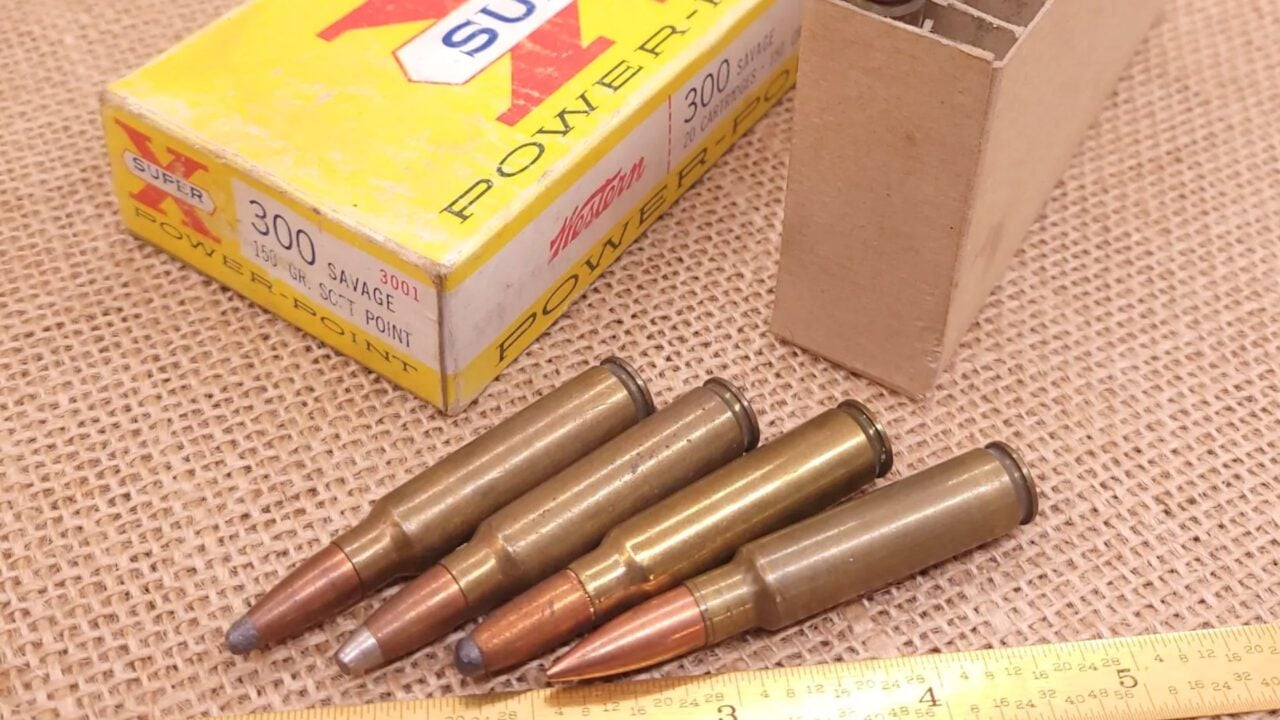
The .300 Savage was once a serious hunting cartridge, especially in rifles like the Savage 99. It gave hunters strong .30-caliber performance in a shorter package before the .308 Winchester took over that lane. For deer and black bear, it had more than enough power inside normal hunting distances.
Hunters regret its fade because it was efficient and easy to shoot. It did not need magnum recoil or a long barrel to make sense. The .308 Winchester was simply more modern, more supported, and easier for manufacturers to push. The .300 Savage did not quit working. It just got replaced by a cartridge that did almost the same job with broader support.
.250 Savage
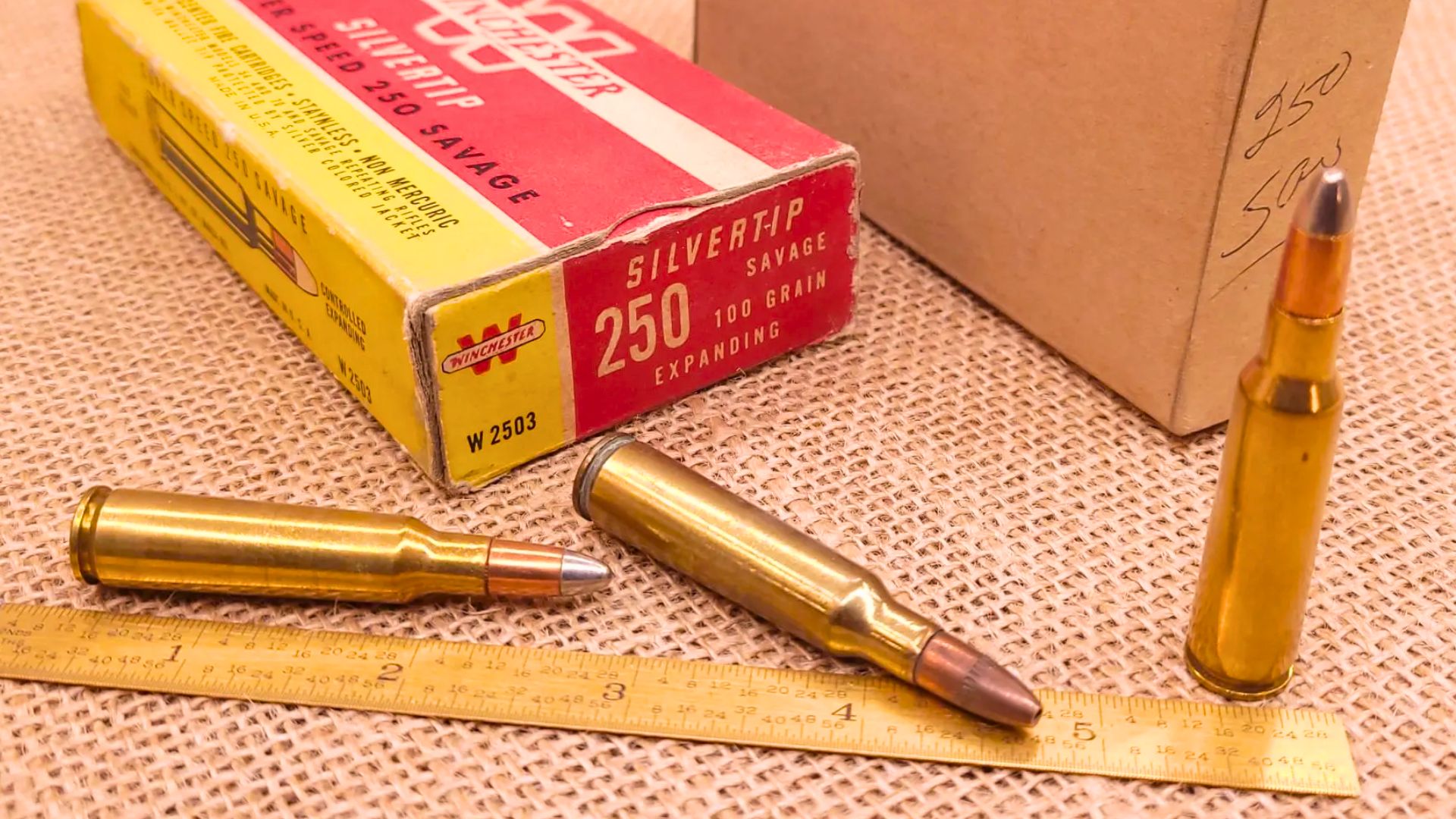
The .250 Savage was ahead of its time in all the right ways. It was mild, accurate, and fast enough for deer and antelope with proper bullets. In an era when many hunters thought bigger was automatically better, the .250 offered a lighter-recoiling option that still worked well when shots were placed right.
It faded because it got squeezed by louder names. The .243 Winchester became the easy answer for light-recoiling deer rifles, while bigger .25s got attention from hunters who wanted more speed. The .250 Savage still has charm because it was pleasant to shoot and deadly enough for careful hunters. It deserved better than becoming a handloader’s pet.
.257 Roberts

The .257 Roberts may not be truly gone, but it has faded far enough that plenty of hunters treat it like a lost classic. It was one of the best mild deer and antelope cartridges ever made, giving hunters light recoil, good accuracy, and more killing power than its paper numbers sometimes suggest.
The Roberts suffered because factory loads were often kept mild, and newer cartridges stole the spotlight. The .243 Winchester became more common, while the .25-06 Remington appealed to hunters who wanted more speed. Still, a good .257 Roberts bolt gun is one of those rifles people wish companies had never stopped taking seriously.
.25-35 Winchester
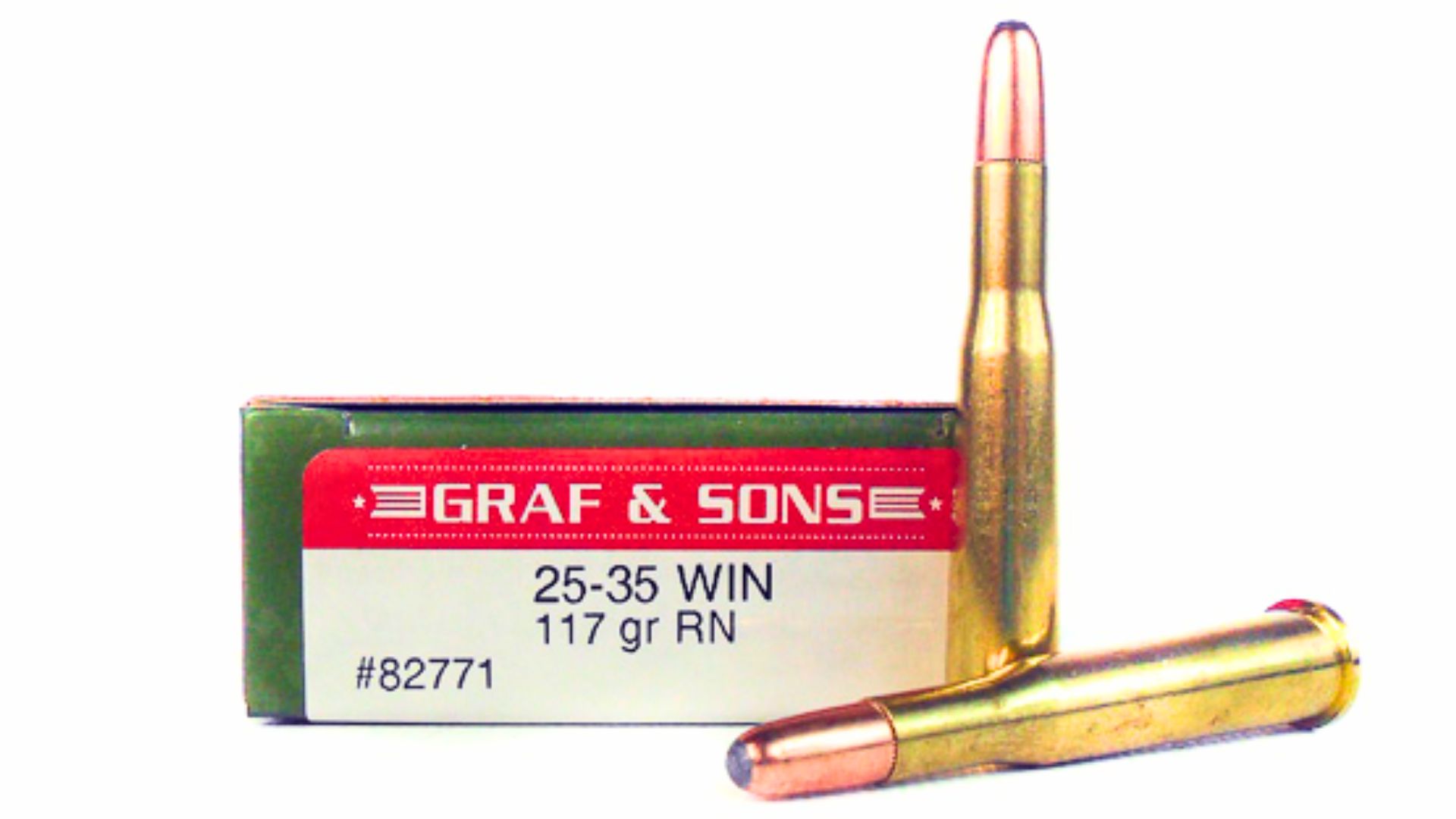
The .25-35 Winchester was a sweet little lever-action deer and varmint cartridge for hunters who did not need a cannon. In a Model 94 or similar rifle, it was light, handy, and easy on the shoulder. It worked best on smaller deer, coyotes, and general farm-country hunting where shots stayed reasonable.
Hunters miss it because not every rifle needs to be built around power. The .25-35 was pleasant, useful, and matched well to classic lever guns. It got overshadowed by .30-30 for deer and by faster bolt-action varmint rounds for small game. Still, for the right hunter, it was exactly enough.
.32 Winchester Special

The .32 Winchester Special is not completely gone, but it is nowhere near as common as it once was. It was designed for lever-action hunters who wanted something close to .30-30 performance with a slightly larger bullet diameter. In the deer woods, it built a strong following.
The problem is that it was always living in the .30-30’s shadow. Most hunters just bought the more common round, and ammo shelves followed demand. The .32 Special still works on whitetails, black bear, and hogs, but finding rifles and ammunition is not as easy as it used to be. That is why old lever-gun hunters still hate seeing it fade.
.35 Remington

The .35 Remington is one of the biggest heartbreaks for woods hunters. It was a natural fit in rifles like the Marlin 336 and Remington Model 8/81, giving hunters a heavy .35-caliber bullet at moderate velocity. Inside normal timber distances, it hit hard and left little doubt on deer or black bear.
It faded because the market kept rewarding flatter trajectories and more common ammo. The .30-30 stayed everywhere, while the .35 Remington became more of a regional favorite. Hunters who used it knew exactly why it mattered. It was not fancy, but in thick cover it was one of the best deer and bear rounds ever chambered in handy rifles.
.348 Winchester
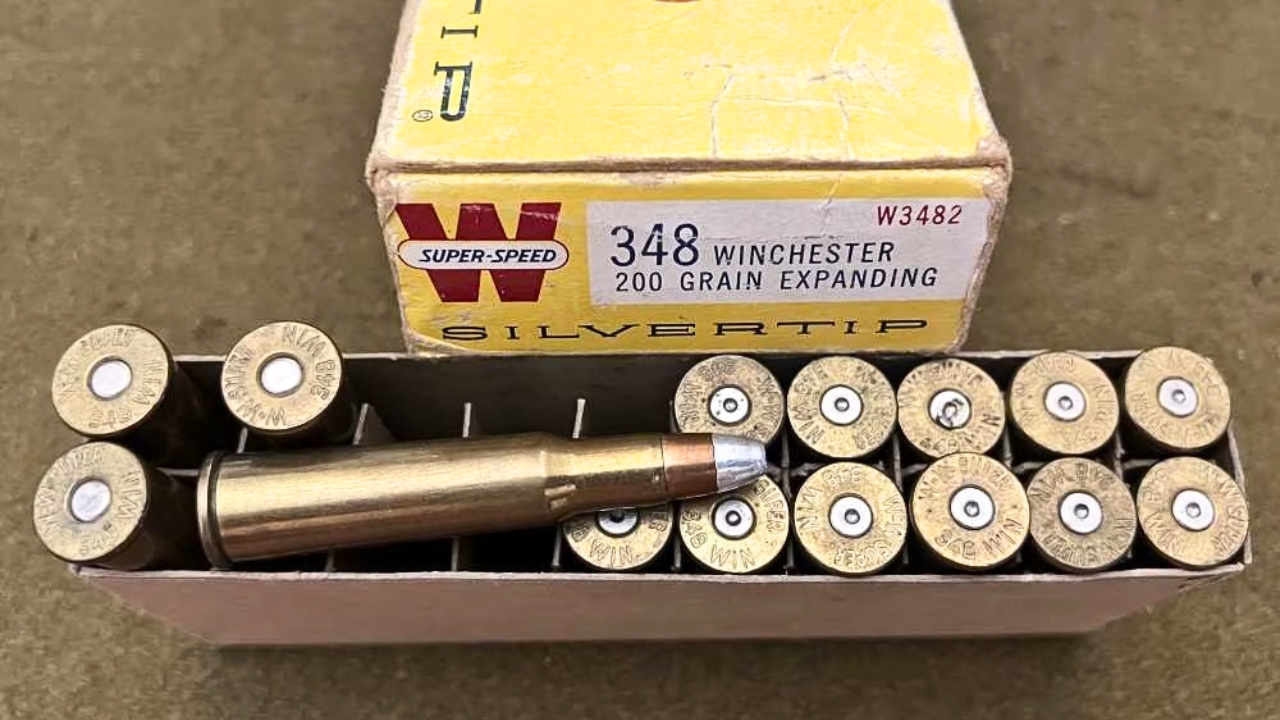
The .348 Winchester belonged to the Winchester Model 71, and that alone gives it serious old-school hunting credibility. It was a powerful lever-action round built for bigger game, with enough authority for elk, moose, and bear at sane distances. It had a lot more punch than most people associate with lever rifles.
Hunters wish it had stayed around because it filled a role that still makes sense. A strong lever gun with real big-game power is not something every modern cartridge replaces. The .348 faded partly because the Model 71 faded, and once the rifle platform disappeared, the cartridge had a much harder time surviving.
.284 Winchester
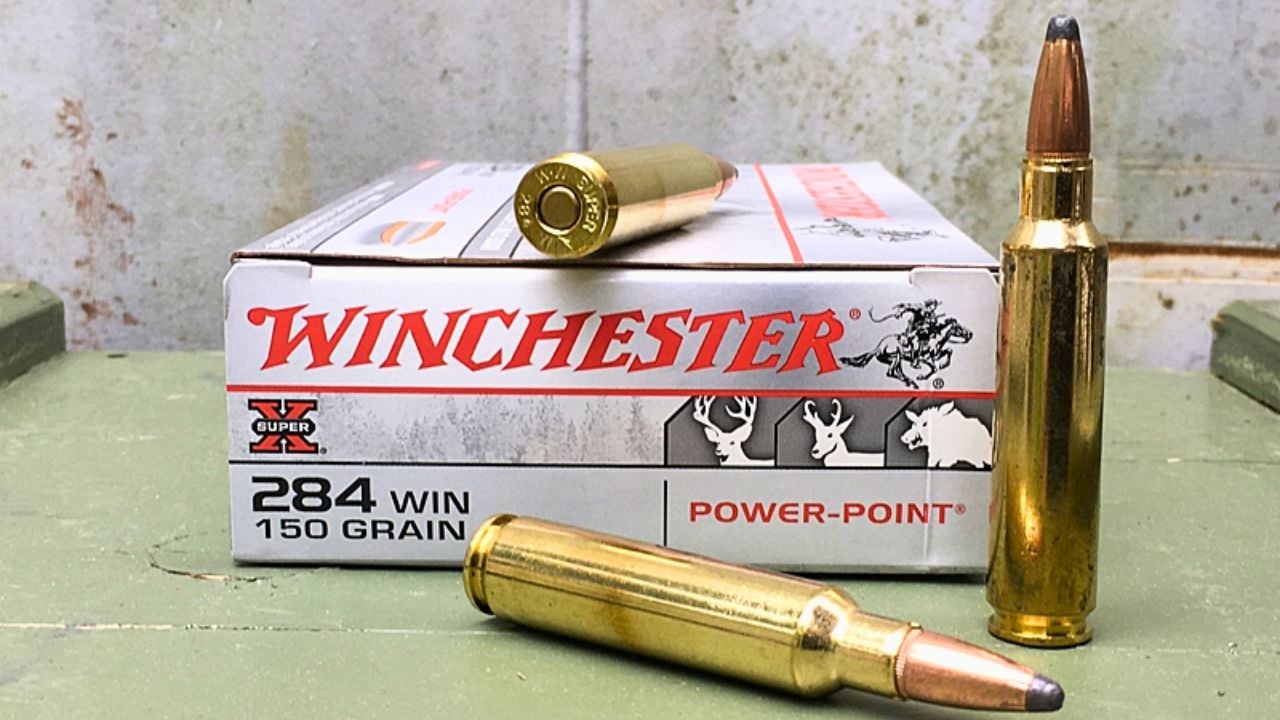
The .284 Winchester was one of the smartest cartridges that never got the attention it deserved. It used a fat case to bring near .270 or .280 performance into short-action rifles. On paper, that should have made it a great deer, sheep, antelope, and elk cartridge.
Instead, it got hurt by rifle choices and market confusion. It was chambered in rifles that did not always show off what it could do, and most hunters never fully understood why they should buy one instead of a .270, .308, or .30-06. Long-range shooters later appreciated the case design, but hunters lost out when it faded from mainstream rifle racks.
6.5 Remington Magnum
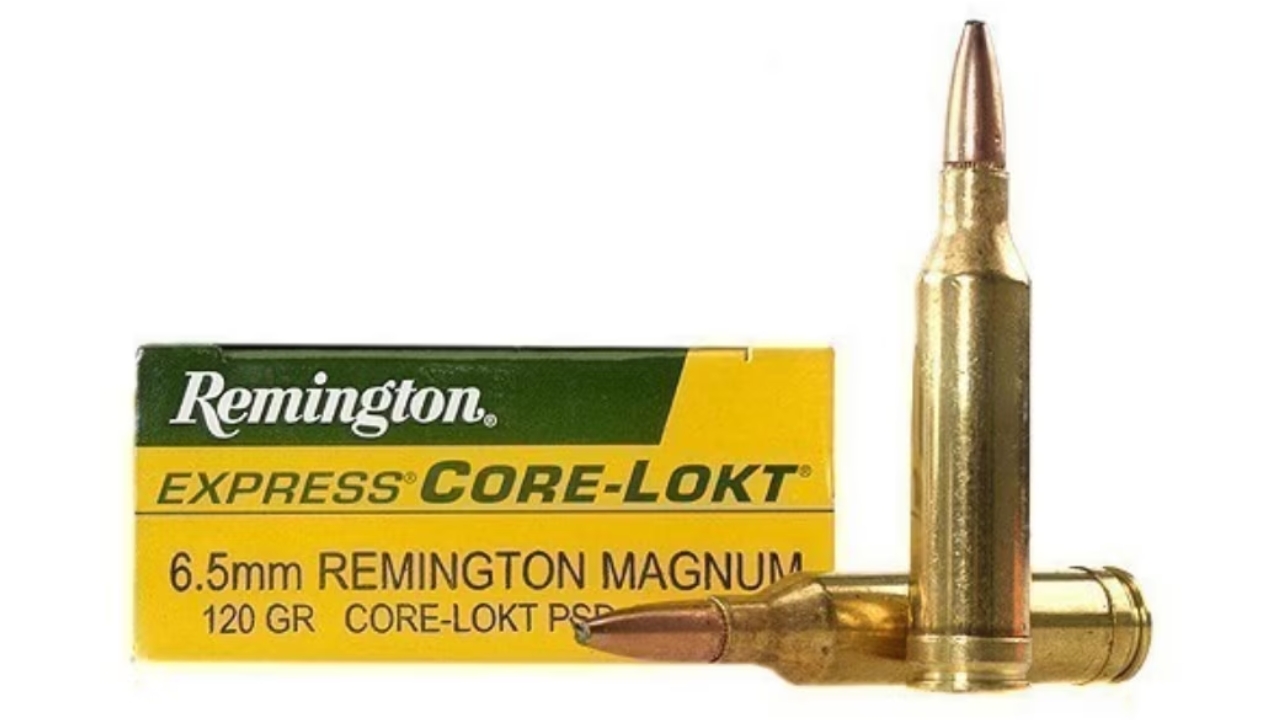
The 6.5 Remington Magnum had the bad luck of arriving before American hunters were ready to care about 6.5mm cartridges. It offered real speed in a short magnum case, and it could have been a strong mountain and open-country hunting round for deer, antelope, and sheep.
Instead, it became one of those cartridges people mention when talking about ideas that were too early. Rifle Shooter described the 6.5 Remington Magnum as long gone and unlikely to come back, especially after the .264 Winchester Magnum and later 6.5 cartridges took different parts of the market. If it had arrived during the 6.5 craze, hunters might have treated it very differently.
.264 Winchester Magnum
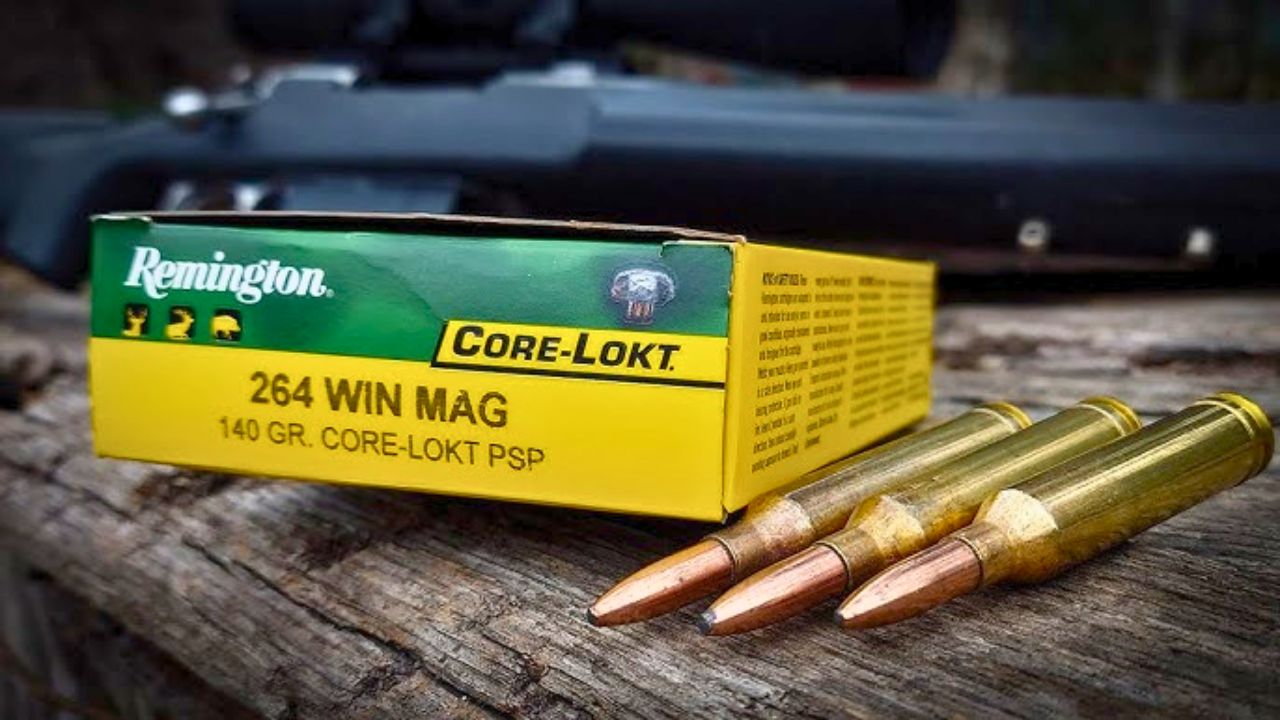
The .264 Winchester Magnum did not disappear completely, but it fell so far from its original promise that it feels like a lost opportunity. It was fast, flat-shooting, and excellent for open-country deer, antelope, and sheep. In the right rifle with the right barrel length, it was a serious performer.
The problem was the 7mm Remington Magnum. Once the 7mm Rem. Mag. arrived, the .264 Winchester Magnum got pushed aside by a cartridge that offered heavier bullets and broader big-game appeal. Rifle Shooter described the .264 as having a brief but brilliant run before the 7mm Remington Magnum took over.
.225 Winchester

The .225 Winchester was supposed to be a modern varmint cartridge, but it never got the life it needed. It offered strong performance for coyotes, foxes, woodchucks, and long-range varmint shooting. In another timeline, it might have become a respected bolt-action varmint round.
Instead, it got crushed by the .22-250 Remington and .223 Remington. Those rounds had better timing, stronger support, and easier popularity. The .225 Winchester was not useless. It just landed in a brutal part of the market where even a good cartridge could get ignored.
.222 Remington Magnum
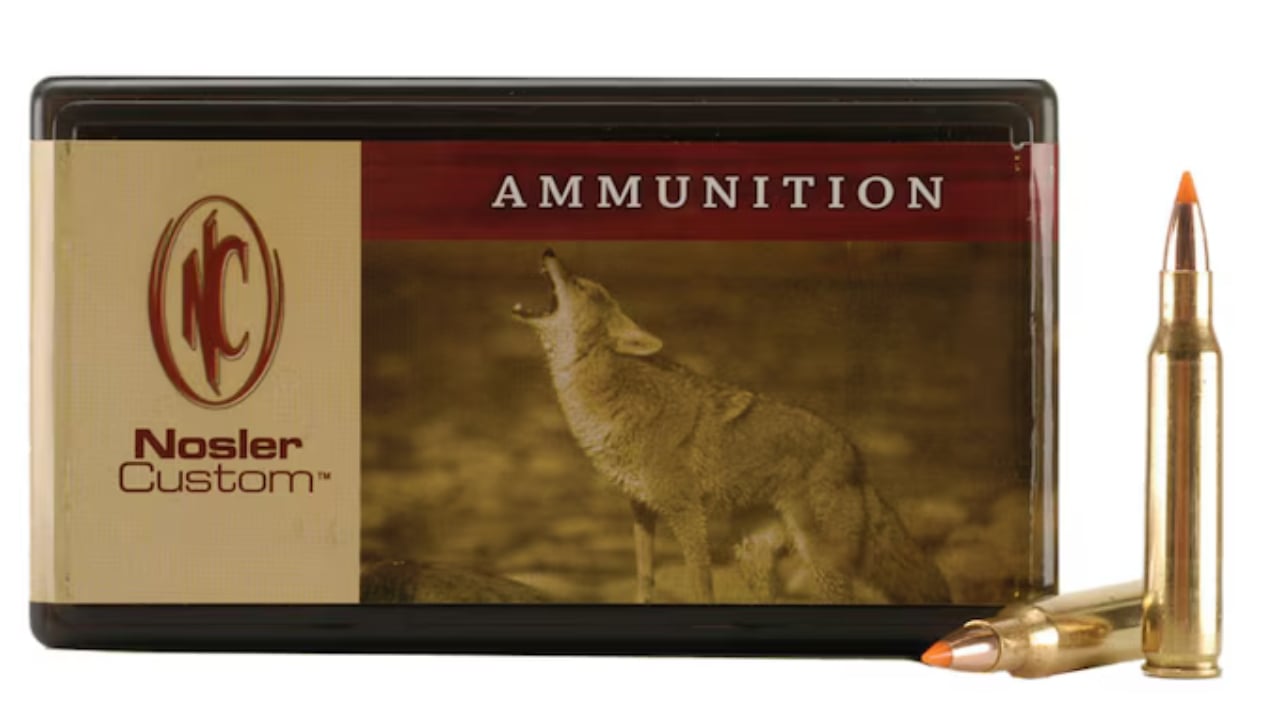
The .222 Remington Magnum was a good cartridge stuck in the wrong moment. It improved on the .222 Remington with more case capacity and more speed, making it useful for varmints and predators. For coyotes and small targets at distance, it had plenty to offer.
Then the .223 Remington became the standard. Once military influence, rifle availability, and ammo production all lined up behind .223, the .222 Remington Magnum had almost no room left. Hunters who like oddball varmint rounds still appreciate it, but it never had much chance once the market picked its winner.
.222 Remington
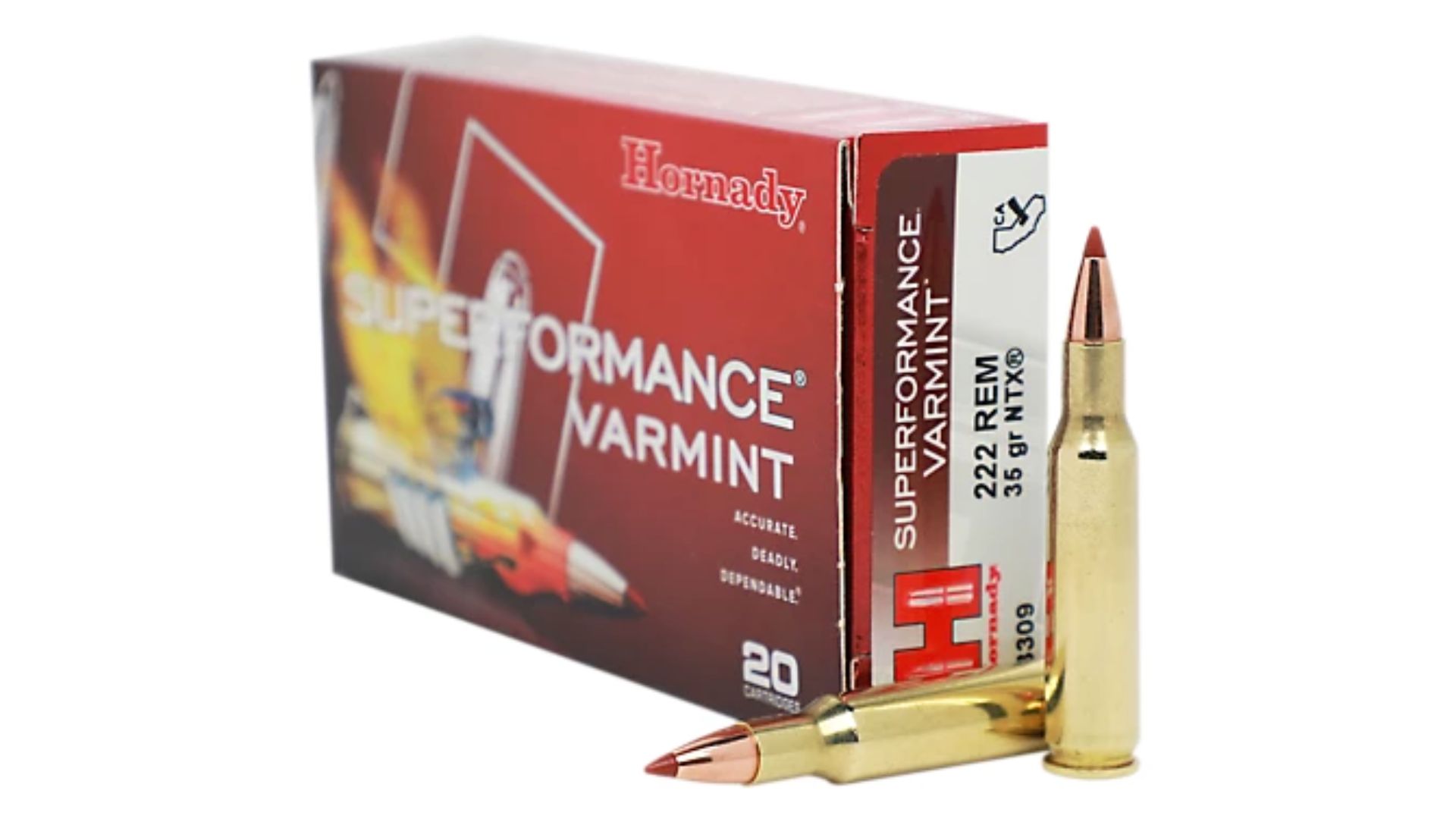
The .222 Remington is another cartridge that did not fail because it was bad. It was famous for accuracy and had a long run as a varmint and benchrest favorite. For foxes, prairie dogs, woodchucks, and careful coyote hunting, it was mild, precise, and easy to shoot well.
It faded because the .223 Remington offered more speed, more availability, and far more rifle support. The .222 is still loved by people who know what it can do, but it no longer has the mainstream presence it once had. Hunters who value accuracy over noise often wish it had never been shoved aside.
5mm Remington Rimfire Magnum
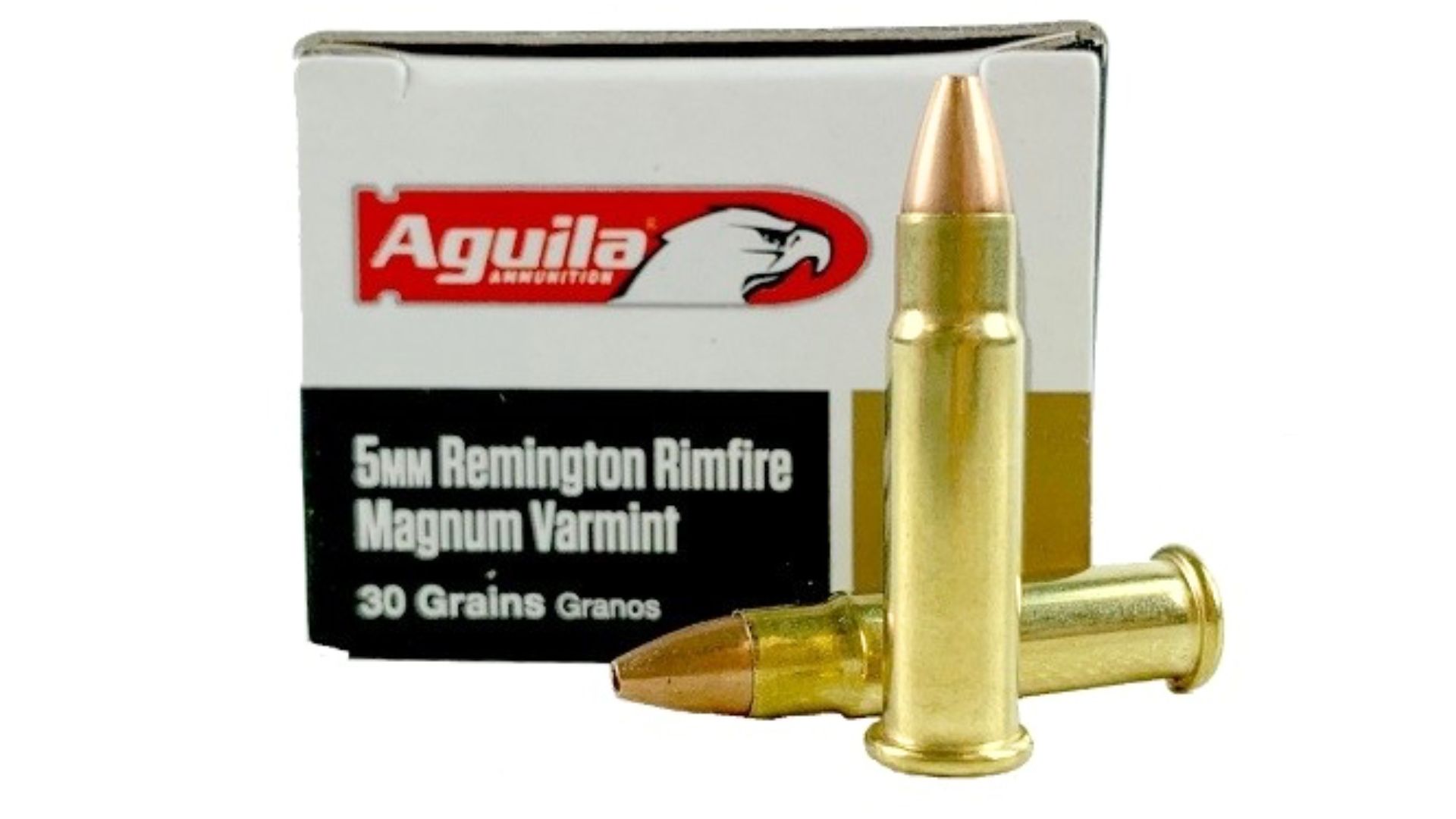
The 5mm Remington Rimfire Magnum was one of the most interesting small-game and varmint rounds that never got the support it needed. It was faster and harder-hitting than .22 WMR, making it useful for small predators, pests, and longer rimfire shots. The concept was good.
The problem was that Remington rifles and ammunition did not keep the market alive. Once support dried up, owners were left with rifles that had become difficult to feed. Even though ammunition has appeared in limited modern runs, the 5mm Remington Magnum never became the common rimfire option it probably deserved to be.
.22 Hornet
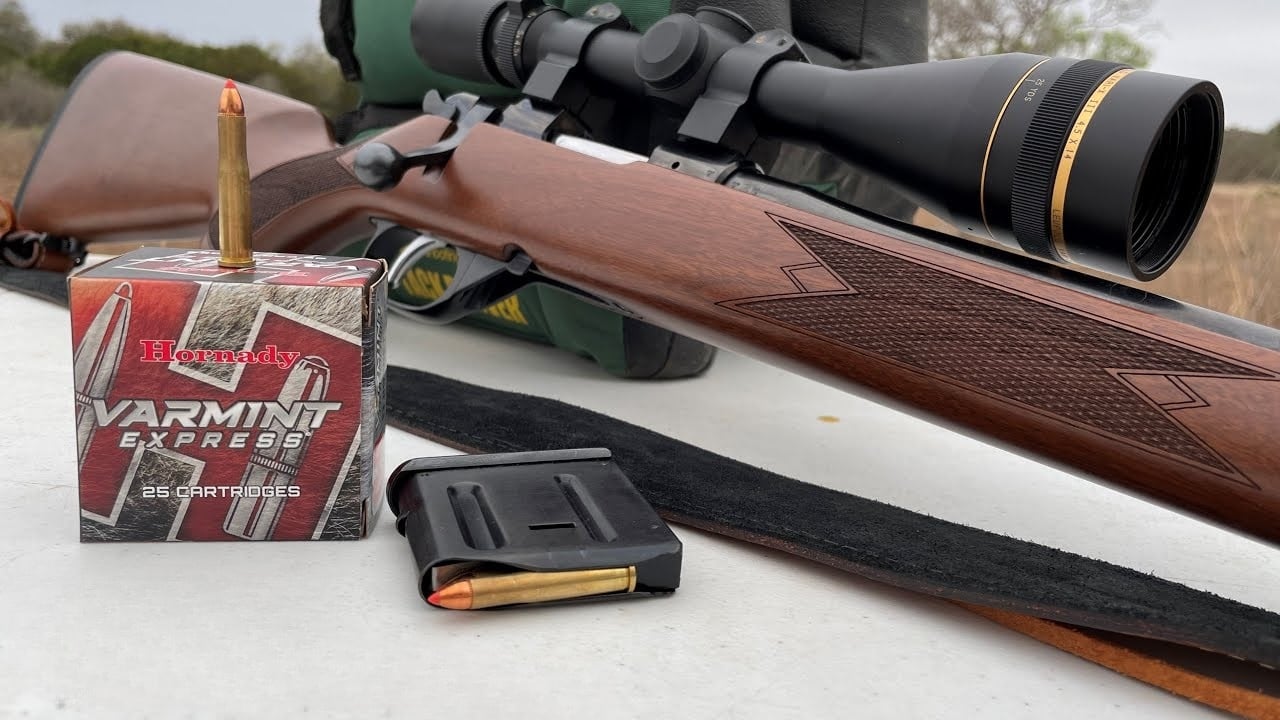
The .22 Hornet has not vanished completely, but it has faded badly compared with its old status. It was once a great light varmint and small-game cartridge for hunters who wanted more reach than a rimfire without the noise and speed of larger centerfires. It worked well on foxes, coyotes at reasonable distances, and pests around farms.
Hunters miss its popularity because it was useful in a quieter, more restrained way. The .223 Remington and .22-250 Remington made it look weak, but not every varmint job needs that much cartridge. The Hornet still has a loyal following, but it deserves more rifle and ammo support than it gets.
.450 Marlin
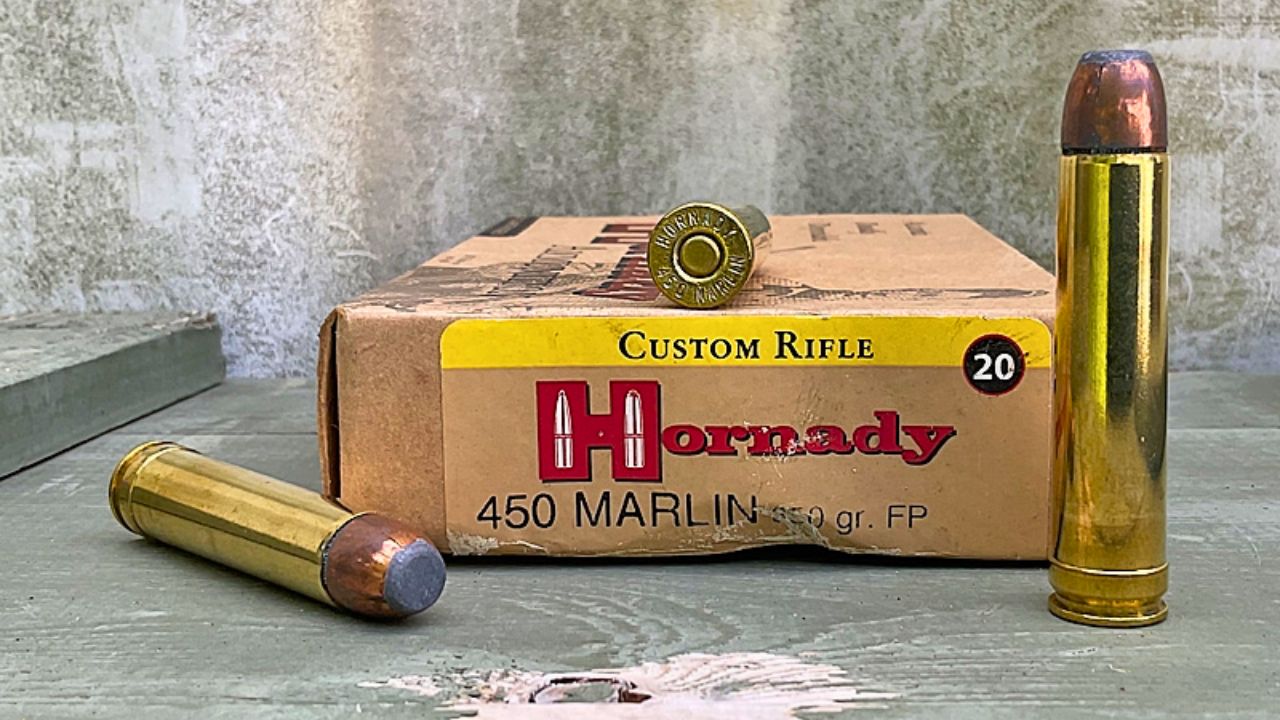
The .450 Marlin was designed to give lever-action hunters big-bore power without the handloading confusion of hot .45-70 loads. It made sense for bears, hogs, elk in timber, and anyone who wanted a heavy-hitting lever gun with factory-loaded authority.
It faded because the .45-70 Government refused to die. Once modern .45-70 loads became common and rifles kept supporting it, the .450 Marlin had a hard time proving why it needed to exist. That does not mean it was a bad hunting round. It just got trapped next to one of the most stubborn cartridges in American hunting history.
Like The Avid Outdoorsman’s content? Subscribe to our newsletter so you never miss an article.
Here’s more from us: