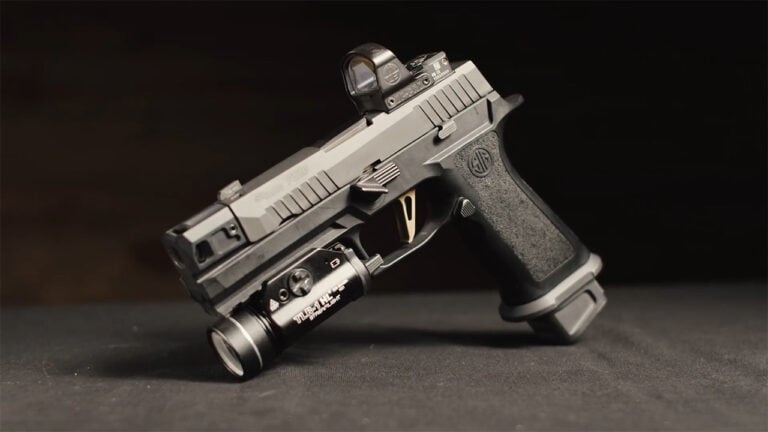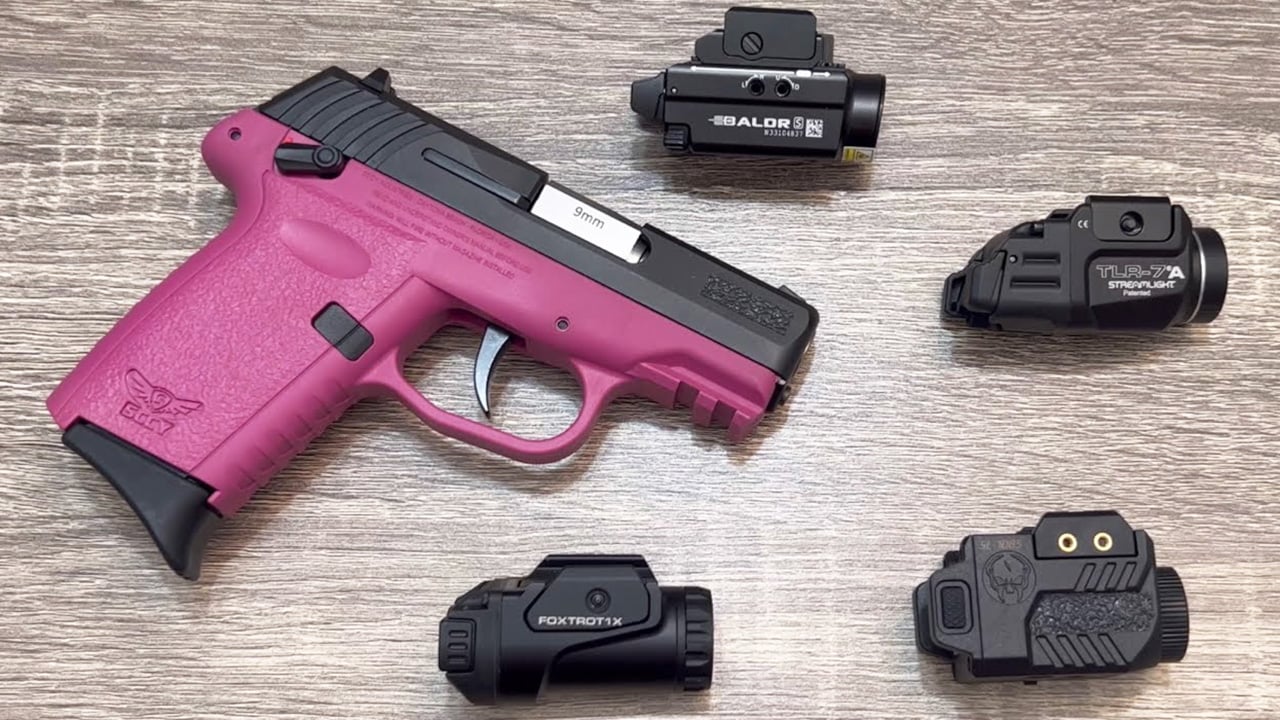
Photo credit: BiNgBaNgBoOm!/Youtube
Most concealed-carry problems don’t show up on a clean indoor range with a fresh box of ammo and a calm heart rate. They show up when your hands are cold, your brain is loud, you’re trying to move, you’re trying to talk, and you’re trying to not make things worse. In that moment, the “cute” carry gun, the bargain-bin special, or the ultra-tiny pocket blaster can turn into a liability.
This isn’t a hit piece on any one brand. It’s a reality check on specific guns that tend to disappoint when the pressure is on—because of triggers, controls, reliability history, parts support, recoil, sights, or the simple fact that you won’t practice with it. If you carry one of these and it runs for you, good. Just don’t ignore the common failure points.
1. Taurus Curve

I get why it sold. It looked like the answer for folks who hate holsters and wanted something that “just fits.” The problem is that gimmicks don’t help you when you’re trying to draw clean, build a grip, and see real sights.
That built-in light/laser setup and the curved frame are neat until you realize you’re stuck with odd ergonomics and limited upgrade paths. In a high-stress moment, you want boring consistency: a normal grip, normal sights, and a drawstroke you can repeat in the dark.
2. Remington R51
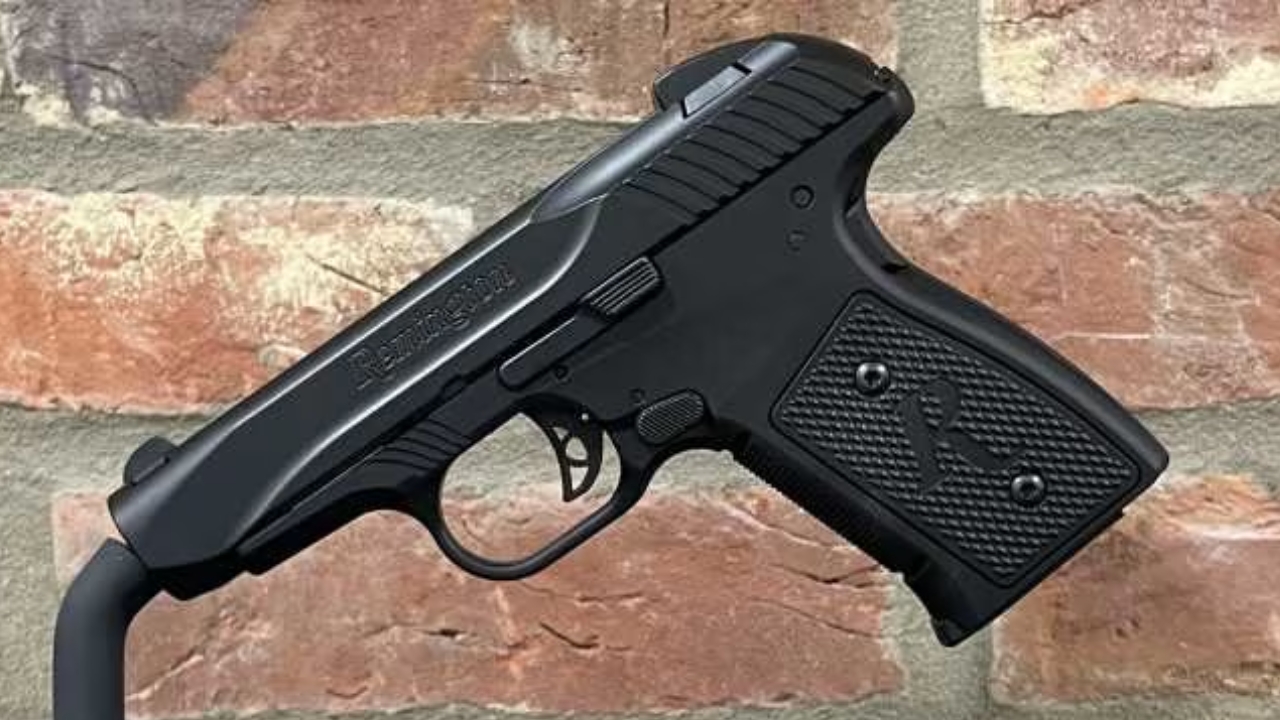
The R51 had a hype wave and then a reality wave. Early guns were known for reliability problems, and even later versions never shook the “maybe” reputation with a lot of shooters.
When your carry gun has a question mark attached to it, you’ll either overthink it or stop trusting it. Either one is bad. Add in spotty parts and support compared to the big hitters, and it’s not what I’d want on my belt walking into a gas station at midnight.
3. SCCY CPX-1 / CPX-2
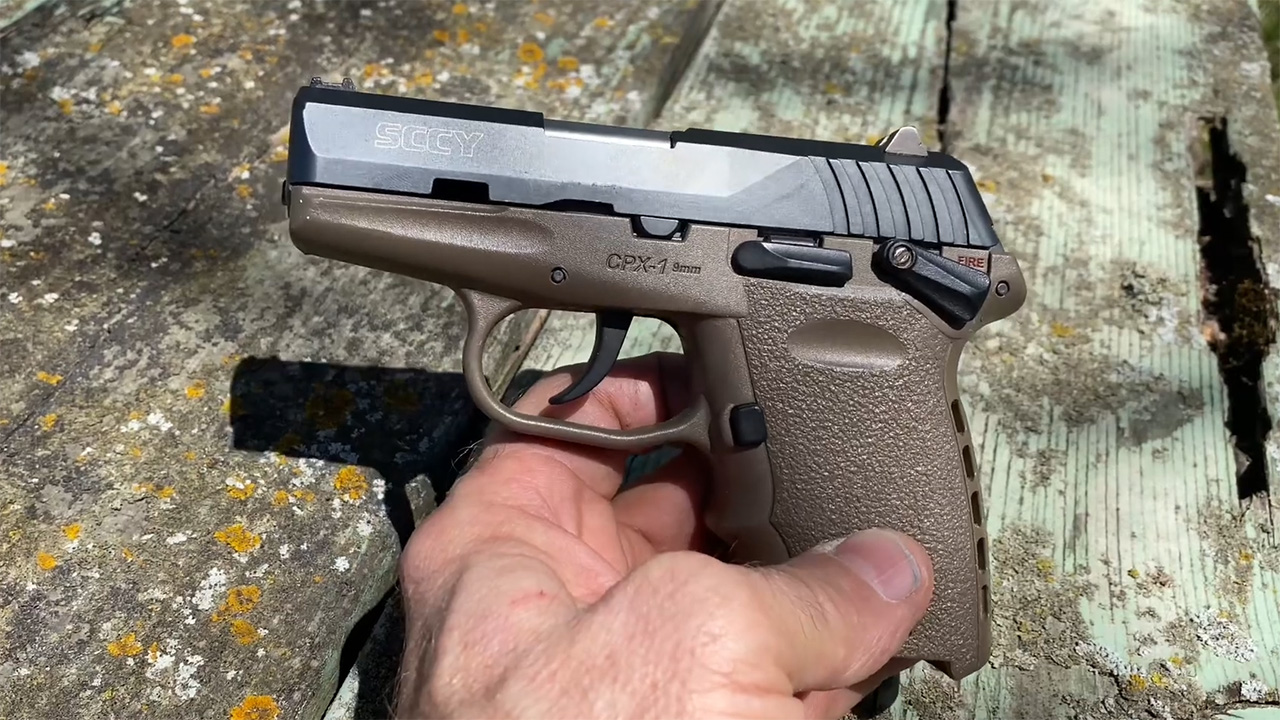
These are classic “it was cheap and it fit my hand” purchases. And some of them run fine. But I’ve seen enough of them show up at the range with odd malfunctions, broken bits, or just rough function that I don’t recommend them for serious carry.
The long, heavy trigger is also a real issue under stress. If you don’t train with it, you’re more likely to yank shots or short-stroke your grip trying to muscle through the pull.
4. Hi-Point C9
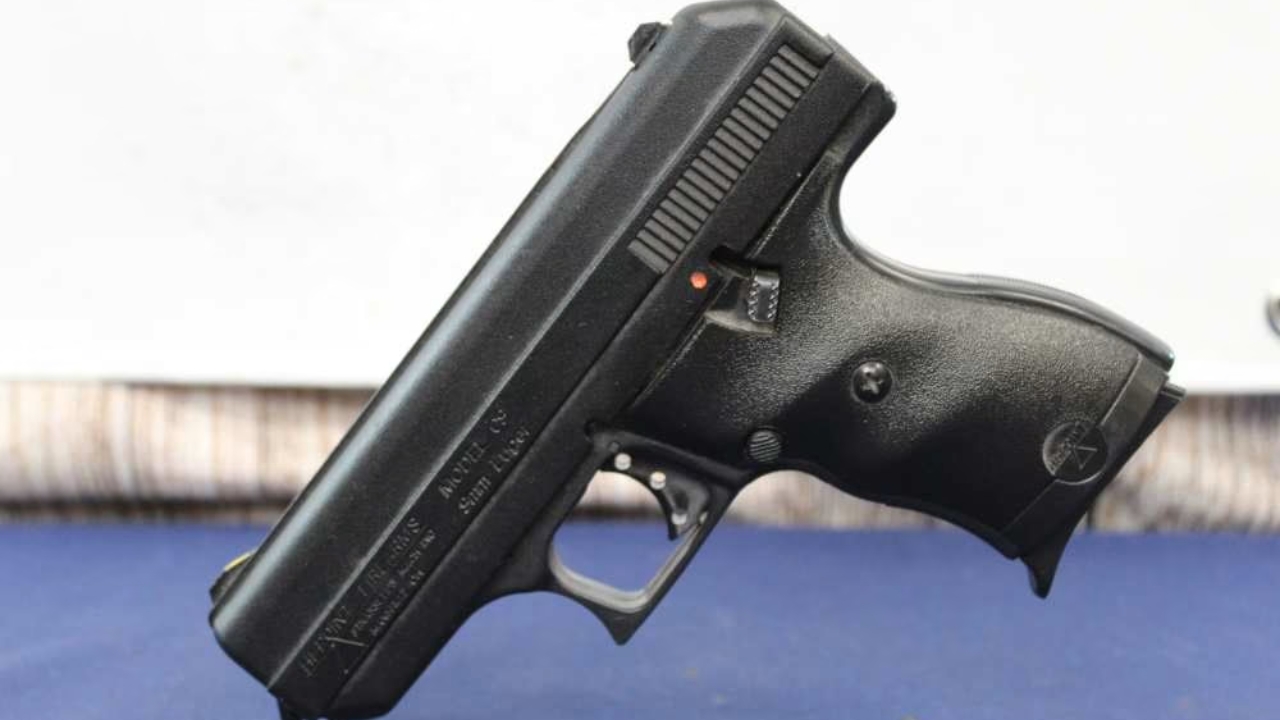
Yes, they can work. Yes, they’re affordable. And yes, they are bricks. Carrying one all day is a great way to “carry sometimes,” which turns into “carry never.”
The bigger problem is how they handle when you’re moving fast and your grip isn’t perfect. The bulk and clunky controls aren’t doing you favors, and if it chokes, you’re not exactly working with slick ergonomics to get it running again.
5. Kel-Tec P-32
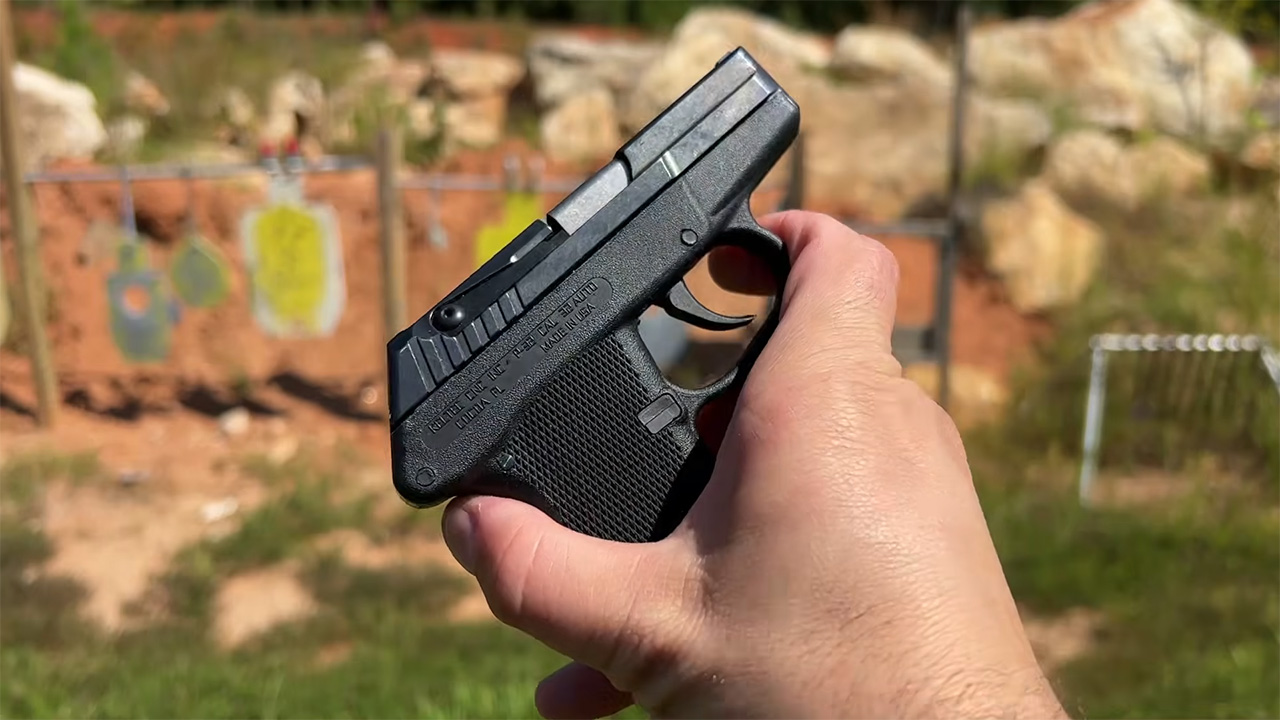
Ultra-light, ultra-thin, easy to toss in a pocket. That’s also the trap. Tiny guns get shot tiny amounts, and then they become talismans instead of tools.
Under stress, the sights are minimal, the grip is minimal, and the caliber choice puts a premium on precise hits. If you’re going to carry a micro .32, you’d better be the kind of person who actually practices with it regularly.
6. Kel-Tec P-3AT

These little .380s helped start the whole micro-carry trend. They’re also snappy, easy to limp-wrist, and unpleasant enough that many owners don’t put in the reps.
When the moment is ugly, you don’t rise to your intentions. You drop to your training. A gun that discourages training is a gun that’s going to let you down when you need speed and control.
7. North American Arms .22 Magnum Mini-Revolver

I’ve carried one as a “deep concealment” backup before, and I’ll be honest: it’s more comfort blanket than fighting gun for most folks. The tiny grip and tiny sights are tough even on a calm day.
Reloading is slow and fiddly, and manipulation under stress is not its strong suit. If it’s all you can carry, fine. But don’t let it replace a real handgun when you’ve got other options.
8. Heritage Rough Rider (short barrel)

Single-action rimfire revolvers are fun, cheap, and they scratch that cowboy itch. They’re not serious carry guns. The manual of arms is slow, and the rimfire ignition reliability is not where I’d bet my life.
Add in the fact that a lot of these get carried by folks who don’t shoot much, and you’ve got a recipe for “it’ll be fine” right up until it isn’t.
9. Walther P22

The P22 is another “range toy that ends up in a nightstand” situation. Rimfire semiautos can be picky, and the P22 has a long history of being ammunition-sensitive.
In a high-stress moment, you don’t want a gun that requires you to remember which load it likes this month. Carry guns need to run on common, proven defensive ammo in their caliber, without drama.
10. Jennings J-22 (and similar Saturday Night Specials)

I’ve handled enough of these old pocket pistols to know exactly how the story goes: inherited, found in a drawer, or bought cheap years ago. They’re usually worn, gritty, and running on hope.
Parts support is a mess, magazines are often junk, and reliability is all over the map. If you’re trusting one because it was “free,” that one hurts. Free can still be the most expensive option when it fails.
11. Jimenez JA-9
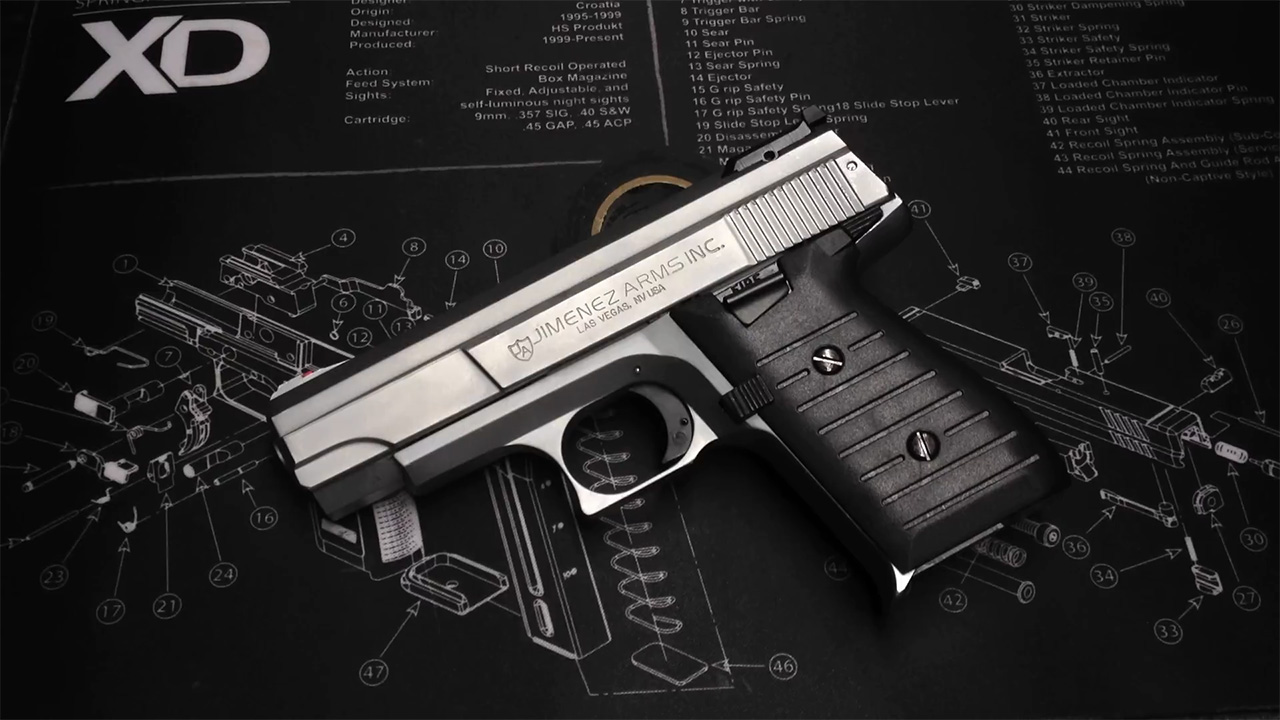
Another bargain pistol that looks like a deal until you start feeding it rounds. Heavy slides, rough triggers, inconsistent function—none of it inspires confidence.
Even if yours runs, you’re still living with limited aftermarket support and questionable magazine quality. Stress is not the time to discover your gun only likes one specific mag with a bent lip.
12. Glock 42 (for the wrong shooter)
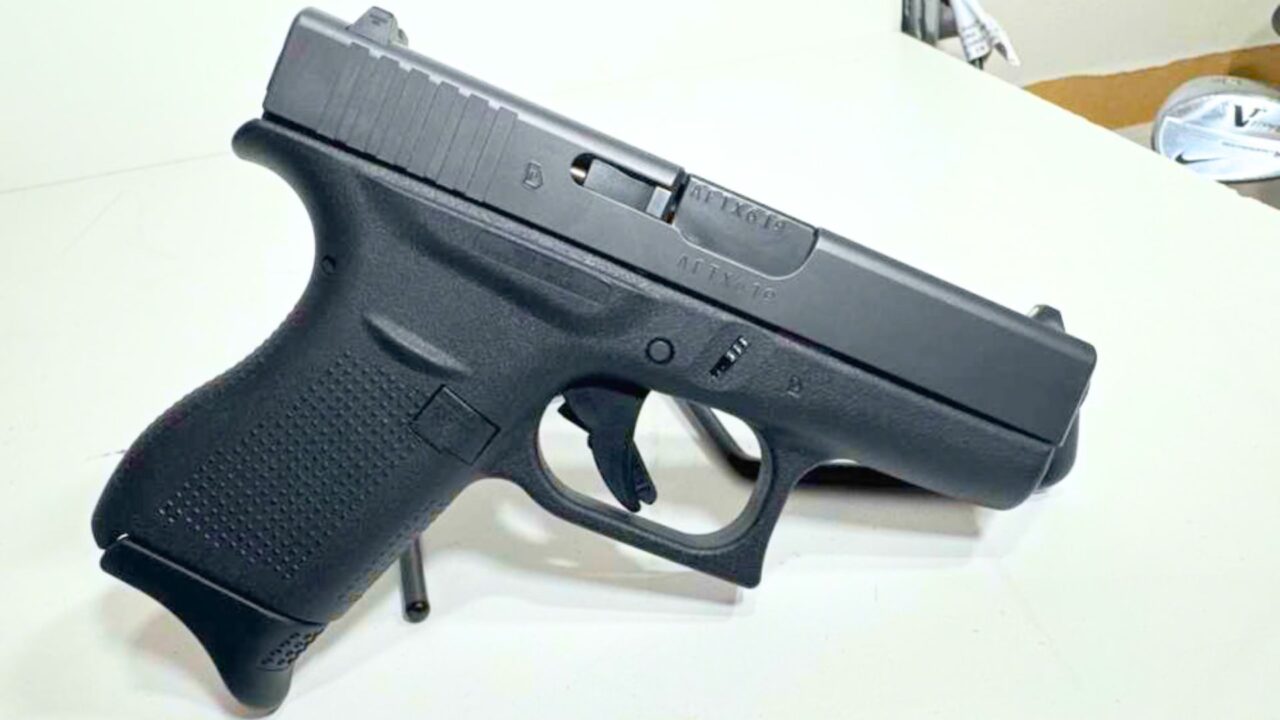
I like the Glock 42 for what it is: a soft-shooting .380 that carries easy. The problem is when it becomes a substitute for training, or when someone buys it thinking “small equals simple.”
Small equals less grip, less control, and more chance of bad hits. If you can run it fast and accurate, great. If you can’t, a slightly larger 9mm you actually shoot well is the smarter “concealed” choice.
13. Glock 43 (for folks who don’t like recoil)

The 43 is a solid pistol. But it’s also a lightweight single-stack 9mm, and it can be snappy. I’ve watched shooters start strong and then fall apart on strings of fire because the gun beats up their hands.
If you don’t enjoy shooting your carry gun, you won’t shoot it much. And if you don’t shoot it much, you won’t be sharp when your heart rate spikes.
14. SIG Sauer P365 (first-generation examples)

The P365 changed the carry world. It also had early teething issues that are well-known at this point. Most newer ones are excellent, but the older guns still float around in trade-ins and dresser drawers.
High stress is not the time to wonder if your particular serial range was one of the problem children. If you’ve got an early one, it needs to be vetted hard with your carry ammo and fresh springs.
15. Springfield Armory XD-S (early recall-era guns)
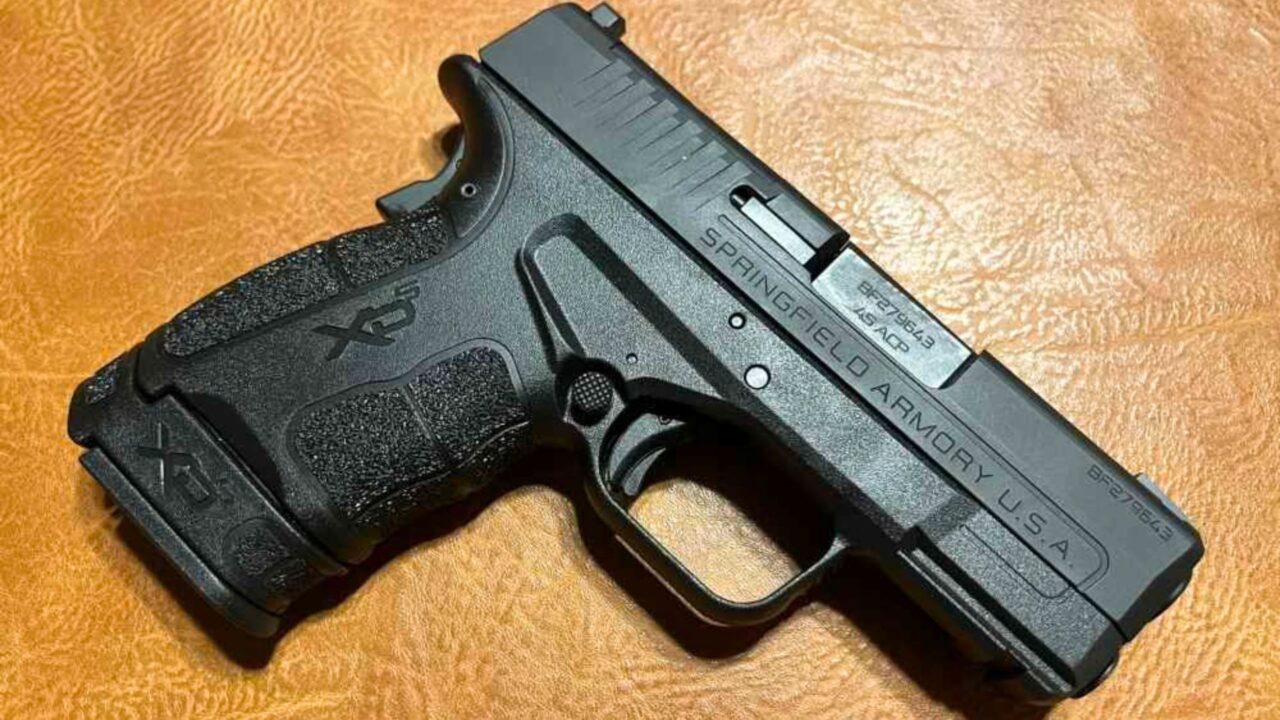
The XD-S is easy to carry and shoots fine for a lot of folks. But the recall history matters because it speaks to how a design handled a serious safety and function issue.
Also, the thin grip and brisk recoil can make it a chore for newer shooters to run quickly. If you’re not practicing strong support-hand pressure and clean trigger presses, your “concealable” gun can turn into a scattergun with pistol ammo.
16. Kimber Solo
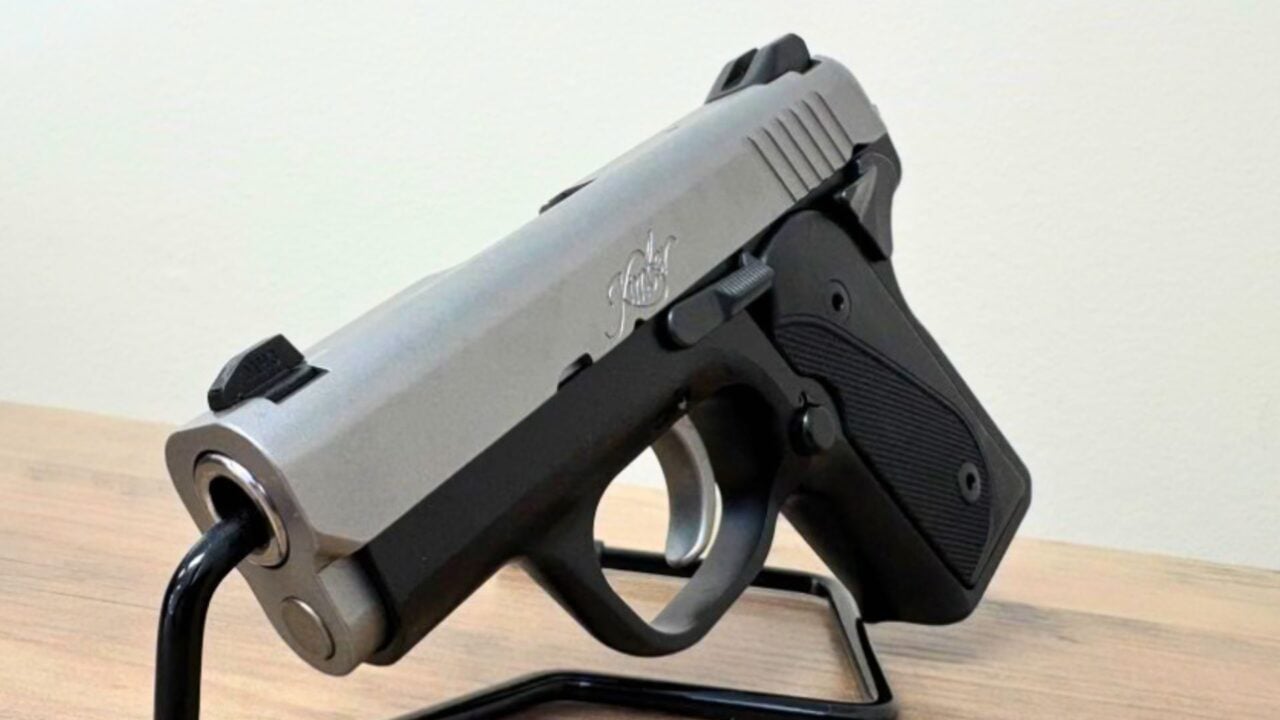
This one is famous for being picky. Some run, some don’t, and many owners figure out the hard way that it wants specific loads and doesn’t like being treated like a normal 9mm.
High stress favors simple, forgiving guns. A carry pistol that’s ammo-finicky and maintenance-sensitive is asking you to keep too many plates spinning at once.
17. Colt Mustang (and other tiny 1911-style .380s)

I like the idea of them more than I like carrying them. They’re slim and classy, and they point well. But small 1911-style guns bring small-gun quirks: limited grip, small controls, and sometimes finicky feeding depending on mags and ammo.
Then there’s the manual safety. If you train it hard, it’s fine. If you don’t, it’s one more thing to forget when your brain is behind the curve.
18. Rock Island Armory “Baby Rock” 1911 .380

It’s a cool little pistol, and I’ve seen them run. I’ve also seen enough micro-1911 variants across brands that I’m cautious. Shrinking a platform doesn’t always shrink the problems evenly.
If you’re carrying one, you need to verify your magazines and your chosen defensive load, and you need to be honest about whether you’re actually practicing the safety and trigger discipline that comes with the 1911 pattern.
19. Charter Arms Undercover .38 Special

Lightweight snub revolvers sound like the no-fail option until you shoot them fast. Some Charter Arms revolvers are decent, but quality can be inconsistent, and timing/lockup issues aren’t something you want to discover late.
Snubs also punish bad technique. If your trigger pull is sloppy or you don’t practice from concealment, your hits can drift fast. A revolver doesn’t make stress go away; it just changes the kind of problems you can have.
20. Smith & Wesson Airweight J-Frame .357 (the featherweight magnums)

This is the one that gets tough guys in trouble. A super-light .357 revolver is easy to carry and brutal to shoot. A lot of them spend their lives loaded with .357, but practiced with rarely—because it’s miserable.
When it’s time to perform, flinch shows up like an old debt. If you insist on a featherweight magnum, most folks are better served carrying .38 +P they can control, and actually running a couple boxes a month to stay honest.
Here’s the thing: the gun that fails you under stress is usually the one you don’t shoot, don’t maintain, or don’t trust. Tiny guns, bargain guns, and gimmick guns can all work, but they shrink your margin for error. Pick something you can carry every day, shoot well at speed, and support with common magazines, common parts, and a steady practice routine. The boring choice is often the dependable one.
Like The Avid Outdoorsman’s content? Subscribe to our newsletter so you never miss an article.
Here’s more from us: