
Photo credit: Weatherby, Inc.
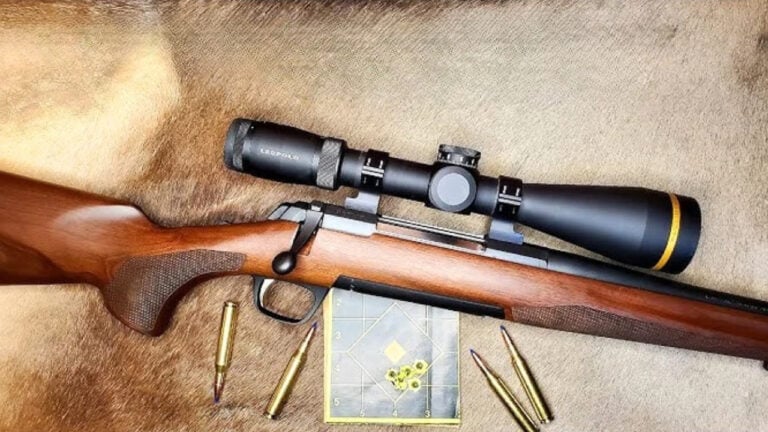
Deer hunting is one of the easiest places in the gun world to spend far more money than the job requires. A whitetail standing 120 yards across a pasture does not care whether the rifle has a carbon-wrapped barrel, hand-laid stock, interchangeable bolt head, or an action that feels like it was polished by a watchmaker. Accuracy and reliability matter. Beyond a certain point, though, a lot of the price is buying weight savings, refinement, exclusivity, or features that most deer hunters will never come close to exploiting.
That does not make expensive rifles bad. Several rifles on this list are outstanding, and I would happily hunt with nearly all of them. The question is whether their advantages make sense when a good $700 to $1,200 rifle can already put the first cold-bore shot exactly where it needs to go. Once a deer rifle starts competing with used-truck money, the burden of proof gets much higher. These 20 are capable guns, but their prices can be difficult to explain if filling a deer tag is the actual mission.
Gunwerks Nexus
YouTube
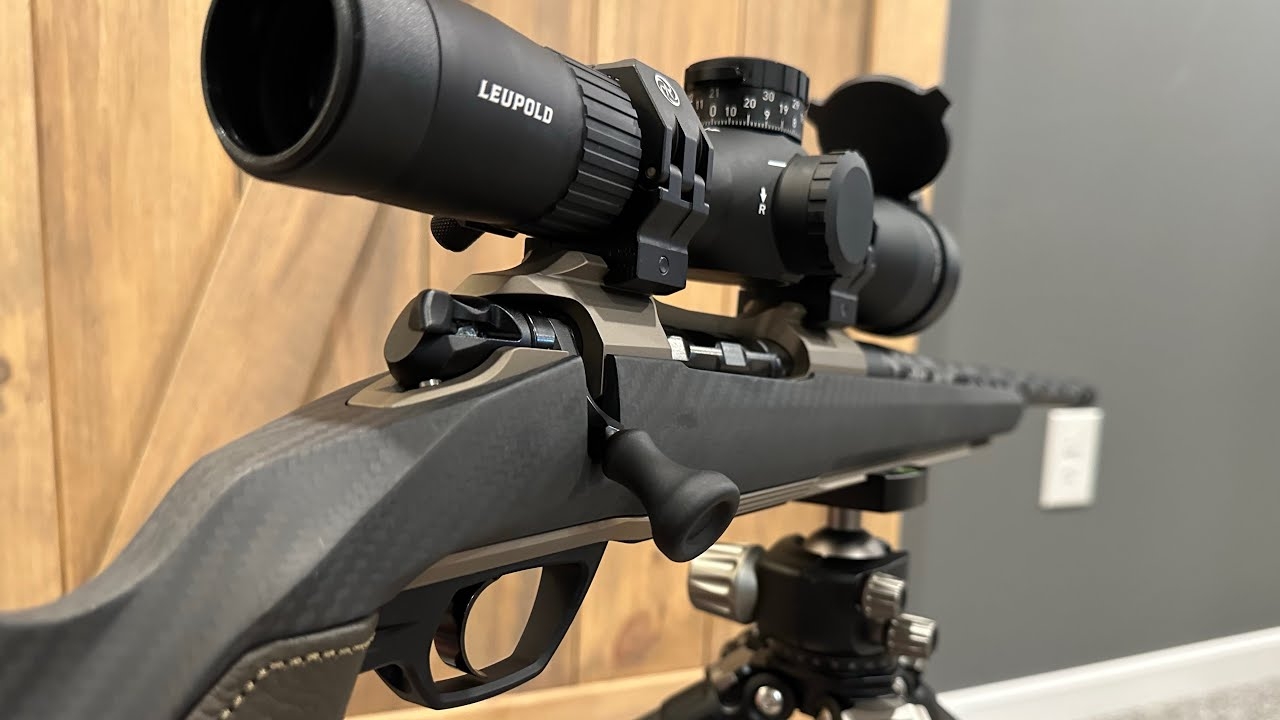
The Nexus is built around a level of modularity, precision, and long-range capability that puts it far beyond an ordinary deer rifle. Gunwerks builds rifles for hunters who want an integrated long-range system rather than just a barreled action in a stock, and the engineering reflects that philosophy. Everything from the action to the stock is aimed at making difficult shots more repeatable.
That is impressive, but whitetail hunting rarely asks for anything close to what the rifle can deliver. Most deer are killed at distances where a competent factory bolt rifle with good ammunition has more than enough accuracy. Once you are spending premium custom-rifle money, you are paying for extreme consistency, premium components, and specialized capability rather than simply becoming better equipped to shoot a buck at 150 yards. The Nexus may be worth it to a serious long-range hunter. As a basic deer rifle, it is an extraordinary amount of money solving a fairly ordinary problem.
Weatherby Mark V Backcountry Capra

Weatherby’s Backcountry line has always been about reducing weight without giving up serious magnum capability, and the Capra pushes that concept deep into premium territory. Current 2026 listings put the Backcountry Capra around $3,499 MSRP.
For a hunter climbing mountains all day, shaving ounces can absolutely matter. For somebody walking 400 yards from a side-by-side to a Texas deer blind, paying thousands for carbon fiber and ultralight construction starts looking much harder to defend. Lightweight rifles also tend to transmit more recoil, particularly when paired with Weatherby’s harder-hitting chamberings. The Capra is technically impressive, but its greatest advantages are aimed at hunters carrying rifles through genuinely demanding terrain. For ordinary whitetail hunting, a heavier rifle costing a third as much may actually be more pleasant to practice with.
Bergara Premier Cima Pro

The Cima Pro takes Bergara’s already strong reputation for barrels and pushes it into lightweight premium-rifle territory. The stock, action, trigger, and overall construction are designed for the hunter who wants precision without dragging a heavy rifle into steep country. Bergara’s 2026 Cima Pro is listed around $3,099.
The problem is that Bergara itself makes rifles costing dramatically less that are already capable of excellent hunting accuracy. That creates an awkward comparison inside the same company. The Cima Pro may save weight and add refinement, but a deer hit through the lungs with a B-14 will never know which model fired the bullet. If you spend days climbing above timberline, premium lightweight construction has a purpose. If your deer season revolves around box blinds, tree stands, and 200-yard shots, this is an enormous premium for benefits you may barely notice.
Sako 90 Grizzly
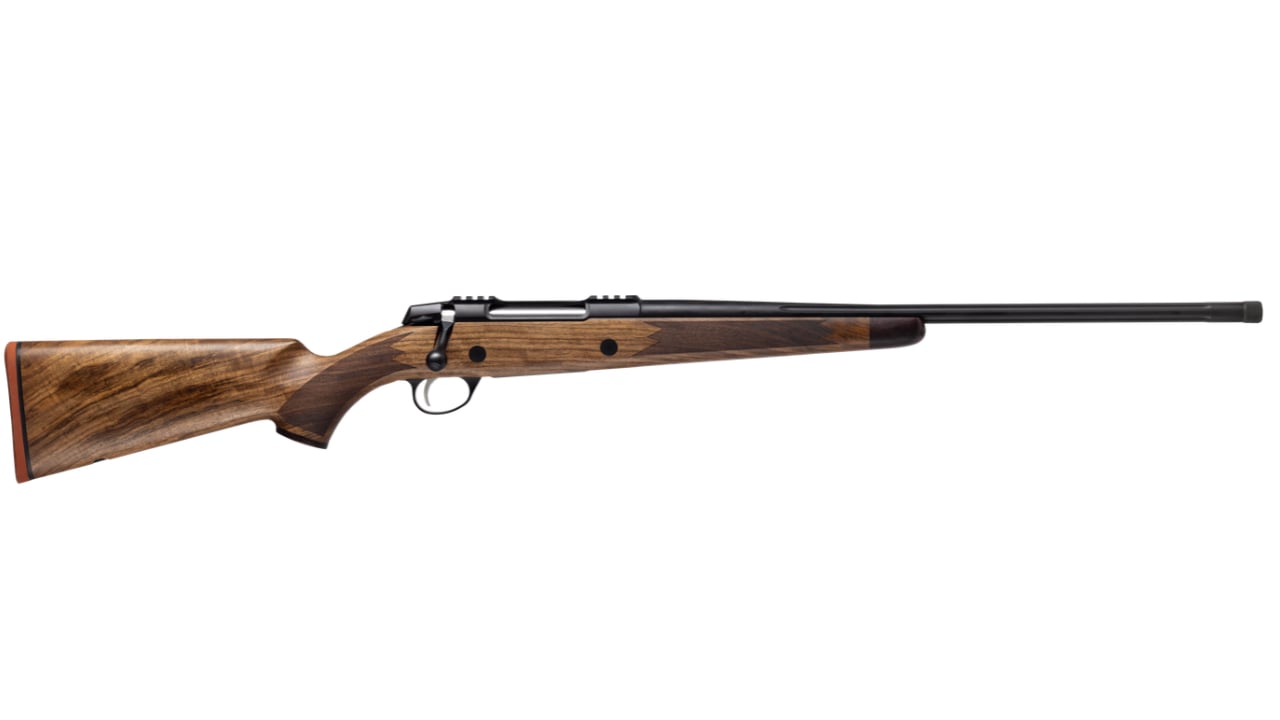
Sako rifles have never been cheap, and the 90 series reflects the company’s premium approach to action quality, triggers, barrels, and overall finishing. The Grizzly configuration brings a more traditional hunting-rifle appearance while maintaining modern Sako engineering. Current 2026 pricing for the Grizzly is around $2,999.
You can absolutely feel where some of that money went. The action is smooth, the trigger is excellent, and the rifle feels like a high-end product instead of a mass-market hunting tool. None of that means it kills deer three times better than a rifle costing $1,000. Sako is selling refinement, craftsmanship, and ownership experience as much as field performance. There is nothing wrong with wanting those things, but hunters should recognize the distinction. A three-thousand-dollar rifle may be nicer to own without being meaningfully more effective in a November deer stand.
Blaser R8 Professional Success

The R8 is mechanically fascinating. Its straight-pull action is fast, the barrel-changing system allows one rifle to cover multiple chamberings, and Blaser’s engineering gives it a level of modularity that few conventional bolt rifles approach. It also has a passionate following among hunters who appreciate premium European rifles.
All of that becomes difficult to justify if you only want a .308 or .30-06 for whitetails. The R8 system becomes financially logical mainly when you actually use its modularity and build several configurations around one action. Buy a single setup and leave it unchanged for fifteen years, and you have paid heavily for engineering you are barely using. The straight-pull action is quick, but deer hunting rarely requires shaving a fraction of a second from a bolt cycle. It is a brilliantly engineered rifle whose advantages can be almost completely wasted in ordinary deer country.
Sauer 505
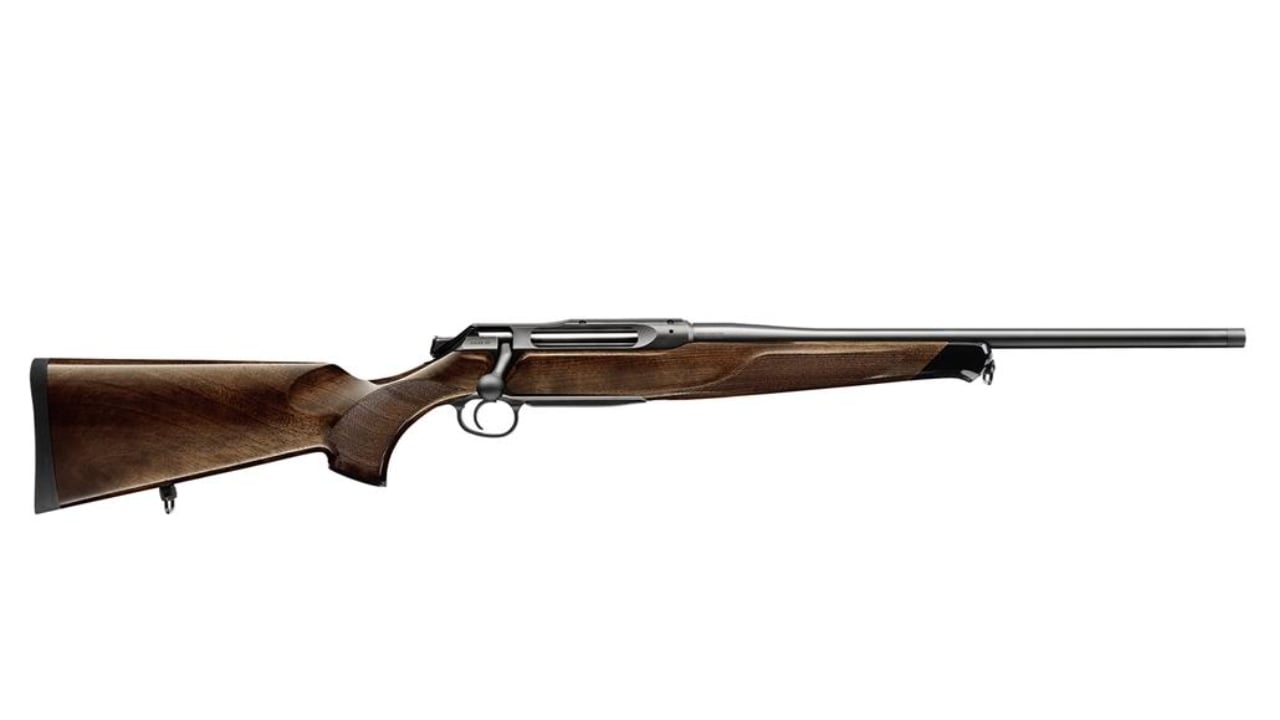
The Sauer 505 occupies similar territory. It is a beautifully engineered European rifle built around premium materials, excellent triggers, interchangeable components, and an action intended to feel much more refined than a conventional hunting bolt gun.
The difficulty is that deer hunting does not require mechanical luxury. A slick bolt and beautiful stock are enjoyable, but they have little effect on a broadside shot at 100 yards. The 505 makes the most sense for somebody who wants a premium rifle as much as they want a hunting tool. That is a legitimate reason to buy one, but it is a different argument from necessity. Once the price climbs several times higher than rifles already capable of sub-MOA accuracy, you are buying craftsmanship and experience rather than a proportionate increase in hunting effectiveness.
Proof Research Elevation

Proof Research made carbon-fiber barrels one of the defining features of the modern premium hunting-rifle market, and the Elevation takes advantage of that technology to reduce weight while maintaining a substantial barrel profile.
Carbon construction is useful, particularly for hunters who want stiffness without carrying a traditional heavy barrel. It is also expensive, and deer hunters need to ask what they are actually gaining. The first cold-bore shot is the one that matters most in hunting, and plenty of ordinary steel-barreled rifles put that shot exactly where it belongs. The ability to maintain accuracy through longer strings or reduce a few ounces is valuable in certain situations, but it rarely changes the outcome of a deer hunt. The Elevation is a fine rifle. It just illustrates how quickly premium materials can push hunting-rifle prices beyond practical necessity.
Fierce Carbon Rogue

The Carbon Rogue follows the modern premium hunting formula closely: lightweight stock, carbon-wrapped barrel, precision action, strong accuracy expectations, and enough visual appeal to immediately look more expensive than the average deer rifle.
That formula works, but it also creates one of the biggest price jumps in the hunting market. Once an ordinary bolt gun already provides dependable accuracy and a good trigger, each additional dollar buys increasingly smaller improvements. The Carbon Rogue is lighter and more refined, but those qualities matter most to hunters who cover serious ground. In a tree stand or ground blind, the advantage becomes almost academic. Worse, the lower weight can make harder-kicking cartridges less pleasant during practice. It is a specialized premium rifle being sold into a market where most animals are taken under conditions that do not demand specialized premium equipment.
Nosler Model 21 Carbon

Nosler’s Model 21 platform already occupies the premium end of factory hunting rifles, and carbon-equipped configurations push the concept further. The action, trigger, stock, and barrel are all aimed at hunters who expect custom-like performance without commissioning a fully custom build.
For hunters who appreciate excellent machining and want a rifle ready for demanding Western hunts, the appeal is obvious. The value equation becomes much harder for whitetails. Deer are not particularly difficult animals to kill with a properly placed modern hunting bullet, and the ranges encountered across much of the country do not require the mechanical accuracy these rifles are built to provide. A premium Model 21 may make shooting more satisfying, but a competent rifle costing far less can still perform the actual hunting task flawlessly. The extra money buys refinement long before it buys necessity.
Christensen Arms Ridgeline
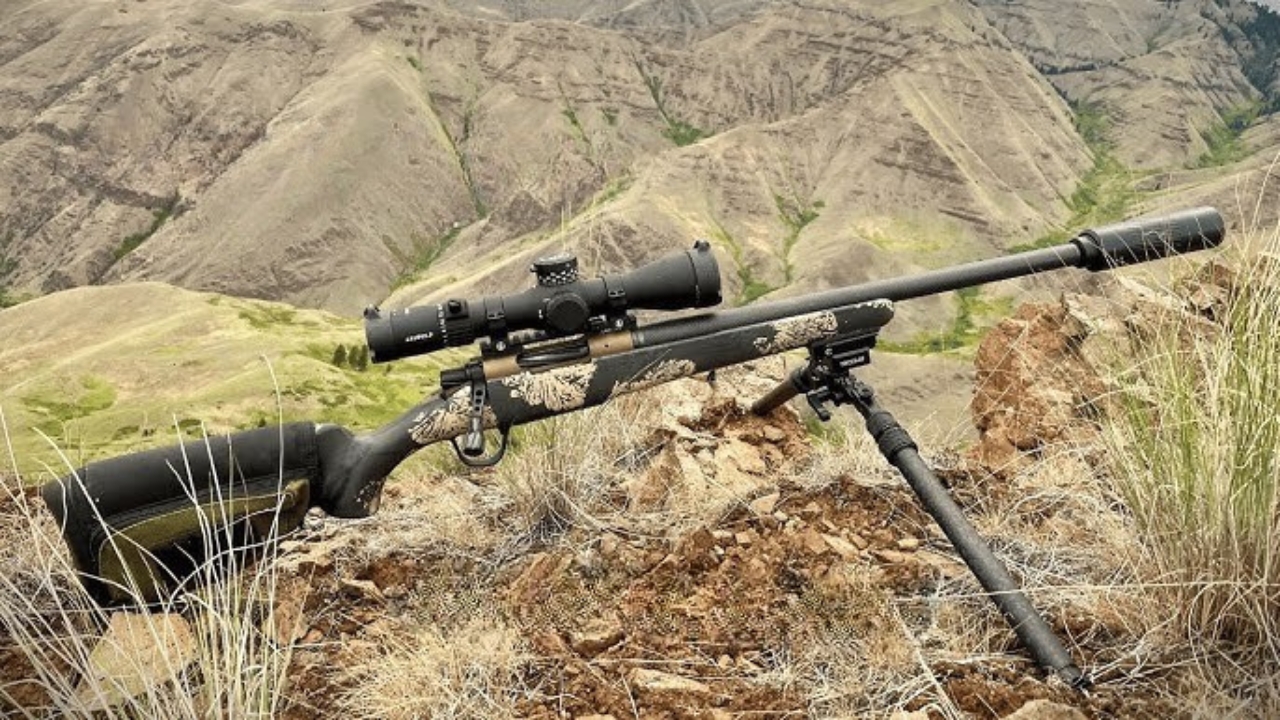
The Ridgeline helped make carbon-barreled hunting rifles mainstream. It offered hunters a way to get a lightweight rifle with a substantial barrel contour without paying full custom-rifle prices. The problem is that “less than custom” can still mean a lot of money for a deer rifle.
A carbon barrel looks impressive and can reduce weight, but most deer hunters are not firing enough rounds in succession for heat management to become meaningful in the field. The rifle’s accuracy potential is useful, yet the hunting market now contains plenty of conventional rifles capable of excellent groups at half the cost or less. Christensen sells a premium package, and buyers who care about low weight may find it worthwhile. If your hunting consists of carrying the rifle from the truck to a stand and firing one cold-bore shot, much of the investment never gets a chance to matter.
Springfield Armory Model 2020 Waypoint

The Waypoint entered a crowded market with a smart combination of carbon-fiber options, good triggers, quality stocks, and accuracy-focused construction. It essentially gives buyers a factory rifle with several upgrades they might otherwise have added later. Springfield’s newly announced SG-100 version carries a roughly $1,995 MSRP.
That is not outrageous within the premium-rifle market, but it is still a lot of money if the only mission is deer hunting. A Ruger American, Tikka T3x, CVA Cascade, or Bergara B-14 can all handle ordinary whitetail distances comfortably. The Waypoint gives you better components and more refinement, but those gains show up gradually rather than transforming the hunting experience. It is a good rifle caught in a market where cheaper rifles have become so competent that spending another thousand dollars requires a very specific reason.
Seekins Precision Havak PH2
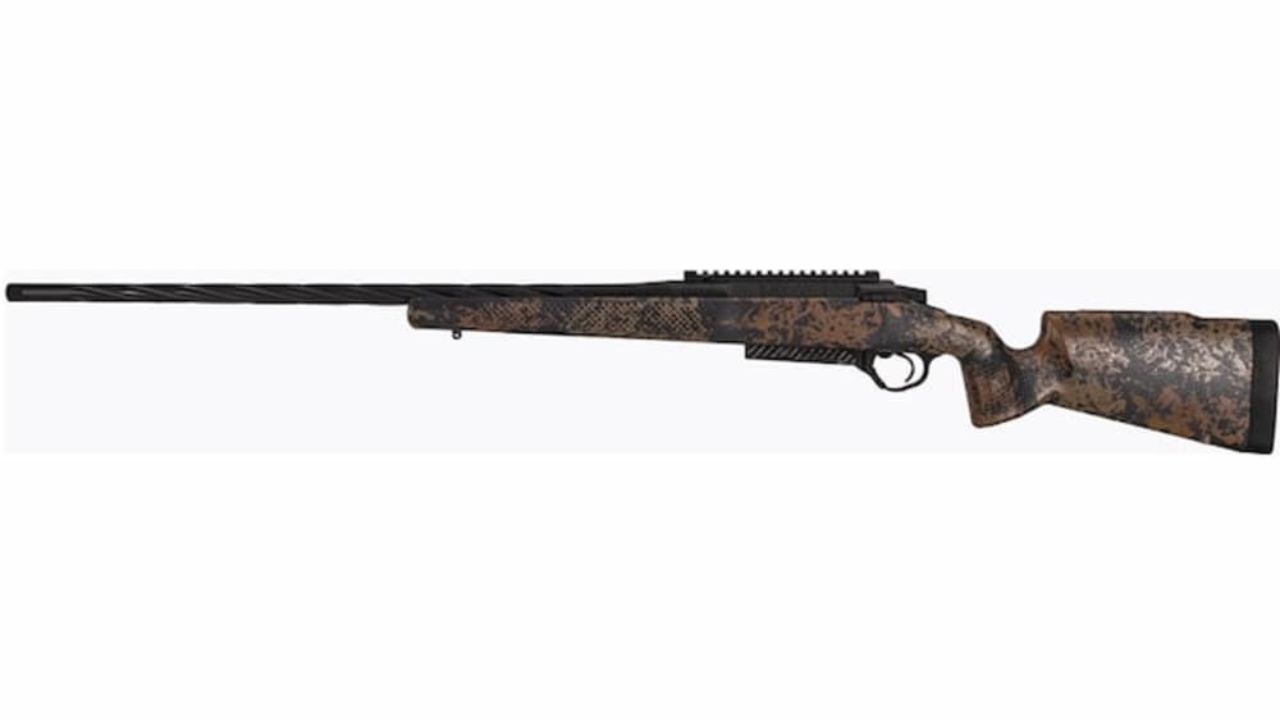
The Havak PH2 has earned a strong reputation because Seekins applies precision-rifle thinking to a hunting platform. The action is smooth, the stock is well designed, and the rifle offers enough accuracy potential to satisfy hunters who regularly shoot beyond ordinary woods distances.
That is also why it can be overkill for the average deer hunter. If your longest realistic shot is 180 yards across a pasture, a rifle capable of stretching much farther does not change the difficulty of the hunt. You are paying for tighter machining, premium components, and consistency that becomes more valuable as distance increases. At ordinary deer ranges, the practical gap between the Havak and a good mid-priced bolt rifle gets extremely small. It is an excellent choice for hunters who actually use its capability. Otherwise, it becomes another case where the specification sheet is doing more work than the deer woods.
Browning X-Bolt 2 Pro
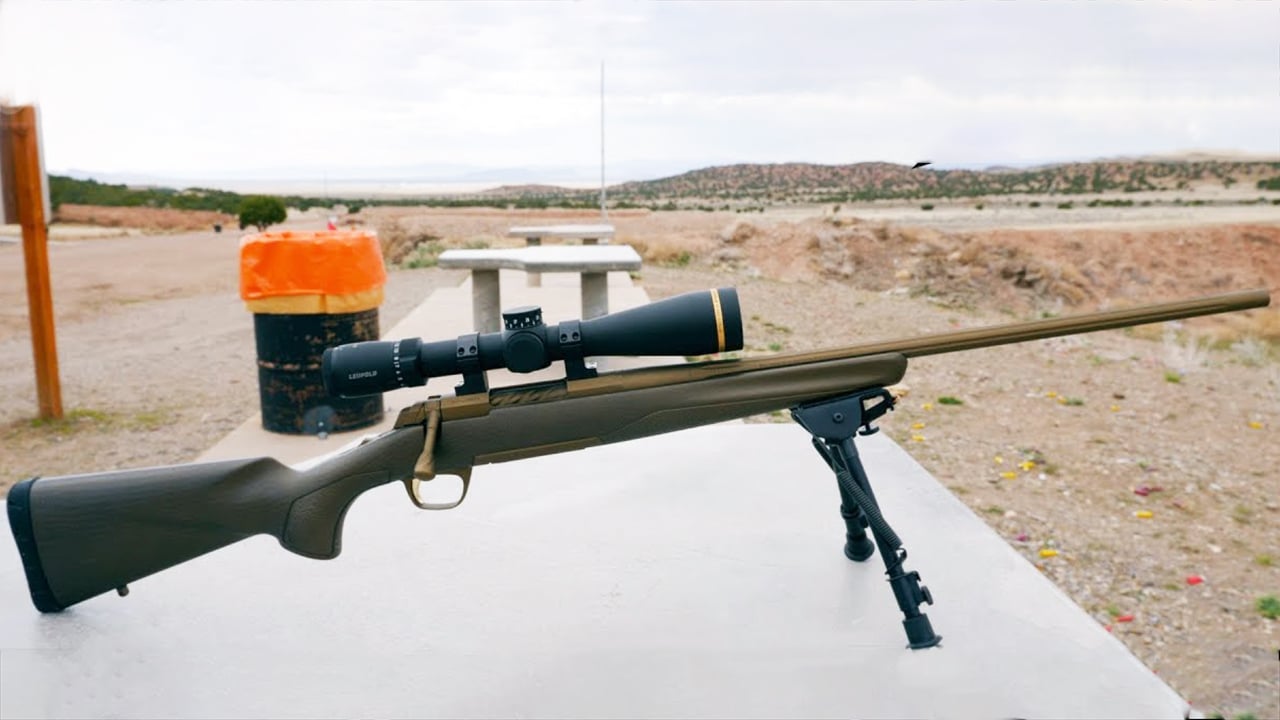
Browning’s X-Bolt platform has always occupied a more refined part of the production-rifle market, and Pro versions add premium stock materials, barrel treatments, and weight-saving construction on top of an already expensive foundation.
The X-Bolt is smooth, accurate, and comfortable to hunt with. The question is how much more a deer hunter should pay once those qualities are already available in the less expensive X-Bolt configurations. Moving into a Pro model often means paying heavily to shave weight and gain premium materials rather than gaining some dramatic new level of accuracy. If you spend ten days in steep elk country, that weight reduction may be welcome. If you hunt whitetails from a ladder stand behind the house, an ordinary X-Bolt may perform so similarly that the extra money never makes itself known.
Weatherby Mark V Deluxe

The Mark V Deluxe has never pretended to be cheap. It is built around the strong Mark V action and dressed in high-gloss walnut, deep finishing, contrasting stock accents, and the unmistakable Weatherby appearance.
That is exactly why the rifle can be difficult to justify as a pure deer gun. A large percentage of the price goes toward craftsmanship and presentation rather than killing effectiveness. You could carry a less expensive synthetic-stocked rifle through rain, brush, and a muddy side-by-side without worrying about scratching expensive wood, and it might shoot just as well. The Deluxe makes sense if you want a beautiful rifle that happens to hunt. If you simply want the best tool for putting venison in the freezer, paying heavily for a stock you are afraid to scratch starts feeling backwards.
Kimber Mountain Ascent

The Mountain Ascent was built around one overriding goal: make a legitimate big-game rifle extremely light. Kimber removed weight anywhere it could while maintaining a traditional bolt-action layout and useful hunting chamberings.
That engineering has obvious value in steep country. It also produces a rifle whose benefits can disappear almost entirely in ordinary whitetail hunting. A rifle weighing a couple of pounds more may cost substantially less, remain steadier from unsupported positions, and produce noticeably less felt recoil. Weight is not automatically the enemy. For hunters walking short distances to stands or blinds, a little extra mass can actually make the rifle easier to shoot. Paying premium money to remove weight you did not need removed is one of the stranger habits in modern deer-rifle shopping.
Gunwerks Skunkwerks TAF
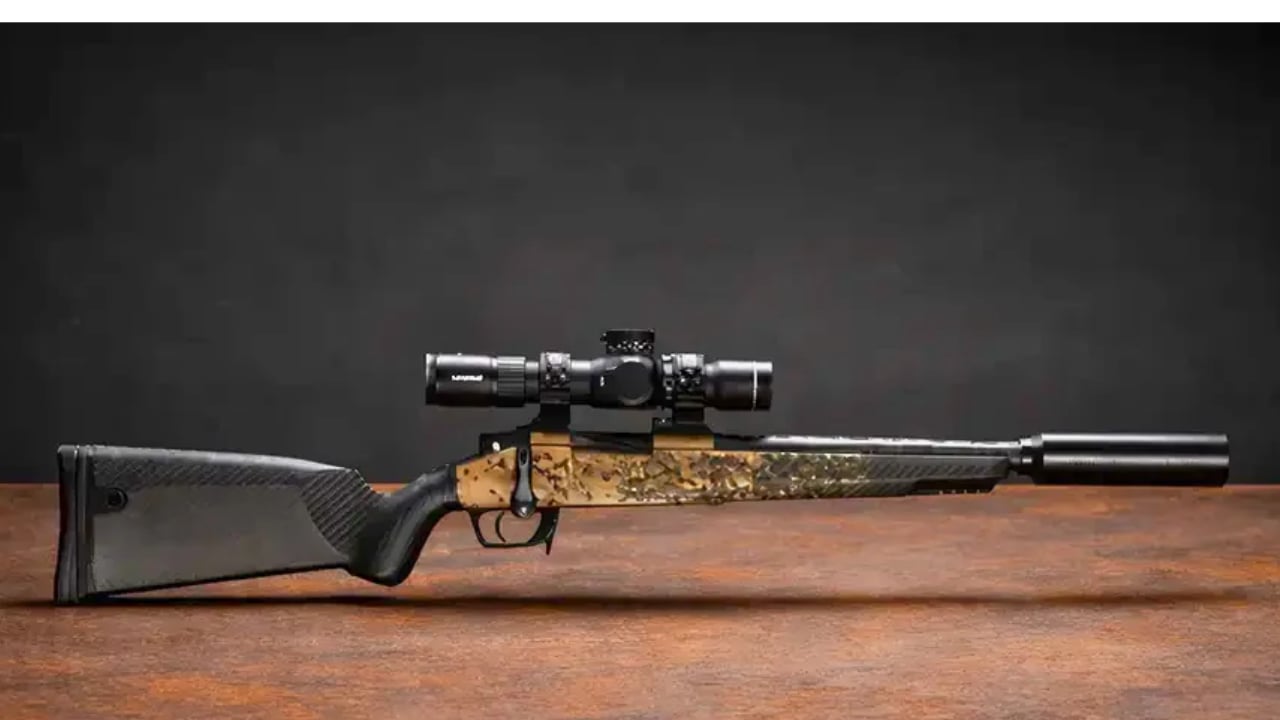
The Gunwerks Skunkwerks TAF shows how far the premium hunting-rifle world can go. The 2026 rifle has been listed around $14,750, putting it in an entirely different financial universe from ordinary production hunting rifles.
At that level, calling it merely a deer rifle almost misses the point. You are buying a specialized precision system, premium engineering, exclusivity, and the kind of long-range performance designed for hunters operating far beyond ordinary distances. It may be brilliant at that job. The absurdity appears when the same rifle gets evaluated against what is actually required to kill a whitetail. A deer at 100 yards can be taken cleanly with a rifle costing a tiny fraction as much. This is less a criticism of the TAF than a reminder of just how disconnected premium rifle pricing can become from basic hunting necessity.
Marlin 1894 Mad Pig Customs
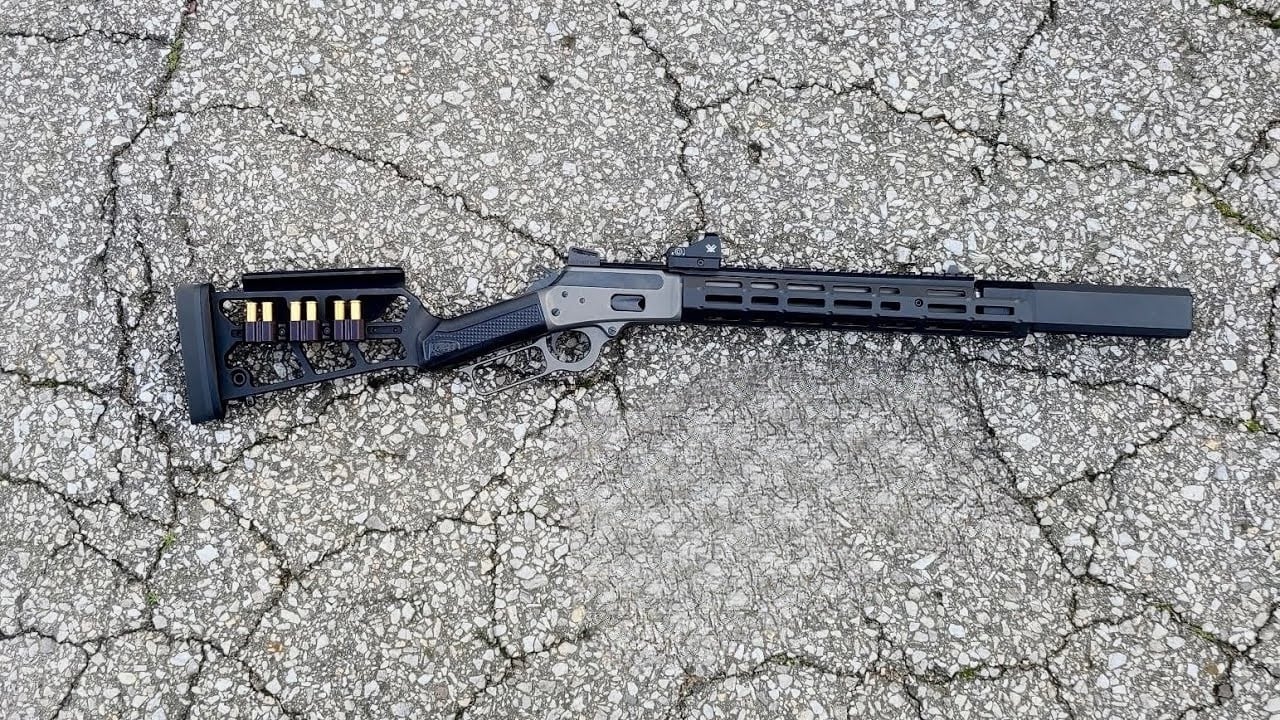
Custom tactical lever rifles have become a category of their own, and the Marlin Mad Pig Customs 1894 is a perfect example of how quickly prices can escalate. The 2026 .357 version carries a $2,999 MSRP.
There is no question that the upgrades make the rifle visually striking and more configurable. The problem is that underneath all of it you are still launching .357 Magnum from a lever action. That can be perfectly effective for close-range deer where legal, but ordinary lever rifles accomplish the same basic job for a fraction of the money. Once a pistol-caliber deer rifle reaches three thousand dollars, practicality has clearly stopped being the primary goal. Buy it because you love the configuration, not because the deer woods demanded a custom chassis, accessory rails, and premium furniture.
Marlin 1895 Trapper Magpul ELG
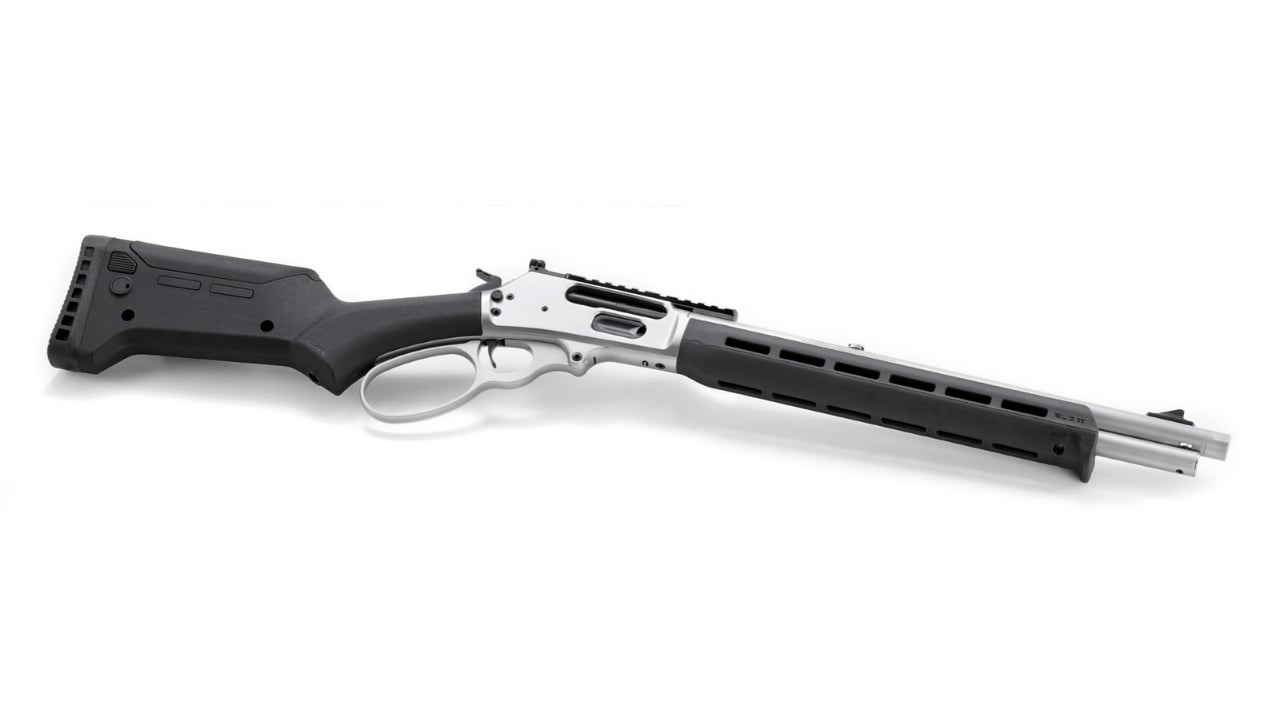
The modern Ruger-made Marlins are genuinely good rifles, and the Trapper configuration is especially handy for woods hunting. The newer Magpul-equipped ELG version adds modern furniture and carries a 2026 MSRP around $1,769.
That is where the math gets uncomfortable. A .45-70 lever gun is excellent inside its intended range, but the cartridge is neither inexpensive to practice with nor necessary for ordinary whitetails. Add nearly eighteen hundred dollars for the rifle itself and you are spending premium bolt-rifle money on a short-range platform. The Magpul furniture offers practical adjustment and accessory mounting, but it does not change what the .45-70 fundamentally does. If you hunt heavy timber and love big-bore lever guns, it is a great setup. It is still a surprisingly expensive way to kill a deer at 75 yards.
Sako 90 Peak
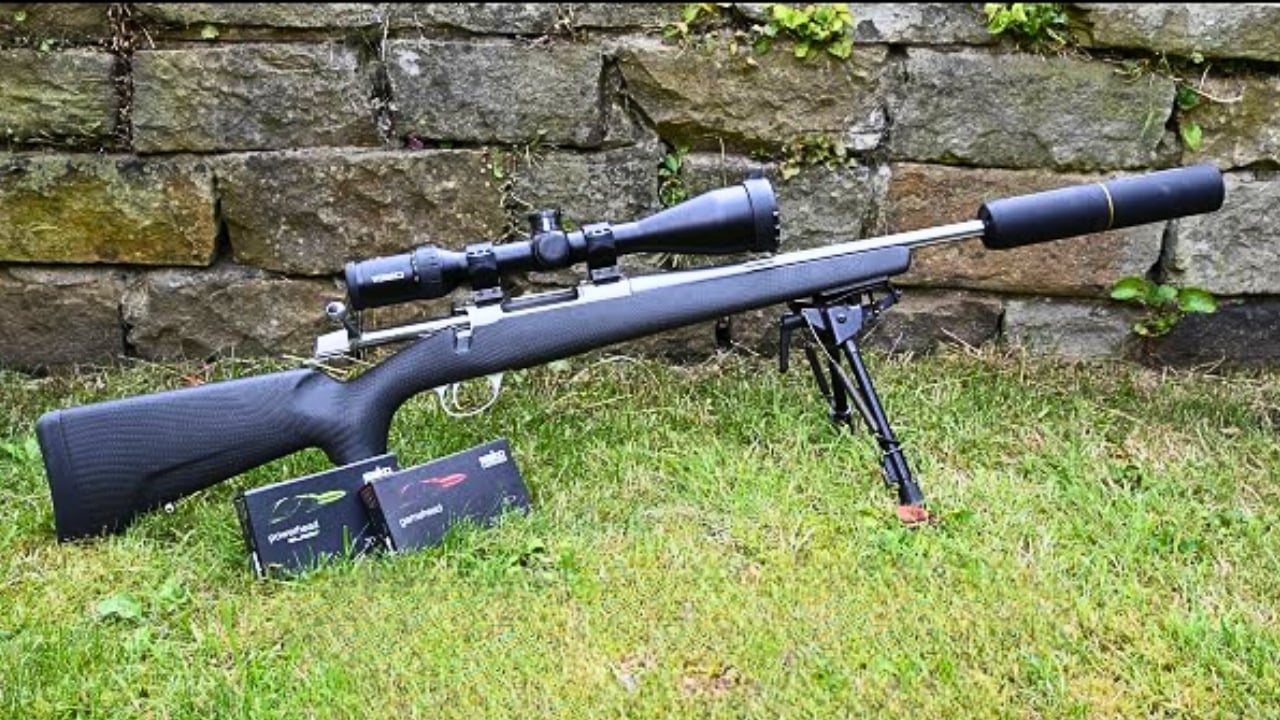
The Sako 90 Peak takes the premium Sako action and combines it with weight-saving materials for hunters who want high-end quality in a mountain-ready package. Mechanically, it is exactly the kind of rifle that makes an enthusiast smile when working the bolt or pressing the trigger.
The issue is the same one haunting nearly every premium lightweight rifle: most deer hunters are not climbing enough vertical feet for the weight savings to justify the premium. A normal Sako is already expensive and refined. Moving farther up the line buys increasingly specialized benefits. For a backcountry hunter counting every ounce, that may be worthwhile. For a hunter whose rifle spends most of November resting against the wall of a blind, it is hard to see where the extra money improves the actual hunt. The Peak is outstanding equipment for a problem many deer hunters simply do not have.
Bergara Premier MgMicro Lite
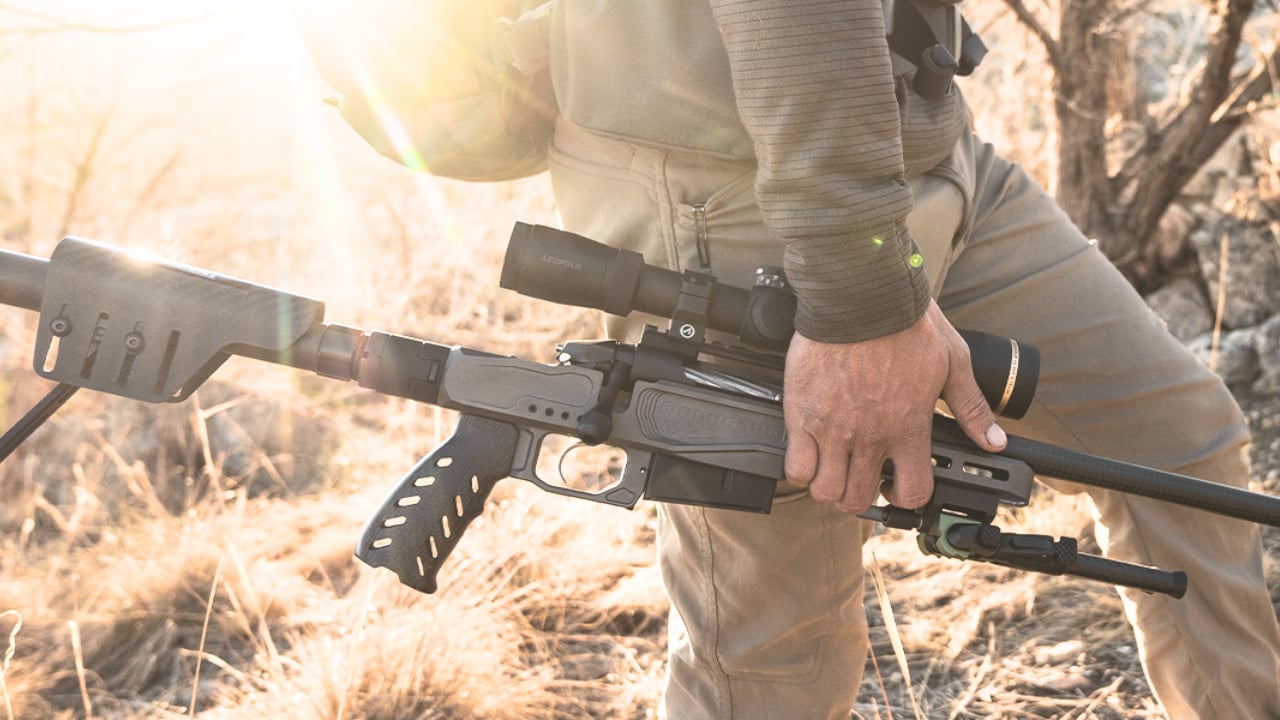
The MgMicro Lite represents the modern push toward compact, suppressor-friendly, lightweight hunting rifles made from premium materials. Bergara combines its barrel reputation with a short, light platform designed to retain serious accuracy while carrying easily.
That is a compelling package, but compact premium rifles now cost enough that hunters need to think carefully about what they are buying. Short barrels, lightweight stocks, and specialty materials are useful when portability matters. They do not automatically make a rifle more effective on deer. In fact, an ordinary heavier rifle can be steadier and more comfortable to practice with. The MgMicro Lite is a clever answer for hunters prioritizing suppressed use and low carry weight. For a conventional deer stand, its sophisticated construction can feel like paying a major premium to make a rifle easier to carry for the five minutes you actually carry it.
Like The Avid Outdoorsman’s content? Subscribe to our newsletter so you never miss an article.
Here’s more from us: