Photo credit: NRApubs/YouTube
Walk through enough deer camps today and you start noticing what is missing. Rifles that once seemed to be leaning in every corner have quietly been replaced by lightweight synthetic-stock bolt guns, suppressor-ready barrels, detachable magazines, and rifles built around modern optics. The older guns have not necessarily stopped working. Many simply stopped being made, became too valuable to abuse, or ended up staying home with the generation that originally carried them.
That is what makes these rifles interesting. They are not obscure museum pieces. Most were genuine working guns that killed deer for decades and earned their reputations through use rather than marketing. You can still find them in camps every fall, but not in the numbers you once could. These 20 hunting rifles are slowly becoming reminders of what deer season used to look like.
Remington Model 7600

The 7600 was once one of the most recognizable deer rifles in the East and Midwest. Hunters loved the pump action because it gave them fast follow-up shots without giving up the familiar feel of a traditional hunting rifle.
Today, you simply do not see as many of them. Production ended, clean examples started bringing stronger prices, and newer hunters tend to gravitate toward bolt guns or semiautomatics. The rifles that remain are often family guns that have already been through several decades of deer seasons. That makes them more meaningful, but it also means fewer are being dragged through wet brush every November. The 7600 is not gone, but its era as an ordinary working camp rifle is clearly fading.
Savage Model 99
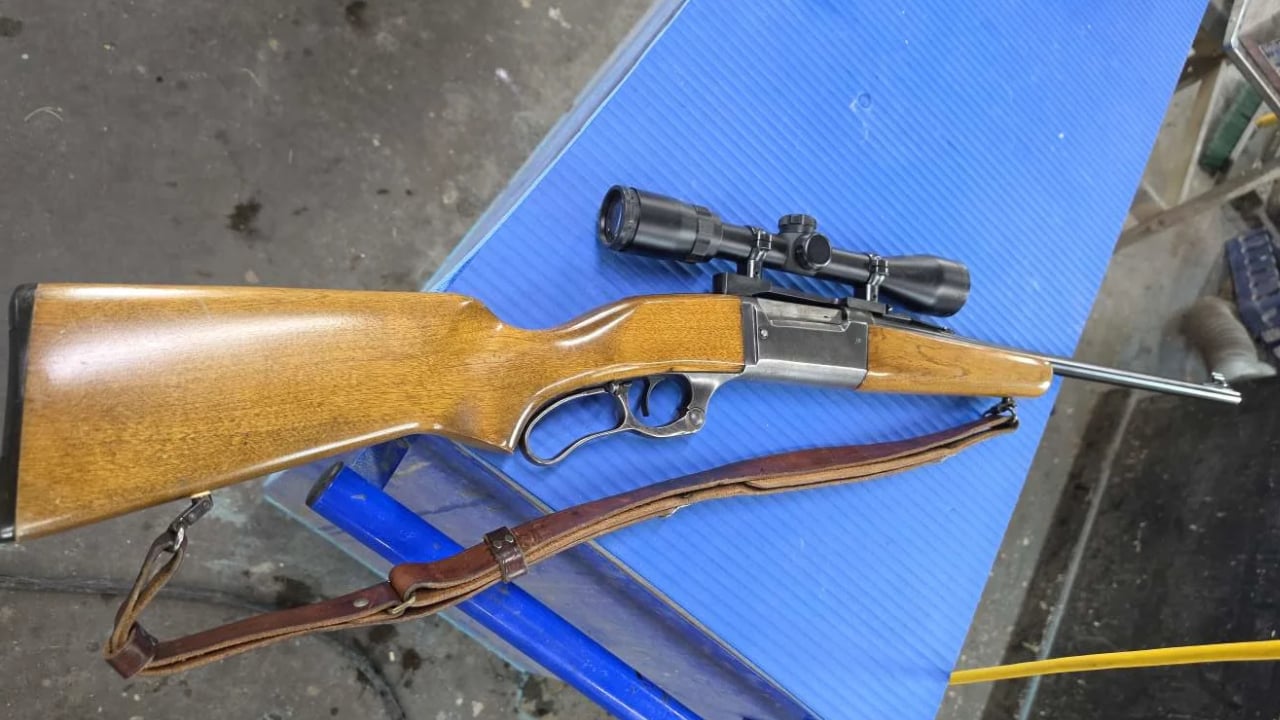
The Savage 99 used to be a serious alternative to the Winchester and Marlin lever guns. Its rotary magazine allowed it to use pointed bullets, and chamberings like .300 Savage gave hunters excellent deer performance in a compact rifle.
The problem now is that the rifles have become collectible enough that many owners hesitate to treat them like ordinary woods guns. Production has been gone for decades, parts are not getting easier to find, and younger hunters rarely grow up seeing one behind the truck seat. A Model 99 still feels perfectly at home in deer country, but the rifles showing up in camp today are usually inherited examples. That is a big change from when they were just another common hunting tool.
Remington Model 788
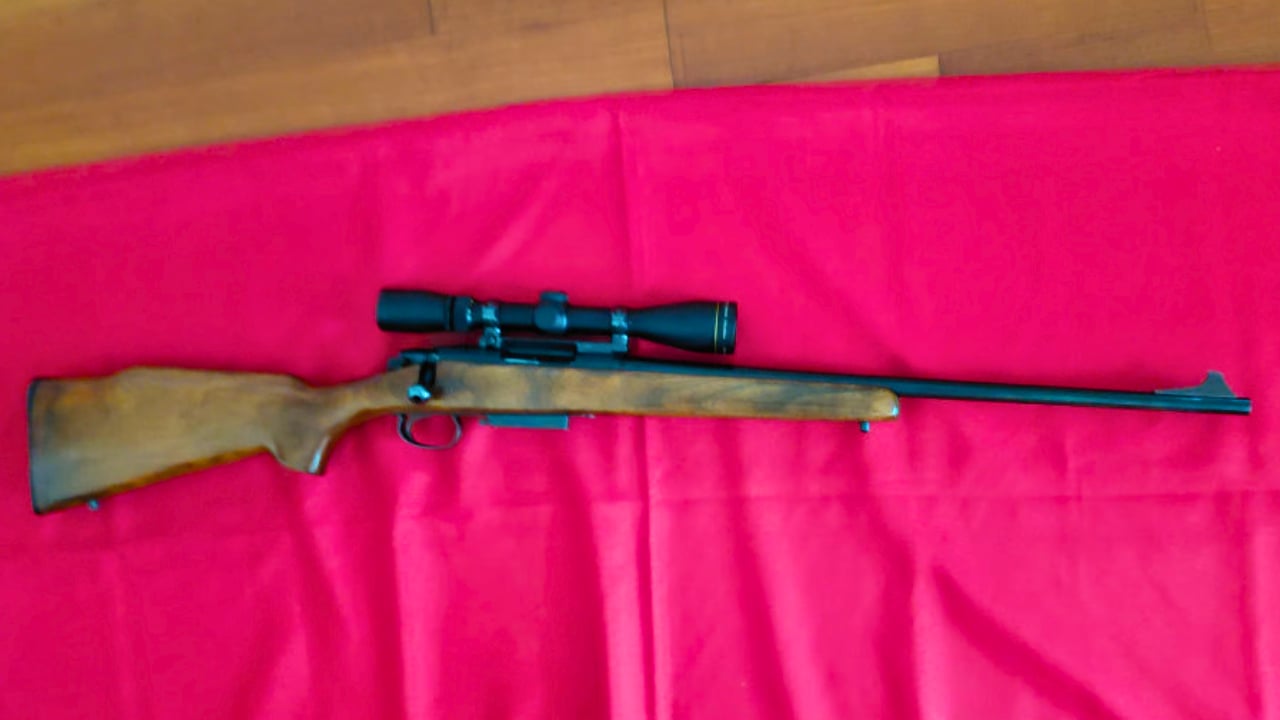
The 788 was built as an affordable bolt rifle and ended up earning a reputation for accuracy far beyond what its price suggested. For years, deer camps were full of them in .243, .308, .30-30, and other practical chamberings.
They are disappearing mostly because time is finally catching up with them. Magazines can be expensive, stocks are often scarred from decades of use, and replacement parts are not as easy to source as they once were. The rifles are also becoming more appreciated by collectors who understand what they are. That means a clean 788 is less likely to get tossed into the cab of a pickup today. It is slowly moving from working rifle to vintage favorite.
Winchester Model 88
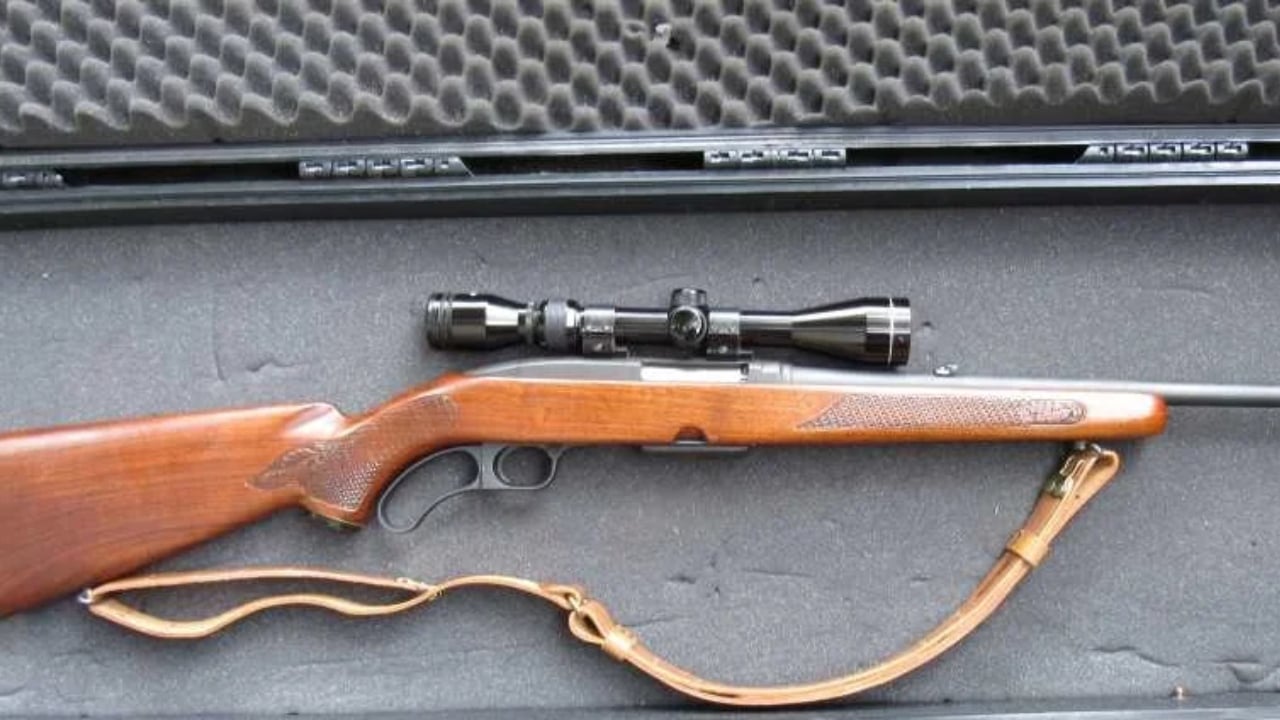
The Model 88 combined lever-action speed with a rotating bolt and modern cartridges, which made it an advanced hunting rifle for its time. It was especially popular among hunters who wanted something faster than a bolt gun but sleeker than a semiautomatic.
Now the complicated action and proprietary magazines make ownership more of a commitment. Parts availability is limited, and owners of nice examples often treat them carefully because replacement rifles are not coming. The 88 still has excellent deer-camp appeal, particularly in .308 Winchester, but it has become the sort of rifle people talk about more often than they actually carry. Every year, another one seems to move from a gun rack into a safe.
Browning BAR
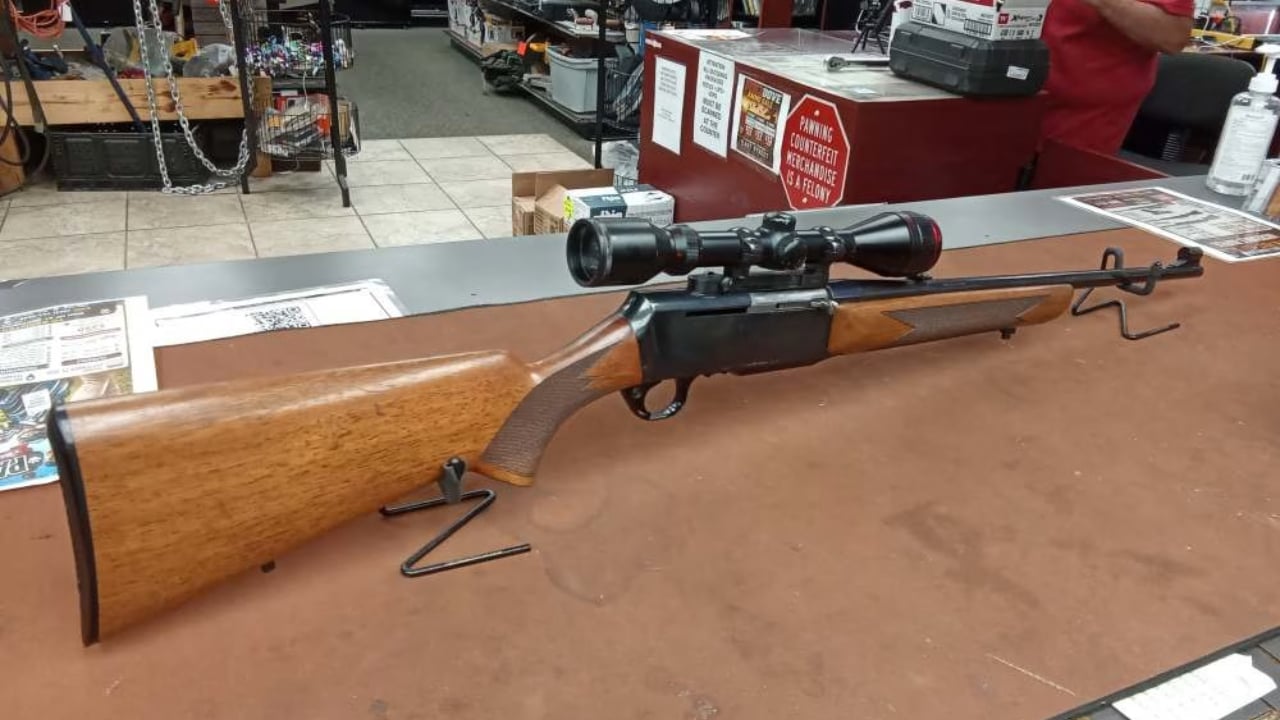
The early Belgian BAR sporting rifles were once status-symbol deer guns. They were elegant, smooth, and gave hunters fast follow-up shots in powerful cartridges long before semiautomatic hunting rifles became common.
A lot of them are still perfectly capable, but age and value have changed how they are used. Early rifles are increasingly collectible, and owners are more cautious about exposing high-grade wood and blued steel to rain, snow, and rough tree stands. Internal parts also deserve more attention as the rifles get older. Modern hunters who want a semiautomatic often choose newer BAR variants or entirely different platforms. The old Belgian guns still show up, but fewer are being treated as ordinary camp equipment.
Ruger M77 Tang Safety
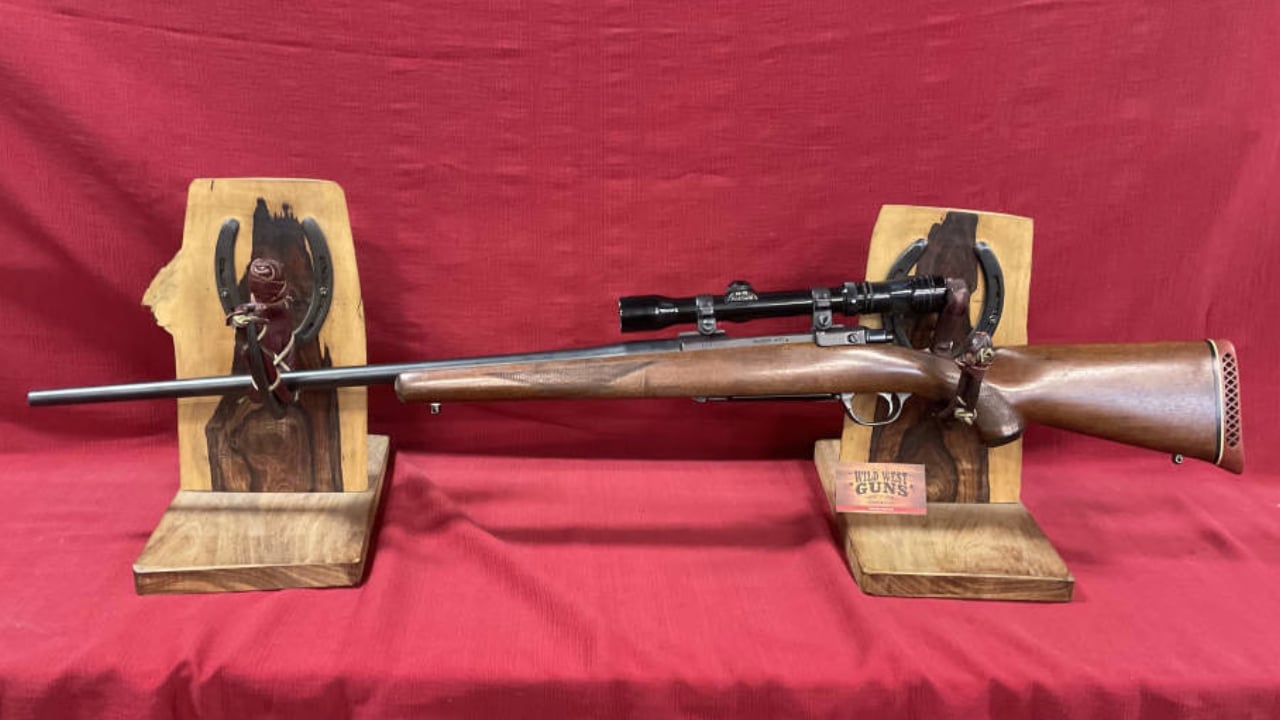
The original M77 with the tang safety was one of Ruger’s defining hunting rifles. It had controlled-round-feed-inspired styling, good walnut, and a rugged feel that suited deer camps perfectly.
These rifles are slowly disappearing because they belong to a different generation of hunting rifle. They are heavier than many modern guns, factory triggers can feel dated, and the original scope mounting system does not offer the same flexibility hunters expect now. None of that makes them ineffective. In fact, many still shoot extremely well. The issue is that younger hunters usually buy something lighter with a threaded barrel and detachable magazine. The old M77 keeps hunting mostly because someone refuses to stop carrying the one he has owned for forty years.
Winchester Model 70 Featherweight Pre-64 Style
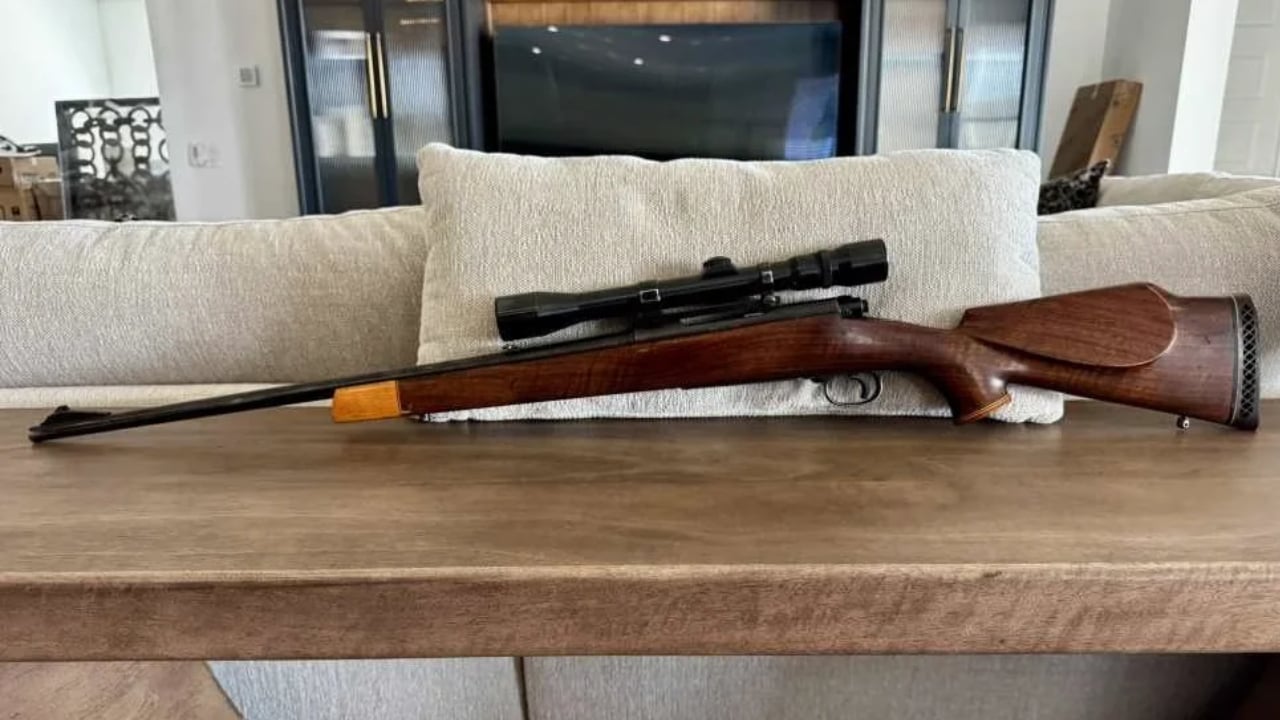
The Featherweight has always been one of the prettiest practical hunting rifles ever made. Its slim walnut stock and controlled-round-feed action gave it a reputation for being both elegant and dependable.
The wood-and-blue version, though, is becoming less common in actual deer camps. Hunters increasingly choose synthetic stocks and weather-resistant finishes because they are easier to live with in bad conditions. A nice Featherweight also feels too refined to beat against a ladder stand or leave wet overnight. These rifles have not disappeared from the market entirely, but they are slowly becoming guns people admire more than abuse. The style still survives, but its role as an everyday working rifle is shrinking.
Remington Model Seven
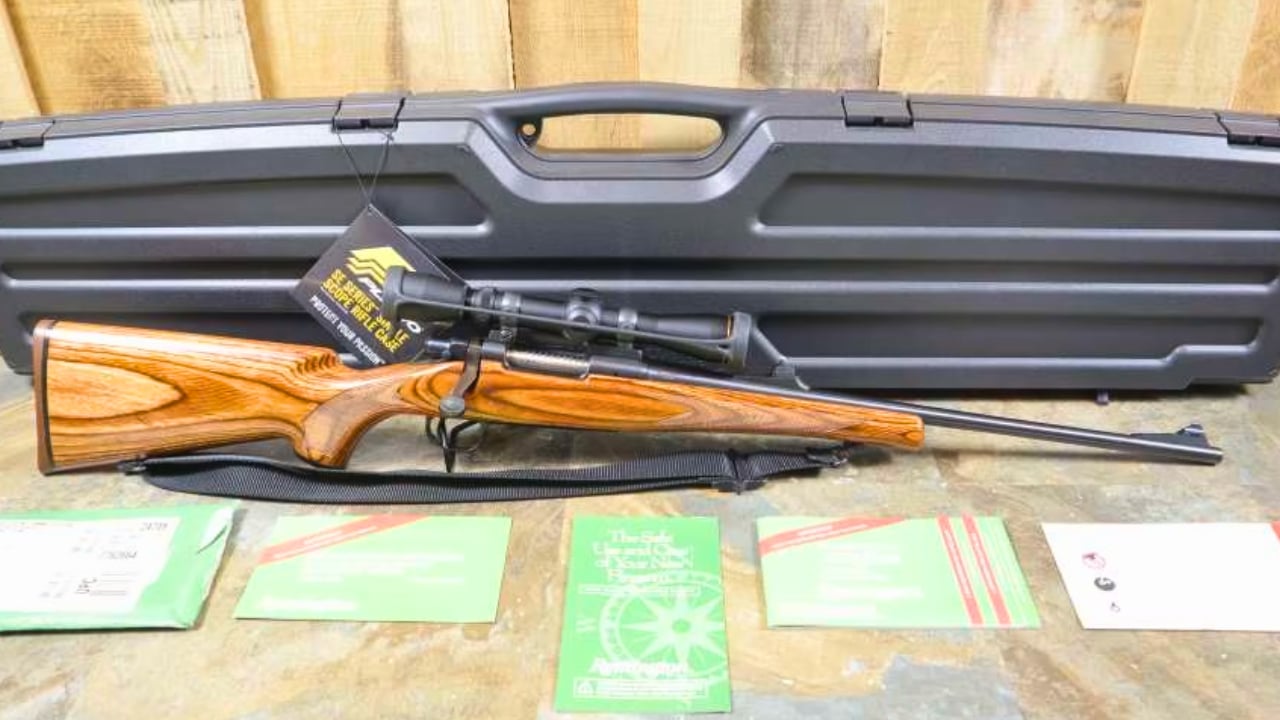
The Model Seven was one of the best compact deer rifles ever made. It gave hunters a short, handy bolt gun without making them feel like they were carrying a youth rifle.
For decades, they were especially popular in thick woods where a full-length rifle could be annoying. Now, clean examples are becoming harder to find, and the compact-rifle market has moved toward newer designs with threaded barrels, synthetic stocks, and detachable magazines. The Model Seven still has a loyal following, but fewer new hunters are entering deer camp with one. Most of the examples you see now have been around for years and usually belong to hunters who already know exactly what they have.
Browning A-Bolt
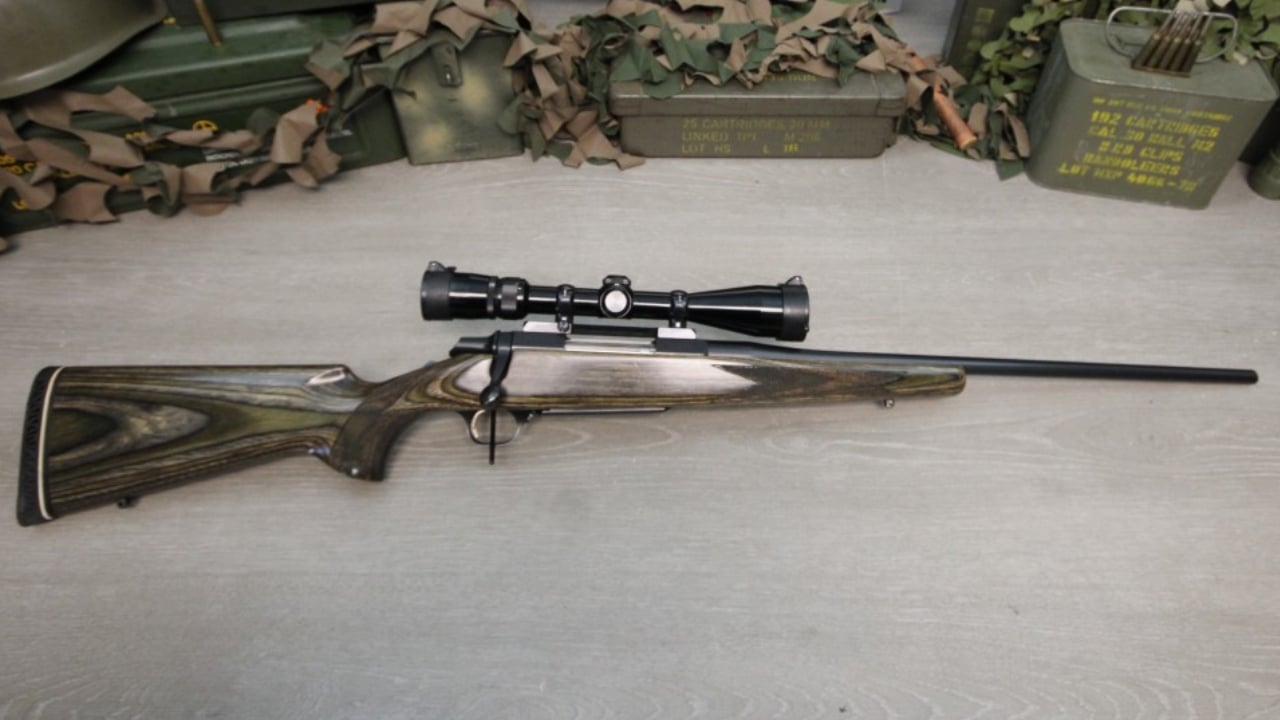
The A-Bolt was once one of the default premium hunting rifles for someone who wanted something nicer than an entry-level bolt gun. The smooth action, short bolt lift, and quality stocks gave it a loyal following.
The X-Bolt gradually took over Browning’s centerfire bolt-action lineup, and that shift has slowly pushed the A-Bolt out of everyday camp use. Plenty remain in safes, but fewer are showing up as new hunters’ first serious deer rifles. Parts and magazines can also become concerns depending on the specific model. The A-Bolt is still an excellent hunting rifle. It just no longer occupies the center of Browning’s hunting identity the way it once did.
Weatherby Vanguard Series 1
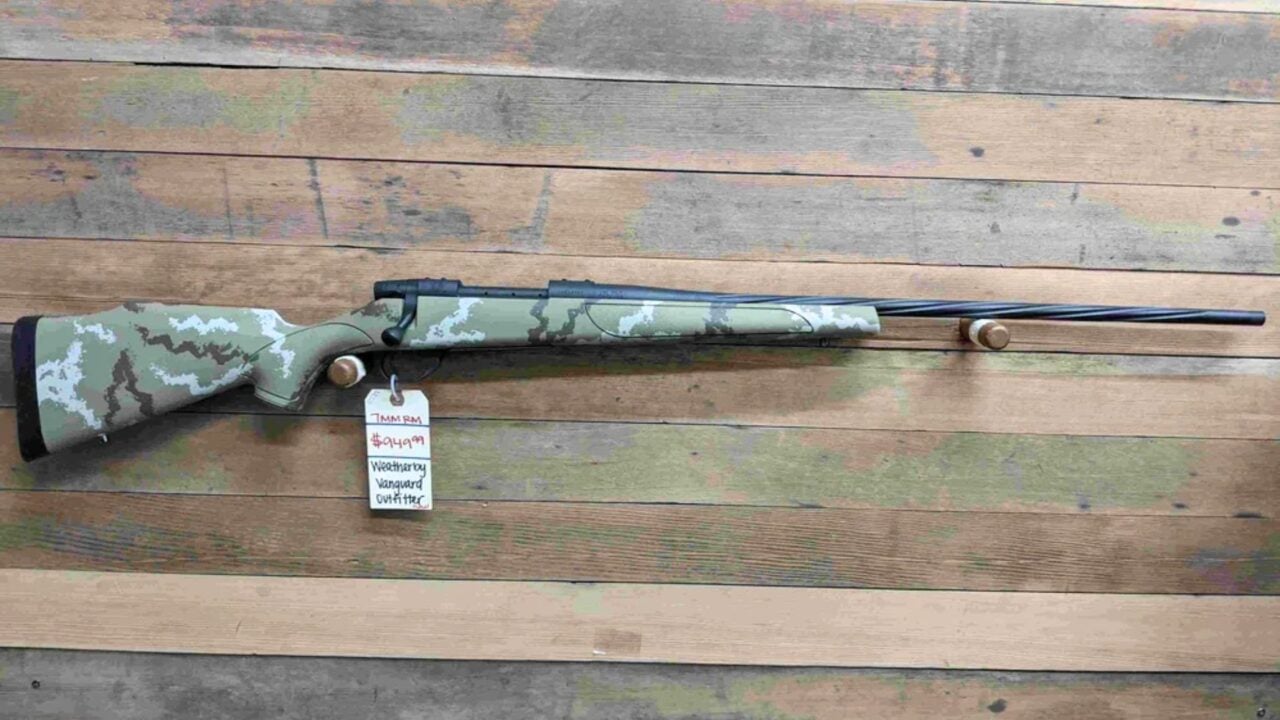
The first-generation Vanguard was a dependable, affordable way to get into a Weatherby-marked rifle without paying Mark V money. It became especially common among hunters who wanted a straightforward bolt gun with good accuracy.
The newer Vanguard generations improved triggers, stocks, and overall ergonomics, which left many Series 1 rifles feeling dated even though they still shoot fine. Their heavier stocks and older triggers make them less appealing next to modern budget rifles that arrive with better features right out of the box. You still see them in deer camps, but most belong to hunters who bought them years ago. They are slowly becoming one of those rifles that quietly disappear without anyone ever officially deciding they were obsolete.
Ruger Model 77/44
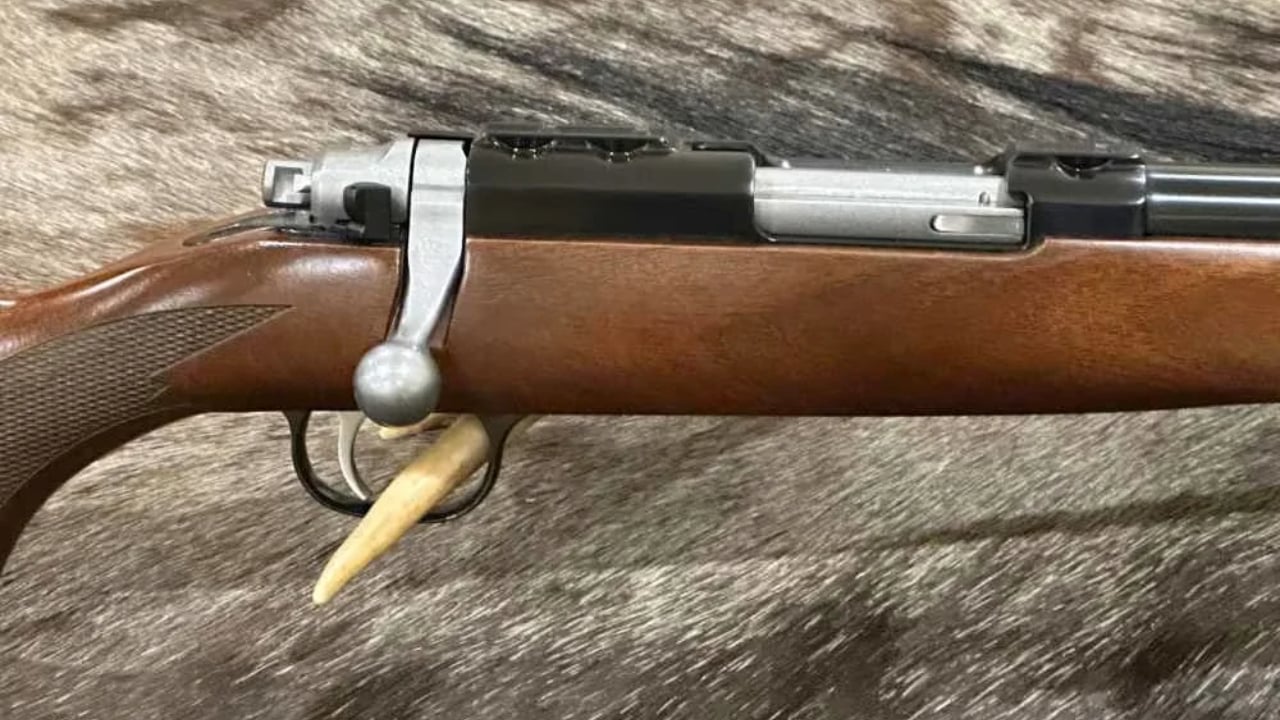
The 77/44 was a handy little bolt-action carbine chambered in .44 Magnum, and it filled a specific role for hunters working in thick cover at short range.
That niche has become harder to maintain. Straight-wall cartridge rifles have exploded in popularity, giving hunters options like .350 Legend and .450 Bushmaster with broader rifle support and flatter trajectories. The 77/44 is still useful, especially for deer or hogs inside woods ranges, but it no longer feels like the obvious answer it once could. Production availability has also varied over the years, making the rifle less visible to younger buyers. It has become a cult favorite rather than a regular camp rifle.
Marlin Model 444
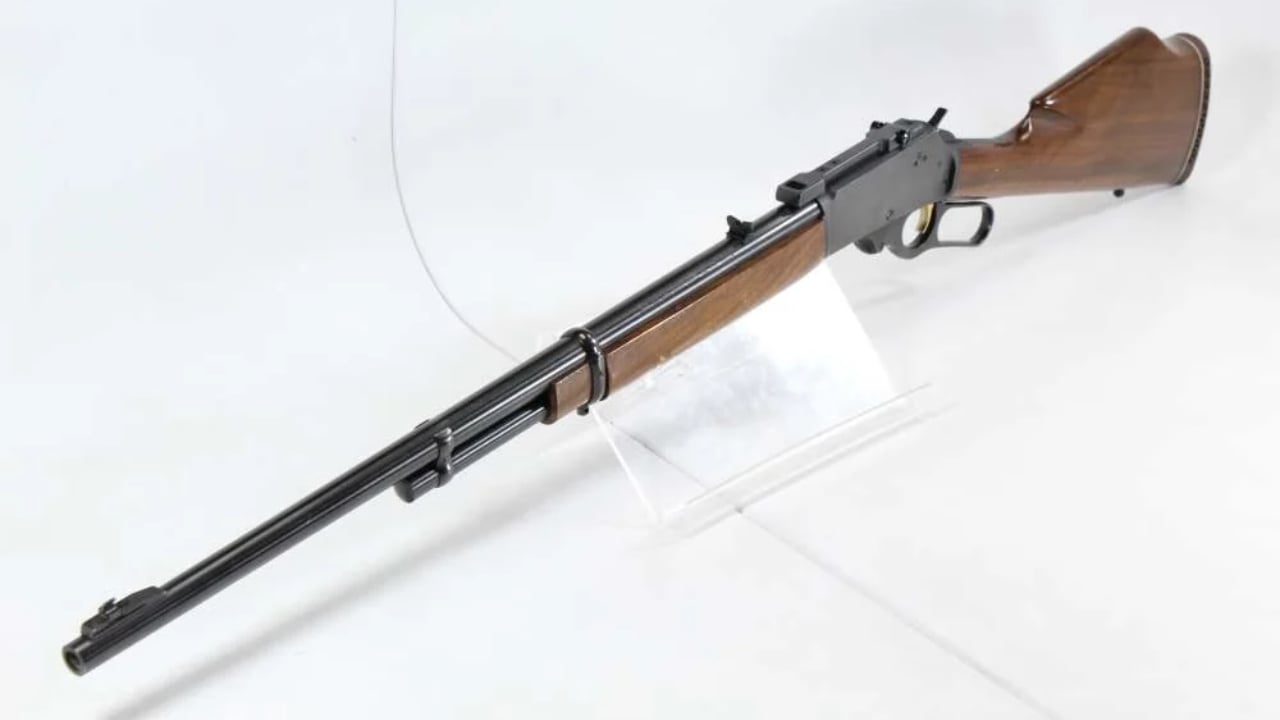
The Model 444 gave lever-action hunters more power than a .30-30 without forcing them into the recoil of the biggest big-bore cartridges. It was an excellent woods rifle for deer, hogs, and black bear.
The cartridge and rifle have both become more specialized over time. Ammunition is less common than .45-70, and the modern lever-gun revival has overwhelmingly favored .45-70 and .30-30. That leaves the .444 Marlin in an awkward spot. The rifles that remain are often treasured by owners who know how effective they are, but they are not showing up in camp with the same frequency they once did. Each passing season makes them feel a little more like survivors from another era.
Remington Model 700 BDL
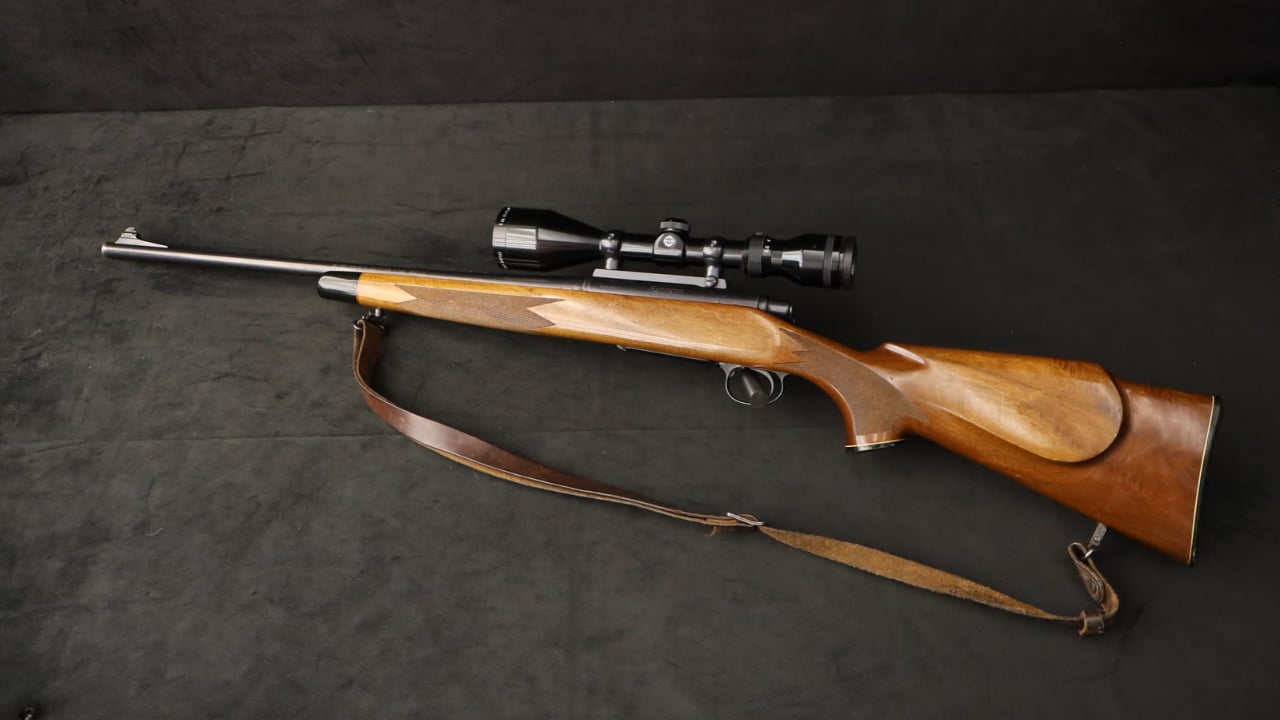
The BDL used to be what many hunters pictured when they thought of a serious bolt-action deer rifle. Glossy walnut, deep bluing, hinged floorplate, and a traditional stock made it feel like a step above a basic utility gun.
That look has largely fallen out of favor in working deer camps. Hunters now choose synthetic stocks, Cerakote, detachable magazines, and threaded muzzles because they are more practical in bad weather. The BDL is still handsome and capable, but many clean examples are now treated too gently to get dragged through brush. A rifle that once represented the standard working hunting rifle is slowly becoming more of a nostalgia piece.
Winchester Model 94 Angle Eject
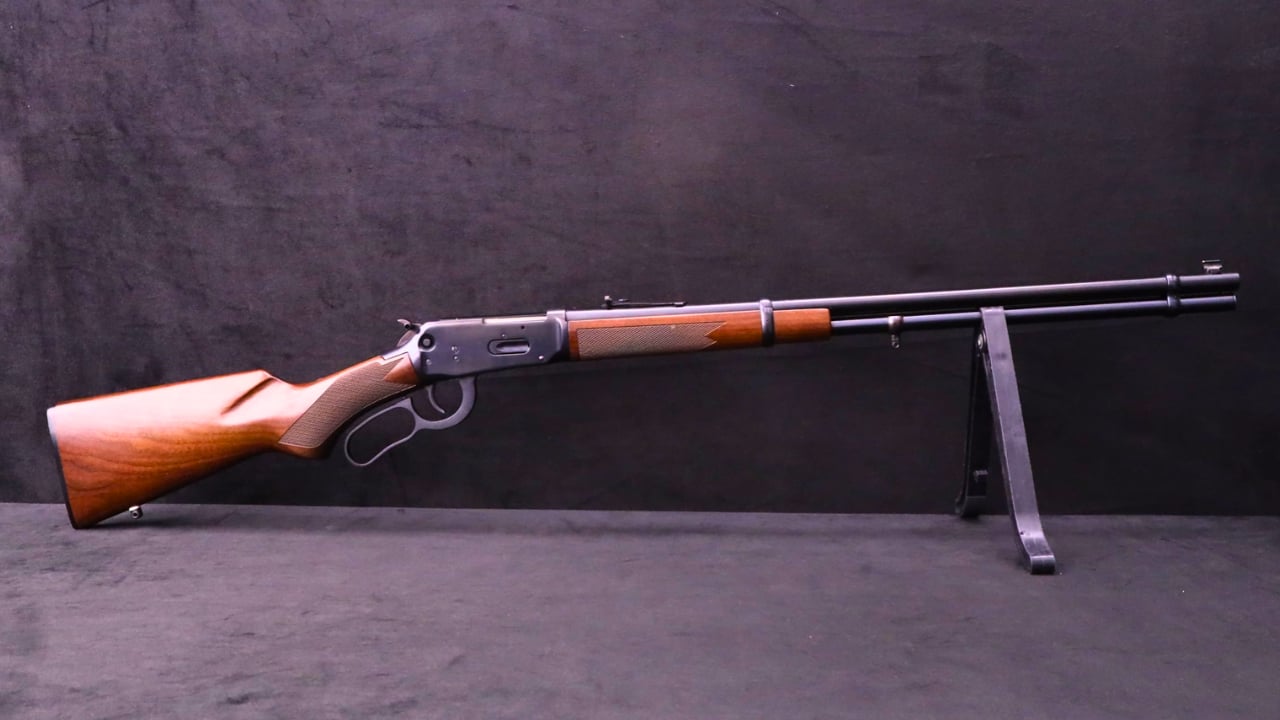
The Angle Eject Model 94 solved one of the classic Winchester’s biggest limitations by making conventional scope mounting much easier. For years, that kept the old lever gun relevant with hunters who wanted optics.
The problem is that modern deer hunting has moved away from lightweight iron-sight lever guns as the default. Bolt rifles are cheaper, easier to scope, and often more accurate. New-production lever guns still have a strong following, but older Angle Eject 94s are becoming more collectible than utilitarian. You still see them in camps where shots are close, but far fewer younger hunters choose one as their primary deer rifle.
Tikka M595
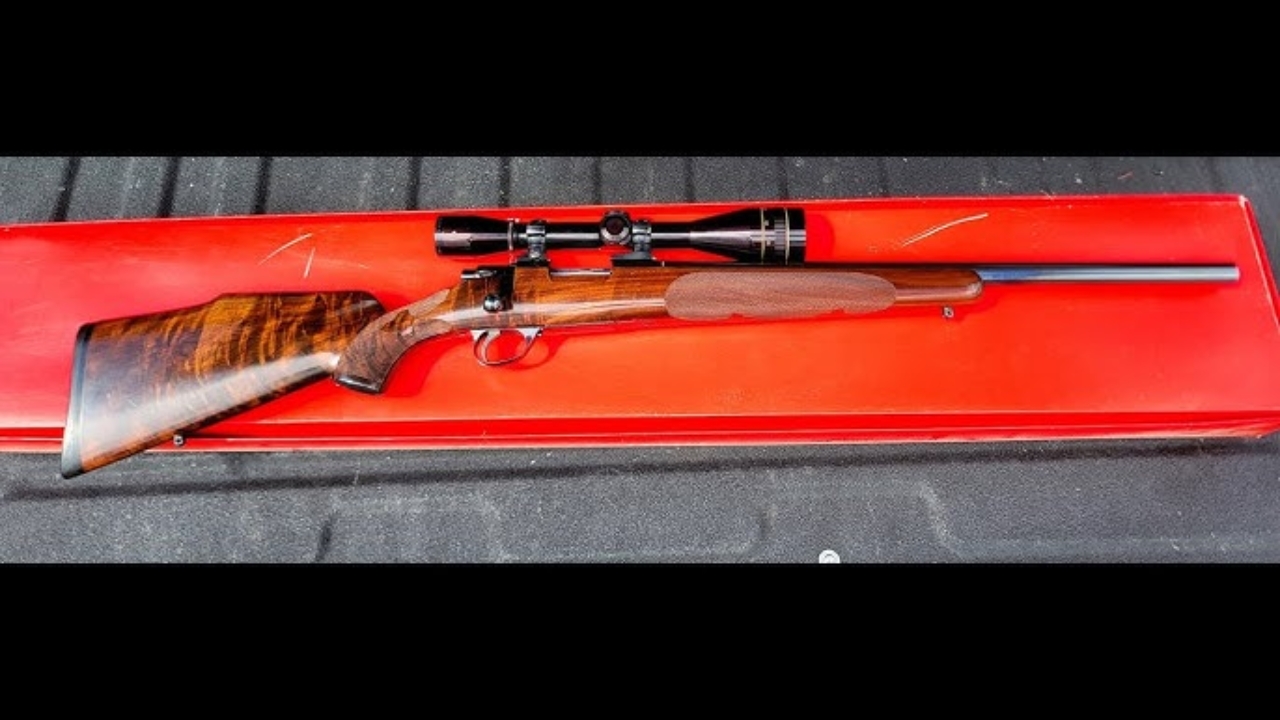
The M595 helped establish Tikka’s reputation for smooth actions and excellent out-of-the-box accuracy before the T3 series became the brand’s dominant platform.
Older M595 rifles still shoot extremely well, but they have become uncommon in the field simply because production ended and the T3/T3x replaced them so completely. Magazines and certain parts are more difficult to source than they are for current models, and owners tend to hang onto good examples. The rifle never reached enormous sales numbers in the United States, so every year it becomes less likely that someone in deer camp has one leaning nearby. It is disappearing more from attrition than from any flaw.
Sako L579 Forester
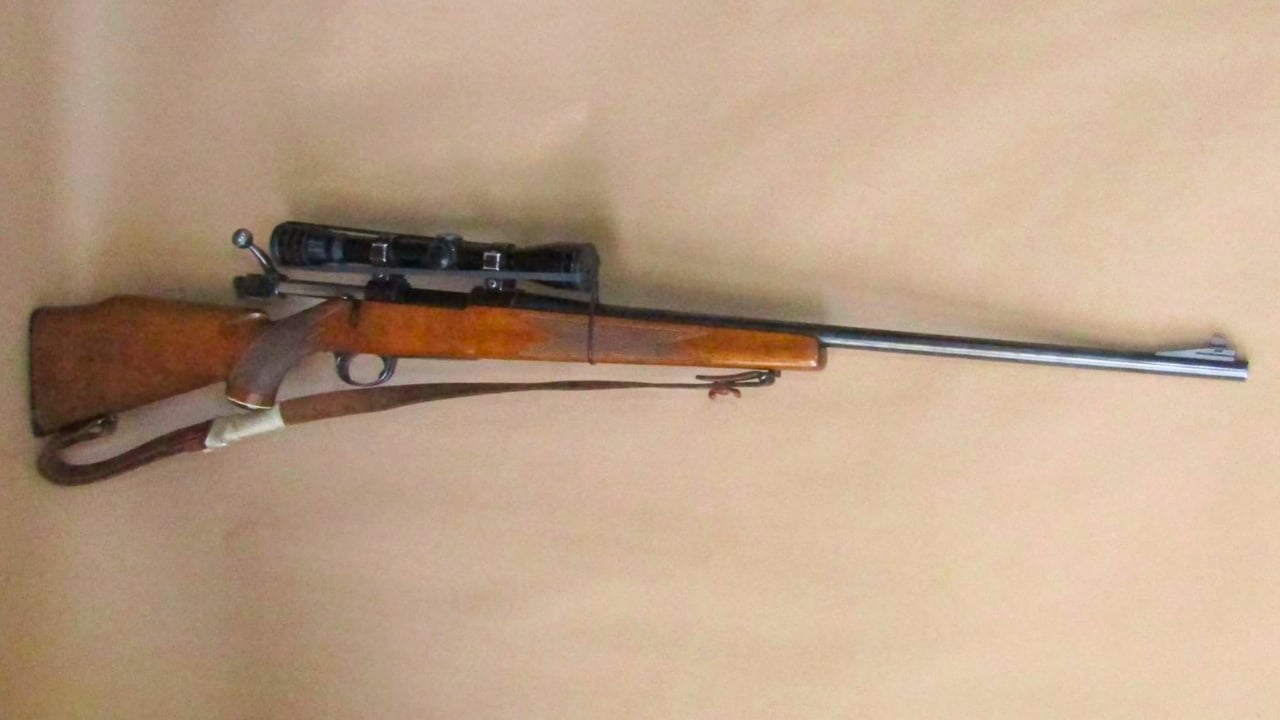
The L579 Forester was a beautifully made medium-action hunting rifle and helped build Sako’s reputation for quality. These rifles were carried hard by hunters who valued smooth actions and excellent accuracy.
Today, good examples are increasingly collector-grade. The wood is too nice, the metalwork too polished, and the replacement cost too high for many owners to keep treating them like rough field guns. Modern Sako rifles are also lighter and easier to fit with current optics. The Forester still works exactly as well as it ever did, but its role has changed. What used to be a premium working rifle is becoming something owners hesitate to scratch.
Husqvarna Model 1640
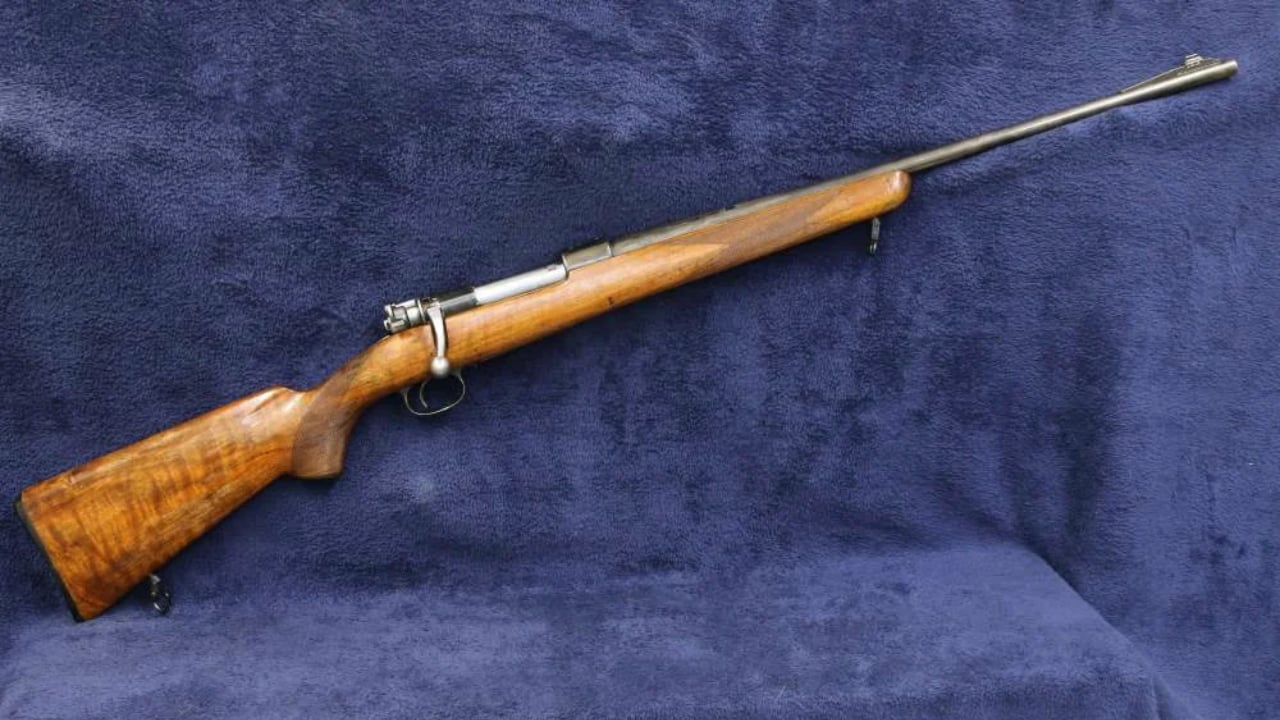
The Husqvarna 1640 was a lightweight, practical hunting rifle that became especially popular among hunters who appreciated Scandinavian rifles before Tikka and Sako dominated that conversation.
These rifles are still excellent, but the combination of age, limited parts support, and unfamiliarity among younger hunters is slowly pushing them out of deer camps. Many were chambered in classic hunting rounds and built with slim stocks that made them easy to carry all day. Today, they are more likely to be encountered by collectors or older hunters who bought them decades ago. They have not become ineffective. They have simply become uncommon enough that seeing one in camp now feels noteworthy.
Parker-Hale Model 1200
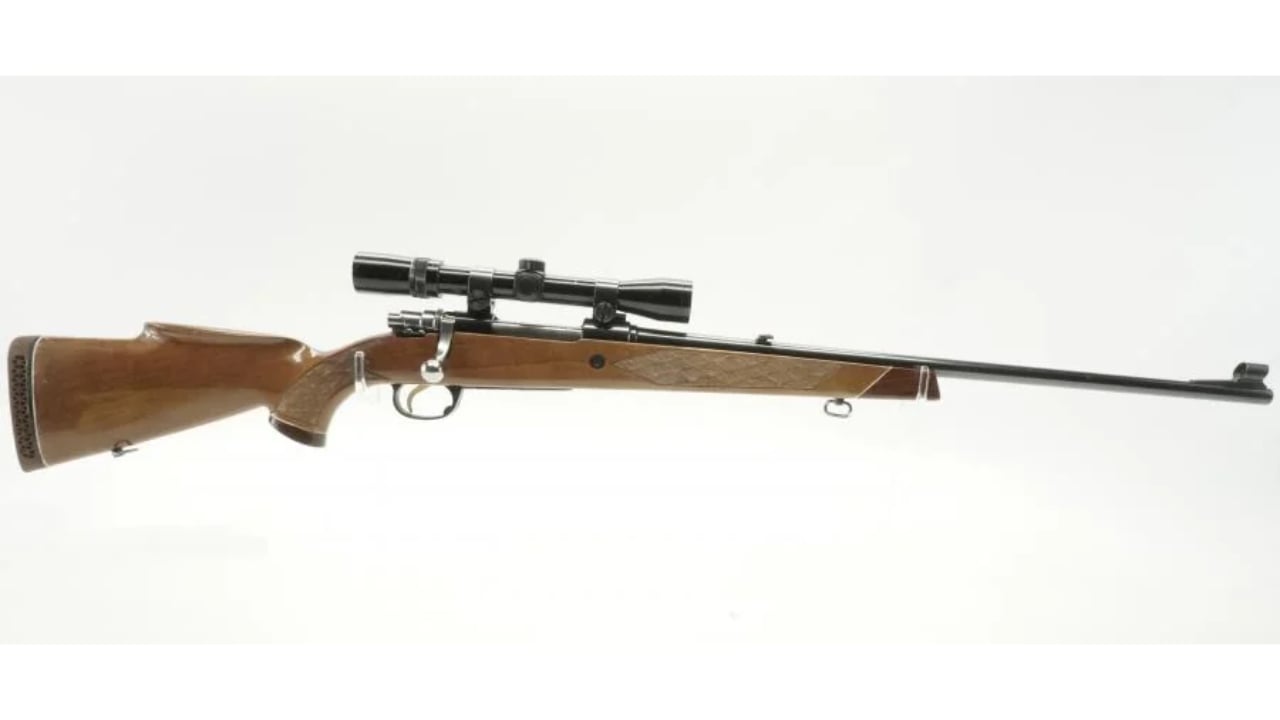
Parker-Hale rifles were once a familiar sight among hunters who wanted a traditional Mauser-style bolt gun at a reasonable price. The Model 1200 was well suited to deer hunting and often came with attractive walnut stocks.
The brand disappeared, parts support declined, and modern budget rifles became dramatically better. That combination steadily pushed Parker-Hales out of everyday use. Many still shoot extremely well, but owners can no longer assume a damaged extractor, magazine component, or stock part will be easy to replace. That makes people more cautious about using them hard. They are slowly moving from practical deer rifles into the category of old guns that come out only because somebody has carried the same one for decades.
Steyr Mannlicher Model M
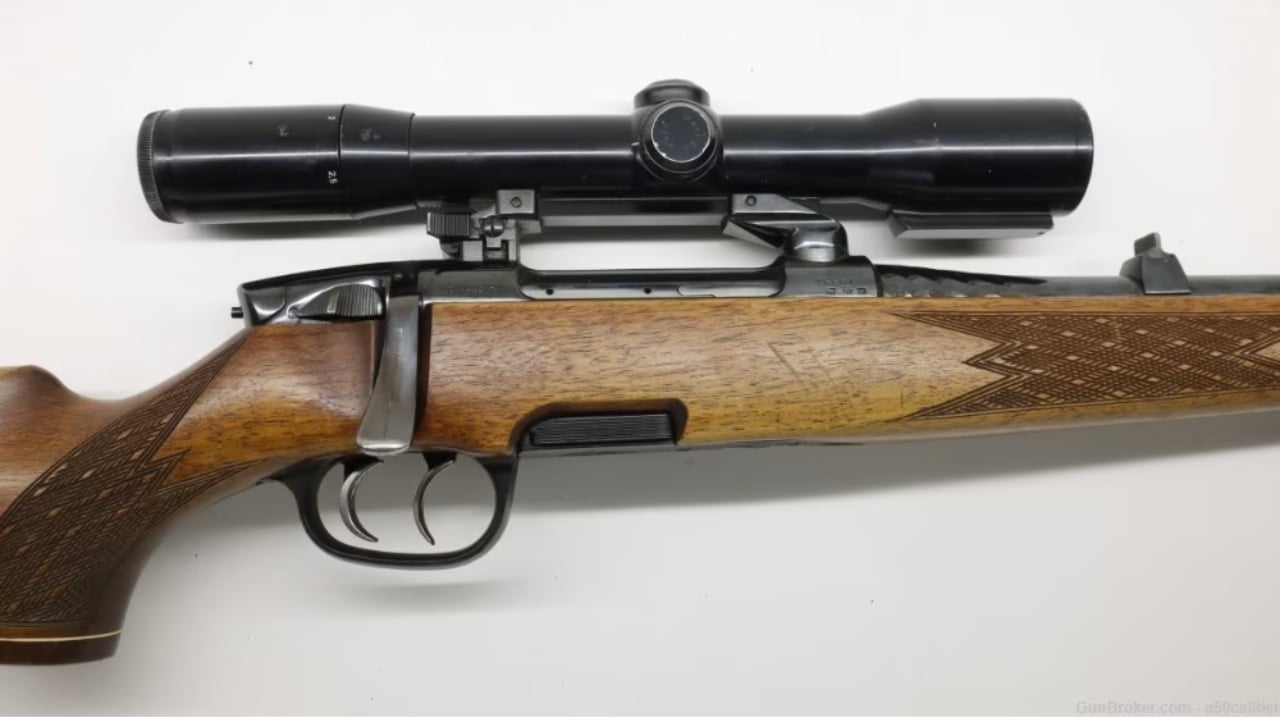
The Model M was one of the classic European hunting rifles that once showed up in camps belonging to hunters who wanted something a little more refined. The smooth action, distinctive stock, and excellent build quality made it memorable.
The design has aged into a collector-oriented role. Modern Steyrs offer lighter construction, easier optics compatibility, and better support for current hunting trends. Older Model M rifles are also too nice for many owners to keep exposing to weather and rough handling. They still make wonderful deer rifles, but the number actually being used hard each season is shrinking. They are becoming the kind of gun someone brings to camp because it belonged to his father, not because he bought it last year.
Ruger M77 RSI International
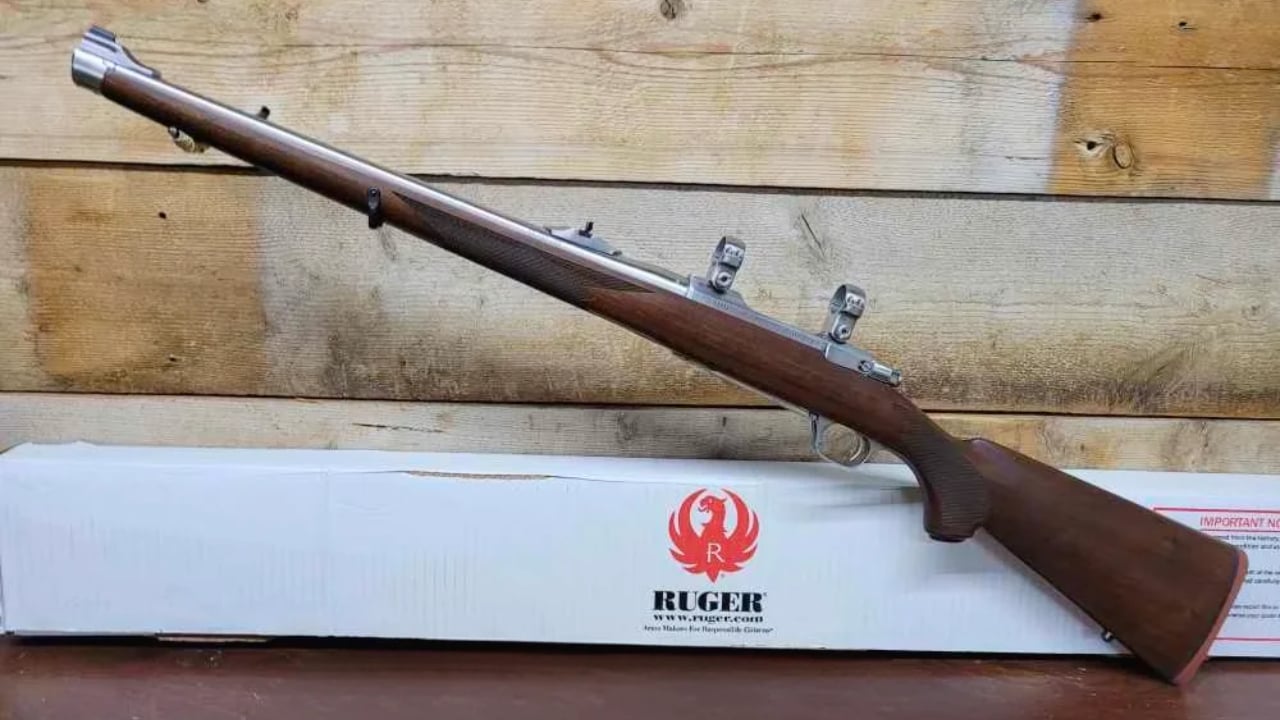
The RSI version of the M77, with its full-length Mannlicher-style stock, once offered hunters a compact, elegant rifle that looked unlike anything else in the rack.
That styling has become rare in modern hunting rifles. Full-length wood adds weight, can complicate barrel harmonics, and does not fit the current preference for synthetic stocks and threaded muzzles. The RSI is now more collectible than practical, especially in desirable chamberings. Plenty of owners still hunt with them, but fewer are willing to scratch that full-length stock against a tree stand. It is exactly the kind of rifle that once belonged in deer camp and is now increasingly kept home because it has become too special.
Like The Avid Outdoorsman’s content? Subscribe to our newsletter so you never miss an article.
Here’s more from us: