Photo credit: bassproshops
Every fall I watch the same thing happen at the gun counter. Somebody trades off a plain, honest hunting rifle to fund whatever just dropped this year with a new chassis, a new name, and an influencer behind it. A season or two later, they’re back asking if we’ve “seen one of those older ones lately.” Usually we haven’t. Or if we have, it costs more than they sold theirs for.
These aren’t safe-queen collector pieces. These are working rifles—built when bluing and walnut still meant something, or built later with the sole goal of feeding, firing, and riding in a truck without drama. Some are common as gravel. Some are sleepers. All of them have one thing in common: they’ve gotten harder to replace while everyone else chased the new-hotness.
1. Remington Model 700 BDL
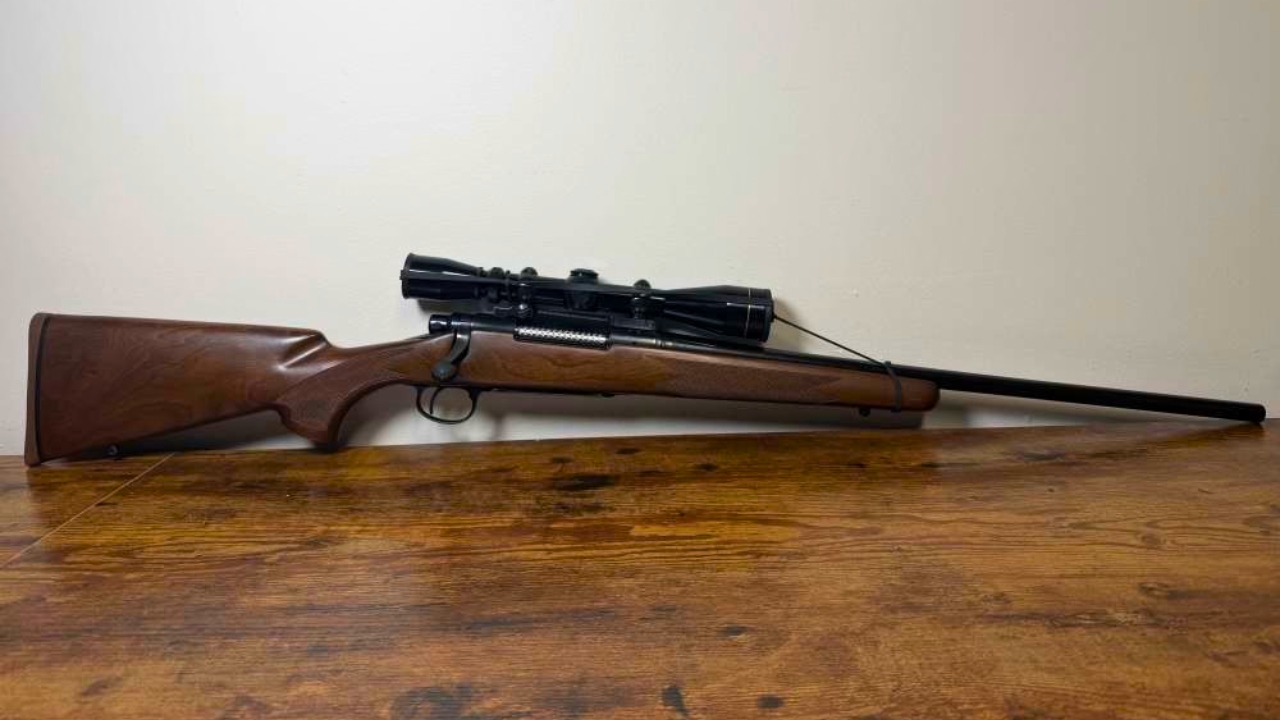
The 700 BDL is the kind of rifle that just feels like deer season. Glossy walnut, Monte Carlo comb, and that classic hinged floorplate. It isn’t trendy, and the high-gloss finish can show a scratch if you look at it wrong, but it carries well and balances like a hunting rifle should.
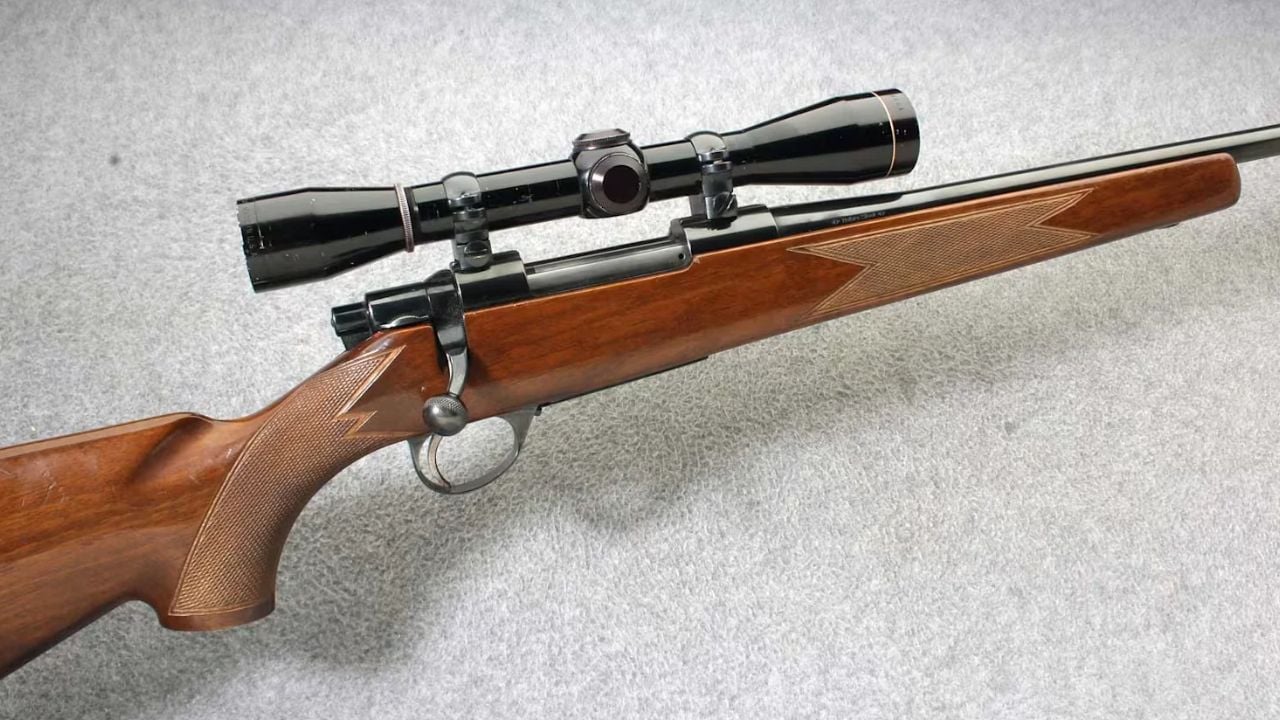
What’s appreciated is the older, well-made examples with tight wood-to-metal fit and smooth actions. A clean BDL in a normal cartridge like .30-06 or .270 doesn’t sit long anymore. And good luck finding one that hasn’t been “upgraded” with a bargain stock and mystery trigger work.
2. Winchester Model 70 (pre-64 and early controlled-round feed)
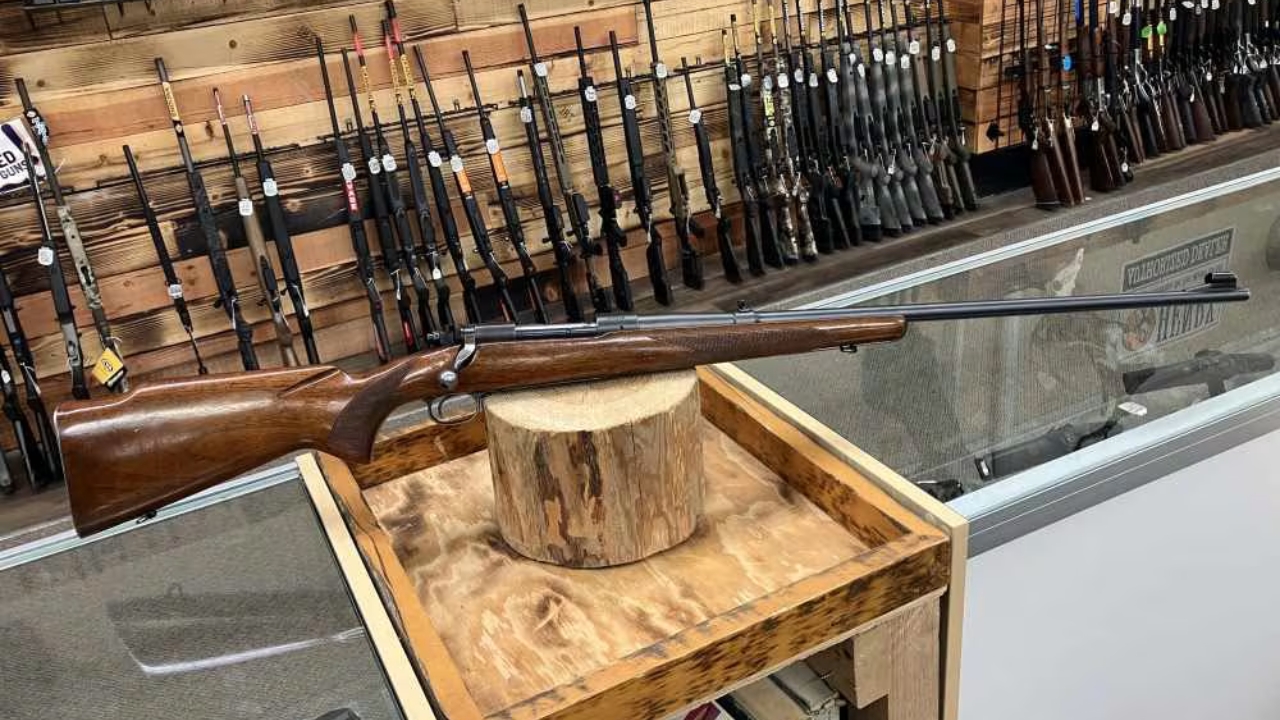
If you’ve ever watched a controlled-round feed action pick up a cartridge and guide it like it’s on rails, you understand why hunters love these. The Model 70 earned its reputation the hard way—out in weather, on horseback, and under a pack strap.
They’re not all equal, and I’m not pretending every Model 70 shoots like a bench gun. Still, the good ones have climbed steadily, especially the earlier controlled-round feed rifles. They’re the sort of “forever rifle” you don’t appreciate until you handle a few newer actions that feel like they were assembled in a hurry.
3. Ruger M77 (tang safety models)
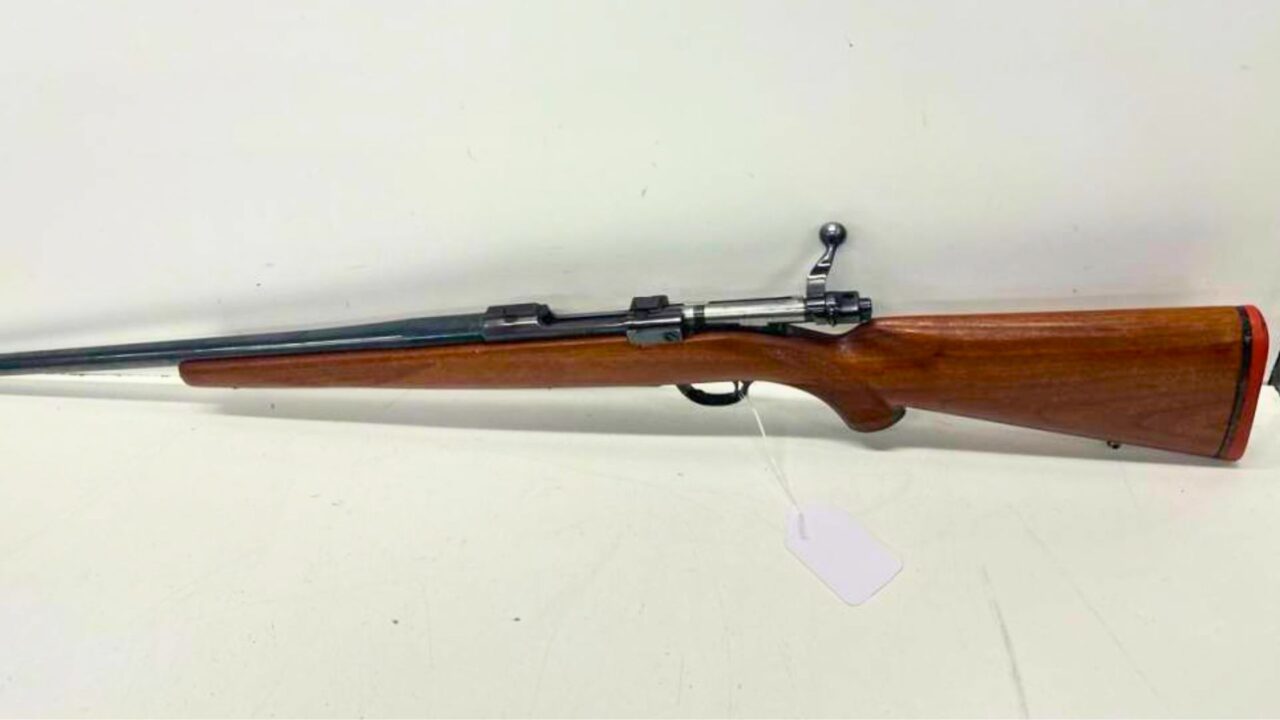
The tang-safety M77 is one of the most natural-feeling hunting safeties ever put on a rifle. Thumb it on, thumb it off, and it’s quiet. In cold weather with gloves, it makes sense.
These rifles aren’t always lightweight, and some barrels are just average, but they’re tough. The older tang-safety guns have become a lot more desirable as folks realize the “boat paddle” era and later changes aren’t everyone’s favorite. When a clean tang-safety shows up, it usually brings real money now.
4. Browning A-Bolt (early production)
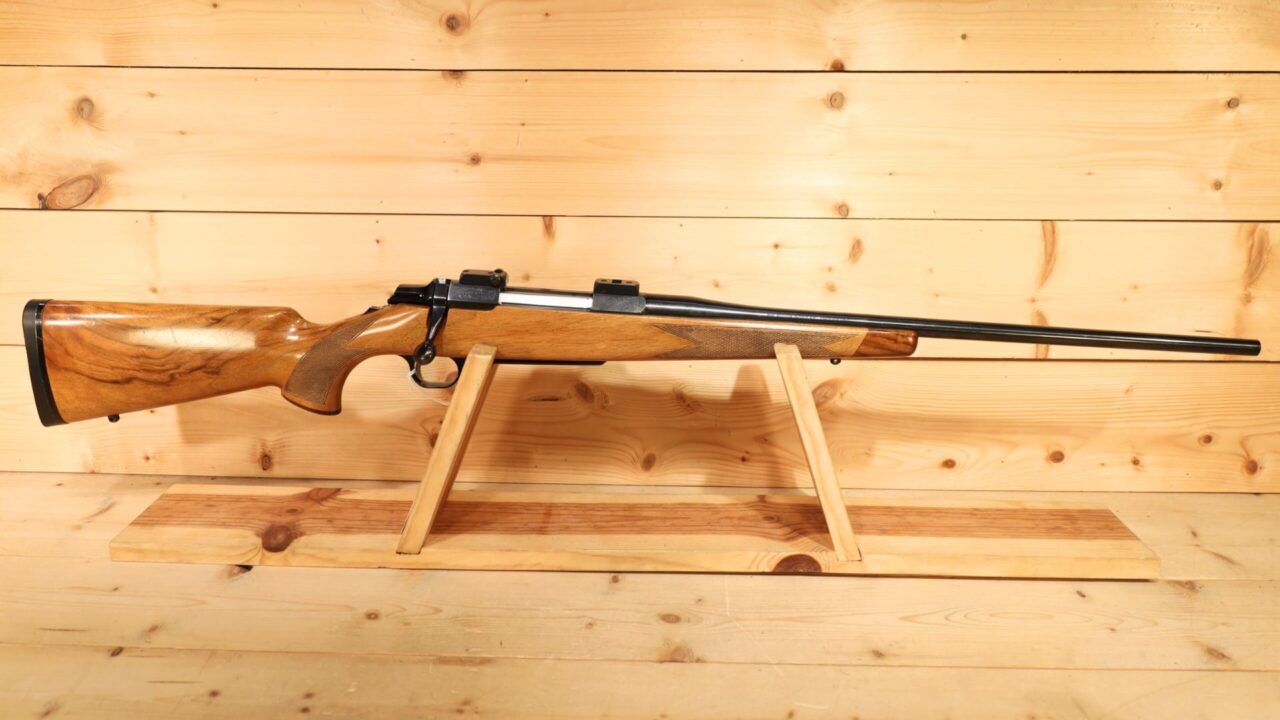
A good A-Bolt is slick. Short bolt lift, smooth cycling, and they tend to point quick when a buck steps out at the edge of shooting light. They aren’t fancy in a tactical sense, but they’re hunting rifles in the most honest way.
One reason values have held is that Browning didn’t flood the market with cheapened versions for decades. The older A-Bolts with nice wood and clean metal keep creeping upward, especially in standard calibers. If yours feeds well and shoots an inch with a load it likes, you’ll miss it when it’s gone.
5. Sako Forester (L579)

Sako actions from that era have a “vault door” feel. The bolt glides without slop, and the machining looks like somebody cared. They were never bargain rifles, but they were built to be used, not worshiped.
Hunters used to treat them like a luxury tool and then traded them off for the next thing. Now the same rifles are bringing serious money because the quality is obvious the second you run the bolt. In .243, .308, or .22-250, they’re especially hard to ignore.
6. Tikka M695 / M595
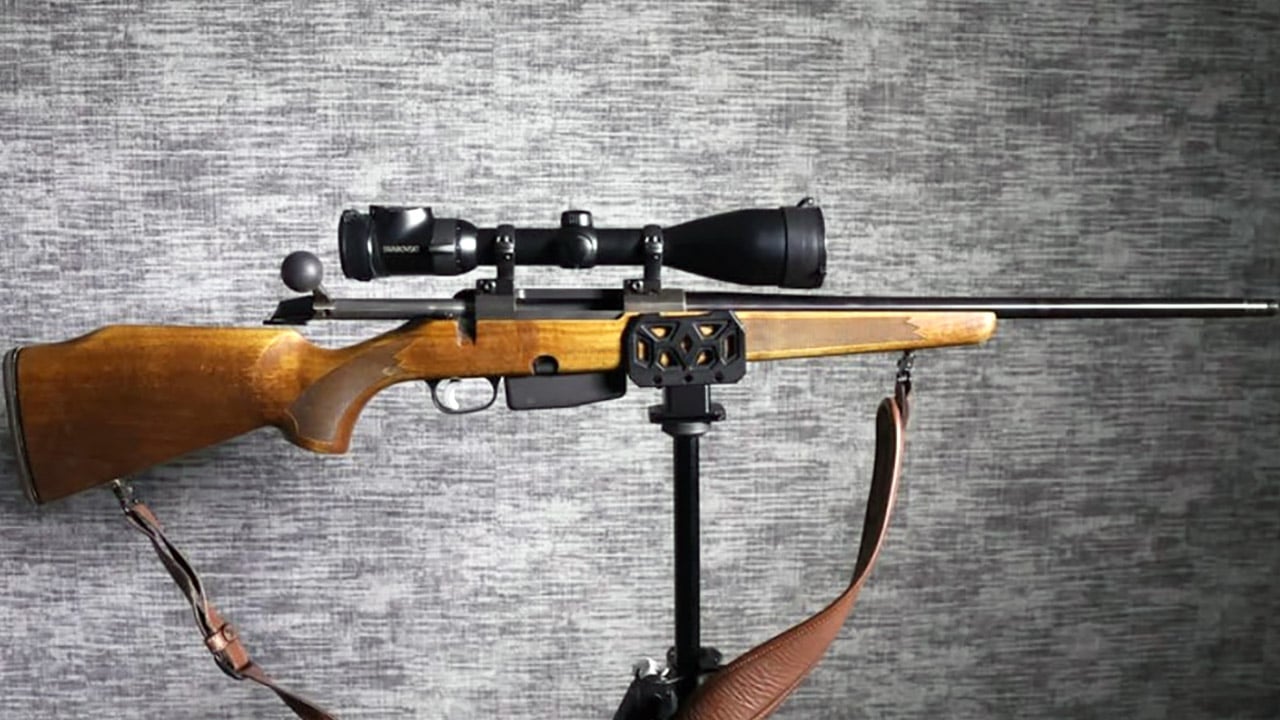
Before the T3 became the default recommendation on every forum, there were these earlier Tikkas that a lot of hunters flat out prefer. The actions are smooth, the magazines are stout, and the rifles feel a touch more “classic” in the hands.
They don’t show up everywhere, and when they do, they’re rarely cheap anymore. Part of the appreciation is just scarcity—there aren’t piles of them on racks. The other part is that they shoot, they feed, and they don’t demand a bunch of tinkering to be good.
7. Savage Model 99

The Model 99 is what happens when a lever gun grows up and gets serious. Rotary magazine, pointed bullets, and a real rifle feel. It isn’t a light little saddle carbine, and it’s not the fastest lever gun on earth, but it’s classy and capable.
These have appreciated because they’re genuinely different, and because the supply isn’t getting bigger. If you’ve got one in .300 Savage or .250-3000 that still locks up tight, you’re holding onto something that keeps gaining ground.
8. Marlin 336 (JM-stamped)
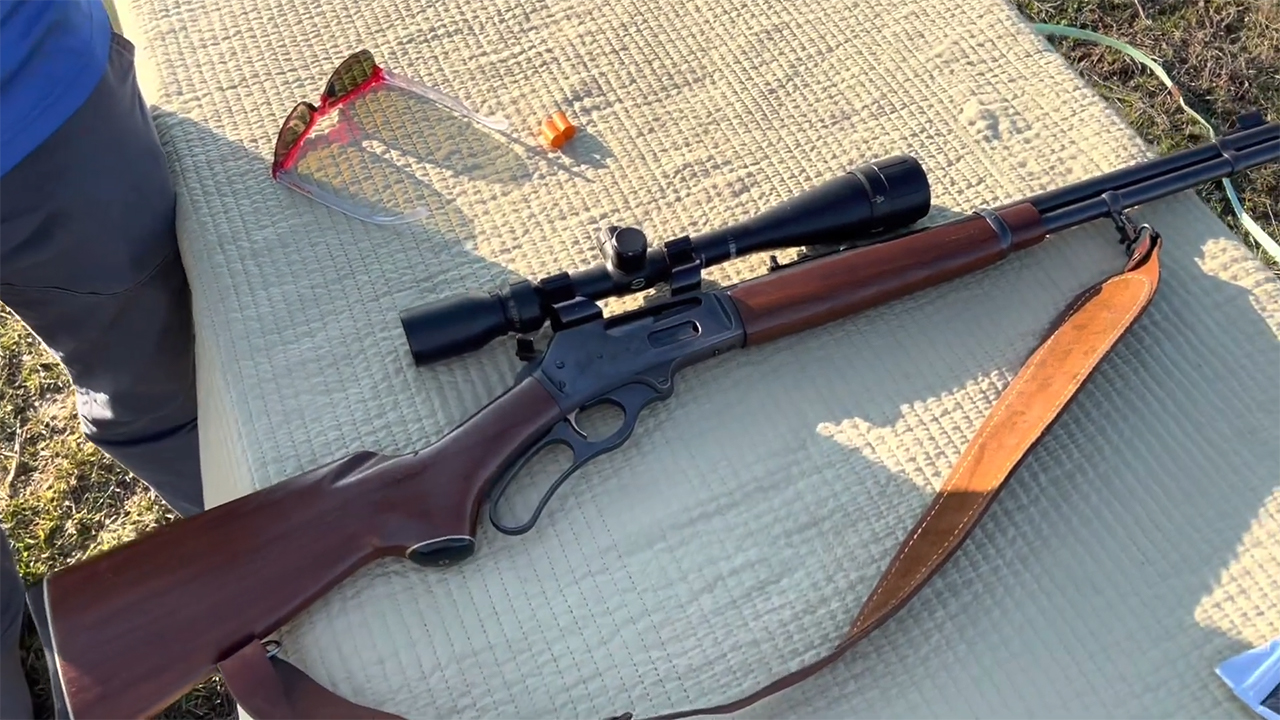
The 336 has likely killed more whitetails from brushy fence lines than any rifle that ever wore iron sights. It shoulders fast, cycles easy, and it’s forgiving when you’re wearing heavy clothes and moving through thick stuff.
JM-stamped rifles have climbed a lot, and it isn’t just internet hype. Fit and finish, smoothness, and that old Marlin feel are hard to replace. Even if you run a scope, the classic 336 just works, and working guns are what hold value.
9. Winchester Model 94 (pre-64)

I get why people think of these as “Grandpa’s rifle,” but a clean pre-64 Model 94 is a joy to carry. Slim, lively, and it disappears in the hands when you’re slipping through timber.
These have appreciated because they represent a level of finish and craftsmanship that isn’t common in mass production now. They aren’t precision rifles and never were. They’re hunting rifles for normal distances, and the good ones are bringing real money.
10. Ruger No. 1
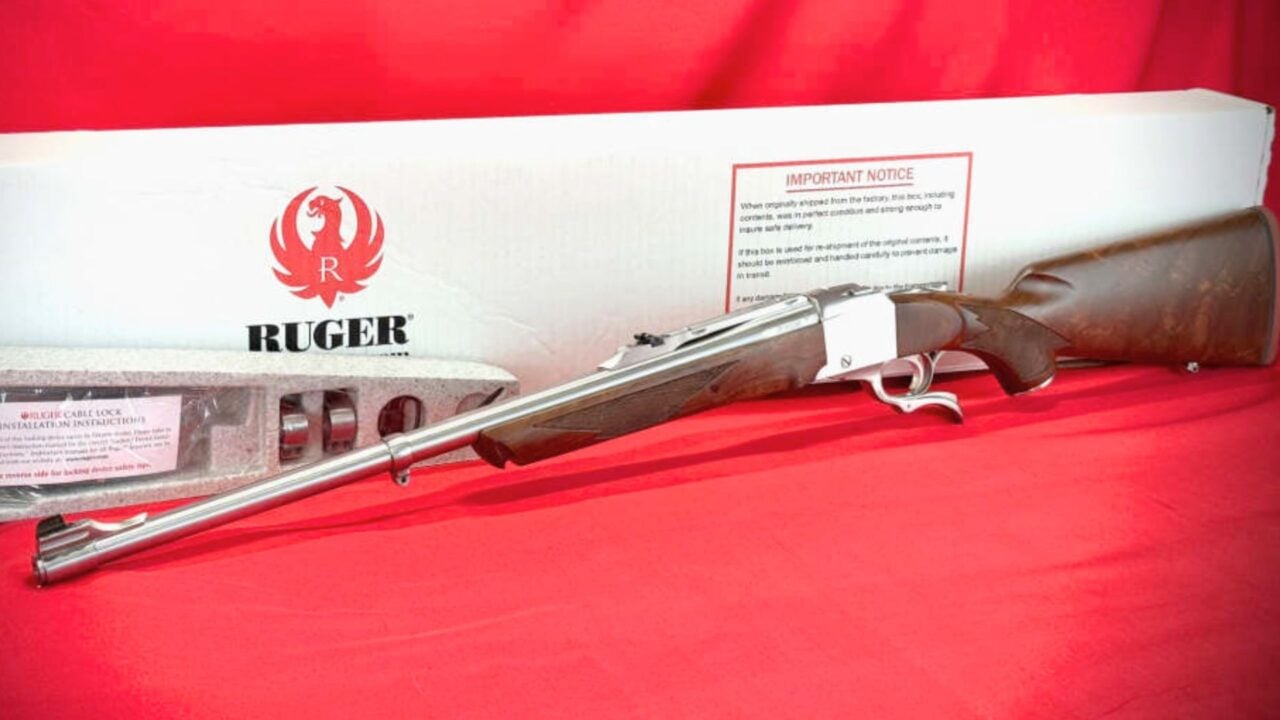
There is nothing practical about carrying a single-shot when everybody else has a three-round magazine and a follow-up shot ready. And yet, plenty of hunters do it because the Ruger No. 1 is special. Strong action, compact overall length, and it handles like a wand.
They’re also not cheap to make, and they aren’t getting any more common. Certain calibers and configurations have climbed hard, but even “plain” No. 1 rifles don’t seem to get cheaper. If you’ve got one that shoots well, it’s hard not to smile every time you open the safe.
11. Remington Model 7600
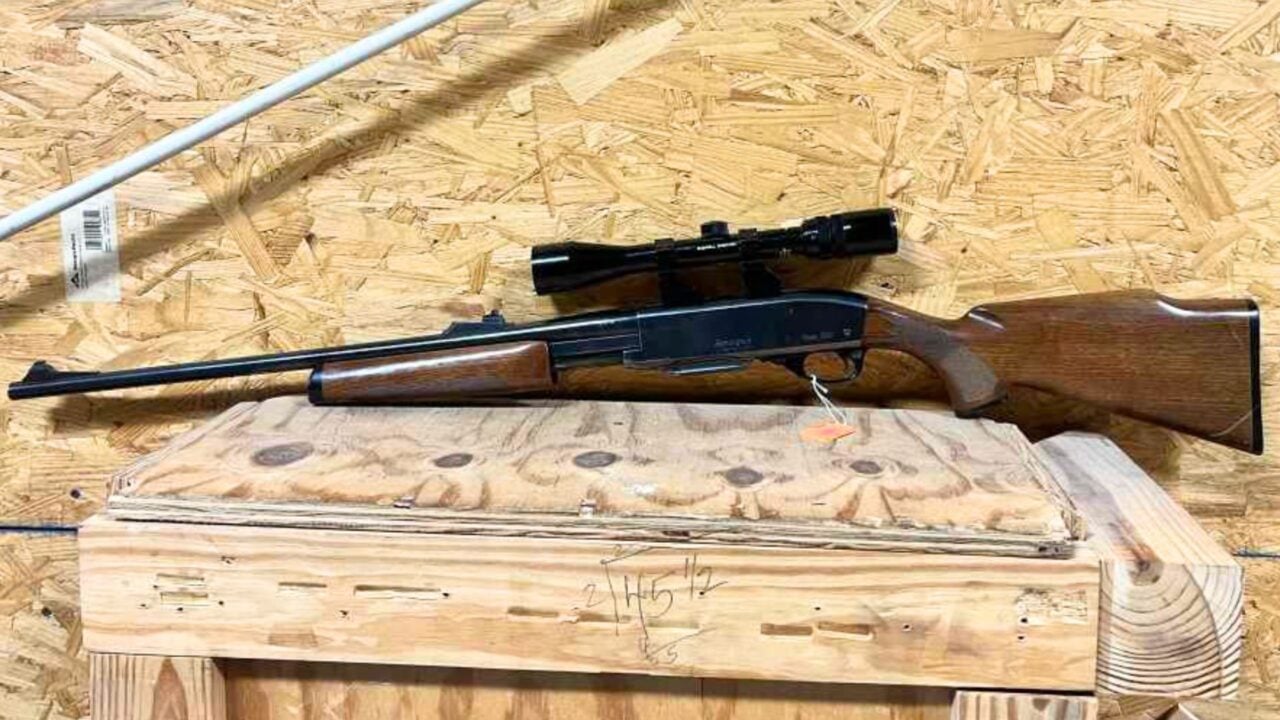
The pump-action deer rifle crowd is a real tribe, and the 7600 is one of their main tools. Fast follow-up shots, familiar feel for anyone who grew up on a pump shotgun, and it runs well in nasty weather.
In a lot of places, these rifles got used hard and put away wet, so clean ones are getting scarce. Magazines are still around, but they’re not getting cheaper. If you hunt thick country and like a quick second shot, the 7600 has become a lot more expensive to “try again later.”
12. Browning BAR (hunting models)

No, not the modern tactical BAR name reuse. I’m talking about the classic hunting BAR that rides in a scabbard and comes out when you’re watching a clearcut or a long powerline. They’re soft shooters, reliable if kept reasonably clean, and they make sense for recoil-sensitive hunters.
They cost money new, and the older Belgian and Japanese guns especially have held and appreciated. A good BAR feels like a serious tool, not a disposable gadget. They aren’t lightweight, but neither is dragging a buck uphill.
13. Remington Model 7

The Model 7 is one of the handiest short actions ever built for the woods. It’s compact without feeling toy-like, and it carries easy slung across the chest when you’re climbing or still-hunting.
They aren’t rare, but nice older ones in cartridges like 7mm-08, .308, and .260 tend to get snapped up. A lot of hunters bought them, then got tempted by “ultralight” rifles that kick harder and don’t hang steady. The Model 7 tends to come back into favor.
14. CZ 550

The CZ 550 has that old-world, controlled-round feed vibe without needing a second mortgage. They’re not featherweights, and the set trigger isn’t everyone’s favorite, but it’s a real rifle with real steel and real wood.
Once they were discontinued and replaced by newer lines, prices on clean 550s started moving. Hunters who actually use their rifles like the durability and the way they handle. If you’ve got a 550 that feeds smoothly, you’re better off keeping it than trying to “upgrade” into something that feels hollow.
15. Husqvarna Model 1640
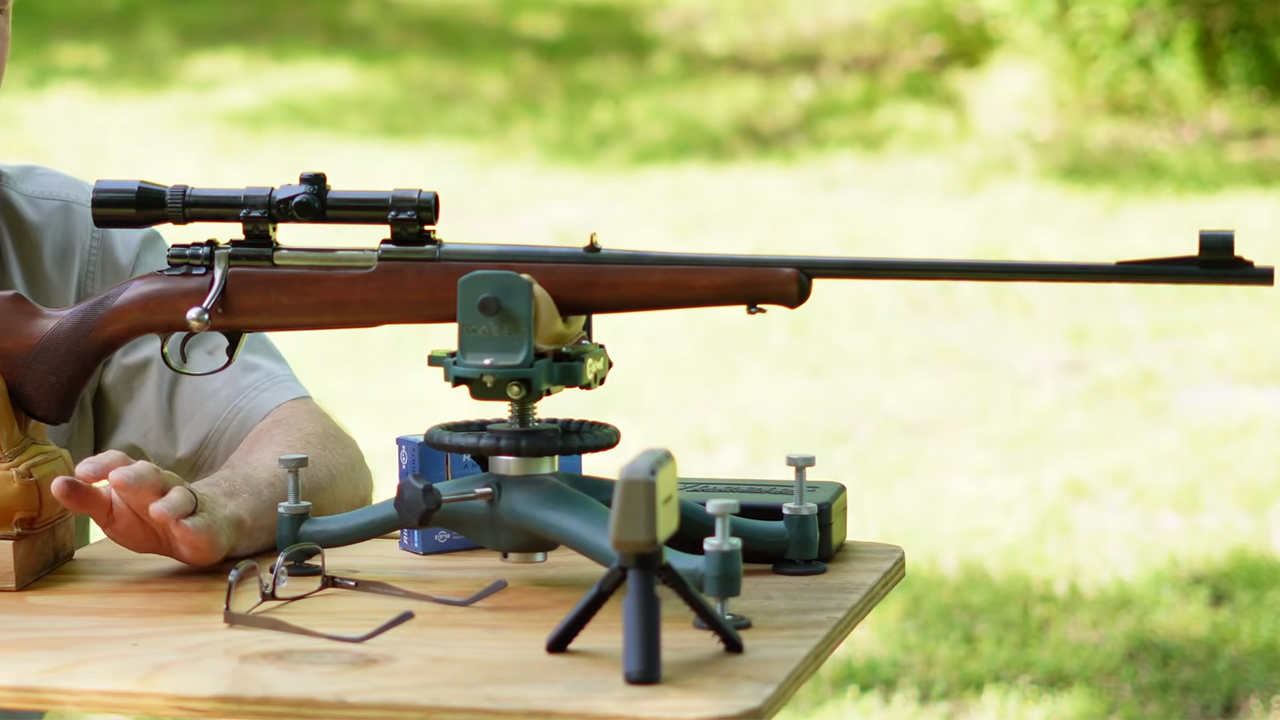
These Swedish rifles don’t get talked about enough, probably because they aren’t sitting in big-box stores. They’re light, well-made, and they carry like a mountain rifle without the mountain-rifle price tag—at least, that used to be true.
More hunters have caught on, especially as people look for quality without the modern gimmicks. The 1640 actions are slick and trim, and the rifles have appreciated because once you’ve carried one all day, you understand why they have a following.
16. Springfield Armory M1 Garand (CMP-era and originals)
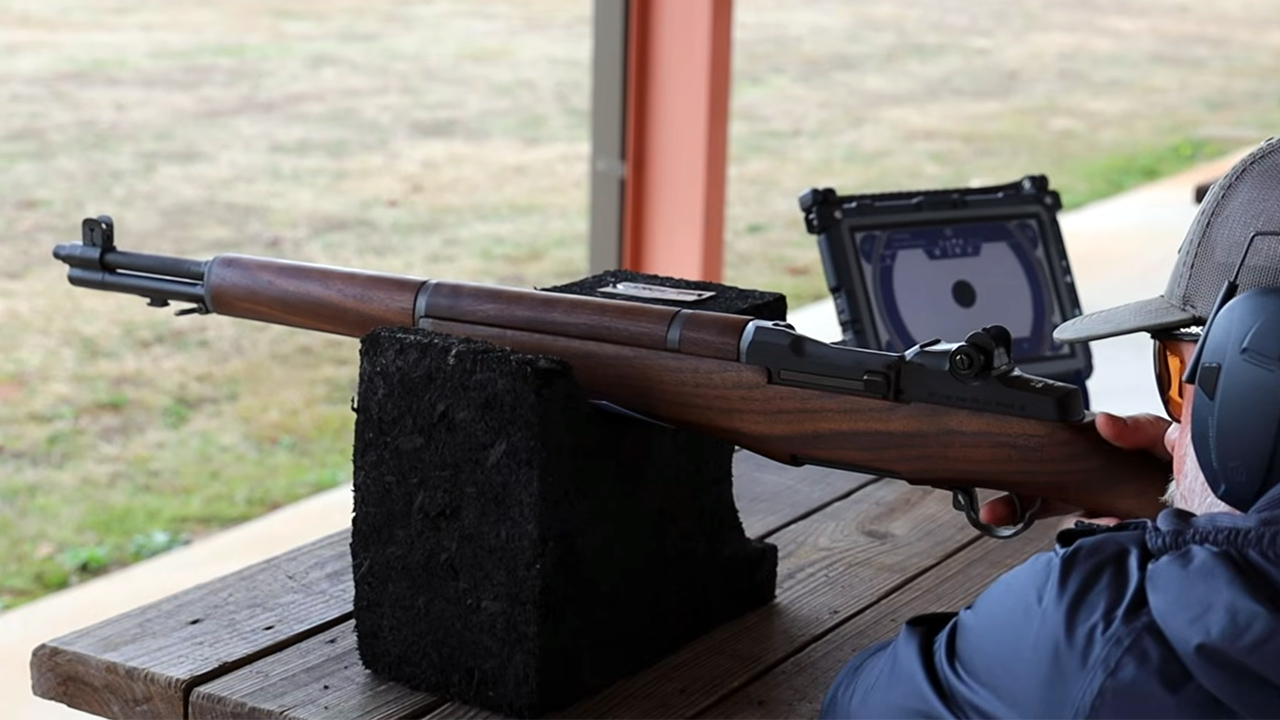
This one isn’t everybody’s deer rifle, but plenty of hunters have carried a Garand in the woods and done just fine. It’s heavy, it’s long, and it’s not subtle. Still, it’s reliable, it hits hard, and it’s part of American rifle history you can actually shoot.
Values have climbed steadily, especially for clean rifles with good barrels and honest parts. The supply that was once “normal guy affordable” isn’t endless. If you sold one because it wasn’t practical, I get it. That one hurts later.
17. Ruger Gunsite Scout Rifle (early production)
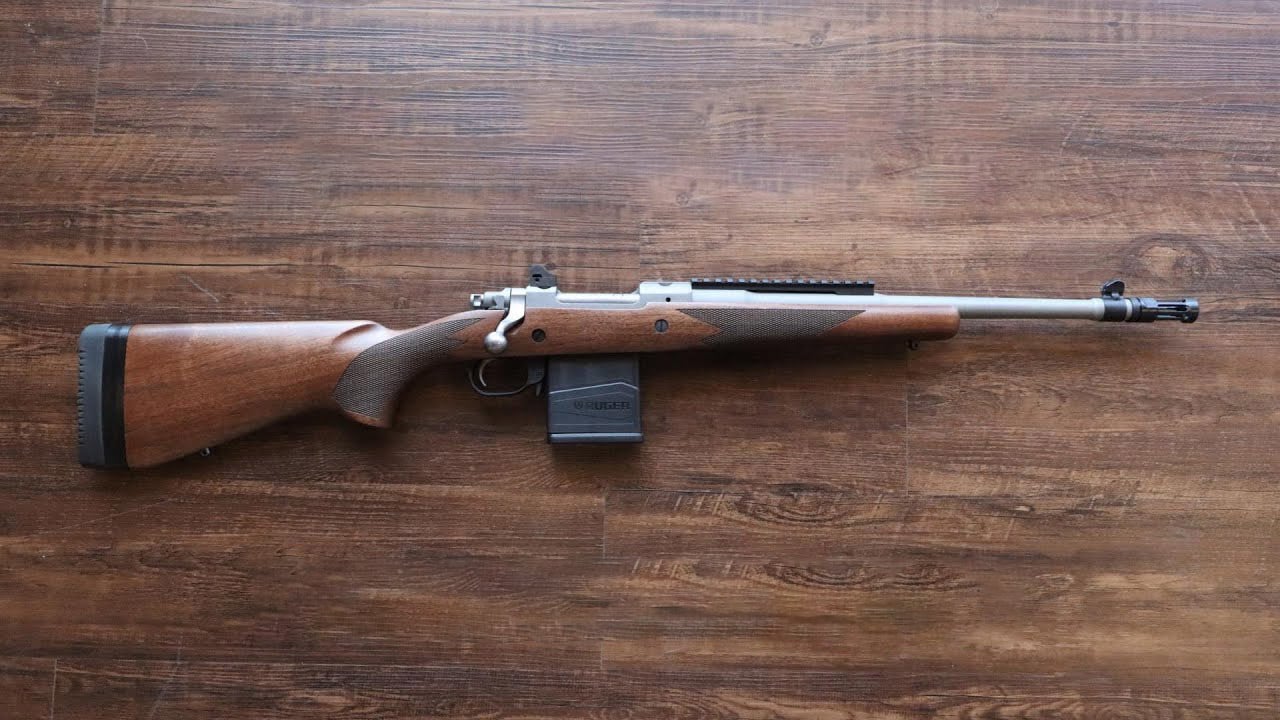
Scout rifles get mocked online until you watch one get carried all day and used fast in real terrain. The Ruger GSR is handy, durable, and set up for practical field shooting. It’s not a benchrest rig, and it doesn’t need to be.
Early models and certain configurations have gotten more desirable, especially with the way “practical rifles” come and go. Magazines are common, parts support is good, and the rifles tend to hold value because they’re actually useful outside a flat range bay.
18. Ruger Hawkeye African (and other controlled-feed Hawkeyes)
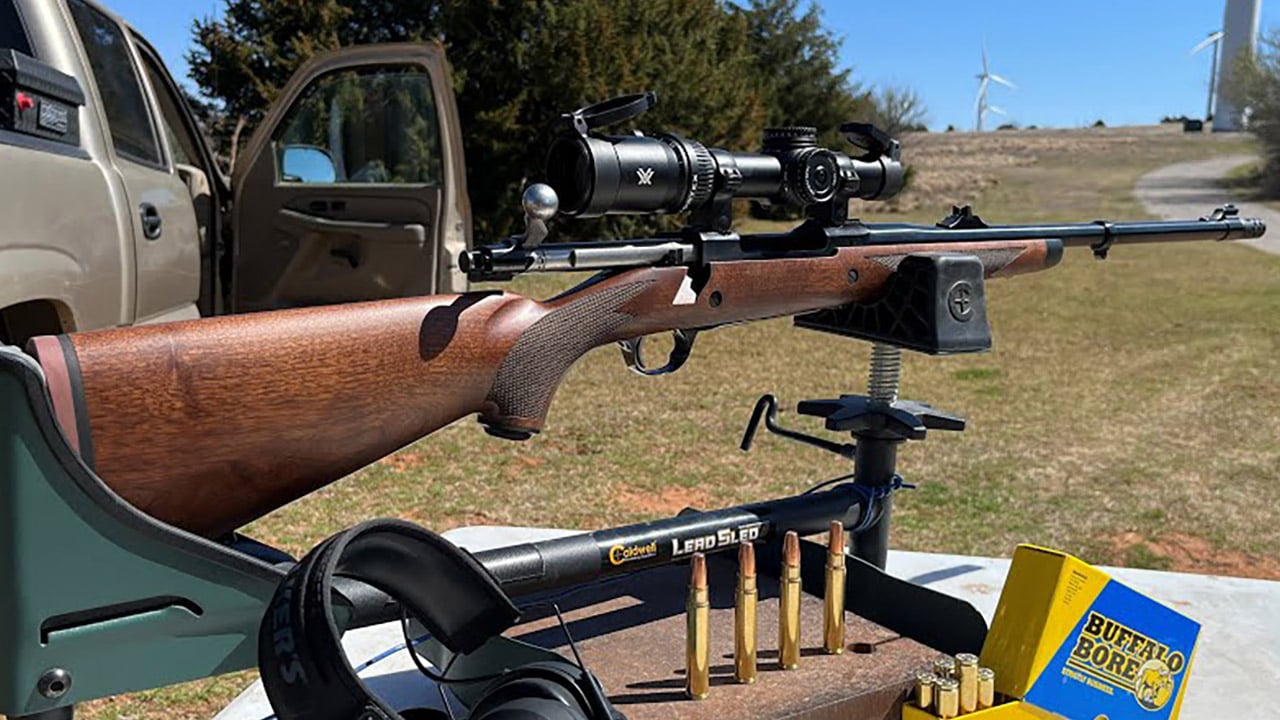
These are working rifles with some weight out front, meant to be shot, not just carried. The controlled-feed action and rugged build appeal to hunters who don’t want drama when the moment shows up.
They’ve appreciated because Ruger doesn’t make every configuration forever, and because the market swings back toward “real rifle” features when folks get tired of fragile trends. Not everyone wants a rifle that feels like a fence post, but if you do, you tend to keep it.
19. Weatherby Vanguard (Japanese Howa-era and early sub-MOA models)
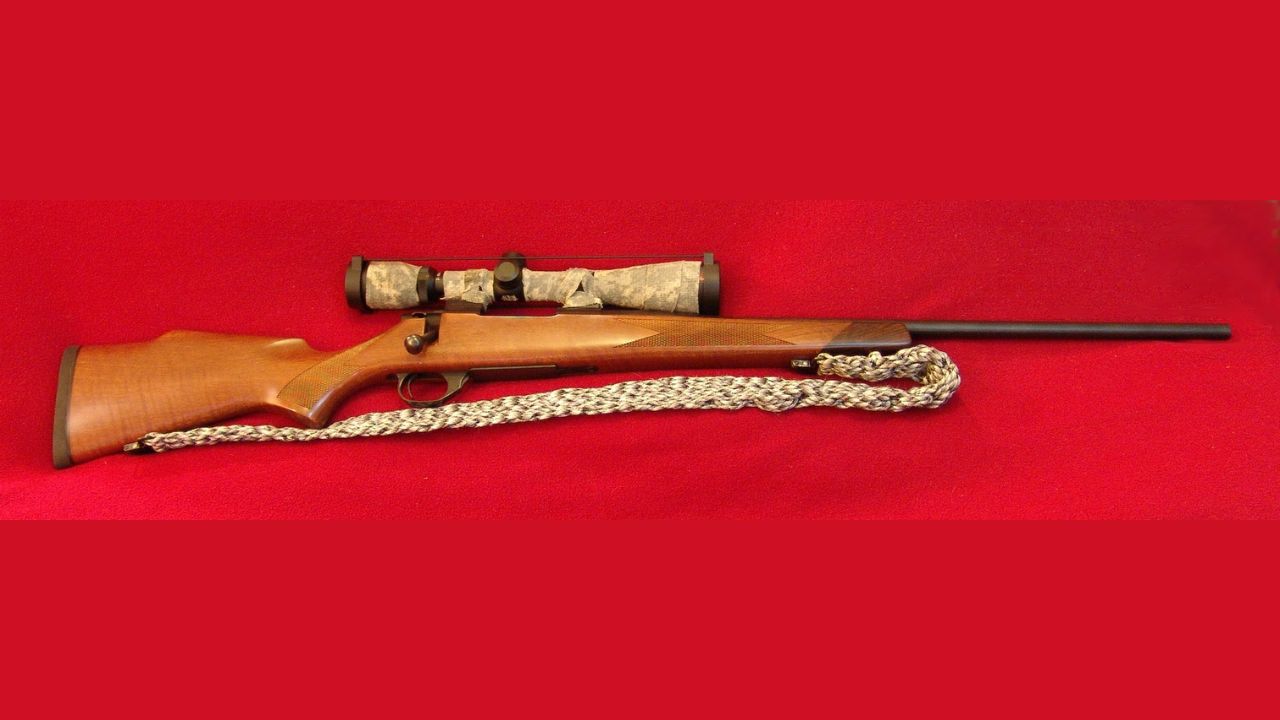
The Vanguard has been a sleeper for a long time. It’s not glamorous. It’s not what gets unboxed on camera with dramatic music. It just shoots, and the actions are generally smooth and dependable.
When you find a good older Vanguard with a decent trigger and a solid stock, it’s hard to argue with. They’ve appreciated partly because “accurate and reliable” never goes out of style, and partly because new rifle prices have gotten weird. Vanguards live in that sweet spot where a working hunter can still justify owning a couple.
20. Remington Model 600 / Mohawk 600

These little carbines are odd ducks. Dog-leg bolt, short barrel, and a look that not everyone loves. But they carry like a dream in thick cover, and they were made for hunting from the start.
They’ve climbed because they’re genuinely handy and because they aren’t being made anymore. In cartridges like .308 and .243, they’re a blast to hunt with if you can handle the muzzle blast. Ugly? Sometimes. Useful? Absolutely.
The funny part is none of these rifles need to be “investments” to end up appreciating. They just need to be honest tools that keep doing the job while the market runs in circles. If you’ve got one that feeds smooth, shoots straight, and feels right in the hands, don’t be too quick to flip it for whatever is new this week. A working rifle that you trust is worth more than a spec sheet.
Like The Avid Outdoorsman’s content? Subscribe to our newsletter so you never miss an article.
Here’s more from us: