Photo credit: Makarenko_ Elena/Shutterstock.com
Some dogs were built to hang all over people. Others were built to guard, hunt, or solve problems without needing constant touch. They’re not bad dogs, and they’re not robots; they’re just less interested in being hugged, grabbed, or carried around. A lot of them are loyal and steady, they just show it by lying nearby or working hard—not by climbing into your lap every time you sit down. These breeds are often labeled “aloof” or “independent,” especially with strangers. If you pick one, you’re signing up for respect and space more than nonstop cuddling.
1. Chow Chow

Chow Chows look like they were born to be hugged, but a lot of them have the exact opposite opinion. They’re old guardian dogs that tend to be reserved, serious, and choosy about touch. Many will tolerate attention from their own people in small doses and want almost nothing to do with strangers reaching over their head. They show their bond by following at a distance and keeping watch, not by flopping on the couch every time you sit.
If you push physical affection on them, they can shut down or push back. That’s why they’re often ranked as one of the least openly affectionate breeds. They’re capable of being loyal and attached, but it’s on their terms. For folks who like a dog with some cat energy—present, watchful, not clingy—a well-bred Chow can fit. For someone wanting a constant snuggle partner, it’s the wrong choice.
2. Chinese Shar-Pei

Shar-Pei are sturdy, wrinkled dogs that act more like independent farm hands than needy companions. They’re naturally suspicious of strangers and usually don’t enjoy being fussed over by people they don’t know. Even with their family, a lot of Shar-Pei prefer to lie nearby and keep an eye on things rather than soak up constant petting. Their affection is quiet and selective: they’ll follow you, guard doors, and react to strange noises, but they don’t always want fingers in their folds.
Because of skin sensitivity and joint issues in some lines, too much handling can actually be uncomfortable for them, which doesn’t help their reputation as standoffish. If you respect their space and keep handling comfortable and calm, they can build strong bonds. Try to treat them like living plush toys, and you’ll run into that “least affectionate” label in a hurry.
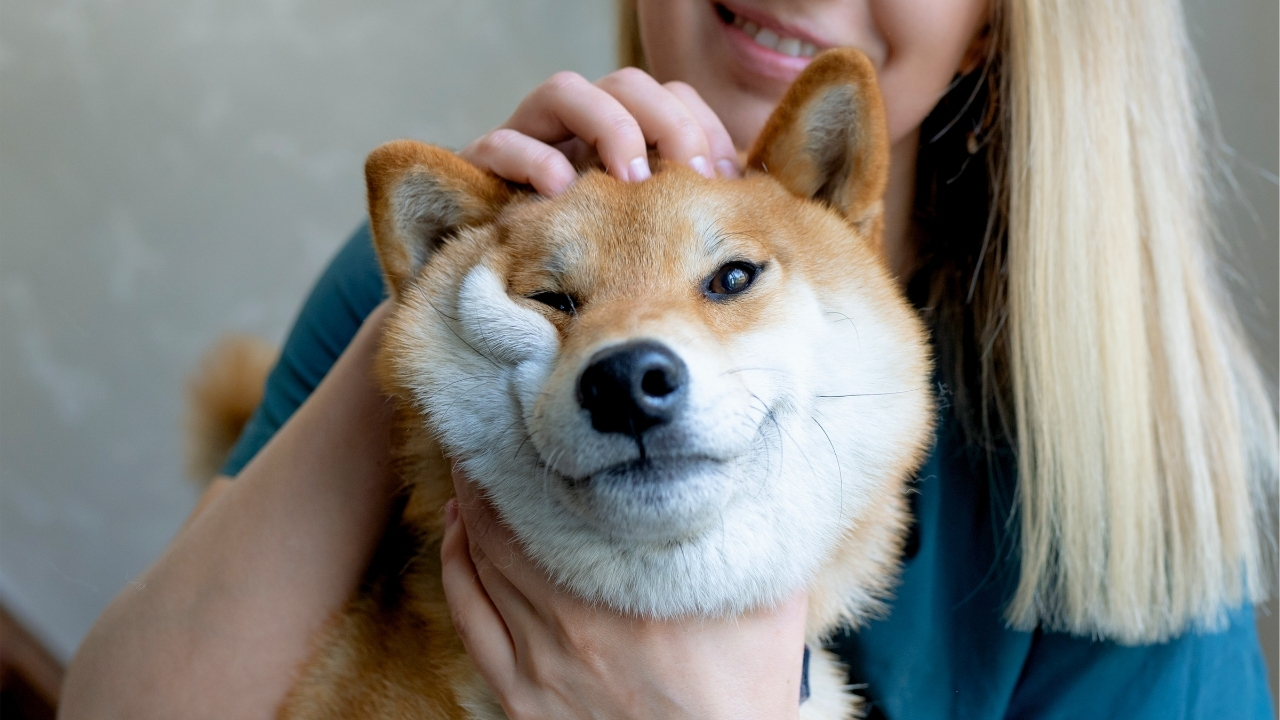
3. Shiba Inu

Shibas are famous for acting like tiny foxes that occasionally tolerate your presence. They can be loyal and bonded, but they usually prefer standing beside you to leaning on you. A lot of them duck away from big hugs, dislike being picked up, and don’t see the point of constant petting. Their affection tends to show up as following you from room to room, sleeping nearby, and occasionally allowing a short cuddle on their terms.
They also guard their autonomy hard. If you try to baby them or put them in situations where they feel trapped—crowded parties, endless handling, kids hanging on them—you’ll see exactly why they have a reputation as one of the least affectionate dogs. For people who like a clean, smart, independent animal that doesn’t need nonstop physical contact, that aloofness is part of the appeal.
4. Basenji

Basenjis are quiet, catlike sighthounds that feel more like small hunters than typical lap dogs. They’re affectionate in their own way—usually with one or two people—but they’re not big on strangers touching them and don’t spend all day asking for petting. Many Basenjis show their bond by sharing space, sleeping on the bed, or resting nearby while you work, not by demanding constant contact.
They can get fidgety or annoyed if people grab, hug, or pin them in the name of affection. Their independence and focus on the environment make them feel distant compared to a Golden or Lab. For someone who wants a dog that’s present but not clingy, that’s great. For someone who wants a dog to hug all day, a Basenji will feel cold fast.
5. Afghan Hound

Afghan Hounds are built like athletes and act like royalty. They’re gentle, but they’re not usually eager for rough handling or constant hugging. Many Afghans prefer to lounge on a couch or bed, watching the room with half-lidded eyes, and choose when they want contact. They’re affectionate in flashes—leaning in briefly, resting a head on your knee—then drifting back into their own world.
Their independent hunting background shows; they were bred to run far from people and use their own judgment. That mindset doesn’t magically turn into a Velcro dog when you bring one home. If you respect their space, they’ll bond closely and show you their softer side. Treat them like a stuffed animal, and you’ll see why people call them one of the least outwardly affectionate breeds.
6. Saluki

Salukis are another desert sighthound with a reputation for being reserved and self-contained. They’re loyal to their people, but they show it by staying nearby and keeping an eye on things, not by demanding petting every five minutes. Many Salukis accept quiet, gentle affection from their chosen people and are lukewarm to everyone else.
They can look almost distant to someone used to Labs and Goldens. It’s not that they don’t care; they’re just wired for thoughtful observation and fast action, not constant cuddling. For the right owner, that calm, low-contact bond is exactly the appeal. For someone expecting a dog that climbs into their lap every night, a Saluki can feel surprisingly cold.
7. Akita

Akitas are known for forming deep, serious bonds with their people, but they’re not high on physical affection, especially with strangers. They’re often content to lie quietly in the same room, guard the house, and check on the family without demanding touch. Plenty of Akitas will lean on their owners or accept brushing and petting, but they usually don’t want to be hugged, climbed on, or constantly handled.
That aloofness extends to visitors. Many Akitas simply tolerate guests instead of trying to make friends, and they can get uncomfortable fast if people crowd them. Their “least affectionate” reputation is really “low-touch and selective.” They give loyalty and presence more than cuddles, and if that’s what you want, they deliver. If you want a dog that lives in your lap, this is not it.
8. Alaskan Malamute

Malamutes are pack dogs that enjoy being around their people and other dogs, but they’re not always snugglers in the traditional sense. A lot of them prefer playing, running, and working to being hugged and kissed. They often show affection by leaning, pawing, and hanging out nearby rather than curling into you all night. With strangers, they can be friendly but not necessarily touch-obsessed.
That working background means they handle harsh conditions and long hours without needing emotional reassurance every five minutes. Some owners love that; it feels like running with a teammate rather than babysitting a toddler. Others want more softness and get disappointed. Malamutes care—they just tend to express it through shared activity and proximity more than constant physical affection.
9. Siberian Husky

Huskies have big personalities, but they’re not always physically clingy. Many enjoy being petted on their terms, then wander off to do their own thing. Their love language is more about shared runs, games, and howling sessions than hours of couch cuddles. They’re social and often friendly, but a lot of them will duck away from long hugs or tight holds.
They were bred to run in teams and handle tough conditions without collapsing into their handlers for comfort. That independence shows up in home life. They’ll hang out where the action is, sleep in the hallway, and “talk” to you all day, but they don’t always want hands on them nonstop. That’s why people often rank them as less affectionate compared to the classic family retrievers.
10. Norwegian Elkhound

Norwegian Elkhounds are hunting partners built to track and hold big game while barking, often out of sight of humans. That job requires independence and confidence, not constant reassurance. In the home, they’re usually loyal and content to be near their people, but they’re not always big on being smothered. They’ll sit, lean, and enjoy petting in moderation, then move to a cooler, quieter spot when they’re done.
They can be reserved with strangers and slow to show much warmth to people outside the family. Their way of caring is more about keeping an eye on the property, sounding the alarm, and being present than it is about wrestling you for the nearest lap. If you appreciate a dog that shows affection by watching the woods instead of begging for cuddles, that independence feels like a feature, not a flaw.
11. Anatolian Shepherd

Anatolians bond to their people and property, but they’re not touchy-feely dogs. Their instinct says “guard first, socialize later,” and physical affection is usually something they accept quietly rather than crave. A lot of them are happier lying in a doorway or out in the yard on patrol than pressed up against you on the couch.
They can be downright aloof with strangers, and many won’t want unfamiliar hands on them at all. Their affection is serious and low-key—staying near your home base, checking on movement, and reacting when something sounds off. They care deeply, they just don’t show it like a Golden. For most of the folks who choose them, that distant, working-dog style is exactly what they’re looking for.
12. Kangal
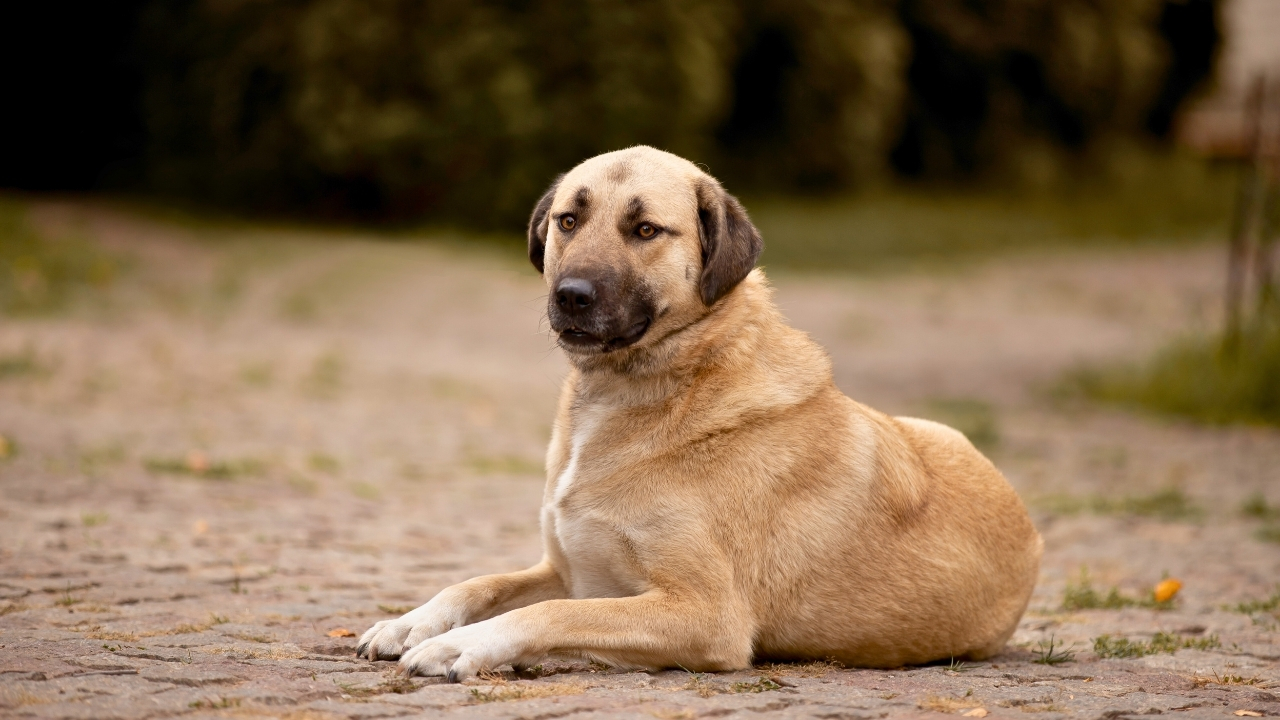
Kangals are similar to Anatolians in that their job comes first. They were bred to protect flocks, not to be professional snugglers. They often form strong bonds with a family or a specific person, but they tend to express that by working and watching, not climbing into laps. Many will accept petting in a calm, measured way and move off when they’ve had enough.
With strangers, they’re typically reserved to flat-out uninterested, and they don’t like being touched by people they don’t know well. Their affection lives in where they choose to stand—near kids, in the yard at night, between the house and the road—not in constant kisses. If you want a dog that “sticks around” more than one that clings, their low-affection reputation can actually be a selling point.
13. Great Pyrenees

Pyrs love their people, but not all of them are snugglers. Many prefer sprawling nearby, watching the property, and checking in occasionally rather than soaking up touch all day. They often accept petting for a bit, then move to a cooler floor or a better vantage point, especially if they’re running hot with that thick coat. Their affection is more about presence and calm than constant physical contact.
With strangers, they can be polite but distant or flat-out indifferent. They’re paying more attention to what’s happening outside than who wants to hug them inside. That can leave people calling them “unaffectionate” compared to more demonstrative breeds. In reality, they’re bonded—it just comes through in quiet hallway naps and long nights at the fence line instead of climbing into your lap every evening.
14. Cane Corso

Cane Corsos can be very loyal to their people, but their style is more bodyguard than lap dog. Many of them will lie at your feet, follow you from room to room, and step between you and strangers without wanting a lot of petting. They often get overstimulated or annoyed if folks hug them tight, grab their face, or treat them like stuffed animals. Their comfort zone is calm, controlled contact and clear roles.
With outsiders, they’re usually reserved or uninterested and may not want to be touched at all. That’s part of their job description as guardians. If someone expects a Corso to be outwardly affectionate the way a Lab is, they’ll be disappointed. For people who want a dog that “has their back” more than one that smothers them in kisses, that low-affection style actually fits well.
15. Presa Canario

Presa Canarios are serious working dogs with a tendency toward calm, heavy presence rather than bouncy affection. They usually bond tightly to their owners but show it by shadowing them, watching windows, and holding positions, not by begging for nonstop petting. Many Presas will tolerate and sometimes enjoy touch in moderation, then move away when they’re done. They’re not built to be climbed on or handled roughly.
Strangers are another story; most Presas don’t want unfamiliar hands on them at all. Their independent, strong-willed temperament and guardian background put them firmly on lists of “least outwardly affectionate” breeds. They care deeply about their circle, but the day-to-day expression of that looks more like a quiet security detail than a golden retriever sleepover.
16. Kuvasz

Kuvasz dogs are livestock guardians with a reputation for being reserved and self-directed. They bond to their people and their charges but usually don’t beg for touch constantly. Many prefer lying near the door, on the porch, or outside watching the tree line rather than curling up on the couch. Their affection tends to be subtle—following you between buildings, checking on kids, positioning themselves between you and visitors.
Excessive handling or forced cuddling can make them uncomfortable, especially with strangers. They’re not cold; they’re prioritizing awareness and control over physical affection. For folks who understand that and meet them where they are, they become steady, low-contact companions. For people who want a dog that craves petting all day, they come across as one of the least affectionate choices out there.
17. Belgian Malinois

Mals bond hard but not always in a cuddly way. Their main focus is work: biting sleeves, clearing fields, searching, and staying locked in on their handler’s cues. They often show affection by staying intensely engaged and ready rather than flopping down for belly rubs. In downtime, some enjoy close contact, but a lot of them would rather pace, watch doors, or chew a toy than be smothered with touch.
With strangers, they’re usually businesslike or flat-out suspicious. They don’t tend to invite petting and may get edgy if someone insists. Their idea of “sticking with you” is staying by your side when things get loud and rough, not curling into your side every evening. For a lot of handlers, that’s exactly what they want. For someone looking for a soft family snuggler, they’ll feel distant.
18. Airedale Terrier

Airedales are tough, busy terriers that tend to value activity over cuddling. They usually like being near their people and may enjoy some petting, but then they’re ready to move on to patrol the yard, chase smells, or chew something. Their affection shows in engagement—working with you, playing games, staying curious—not in long, quiet cuddle sessions.
Strangers often get an even cooler reception. Airedales can be polite but standoffish, keeping their attention on the environment more than on social interaction. They’re far from heartless, but if your idea of affection is a dog that stays under your hand all night, they’re going to feel stingy. For people who want a companion that loves doing things more than being held, that low-touch style can be a good fit.
19. Scottish Terrier

Scotties are classic “big dog in a small body” types. They’re loyal and can be quite attached to their chosen people, but they’re not usually all that physically affectionate. A lot of them prefer sitting at your feet or nearby instead of in your lap, and they can get snappy if someone tries to treat them like a toy. They like attention on their terms and often in small portions.
They’re also selective with strangers. Many Scotties don’t appreciate being picked up, hugged, or grabbed by people they don’t know. Their independent streak and low tolerance for rough handling give them a reputation as one of the less affectionate small breeds. They’re more about dignity and presence than non-stop cuddling, which suits some owners perfectly and frustrates others.
20. Lhasa Apso
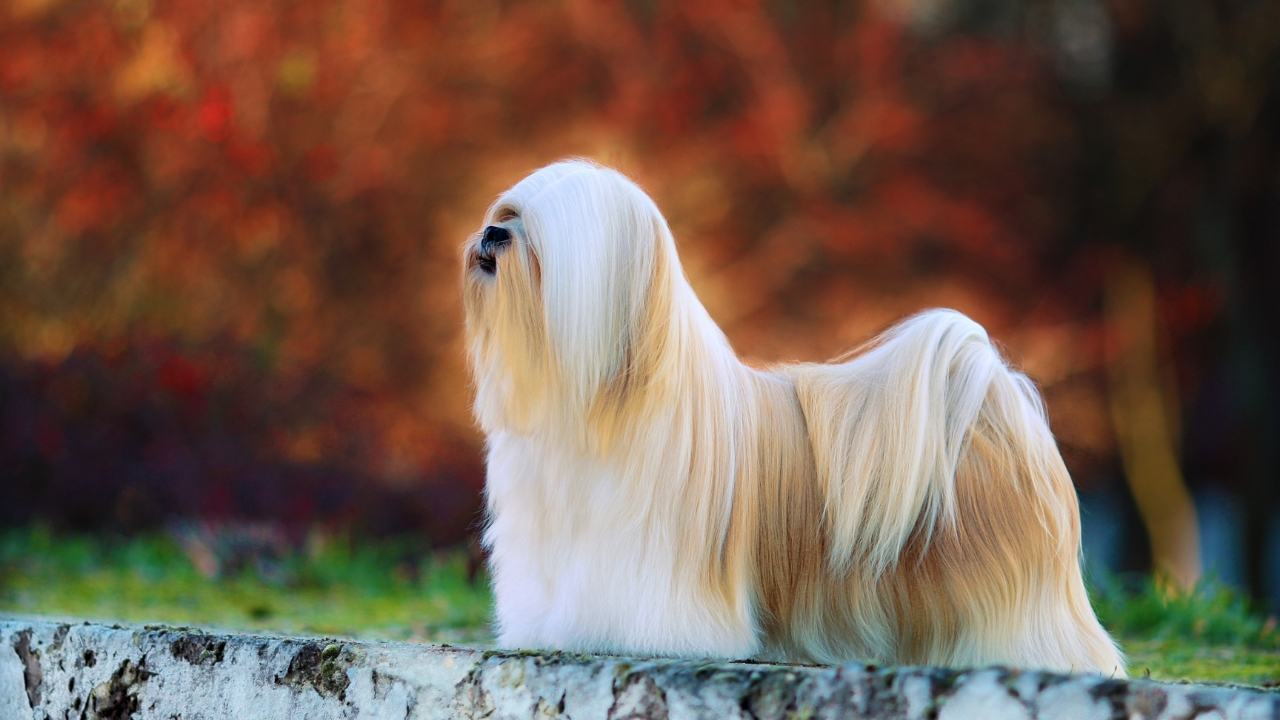
Lhasas were bred as watchdogs in monasteries and homes, not as pure lap warmers. They’re alert, opinionated little dogs that often choose a favorite person and give them quiet loyalty, but they don’t always crave constant touch. Many enjoy short petting sessions, then move off to a spot where they can see the room and keep an eye out. They’re affectionate on a schedule they control.
With strangers, they can be standoffish or even reactive if people push too hard, too fast. That leads to a reputation of being grumpy and low-affection. In reality, they’re picky. If you respect their boundaries and don’t force cuddling, they’ll usually meet you halfway—just don’t expect a Lhasa to be as physically demonstrative as a spaniel or retriever. They’re more about guarding energy than golden retriever enthusiasm.
Like The Avid Outdoorsman’s content? Subscribe to our newsletter so you never miss an article.
Here’s more from us: