Photo credit: Albert Beukhof/Shutterstock.com
Seeing a bald eagle in the wild is a moment you’ll never forget. With their striking white heads and strong wings, they command attention. These birds of prey are a true success story; after being nearly wiped out in the late 1970s, conservation efforts and federal protections have helped their populations rebound. Today, they’re thriving, and your chances of encountering one have increased. But what should you do when you cross paths with this iconic bird? Let’s talk about how to respect and protect bald eagles—and keep yourself safe, too.
When and Where You’re Likely to See Eagles

Before getting into the dos and don’ts, it helps to know where and when you might spot an eagle. Bald eagles prefer forested areas near rivers or lakes, where fish—their primary food source—are plentiful. While you can see them across most of the U.S. year-round, winter is the best time to catch a glimpse. Eagles tend to be more active and visible during the colder months. I’ve spent countless mornings near rivers watching them swoop down to snatch fish—a sight that never gets old.
Now, if you’re lucky enough to see one, here’s how to make sure your encounter is respectful and safe.
Keep Your Distance

When you see a bald eagle, resist the urge to get close. Experts, including the Department of Environmental Conservation, recommend staying at least a quarter of a mile away. Eagles are highly sensitive to human activity and can abandon their nests if they feel threatened. This is especially true during mating season, which varies depending on the region and nesting pair. Trust me, you don’t want to upset an eagle during this time—they’re territorial and could defend their space. While an eagle attack isn’t usually life-threatening, those talons and beaks can leave a mark.
It’s not just people who need to keep their distance—drones are a big no-no, too. The U.S. Fish and Wildlife Service prohibits flying drones near or following eagles. Drones can spook the birds, leading to nest abandonment. If you want a closer look, your best bet is a solid pair of binoculars or a spotting scope.
Stay Quiet

Eagles are easily startled by loud noises, which can disrupt their nesting habits. Engines, loud music, or even slamming a car door can scare them off. As an outdoorsman, I’ve learned the value of moving quietly in nature—not just for spotting wildlife but for respecting their space. If you’re in an area known for eagle activity, keep things as peaceful as possible.
When startled, eagles may leave their nests abruptly, which could harm eggs or hatchlings. According to the Audubon Center for Birds of Prey, repeated disturbances can prevent eggs from staying warm or leave young birds vulnerable to predators. So, when in eagle territory, think of it as a no-honking, no-yelling zone.
Leave Feathers and Bones Behind

It’s tempting to keep a souvenir if you come across eagle feathers or bones, but it’s against the law. Federal protections prohibit the possession of any eagle parts—alive or dead—unless you’re a member of a federally recognized Native American tribe. These laws aim to prevent illegal poaching and ensure that tribes can access eagle feathers for traditional ceremonies.
If you stumble upon a dead eagle, contact local wildlife authorities immediately. They’ll arrange for the bird to be sent to the National Eagle and Wildlife Property Repository, where it can be processed. It might seem like a small thing, but following this rule helps protect these magnificent birds for generations to come.
Leave No Trace
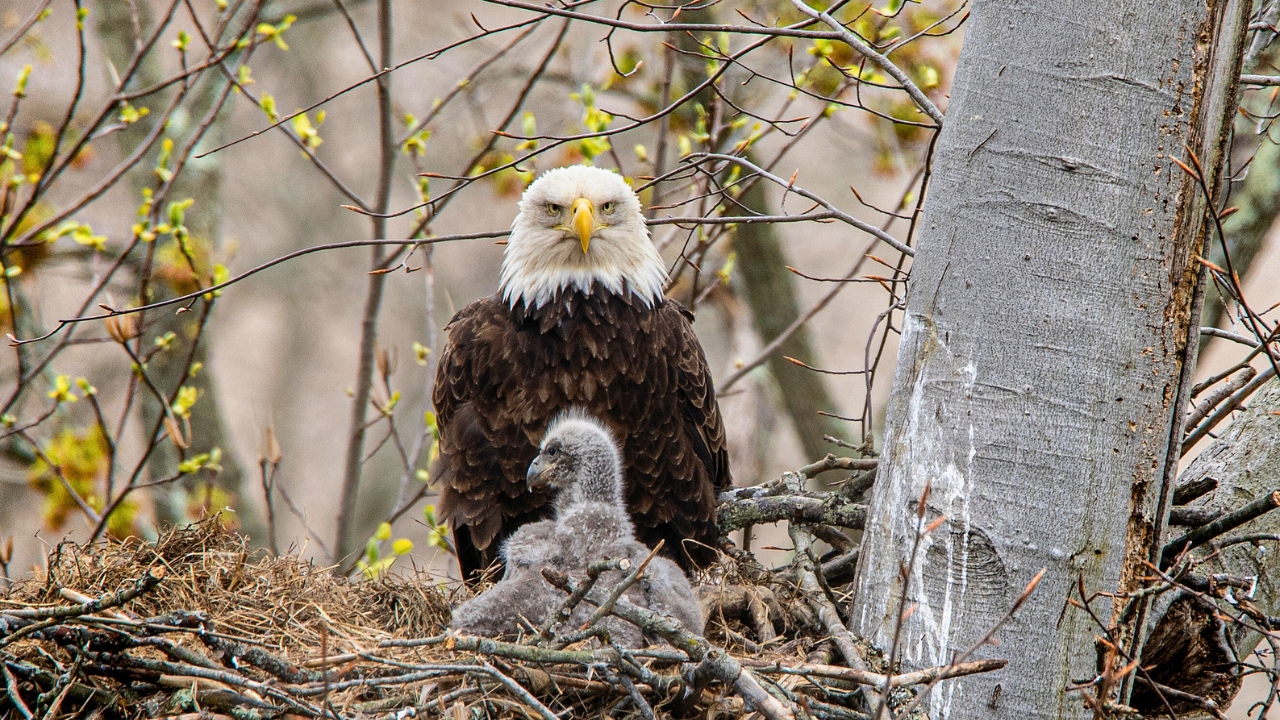
If you’re hiking or birdwatching in eagle habitat, be mindful of your trash. Eagles, like many birds, are drawn to human waste, and scavenging through trash can harm them. Items like plastic, wrappers, or leftover food can be deadly. I’ve seen firsthand how easy it is for wildlife to get into trouble because of carelessness—keeping a clean trail makes a difference.
Hunters should also be cautious about leaving animal remains behind. Lead poisoning is a leading cause of eagle deaths, often occurring when they ingest meat contaminated by lead bullets. If you hunt, use non-lead ammunition and dispose of carcasses properly. It’s a small adjustment that can save eagle lives.
Help Injured or Sick Eagles

If you come across an injured eagle, it’s critical to act responsibly. First, determine whether the bird is genuinely in trouble. Healthy eagles will fly away when approached, but an injured bird may stay put. If it’s clear the bird needs help, contact a local wildlife rehabilitation center. Each state has organizations equipped to handle these situations.
In some cases, you may need to transport the bird yourself. Thick gloves and a towel are essential for protecting both you and the eagle. Even injured, their sharp talons and beaks can cause injury. Always prioritize your safety and the bird’s well-being when offering assistance.
Like The Avid Outdoorsman’s content? Subscribe to our newsletter so you never miss an article.
Here’s more from us: