Photo credit: Sergey Demo SVDPhoto/Shutterstock.com
Coyotes don’t show up neatly on spreadsheets. There’s no once-a-year count where biologists walk out and tally them like deer. What we do have is a mix of harvest data, habitat analysis, reproduction studies, and decades of on-the-ground reporting from wildlife agencies, hunters, and trappers. When you put all that together, clear patterns emerge. Coyotes thrive where edge habitat is constant, prey is abundant, winters aren’t catastrophic, and human pressure doesn’t fully remove them. These states consistently check all those boxes. This list isn’t hype—it reflects where coyotes actually dominate the landscape.
Texas
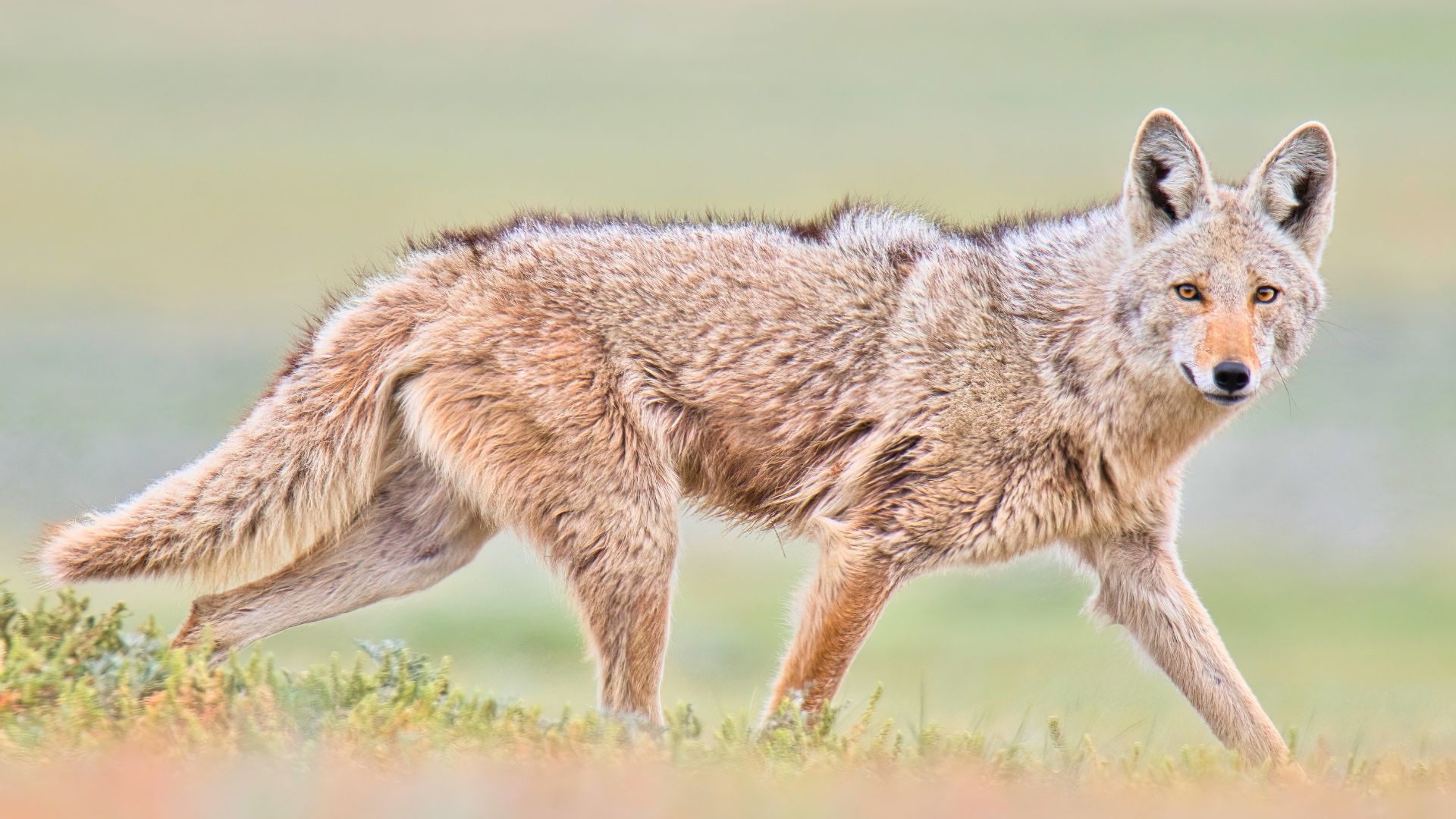
Texas sits at the top for one simple reason: scale plus habitat. The state has massive stretches of rangeland, brush country, agricultural edges, and transitional habitat that coyotes are perfectly adapted to exploit. From West Texas mesquite flats to Hill Country draws to Panhandle farm edges, coyotes have food and cover year-round. Mild winters in much of the state mean fewer seasonal die-offs, allowing populations to rebound fast even with heavy hunting and control efforts.
Another factor is prey diversity. Texas coyotes aren’t living off one food source. They rotate between rodents, rabbits, carrion, insects, fruit, livestock afterbirth, and whitetail fawns. That flexibility is why removal efforts rarely make a long-term dent. You can pressure them hard locally, but surrounding populations refill gaps quickly. If you hear coyotes every night in Texas, it’s not imagination—it’s density.
California

California’s coyote population benefits from extreme habitat diversity and constant food availability. Coyotes here live in deserts, foothills, farmland, timber, coastal scrub, and right on the edge of major cities. They’ve learned to move between natural prey and human-related food sources without exposing themselves much during daylight hours. That adaptability has allowed them to thrive even as development expands.
In agricultural regions, coyotes work irrigation canals, field margins, and orchards. In suburban zones, unsecured trash, pet food, rodents, and landscaping attract prey species that coyotes follow. California also lacks prolonged winter stress across most of the state, which allows higher survival rates year over year. Coyotes here aren’t just surviving—they’re expanding into areas that didn’t have established populations a few decades ago.
Arizona

Arizona coyotes thrive because the state offers long sightlines, low human density in many regions, and prey that stays active year-round. Desert ecosystems don’t slow coyotes the way people expect. Jackrabbits, rodents, reptiles, birds, and carrion remain available even during harsh conditions, and coyotes are efficient enough to capitalize on it.
Another advantage is mobility. Arizona coyotes cover large territories using washes, ridgelines, and open basins. They’re not locked into one habitat type, and elevation changes let them shift conditions seasonally. Pressure from hunting exists, but like most western states, it mainly changes movement patterns rather than reducing overall numbers. Coyotes here learn to operate at night, travel farther, and avoid predictable pressure without abandoning productive areas.
Kansas

Kansas is textbook coyote country. Crop fields, pasture, shelterbelts, creek bottoms, and CRP land create endless edge habitat—exactly where coyotes hunt best. They don’t need large blocks of wilderness; they need broken terrain where prey concentrates. Kansas provides that statewide.
Prey density is also consistent. Rodents thrive in ag land, rabbits work field edges, and deer populations support seasonal scavenging and fawn predation. Kansas winters can be harsh, but coyotes are resilient, and food availability keeps populations stable. Even with year-round hunting, coyotes rebound quickly because reproduction increases when population pressure drops. That biological response keeps Kansas packed with coyotes no matter how aggressively they’re pursued.
New Mexico

New Mexico offers coyotes huge uninterrupted ranges of mixed terrain—desert, mesas, grasslands, and mountain foothills. That variety allows coyotes to shift location rather than struggle when conditions change. When drought affects one region, they move. When prey cycles dip locally, they range farther.
Human population density is low across much of the state, which reduces accidental mortality and conflict-based removal. Coyotes here live more like true wide-ranging predators than suburban scavengers, but the result is the same: strong, resilient populations. New Mexico coyotes are also known for traveling long distances, which helps maintain genetic diversity and population stability across regions.
Arkansas

Arkansas doesn’t look like classic coyote country at first glance, but it’s loaded with what they need. Timberland broken up by pasture, food plots, creek bottoms, and ag edges creates excellent cover and hunting lanes. Coyotes can bed in thick woods during the day and move into open ground at night with very little risk.
The deer population plays a role too. Fawn availability and carcasses during hunting season provide high-calorie food sources. Coyotes here aren’t forced into extreme movement patterns—they can live compact, efficient lives within relatively small territories. That efficiency supports higher densities than people expect in a mostly wooded state.
Pennsylvania

Pennsylvania’s coyote population benefits from fragmented habitat and consistent prey. Farms break up large forest blocks, creating natural funnels and travel corridors. Coyotes here also benefit from low predator competition—no wolves, limited pressure from larger carnivores, and abundant white-tailed deer.
Eastern coyotes also tend to be larger-bodied, with genetics influenced by wolf ancestry, which may improve their hunting efficiency. They operate heavily at night and move through suburban edges without being seen. That stealth leads people to underestimate how many coyotes are actually present. In many parts of Pennsylvania, coyotes are the dominant predator whether people realize it or not.
Georgia

Georgia coyotes thrive in pine plantations, cutovers, agricultural land, and expanding suburban zones. Timber management creates ideal cover, while farms and wildlife food plots attract prey. Coyotes here quickly learn human schedules and traffic patterns, allowing them to operate close to people without drawing attention.
Warm winters help too. Coyotes don’t burn calories just staying alive, which improves pup survival rates. That means litters are larger and more successful year after year. Georgia coyotes may not always be visible, but their vocalizations and livestock impacts make their presence obvious once you know what you’re listening for.
Wyoming
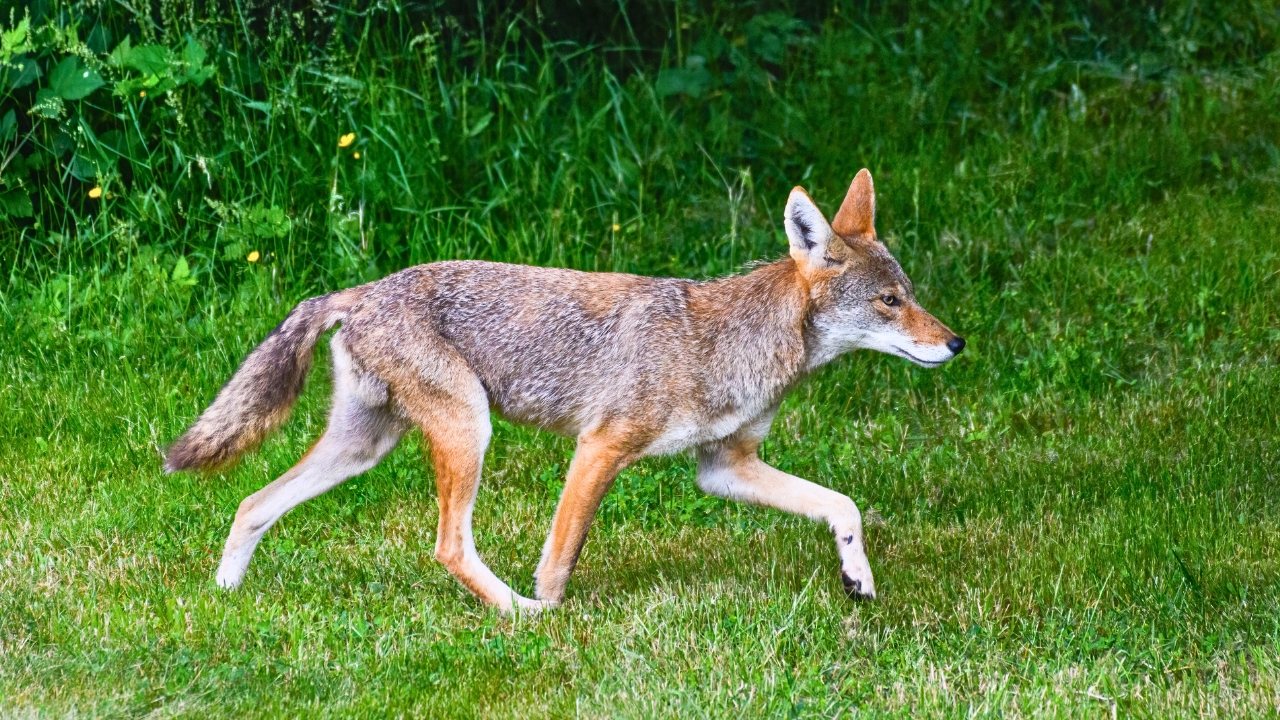
Wyoming’s open country allows coyotes to live big and move freely. They work sage flats, rimrock, prairie, and foothills with ease. Visibility doesn’t hurt them—it helps them spot prey and avoid danger early. Coyotes here are lean, mobile, and extremely efficient hunters.
Pressure from hunting and aerial control is high in some regions, but coyotes adapt by shifting movement patterns rather than abandoning territory. They also benefit from seasonal carcass availability during big game seasons. Wyoming coyotes don’t need human food sources—they’re fully capable of sustaining themselves on wild prey alone.
Oregon

Oregon’s coyotes split into two successful populations: eastern open-country coyotes and western forest-adapted coyotes. East of the Cascades, they hunt open ground and ag land. West of it, they use timber edges, clearcuts, and river corridors.
The forested coyotes are especially hard to detect. Thick cover lets them live close to roads, towns, and farms without being seen. Oregon’s prey base—rodents, deer, elk carrion, birds—is stable, and hunting pressure rarely removes enough animals to affect long-term population levels.
Colorado

Colorado coyotes thrive along the Front Range, plains, foothills, and mountain valleys. Development actually helps them in many cases by concentrating prey and reducing competition from larger predators in suburban zones.
Coyotes here are known for exploiting trail systems, open space corridors, and greenbelts. In rural areas, they take advantage of livestock operations and seasonal big game movement. Colorado’s mix of open land and fragmented development creates ideal conditions for coyote expansion rather than suppression.
Nebraska

Nebraska’s coyotes benefit from agriculture-driven habitat diversity. Shelterbelts, river systems, and crop rotations support prey year-round. Coyotes use these features as travel routes and hunting zones, allowing them to avoid exposure while still accessing food.
Like Kansas, Nebraska coyotes rebound quickly after pressure. Reduced numbers lead to increased litter sizes and pup survival. This biological feedback loop keeps populations steady despite heavy hunting and control efforts across much of the state.
South Dakota

South Dakota offers wide-open prairie mixed with river breaks and agricultural land. Coyotes here thrive in areas where livestock and wildlife overlap. Seasonal food availability shifts, but coyotes adjust rather than decline.
Harsh winters do impact some animals, but coyotes compensate by scavenging winterkill and carcasses. Their ability to exploit both live prey and carrion allows populations to remain strong even when conditions are challenging.
Nevada

Nevada’s coyotes operate in some of the harshest terrain in the country, but low human density works in their favor. Large basins, desert ranges, and limited development allow coyotes to move freely without constant disturbance.
Water sources become focal points for prey, and coyotes learn these patterns quickly. They may not reach the same densities as agricultural states, but Nevada supports stable, wide-ranging populations that are difficult to reduce long-term.
Alabama

Alabama rounds out the list thanks to mixed habitat and mild climate. Timber, farmland, and suburban expansion create edge habitat everywhere. Coyotes here adapt quickly to pressure and often operate unnoticed until livestock losses or vocalizations make them obvious.
Warm winters improve pup survival, and food availability stays consistent. Alabama coyotes are no longer newcomers—they’re established, breeding, and expanding across the state.
Like The Avid Outdoorsman’s content? Subscribe to our newsletter so you never miss an article.
Here’s more from us: